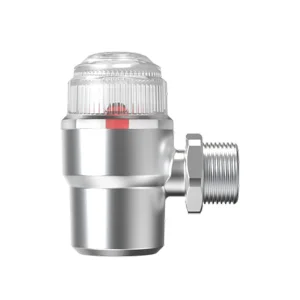
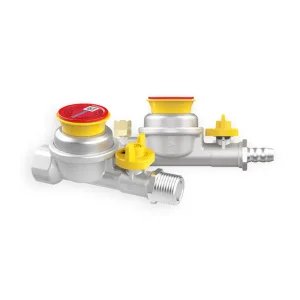
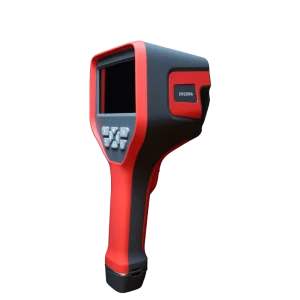
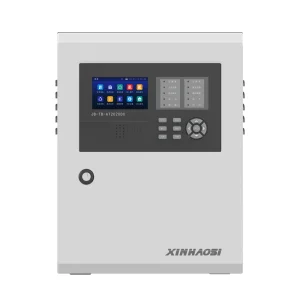
Explore our core gas monitoring devices, engineered for extreme industrial, commercial, and household applications.

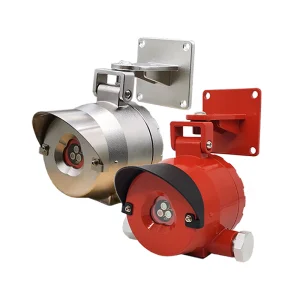
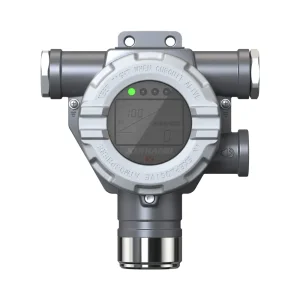

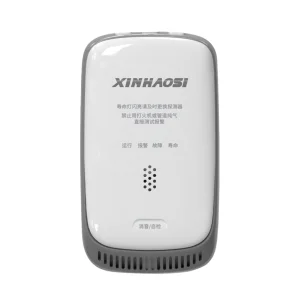
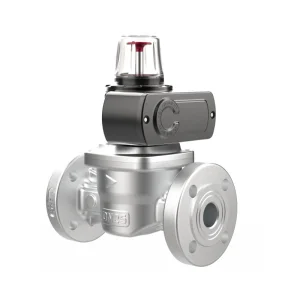

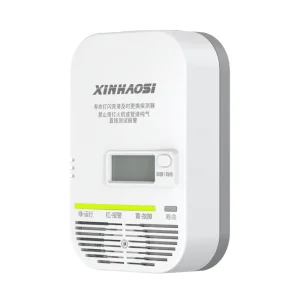
The global landscape of flammable gas detection is undergoing a profound paradigm shift. Historically dependent on localized catalytic combustion sensors that triggered simple auditory alarms, modern safety ecosystems now demand highly integrated, digitalized, and resilient infrastructures. The driver behind this transformation is the convergence of strict international occupational safety mandates (like ATEX, IECEx, and SIL classifications) and the adoption of Industrial IoT (IIoT).
Today's smart industrial complexes require gas monitoring systems that do not merely report leaks but dynamically predict and isolate them. The integration of advanced sensing mechanics—such as Non-Dispersive Infrared (NDIR) detection, Photoionization Detectors (PID), and laser-based absorption spectroscopy—has elevated accuracy metrics, significantly reducing cross-sensitivity to environmental moisture and organic compounds. Consequently, OEM partners are tasked with providing highly adaptable sensor modules capable of handling diverse gases, including methane, liquefied petroleum gas (LPG), hydrogen, and complex hydrocarbon gases.
"With the transition to Green Hydrogen economy, the demand for high-selectivity hydrogen sensor modules has surged by over 45% in European and North American industrial grids."
Industrial procurement officers face a delicate balancing act: maintaining safety compliance while managing capital expenditures.
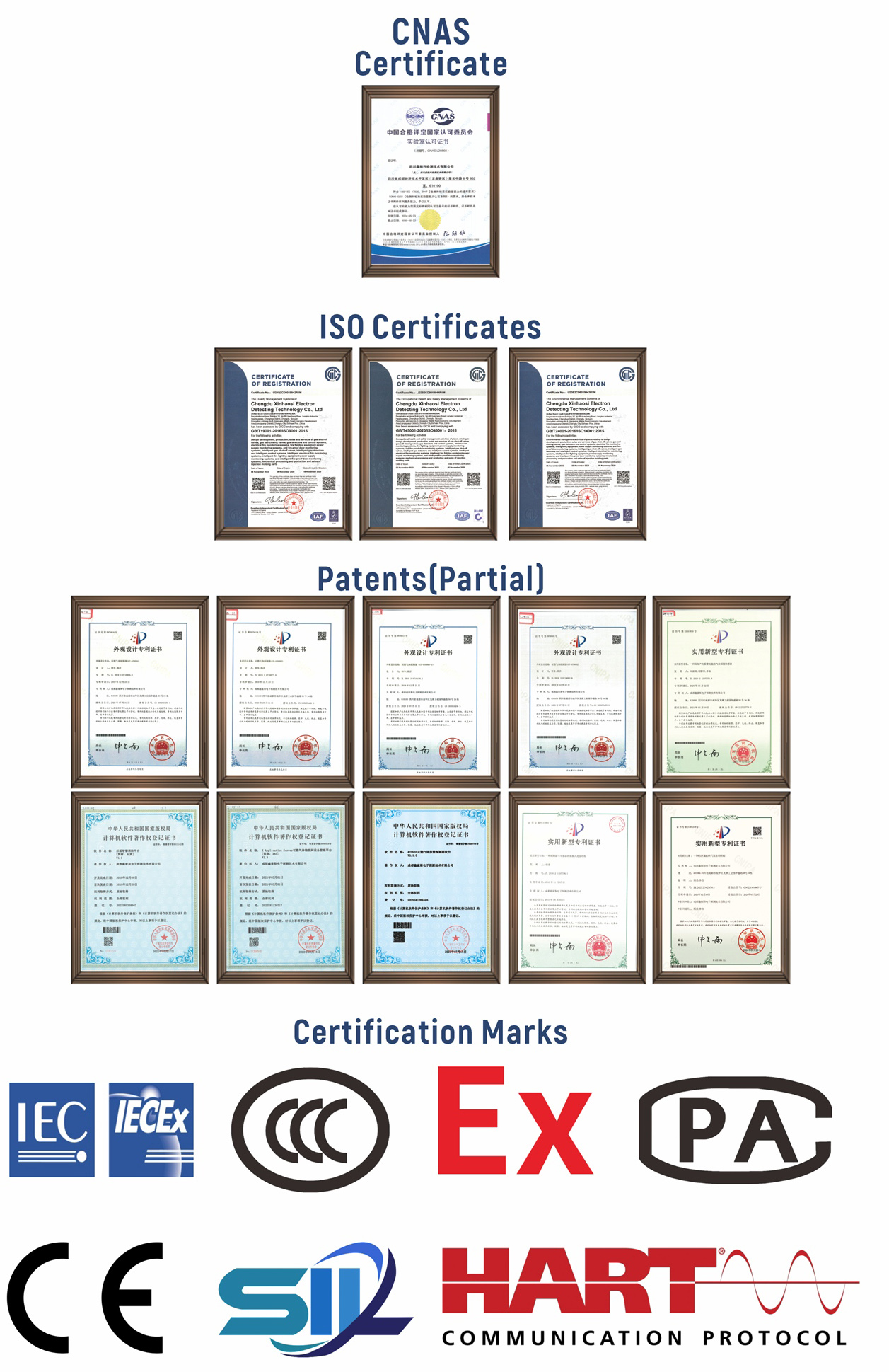
Global procurement teams prioritize vendors with rigorous certifications: UL, CE, SIL2, SIL3, ATEX, and local fire protection and metrology type approvals. This mitigates liability and expedites local site permits.
Different facilities require unique communication protocols—Modbus RTU, BACnet, LoRaWAN, NB-IoT, or 4-20mA analog interfaces. Standard products rarely fit, making customizable firmware and housing options essential.
The total cost of ownership goes beyond the initial purchase. Procurement managers evaluate sensor lifespans, calibration intervals, and plug-and-play field replacement options to minimize maintenance overhead.


Founded in 2003, Xinhaosi is one of the most influential and trusted brands in the global gas safety industry. Over the past two decades, we have steadily built a robust and comprehensive production and service system, which integrates cutting-edge R&D, intelligent manufacturing with advanced automation equipment, digital marketing across global channels, professional after-sales support with an experienced technician team, flexible OEM/ODM services, as well as CNAS-Accredited laboratory calibration services that meet international standards.
Our diversified product portfolio covers industrial & residential gas detection & alarm systems, industrial & household gas solenoid valves, and urban gas pipeline network monitoring systems—all engineered to adapt to complex working environments and strict safety requirements. We produce and sell tens of millions of units annually, catering to a wide range of industries that demand reliable gas detection solutions, including oil & gas exploration and production, petrochemicals, urban gas distribution, automotive manufacturing, pharmaceuticals, new energy, steel production, and beverage processing.
Guided by the core mission of “Making Gas Safety Accessible Everywhere,” we consistently deliver high-performance, reliable products and customized solutions tailored to each client’s unique needs. Every item we manufacture undergoes rigorous quality control tests, and every service we provide is backed by our professional technical team, fully embodying our unwavering commitment to safeguarding gas safety across both industrial workplaces and residential environments, and striving to build a safer world with sustainable gas safety technologies.
How Xinhaosi leverages automated manufacturing to ensure reliable, high-volume production for international markets.
Operating out of Chengdu and the newly constructed Deyang factory, Xinhaosi's manufacturing infrastructure is a model of modern Factory 4.0 efficiency. With integrated SMT assembly lines, automated gas calibration systems, and aging test rooms, we minimize manual errors and optimize process repeatabilities. Every gas detector undergoes automated multipoint gas concentration calibration, eliminating human variance and ensuring precise detection across its service life.
Our supply chain resilience is rooted in our high level of vertical integration. From sensor component selection and PCB layout design to die-casting of flame-proof housings and final assembly, the entire process is managed in-house. This minimizes reliance on third-party sub-contractors, enabling us to adapt quickly to volume adjustments, customize products, and maintain consistent lead times even during global supply chain disruptions.
Adhering to ISO9001 quality management system standards, Xinhaosi's core products have obtained a full range of authoritative certifications, including national compulsory Products Certification, explosion-proof certification, fire product certification, CPA measurement instrument type approval certificate, and international approvals such as CE and SIL. Additionally, Xinhaosi holds honors such as "National Quality Integrity Benchmark Enterprise", "National Quality Leading Enterprise in the Gas Alarm Industry," membership in the China Fire Protection Association, and is the main drafting organization for the national standard of solenoid valves, further confirming its industry influence and reputation.
In the field of intellectual property, Xinhaosi has built a robust innovation system with over 50 patents and software copyrights. These patents cover core technological areas, including a graphical monitoring system for gas detection and alarm, which enables predictive maintenance based on historical data to reduce equipment failure rates by over 30%, and a solenoid valve with flow monitoring functionality that integrates flow detection and alarm capabilities. The company also pioneered China's first networked bus-type gas leakage monitoring system and the only maximum-point gas leakage monitoring system certified by the Ministry of Public Security, demonstrating its leading position in cutting-edge technological research.
Years of Safety Excellence
Patents & IP Copyrights
Solenoid & Alarm Units Produced
ISO/IEC 17025 Accredited Lab
Deploying gas safety systems requires matching hardware capabilities with the specific physical constraints of the site.
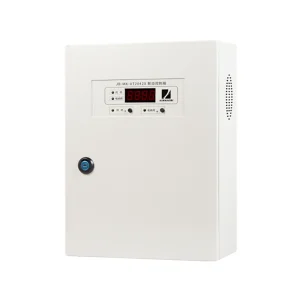
Deep underground systems face high humidity, mud, and stagnant air. The GT-AT0617 Series Underground Combustible Gas Monitoring Device features heavy-duty sealing and diffusion-resistant filters, keeping sensors operational in challenging environments.
Refineries require durable explosion-proof housings. Products like the GTYQ-AT0601 feature cast-aluminum, flame-proof enclosures and high-strength glass displays, designed to safely contain internal ignition hazards.
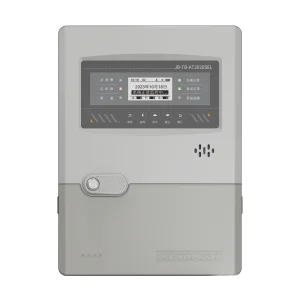
Modern homes and commercial buildings need reliable, integrated safety. Devices like the JT-AT2007 and JT-AT2006 connect directly with automatic shut-off valves, isolating leaks before they reach explosive levels.
Tracing our evolution from a regional developer in 2003 to a global manufacturer of advanced gas safety systems.
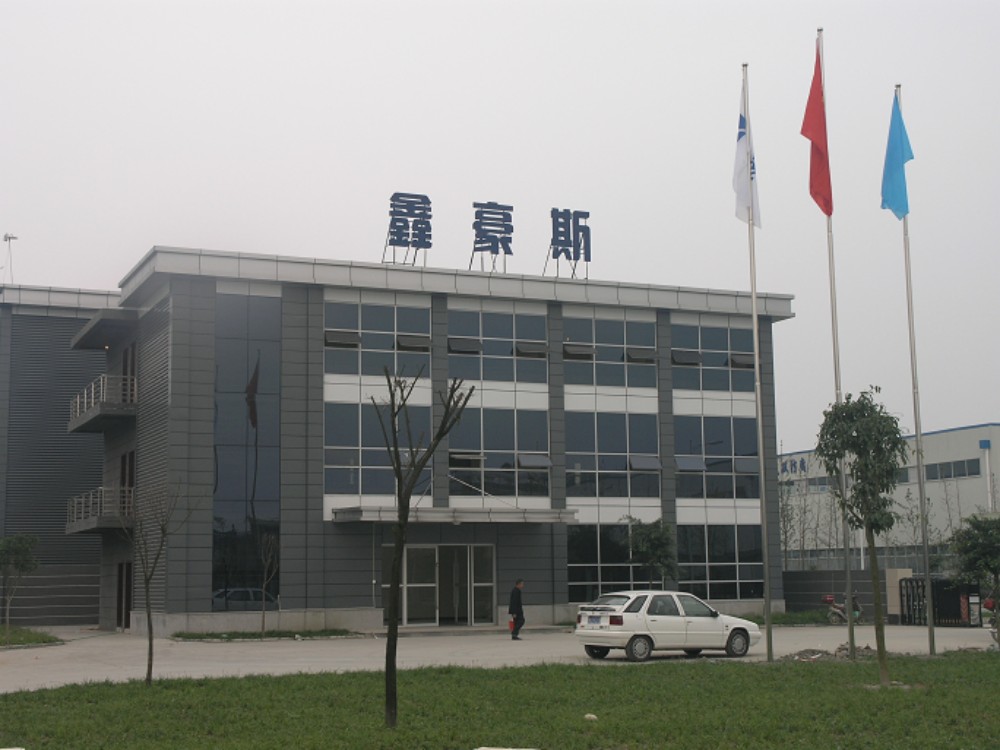 2003-2008
 2009-2012
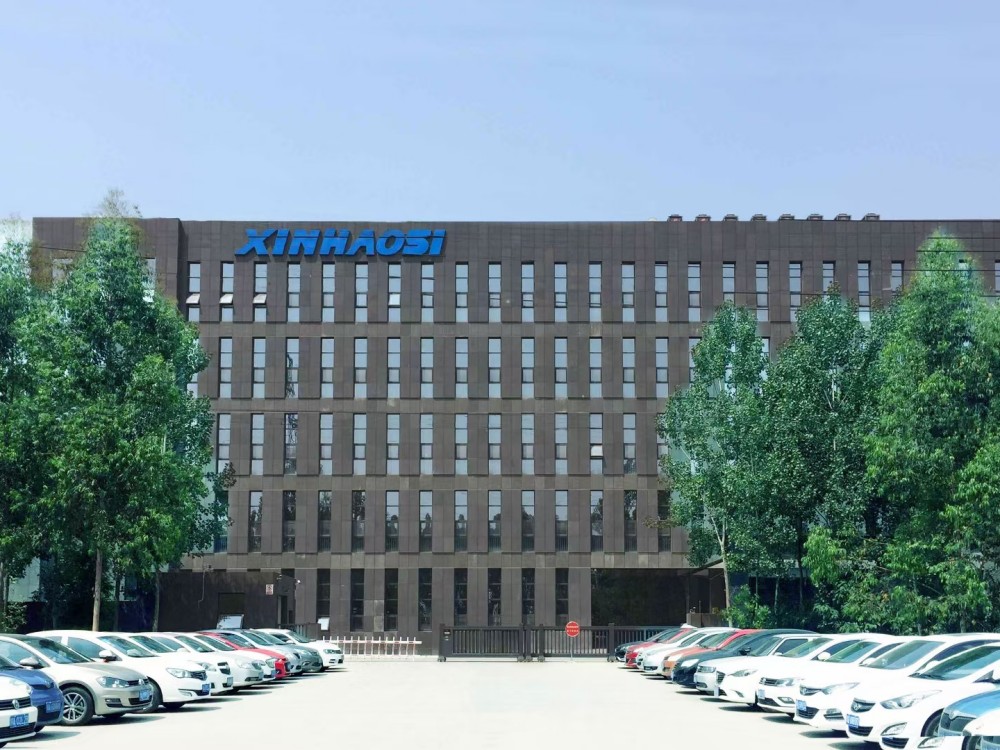 2013-2016
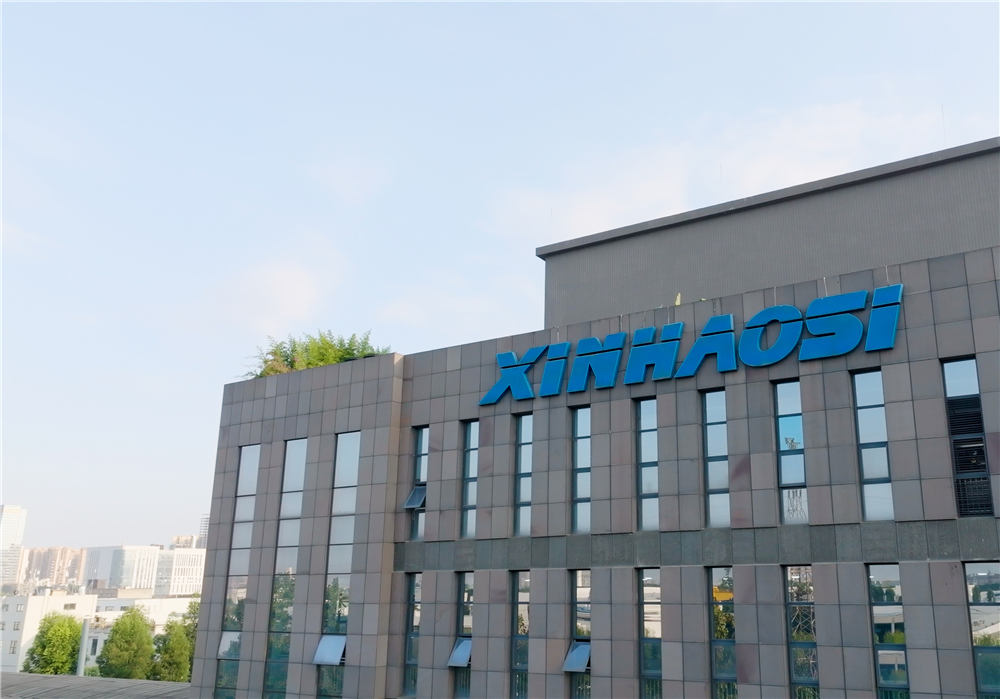 2017-2020
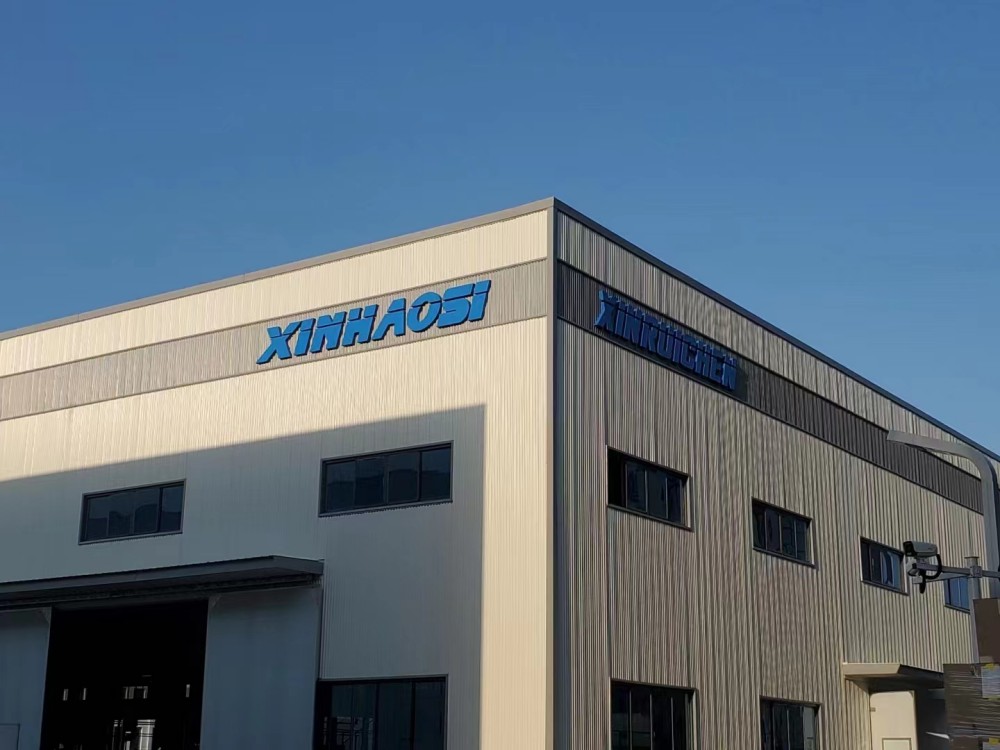 2021-2023
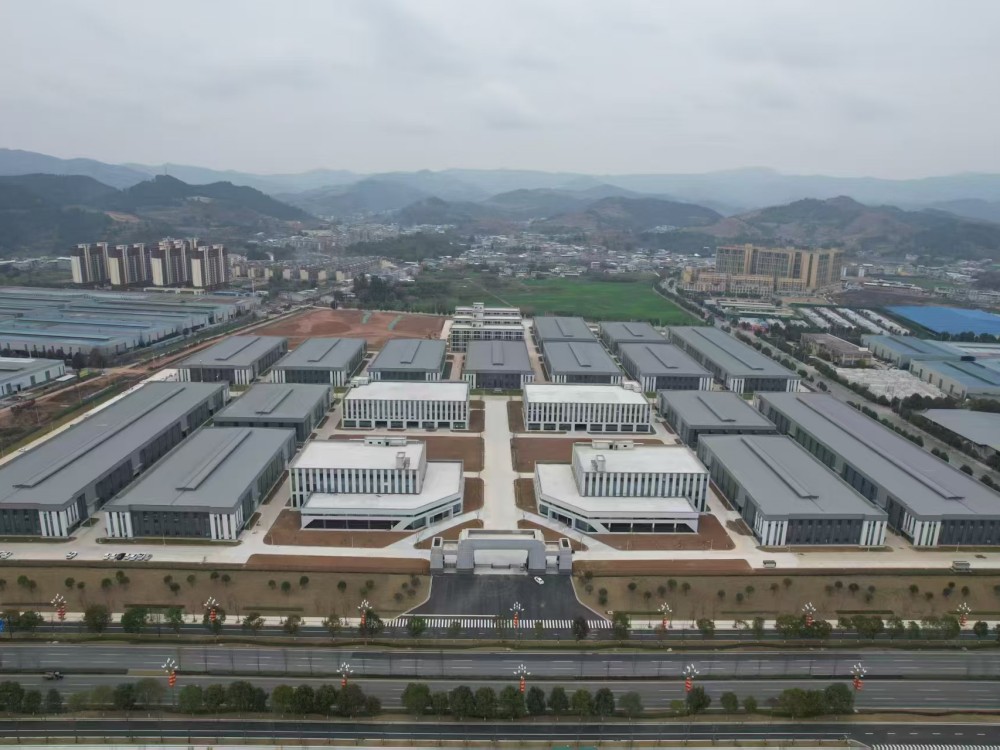 2024—Future
Detailed technical answers addressing common questions from international engineering and procurement teams.
Catalytic bead sensors detect combustible gases through oxidation, which creates a temperature change proportional to gas concentration. They are cost-effective but can be vulnerable to sensor poisoning from silicones, sulfides, and lead compounds. They also require oxygen to function. In contrast, Non-Dispersive Infrared (NDIR) sensors use optical infrared absorption technology. NDIR sensors are immune to sensor poisons, operate reliably in oxygen-free environments, and offer longer calibration intervals, though they carry a higher initial hardware cost.
Our in-house CNAS-accredited laboratory operates in accordance with ISO/IEC 17025. It is equipped with advanced testing systems, including high-low temperature chambers, vibration test rigs, salt spray chambers, and computerized gas mixing systems. We simulate harsh environments to ensure our explosion-proof models (like the GTYQ-AT0601) maintain shell integrity and accuracy under mechanical stress, thermal shocks, and corrosive atmospheres.
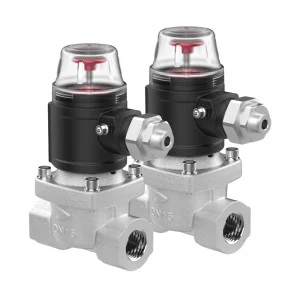
Our industrial gas solenoid valves, such as the BT-XF5 (Normally Closed) and XF3III (Normally Open) series, feature instant electromagnetic trip mechanisms. When an linked gas detector registers concentrations above safety thresholds, it sends a electrical pulse to the valve. The valve shuts within 1 second, cutting off the gas supply at the source. Once closed, the valves must be manually reset, ensuring a technician inspects and clears the leak area before gas flow is restored.
Xinhaosi's graphical monitoring software collects real-time sensor drift and calibration data from connected gas controllers. By tracking baseline fluctuations, the software alerts operators when specific sensor heads are approaching end-of-life or require calibration. Research indicates this predictive maintenance model can reduce field device failure rates by up to 30% compared to traditional reactive schedule intervals.
Yes, we provide flexible OEM/ODM modifications. Our engineering team can configure gas controllers and transmitters to support local telemetry requirements, including standard 4-20mA, Modbus RTU (RS485), and modern wireless protocols like LoRaWAN, NB-IoT, and Wi-Fi, allowing integration into existing SCADA or building management systems.
Complete your facility's safety setup with our specialized controllers, automatic shut-off valves, and warning systems.