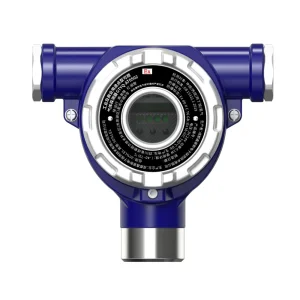
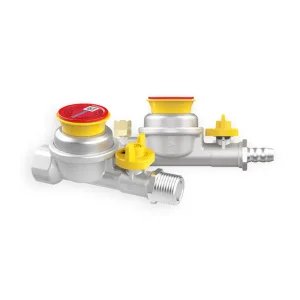
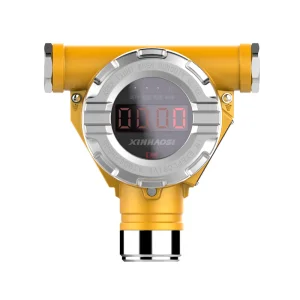
Explore our core collection of industrial, commercial, and residential safety solutions engineered to withstand extreme environmental parameters.
Carbon Monoxide (CO) is widely classified as the "silent killer" due to its colorless, odorless, and tasteless characteristics. In both residential spaces and complex heavy industries, CO accumulation occurs as an unwanted byproduct of incomplete combustion. High-precision electrochemical sensors are the absolute gold standard for sensing CO at PPM (parts per million) scales. As a premium OEM Carbon Monoxide Gas Detector Manufacturer, we develop robust monitoring systems utilizing smart microprocessors capable of real-time temperature compensation, ensuring sensor stability across shifting climates and avoiding fatal false-alarm errors.
Global fire safety, industrial automation, and smart home corporations rely heavily on experienced OEM and ODM manufacturing partners to keep up with regional compliance updates. Operating with an OEM supplier allows brands to localize their casing designs, implement custom firmware parameters, adapt interface languages, and bundle proprietary software components. Standardizing your supply chain through a vertically integrated manufacturer ensures that your detectors incorporate cutting-edge sensor technology while respecting localized compliance requirements like EN 50291 (Europe) and UL 2034 (North America).
Search engines and professional safety procurement officers evaluate suppliers under strict criteria: Experience, Expertise, Authoritativeness, and Trustworthiness (E-E-A-T). Trust is not merely claimed; it is verified by compliance certifications such as ISO 9001, CE, SIL (Safety Integrity Level) ratings, and explosion-proof credentials. A legitimate manufacturer maintains an in-house CNAS-accredited testing laboratory. This ensures that every carbon monoxide sensor, combustible gas detector, and shut-off solenoid valve is batch-tested under controlled ambient parameters to prevent life-threatening operational failures.

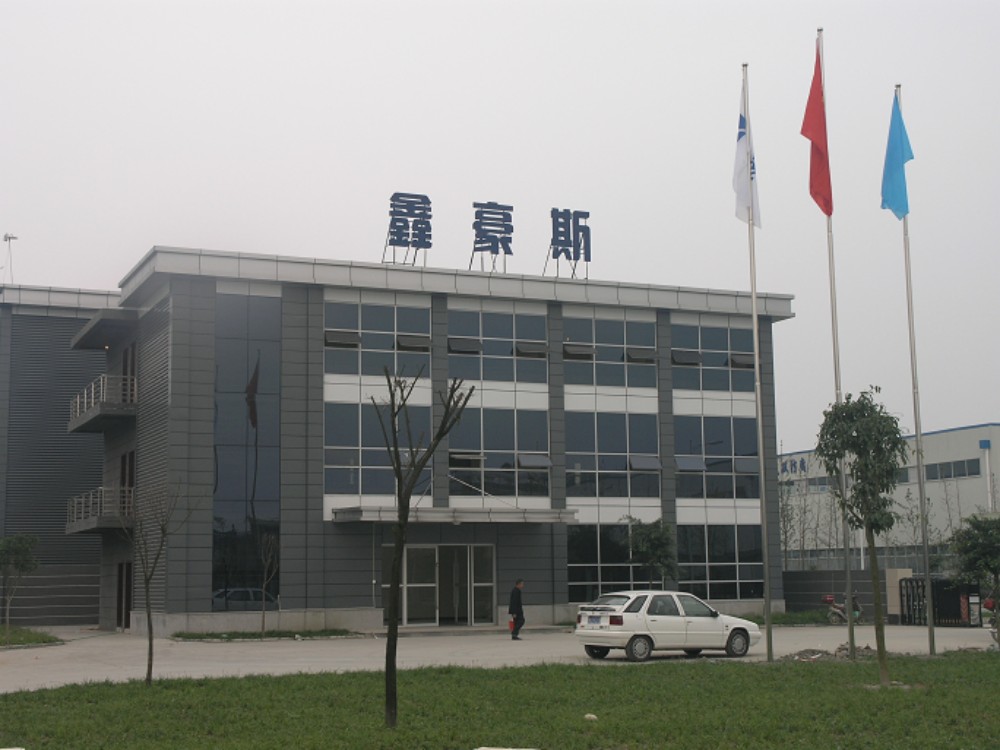
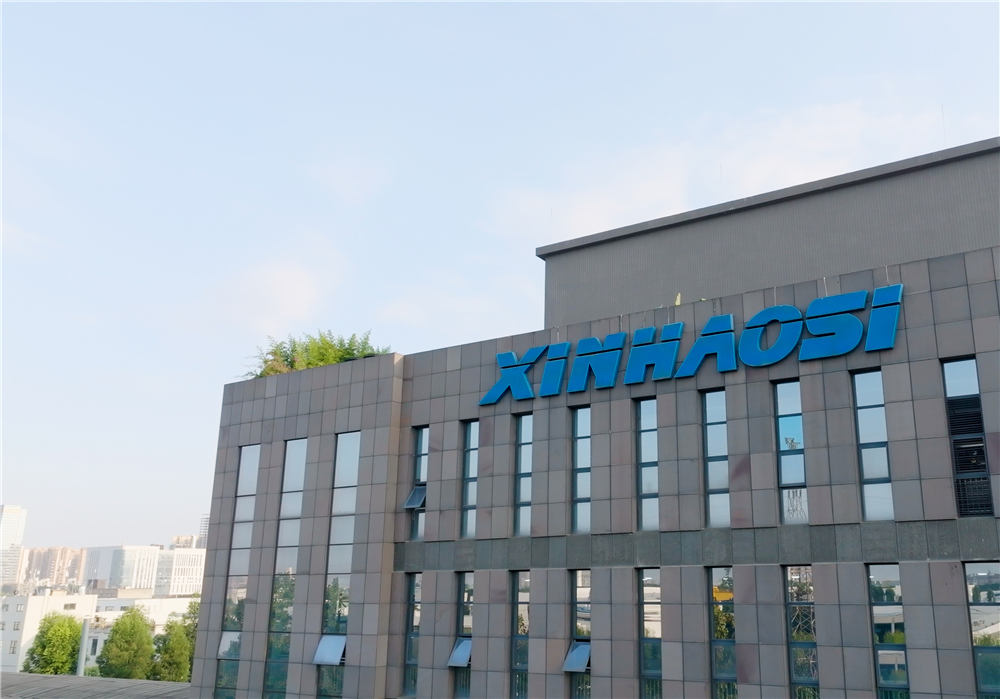
Chengdu Factory & Office

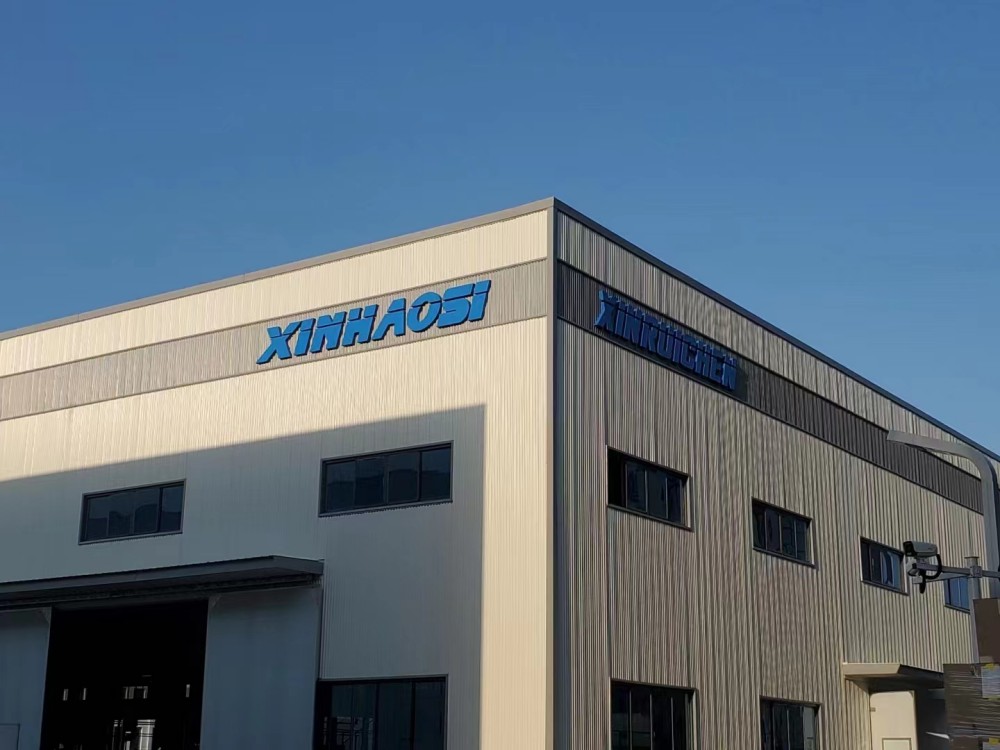
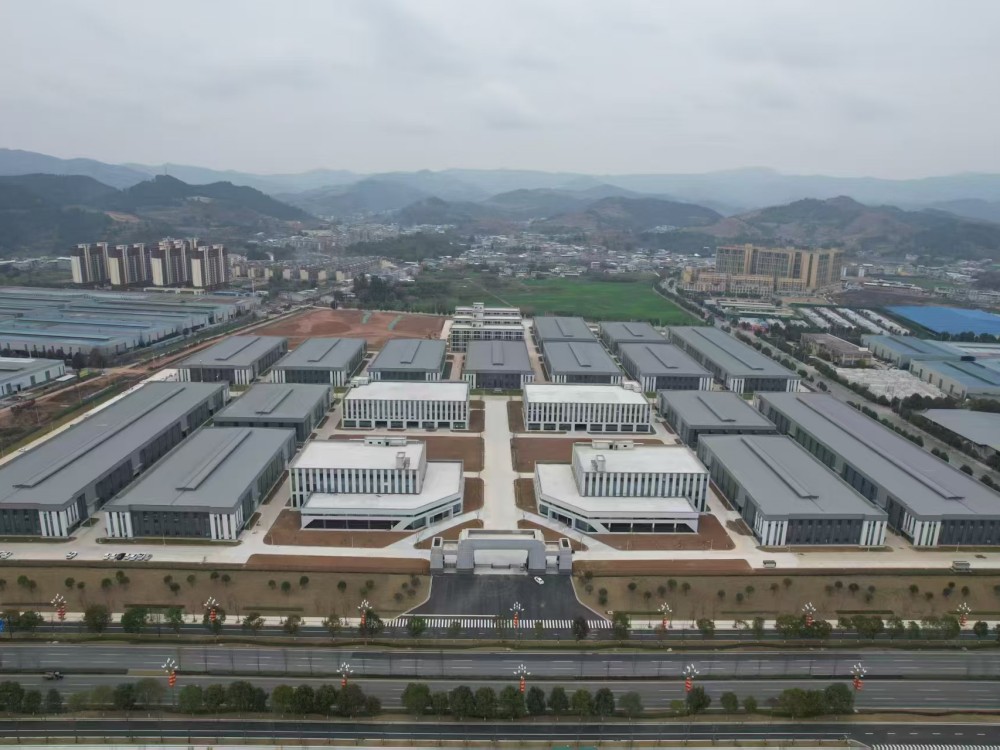
Deyang Factory
Founded in 2003, Xinhaosi is one of the most influential and trusted brands in the global gas safety industry. Over the past two decades, we have steadily built a robust and comprehensive production and service system, which integrates cutting-edge R&D, intelligent manufacturing with advanced automation equipment, digital marketing across global channels, professional after-sales support with an experienced technician team, flexible OEM/ODM services, as well as CNAS-Accredited laboratory calibration services that meet international standards.
Our diversified product portfolio covers industrial & residential gas detection & alarm systems, industrial & household gas solenoid valves, and urban gas pipeline network monitoring systems—all engineered to adapt to complex working environments and strict safety requirements. We produce and sell tens of millions of units annually, catering to a wide range of industries that demand reliable gas detection solutions, including oil & gas exploration and production, petrochemicals, urban gas distribution, automotive manufacturing, pharmaceuticals, new energy, steel production, and beverage processing.
Guided by the core mission of “Making Gas Safety Accessible Everywhere,” we consistently deliver high-performance, reliable products and customized solutions tailored to each client’s unique needs. Every item we manufacture undergoes rigorous quality control tests, and every service we provide is backed by our professional technical team, fully embodying our unwavering commitment to safeguarding gas safety across both industrial workplaces and residential environments, and striving to build a safer world with sustainable gas safety technologies.
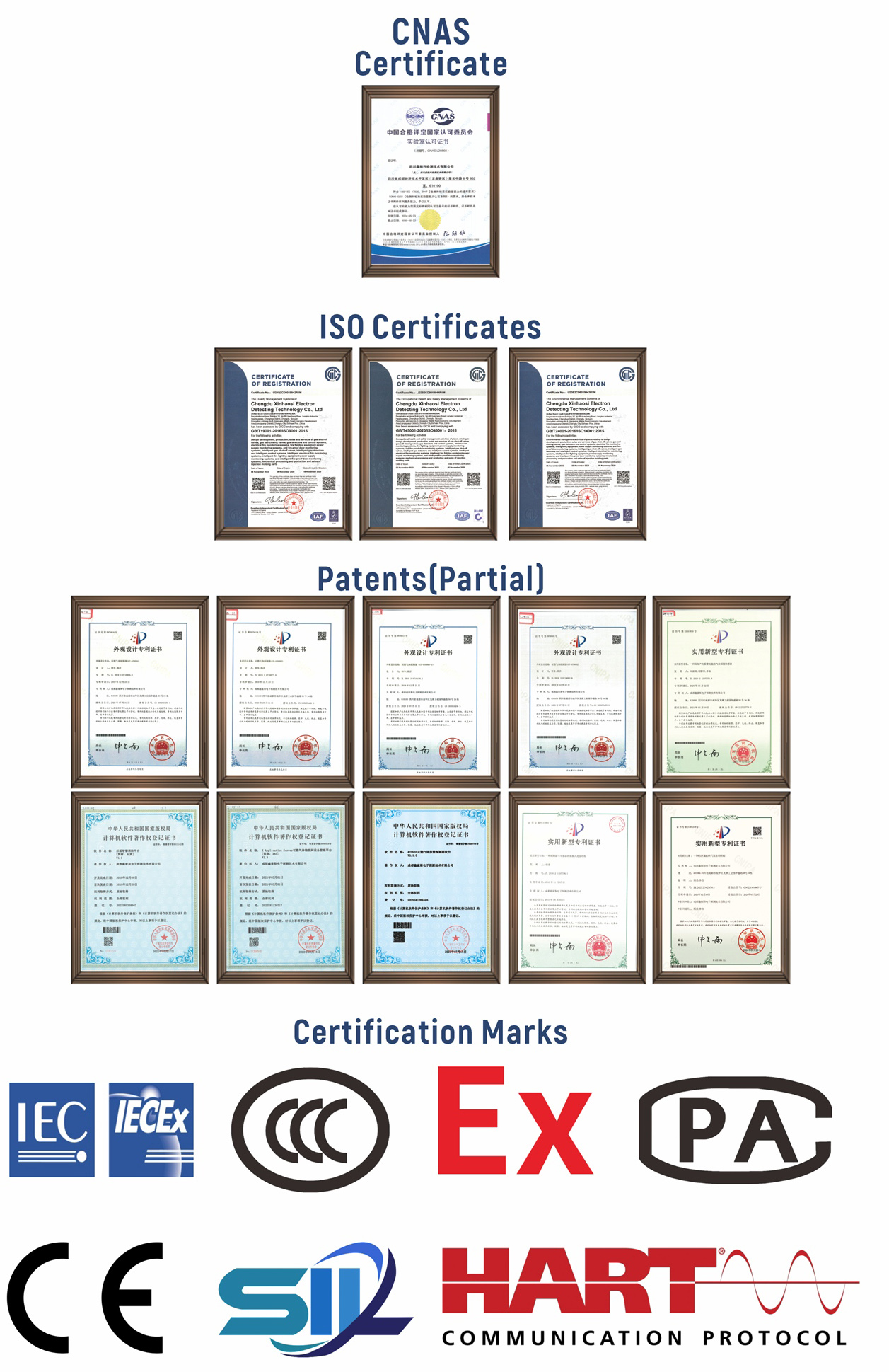
Adhering to ISO9001 quality management system standards, Xinhaosi's core products have obtained a full range of authoritative certifications, including national compulsory Products Certification, explosion-proof certification, fire product certification, CPA measurement instrument type approval certificate, and international approvals as CE, SIL. Additionally, Xinhaosi holds honors such as "National Quality Integrity Benchmark Enterprise" , "National Quality Leading Enterprise in the Gas Alarm Industry," member of the China Fire Protection Association, and the main drafting organization for the national standard of solenoid valves, further confirming its industry influence and reputation.
In the field of intellectual property, Xinhaosi has built a robust innovation system with over 50 patents and software copyrights . These patents cover core technological areas, including a graphical monitoring system for gas detection and alarm, which enables predictive maintenance based on historical data to reduce equipment failure rates by over 30%, and a solenoid valve with flow monitoring functionality that integrates flow detection and alarm capabilities . The company also pioneered China's first networked bus-type gas leakage monitoring system and the only maximum-point gas leakage monitoring system certified by the Ministry of Public Security, demonstrating its leading position in cutting-edge technological research.
Our in-house laboratory is accredited by the China National Accreditation Service for Conformity Assessment (CNAS), recognized both domestically and internationally under the ILAC-MRA framework. It operates in accordance with ISO/IEC 17025, the international standard for testing and calibration laboratories. It provides reliable and traceable testing services for gas detection and alarm products, solenoid valves, and related safety equipment. Test reports issued by the CNAS-accredited laboratory are widely accepted by regulatory authorities, certification bodies, and customers in China and overseas, helping to ensure product quality, safety compliance, and market access.
How our Chengdu and Deyang factories combine supply chain efficiency, advanced assembly, and localized cost advantages.
Our manufacturing sites in Sichuan are deeply integrated with primary raw material suppliers, sensor chip packaging plants, and precision plastic injection partners. This geographic clustering significantly reduces transportation lead times and logistics overheads, allowing us to rapidly iterate designs and offer competitive unit pricing.
To eliminate manual errors, our production workshops utilize high-speed automated Surface Mount Technology (SMT) lines. Automatic optical inspection (AOI) checks each solder joint on the carbon monoxide detector PCBs, guaranteeing long-term sensor reliability under demanding thermal fluctuations.
Unlike low-cost assembly factories, Xinhaosi subjects every OEM batch to multi-point environmental chambers. Each detector is exposed to precise PPM concentrations of Carbon Monoxide gas under temperature-controlled cycles to calibrate and verify the performance of every electrochemical cell.
From a local safety pioneer to a major player in global gas detection and smart pipeline architectures.


From high-temperature heavy industrial plants to residential smart environments, our solutions ensure absolute protection.
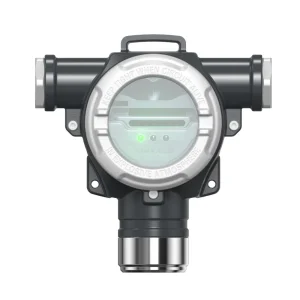
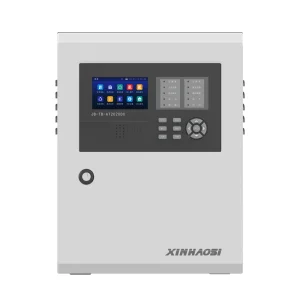
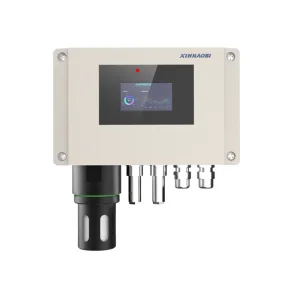
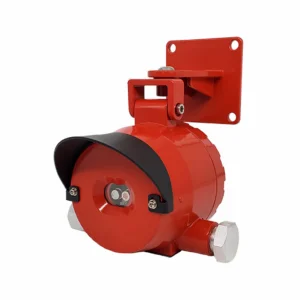
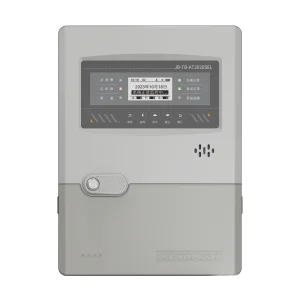
In refining plants and organic chemical facilities, CO is a common byproduct of thermal cracking and incomplete gas combustion. Our explosion-proof gas detectors (such as the GTYQ-AT0503 and GTYQ-AT0502) feature rugged casing, SIL-2 safety metrics, and IP66 ratings. They interface with JB-TB-AT2020SEL controllers via Modbus or 4-20mA connections, allowing control rooms to deploy automated shut-off solenoid valves the moment threshold deviations are identified.
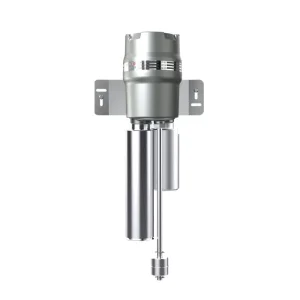
Underground utility corridors and city gas networks are highly prone to dangerous atmospheric changes and localized pressure variations. Monitoring these spaces requires specialized low-power sensing loops. Products like the AT0605 Underground Shaft Combustible Gas Monitor and our Wireless Smart Pressure Monitors allow remote engineers to monitor pipeline safety parameters via cellular networks, providing structural status updates to minimize excavation hazards.
Enclosed municipal and commercial structures, including parking complexes and logistics loading hubs, experience high concentrations of vehicle emissions. Our carbon monoxide detectors coordinate directly with ventilation controllers. By linking sensor signals to HVAC variable-frequency fans, facility operators can dynamically adjust exhaust flow rates, lowering overhead power draw by up to 40% while preserving a healthy environment.
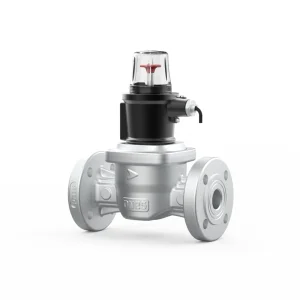
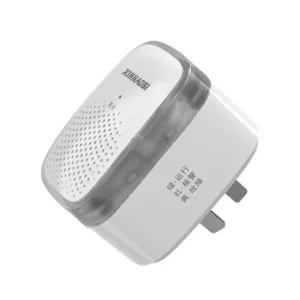
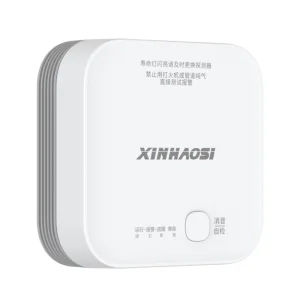
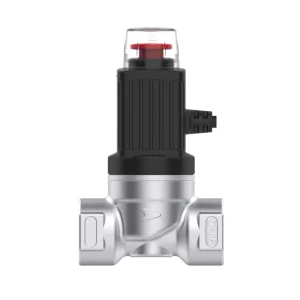
Household safety requires reliable, easy-to-install hardware with simple user indicators. Our household series (such as the JT-AT2008 and JT-AT2013A) feature high-decibel alarms, backup battery designs, and optional wireless integrations (Zigbee/LoRa). By pairing these domestic detectors with XF2 gas shut-off valves, residential setups can automatically cut off the household gas supply during a gas leak or CO buildup.
Important factors for procurement managers sourcing international safety technologies.
International procurement requires strict compliance validation. Enterprise buyers must verify that their chosen OEM factory holds active certifications including CE, EN 50291, UL 2034, and ATEX/IECEx explosion-proof ratings. These regulatory certifications ensure the equipment functions reliably and complies with local occupational safety laws.
Modern construction favors wireless, low-power safety systems. Sourcing teams are shifting from hardwired loops to LoRaWAN, NB-IoT, and Zigbee wireless architectures. These setups lower installation labor costs by 50% while allowing operations teams to view device battery statuses, drift calibrations, and real-time alarms from a single interface.
Advanced factories are integrating predictive maintenance technologies. By monitoring sensor drift, current changes, and temperature histories, algorithms can predict when an electrochemical sensor is approaching the end of its operational life. Implementing these models can lower unscheduled maintenance costs by over 30%.
Get answers to technical questions about sensor lifespans, calibration, standards compliance, and safety loops.
Robust hardware designed for high-temperature zones, chemical containment sectors, and remote utility applications.