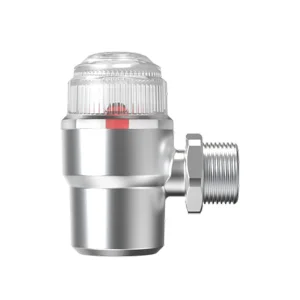
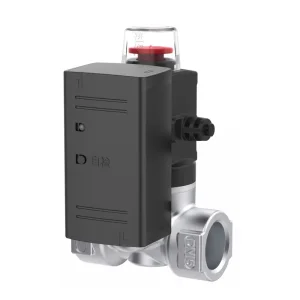
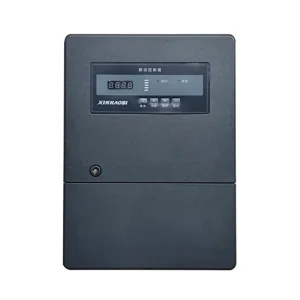
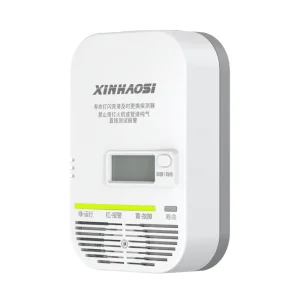
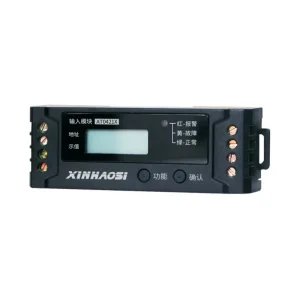
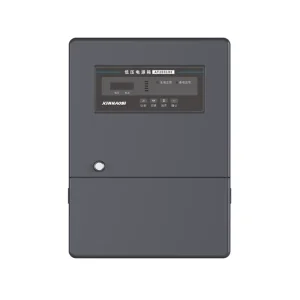
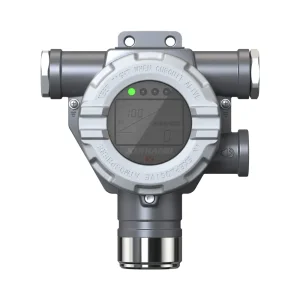
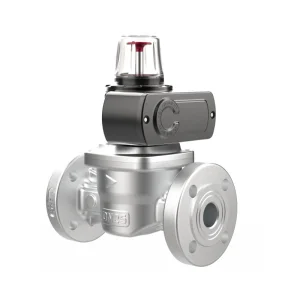
Engineered to link seamlessly with 2-inch emergency shut-off valves, these control boxes and detection instruments deliver real-time mitigation of combustible and toxic gases.
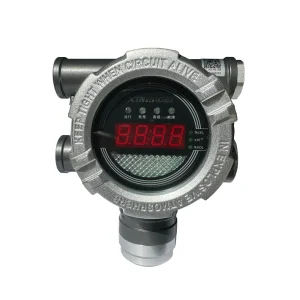


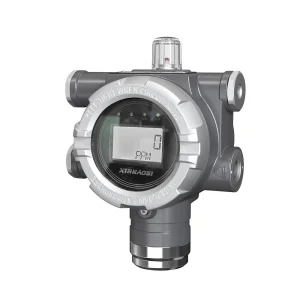

Managing fluid kinetics, safety factors, and low-latency mitigation across municipal distribution networks and industrial processing lines.
Within hazardous environments, fluid dynamics demand high-performance equipment. A 2-inch shut-off valve serves as the primary engineering barrier against system overpressure and media leaks in pipelines. Standard 2-inch (DN50) flow corridors balance flow velocity with minimal dynamic pressure loss, serving as a key specification in industrial chemical processing, fuel gas delivery, and combustion systems.
Typical gas distribution pipelines operate under dynamic pressure ranges from low-pressure municipal lines (less than 0.1 MPa) up to high-pressure transport lines (up to 1.6 MPa or higher). The 2-inch pipe size operates at flow rates that require robust closing speeds. If a downstream pipeline ruptures or a gas sensor detects a leak, the valve must shut off completely within 1.0 second. Our engineering focus ensures these valves prevent rapid gas escape, helping protect nearby equipment and personnel from combustible cloud buildup.
Working closely with system designers, we ensure our 2-inch valves match specific flow dynamics. This includes assessing the flow coefficient ($C_v$) to reduce pressure drops and minimize fluid turbulence. By addressing these factors, we help operators prevent cavitation, reduce pipe wear, and improve the reliability of their safety systems.
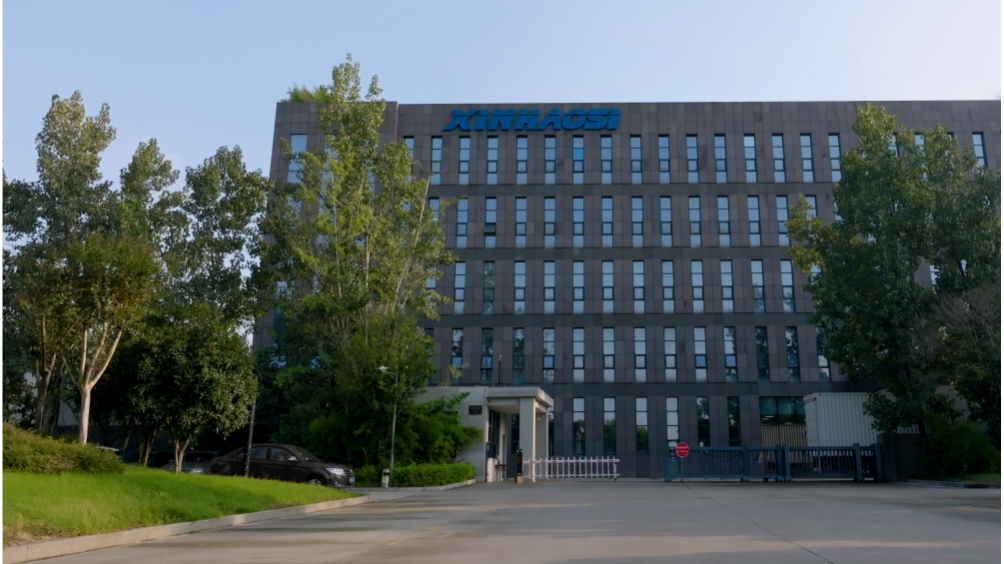
Chengdu R&D Center and Central Valve Test Facility
Custom parameters, structural materials, and signaling options designed to meet demanding industrial specifications.
Available in cast iron, cast steel (WCB), and CF8M stainless steel. Ratings include PN10, PN16, PN25, and ANSI Class 150. Sealed with NBR, Viton, or PTFE to handle different chemical media.
Equipped with momentary electric pulse solenoids or continuous duty coils. Standard configurations feature mechanical manual-reset structures, ensuring a technician inspects the pipeline before reopening flow.
Coils and junction enclosures are certified to international standards, including ATEX, IECEx, and China Ex (Ex d IIC T6 Gb / Ex mb I/II T4 Gb), for safe operation in Zone 1 and Zone 2 gas environments.
Directly links with low-voltage safety systems. Typical signal triggers include DC9V-12V pulse outputs, DC24V continuous signals, or passive dry-contact signals, allowing integration with safety PLC architectures.
Rated for IP65, IP66, or IP67 protection, designed to withstand outdoor conditions, humidity, and temperatures from -40°C to +80°C. Finished with epoxy powder coatings to prevent corrosion.
Includes customizable thread standards (NPT, G, Rc), customized face-to-face dimensions for drop-in replacements, private labeling, and custom electrical wiring configurations.
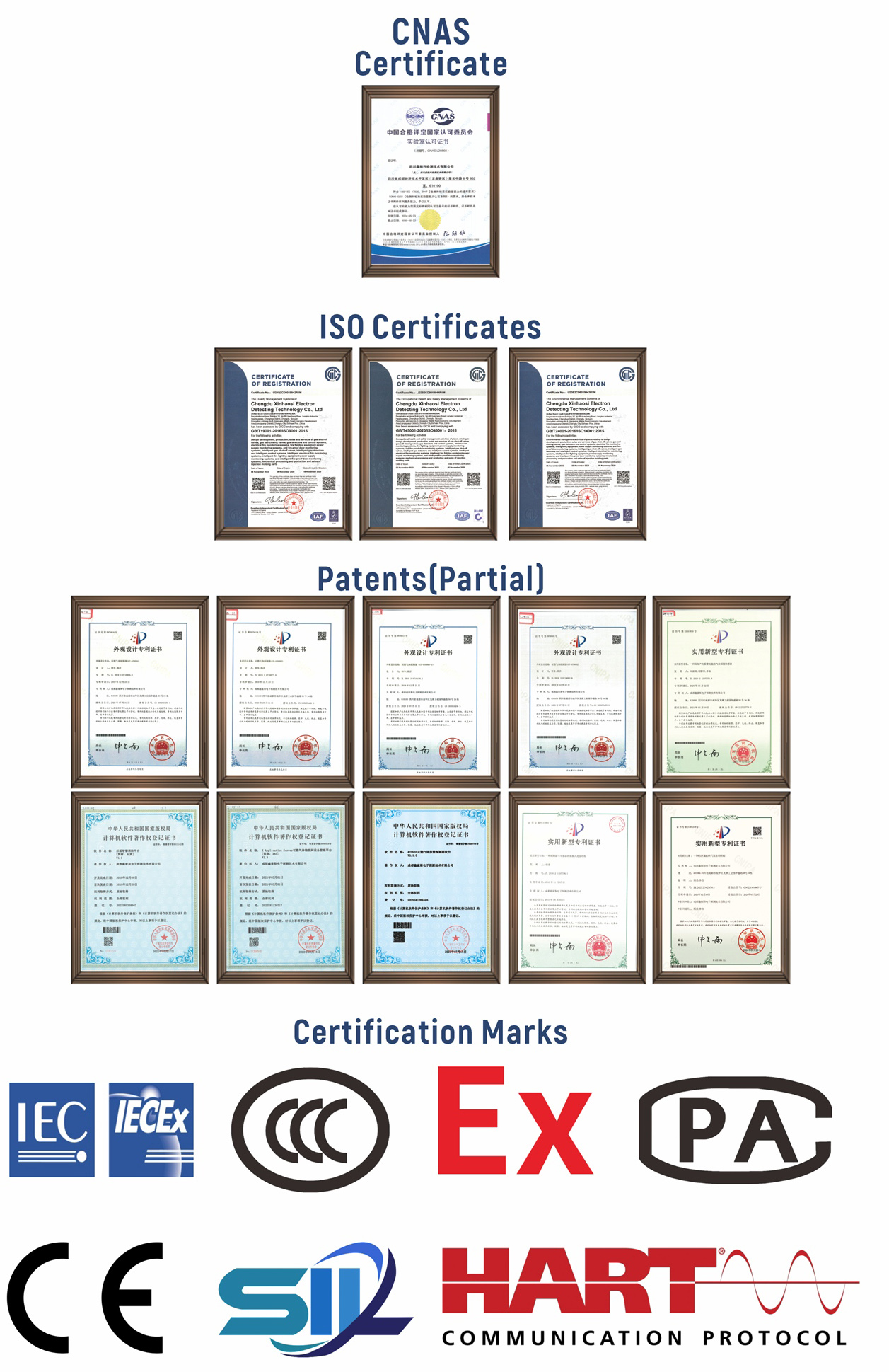
In-House CNAS Testing & Calibration Facility Operating under ISO/IEC 17025
At Xinhaosi, we structure our quality assurance systems around international safety protocols. Following the ISO9001 quality management framework, our core gas safety valves and monitoring systems carry certifications from authoritative testing bodies. This includes CE directives, SIL (Safety Integrity Level) SIL-2 and SIL-3 verification, national compulsory Product Certification (CCC), and China CPA measurement instrument type approvals.
Our role as a drafting organization for the Chinese national standard on solenoid valves highlights our involvement in setting industry benchmarks. With more than 50 patents and software copyrights, we continue to develop safety valve designs that improve pipeline monitoring and protection.
Our in-house calibration and testing laboratory is accredited by the China National Accreditation Service (CNAS), recognized globally under the ILAC-MRA framework. Operating according to ISO/IEC 17025 guidelines, our laboratory tests valve response times, housing burst pressures, electrical insulation, and sealing life cycles. The test reports we issue support international regulatory compliance, helping clear path for global market access.
A look into our manufacturing facilities, global supply network, and product development process.
Established in 2003, Xinhaosi operates as an industrial manufacturer in the global gas safety sector. Over the last two decades, we have established an integrated system that covers R&D, automated production, digital marketing, and technical support. We also provide OEM/ODM options and CNAS-accredited calibration services to meet international standards.
Our catalog includes industrial and residential gas detection systems, emergency shut-off solenoid valves, and urban pipeline monitoring networks. These products are built to operate reliably in harsh environments, from offshore petrochemical platforms to municipal gas systems. With an annual production capacity reaching millions of units, we serve critical industries including oil and gas, pharmaceuticals, metallurgy, power generation, and food processing.
Guided by our mission to improve gas safety accessibility, we design and build each product to protect both industrial workplaces and residential neighborhoods. We perform quality control testing on every batch of valves and sensors, helping operators maintain safe and reliable facilities.

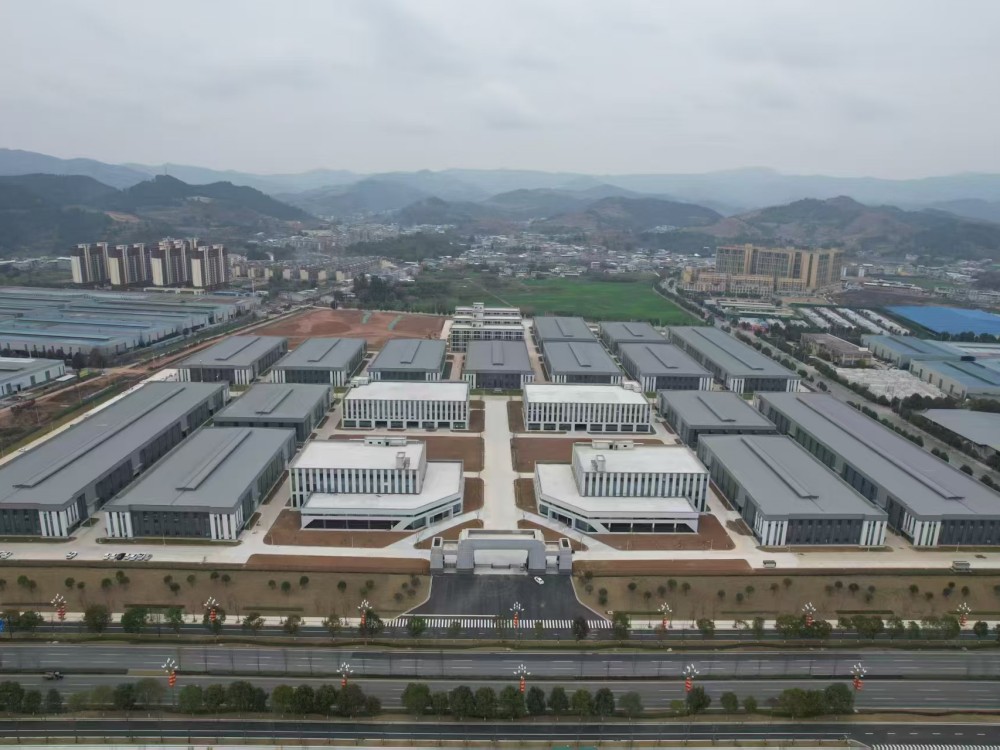
Deyang Smart Factory: Automated Assembly Lines for Solenoid Valves
Understanding the safety loop sequence that isolates gas flow within milliseconds of leak detection.
A 2-inch shut-off valve is most effective when integrated into a complete safety system. Without a reliable sensor to detect gas leaks and a control box to trigger the actuator, a valve cannot provide automatic protection. A typical industrial safety loop combines three core components: the gas detector, the interlock control box, and the shut-off valve.
This automated sequence helps prevent minor leaks from developing into larger safety incidents. By isolating gas flow at the source, it protects downstream equipment and reduces fire or explosion risks. The manual-reset design of the valve ensures the line cannot be restarted until the cause of the leak is identified and corrected by maintenance personnel.
Integrating digital diagnostics, wireless protocols, and AI-assisted safety features into our valve designs.
We are developing solenoid actuators that track real-time parameters, including coil operating temperature, insulation resistance, and mechanical stroke travel time. This data helps operators identify potential maintenance needs before a component failure occurs.
To reduce installation costs in retrofits and remote sites, we are integrating wireless communication modules (LoRaWAN and NB-IoT) directly into our valve feedback systems, providing remote monitoring without extensive cabling.
By combining flow rate sensors, pressure transmitters, and shut-off valves into a single system, our upcoming AI-enabled designs will identify abnormal pressure drops and flow signatures, helping isolate pipeline leaks automatically.
A look back at the milestones, facilities, and innovations that have shaped our product line since 2003.
Company Foundation & First Generation Gas Detectors
Established on April 17, 2003. We launched our first generation of gas leak alarms and fire protection equipment, laying the groundwork for our safety valve product line.
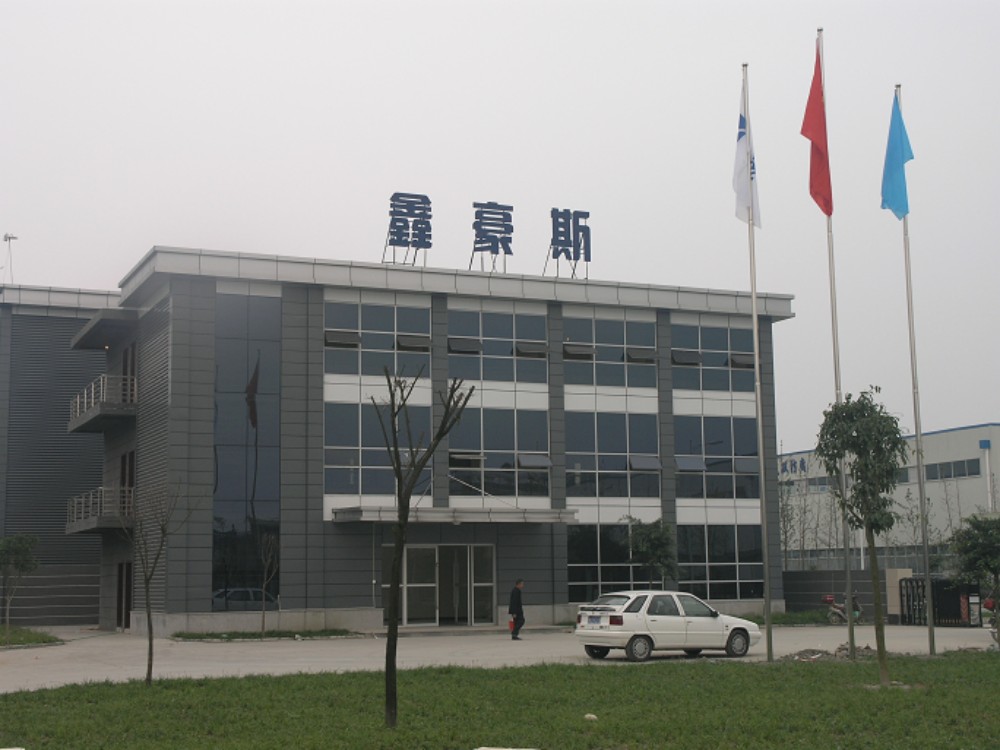
Solenoid Valve Production & OEM Focus
Began manufacturing gas safety solenoid valves and expanded our OEM production capacity. Relocated our main offices to the Longtan Industrial Park to accommodate growing teams.

Chengdu Facility & Nationwide Support
Relocated manufacturing to our custom-built Chengdu factory. Established sales and service networks across China and introduced our electrical safety monitoring systems.
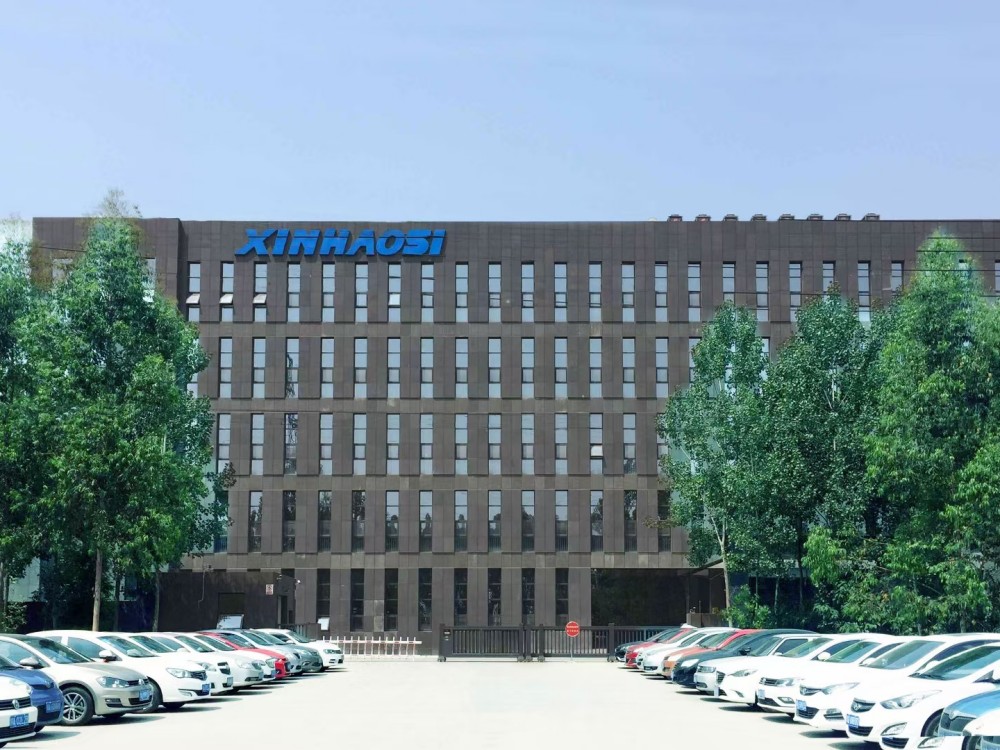
IoT Safety Platforms & Key Supply Agreements
Launched our proprietary IoT safety monitoring platform. Recognized as a national high-tech enterprise and qualified as an official supplier to several major gas companies.
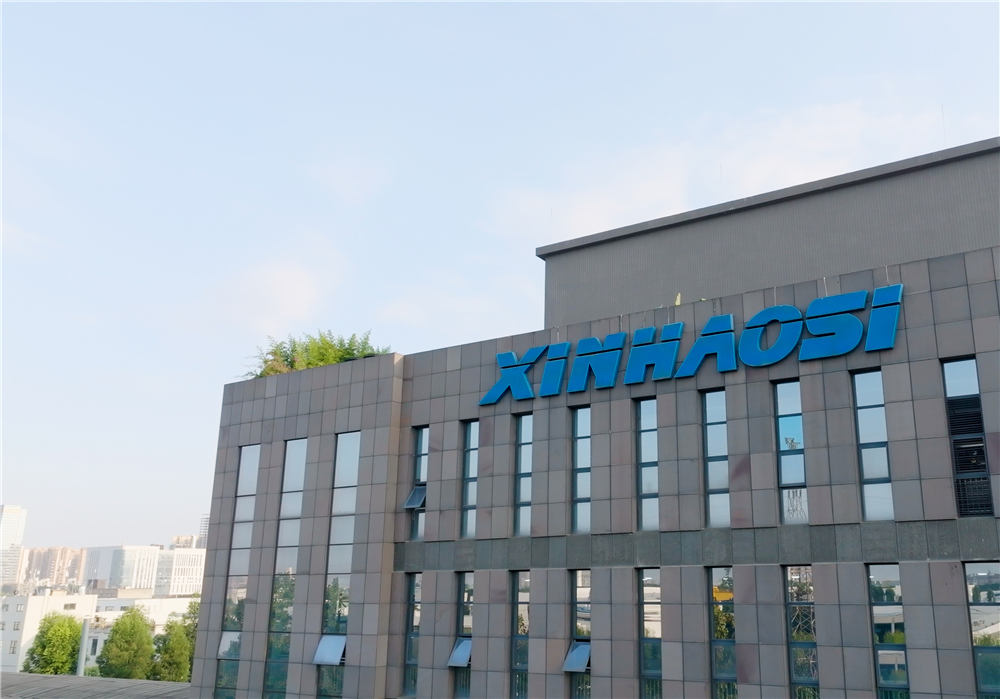
Deyang Plant Construction & International Operations
Began construction of our Deyang production facility. Formed our specialized petrochemical and international business divisions to serve global clients.
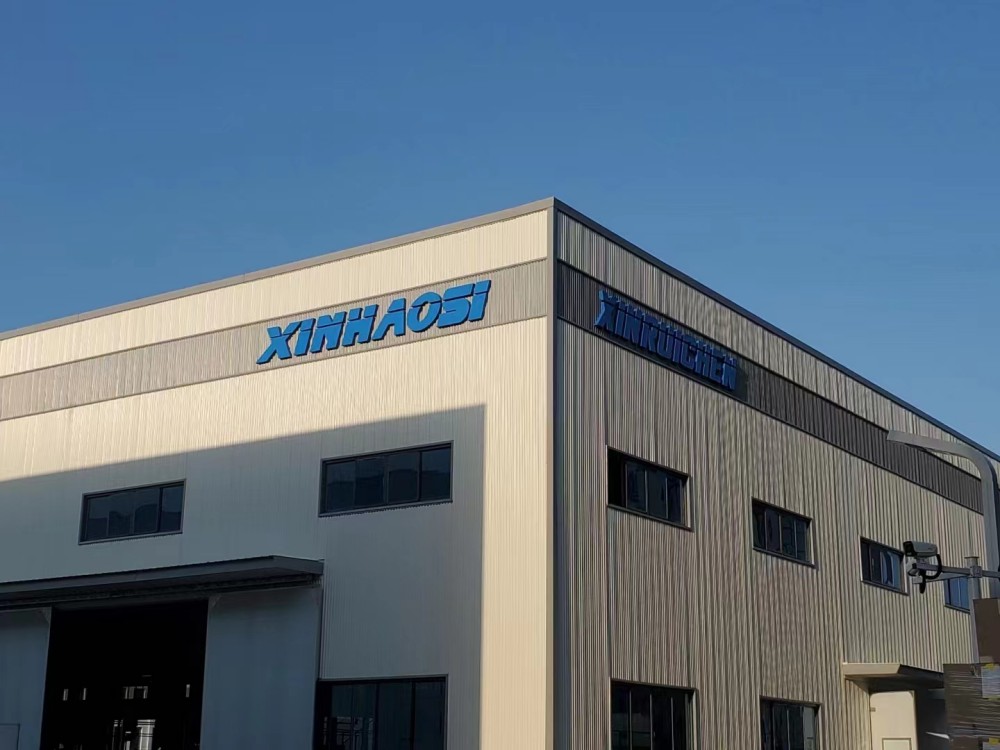
Smart Factories & Next-Gen Valve Systems
Deyang factory operations commenced. Launched our wireless detection series and AI-assisted safety valves, while expanding our line of urban pipeline monitoring tools.
Addressing technical and design questions regarding selection, operation, and compliance for 2-inch emergency shut-off valves.
Additional products in our line, including alarm indicators, residential solenoids, industrial shut-off valves, and power distribution systems.