Explore our state-of-the-art gas detectors, wireless pressure monitors, and intelligent AI shut-off valves certified to global engineering standards.
A Technical Examination of Emergency Gas Isolation Systems, Fluid Dynamics under Transient Loadings, and the Evolution of Smart Safety Actuation.
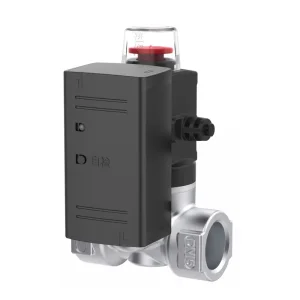
Within industrial gas infrastructure, the 2 Inch Gas Shut Off Valve represents a critical sizing nexus. It handles significant flow capacities required for heavy commercial and medium industrial processes while maintaining fast shutdown responses to prevent catastrophic pipeline overpressure, backflow, or leakage. As an OEM manufacturer with deep R&D roots, we focus on engineering robust emergency isolation architectures that act as the final defense layer in complex petrochemical, chemical, and municipal gas transmission matrices.
Traditional manual isolation methods are insufficient in high-hazard environments. Modern industrial architectures require automatic solenoids or motorized shut-off mechanisms coupled directly with intelligent gas detection grids. This whitepaper analyzes the mechanical, electromagnetic, and thermodynamic properties of 2-inch gas shut-off valves, explaining the engineering choices that guarantee zero-leakage performance under extreme pressures and harsh media environments.
"Security in gas infrastructure is binary—either there is 100% bubble-tight sealing or there is a structural failure. In high-flow 2-inch piping, the kinetic energy of media gas requires rapid containment. Our valve architectures achieve complete mechanical isolation in under 1 second."
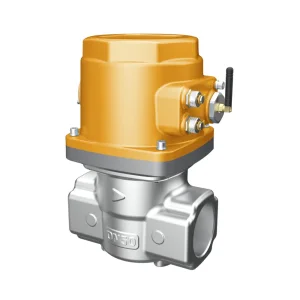
Our 2-inch gas shut-off valves use high-strength, low-magnetic-permeability alloys to prevent mechanical sticking. The default operation is normally closed (NC), utilizing a direct-acting or pilot-operated piston structure. When energized, the electromagnetic coil lifts the core, compressing the heavy-duty return spring and opening the main orifice. In an emergency—triggered by power failure or an external gas detector signal—the solenoid de-energizes instantly, allowing the mechanical force of the spring to drive the valve disc down against the valve seat. This design achieves bubble-tight closure compliant with Class VI leakage standards.
Flow capacity is a critical factor for 2-inch pipeline installations. Poor internal channel geometries cause high turbulence, leading to localized pressure drops, energy loss, and high piping vibration. We use advanced Computational Fluid Dynamics (CFD) simulation to optimize the internal flow path of our valves. By minimizing internal cavities and contours, we maximize the flow coefficient (Cv value) to ensure high flow volume and low pressure drop during normal plant operations, which directly reduces operating costs.
The choice of seat material determines the valve's service life and chemical compatibility. Standard natural gas, liquefied petroleum gas (LPG), and manufactured gases often contain trace moisture, organic solvents, and hydrogen sulfide. We use custom-formulated Fluorocarbon (FKM) and Nitrile Butadiene Rubber (NBR) seals, vulcanized to precise shore hardness. These elastomers resist explosive decompression, maintain elasticity down to -30°C, and resist swell when exposed to liquid condensates.
Why global gas infrastructure enterprises source their critical components from Chengdu & Deyang, China.
Our dual factories in Chengdu and Deyang utilize the Sichuan precision heavy industrial cluster. This provides immediate access to high-grade raw casting foundries, automated metal forging, and specialized chemical surface treatments. By concentrating these resources locally, we reduce logistics overhead, shorten production lead times by 30%, and maintain high metallurgical consistency across all valve bodies.
Quality assurance is backed by our in-house, CNAS-accredited calibration laboratory (accredited under ISO/IEC 17025). We perform 100% end-of-line pressure decay leak testing, shell proof testing, high/low-temperature thermal cycle testing, and magnetic flux density verification on solenoid coils. This process provides traceable quality reports accepted under the ILAC-MRA framework.
Global procurement teams face challenges with non-standard voltages, local safety codes, and custom integration. We offer comprehensive OEM/ODM customization services. Whether you need explosion-proof classifications like Class I Div 1, custom connections (NPT, BSPT, ANSI flanges), or integration with wireless IoT telemetry modules, our R&D division delivers tailored solutions.
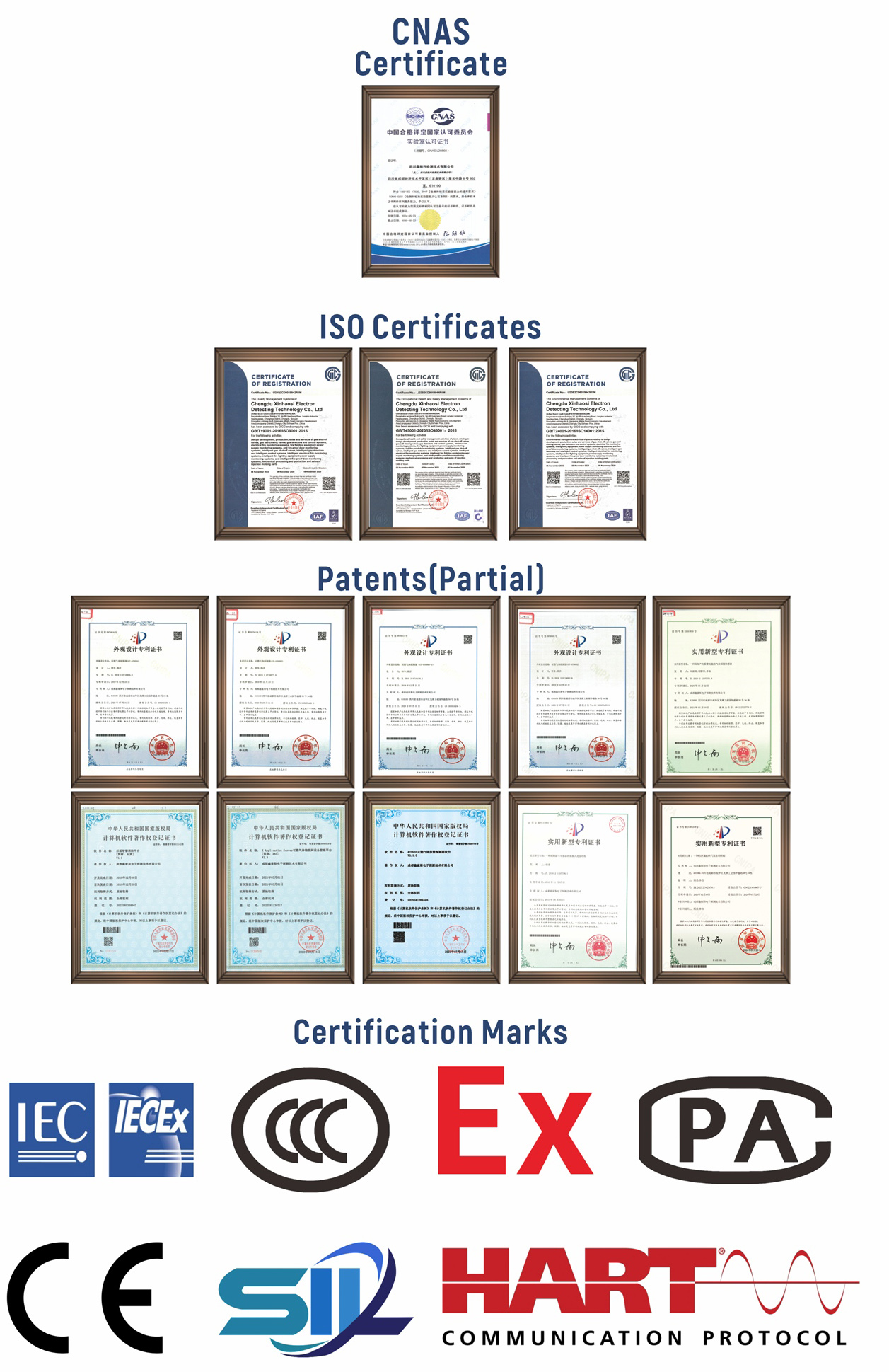
Xinhaosi's technical leadership is demonstrated by our role as a major drafting organization for the national standards of gas solenoid valves. This structural insight ensures that our 2-inch safety valves meet and exceed standard safety regulations.
We hold over 50 patents and software copyrights, including a graphical monitoring system for gas detection and alarm. This system enables predictive maintenance based on historical data, reducing equipment failure rates by more than 30%. Additionally, we developed a solenoid valve with integrated flow monitoring capabilities, combining physical shut-off functions with volumetric data logging.
Our CNAS-accredited laboratory operates in strict compliance with ISO/IEC 17025. It provides traceable testing services for our entire range of safety equipment, gas monitors, and solenoid valves. Test reports issued by our facility help clients secure market access and ensure regulatory compliance in Europe, Asia, and the Americas.
Founded in 2003, Xinhaosi is an established brand in the global gas safety industry. Over the past two decades, we have developed a comprehensive production and service system. This integrates cutting-edge R&D, intelligent manufacturing with advanced automation, digital global marketing, and professional technical support alongside CNAS-accredited laboratory calibration services.
Our product portfolio covers industrial and residential gas detection and alarm systems, industrial and household gas solenoid valves, and urban gas pipeline network monitoring systems. These products are engineered for complex working environments and strict safety requirements. We produce tens of millions of units annually, catering to industries demanding reliable safety solutions, including petrochemicals, urban gas distribution, automotive manufacturing, pharmaceuticals, and metallurgical plants.
Guided by our mission of "Making Gas Safety Accessible Everywhere," we deliver high-performance, customized solutions. Every valve and detector undergoes rigorous testing by our quality control technicians, reflecting our commitment to protecting lives and property worldwide.

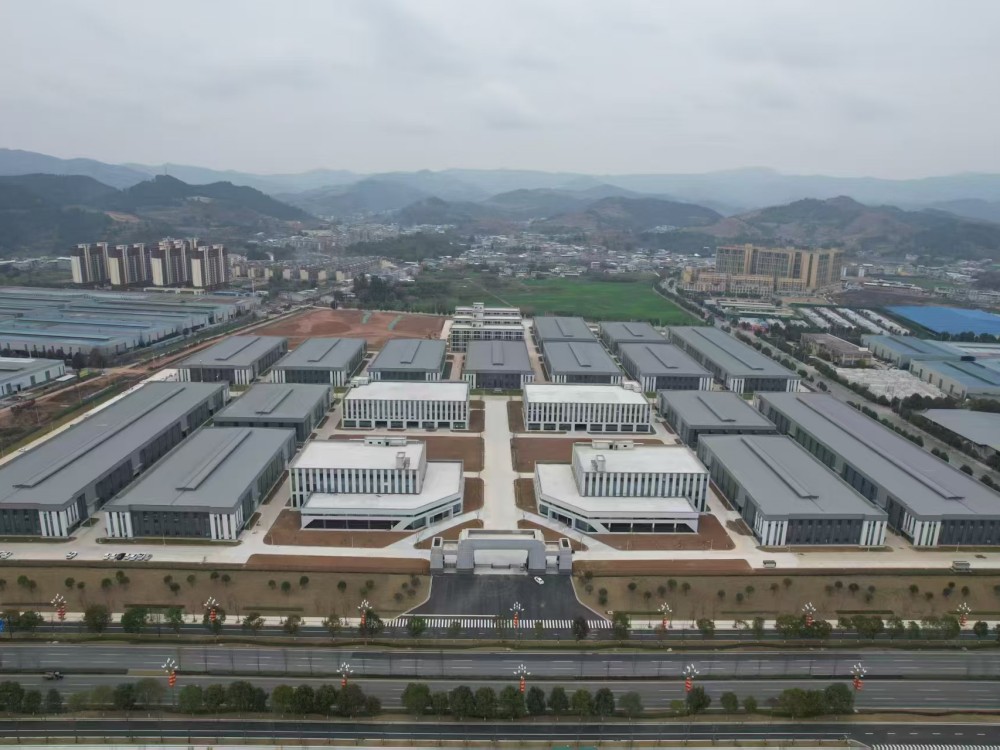
Chengdu Factory & Office

Deyang Factory
From a regional startup to a national standard-setting manufacturer of intelligent gas safety equipment.
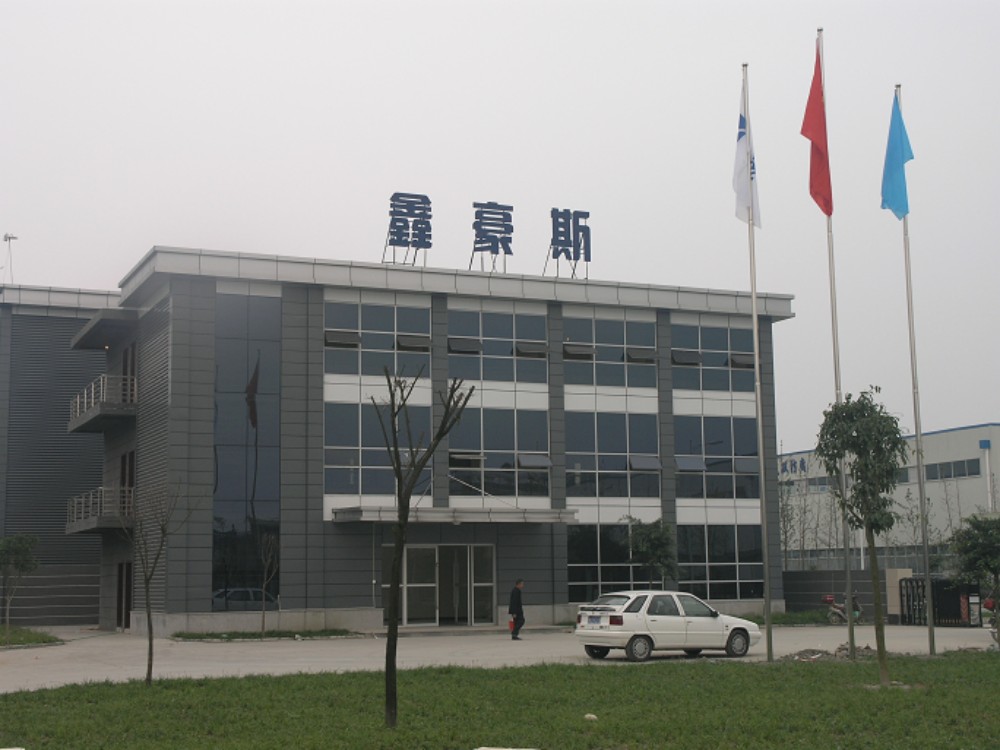


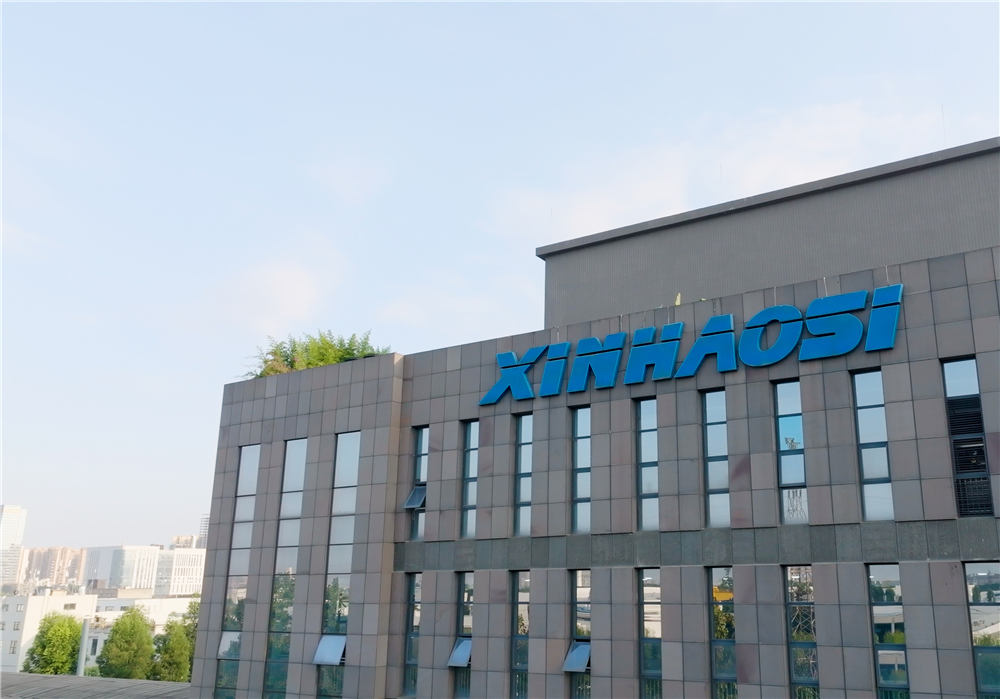
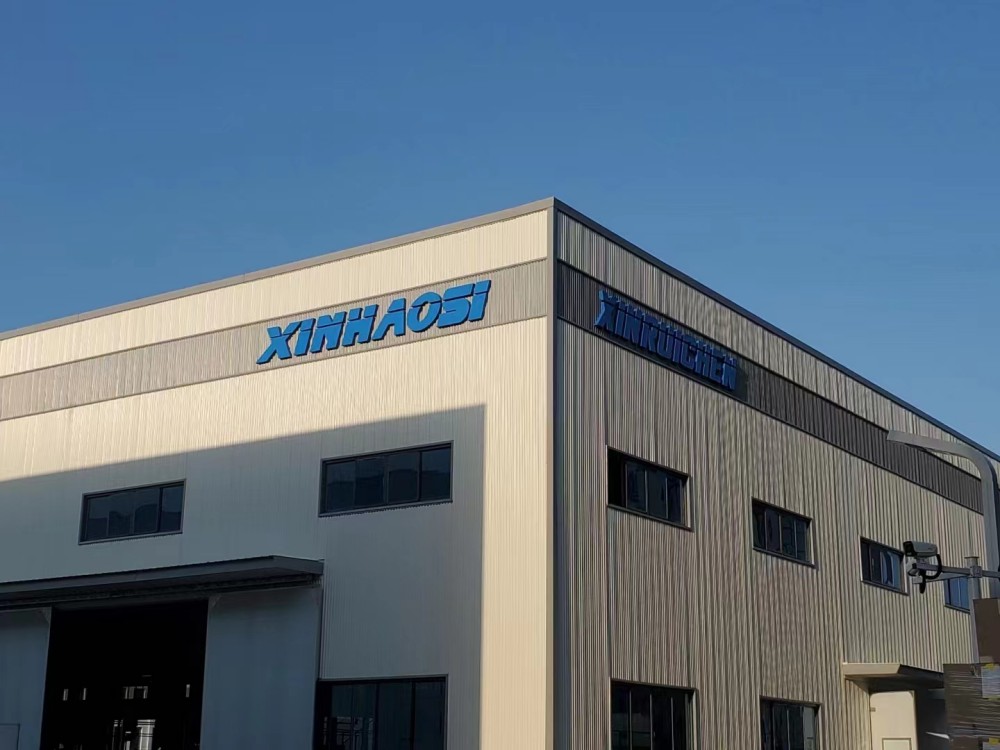
Where our 2-inch gas shut-off valves and monitoring systems provide critical protection.
In oil and gas exploration, volatile hydro-carbons require reliable isolation systems. Our explosion-proof (Ex d IIC T6) 2-inch solenoid valves shut down lines during abnormal pressure spikes or gas leaks, preventing localized releases from escalating.
City gate stations and medium-pressure distribution grids rely on automated flow control. Our 2-inch shut-off valves integrate with wireless pressure monitors to protect against downstream pipe damage and manage flow rates dynamically.
Commercial hotels, shopping complexes, and industrial kitchens process large quantities of natural gas. Our dry-battery-powered wireless shut-off valves connect directly to household or building gas detectors for automatic protection without external wiring.
Answering complex questions on installation, electrical specifications, and safety standard compliance.
Direct-acting valves use the magnetic force of the solenoid coil to pull the valve disc open, requiring no minimum operating pressure differential. Pilot-operated valves use the line pressure of the gas medium to assist in opening and closing. For systems with low static pressure, direct-acting or semi-direct-acting valves are preferred to ensure reliable operation across all pressure ranges.
SIL certification (IEC 61508) quantifies the probability of failure on demand (PFD) for safety functions. A SIL 2 or SIL 3 rated valve ensures the mechanical, electrical, and physical integrity of the valve under emergency conditions, guaranteeing that the valve will actuate during a system hazard. This is crucial for petrochemical facilities and urban distribution hubs.
No. In environments where combustible gases like methane, butane, or propane may be present (Class I Division 1 or Zone 1/2), any electrical component must have an explosion-proof enclosure (such as Ex d IIC T6). This containment design ensures that any internal spark or thermal energy in the coil cannot ignite the external ambient atmosphere.
Extremely low temperatures cause elastomeric seals to harden and lose elasticity, leading to potential bypass leakage. Conversely, high heat degrades chemical resistance. We utilize custom FKM formulations rated down to -30°C and up to +80°C, ensuring the seal maintains elasticity and keeps the valve tight under varying seasonal conditions.
We recommend partial stroke testing (PST) quarterly and full stroke testing annually. This prevents stiction in the actuator and seat. The solenoid coil's resistance should be verified periodically, and the internal screen or pilot orifice checked for pipeline debris to ensure clean operation.
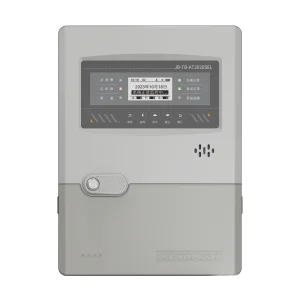
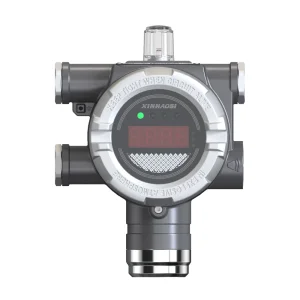
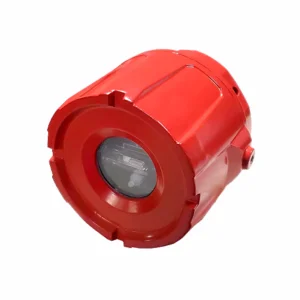
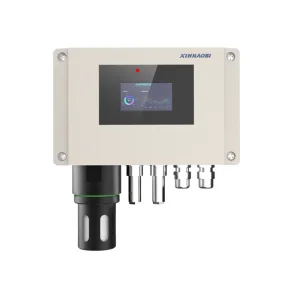
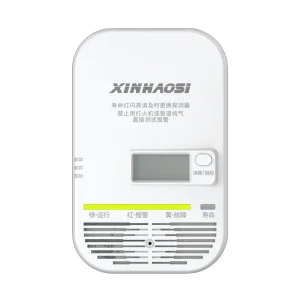
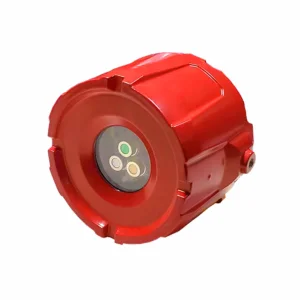
High-precision gas detection controllers, underground monitoring devices, and robust flame sensors to secure industrial sites.