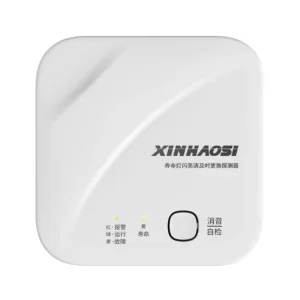
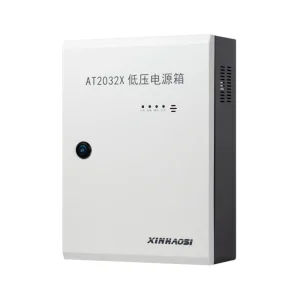
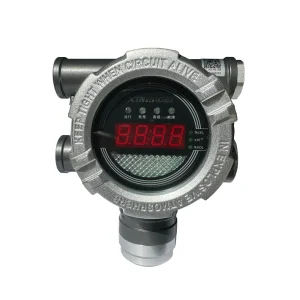
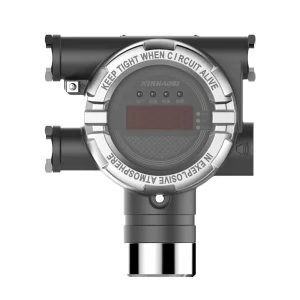
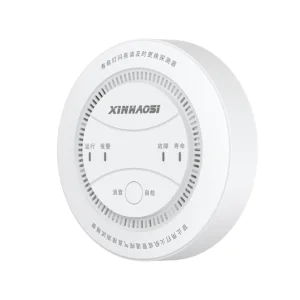
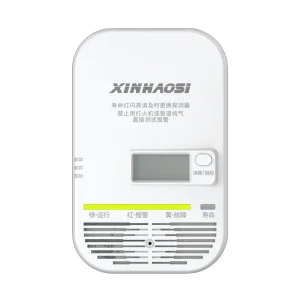
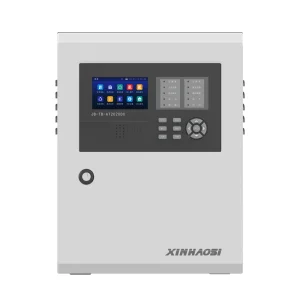
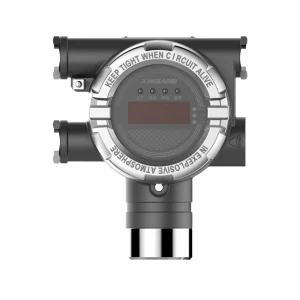
Highly accredited monitoring and regulation equipment engineered for volatile operational zones.
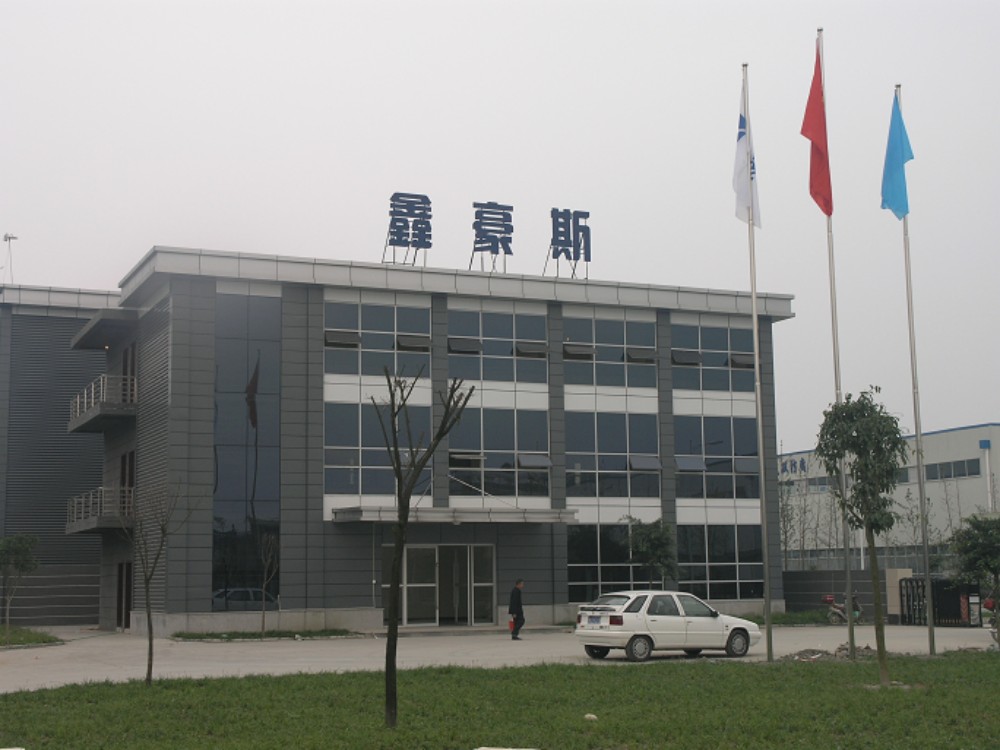
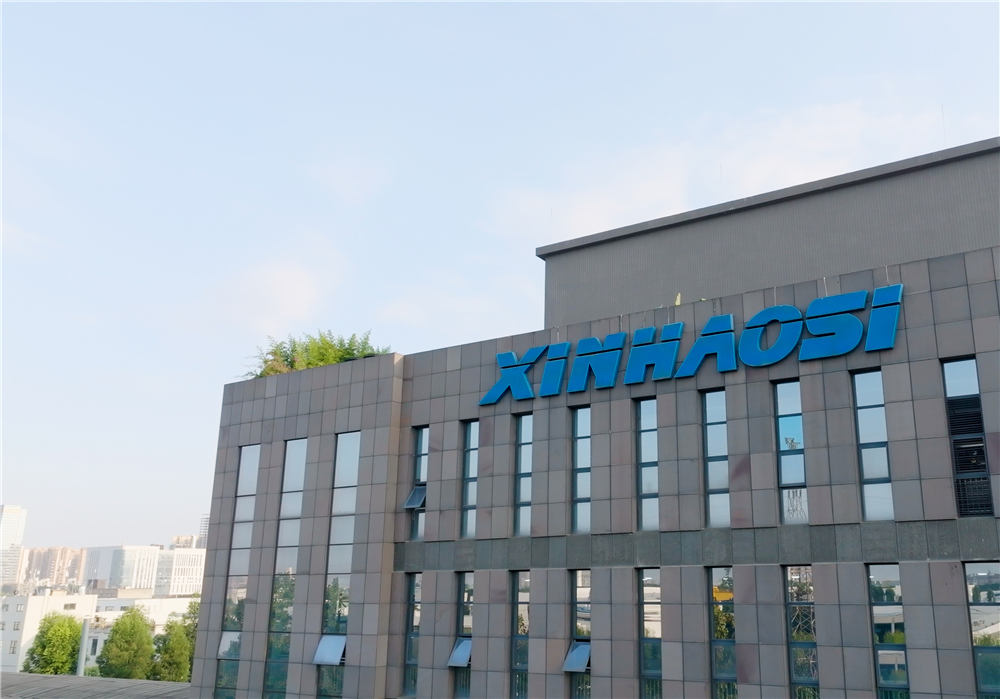
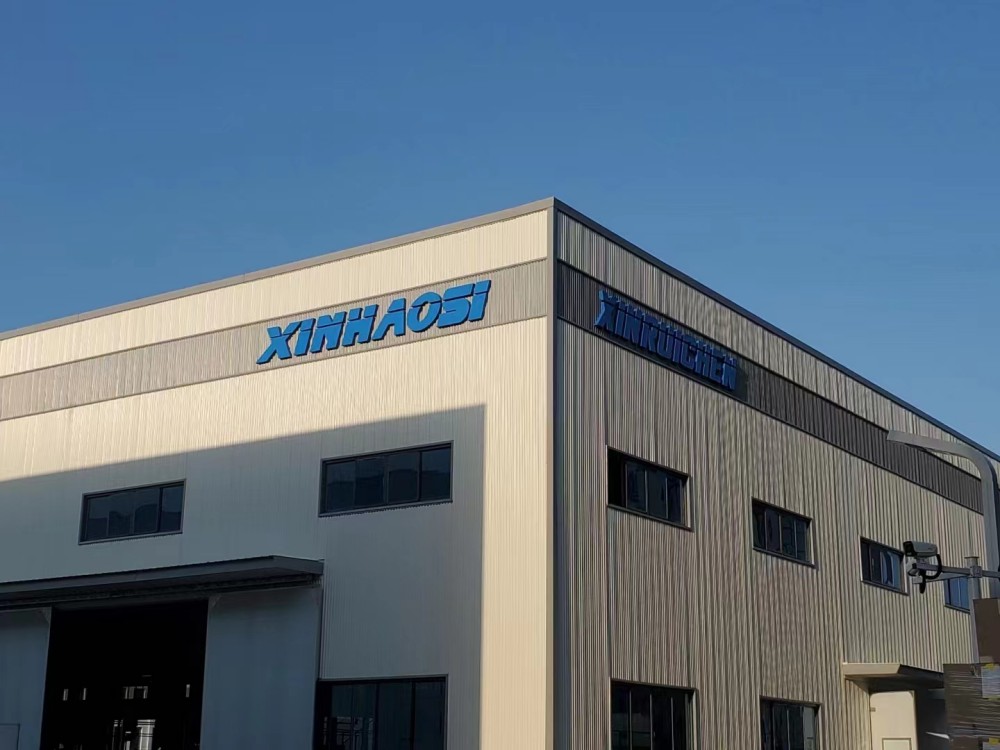
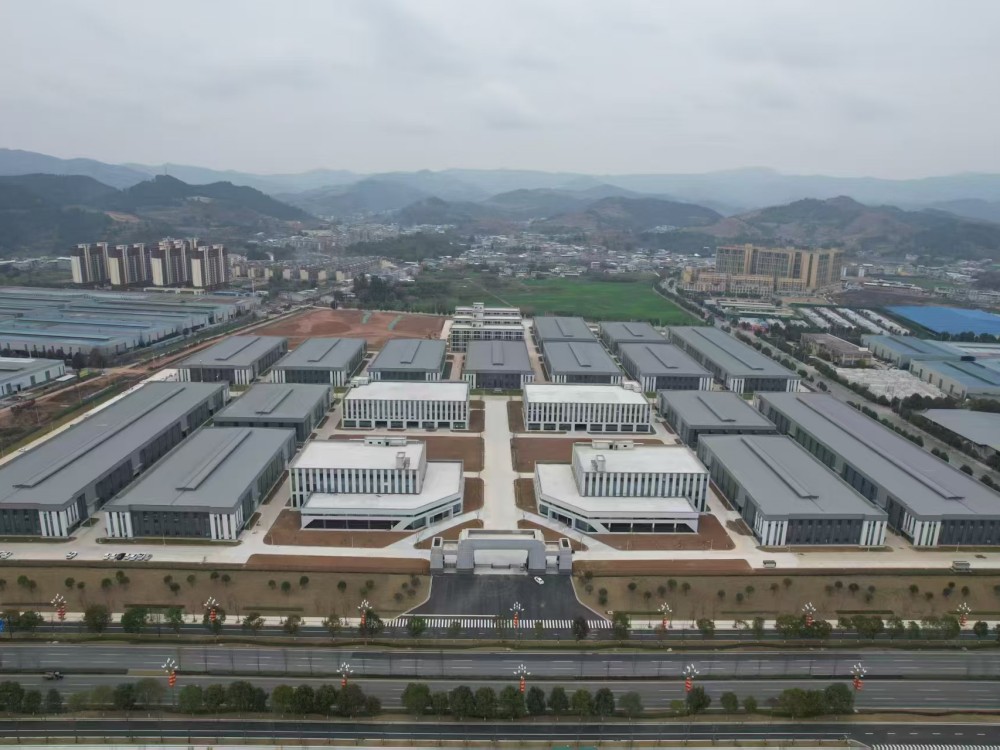
Founded in 2003, Xinhaosi has spent over two decades establishing itself as an authoritative leader in the global gas safety and control valve manufacturing industry. We provide end-to-end services that integrate cutting-edge Research & Development, highly automated smart manufacturing, and strict international compliance validations. Our dual-manufacturing architecture across our flagship factories in Chengdu and Deyang enables high-capacity output and guarantees operational reliability.
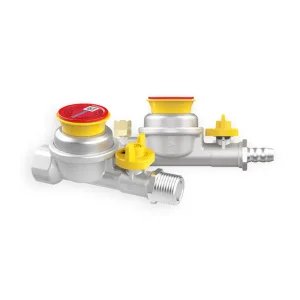
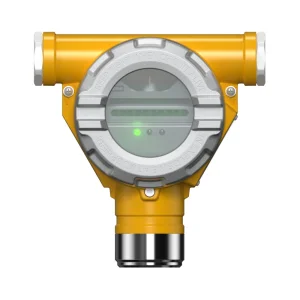
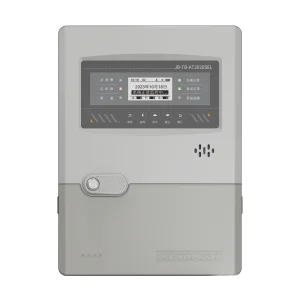
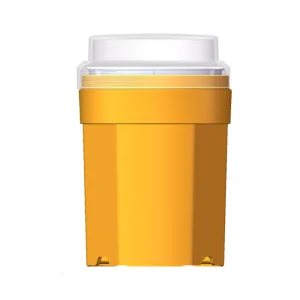
Our product lineup focuses heavily on high-accuracy solenoid valve sizes, gas safety sensors, detection controllers, and pipeline automation shut-off valves. We design these products to mitigate fluid-control challenges, operating reliably in municipal gas grids, heavy industrial petrochemical processing, and automated manufacturing sites globally. Armed with advanced laboratory resources and an experienced technical service department, we empower procurement managers with the precise configurations their systems demand.


A technical guide to matching flow dynamics, pressure gradients, and connection types for global safety installations.
In fluid dynamics and automation design, choosing correct solenoid valve sizes is vital to system reliability. Under-sizing a solenoid valve restricts flow, causes high-pressure drops ($\Delta P$), and strains pumps and compressors. Conversely, over-sizing leads to "water hammer" shocks, unstable regulation, and premature seal wear from valve chattering. Precise calculations are key to balancing performance, system life, and safety.
Industrial installations require matching the inner diameter (DN/Nominal Diameter) and connection styles to the local piping standards. Standard solenoid valve sizes typically range from compact configurations to large-bore municipal piping networks:
Generally used for low-to-medium pressure installations (e.g., DN15 to DN50 or 1/2" to 2" NPT/BSP). Ideal for residential safety installations, localized control systems, and machinery manifolds.
Specified for large pipelines (DN65 to DN300+). These designs handle high pressure, thermal expansion, and mechanical vibration, which are common in municipal distributions and steel production lines.
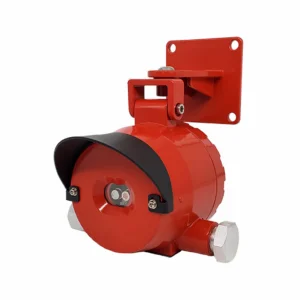
Critical for hazardous environments where flammable gas may escape. Solenoid valves are paired with flameproof enclosures (Ex d IIC T6) to contain internal electrical sparks and prevent external ignition.
Xinhaosi's engineering division standardizes dimensions on strict tolerances, ensuring that every pipeline shut-off valve conforms to international standards like ASME B16.5 and EN 1092-1. This allows global teams to drop our parts directly into existing pipelines without needing customized flanges or structural adapters.
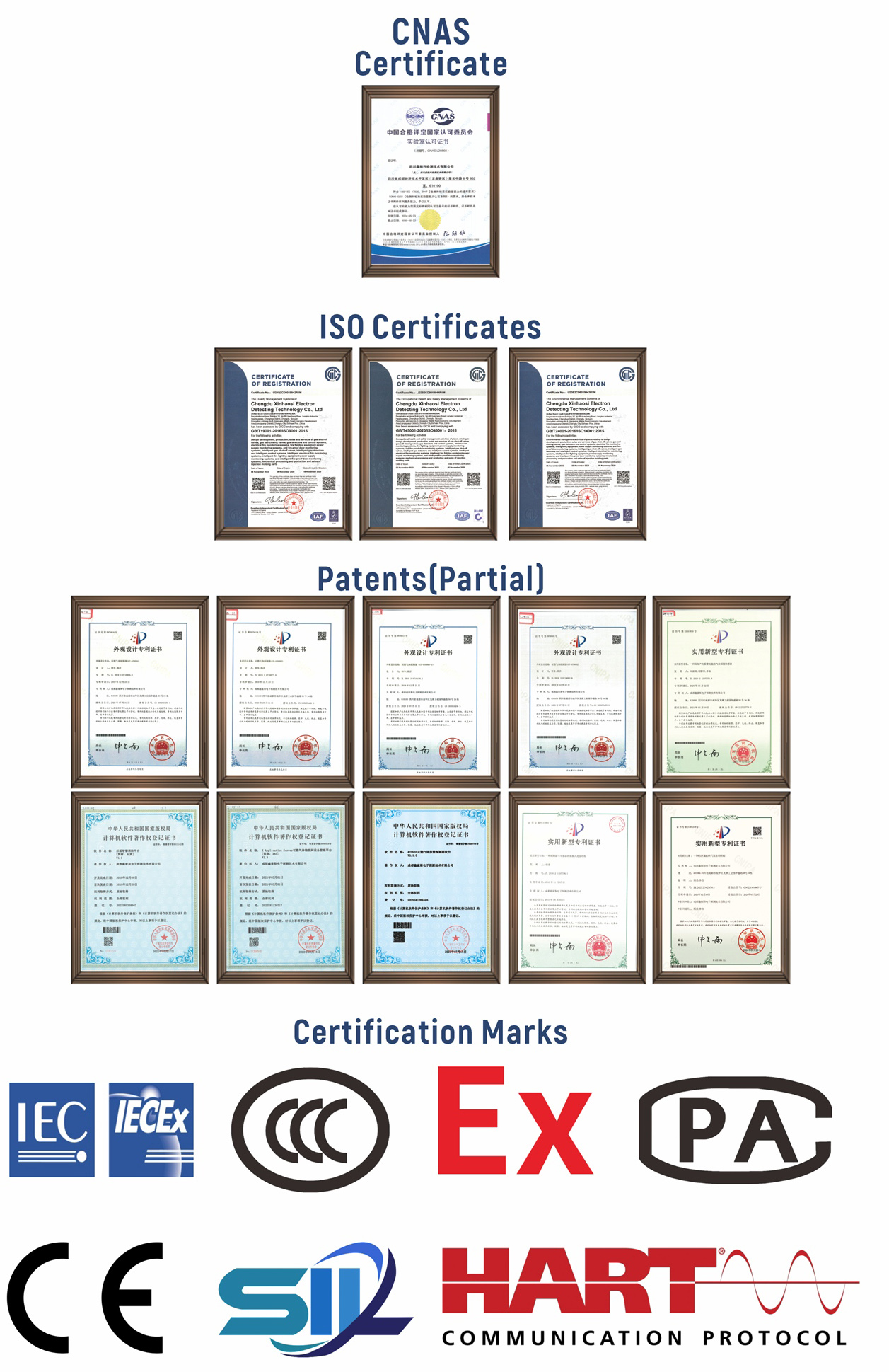
Our Quality Management Framework operates under ISO9001, providing structural traceability from raw materials to final packaging. Xinhaosi holds a comprehensive range of certifications, including national compulsory Products Certification (CCC), Ex-proof certification (Ex d IIC T6 Gb), CPA measurement instrument type approval, CE, and SIL (Safety Integrity Level) ratings.
Our in-house calibration facility is CNAS-accredited and meets ISO/IEC 17025 testing and calibration standards. This accreditation, recognized globally through the ILAC-MRA framework, ensures that our test reports are accepted by regulatory bodies in North America, Europe, and Asia-Pacific. Key testing protocols include:
How geographic synergy and automation scale lower lead times and secure material quality.
Our factories are located in the Chengdu-Deyang heavy industry cluster, giving us direct access to high-grade copper alloys, specialized stainless steels, and aerospace-grade elastomers. This local supply chain lowers shipping costs and keeps raw material quality consistent.
We run our own tool fabrication shop, precision die casting, CNC machining, automated coil winding, and final assembly lines. Controlling these processes in-house prevents external production bottlenecks and supports quick OEM/ODM changes.
Our proximity to the Chengdu-Europe express rail and major international shipping hubs speeds up transit to European, Middle Eastern, and American destinations, providing reliable delivery schedules for global infrastructure projects.
Navigating complex international regulations to ensure compliant industrial integration.
Deploying solenoid valves globally requires navigating localized engineering standards and safety certifications. We support international engineering teams by designing and certifying valves for regional requirements, such as NPT threads for North American manifolds or G-threads (BSPP/BSPT) for European systems.
Our electrical configurations support standard global voltages (e.g., 220V AC, 110V AC, 24V DC, 12V DC) with wide tolerance ranges to handle grid fluctuations. In regions with harsh climates, we offer weatherproof (IP65, IP67) and explosion-proof models to ensure reliable operation in desert heat, arctic cold, and offshore offshore environments.
To help clients with local compliance, our technical team provides documentation including:
Over two decades of engineering growth, technological breakthroughs, and global expansion.


Technical answers to key safety, sizing, and installation questions.
Industrial safety solutions designed for harsh operating environments.