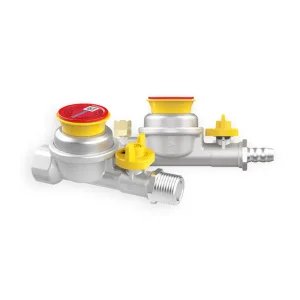
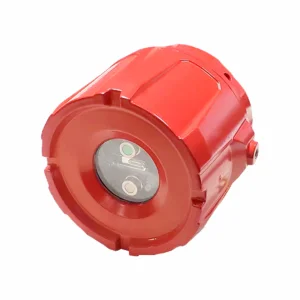
Explore our elite range of explosion-proof detectors, control boxes, and integrated solenoid valve shut-off systems certified for hazardous zones.
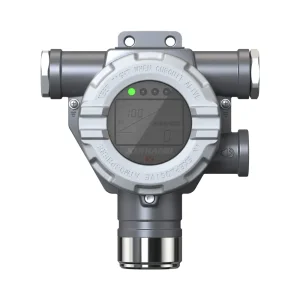
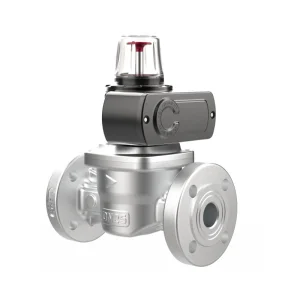
The convergence of strict regulatory mandates, IIoT, and safety engineering drives the next generation of flow control solutions.
Solenoid valves form the frontline safety barriers in automatic emergency shut-off applications globally. In modern industrial complexes—ranging from natural gas distribution hubs to chemical processing zones—the demand for ultra-reliable automatic shut-off systems is at an all-time high. Global installation frameworks require valves to operate in highly corrosive, high-pressure environments, while maintaining instantaneous trip speeds (often < 1 second) in emergency states.
Stringent compliance structures like the EU's ATEX directives, CE requirements, and safety integrity levels (SIL 2 & SIL 3 certifications) have transitioned solenoid valve installation from standard mechanical plumbing into a highly technical engineering discipline. Manufacturers worldwide are now pressured to deliver integrated packages where the valve acts in tandem with advanced gas warning systems, creating smart interlocking circuits.
Modern applications are transitioning from simple passive shut-off valves to active, intelligent feedback networks. Solenoid installations are increasingly fitted with position transmitters, real-time pressure transducers, and thermal links. The core installation requirement ensures zero pressure drop across critical ports, optimized flow coefficients (Cv values), and robust explosion-proof solenoid coils (CNEx and IECEx standard).
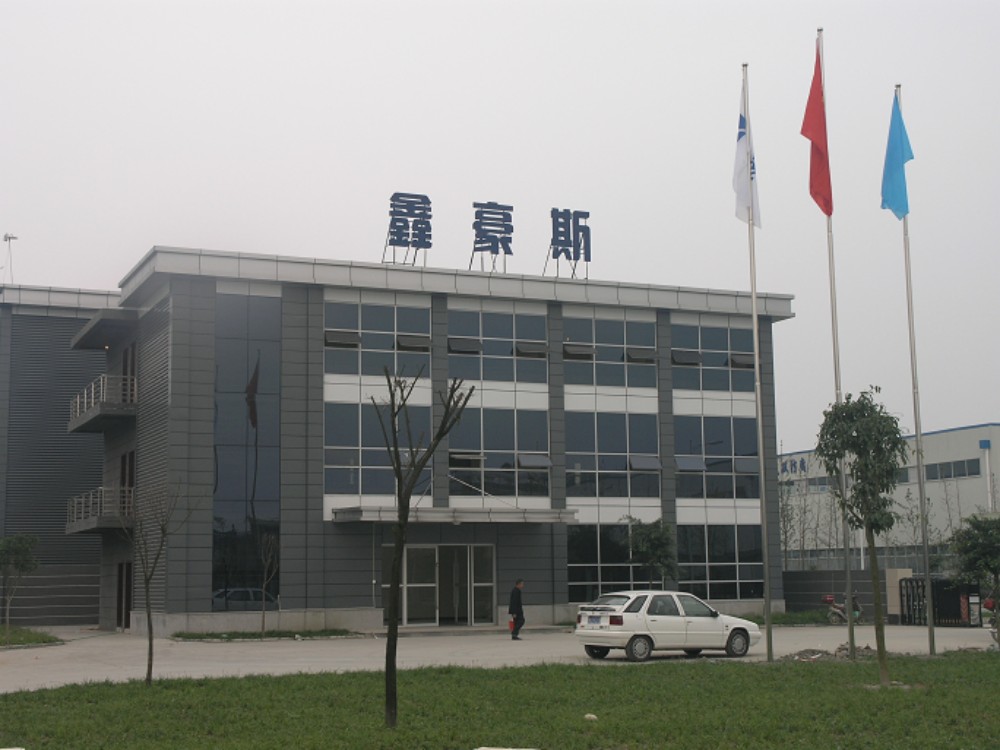
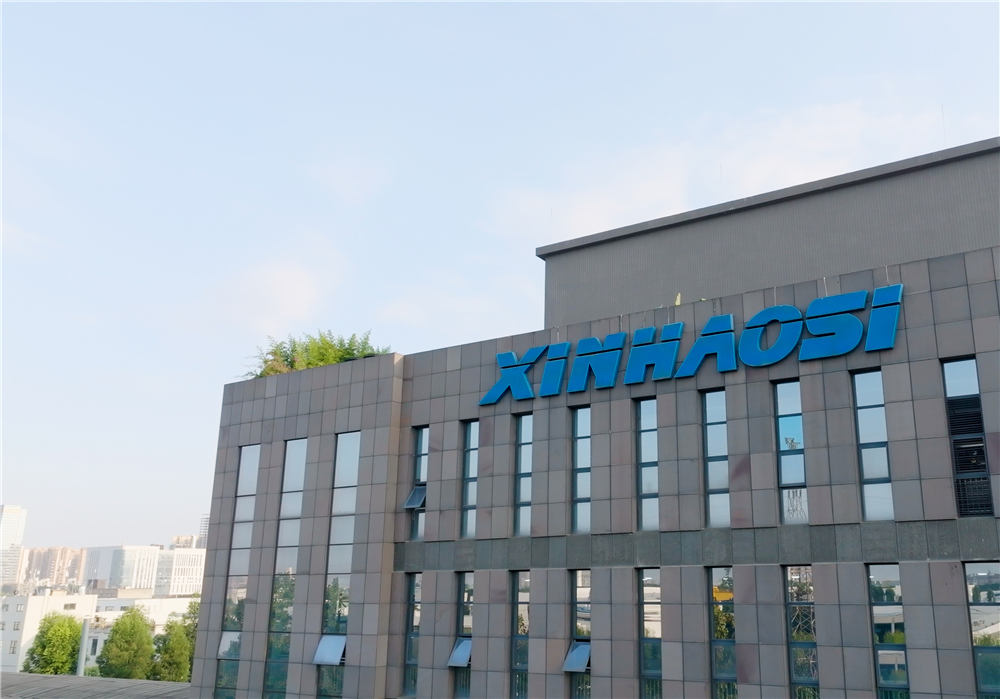
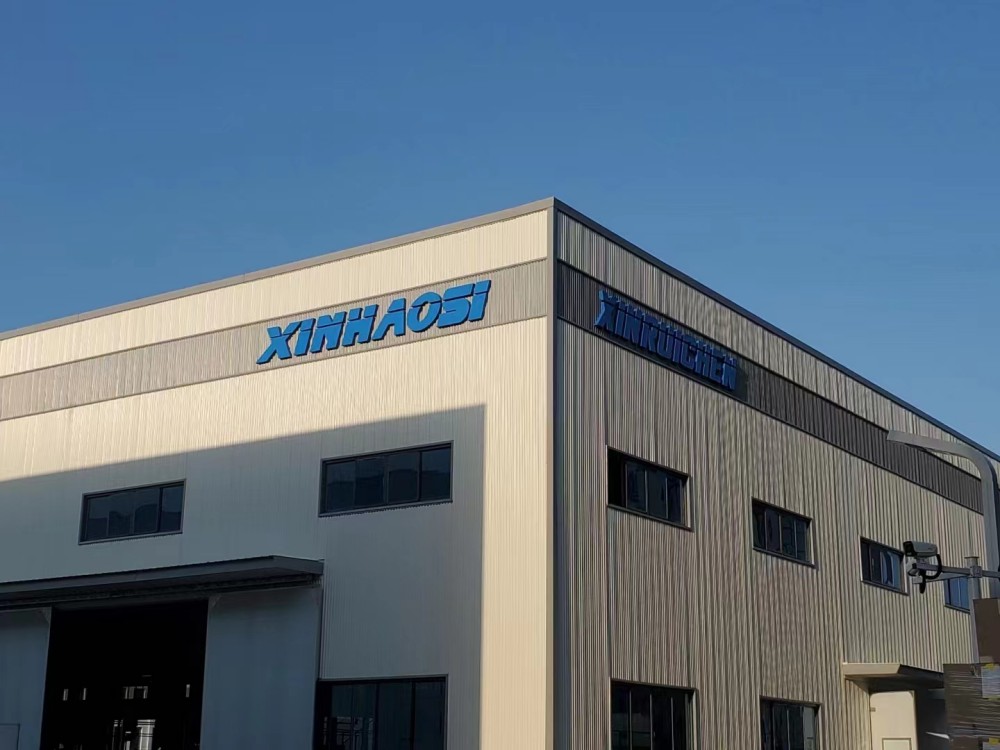
Discover Xinhaosi's dual-manufacturing facilities driving safety innovations globally since 2003.
Founded in 2003, Xinhaosi is one of the most influential and trusted brands in the global gas safety industry. Over the past two decades, we have steadily built a robust and comprehensive production and service system, which integrates cutting-edge R&D, intelligent manufacturing with advanced automation equipment, digital marketing across global channels, professional after-sales support with an experienced technician team, flexible OEM/ODM services, as well as CNAS-Accredited laboratory calibration services that meet international standards.
Our diversified product portfolio covers industrial & residential gas detection & alarm systems, industrial & household gas solenoid valves, and urban gas pipeline network monitoring systems—all engineered to adapt to complex working environments and strict safety requirements. We produce and sell tens of millions of units annually, catering to a wide range of industries that demand reliable gas detection solutions, including oil & gas exploration and production, petrochemicals, urban gas distribution, automotive manufacturing, pharmaceuticals, new energy, steel production, and beverage processing.
Guided by the core mission of "Making Gas Safety Accessible Everywhere," we consistently deliver high-performance, reliable products and customized solutions tailored to each client's unique needs. Every item we manufacture undergoes rigorous quality control tests, and every service we provide is backed by our professional technical team, fully embodying our unwavering commitment to safeguarding gas safety across both industrial workplaces and residential environments.
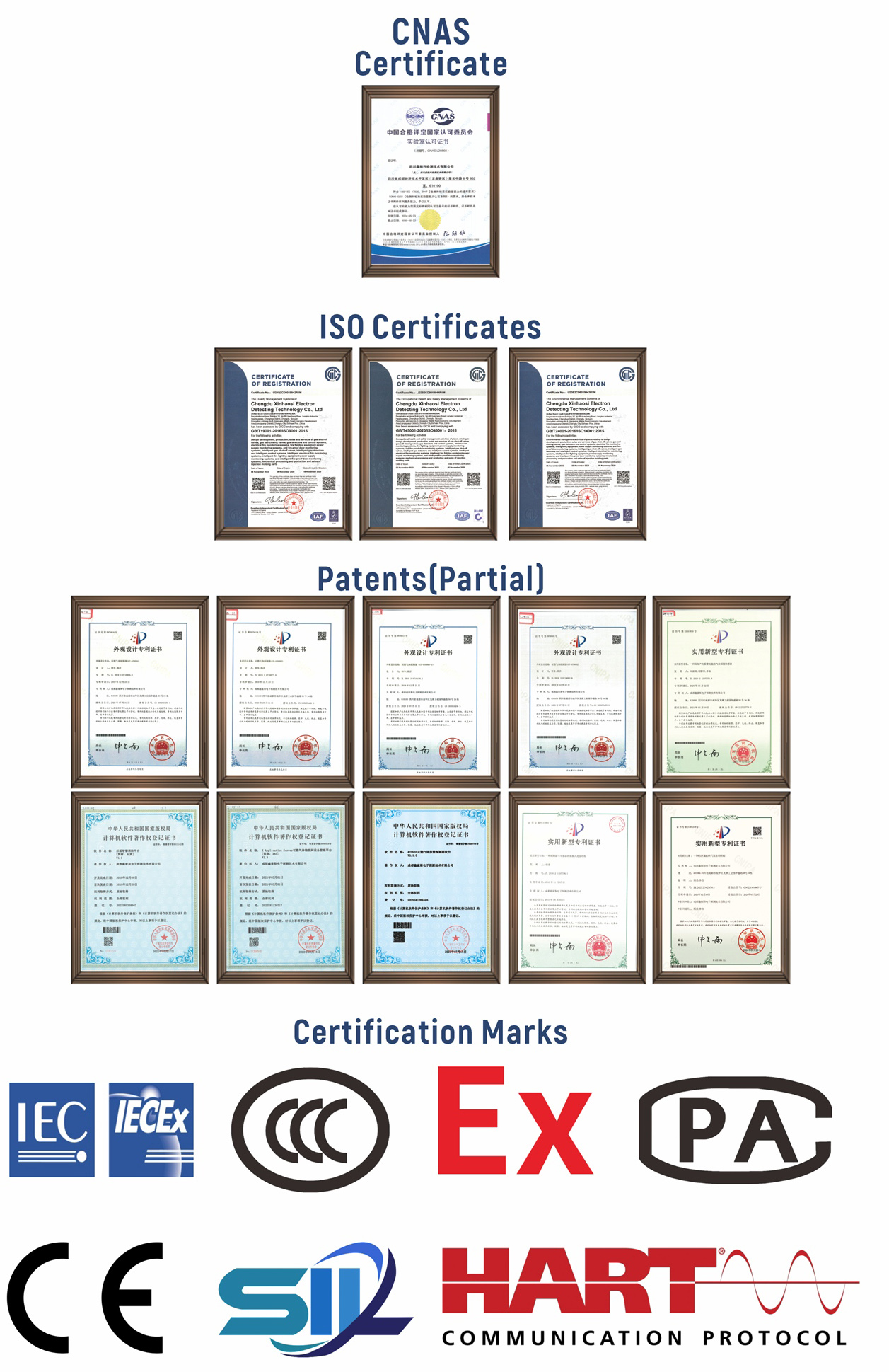
Adhering to ISO9001 quality management system standards, Xinhaosi's core products have obtained a full range of authoritative certifications, including national compulsory Products Certification, explosion-proof certification, fire product certification, CPA measurement instrument type approval certificate, and international approvals such as CE and SIL. Additionally, Xinhaosi holds honors such as "National Quality Integrity Benchmark Enterprise", "National Quality Leading Enterprise in the Gas Alarm Industry," member of the China Fire Protection Association, and the main drafting organization for the national standard of solenoid valves, further confirming its industry influence and reputation.
In the field of intellectual property, Xinhaosi has built a robust innovation system with over 50 patents and software copyrights. These patents cover core technological areas, including a graphical monitoring system for gas detection and alarm, which enables predictive maintenance based on historical data to reduce equipment failure rates by over 30%, and a solenoid valve with flow monitoring functionality that integrates flow detection and alarm capabilities. The company also pioneered China's first networked bus-type gas leakage monitoring system and the only maximum-point gas leakage monitoring system certified by the Ministry of Public Security, demonstrating its leading position in cutting-edge technological research.
Our in-house laboratory is accredited by the China National Accreditation Service for Conformity Assessment (CNAS), recognized both domestically and internationally under the ILAC-MRA framework. It operates in accordance with ISO/IEC 17025, the international standard for testing and calibration laboratories. It provides reliable and traceable testing services for gas detection and alarm products, solenoid valves, and related safety equipment.
A comprehensive whitepaper outline covering professional mechanical orientation, electrical wiring safety, and calibration parameters.
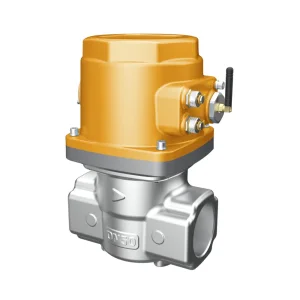
Correct geometric installation is critical. The solenoid valve body is explicitly designed to handle unidirectional medium flows. Installers must align the embossed arrow on the valve body with the upstream-to-downstream direction of the gas flow. Horizontal pipeline configuration is strongly recommended; the electromagnetic coil should point straight up to mitigate sediment accumulation inside the armature tube, ensuring frictionless piston travel.
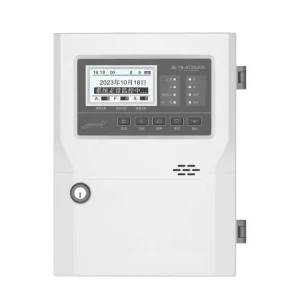
In explosive gas atmospheres, electric safety is paramount. All wiring to the solenoid coil must utilize explosion-proof flexible conduit. Ensure that the supply voltage (typically 24VDC pulse or 220VAC) matches the coil rating within a +/- 10% tolerance. Integration with controllers, such as the JB-TB-AT2020S Gas Detector Controller, requires a dry-contact switch that sends immediate signals upon gas detector saturation.
Before placing the valve in service, pipelines must be purged of welding slag, rust, and scale. An upstream Y-strainer (100-mesh minimum) is critical to protect the soft sealing seat (NBR or Viton) from particulate scoring. Once installed, perform bubble-tight pressure drop tests and cycle the valve 5-10 times without gas load to verify mechanical release. Ensure manual-reset levers are accessible to operator personnel.
Our industrial series (e.g., the Normally Closed CT-XF5 Gas Solenoid Valve) features double-sealing rings and manual-pull reset operations. This safety architecture prevents accidental automatic gas release in post-shutdown scenarios, meeting safety-critical guidelines.
Tailored gas monitoring and valve actuation solutions customized for critical environments.
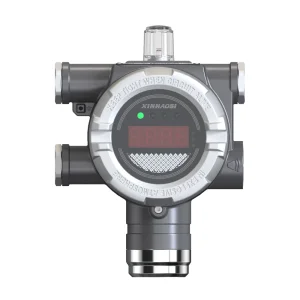
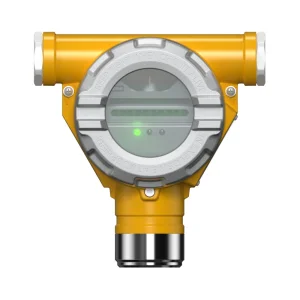
Refinery lines involve volatile compounds and extreme temperatures. Utilizing explosion-proof gas detectors (such as the GTYQ-XP4000B Series) combined with heavy-duty solenoid valves protects against catastrophic leaks. Systems utilize high-performance chemical-resistant seals and robust cast iron or brass enclosures.
High accumulation hazards exist in municipal shafts. The GT-AT0616 Series Underground Shaft Combustible Gas Monitoring Device operates under moisture-heavy environments to detect early accumulation. It triggers remote emergency shut-off valves at surface-level entry points to secure operations.
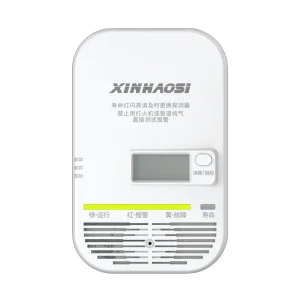
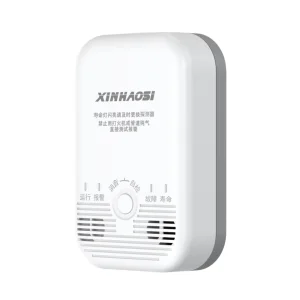
Residential gas infrastructure requires compact and dependable technology. The JT-AT2005 Household Gas Detector operates alongside automatic shut-off valves. This provides rapid interruption of domestic methane or LPG supplies within milliseconds of leak detection, saving lives and assets.
A history of constant technological breakthroughs, expanding safety boundaries from 2003 into the future.



Transitioning from mechanical safety barriers to predictive, intelligent, and wireless ecosystem management.
The future of solenoid valve installation lies in built-in diagnostic and communication modules. Over the next five years, Xinhaosi is prioritizing AI-enabled safety valves that continuously monitor internal pressure differences, coil temperature, and actuation times. Utilizing advanced diagnostic algorithms, these valves can detect early signs of spring fatigue or coil degradation before a failure occurs.
Integrating micro-sensors directly within the solenoid valve housing allows the device to self-calibrate and report status metrics. In critical industrial sites, these metrics prevent unplanned downtime by signaling maintenance crews when to replace seals or clean debris from the valve throat.
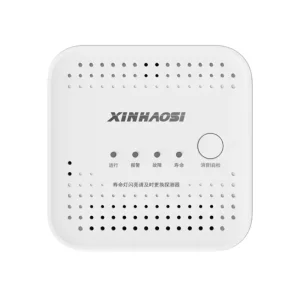
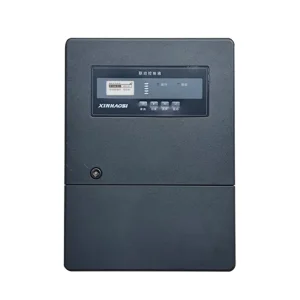
By combining our IoT cloud platform with wireless detection nodes, plants can monitor gas levels and valve status from a centralized command center. Operators no longer need to walk physical pipeline corridors to verify shut-off status. The integration of Interlock Control Boxes (such as JB-MK-AT2041X) and wireless detectors allows for automated trip testing across thousands of miles of urban networks.
This wireless integration minimizes field installation costs, reducing conduit installation expenses by up to 50% while ensuring reliable signal paths back to the central SCADA system.
Detailed answers to critical engineering, installation, and compliance questions regarding gas detection and safety valve configurations.
Complete your facility safety loops with our high-grade control boxes, smart AI valves, and infrared flame sensors.