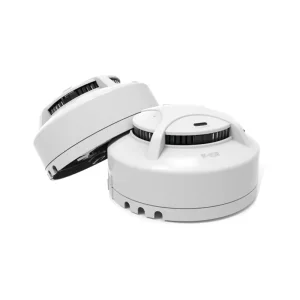
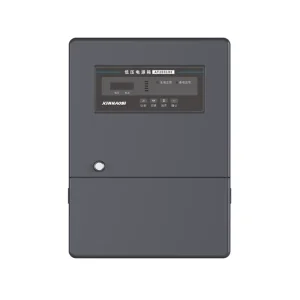
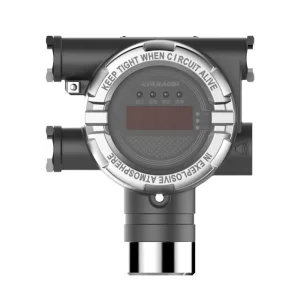
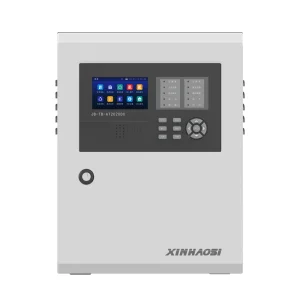
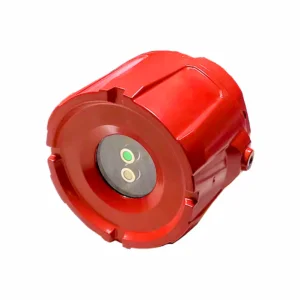
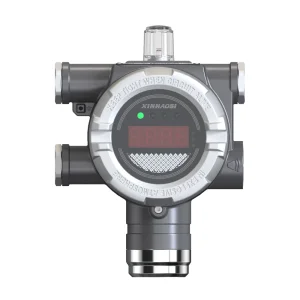
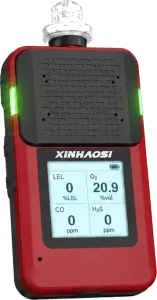
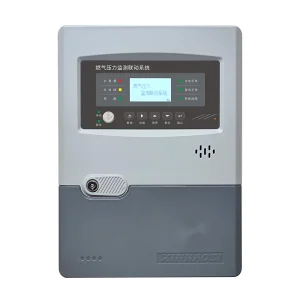
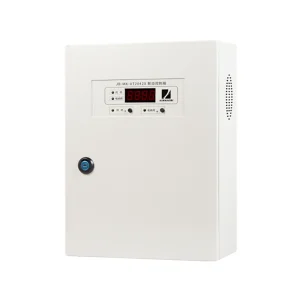
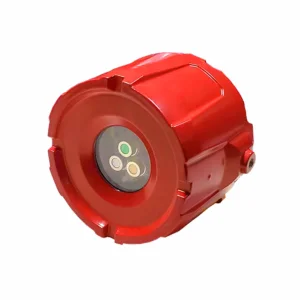
Select from our industry-grade gas monitoring, signal transmission, and safety automation instruments, engineered for strict compliance environments.
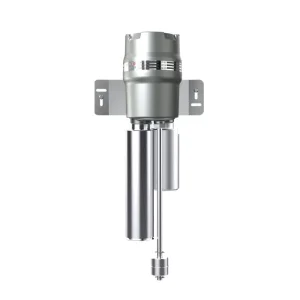
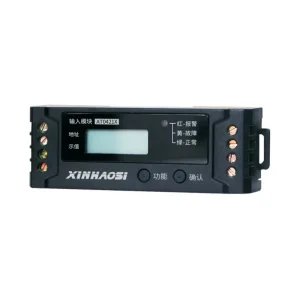
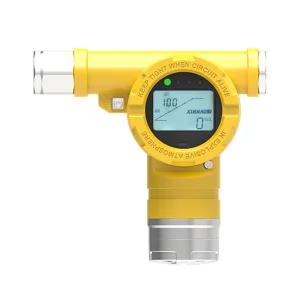
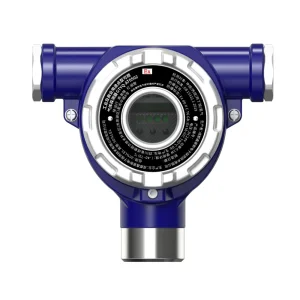
Within the highly regulated landscapes of industrial fluid management and automated gas safety, the 1/2-inch solenoid valve stands out as a critical node. This specific sizing offers an optimal balance between volumetric flow rates and system pressure tolerances. It manages fluid velocities without incurring the high pressure drops associated with smaller apertures or the control lag of larger configurations.
A half-inch solenoid valve functions as an electromechanically controlled actuator, using an electromagnetic coil to lift a plunger or move a pilot diaphragm. The reliability of this component is vital in safety shut-off systems, where an immediate electrical interruption must reliably stop gas or liquid lines to prevent catastrophic leaks, fires, or explosions.
At Xinhaosi, we combine precision mechanical engineering with state-of-the-art testing to produce solenoid valves that perform under extreme conditions. Operating under an ISO9001 quality management framework, our designs are optimized for durability and low power consumption, providing dependable fluid control for automated systems globally.

Understanding the engineering parameters that govern durability, response times, and hazardous zone safety compliance.
The valve body material defines its operating limits. For combustible gases like methane, propane, and natural gas, premium forged brass or anodized aluminum provides optimal corrosion resistance. Sealing elements use advanced fluorocarbon elastomers (Viton/FKM) or NBR to resist degradation and maintain tight seals from -20°C to +80°C.
Direct-acting 1/2-inch solenoid valves operate down to zero differential pressure (0 bar), making them suitable for low-pressure gas pipelines and gravity-fed systems. Pilot-operated designs utilize the line pressure to assist in moving the internal diaphragm, allowing them to manage higher pressures up to 16 bar while maintaining low coil power requirements.
In hazardous environments with volatile gases, the solenoid coil must prevent heat accumulation and electrical sparking. High-quality 1/2" valves are built to meet Ex d IIC T6 Gb explosion-proof criteria, featuring dust- and moisture-proof enclosures rated to IP65 or IP67 to protect electromagnetic internals.
Global industrial supply networks face ongoing challenges from material shortages, fluctuating energy costs, and logistic delays. Xinhaosi addresses these issues by applying Factory 4.0 principles at our specialized production facilities in Deyang and Chengdu.
Our manufacturing centers employ automated winding, precision CNC machining, and automated optical inspection systems to guarantee dimensional accuracy and part uniformity. Vertical integration, from raw metal casting to final pressure testing, keeps our production lines resilient and self-sufficient.
This automated approach minimizes defects, speeds up delivery cycles, and lowers overhead costs. By producing and shipping millions of safety instruments annually, Xinhaosi remains a stable supply partner for international buyers seeking reliable fluid control solutions.

From residential smart gas grids to highly demanding petrochemical process lines, our solenoid technology adapts to diverse environments.
1/2-inch solenoid valves serve as safety barriers in municipal gas lines. In the event of a leak, local combustible gas sensors trigger the valve, cutting off gas flow before dangerous concentrations build up.
Integrated with carbon monoxide (CO) monitoring systems, solenoid valves control the distribution of pneumatic power and auxiliary safety shut-offs, venting toxic exhaust from underground garages safely.
Designed for demanding environments, our heavy-duty explosion-proof solenoid valves handle corrosive atmospheres. They are suitable for chemical dosing, purging systems, and fail-safe safety protocols.
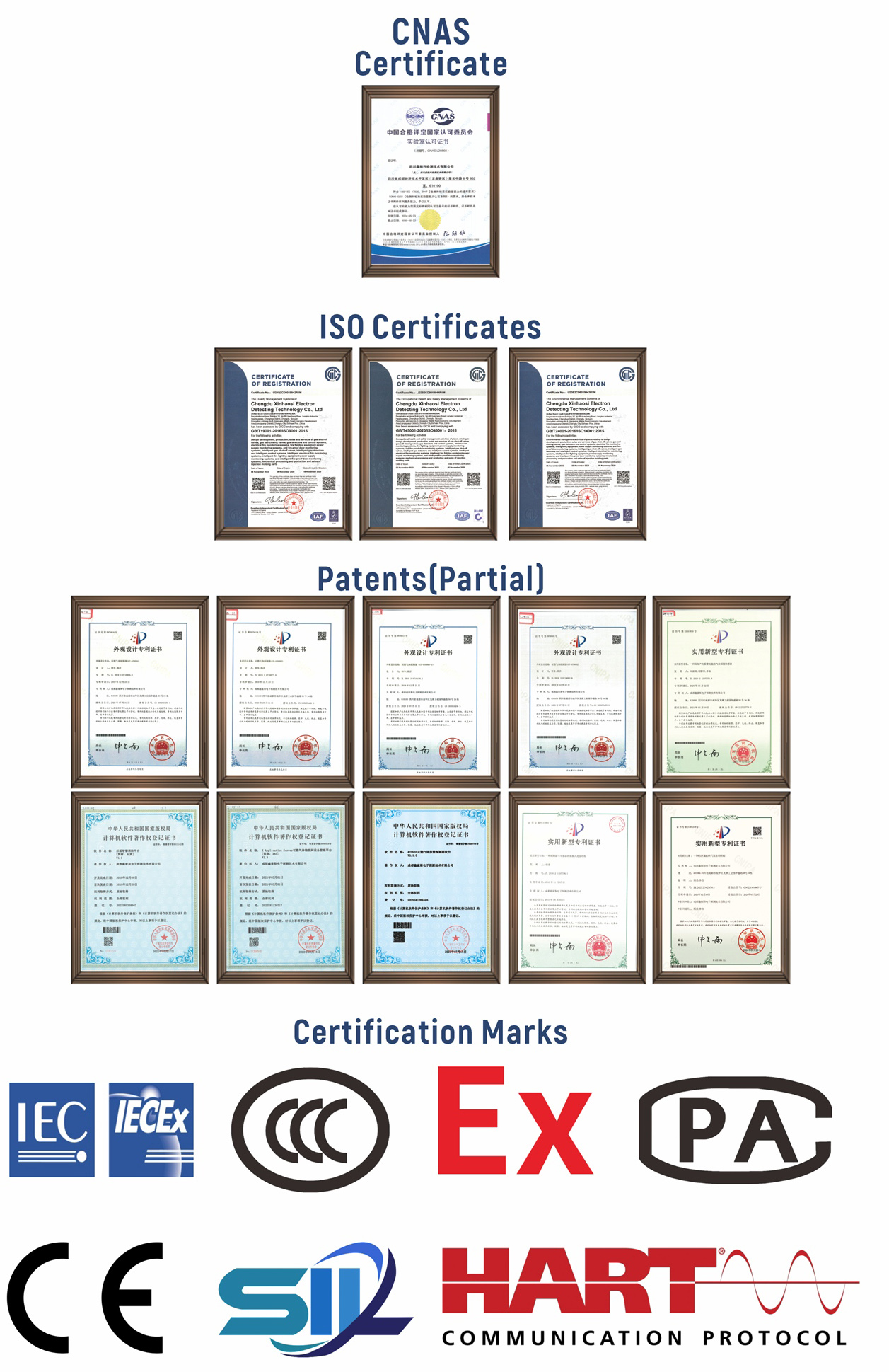
As a leading drafting organization for national solenoid valve standards, Xinhaosi helps shape the quality benchmarks of our industry. Our R&D team holds over 50 patents and copyrights, including systems for real-time flow monitoring and predictive gas detection.
Our in-house calibration and testing laboratory is accredited by the China National Accreditation Service for Conformity Assessment (CNAS). It operates in compliance with ISO/IEC 17025, the international standard for testing and calibration laboratories, under the ILAC-MRA framework.
Every batch of solenoid valves undergoes rigorous testing—including leakage checks, coil resistance measurements, and functional activation tests under high pressures. This comprehensive testing ensures safety compliance and helps facilitate faster regulatory approvals in overseas markets.
Tracing Xinhaosi's journey from a specialized regional startup to an internationally recognized safety and fluid automation manufacturer.
Established on April 17, 2003. Launched our first-generation gas leak detection alarms and fire protection products, establishing core quality standards.
Began production of gas safety valves. Expanded OEM capabilities and relocated our corporate offices to Longtan Industrial Park to scale up operations.
Reached 10 million units sold in gas detection. Moved into a dedicated facility in Chengdu and built a comprehensive nationwide sales and technical support network.
Launched our self-developed IoT safety platform. Qualified as an official supplier to China's five largest gas distribution companies and secured high-tech enterprise certification.
Began building our advanced Deyang factory. Created our specialized Petrochemical & International Business divisions and received the Sichuan Provincial Technology Center designation.
Deyang manufacturing plant commenced full operation. Released AI-assisted safety valves, wireless gas detectors, and smart urban pipeline monitoring systems for global distribution.
Expert technical answers regarding design selection, maintenance, and international compliance for 1/2-inch solenoid valves.
Direct-acting solenoid valves utilize the electromagnetic coil force to lift the seal directly from the orifice. This design operates independently of system pressure, allowing it to work at 0 bar differential. In contrast, pilot-operated valves use the media line pressure to actuate the diaphragm. This configuration requires a minimum pressure differential (typically 0.3 to 0.5 bar) to open and close, but can manage significantly higher pressure ratings without requiring a larger coil.
The elastomer seal must remain chemically inert when exposed to transport media. For clean fuel gases, NBR (Nitrile) offers reliable fuel resistance and elastic resilience at standard temperatures. If the system handles sour gas, high temperatures, or trace chemical vapors, Viton/FKM is preferred to prevent elastomer swelling, hardening, and degradation that can lead to valve seating failure.
Solenoids operate using electric current, which can generate heat and potential sparks under heavy duty cycles or faults. In environments with explosive concentrations of hydrocarbon gases, an explosion-proof enclosure prevents internal heat or sparks from igniting the surrounding atmosphere. This design isolates the combustion pathway inside the heavy-walled electrical enclosure.
Safety Integrity Level (SIL) ratings define the probability of failure on demand (PFD) for safety systems. A SIL-certified solenoid valve is audited for both systematic and random failures. Using a SIL 2/3 valve in emergency shutdown systems helps ensure the component will actuate correctly when commanded, reducing risk in industrial environments.
Coil burnout is typically caused by overvoltage, mechanical binding of the internal plunger, or high fluid temperatures that degrade coil insulation. If the plunger cannot stroke fully, current increases, leading to thermal overload. Preventing this requires using high-insulation class coils (such as Class H), ensuring stable voltage supplies, and filtering out particulate matter that can jam the internal moving parts.
Discover our specialized flame detectors, low-voltage power networks, and safety interlock controllers, built for seamless process safety integration.