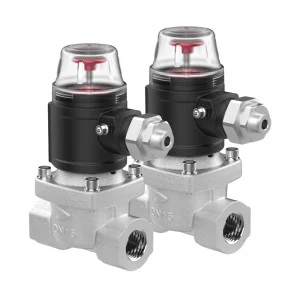
Within the global process industries, the solenoid gas safety shut-off valve serves as the primary barrier against catastrophic hazards. As industrial structures transition toward high efficiency and zero emissions, the technological expectations placed on these safety systems have heightened. Traditional shut-off valves, which operated purely on passive mechanisms, are being replaced by active, diagnostic, and networked safety shutdown devices.
Several major trends are shaping the future of this sector:
Purchasing directors and engineering managers look beyond unit cost. True asset optimization relies on robust standards, verifiable quality parameters, and minimal lifecycle downtime.
Procuring a safety valve requires analyzing its long-term lifecycle performance. High-durability solenoid coils reduce coil burnout rates, lowering plant downtime and preventative maintenance frequencies by up to 40%.
Exporting equipment across Europe, North America, and ASEAN nations requires adherence to EN 161, ISO 9001 quality systems, explosion-proof classifications, and SIL certificates. Compliance ensures simplified customs clearance and plant approval.
Standard off-the-shelf valves may fail to fit unique spatial boundaries or pressure requirements. Custom flange patterns, specific voltage ratings (24VDC, 110VAC, 220VAC), and customized closure speeds are key aspects of modern procurement.

Xinhaosi Modern Deyang Smart Plant
Operating out of state-of-the-art facilities in Chengdu and Deyang, Xinhaosi utilizes advanced manufacturing processes to deliver high volumes of safety valves. China's Industrial 4.0 blueprint is built into our production structure, offering distinct supply advantages:
Founded in 2003, Xinhaosi is one of the most influential and trusted brands in the global gas safety industry. Over the past two decades, we have built a comprehensive production and service system. This framework integrates R&D, intelligent manufacturing with automated equipment, digital marketing across global channels, professional after-sales support with a technician team, flexible OEM/ODM services, and CNAS-Accredited laboratory calibration services meeting international standards.
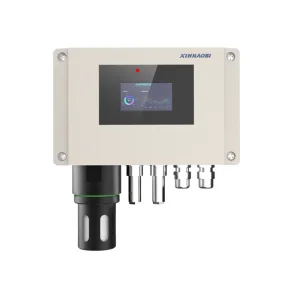
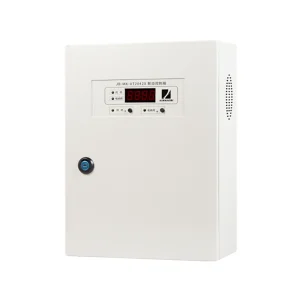
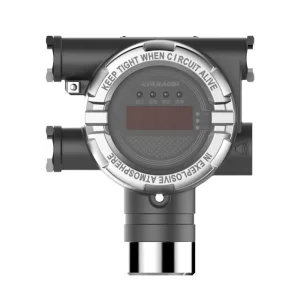
Our product portfolio covers industrial & residential gas detection & alarm systems, industrial & household gas solenoid valves, and urban gas pipeline network monitoring systems. These products are engineered for complex working environments and safety requirements. We produce and sell tens of millions of units annually, catering to industries demanding gas safety solutions, including oil & gas exploration, petrochemicals, urban gas distribution, automotive manufacturing, pharmaceuticals, new energy, steel production, and beverage processing.
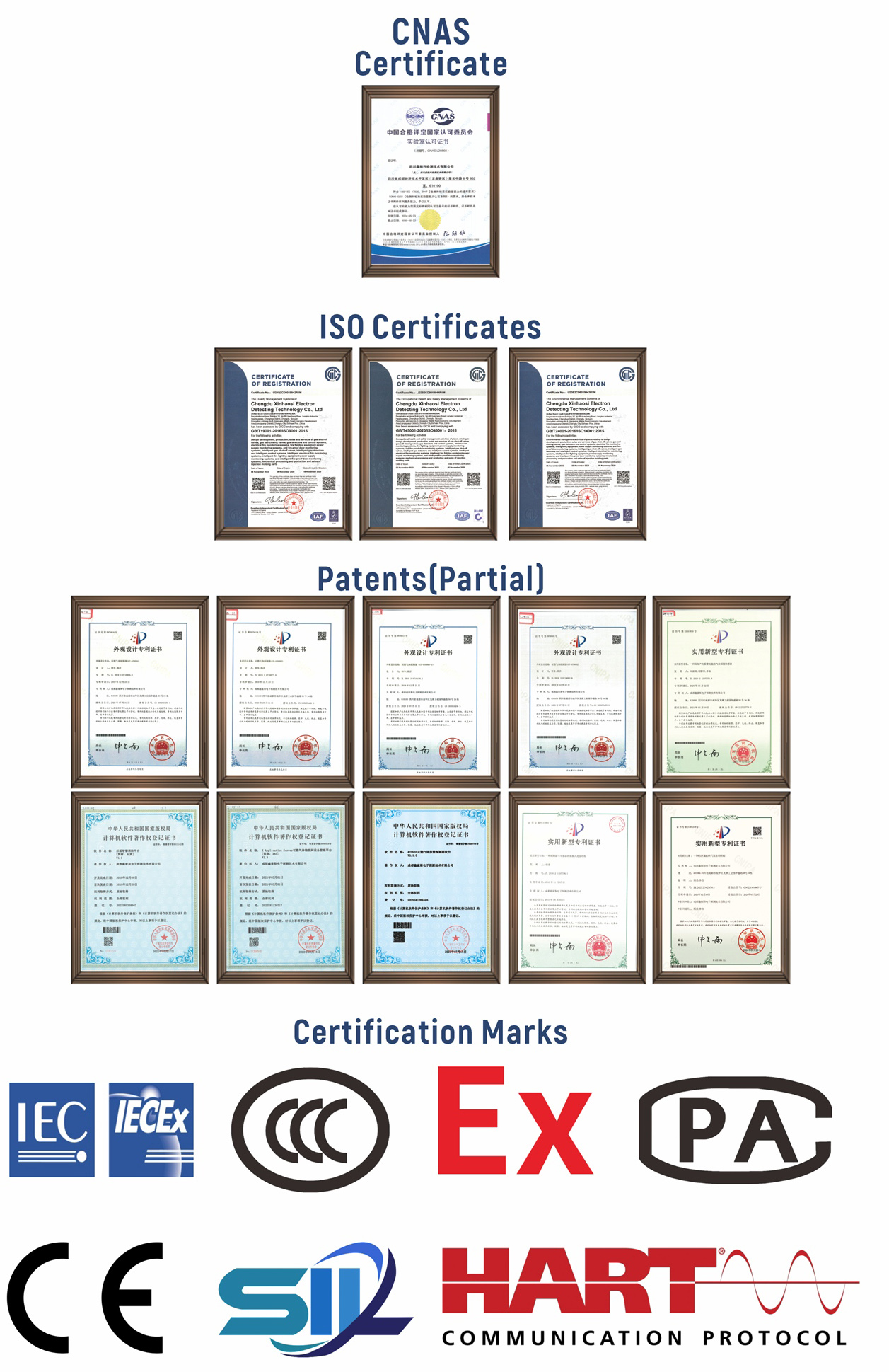
Adhering to ISO9001 quality management system standards, Xinhaosi's core products have obtained a range of authoritative certifications. These include national compulsory Products Certification, explosion-proof certification, fire product certification, CPA measurement instrument type approval certificate, and international approvals such as CE and SIL. Additionally, Xinhaosi holds honors including "National Quality Integrity Benchmark Enterprise" and "National Quality Leading Enterprise in the Gas Alarm Industry," is a member of the China Fire Protection Association, and serves as a main drafting organization for the national standard of solenoid valves, confirming its industry presence.
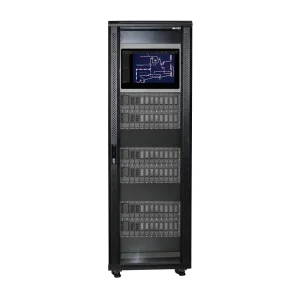
In intellectual property, Xinhaosi maintains an innovation system with over 50 patents and software copyrights. These patents cover key technological areas, including a graphical monitoring system for gas detection and alarm that enables predictive maintenance based on historical data to reduce equipment failure rates by over 30%, and a solenoid valve with integrated flow monitoring and alarm capabilities. The company also developed a networked bus-type gas leakage monitoring system and a maximum-point gas leakage monitoring system certified by the Ministry of Public Security, highlighting its position in technology research.
Our in-house laboratory is accredited by the China National Accreditation Service for Conformity Assessment (CNAS), recognized under the ILAC-MRA framework. Operating in accordance with ISO/IEC 17025, the international standard for testing and calibration laboratories, it provides testing services for gas detection and alarm products, solenoid valves, and related safety equipment. Test reports issued by the CNAS-accredited laboratory are accepted by regulatory authorities, certification bodies, and customers globally, supporting safety compliance and market access.

Xinhaosi Chengdu Factory & Office Headquarters
Solenoid safety valves operate in diverse environments. Each scenario presents specific pressure, environmental, and chemical demands that our engineering designs address.
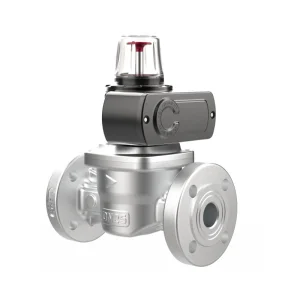
Our heavy-duty, explosion-proof solenoid valves are designed to prevent flammable hydrocarbon leaks. They are built to withstand high temperatures and corrosive vapors, complying with offshore and onshore production safety requirements.
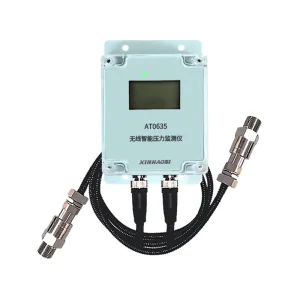
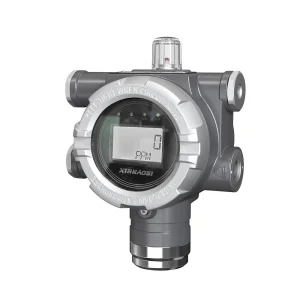
For high-volume urban gas networks, our valves integrate with external smart pressure monitors to automatically shut off gas supplies in the event of low pressure or seismic activity.
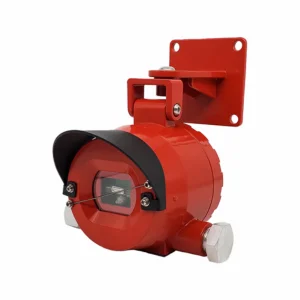
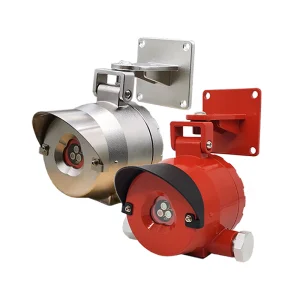
Integrated with standard flame sensors, our fast-acting valves shut down gas flow in under 1 second if flame loss is detected, preventing combustion chamber explosions.
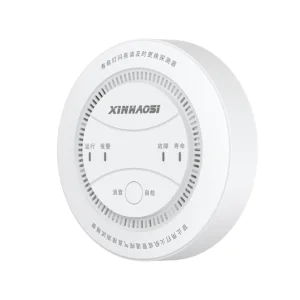
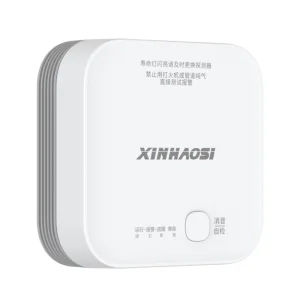
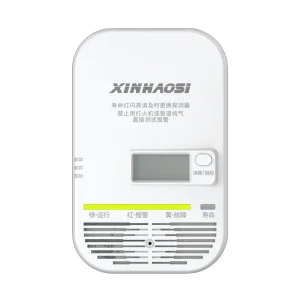
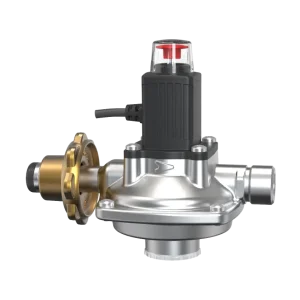
In apartments, hotels, and restaurants, our smaller shut-off systems connect directly to smart carbon monoxide and combustible gas alarms, shutting off the gas source at the first sign of leakage without manual intervention.
Established on April 17, 2003. Launched our first generation of gas leak alarms and fire fighting products, establishing our presence in the gas safety sector.
Commenced gas safety valve production and expanded OEM business operations. Relocated to our corporate facility in Longtan Industrial Park to support rising demand.
Achieved a sales milestone of 10 million gas detectors. Relocated to the Chengdu factory building, established a sales network across China, and launched fire power monitoring systems.
Launched our proprietary IoT platform, alongside automatic fire alarms, emergency lighting, and evacuation systems. Obtained High-Tech Enterprise status and qualified as an official supplier to China's major gas providers.
Initiated construction of the Deyang factory, established the Petrochemical & International Business Division, and was recognized as a Sichuan Provincial Technology Center.
Commenced operations at the Deyang factory. Introduced urban gas pipeline network monitoring equipment, wireless sensors, and AI-enabled safety valves to support future smart cities.
Find technical answers to common questions about selecting, operating, and maintaining solenoid gas safety shut-off valves.