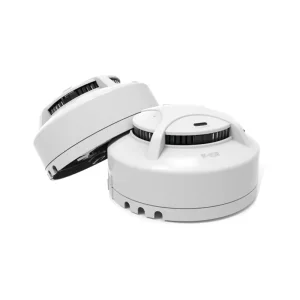
Understanding the critical infrastructure of Liquefied Petroleum Gas (LPG) monitoring through high-accuracy sensing nodes and automated line isolation.
Propane (LPG), while being an incredibly clean, energy-dense, and highly versatile fuel, presents immense risk scenarios. Its physical characteristics make it particularly hazardous in confined or low-lying areas. With a specific gravity of approximately 1.55 relative to air, propane gas is significantly heavier. When leaks occur, they do not dissipate upward; instead, they accumulate along the floor level, in basements, cable ducts, and drainage systems, creating dangerous, invisible vapor clouds. The Lower Explosive Limit (LEL) of propane is merely 2.15% by volume in air, meaning a minute concentration is sufficient to initiate catastrophic ignition.
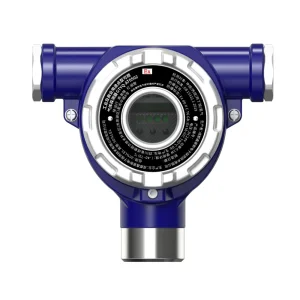
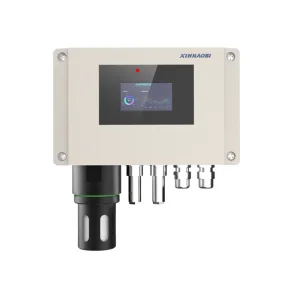
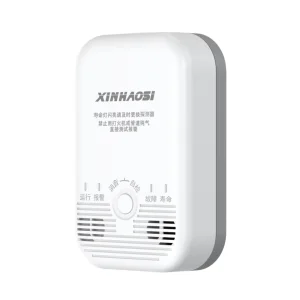
In residential areas, the proliferation of gas-powered heating, water boiling, and cooking appliances calls for reliable household combustible gas detectors like our JT-AT2013A and JT-AT2005 series. In industrial landscapes, such as chemical facilities, logistics centers, oil refineries, and large parking garages, detection systems demand explosion-proof specifications, wireless data interfaces, and multi-channel system integration. Xinhaosi meets these complex industrial demands with safety systems compliant with Safety Integrity Level (SIL) standards, designed to reduce operational downtime and prevent catastrophic property damage.


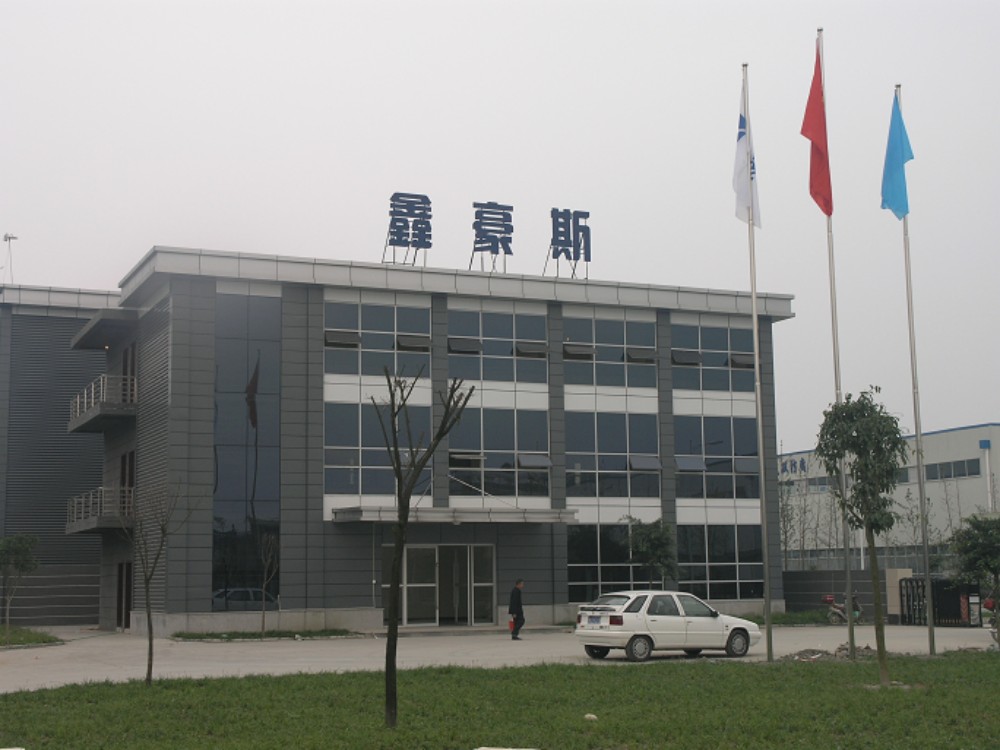
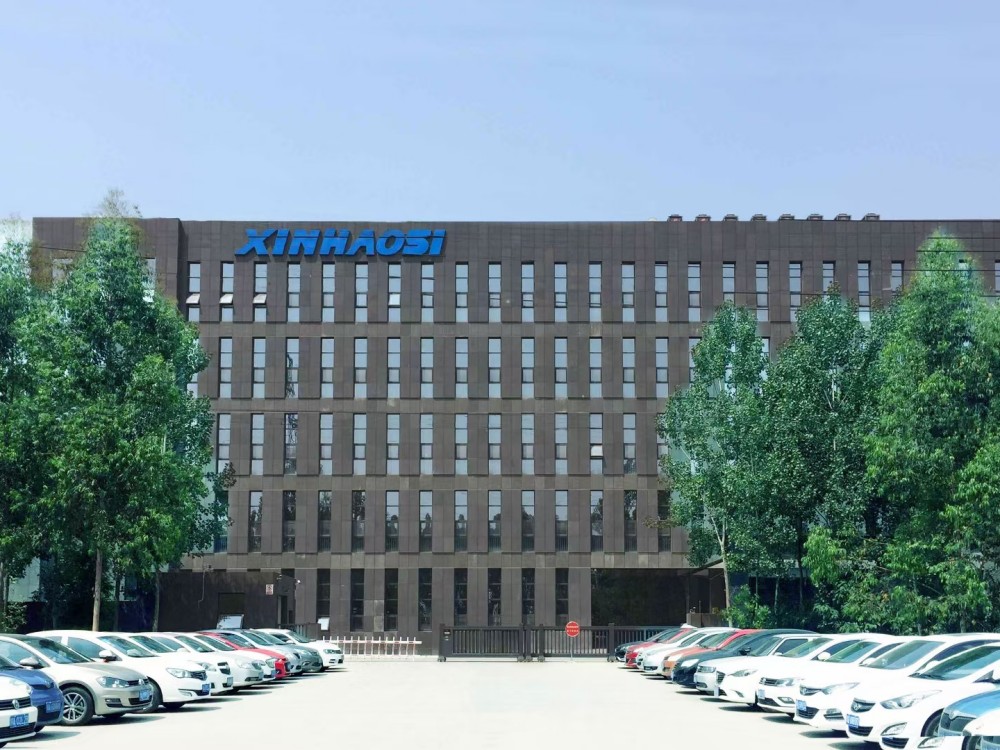
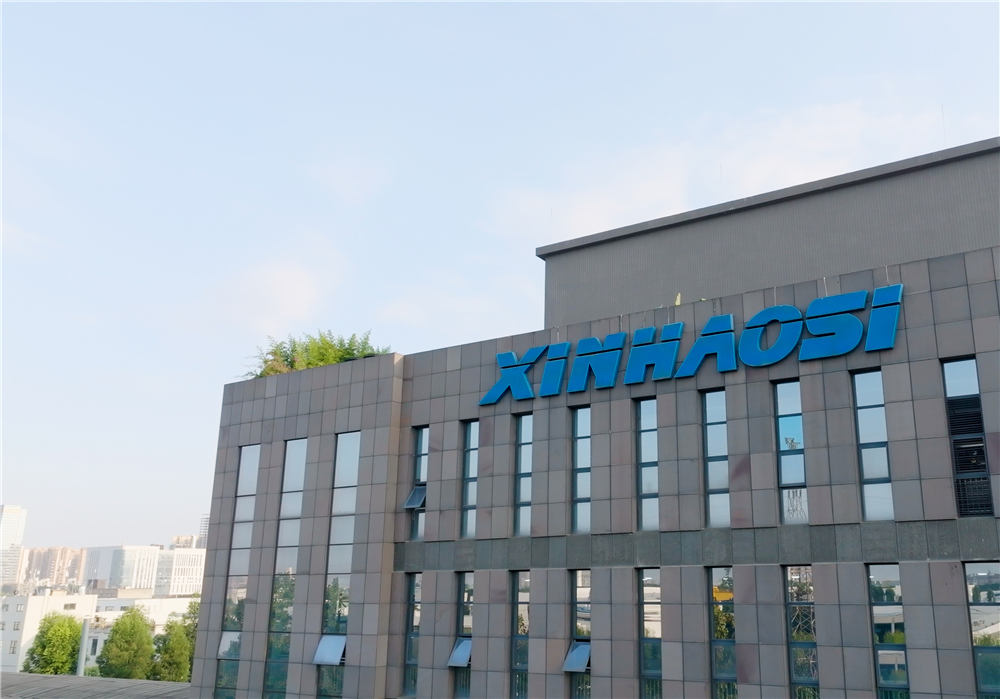
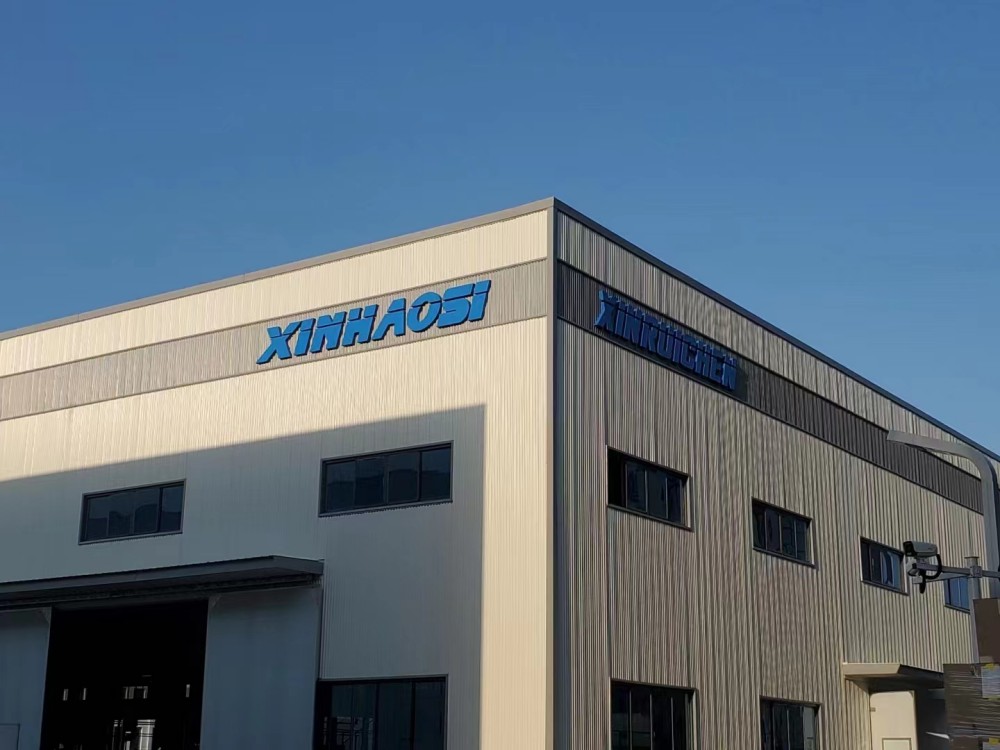
Founded in 2003, Xinhaosi is one of the most influential and trusted brands in the global gas safety industry. Over the past two decades, we have steadily built a robust and comprehensive production and service system, which integrates cutting-edge R&D, intelligent manufacturing with advanced automation equipment, digital marketing across global channels, professional after-sales support with an experienced technician team, flexible OEM/ODM services, as well as CNAS-Accredited laboratory calibration services that meet international standards.
Our diversified product portfolio covers industrial & residential gas detection & alarm systems, industrial & household gas solenoid valves, and urban gas pipeline network monitoring systems—all engineered to adapt to complex working environments and strict safety requirements. We produce and sell tens of millions of units annually, catering to a wide range of industries that demand reliable gas detection solutions, including oil & gas exploration and production, petrochemicals, urban gas distribution, automotive manufacturing, pharmaceuticals, new energy, steel production, and beverage processing.
Guided by our core mission of “Making Gas Safety Accessible Everywhere,” we consistently deliver high-performance, reliable products and customized solutions tailored to each client's unique needs. Every item we manufacture undergoes rigorous quality control tests, and every service we provide is backed by our professional technical team, fully embodying our unwavering commitment to safeguarding gas safety across both industrial workplaces and residential environments.
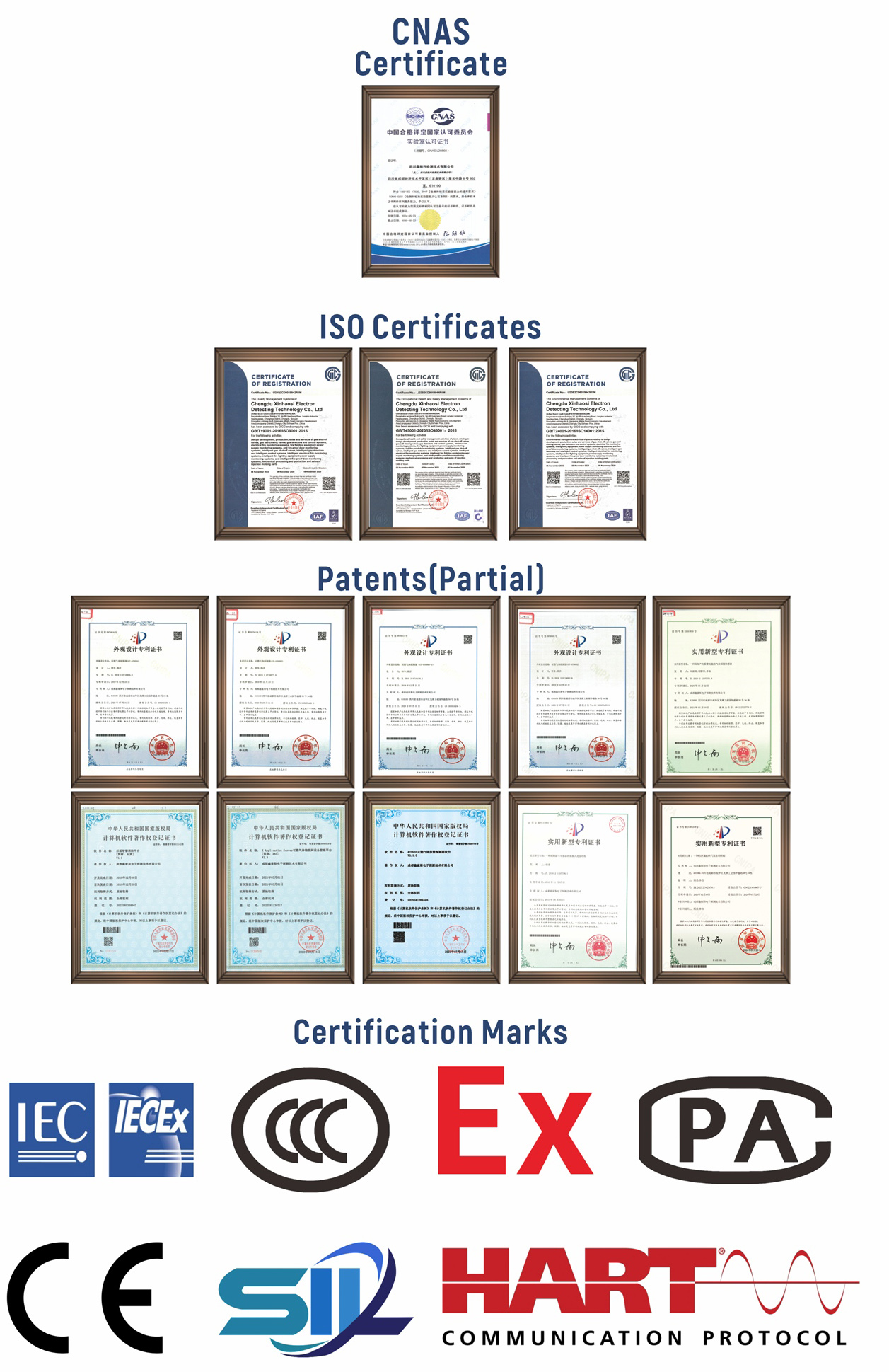
Adhering to ISO9001 quality management system standards, Xinhaosi's core products have obtained a full range of authoritative certifications, including national compulsory Products Certification, explosion-proof certification, fire product certification, CPA measurement instrument type approval certificate, and international approvals such as CE and SIL. Additionally, Xinhaosi holds honors such as "National Quality Integrity Benchmark Enterprise" and "National Quality Leading Enterprise in the Gas Alarm Industry," is a member of the China Fire Protection Association, and serves as the main drafting organization for the national standard of solenoid valves.
In the field of intellectual property, Xinhaosi has built a robust innovation system with over 50 patents and software copyrights. These patents cover core technological areas, including a graphical monitoring system for gas detection and alarm, which enables predictive maintenance based on historical data to reduce equipment failure rates by over 30%, and a solenoid valve with flow monitoring functionality that integrates flow detection and alarm capabilities. The company also pioneered China's first networked bus-type gas leakage monitoring system and the only maximum-point gas leakage monitoring system certified by the Ministry of Public Security, demonstrating its leading position in cutting-edge technological research.
Our in-house laboratory is accredited by the China National Accreditation Service for Conformity Assessment (CNAS), recognized both domestically and internationally under the ILAC-MRA framework. It operates in accordance with ISO/IEC 17025, the international standard for testing and calibration laboratories. It provides reliable and traceable testing services for gas detection and alarm products, solenoid valves, and related safety equipment. Test reports issued by the CNAS-accredited laboratory are widely accepted by regulatory authorities, certification bodies, and customers in China and overseas, helping to ensure product quality, safety compliance, and global market access.
Adapting to diverse safety standards, geographical environments, and installation conditions across global markets.
In the US and Canada, recreational vehicles (RVs) and off-grid residential properties rely heavily on liquefied propane gas for space heating, refrigeration, and cooking. Due to vibration during transit and exposure to rugged conditions, propane fittings are susceptible to micro-leaks. Compliance with NFPA 1192 and UL 1484 standards requires rugged, low-voltage (usually 12V DC) propane detectors installed close to floor levels to detect leaks before they reach toxic or explosive thresholds. Our household solutions provide robust stabilization against temperature shifts and voltage drops in mobile applications.
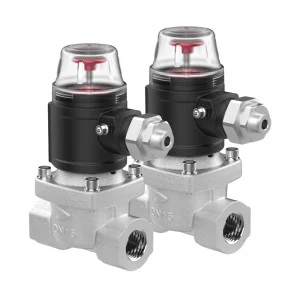
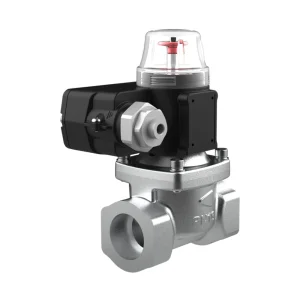
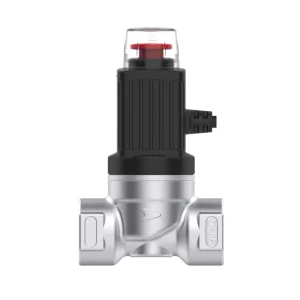
European heating systems rely extensively on LPG tanks in peri-urban areas. Strict local directives, including EN 50194, mandate the installation of residential LPG/propane alarms capable of triggering automatic electrical interlocks. In case of leakage, our detectors interact directly with gas solenoid valves (such as the XF2 Series) to cut off the main supply lines instantly, neutralizing safety hazards before the occupants are even aware of the danger.
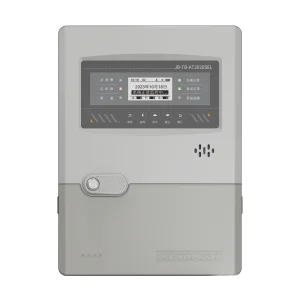
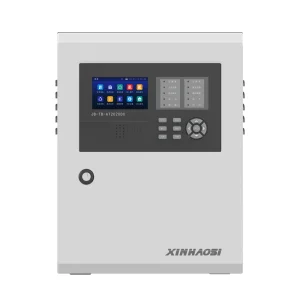
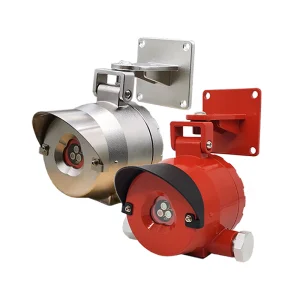
Throughout developing cities in the Asia-Pacific region, commercial kitchens, localized cylinder swapping centers, and warehousing facilities handle hundreds of compressed LPG cylinders daily. In these highly dynamic and rough-handling environments, standard residential alarms fail due to physical damage or heavy grease contamination. Here, multi-point bus-type monitoring configurations utilizing the JB-TB-AT2020DX or JB-TB-AT2020SEL controller, combined with explosion-proof detectors like the GTYQ-AT0502, provide continuous, heavy-duty industrial defense.
Exploring the integration of advanced sensing technologies, wireless protocols, and AI-driven safety control systems.
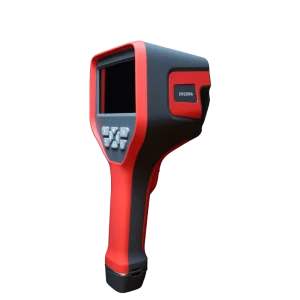
Traditional catalytic bead sensors are cost-efficient but suffer from chemical poisoning (by silicones, halogens, and sulfides) and require oxygen to operate. Xinhaosi’s engineering roadmap focuses heavily on Non-Dispersive Infrared (NDIR) detection principles. NDIR technology, featured in the IR-2610 Handheld Uncooled Infrared Gas Leak Detector, functions by measuring the absorption of infrared light at propane-specific wavelengths (typically around 3.4 micrometers). This non-contact measurement mechanism ensures that the sensor cannot be poisoned, has a operational lifespan exceeding 10 years, and operates flawlessly in oxygen-depleted or inert environments.
Safety installations are transitioning away from complex, labor-intensive wiring configurations. Modern systems leverage low-power wireless communication protocols. As seen in the GT-AT0637 Wireless Smart Pressure Monitor, Xinhaosi utilizes sub-GHz wireless channels, LoRaWAN, and NB-IoT to connect remote pressure points and propane detection nodes to cloud-based monitoring stations. This integration provides facilities managers with real-time pressure fluctuation alarms and precise leakage telemetry on mobile or desktop interfaces, enabling predictive maintenance long before physical failures manifest.
Analyzing how Chengdu and Deyang facilities integrate manufacturing pipelines, cost efficiency, and raw material sourcing.
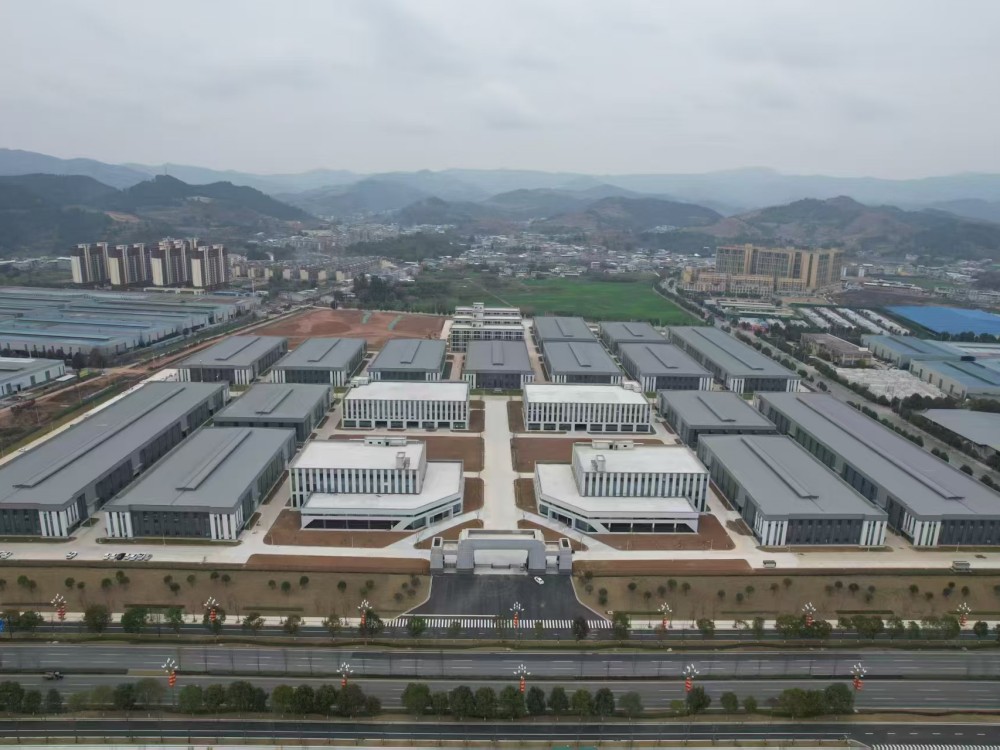
In the globalized industrial landscape, maintaining a highly resilient and cost-competitive manufacturing supply chain is paramount. Xinhaosi’s major operations, based across Chengdu and Deyang in Sichuan province, benefit from a world-class manufacturing cluster. This regional integration provides immediate access to high-grade electronic components, precision injection molding, casting for heavy-duty solenoid valves (such as the XF3III and XF5III series), and automated surface mount technology (SMT) assembly lines. Our geographic localization keeps transportation bottlenecks to a minimum and enables reliable component sourcing.
This massive scale of production—reaching millions of safety components annually—unlocks tremendous purchasing leverage for critical raw materials, such as explosion-proof alloys, specialized gas-resistant rubbers, and advanced microcontroller chips. Furthermore, Sichuan's abundant clean energy infrastructure (specifically hydroelectric power) ensures that our manufacturing facilities operate with lower carbon footprints and remain insulated from fuel price volatility, passing those long-term economic and environmental benefits directly to our international distribution networks.
Decades of growth and technological breakthroughs that established Xinhaosi as a global gas safety benchmark.

Expert technical answers to critical installation, sensor, and supply chain questions.
Propane gas has a molecular weight of approximately 44 g/mol, making it about 1.5 times heavier than air. Consequently, leaking propane settles down at the floor level. The sensor node must be installed close to the ground (typically 30 cm to 100 cm from the floor) and within 1.5 to 3 meters of the gas appliance. Conversely, natural gas (methane) is lighter than air and requires sensors positioned near the ceiling (within 30 cm of the highest point). Incorrect placement of a propane detector near the ceiling will render it ineffective until dangerous gas levels fill the room.
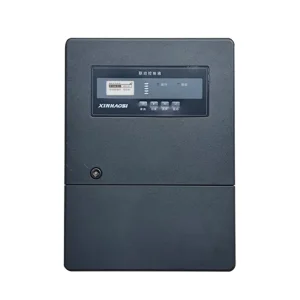
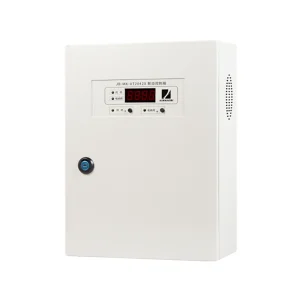
In modern safety design, alarms alone are insufficient. An interlock control box acts as the logic engine that processes high-level outputs from detection nodes and triggers immediate physical mitigation. The moment the propane detector triggers, the interlock system sends a high-amperage electrical impulse to shut off a normally open industrial solenoid valve (e.g. the XF3III or XF5III series), cutting off the gas supply at the source. This loop functions independently of local building management systems, ensuring fail-safe protection.
SIL certification (governed under IEC 61508) evaluates the probability of a safety system failing on demand. A SIL2 rating ensures the device has been engineered with redundant safety pathways and high diagnostic coverage, reducing random hardware failures. CE certification validates compliance with European health, safety, and environmental protection directives (such as the ATEX Directive for explosive atmospheres). Together, these credentials assure global buyers that the equipment is reliable enough for high-risk petrochemical environments.
Catalytic bead and electrochemical sensors are susceptible to drift when exposed to high humidity and temperature changes, which can lead to false alarms. Xinhaosi addresses this by implementing advanced temperature-compensated algorithms inside the microprocessors of units like the JT-AT2013A. By continuously monitoring ambient temperature and humidity, the sensor's software recalibrates its baseline threshold in real-time, preventing false alerts and maintaining high sensitivity.
Yes, it serves as a critical early-warning component. Before propane escapes to form an explosive cloud, a micro-fracture or loose fitting will cause pressure drop in the distribution line. By tracking line pressure in real-time, the GT-AT0637 identifies anomalies and pressure drops, notifying operators of potential leaks before the gas can accumulate to its lower explosive limit (LEL).