Explore our industrial-grade, certified safe components engineered for continuous operation, immediate fail-safe shutoff, and robust monitoring in combustible environments.
Exploring the safety-critical mechanics of Normally Closed (NC) architectures in fail-safe industrial installations.
In safety engineering and automatic control systems, a Normally Closed (NC) configuration is a design pattern where the valve, contact, or switch remains in its de-energized, non-active state to block flow or interrupt circuits. If an emergency occurs—such as a power loss, signal failure, or physical line rupture—the system automatically drops its hold energy, forcing the device back to its default closed status. This principle, known as *fail-safe design*, forms the operational backbone of global hazardous process control.
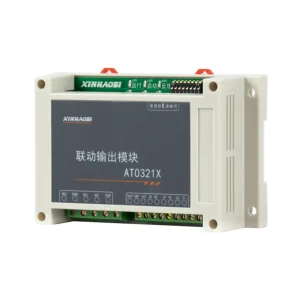
Whether in gas solenoid shutoff valves or digital control signals from output devices (like the *AT0321X/AT0322X*), the NC configuration guarantees that in the absence of control power, lines are sealed and hazards are confined. As industries navigate the challenges of scaling up production under strict Environmental, Social, and Governance (ESG) guidelines, the reliance on high-quality NC components has escalated from optional protection to a global compliance standard.
Founded in 2003, Xinhaosi is one of the most influential and trusted brands in the global gas safety industry. Over the past two decades, we have steadily built a robust and comprehensive production and service system, which integrates cutting-edge R&D, intelligent manufacturing with advanced automation equipment, digital marketing across global channels, professional after-sales support with an experienced technician team, flexible OEM/ODM services, as well as CNAS-Accredited laboratory calibration services that meet international standards.
Our diversified product portfolio covers industrial & residential gas detection & alarm systems, industrial & household gas solenoid valves, and urban gas pipeline network monitoring systems—all engineered to adapt to complex working environments and strict safety requirements. We produce and sell tens of millions of units annually, catering to a wide range of industries that demand reliable gas detection solutions, including oil & gas exploration and production, petrochemicals, urban gas distribution, automotive manufacturing, pharmaceuticals, new energy, steel production, and beverage processing.
Guided by the core mission of “Making Gas Safety Accessible Everywhere,” we consistently deliver high-performance, reliable products and customized solutions tailored to each client’s unique needs. Every item we manufacture undergoes rigorous quality control tests, and every service we provide is backed by our professional technical team, fully embodying our unwavering commitment to safeguarding gas safety across both industrial workplaces and residential environments.
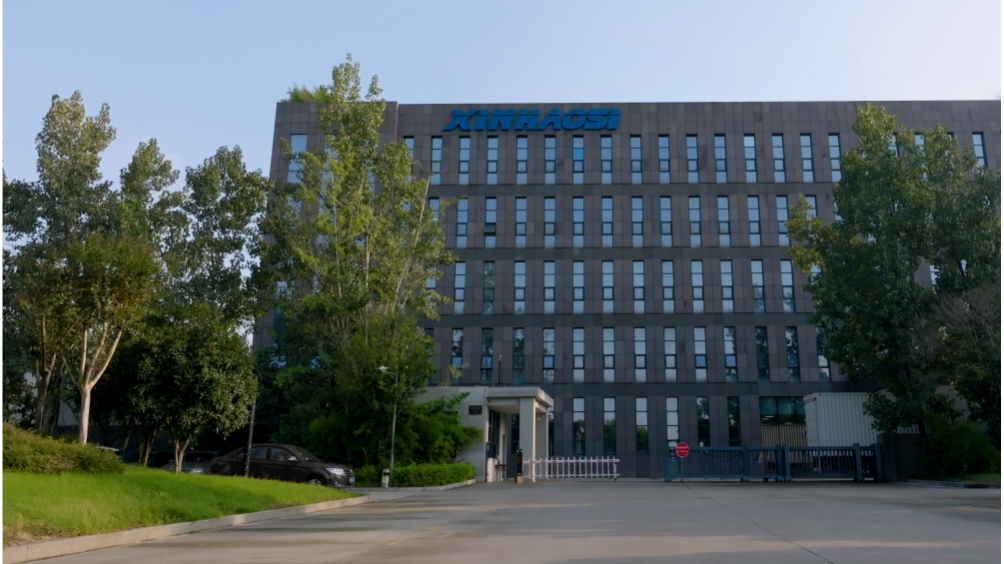
Chengdu Factory & Office
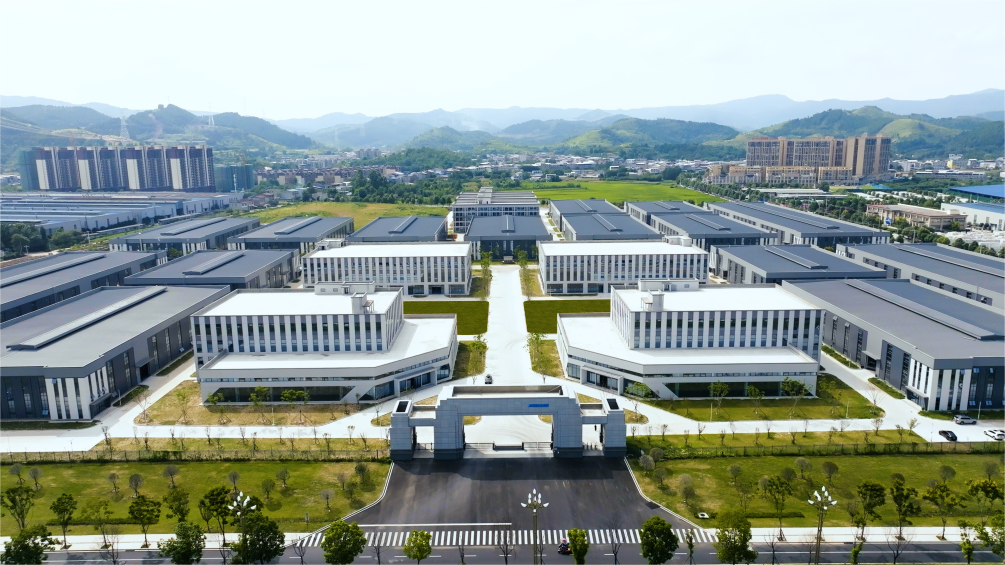
Deyang Factory
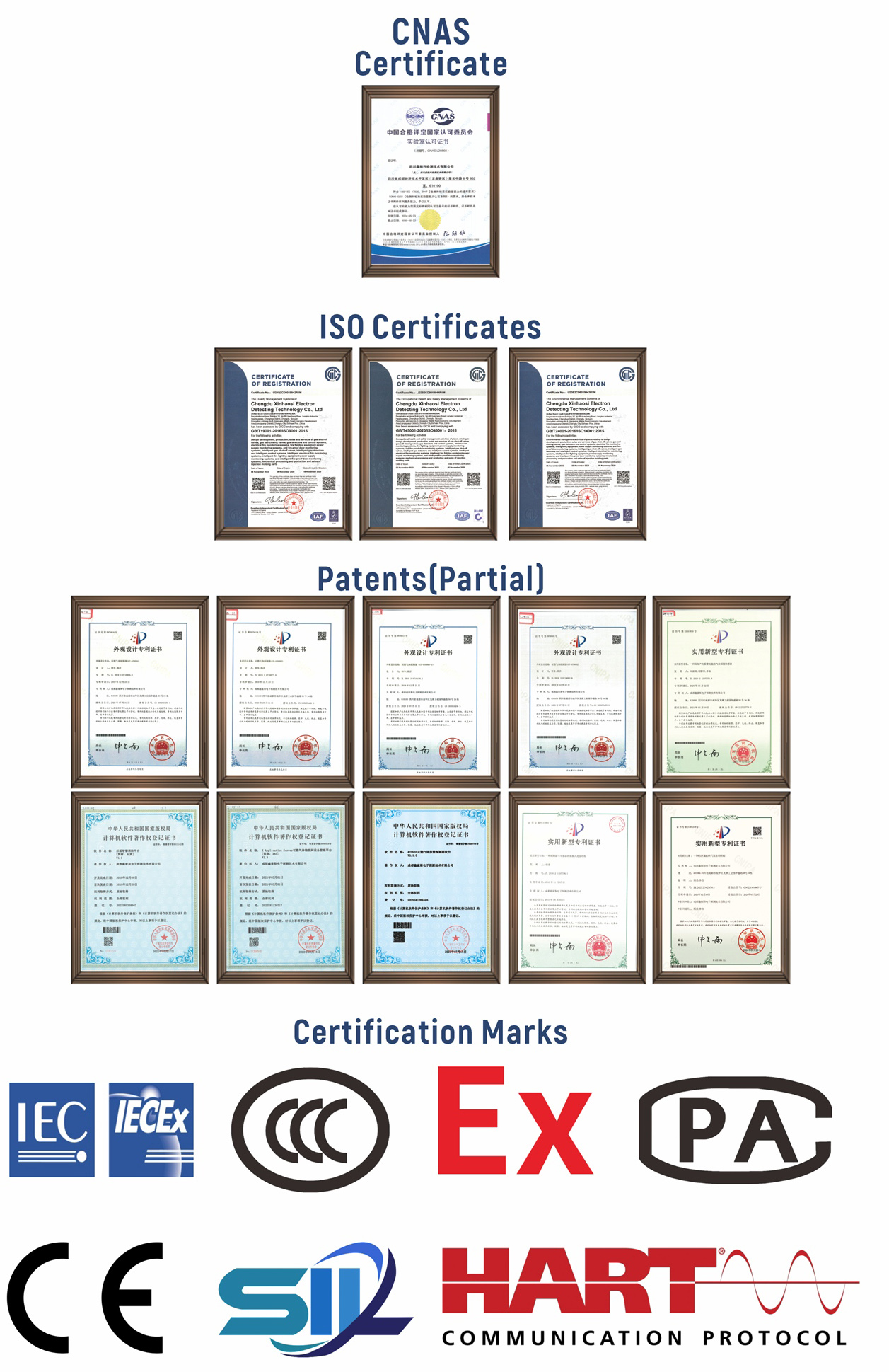
Adhering to ISO9001 quality management system standards, Xinhaosi's core products have obtained a full range of authoritative certifications, including national compulsory Products Certification, explosion-proof certification, fire product certification, CPA measurement instrument type approval certificate, and international approvals such as CE and SIL. Additionally, Xinhaosi holds honors such as "National Quality Integrity Benchmark Enterprise", "National Quality Leading Enterprise in the Gas Alarm Industry," member of the China Fire Protection Association, and the main drafting organization for the national standard of solenoid valves, further confirming its industry influence and reputation.
In the field of intellectual property, Xinhaosi has built a robust innovation system with over 50 patents and software copyrights. These patents cover core technological areas, including a graphical monitoring system for gas detection and alarm, which enables predictive maintenance based on historical data to reduce equipment failure rates by over 30%, and a solenoid valve with flow monitoring functionality that integrates flow detection and alarm capabilities. The company also pioneered China's first networked bus-type gas leakage monitoring system and the only maximum-point gas leakage monitoring system certified by the Ministry of Public Security, demonstrating its leading position in cutting-edge technological research.
Our in-house laboratory is accredited by the China National Accreditation Service for Conformity Assessment (CNAS), recognized both domestically and internationally under the ILAC-MRA framework. It operates in accordance with ISO/IEC 17025, the international standard for testing and calibration laboratories. It provides reliable and traceable testing services for gas detection and alarm products, solenoid valves, and related safety equipment. Test reports issued by the CNAS-accredited laboratory are widely accepted by regulatory authorities, certification bodies, and customers in China and overseas, helping to ensure product quality, safety compliance, and market access.
Adapting Normally Closed and gas safety topologies to global regulatory shifting and challenging micro-climates.
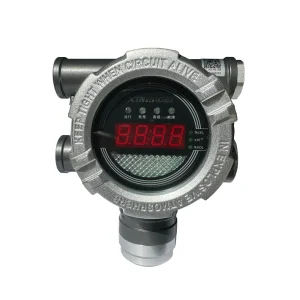
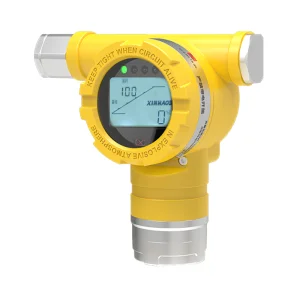
Modern industrial sites are transitioning from standalone analog loops to connected IoT grids. Our self-developed IoT platform allows real-time health-state monitoring of NC emergency shutoff valves and combustible gas detectors (like the GTYQ-AT0601 and GTYQ-AT0602), permitting operators to execute partial stroke tests remotely and track device diagnostics without halting production.
Safety Integrity Level (SIL) certification is no longer exclusive to heavy petrochemical refining. In the modern automotive, pharmaceutical, and hydrogen energy sectors, downstream off-takers demand that the NC safety interlock mechanisms—including controllers like the JB-MK-AT2041X—achieve SIL 2 or SIL 3 ratings to mitigate the financial risk of accidental system bypasses.
Underground shafts and utility corridors suffer from high humidity, dust accumulation, and volatile methane concentrations. Deploying standard monitoring systems in these locales leads to false alarms and corroded solenoids. Our specialized AT0605 Series Underground Shaft Combustible Gas Monitoring Devices and GT-AT0617 Series are specifically engineered to provide IP67 physical protection and fail-safe NC actuation in harsh micro-climates.
A multi-year technical projection detailing our transition toward AI-driven self-calibrating and wireless safety networks.
The core challenge of traditional Normally Closed (NC) systems is mechanical wear. If a valve is kept energized (open) for months at a time, friction, calcification, or coil degradation may prevent it from closing rapidly during an emergency shutoff event.
To solve this, our engineering department is implementing a technology roadmap focused on AI-Enabled Safety Valves and wireless low-latency telemetry protocols. By integrating pressure, flow, and micro-vibration sensors directly into the solenoid's housing, our next-generation systems can detect minor changes in spring tension or coil resistance. This data is fed into a predictive algorithm that alerts safety managers of potential failures up to 30 days before they manifest, achieving a zero-downtime industrial safety ecosystem.
Simultaneously, we are developing dual-redundant wireless networks using LoRaWAN and NB-IoT for gas monitoring in remote regions or old infrastructure retrofits where trenching cables is cost-prohibitive. This is reflected in our newest line of wireless detection products launched in 2024, providing seamless integration with central safety PLC systems.
Decades of engineering excellence, scaling from a local startup to a global gas safety pioneer.
Established on April 17th, 2003. Launched our first generation of gas leak alarm and fire fighting products, laying the foundation for local gas safety systems.
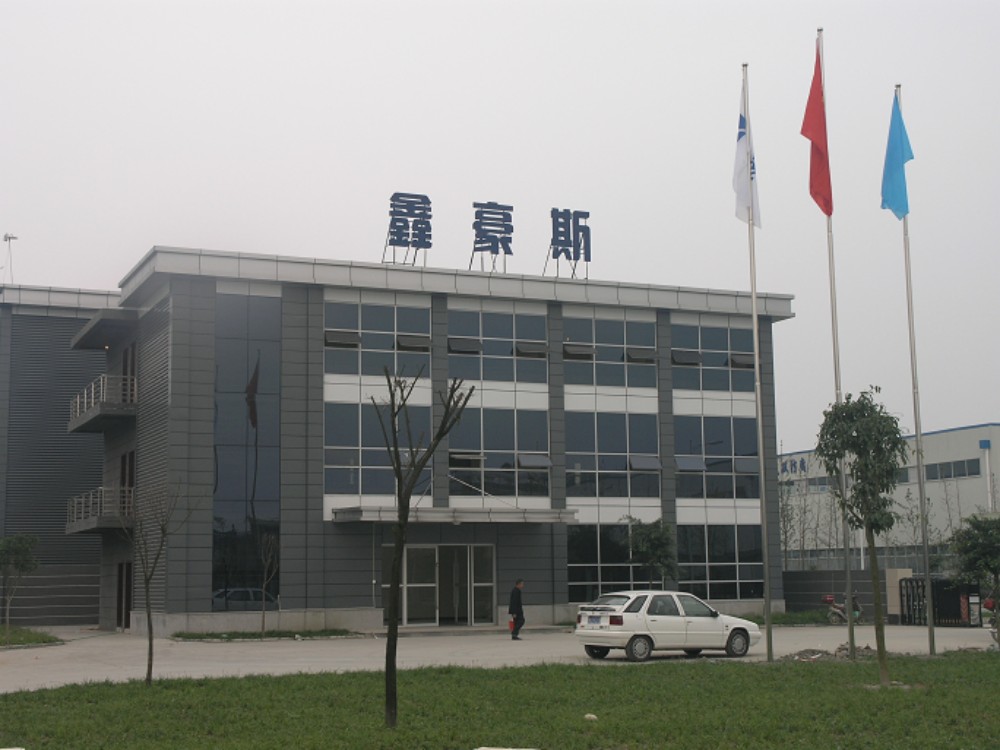
Started gas safety valve production and entered the OEM industrial sector. Moved office operations to the Longtan Industrial Park to accommodate scaling teams.

Achieved a landmark 10 million pieces in gas detector sales. Moved to our dedicated Chengdu factory and launched advanced fire power monitoring products.
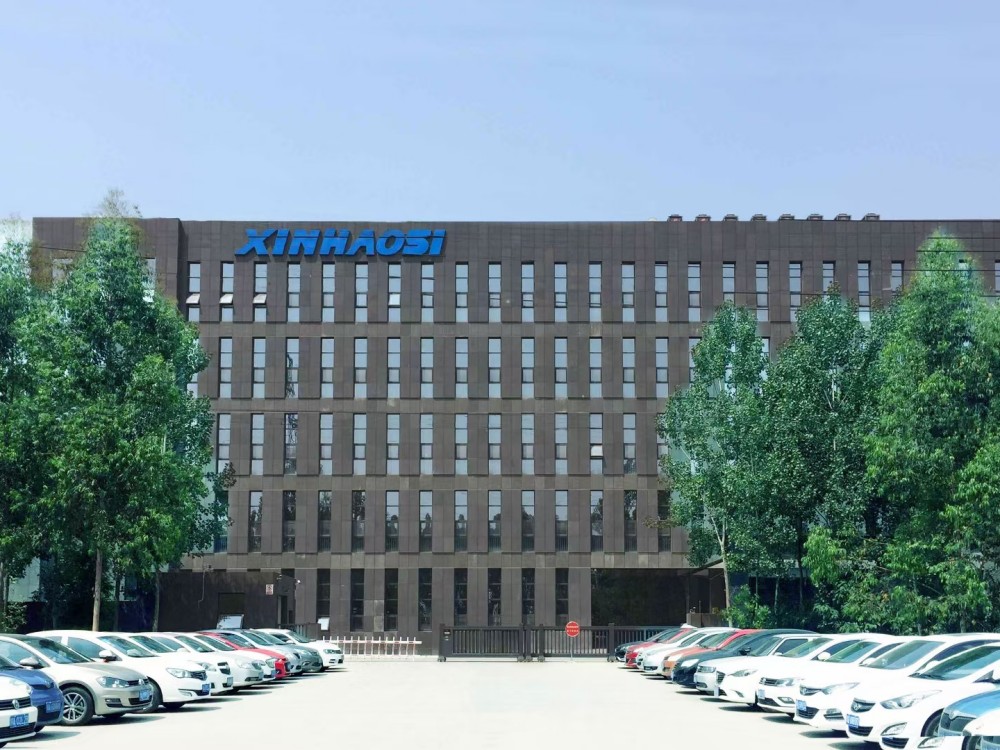
Launched our self-developed IoT platform. Certified as a national High-Tech Enterprise and qualified as an official supplier to China's top 5 gas groups.
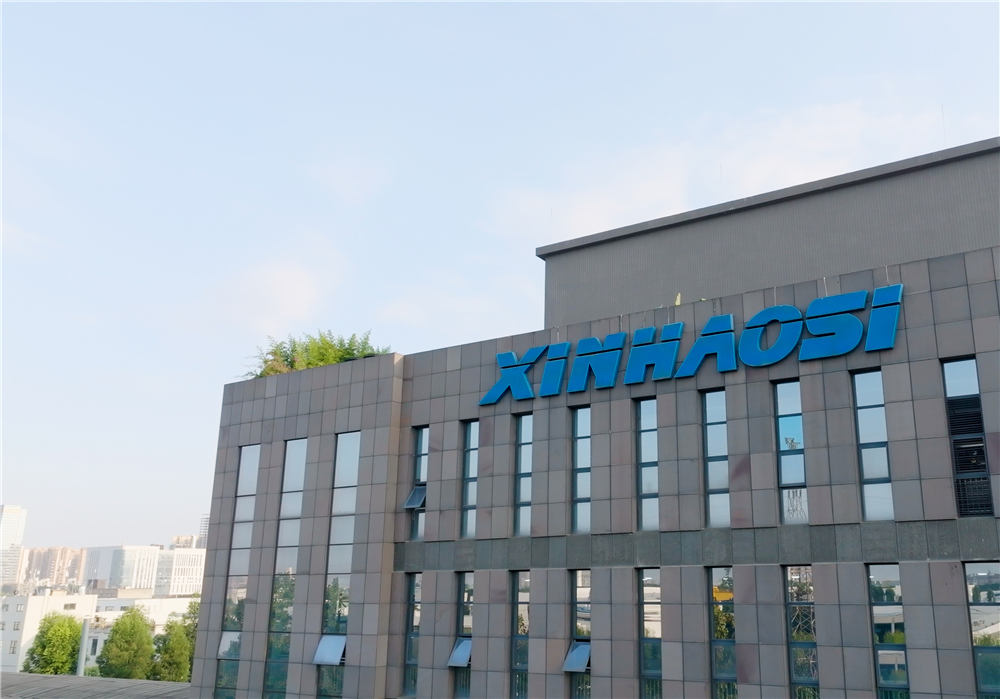
Began construction of our state-of-the-art Deyang factory. Created our dedicated Petrochemical and International Business Divisions to serve global clients.
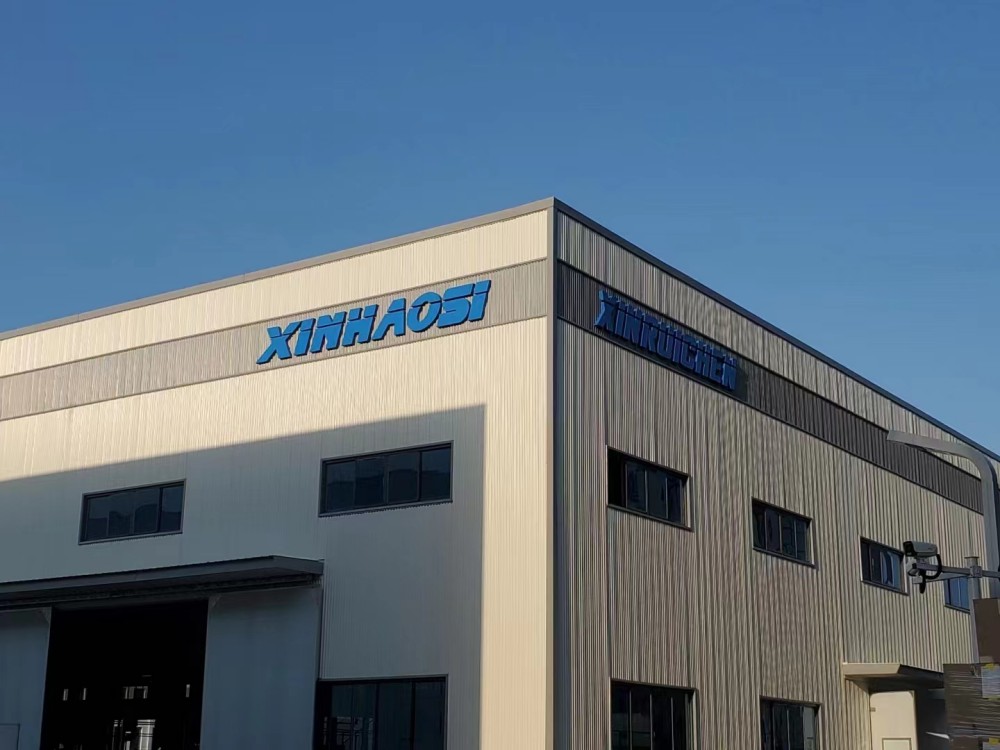
Deyang factory operations commenced. Launched wireless detection platforms, urban pipeline network monitoring lines, and AI safety valves.
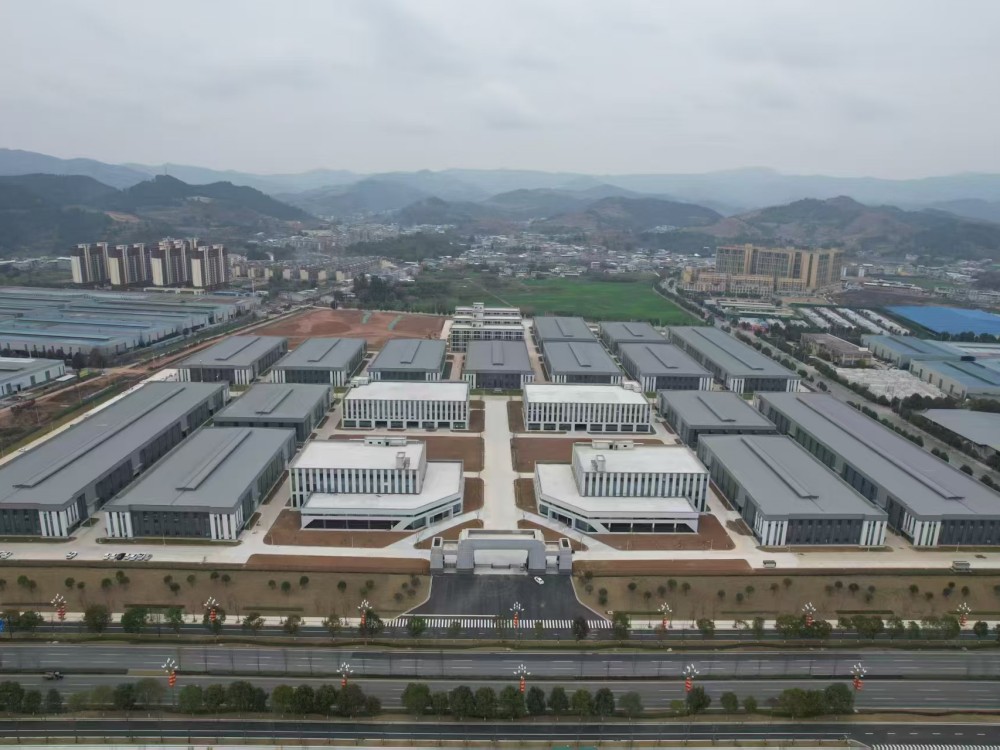
Engineered safety ecosystems designed to align with strict regulatory, environmental, and operating conditions.
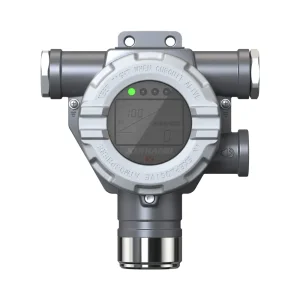
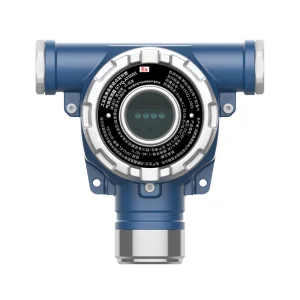
Refineries and upstream extraction rigs operate under extreme conditions with constant exposure to corrosive, combustible gases. In this environment, a system failure can lead to catastrophic consequences. Our solution integrates the GTYQ-AT0501 and GTYQ-XP3000 explosion-proof combustible gas detectors with our high-power NC safety valves, creating an automated loop that isolates line pressures within milliseconds of gas detection.
As cities expand, municipal gas networks rely on sub-surface pipe corridors and utility shafts that are prone to environmental shifts. Our urban gas pipeline network monitoring systems, coupled with domestic detectors like the JT-AT2018 / JT-2028 / JT-AT2058 Series, ensure residential spaces and public distribution lines are constantly monitored for leaks. If a leak is detected, the safety control system cuts power to the NC main valve, stopping flow instantly.
Underground operations demand rugged explosion-proof safety designs. Shafts suffer from moisture ingress, requiring robust physical protection ratings. The AT0605 Series and GT-AT0616 Series Underground Shaft Combustible Gas Monitoring Devices utilize dust-filtration filters and high-grade alloys to withstand harsh underground environments, delivering real-time, drift-compensated gas readings back to surface operations.
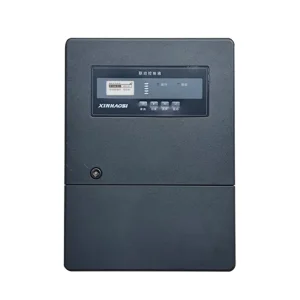
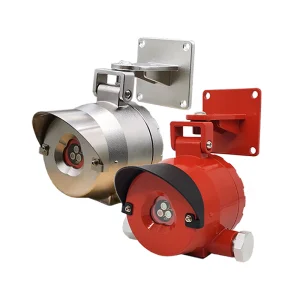
From automotive paint shops to chemical synthesis plants, modern manufacturing facilities use a variety of flammable and toxic chemicals. By installing our JB-MK-AT2041X Interlock Control Boxes alongside triple-infrared flame detectors (like the FD1020), facility managers can implement a centralized safety shutdown system. When a threat is detected, the control box triggers NC emergency valves, isolating high-risk zones from the rest of the facility.
Complete your facility's safety architecture with our certified range of toxic, combustible, and infrared monitoring devices.
In-depth insights from our R&D directors on selecting, installing, and maintaining industrial gas safety systems.