
Explore our high-performance infrared flame sensors, combustible gas indicators, and explosion-proof transceivers direct from our ISO9001 factory floor.
Natural gas safety has transitioned from localized, reactive compliance measures to a global, proactive corporate imperative. Methane ($CH_4$), the primary component of natural gas, carries a global warming potential (GWP) 84 times greater than carbon dioxide over a 20-year timescale. In response, international accords like the Global Methane Pledge, combined with stringent environmental and workplace safety regulations (such as OSHA in the US, ATEX in Europe, and national safety laws in China), have forced industrial operators to re-evaluate their leak detection infrastructures. High-sensitivity Natural Gas Sniffers are no longer just optional safety equipment; they are essential links in the industrial value chain.
Across the upstream extraction, midstream transportation, and downstream distribution of natural gas, pipeline integrity remains a key concern. Modern natural gas sniffers are deployed to identify structural gas leaks, monitor valve stations, and protect personnel in hazardous areas. To maintain continuous uptime, global operators require gas sniffers that offer ultra-low measurement drift, high selectiveness to methane (to prevent false triggers by other volatile organic compounds), and seamless integration into automated emergency shutdown systems (ESD).
This macro-level demand has driven the evolution of gas detection technology away from simple legacy sensors toward multi-gas, networked systems. Industrial facilities require robust monitoring devices capable of operating under harsh weather conditions, extreme temperature fluctuations, and highly corrosive atmospheres, such as those found in offshore drilling rigs or chemical processing plants. As a leading manufacturer and supplier, Xinhaosi meets these demands by integrating advanced sensing elements with robust housing designs, ensuring high reliability in hazardous locations.
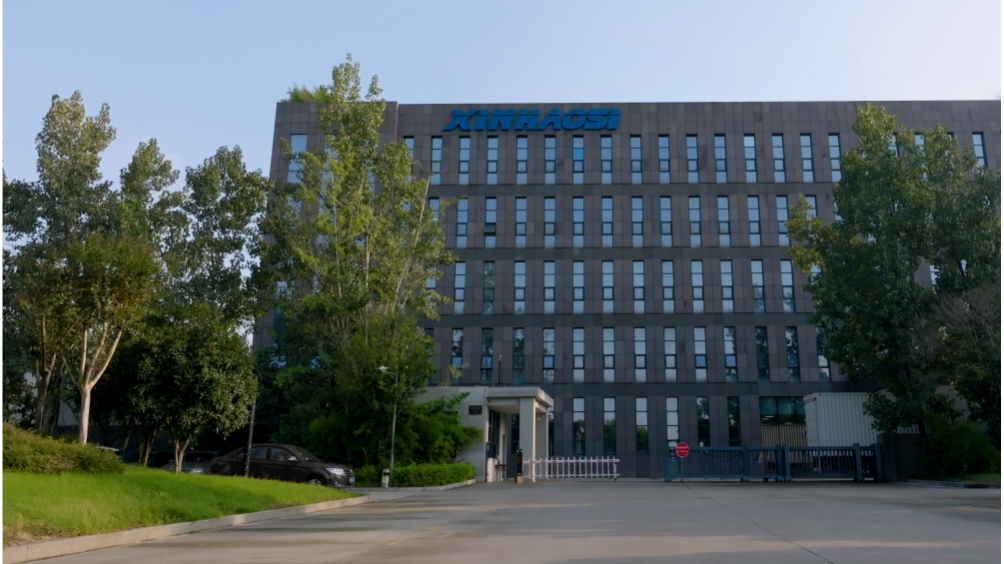
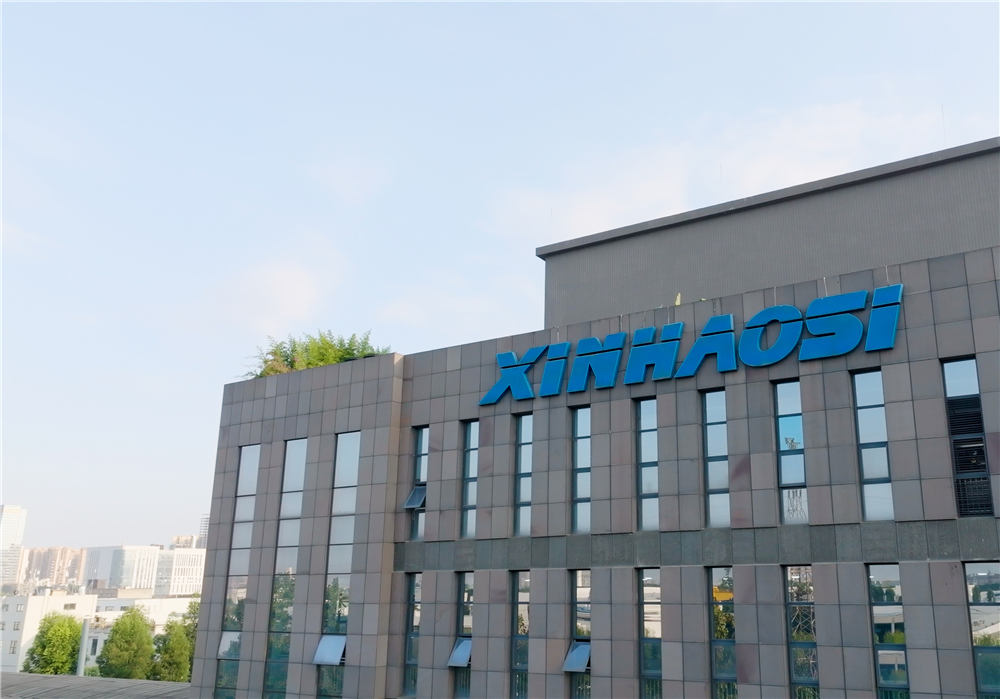
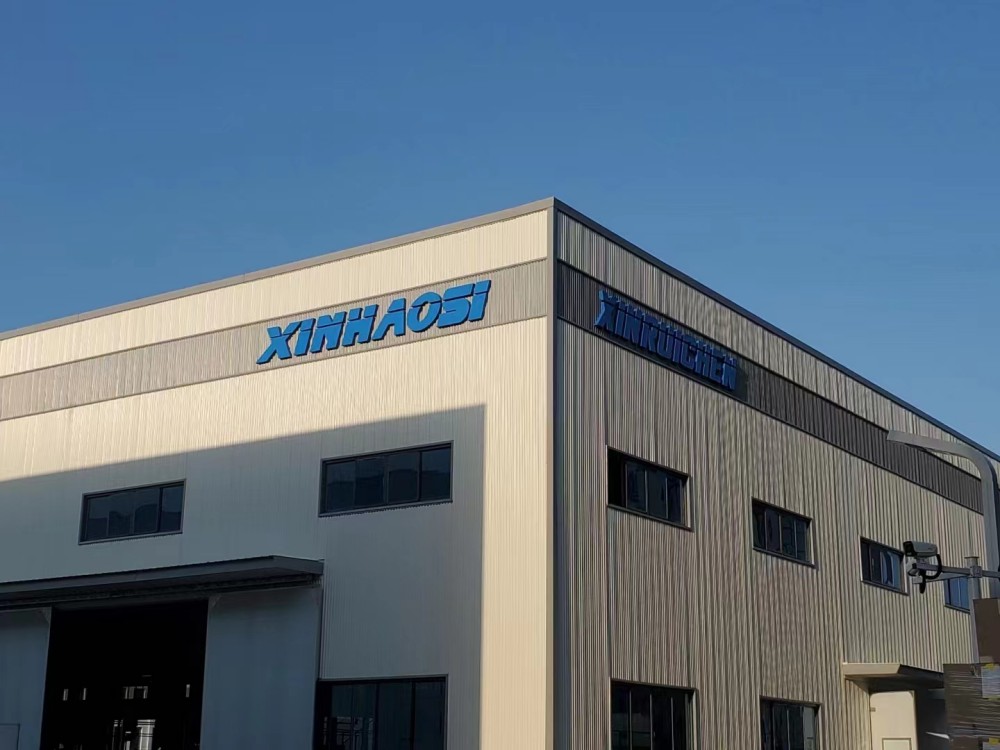
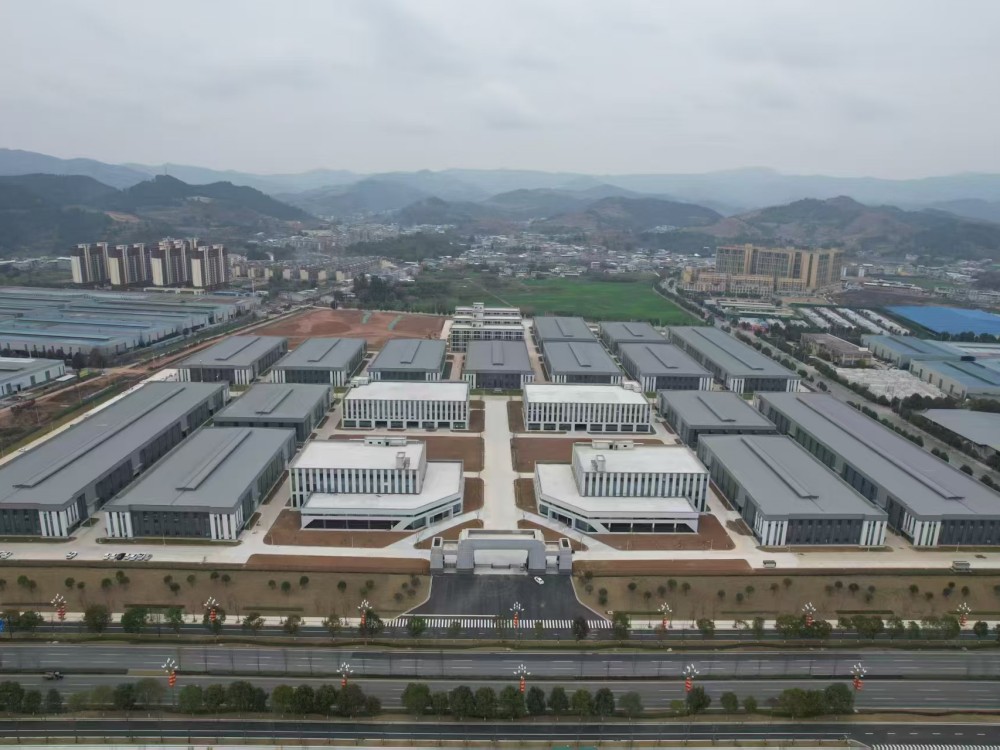
Founded in 2003, Xinhaosi has established itself as an influential and trusted brand in the global gas safety industry. Over two decades, we have built a comprehensive production and service ecosystem. This integrates cutting-edge R&D, highly automated intelligent manufacturing, global digital marketing networks, expert technical support teams, flexible OEM/ODM capabilities, and CNAS-accredited calibration services that align with global metrology standards.
Our comprehensive portfolio spans industrial and residential gas detection systems, explosion-proof transmitters, gas alarm control units, high-sensitivity solenoid shut-off valves, and telemetry monitors for municipal gas pipelines. Serving critical sectors worldwide—including petroleum extraction, petrochemical processing, metallurgy, automotive manufacturing, pharmaceutical synthesis, and food processing—we deliver stable protection for both personnel and equipment.
Guided by our core mission, “Making Gas Safety Accessible Everywhere,” Xinhaosi ensures that every manufactured device undergoes rigorous physical testing, automated sensor calibration, and environmental simulation. Our CNAS-accredited laboratory operates in strict conformity with ISO/IEC 17025 standards, ensuring that calibration certificates and testing reports are recognized internationally via the ILAC-MRA framework. This global recognition simplifies market entry and regulatory approval for our clients.

Procurement managers need to confirm that gas sniffers carry certified protection ratings, including SIL-2 (IEC 61508) for functional safety, ATEX/IECEx Zone 1 & 2 for explosion containment, and local metrology approvals. Xinhaosi ensures its entire catalog is tested and certified, minimizing regulatory hurdles for engineering teams.
Frequent calibration cycles, short sensor lifespans, and high false-alarm rates increase operating expenses. Our advanced methane sniffers utilize premium catalytic bead and NDIR (Non-Dispersive Infrared) sensors designed for extended calibration cycles, significantly reducing site maintenance overheads.
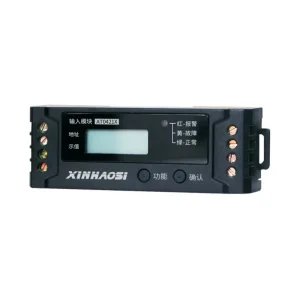
Modern industrial sites rely on integrated safety ecosystems. Our detectors support various outputs—including Modbus RTU (RS485), 4-20mA analog loops, HART telemetry, and dry contacts—enabling direct connection to PLC architectures and emergency shutdown valves.
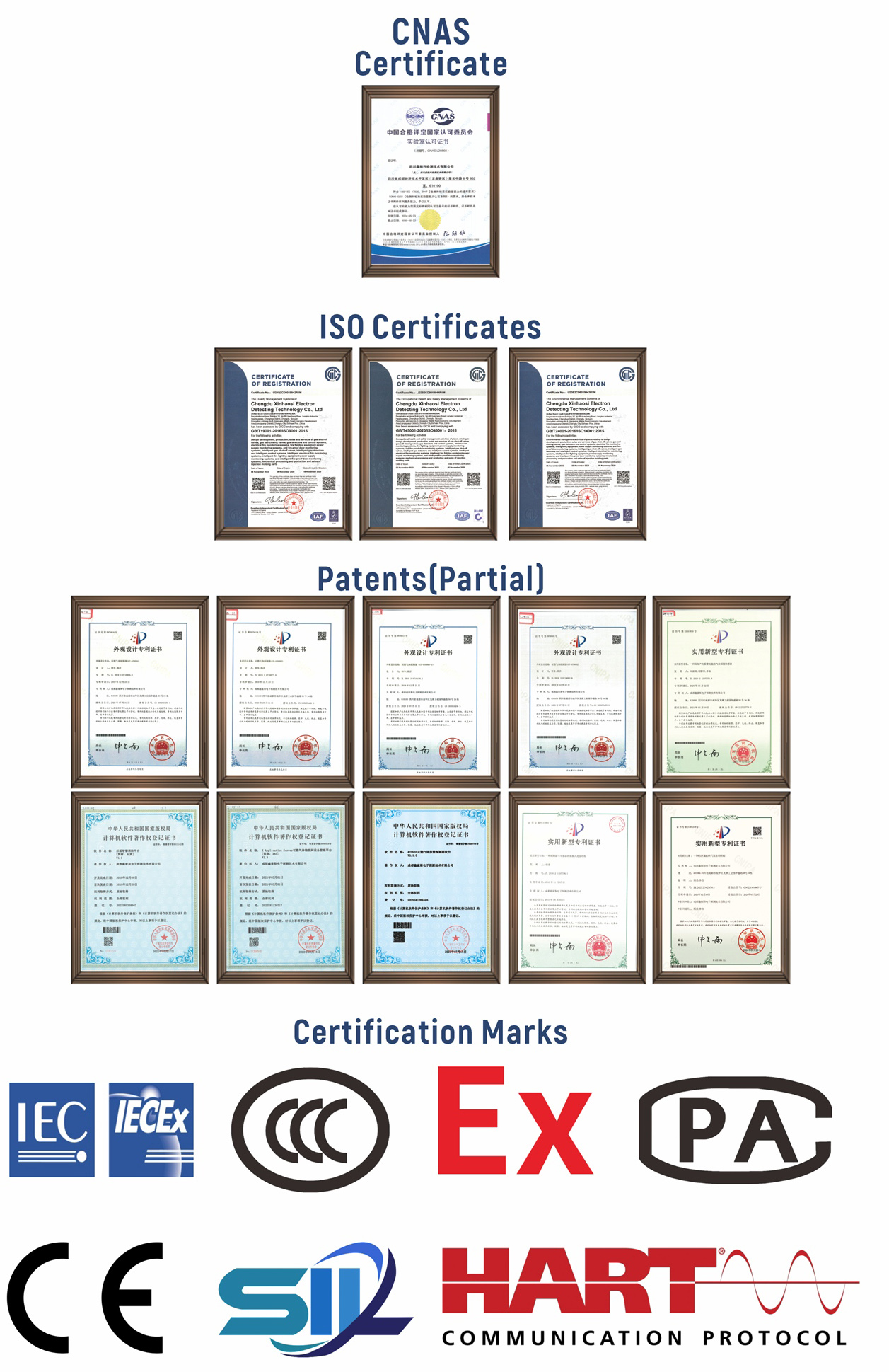
Adhering to strict international standards, Xinhaosi operates a quality management system certified to ISO9001. Our gas safety products have obtained China's national compulsory product certifications (CCC), explosion-proof classifications, fire safety product listings, and international markings like CE and SIL.
As a key contributor to China's national standards for gas safety solenoid valves, our IP portfolio includes over 50 patents and software copyrights. Key innovations include our graphical gas monitoring software, which uses historical drift tracking to support predictive maintenance, helping operators reduce unplanned downtime by over 30%. Additionally, we developed one of the industry's first integrated gas flow and leak-detection solenoid valve units, which monitors downstream pipeline pressure drops to detect low-level leaks before concentration thresholds are breached.
Our in-house calibration and testing laboratory is accredited by the China National Accreditation Service for Conformity Assessment (CNAS). This accreditation ensures that all environmental, accuracy, and endurance tests conducted inside our facility are traceable to international standards, providing certified documentation for global commercial compliance.
From offshore gas platforms to urban pipeline distribution networks, Xinhaosi implements specialized safety architectures tailored to complex hazards.
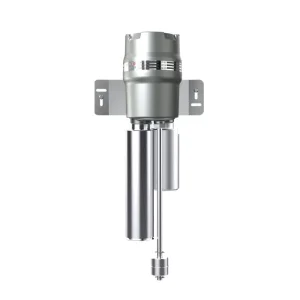
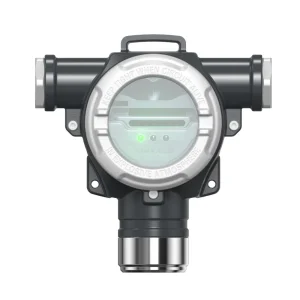
Offshore exploration rigs and onshore wells present challenging operating environments with exposure to salt spray, humidity, mechanical vibration, and hydrogen sulfide ($H_2S$). For these sites, Xinhaosi provides heavy-duty stainless steel (316L) explosion-proof gas sniffers equipped with NDIR sensors. These optical-path sensors resist gas poisoning from sulfur and silicon compounds, delivering reliable operation with minimal calibration drift.
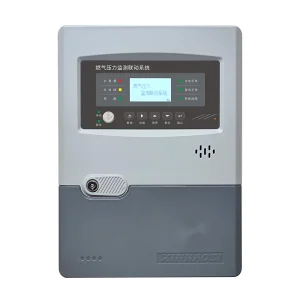
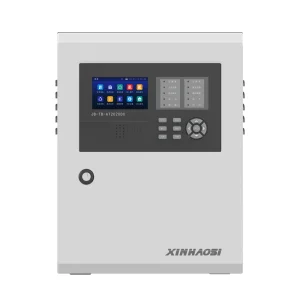
Refineries manage multiple combustible and toxic gases simultaneously. Our solution features a multi-tiered detector array connected to centralized gas control panels, such as the JB-TB-AT2020DX. Equipped with multi-channel alarms and relays, this system triggers emergency ventilation fans and isolates gas supply lines via fast-acting emergency solenoid valves upon detection of a gas leak.
Municipal utility tunnels are confined spaces prone to methane accumulation from pipeline leaks. We design and manufacture low-power, telemetry-integrated gas sniffers that run on battery power or energy harvesting loops. These units transmit real-time data via cellular networks (NB-IoT/4G) to city command centers, supporting early-stage leak identification across large urban areas.
Manufacturing plants, heat treatment facilities, and steel mills require continuous monitoring of carbon monoxide (CO) and natural gas lines feeding their blast furnaces. Xinhaosi's integrated monitoring system uses high-temperature sampling probes and automated moisture traps to keep gas sensors clean, ensuring accurate readings and preventing false alarms in harsh manufacturing environments.
We are developing Tunable Diode Laser Absorption Spectroscopy (TDLAS) gas sniffers. TDLAS technology targets the specific absorption wavelength of methane, avoiding interference from other hydrocarbons and eliminating sensor poisoning for zero-drift performance over long operational periods.
Our next-generation detectors integrate edge-computing microcontrollers that run pattern-recognition models. These algorithms distinguish between brief transient gas releases and continuous line leaks, minimizing false alarms while tracking sensor wear to schedule maintenance before a failure occurs.
To simplify installation in remote areas, Xinhaosi is expanding its wireless gas detector line. These units use low-power wide-area networks (LPWAN) to operate for up to five years on internal batteries, reducing wiring costs for large processing yards and remote valve stations.
From a specialized startup to a national technology center, explore our major milestones in gas safety engineering.

Explore our high-performance explosion-proof gas detectors, alarm controllers, and carbon monoxide detectors designed for diverse industrial applications.
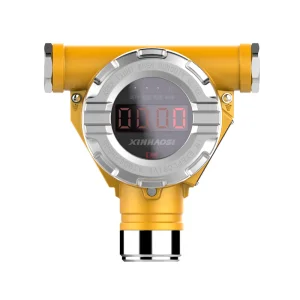
Technical answers to common questions about industrial natural gas sniffers, sensor calibration, and hazardous area installations.
%LEL (Lower Explosive Limit): Measures the concentration of combustible gas in the atmosphere relative to its explosive threshold. For methane ($CH_4$), 100% LEL corresponds to 5% gas by volume in air. Safety guidelines typically trigger pre-alarm actions at 10% LEL and safety shutdowns at 25% LEL.
PPM (Parts Per Million): Used for high-sensitivity leak detection. 1% gas by volume equals 10,000 ppm. PPM sniffers are ideal for identifying small, early-stage pipeline leaks before they accumulate to explosive levels.
Catalytic Bead Sensors: Cost-effective, durable, and capable of detecting a wide range of combustible gases. However, they require oxygen to operate and can be "poisoned" by exposure to silicones, sulfur compounds, or lead, which permanently reduces their sensitivity.
NDIR (Non-Dispersive Infrared) Sensors: Fail-safe, do not require oxygen, and are immune to sensor poisoning. They target the specific infrared absorption band of methane, virtually eliminating false alarms from non-hydrocarbon gases. NDIR sensors are recommended for hazardous, oxygen-depleted, or sulfur-rich environments.
Standard safety regulations generally recommend calibration testing every 3 to 6 months depending on environmental conditions, sensor type, and site criticality. A "bump test" (functional check with a target gas) should be performed regularly between calibration intervals to verify sensor response and alarm activation.
Methane ($CH_4$) has a vapor density of approximately 0.55 relative to air, making it significantly lighter. Consequently, natural gas will rise and collect near ceilings or roof ridges. Methane sniffers should be installed high up—typically within 0.3 to 1 meter from the ceiling or roof, and close to potential leak sources like valves, flanges, or regulators.
SIL (Safety Integrity Level) is defined by the IEC 61508 standard. A SIL-2 certification indicates that the gas detector has met rigorous reliability criteria, with a Probability of Failure on Demand (PFD) between $\ge 10^{-3}$ and $< 10^{-2}$. This level of reliability is typically required for critical safety loops where gas detection must automatically trigger mitigation systems, such as isolation valves or ventilation systems.