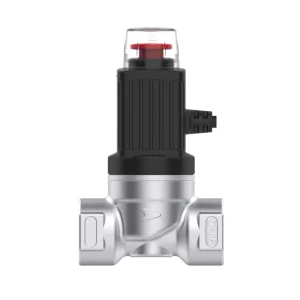
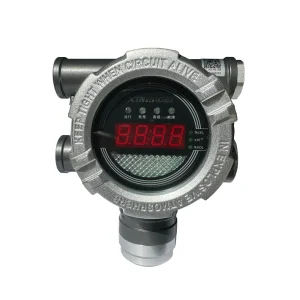
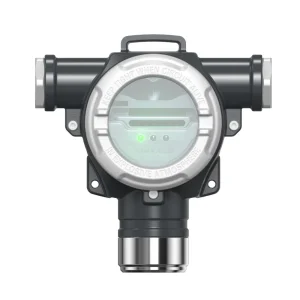
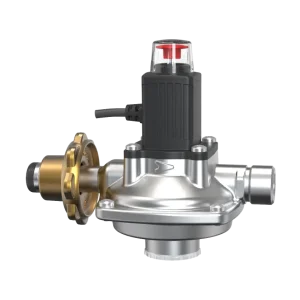
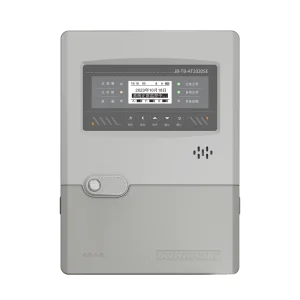
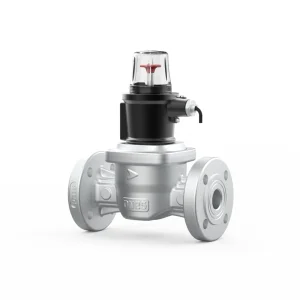
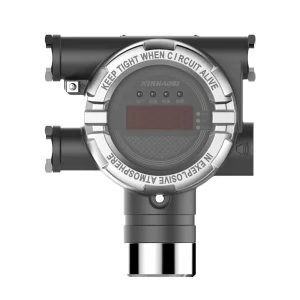
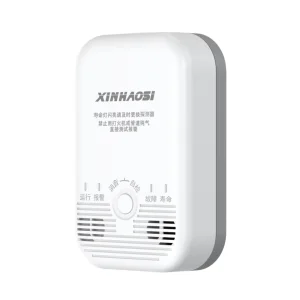
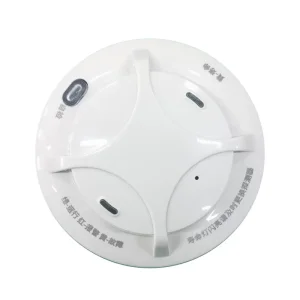
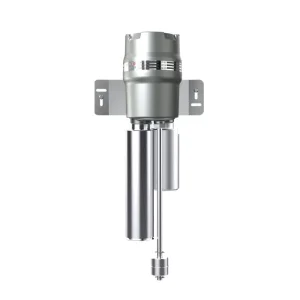
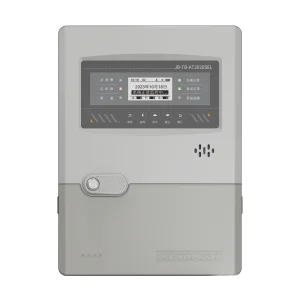
Explore our primary array of high-precision gas solenoid shut-off valves, automatic monitors, and explosion-proof detection systems engineered for mission-critical reliability.
As the international community transitions toward cleaner energy networks, natural gas remains an indispensable transitional resource. Consequently, maintaining safety integrity in municipal supply systems, pipeline architectures, and commercial properties has never been more paramount. Today's global industry demands high-reliability Natural Gas Shut Off Valves that minimize gas leak exposure, protect human life, and mitigate severe infrastructural damages.
From North American industrial standards (such as NFPA and ANSI regulations) to European EN certifications, gas containment solutions must offer lightning-fast shut-off times, explosion-proof components, and seamless integration with intelligent fire protection networks. Modern factories must step up to deliver valves that go beyond simple manual levers, integrating low-power electromagnetic actuators capable of auto-triggering on trace combustible gas signals.
Organizations face strict compliance challenges. Standard mechanical systems often lack the digital integration needed for modern smart grids. Industrial procurement agents must now prioritize:
By pairing mature domestic supply chains with state-of-the-art precision robotics, Chinese manufacturers offer unparalleled scalability, premium components, and significant cost advantages.
Our manufacturing cluster consolidates raw casting, precision CNC machining, coil winding, and electrical assembly under one roof. This minimizes material transfer times and ensures complete traceability from bill of materials to completed valve assemblies.
Through automated casting pipelines and localized sourcing of chemical-resistant fluoroplastic elements, the typical design-to-delivery lifecycle is cut by 40% compared to Western suppliers, aiding fast-track industrial installations.
Our facilities process thousands of units daily while offering adaptive OEM/ODM services. Engineers can adjust valve bodies for specific thread standards (NPT, BSPT, Flanged) or customize solenoid coil voltages to suit localized grids.
Natural gas solenoid valves operate across distinct structural contexts. Integrating these components effectively demands specialized mechanical configurations.
In high-throughput culinary setups, multiple gas connections run in parallel. A main line gas safety shut-off valve is linked to overhead infrared sensors or gas leak controllers. If concentration limits are breached, the system triggers the shut-off mechanism within 0.5 seconds, stopping potential gas accumulation.
Refineries and chemical plants handle toxic, high-pressure hydrocarbon flows. Here, explosion-proof solenoid valves (certified for Zone 1 and Zone 2 environments) are coupled with heavy-duty controller cabinets to prevent localized spark hazards from igniting combustible atmospheres.
Modern high-rise residential properties feature centralized gas monitoring networks. Low-voltage, pulse-triggered domestic solenoid shut-off valves are installed right after gas meters. They remain open without drawing electrical current, closing instantly upon receiving an electrical pulse from a domestic detector.

Chengdu Factory & Office

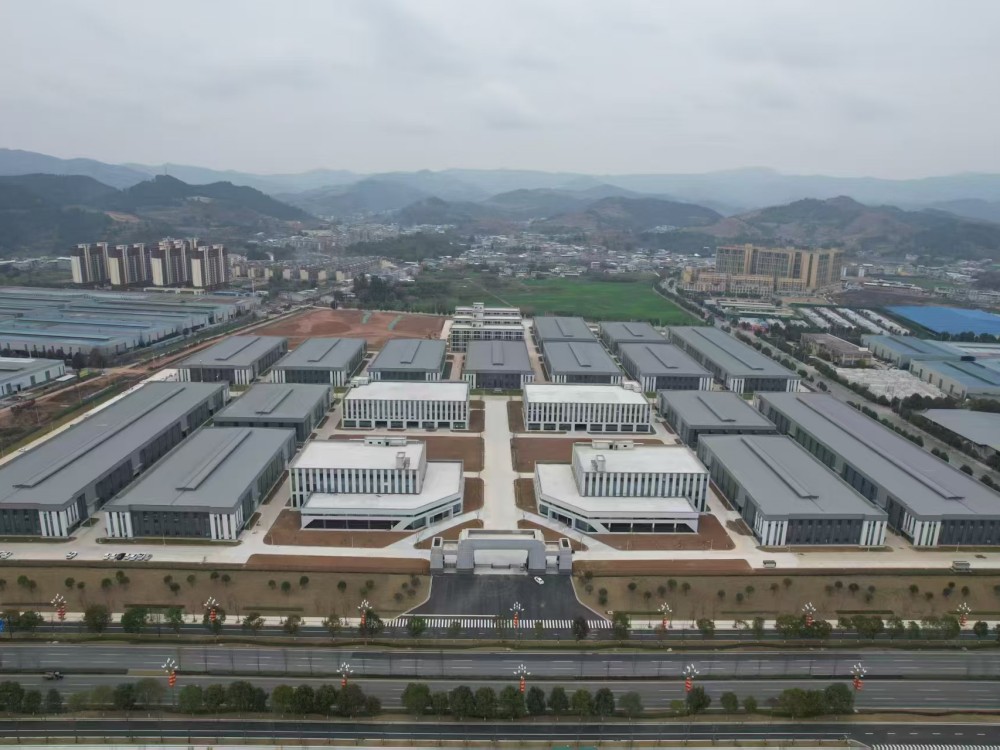
Deyang Factory
Founded in 2003, Xinhaosi is one of the most influential and trusted brands in the global gas safety industry. Over the past two decades, we have steadily built a robust and comprehensive production and service system, which integrates cutting-edge R&D, intelligent manufacturing with advanced automation equipment, digital marketing across global channels, professional after-sales support with an experienced technician team, flexible OEM/ODM services, as well as CNAS-Accredited laboratory calibration services that meet international standards.
Our diversified product portfolio covers industrial & residential gas detection & alarm systems, industrial & household gas solenoid valves, and urban gas pipeline network monitoring systems—all engineered to adapt to complex working environments and strict safety requirements. We produce and sell tens of millions of units annually, catering to a wide range of industries that demand reliable gas detection solutions, including oil & gas exploration and production, petrochemicals, urban gas distribution, automotive manufacturing, pharmaceuticals, new energy, steel production, and beverage processing.
Guided by the core mission of “Making Gas Safety Accessible Everywhere,” we consistently deliver high-performance, reliable products and customized solutions tailored to each client’s unique needs. Every item we manufacture undergoes rigorous quality control tests, and every service we provide is backed by our professional technical team, fully embodying our unwavering commitment to safeguarding gas safety across both industrial workplaces and residential environments, and striving to build a safer world with sustainable gas safety technologies.
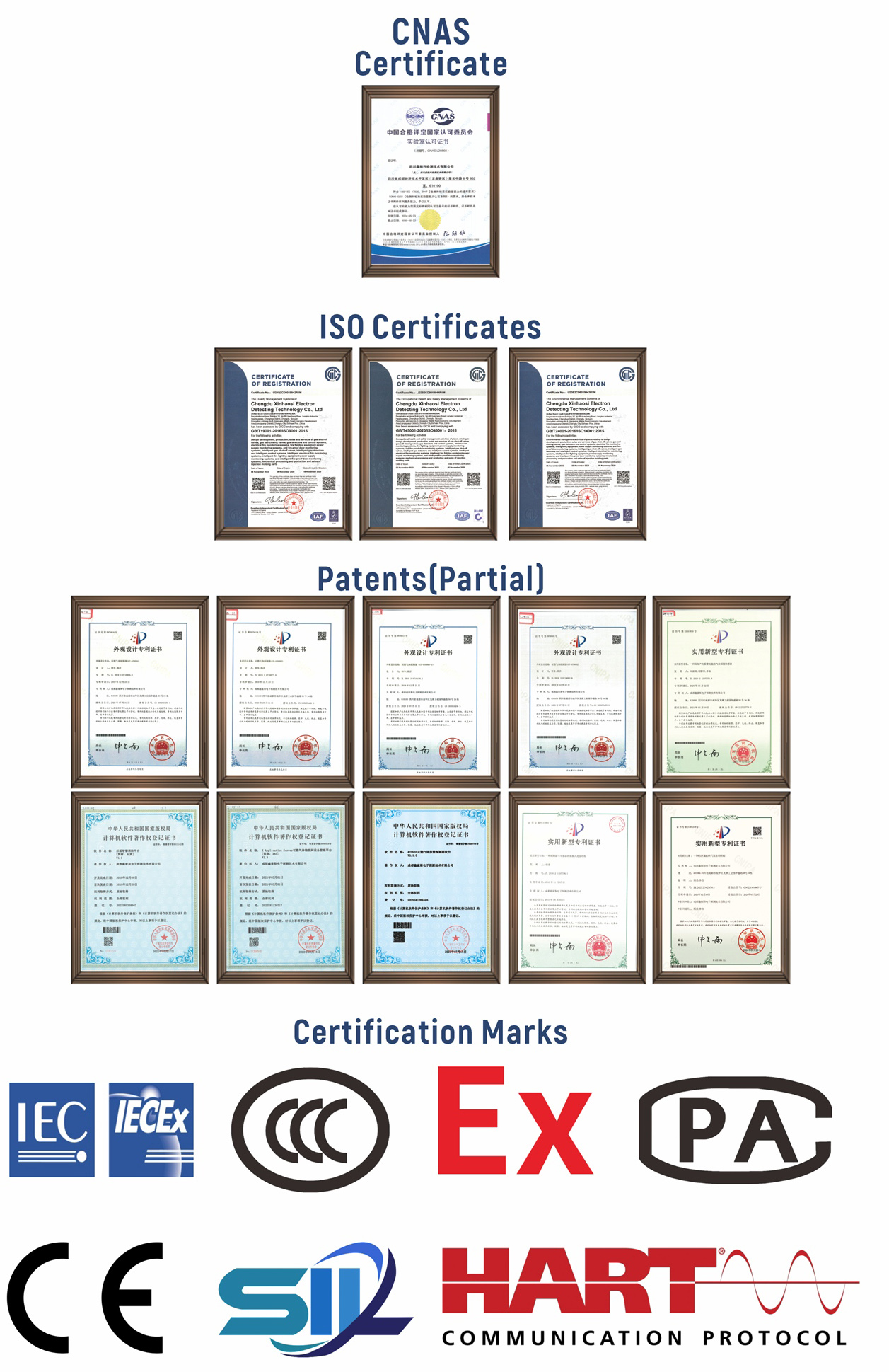
Adhering to ISO9001 quality management system standards, Xinhaosi's core products have obtained a full range of authoritative certifications, including national compulsory Products Certification, explosion-proof certification, fire product certification, CPA measurement instrument type approval certificate, and international approvals such as CE and SIL. Additionally, Xinhaosi holds honors such as "National Quality Integrity Benchmark Enterprise" , "National Quality Leading Enterprise in the Gas Alarm Industry," member of the China Fire Protection Association, and is recognized as the main drafting organization for the national standard of solenoid valves, further confirming its industry influence and reputation.
In the field of intellectual property, Xinhaosi has built a robust innovation system with over 50 patents and software copyrights . These patents cover core technological areas, including a graphical monitoring system for gas detection and alarm, which enables predictive maintenance based on historical data to reduce equipment failure rates by over 30%, and a solenoid valve with flow monitoring functionality that integrates flow detection and alarm capabilities. The company also pioneered China's first networked bus-type gas leakage monitoring system and the only maximum-point gas leakage monitoring system certified by the Ministry of Public Security, demonstrating its leading position in cutting-edge technological research.
Our in-house laboratory is accredited by the China National Accreditation Service for Conformity Assessment (CNAS), recognized both domestically and internationally under the ILAC-MRA framework. It operates in accordance with ISO/IEC 17025, the international standard for testing and calibration laboratories. It provides reliable and traceable testing services for gas detection and alarm products, solenoid valves, and related safety equipment. Test reports issued by the CNAS-accredited laboratory are widely accepted by regulatory authorities, certification bodies, and customers in China and overseas, helping to ensure product quality, safety compliance, and market access.
From a safety pioneer in 2003 to an international manufacturing leader, our growth reflects our ongoing commitment to technological innovation.
Established on April 17th, 2003, launching the 1st generation of gas leak alarm and fire fighting products, establishing a baseline for industrial safety.
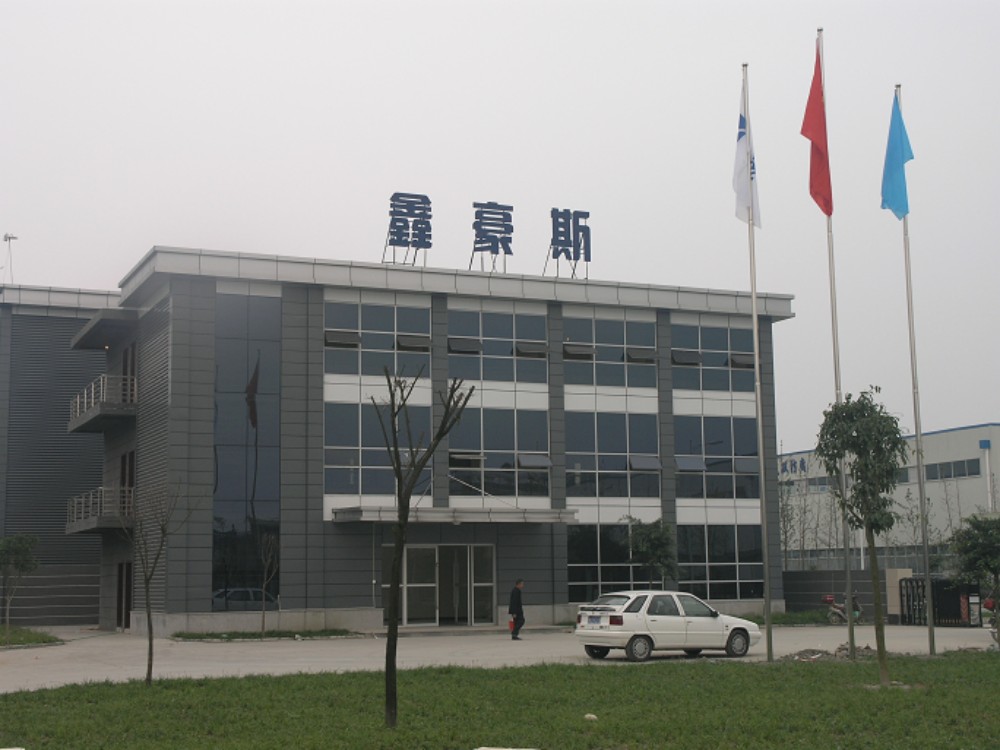
Initiated dedicated production lines for gas safety valves. Expanded OEM capabilities and relocated our operations to the modern Longtan Industrial Park office building.

Reached 10 million units sold in gas detectors. Relocated to the main Chengdu factory complex and completed our comprehensive service network across China. Launched the fire power monitoring system.
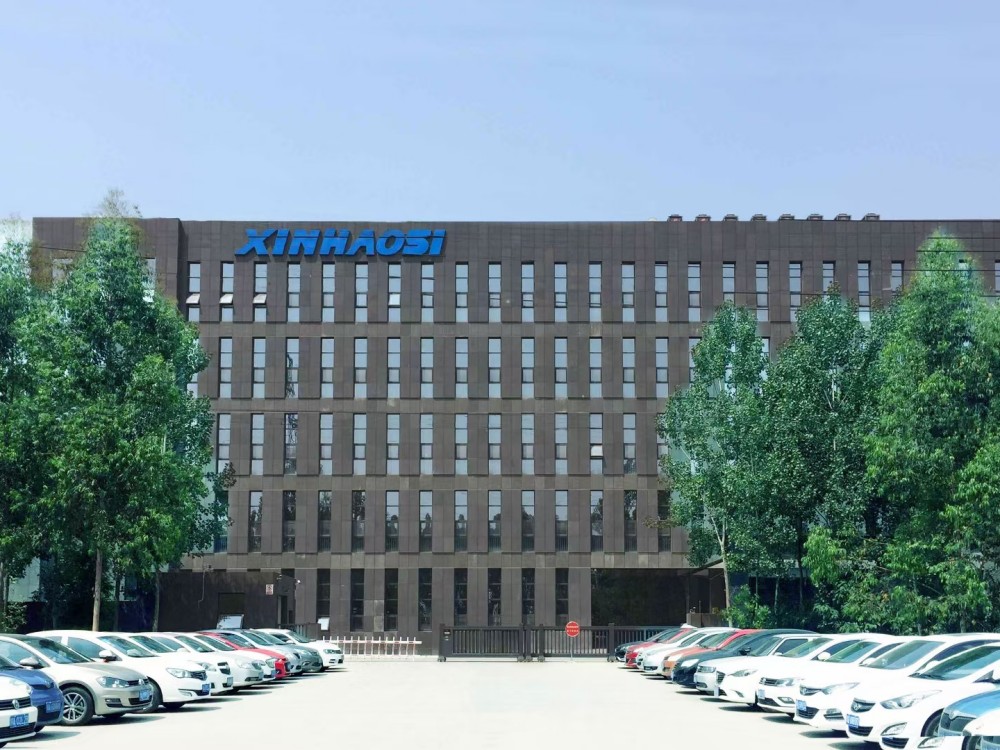
Launched our self-developed IoT platform. Rolled out automatic fire alarms, emergency lighting, and evacuation systems. Achieved High-Tech Enterprise status and qualified as a supplier for China's top 5 gas groups.
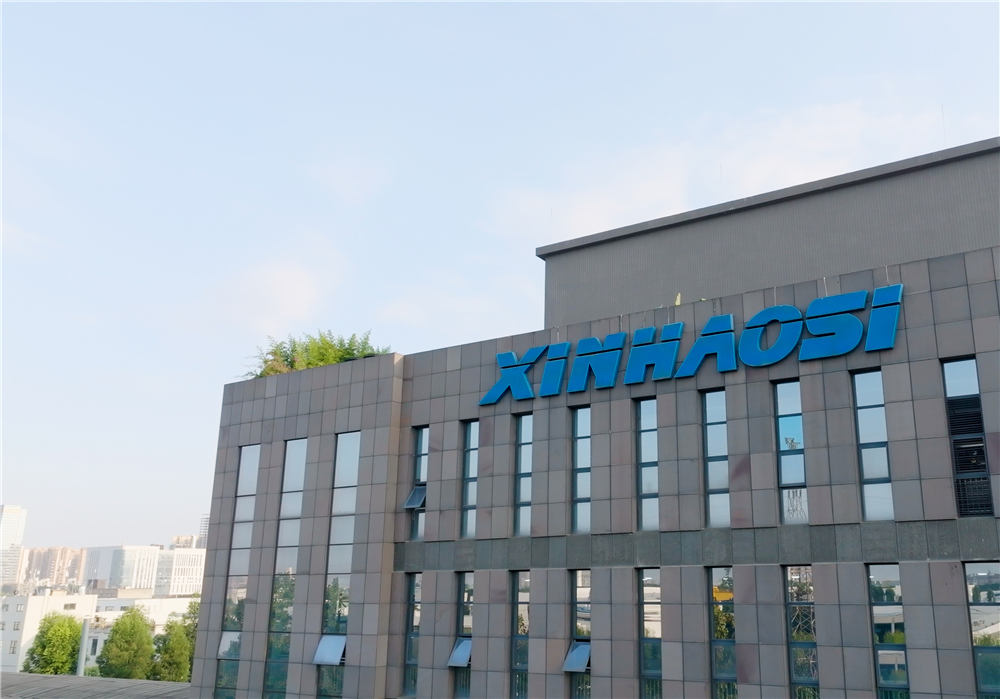
Commenced Deyang factory construction. Established the specialized Petrochemical and International Business divisions. Named a Sichuan Provincial Technology Center.
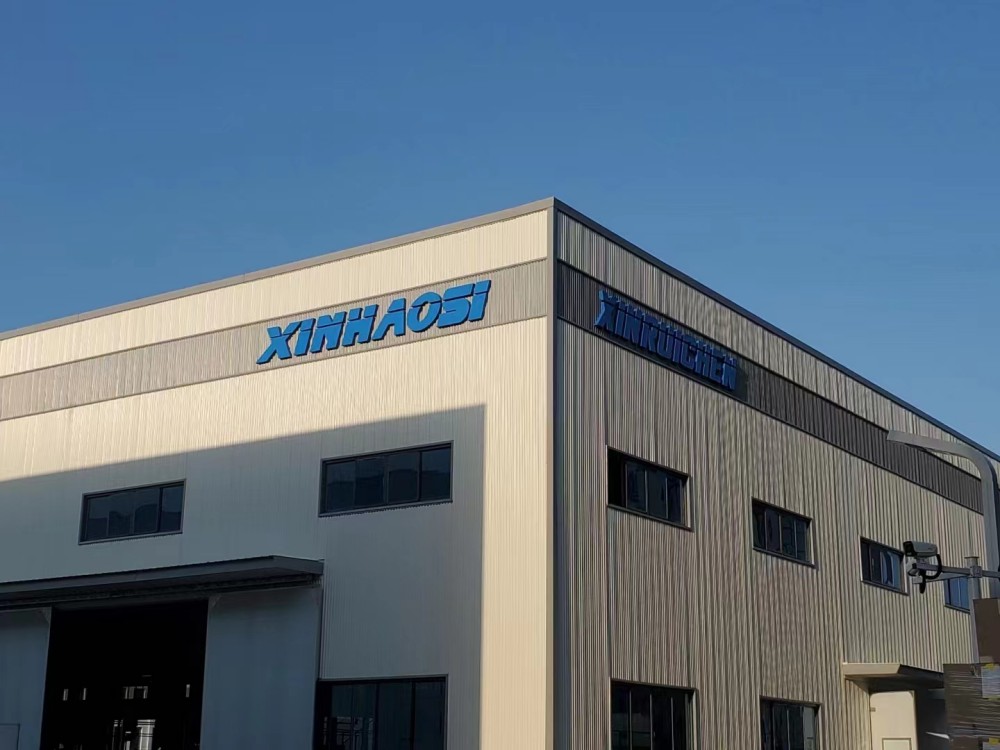
Completed and commissioned the Deyang manufacturing plant. Introduced urban gas pipeline network monitoring solutions, wireless gas detection products, and AI-enabled smart safety valve systems.
As global infrastructure transitions toward sustainability, automation, and decarburization, safety technology must adapt.
Modern networks are increasingly introducing hydrogen to natural gas lines. Hydrogen's lighter atomic structure leads to higher permeation rates, requiring valves equipped with specialized elastomers (FKM or HNBR) and modified seal geometries to prevent leakage.
Manual system oversight is shifting toward low-power wide-area networks (LPWAN) like NB-IoT and LoRaWAN. Modern shut-off systems now incorporate electronic pressure and position sensors, sending continuous performance metrics directly to utility operators.
Battery-operated municipal gas meters require valves that draw minimal power. The industry is moving toward bistable (latching) solenoids. These valves only require a brief electric pulse to switch states, minimizing energy draw over years of operation.
For procurement officers, sourcing industrial safety valves involves strict technical considerations. Reliability, certifications, and compliance are top priorities during vendor evaluation.
A key focus is material verification; suppliers must provide material test reports (MTRs) to confirm the metallurgical properties of cast aluminum, brass, or stainless steel bodies. These details prevent galvanic corrosion and premature fatigue under cycling pressures.
Traceability is equally important. Leading suppliers tag every unit with unique serial numbers linked to QC reports, casting batches, and assembly metrics, helping buyers meet strict corporate liability standards.
Ensure your chosen vendor can supply the following documentation for industrial projects:
Get detailed answers on gas safety shut-off systems, valve selection, and international safety compliance.
A Normally Open (N.O.) gas solenoid valve remains open under normal conditions, allowing gas to flow without drawing electrical power. It only closes when it receives an electrical signal or pulse, requiring a manual reset to reopen. This style is commonly used with gas leak detectors for safety shut-offs.
A Normally Closed (N.C.) valve stays closed and only opens when energized. This configuration is typically used in process burners and boilers where fuel supply must be cut immediately if electrical power fails.
The gas detection controller serves as the central hub. It continuously processes signals from remote gas detectors. When gas levels exceed a preset limit (e.g., 10% LEL), the controller closes an internal relay, sending an electrical pulse (often 24VDC or 220VAC) to the solenoid valve. The valve's electromagnet triggers, releasing the spring mechanism to close the valve and shut off the gas supply within milliseconds.
CNAS (China National Accreditation Service) is a signatory to the ILAC Mutual Recognition Arrangement (ILAC MRA). This means testing and calibration reports issued by a CNAS-accredited lab are recognized internationally. For global procurement, this ensures that the valve's leakage rates, burst pressures, and electrical characteristics meet international standards (like ISO/IEC 17025) without needing duplicate third-party testing in the destination country.
For standard low-pressure residential applications, lightweight cast aluminum alloys provide cost-effective reliability. For commercial systems, brass offers strong physical durability and corrosion resistance. In high-pressure petrochemical settings or coastal regions with marine salt spray, stainless steel (SS304 or SS316) is preferred to prevent chemical pitting and rust.
The manual reset mechanism is a vital safety feature for Normally Open valves. Once a gas leak triggers the valve to close, it cannot reopen automatically when power returns or gas levels drop. An operator must physically inspect the piping, fix the leak, and pull the manual lever to reopen the valve. This prevents gas from flowing back into a compromised space unnoticed.
Explore our expanded catalog, including household gas monitors, multi-bus controllers, and underground shaft monitoring systems.