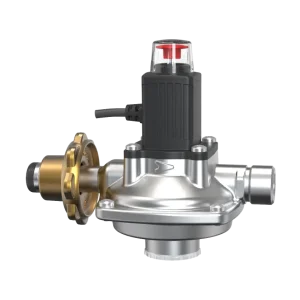
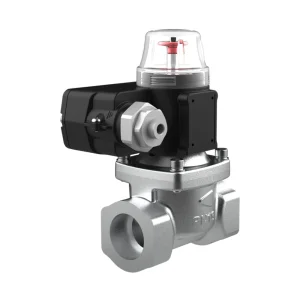
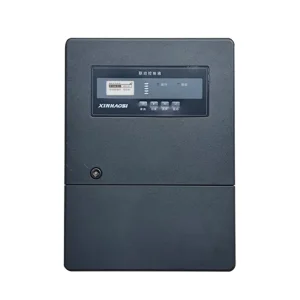
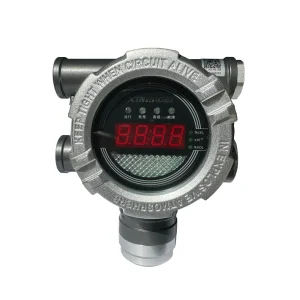
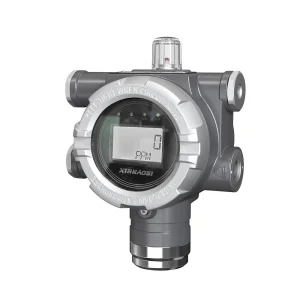
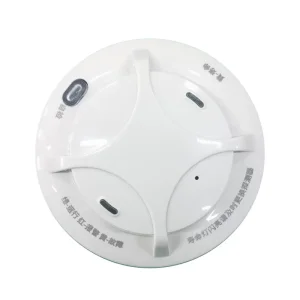
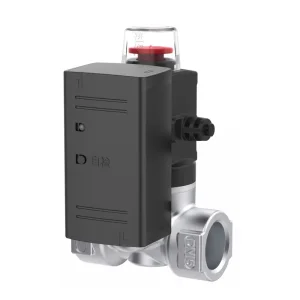
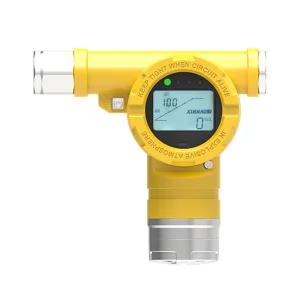
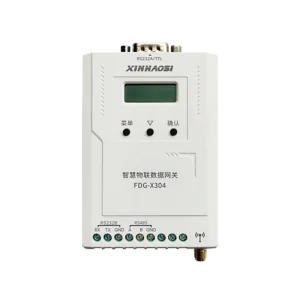
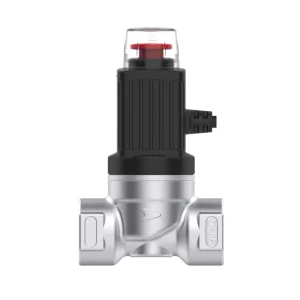
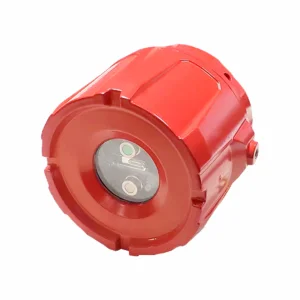
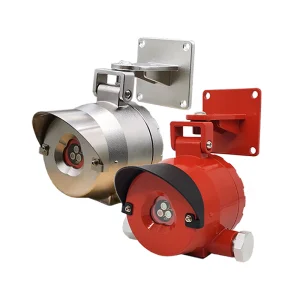
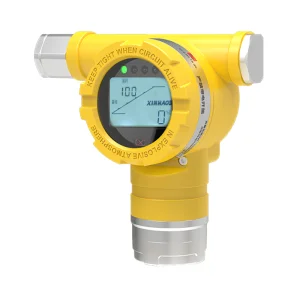
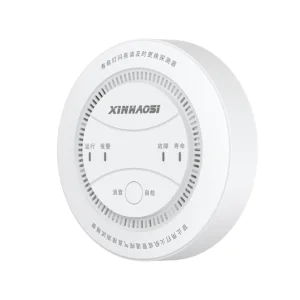
Explore our premium range of industrial solenoid valves, regulators, intelligent gateways, and certified combustible gas detectors engineered for continuous safety monitoring.
An authoritative guide to engineering standards, global regulatory compliance, and supply chain strategies in modern gas transmission and hazard control.
In modern industrial processing, urban infrastructure development, and smart residential architecture, gas distribution safety remains an absolute priority. Hazards stemming from combustible gas leaks, pressure spikes, and equipment failures present catastrophic financial and human risks. At the core of all active mitigation systems stands the Gas On Off Valve—often configured as a rapid-action solenoid shut-off valve.
As a leading global manufacturer, we deliver sophisticated flow control solutions designed to operate under intense pressure, extreme temperatures, and volatile environments. This comprehensive industry analysis explores the mechanical design, regulatory frameworks, supply chain optimization, and technological advancements driving safety-critical gas control technologies today.
To achieve high-reliability operations, gas valves must withstand friction, corrosive environments, and millions of cycles without degradation. The mechanical composition of a premium gas on-off valve requires meticulous material selection and high-precision machining:
| Valve Parameter | Standard Household Value | Heavy Industrial Value |
|---|---|---|
| Operating Pressure (MOP) | 0.1 kPa to 20 kPa | 0.5 bar to 6.0 bar (or Class 150/300) |
| Response (Cut-off) Time | < 0.5 Seconds | < 1.0 Second |
| Medium Compatibility | Natural Gas (Methane), LPG | Hydrogen, Oxygen, NH3, Town Gas, Syngas |
| Explosion-Proof Rating | Ex mb II T4 Gb | Ex d IIC T6 Gb / Ex ia IIC T6 Ga |
| Cycle Life Testing | > 20,000 Cycles | > 100,000 Cycles |
Operating our manufacturing facilities in Chengdu and Deyang, China provides critical advantages that directly benefit our international client base. These include:
The Sichuan-Chongqing industrial corridor is a globally recognized manufacturing hub for advanced metallurgy, electronics, and gas extraction machinery. This close proximity ensures stable raw material sourcing, local access to precision CNC machining centers, and an expansive workforce of skilled automation technicians.
By combining robotic assembly lines with mature raw material supply chains, we maintain competitive production costs while achieving an annual capacity of tens of millions of units. This scale enables us to handle massive OEM contracts for global gas utility suppliers with rapid lead times.
Our factories are fully connected to direct land-bridge railways linking Chengdu to Central Asia and Europe, along with deep-water coastal shipping ports (via the Yangtze River network). This multimodal logistics framework ensures predictable transit times and minimal exposure to global supply line disruptions.
Regulatory frameworks dictate safety measures. To serve major European, North American, and Asian energy corporations, compliance with local standards is mandatory.
Xinhaosi is proud to maintain active certifications from leading international testing bodies, certifying the structural integrity and operation of our safety systems:
Different environments demand unique fluid control configurations. Here is how our gas on-off valves fit into key sectors:
Commonly installed alongside residential natural gas meters or LPG cylinders. These dry-battery-powered, wireless solenoid valves interface with smart home gas alarms, triggering immediate shut-off when a concentration of methane exceeds safe thresholds.
For high-risk environments like oil refineries, chemical plants, and heavy steel foundries. Features robust explosion-proof ratings (Ex d IIC T6), high-pressure flanged connections, and compatibility with aggressive media.
Integrated with our urban gas pipeline monitoring systems to allow district-wide remote shutdowns during earthquakes, construction damage, or sudden pressure drops, reducing localized gas loss and protecting communities.
The gas valve industry is shifting from purely mechanical operations to intelligent, connected systems. Key trends shaping our development include:
Founded in 2003, Xinhaosi is one of the most influential and trusted brands in the global gas safety industry. Over the past two decades, we have steadily built a robust and comprehensive production and service system, which integrates cutting-edge R&D, intelligent manufacturing with advanced automation equipment, digital marketing across global channels, professional after-sales support with an experienced technician team, flexible OEM/ODM services, as well as CNAS-Accredited laboratory calibration services that meet international standards.
Our diversified product portfolio covers industrial & residential gas detection & alarm systems, industrial & household gas solenoid valves, and urban gas pipeline network monitoring systems—all engineered to adapt to complex working environments and strict safety requirements. We produce and sell tens of millions of units annually, catering to a wide range of industries that demand reliable gas detection solutions.

Chengdu Factory & Office

Deyang Factory
Adhering to ISO9001 quality management system standards, Xinhaosi's core products have obtained a full range of authoritative certifications, including national compulsory Products Certification, explosion-proof certification, fire product certification, CPA measurement instrument type approval certificate, and international approvals as CE, SIL.
In the field of intellectual property, Xinhaosi has built a robust innovation system with over 50 patents and software copyrights. These patents cover core technological areas, including a graphical monitoring system for gas detection and alarm, which enables predictive maintenance based on historical data to reduce equipment failure rates by over 30%, and a solenoid valve with flow monitoring functionality that integrates flow detection and alarm capabilities.
A retrospective look at Xinhaosi's journey since 2003, transitioning from a localized gas alarm supplier to an international benchmark in gas safety equipment manufacturing.
Answering crucial technical questions from engineering leads, safety directors, and global sourcing departments.
Explore our complete ecosystem of advanced signal repeaters, flame detectors, handheld leak monitors, and safety accessories.
Whether you need custom OEM/ODM solenoid valve designs or high-volume standard units for local utility rollouts, our team is equipped with the R&D and laboratory credentials to support your project.
Consult with our Valve Engineers Today