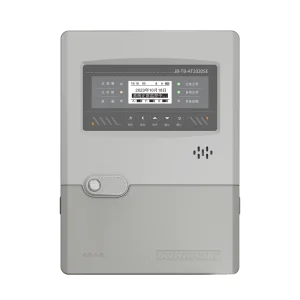
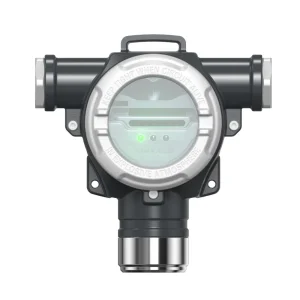
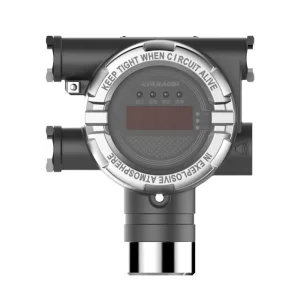
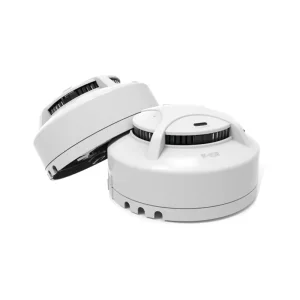
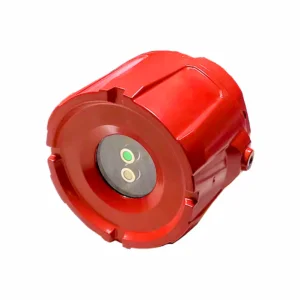
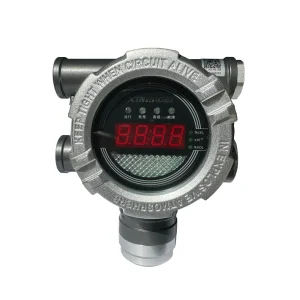
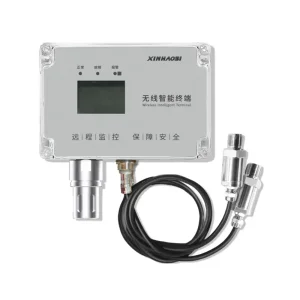
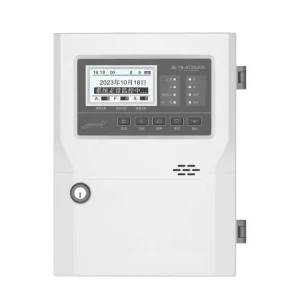
Core hazardous monitoring systems designed for petrochemical plants, industrial facilities, and municipal energy grids.
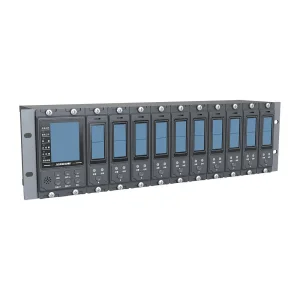
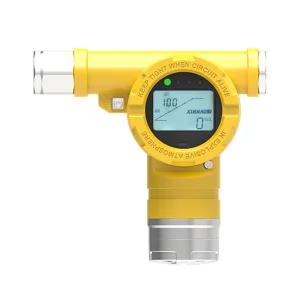
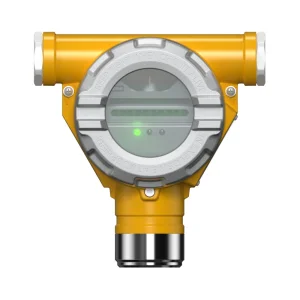

Understanding the macroeconomic drivers, regulatory compliance frameworks, and key buying considerations for multinational enterprises.
In today's highly regulated industrial landscape, the global demand for fixed gas monitors has transitioned from basic functional requirement to an integrated part of corporate risk management and ESG (Environmental, Social, and Governance) compliance. Heavy industries such as oil and gas exploration, chemical processing, wastewater treatment, and newly emerging sectors like commercial hydrogen storage and Lithium-ion battery manufacturing require robust, round-the-clock atmospheric monitoring. Buyers are no longer just purchasing sensors; they are investing in long-term operational uptime, reduced liability, and workplace safety systems.
Procurement managers face several challenges, including finding equipment that conforms to localized certifications (such as ATEX in Europe, UL in North America, and CCCF/GB standards in China). Furthermore, the integration of these devices with existing Distributed Control Systems (DCS) and Supervisory Control and Data Acquisition (SCADA) systems via Modbus, HART, or wireless protocols (like LoRaWAN and NB-IoT) is critical. As factories trend toward automation, the demand for fixed gas monitors that provide digital diagnostic interfaces, predictive maintenance alerts, and extended calibration cycles has surged. Partnering with a manufacturer that controls the entire R&D and supply chain workflow guarantees reliable support, spare parts availability, and scalable customization options.
Founded in 2003, Xinhaosi is one of the most influential and trusted brands in the global gas safety industry. Over the past two decades, we have steadily built a robust and comprehensive production and service system, which integrates cutting-edge R&D, intelligent manufacturing with advanced automation equipment, digital marketing across global channels, professional after-sales support with an experienced technician team, flexible OEM/ODM services, as well as CNAS-Accredited laboratory calibration services that meet international standards.
Our diversified product portfolio covers industrial & residential gas detection & alarm systems, industrial & household gas solenoid valves, and urban gas pipeline network monitoring systems—all engineered to adapt to complex working environments and strict safety requirements. We produce and sell tens of millions of units annually, catering to a wide range of industries that demand reliable gas detection solutions, including oil & gas exploration and production, petrochemicals, urban gas distribution, automotive manufacturing, pharmaceuticals, new energy, steel production, and beverage processing.
Guided by the core mission of "Making Gas Safety Accessible Everywhere," we consistently deliver high-performance, reliable products and customized solutions tailored to each client's unique needs. Every item we manufacture undergoes rigorous quality control tests, and every service we provide is backed by our professional technical team, fully embodying our unwavering commitment to safeguarding gas safety across both industrial workplaces and residential environments.

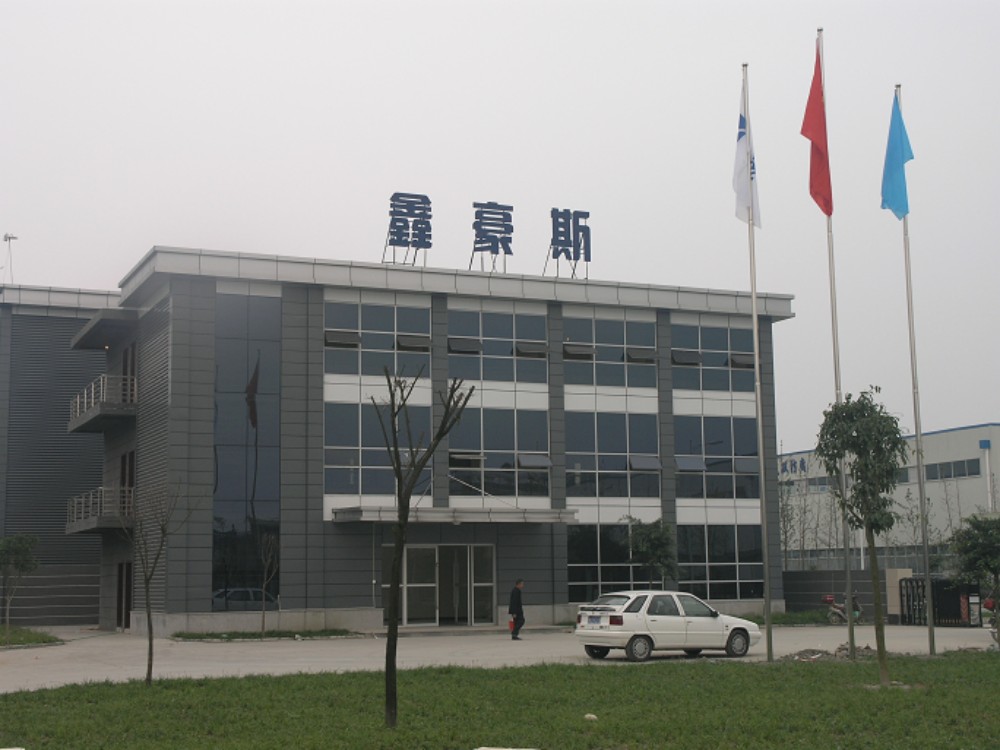
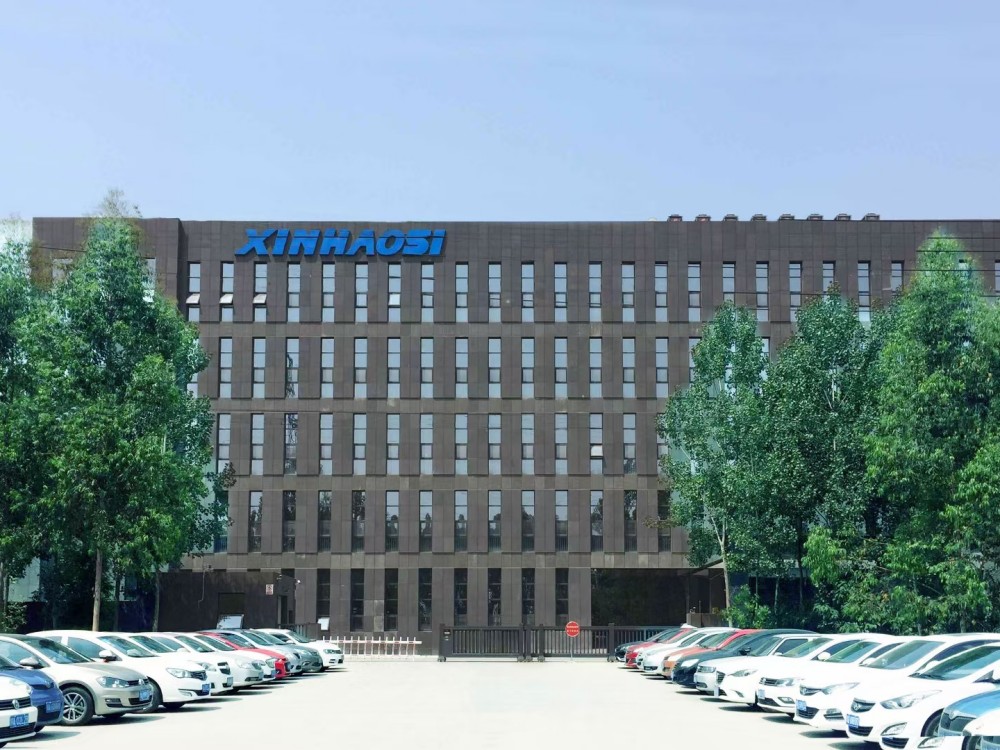
Chengdu Factory & Office Headquarters

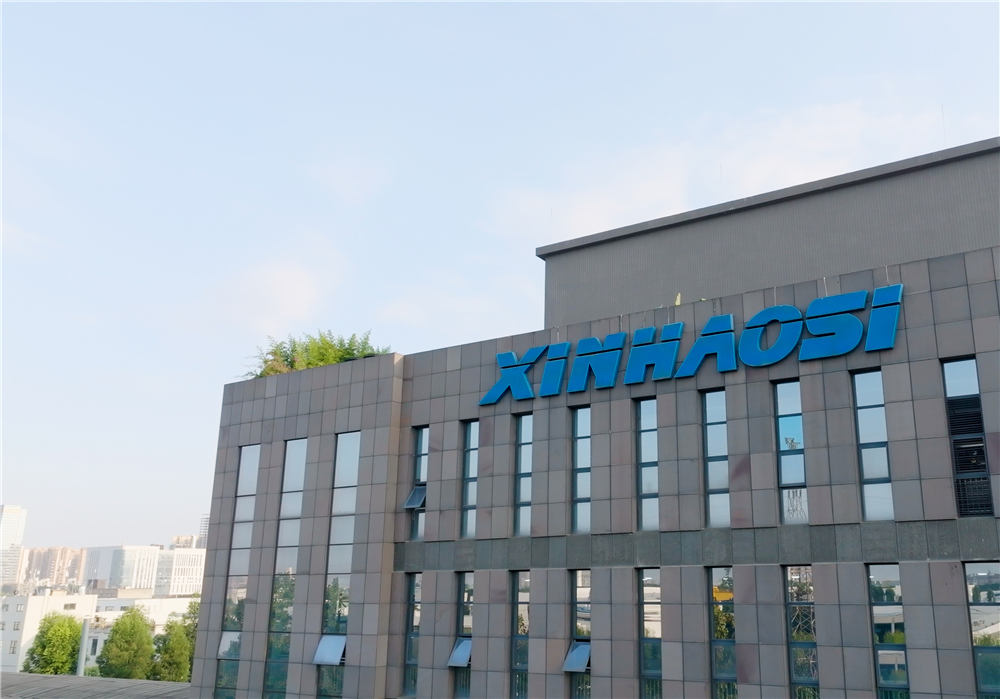
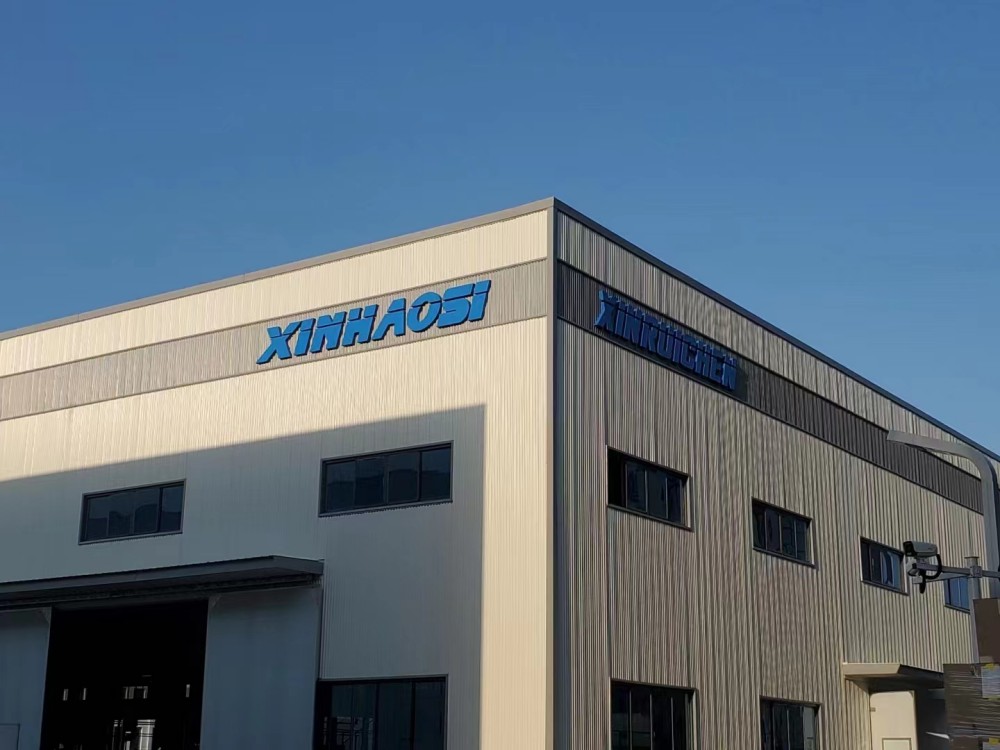
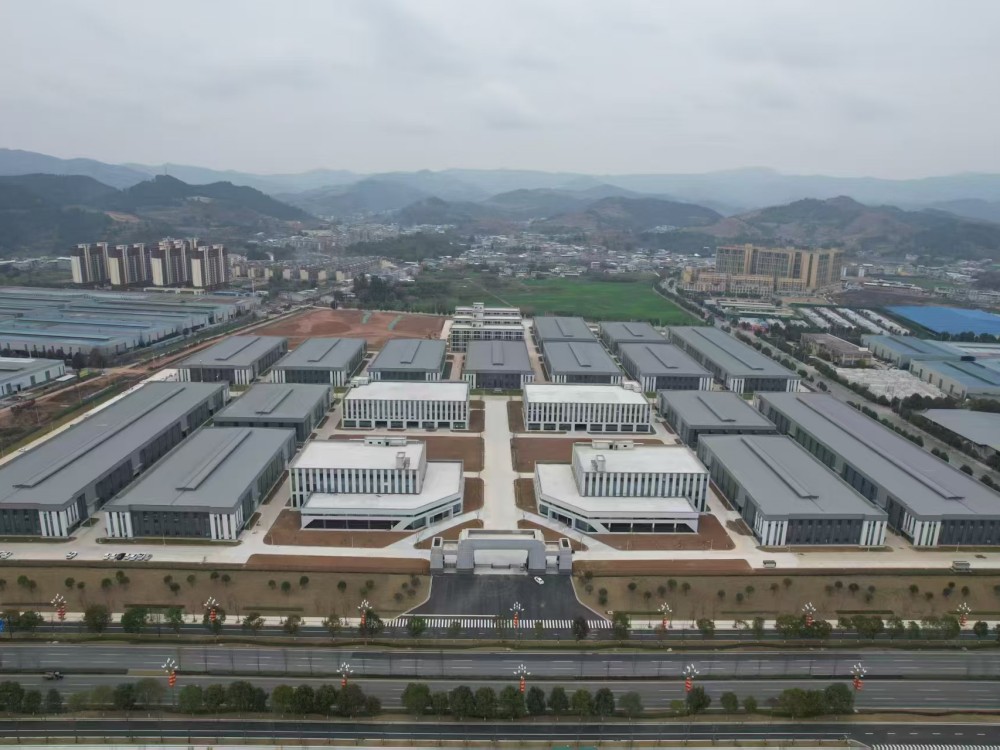
State-of-the-Art Deyang Factory Base
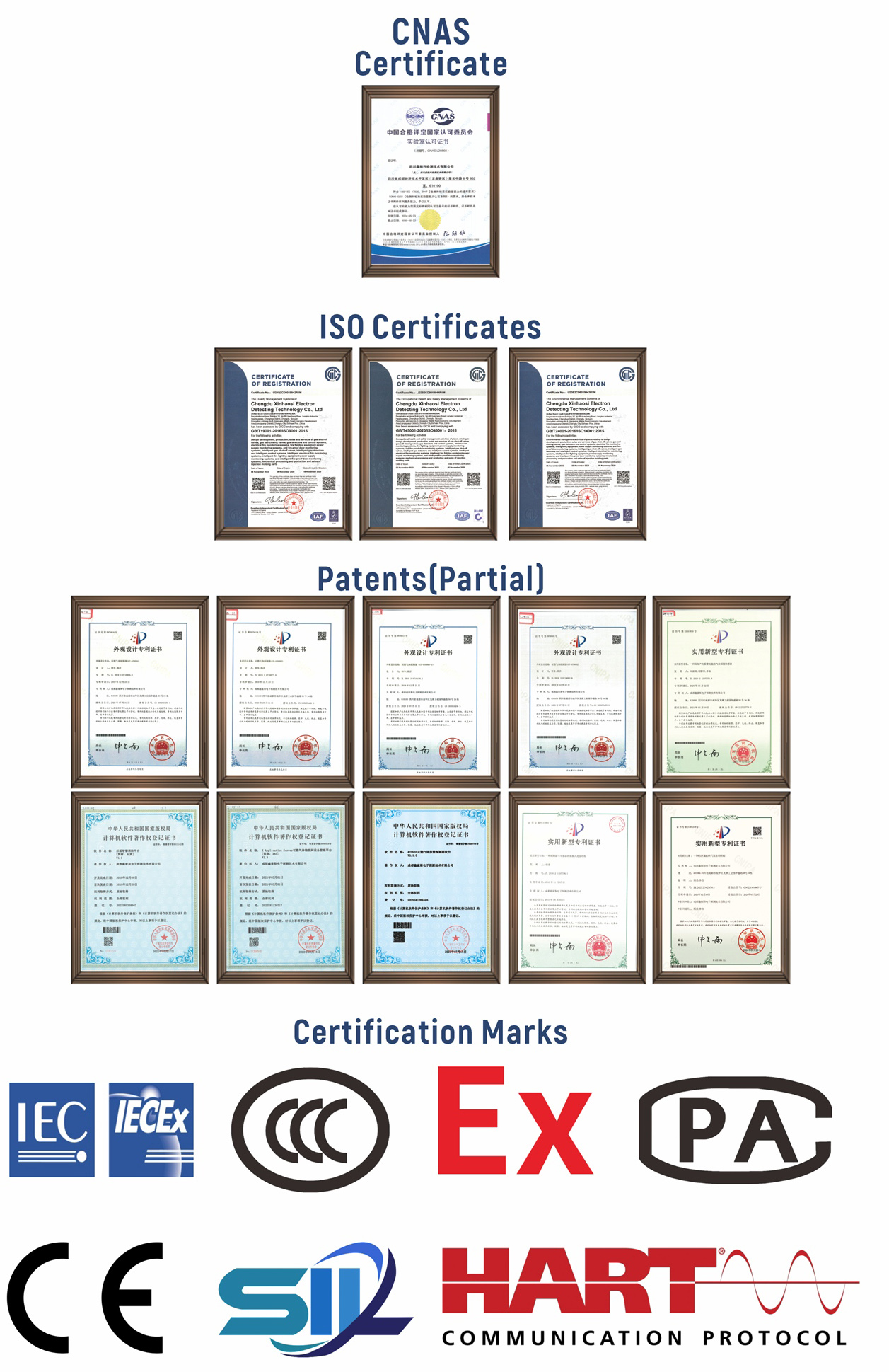
Adhering to ISO9001 quality management system standards, Xinhaosi's core products have obtained a full range of authoritative certifications, including national compulsory Products Certification, explosion-proof certification, fire product certification, CPA measurement instrument type approval certificate, and international approvals such as CE and SIL (Safety Integrity Level). Additionally, Xinhaosi holds honors such as "National Quality Integrity Benchmark Enterprise" and "National Quality Leading Enterprise in the Gas Alarm Industry," is an active member of the China Fire Protection Association, and serves as the main drafting organization for national standards regarding gas solenoid valves.
In the intellectual property field, Xinhaosi has established a robust innovation ecosystem with over 50 patents and software copyrights. These cover proprietary technologies, including a graphical monitoring system for gas detection and alarm (which enables predictive maintenance based on historical data, reducing equipment failure rates by over 30%) and a solenoid valve with integrated flow monitoring functionality.
Our in-house laboratory is accredited by the China National Accreditation Service for Conformity Assessment (CNAS), recognized both domestically and internationally under the ILAC-MRA framework. Operating in compliance with ISO/IEC 17025, it provides reliable and traceable testing services for gas detection systems, solenoid valves, and safety shut-off equipment. This ensures that test reports are globally accepted by regulatory authorities, giving international partners high confidence in safety and quality.
Providing specialized hazard monitoring networks tailored for diverse operational parameters and challenging environments.
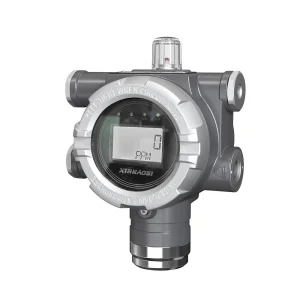
Rugged explosion-proof gas detectors (such as the XP3000 and GTYQ-AT0505 series) with ATEX and SIL certifications, designed to monitor volatile organic compounds (VOCs), hydrogen sulfide (H2S), oxygen depletion, and combustible gases in harsh, saline-mist offshore or refinery environments.
Intelligent Carbon Monoxide (CO) and Nitrogen Dioxide (NO2) monitoring systems (featuring the AT2004BIV-CO) designed to communicate directly with HVAC/VAV ventilation controllers, reducing energy usage while preventing hazardous accumulations of vehicle exhaust gases.
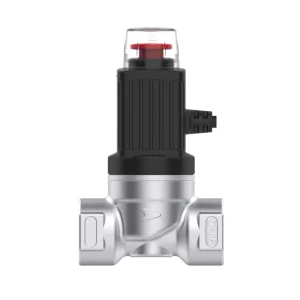
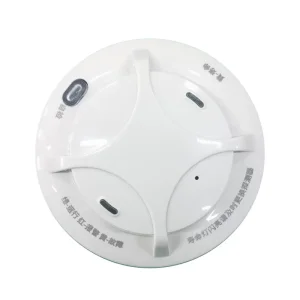
Networked bus-type residential gas alarms (JT-AT2004BII, JT-AT2013A) combined with fast-closing solenoid safety valves (XF2 Series). Providing rapid automatic fuel line shut-off upon combustible gas detection to protect multi-family residential complexes.
Over 20 years of technical progress, standard setting, and continuous growth in safety engineering.

How we are integrating Artificial Intelligence, wireless topologies, and smart actuators into the next generation of gas safety systems.
The gas safety industry is currently undergoing a digital transformation. Traditional analog transmitters are being replaced by smart, addressable digital sensing nodes. At Xinhaosi, our technical roadmap focus areas are designed to meet these changing industry needs:
Providing localized engineering, testing documentation, and global supply chain support for peace of mind.
Operating across multiple continents requires strict adherence to localized safety frameworks. Our CNAS-accredited calibration laboratory (accredited under ISO/IEC 17025) ensures that every transmitter leaves the factory with traceable documentation. Xinhaosi works closely with international testing labs to provide ATEX, CE, SIL2, and national explosion-proof compliance certificates.
We support engineering procurement construction (EPC) companies and global distributors by offering complete localized documentation, device configuration software, step-by-step installation guides, and direct support from our application engineers. Whether you need Modbus register mapping, custom enclosures for coastal installations, or specialized calibration files for unique target gases, our R&D department provides quick turnaround times to keep your project on schedule.
Expert technical answers regarding the deployment, operation, and maintenance of fixed gas safety monitoring networks.
Explore our full line of explosion-proof transmitters, central control terminals, and high-flow safety shut-off systems.