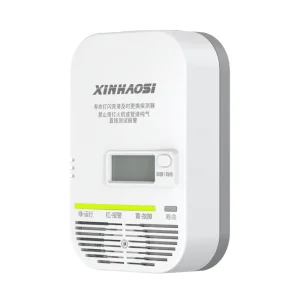
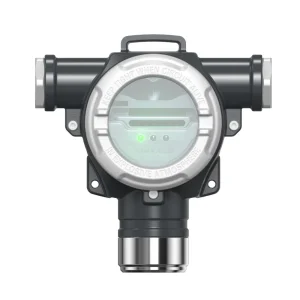
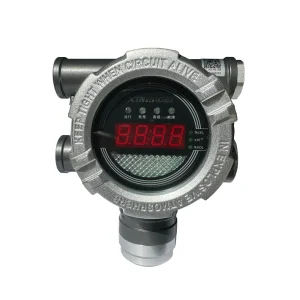
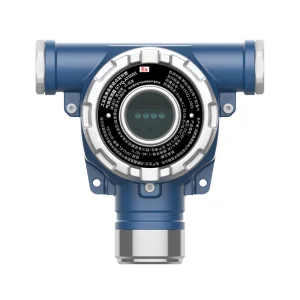
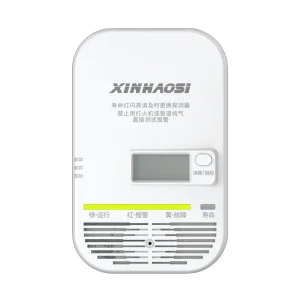
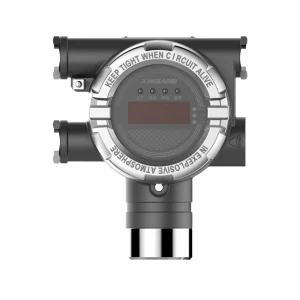
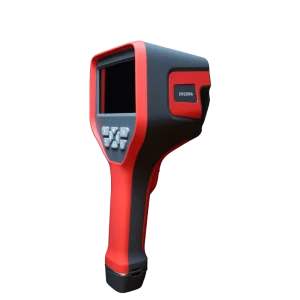
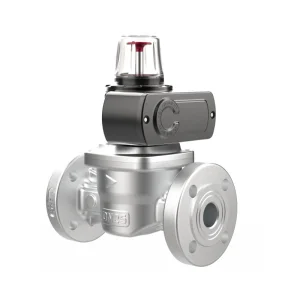
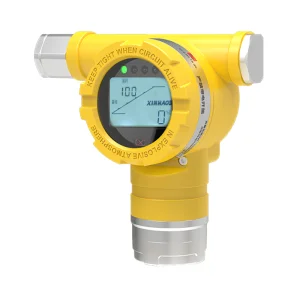
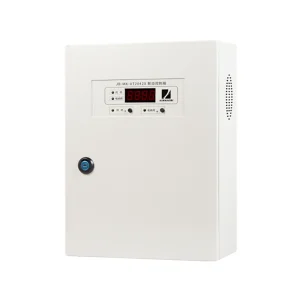
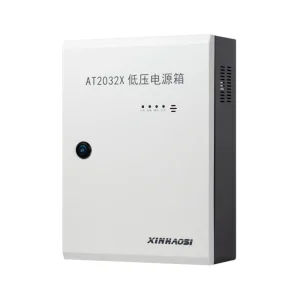
Explore our premium selection of explosion-proof safety detectors, smart pressure monitors, and commercial-grade solenoid valves engineered for severe industrial exposures.
Founded in 2003, Xinhaosi has risen to become one of the most influential and trusted brands in the global gas safety and environmental monitoring industries. Over two decades of relentless R&D and technological convergence, we have systematically established a robust production, engineering, and support infrastructure that spans international markets.
Our capabilities seamlessly integrate cutting-edge R&D, automated high-throughput manufacturing, multi-channel global digital operations, a highly experienced field support team, and comprehensive OEM/ODM solutions. Furthermore, our state-of-the-art CNAS-accredited calibration laboratories guarantee that every device leaving our facility aligns with strict global regulatory mandates.
Our product architecture is carefully engineered to perform in hazardous, unpredictable, and highly confined environments. From primary oil and gas drilling platforms to urban distribution networks, sewage systems, and chemical processing facilities, Xinhaosi delivers fail-safe gas detection and mitigation systems trusted by municipal bodies and Fortune 500 giants alike.
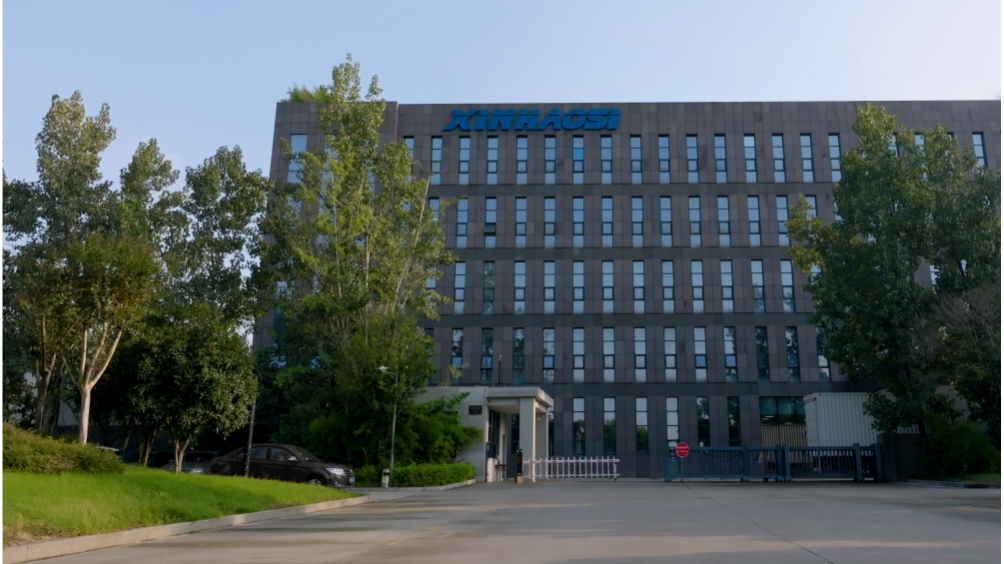
Headquarters & R&D Center (Chengdu)
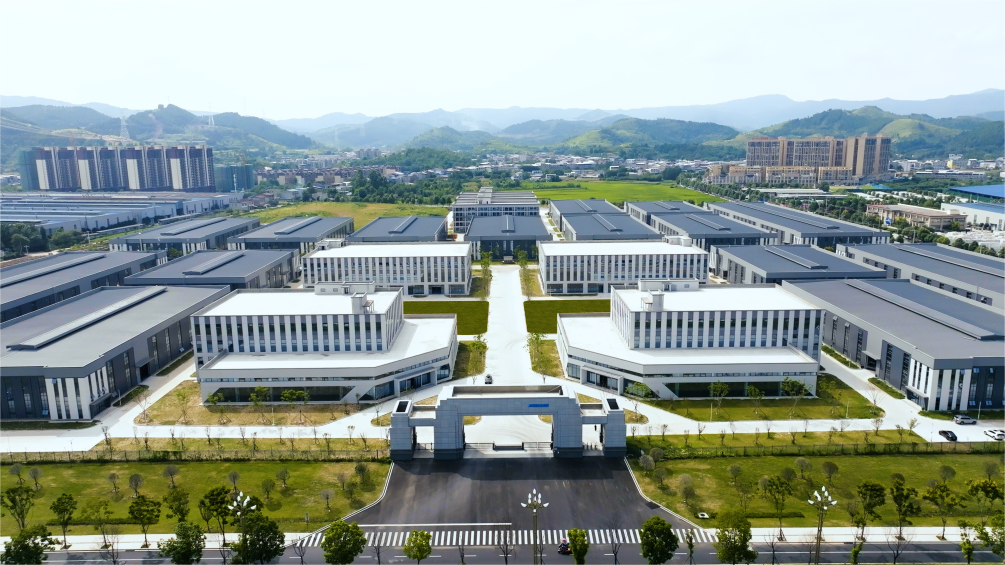
Intelligent Production base (Deyang)
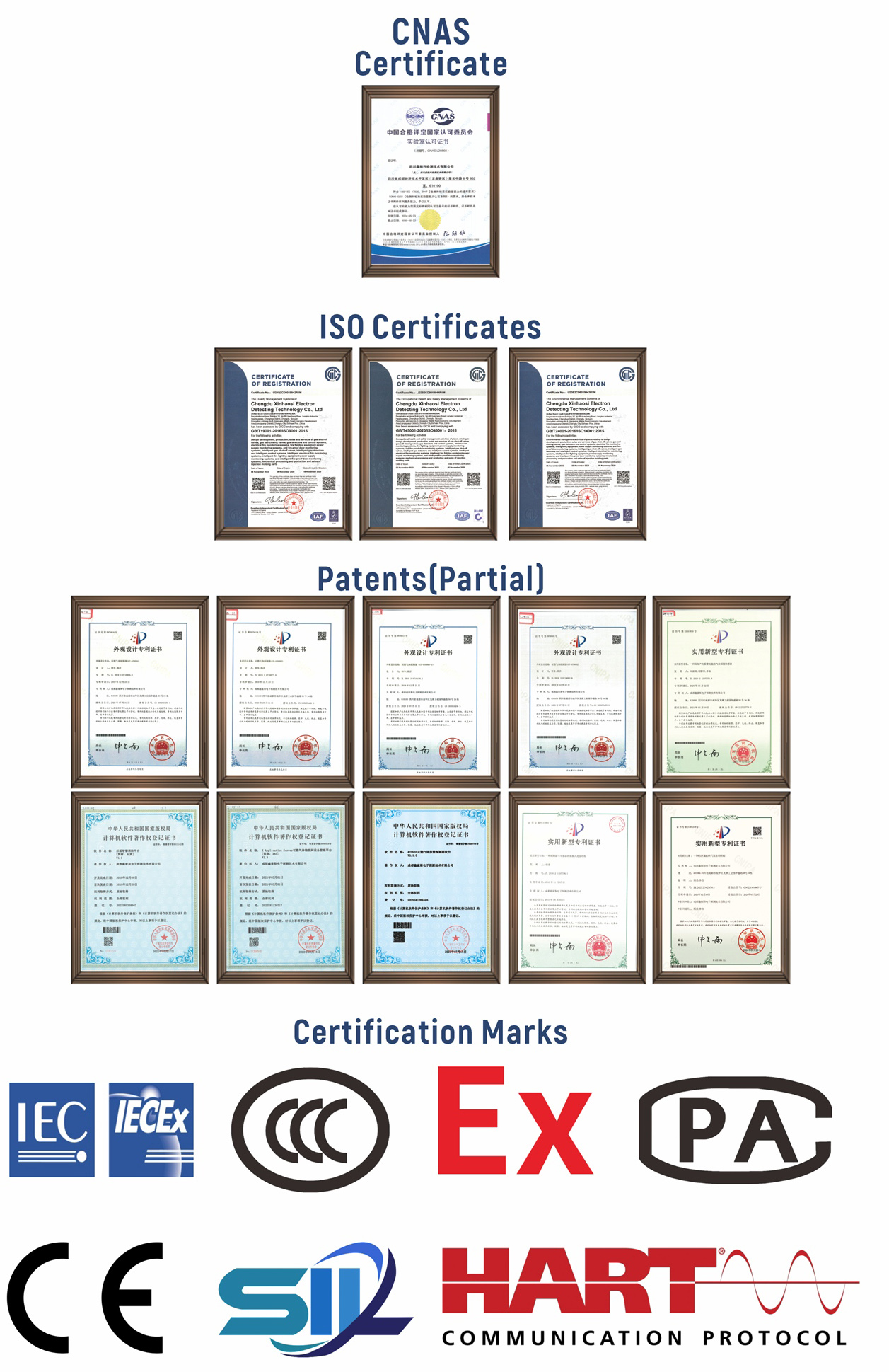
Our operations adhere strictly to international standards, ensuring reliable compliance in critical safety sectors.
Adhering strictly to ISO9001 quality management systems, our core products hold national compulsory Products Certification (3C), explosion-proof accreditation, fire safety certificates, and international approvals including CE and SIL ratings.
Operating in strict compliance with ISO/IEC 17025 under the ILAC-MRA framework, our CNAS-accredited calibration laboratories output globally accepted, traceable, and rigorous testing reports.
With over 50 patents and software copyrights, Xinhaosi pioneered China's first networked bus-type gas leakage monitoring system and acts as a main drafting organization for national industrial solenoid valve standards.
True authority in the gas safety sector is built on empirical validation and strict quality assurance. At Xinhaosi, we combine physical quality testing with state-of-the-art software systems to eliminate potential vulnerabilities before equipment reaches the field.
Our signature graphical gas monitoring software platform analyzes real-time and historical gas exposure data. By implementing advanced predictive algorithms, the system identifies anomalies early and triggers predictive maintenance alerts, reducing industrial plant downtime and sensor failures by over 30%.
Additionally, our breakthrough solenoid valves featuring integrated flow detection bring a double layer of isolation protection. Not only do they respond to high gas levels by shutting off fuel flows, but they also continuously calculate flow characteristics to identify pipeline pressure decay before toxic or combustible mixtures escape into confined spaces.
Our journey is defined by a commitment to gas safety, progressive innovation, and global expansion.
Established on April 17, 2003. Launched our first-generation gas leak detection devices and commercial fire fighting safety systems.
Initiated heavy-duty gas safety solenoid valve manufacturing. Substantially expanded OEM support and relocated our head offices to the Longtan Industrial Park.
Achieved the milestone of 10 million cumulative gas detectors sold. Established a nationwide sales & technical service network and set up Chengdu industrial base.
Developed and deployed our proprietary cloud-based Gas safety IoT platform. Secured official vendor credentials with China's top five gas distribution conglomerates.
Commenced construction of the Deyang smart manufacturing center. Formed the dedicated Petrochemical & International Business Division. Awarded the title of Sichuan Provincial Technology Center.
Brought Deyang Factory online. Rolled out next-gen wireless gas detectors, smart pipeline safety solutions, and AI-enabled smart safety shut-off systems globally.
Industrial confined spaces, including underground utility vaults, storage tanks, silos, sewers, and maritime hulls, present unique hazards. The combination of limited ventilation, biological decomposition, and volatile organic compounds (VOCs) can turn a standard working environment toxic within minutes.
Traditionally, confined space safety focused on reactive detection: personnel entering a space with a portable monitor that sounded when a hazard threshold was reached. Today, the industry has shifted toward continuous, automated safety systems. Modern technologies, such as non-dispersive infrared (NDIR) sensors, electrochemical cells with low drift rates, and photoionization detectors (PIDs), form the core of current safety protocols. These devices are integrated with real-time cloud data pipelines, providing continuous tracking of atmospheric conditions and ensuring safety margins are maintained before workers enter the space.
Purchasing agents and safety directors in multinational energy, chemical, and heavy industrial groups face complex procurement decisions. The priority is choosing equipment that balances safety, durability, and cost-effectiveness. In confined space safety, prioritizing low cost over reliability can lead to severe accidents and liabilities.
Key procurement factors include:
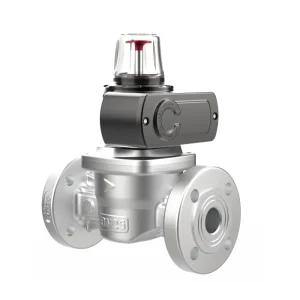
To address complex industrial hazards, safety protocols are moving away from isolated alarms. Modern industrial sites deploy comprehensive safety loops: gas detectors measure concentrations of target gases (such as methane, oxygen, carbon monoxide, and hydrogen sulfide) and communicate via Modbus or industrial IoT protocols to a central control unit. If a leak is detected, the system triggers audio-visual alarms and activates industrial solenoid valves (e.g., our KT-XF5 Series) to isolate the gas supply, containing the threat immediately.
The future of confined space safety lies in wireless technologies and machine learning. Wired installations can be difficult to deploy in subterranean and complex metallic environments. Next-generation systems use wireless protocols like LoRaWAN, Zigbee, and NB-IoT to transmit real-time telemetry from remote sites to command offices.
Additionally, applying AI and machine learning algorithms to gas sensor arrays allows systems to predict sensor drift and identify early-stage degradation. These smart diagnostics help safety managers schedule maintenance proactively, reducing false alarms and improving overall site safety.
Expert insights into regulatory standards, calibration, sensor life, and industrial gas safety system design.
Complete safety architectures with reliable control interfaces, pressure monitors, and valve technologies.