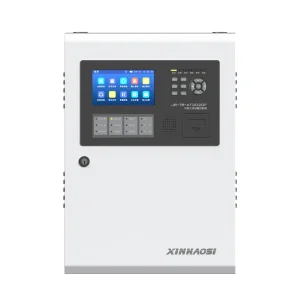
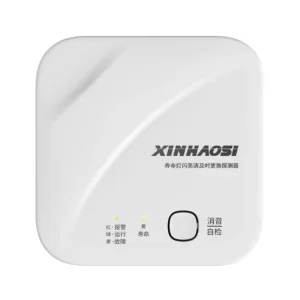
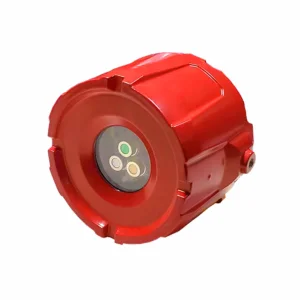
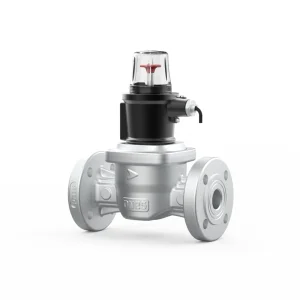
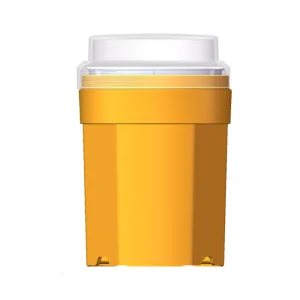
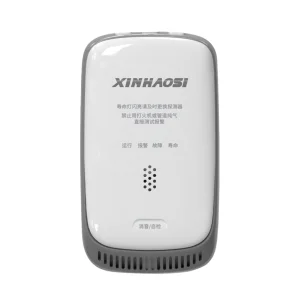
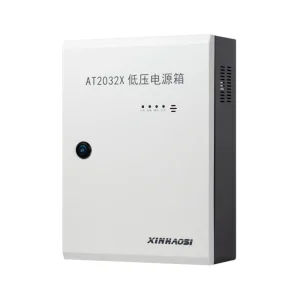
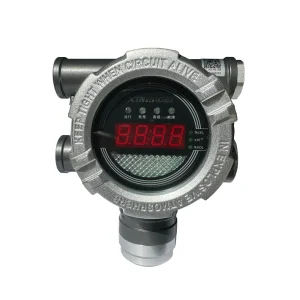
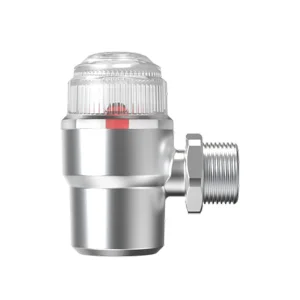
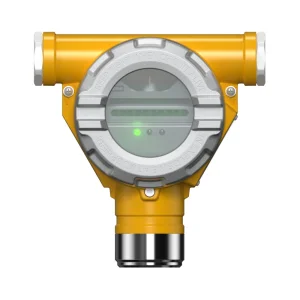
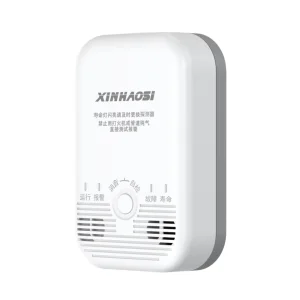
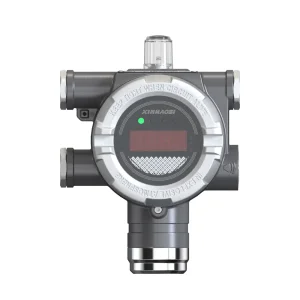
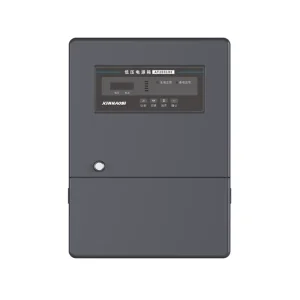
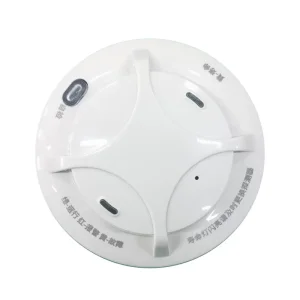
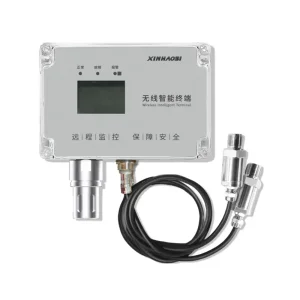
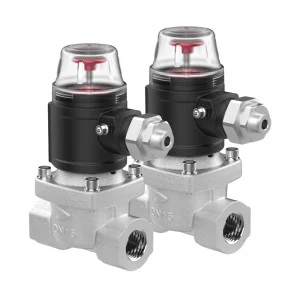
Discover our primary range of certified control units, explosion-proof transmitters, and automatic shutoff valves.
Chlorine ($Cl_2$) remains one of the most widely manufactured chemical agents worldwide, serving as a critical compound in municipal wastewater purification, chemical synthesis, plastics manufacture, and pharmaceutical processes. However, its high toxicity and corrosive nature represent severe operational safety hazards. Chlorine is highly toxic (OSHA PEL ceiling limit of 1 ppm) and behaves as a heavy gas that accumulates in low-lying zones.
To prevent localized workplace hazards and meet stringent international environmental regulations, industrial plants must deploy reliable, high-performance chlorine gas detector transmitters. These units continuously sample surrounding air for ppm or ppb leaks. Our advanced electrochemical sensing systems provide real-time metrics with zero-drift accuracy, helping industries protect their workforce and surrounding communities.
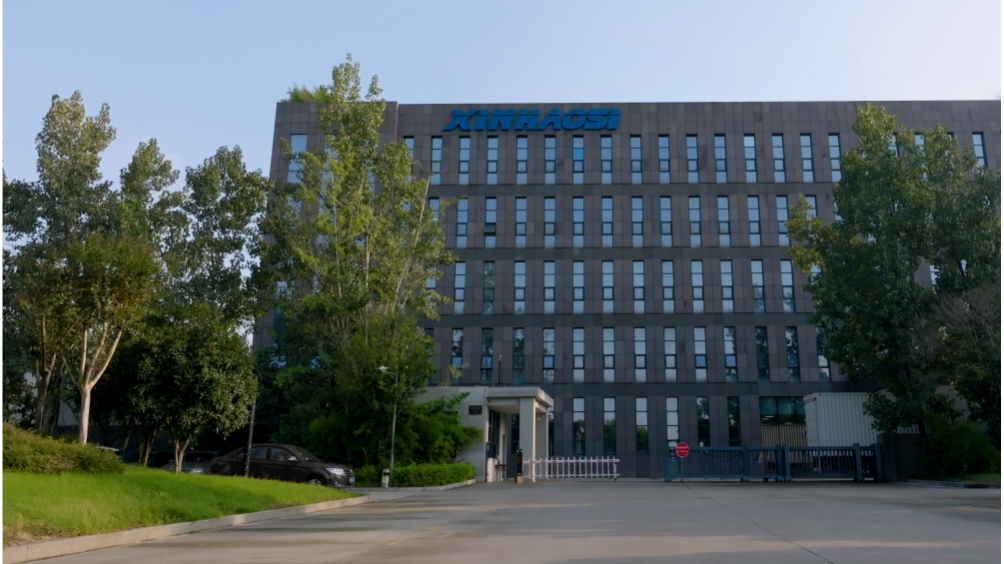
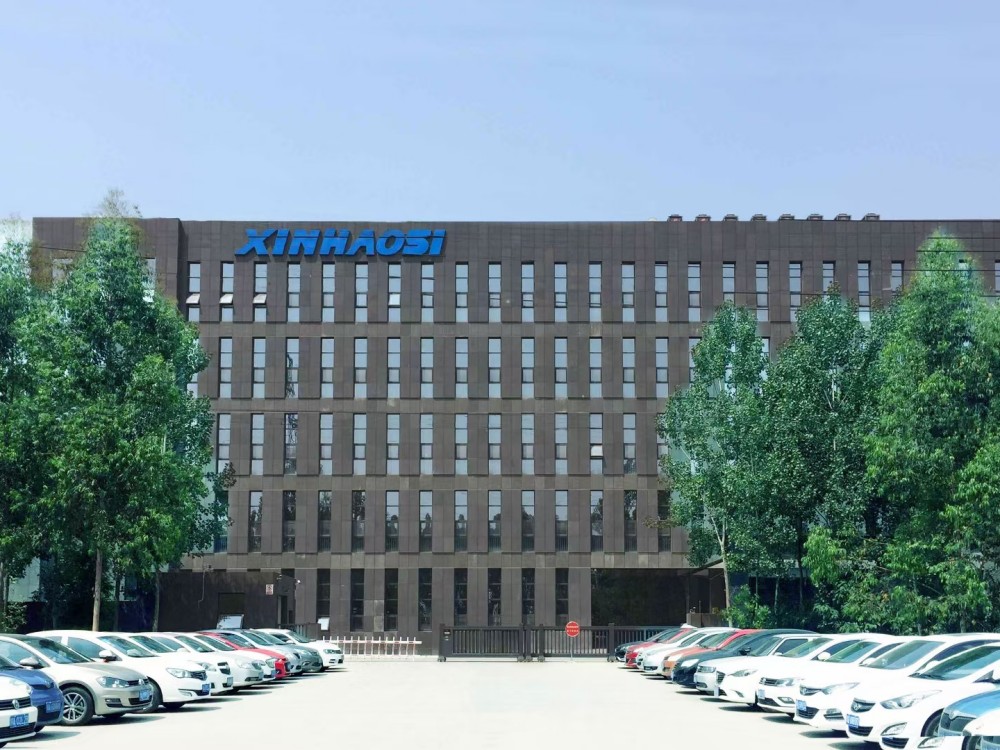
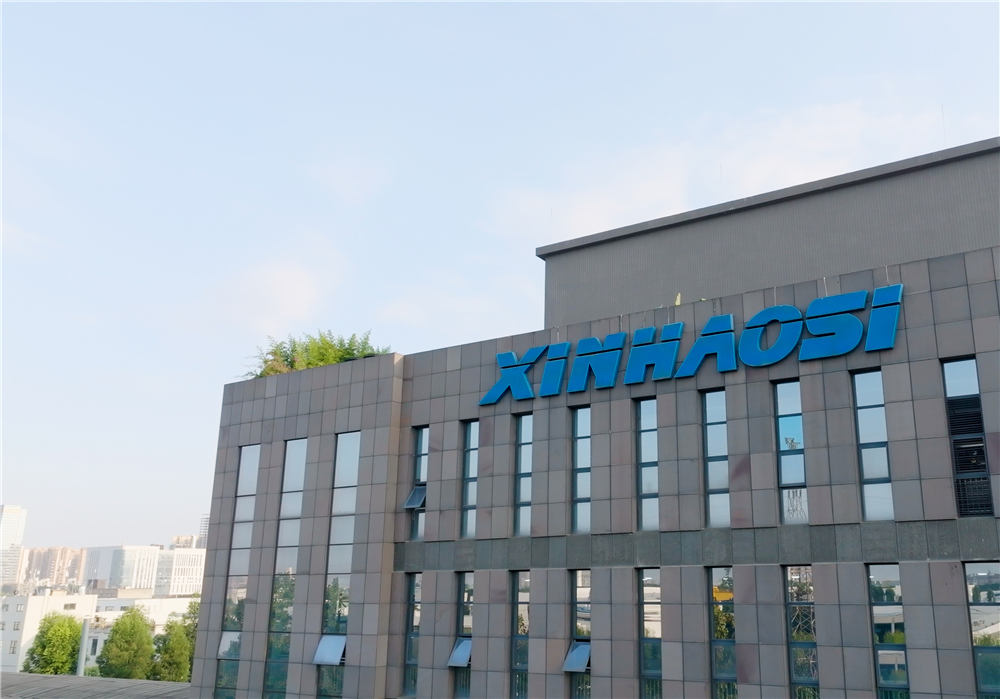
Chengdu Factory & Office - Research & Development Base
Undergoing intense technical evolution, our detectors employ state-of-the-art architectures to eliminate false alerts and boost response speed.
Utilizing high-selectivity membranes, our electrochemical chlorine sensors prevent cross-sensitivity to hydrogen, carbon monoxide, and acidic atmospheric elements, delivering exact metrics down to 0.1 ppm.
Integrated temperature and humidity microprocessors adjust sensor baselines dynamically. This technology mitigates environmental drift, extending calibration intervals up to 180 days.
Equipped with wireless LoRaWAN, NB-IoT, and 4G options, our monitoring terminals transmit toxic gas levels in real-time, allowing operators to monitor critical metrics via cloud-based safety platforms.
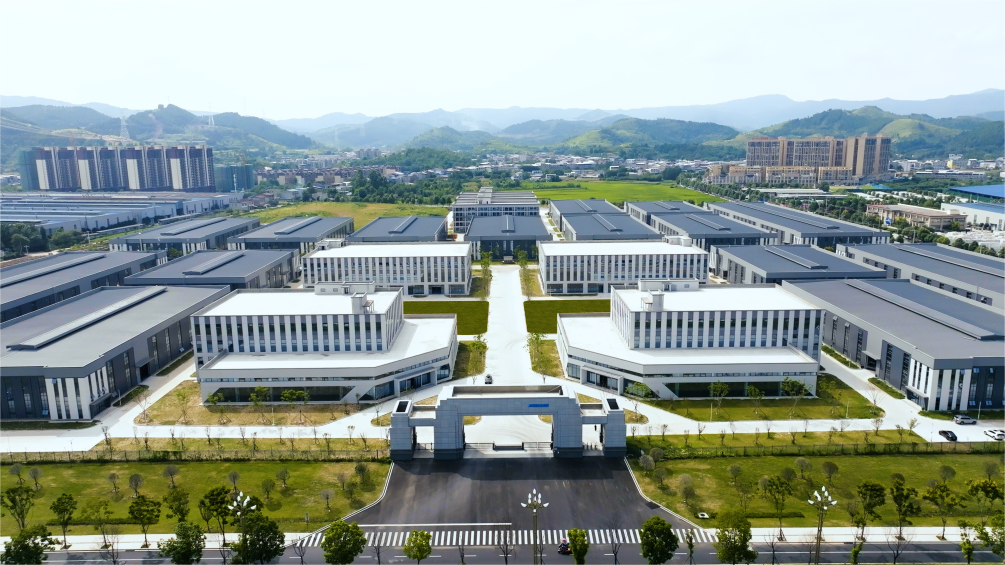
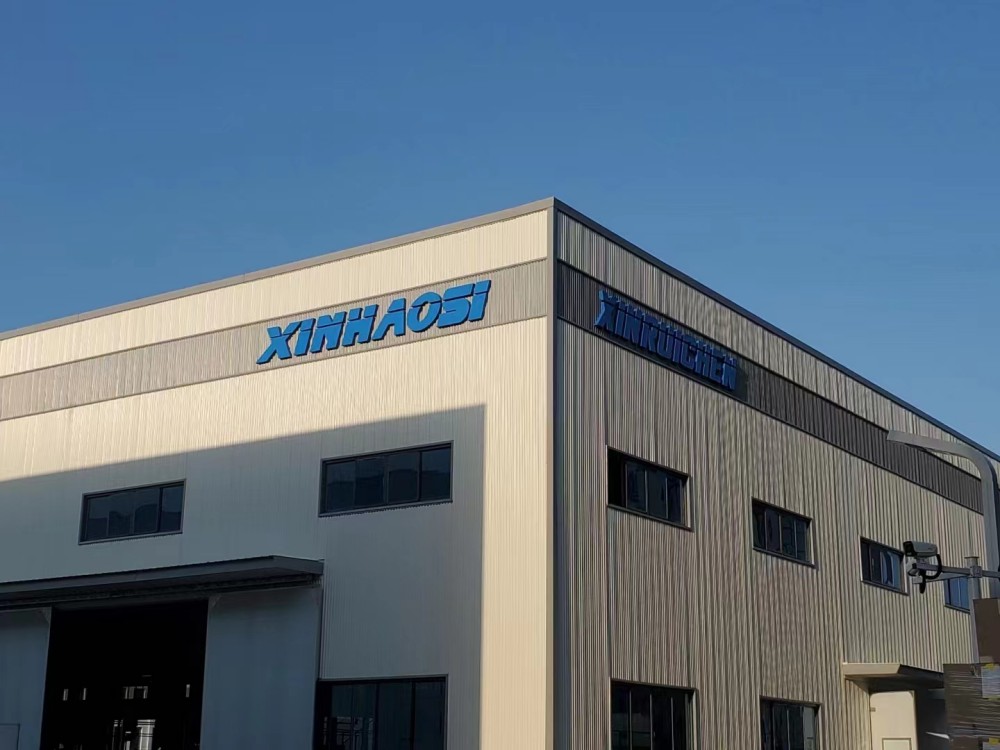
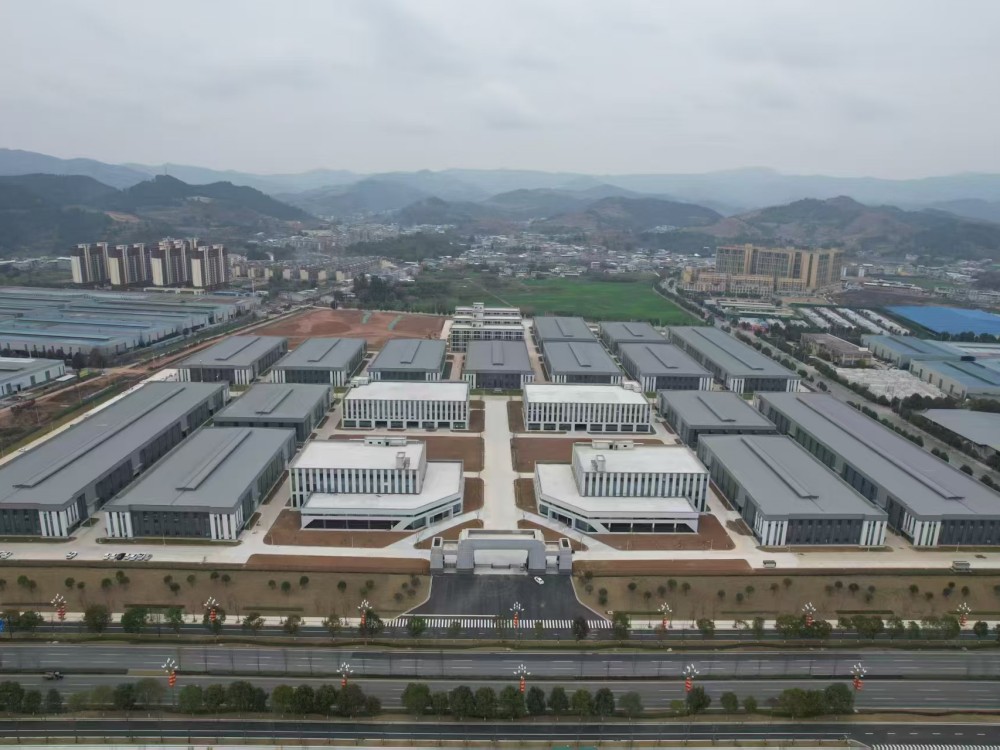
Deyang Smart Production Base
Founded in 2003, Xinhaosi is one of the most influential and trusted brands in the global gas safety industry. Over the past two decades, we have built a robust production and service system that integrates R&D, automated manufacturing, digital marketing, professional technical support, flexible OEM/ODM capabilities, and CNAS-accredited calibration services.
Our diversified product portfolio covers industrial & residential gas detection & alarm systems, industrial & household gas solenoid valves, and urban gas pipeline network monitoring systems. Engineered to adapt to complex environments and strict safety requirements, we produce and sell tens of millions of units annually, catering to industries like oil & gas, petrochemicals, urban gas distribution, automotive manufacturing, pharmaceuticals, new energy, steel, and food processing.
Guided by our mission of "Making Gas Safety Accessible Everywhere," every safety solution we deliver is backed by a professional team and rigorously tested to build a safer world with sustainable gas safety technologies.
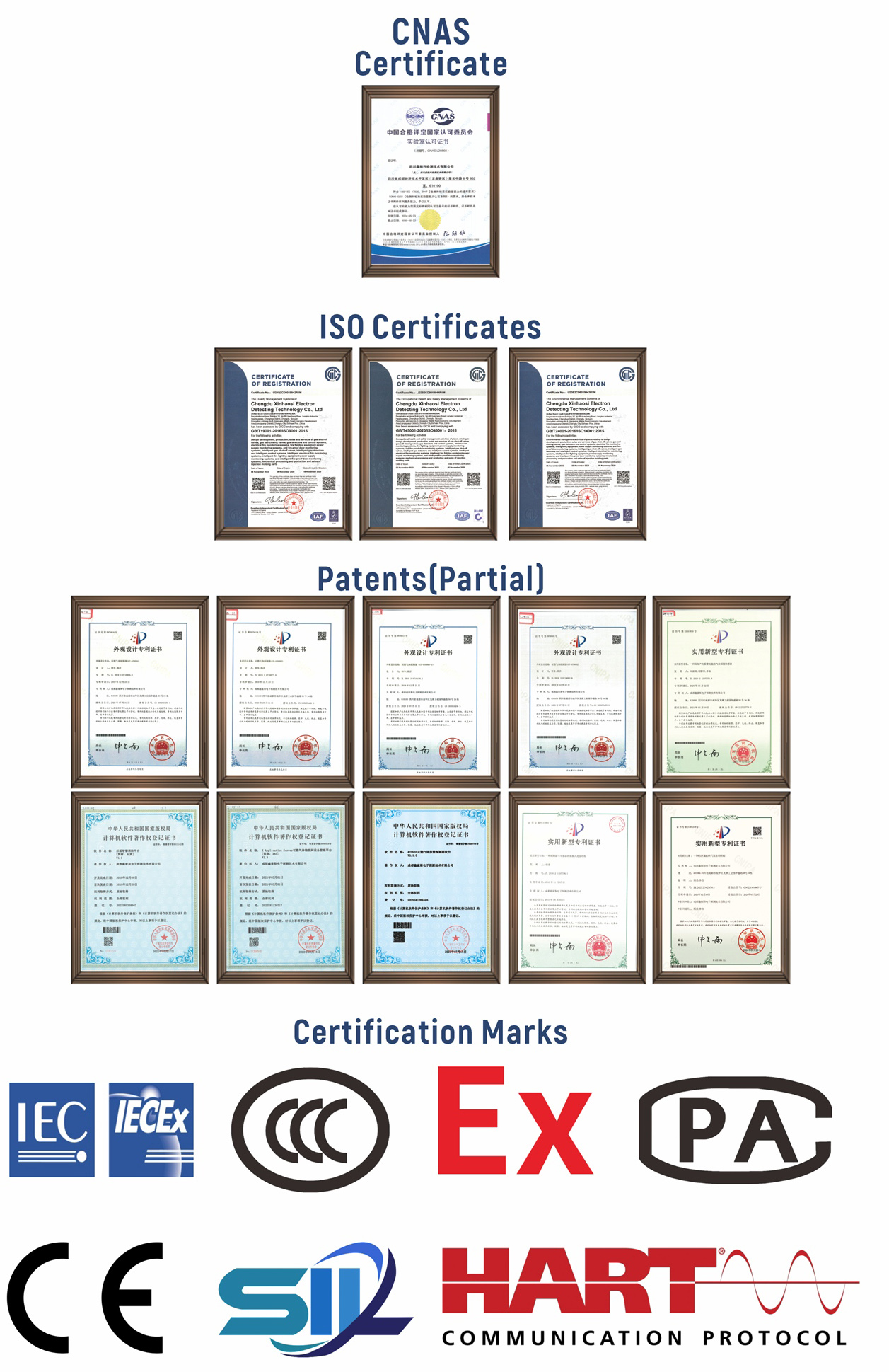
Adhering to ISO9001 quality management system standards, Xinhaosi's core products have obtained key authoritative certifications, including national compulsory Product Certification (CCC), explosion-proof certification, fire safety certification, CPA measurement instrument type approval, and international approvals such as CE and SIL certificates. We are honored as a "National Quality Integrity Benchmark Enterprise" and serve as a main drafting organization for national solenoid valve standards.
In intellectual property, we have established a robust innovation system with over 50 patents and software copyrights. Key innovations include a graphical gas monitoring system that enables predictive maintenance (reducing equipment failures by 30%) and specialized solenoid valves with built-in flow monitoring capabilities.
Our in-house calibration laboratory is accredited by the China National Accreditation Service for Conformity Assessment (CNAS), operating in compliance with ISO/IEC 17025. This ensures our test reports are recognized globally under the ILAC-MRA framework, guaranteeing compliance and market access.
Over 20 years of continuous growth, technological innovation, and production facility expansions.
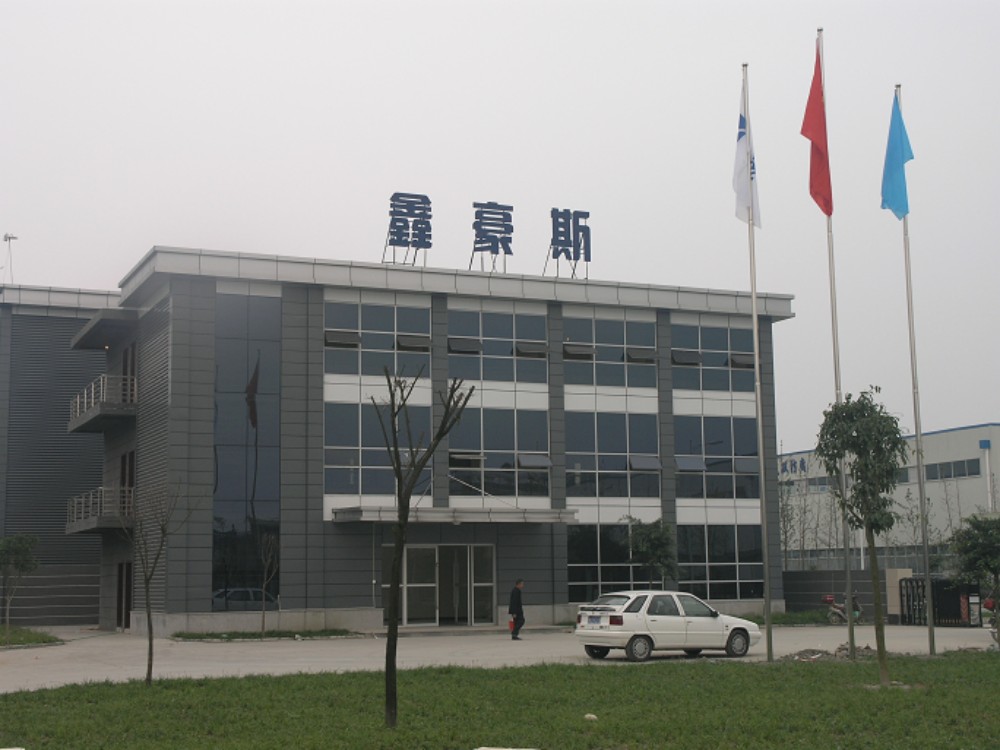

How our systems are configured to protect distinct global industrial settings.
Installed near dosing rooms and chemical storage areas. Interlocks with emergency extraction fans to manage leaks immediately.
Provides continuous monitoring in chlor-alkali and synthesis rooms, handling high temperature and chemical exposure.
Monitors gas concentration in bleaching chambers. Relies on corrosion-resistant enclosures for harsh conditions.
Sub-ppm gas monitoring in etching operations, integrated with local gas cabinet safety protocols and PLC controllers.
Detailed answers to standard industry engineering and installation queries.
Select from our range of safety equipment, audible alarms, power boxes, and smart terminals.