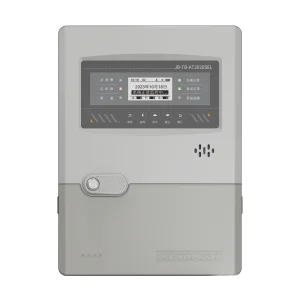
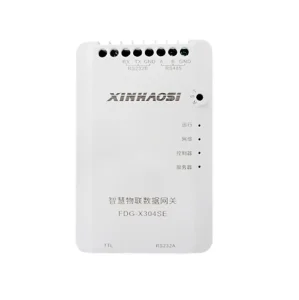
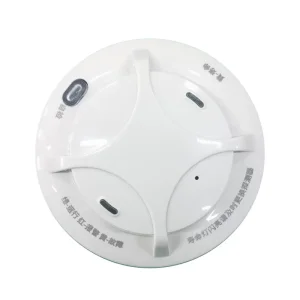
Explore our elite portfolio of industrial gas detectors, automated shutoff valves, and power management units trusted by global energy distribution systems.
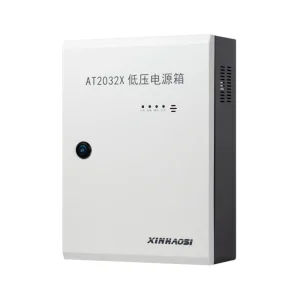
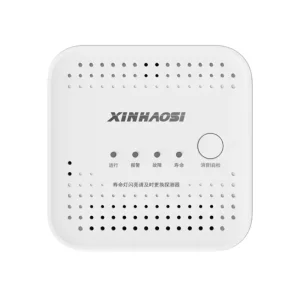
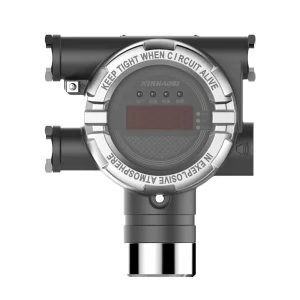
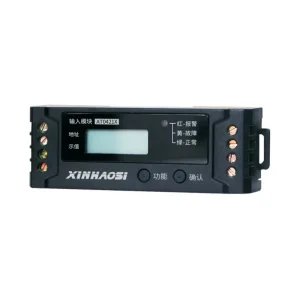
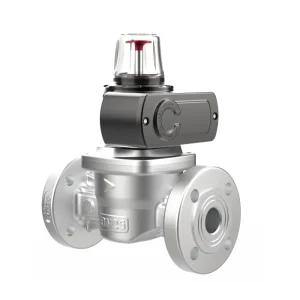
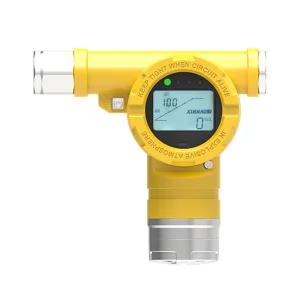
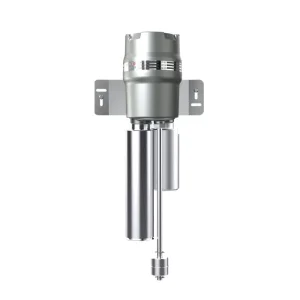
Carbon Monoxide (CO), globally categorized as the "silent killer," is a colorless, odorless, and tasteless gas resulting from the incomplete combustion of hydrocarbon fuels. For industrial complexes, commercial installations, and smart residential developments, sourcing and integrating carbon monoxide sensors of uncompromising reliability is a fundamental life safety mandate. Failures in CO monitoring loops can result in immediate acute toxicity, occupational health crises, and catastrophic regulatory liabilities.
As a global pioneer in gas detection systems founded in 2003, Xinhaosi provides end-to-end detection, alarm, and containment infrastructures. Combining cutting-edge electrochemical sensor research with robust smart safety valve integration, we deliver systems engineered to withstand severe environments, mitigate baseline drift, and ensure continuous operation for decadal lifecycles.

Deciphering electrochemical cell kinetics, longevity factors, and cross-sensitivity mitigation protocols for enterprise engineering applications.
Our high-performance carbon monoxide detectors utilize premium three-electrode electrochemical cells (working, counter, and reference electrodes) immersed in organic or aqueous acid electrolytes. The sensor measures current generated by the oxidation of Carbon Monoxide (CO + H2O → CO2 + 2H+ + 2e-) at the working electrode, providing linear response, high sensitivity, and stable baseline parameters.
One of the primary failure vectors in industrial environments is cross-sensitivity to Hydrogen (H2), Ethanol, and other hydrocarbons. Our high-quality CO sensors integrate physical chemical catalytic filters inside the diffusion path. For hydrogen-heavy sectors like petrochemical plants or steel processing, we supply specialized low-hydrogen-sensitivity models preventing false positive alarms.
Environmental factors like temperature shifts (-40°C to +70°C) and variable relative humidity (15% to 95% RH) can induce baseline drift in electrochemical cells. Our intelligent safety detectors feature on-board microprocessor-driven algorithms that continuously monitor temperature and calculate compensation curves, preventing false alarms and extending sensor lifespan to 7-10 years.
Why compliance is non-negotiable. Reviewing national mandatory regulations, explosion-proof zones, and safety integrity levels.

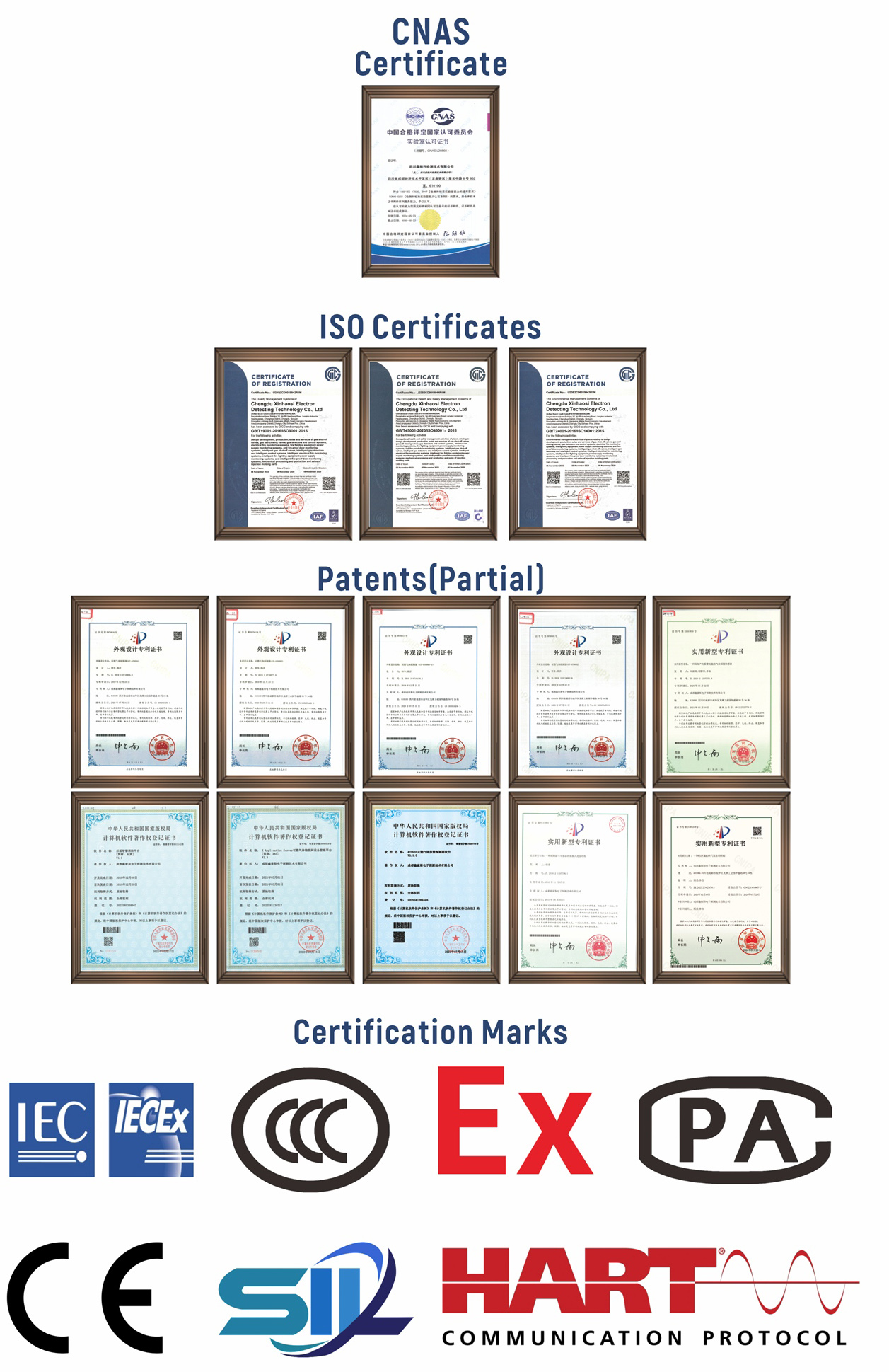
Product certification is the baseline of safety engineering. Operating in compliance with ISO9001 quality management guidelines, our systems secure standard credentials, including the national compulsory Products Certification, fire product certification, explosion-proof certification, and the CPA measurement instrument type approval certificate. On the international front, our devices conform to rigorous EU and North American frameworks including CE and SIL (Safety Integrity Level) certifications.
Crucially, Xinhaosi operates an in-house calibration and testing laboratory fully accredited by the China National Accreditation Service for Conformity Assessment (CNAS). Functioning under the global ILAC-MRA framework, our lab aligns with ISO/IEC 17025 standards, delivering traceable testing and validation reports that ensure seamless clearance through international customs and municipal safety inspections.
Defines testing protocols and performance criteria for electrical apparatus used to detect Carbon Monoxide in domestic premises. Our household CO alarms comply with both EN 50291-1 (general requirements) and EN 50291-2 (leisure vehicles and boats).
Specifies performance curves requiring alarms at specific carbon monoxide concentrations over time (e.g., 70 ppm for 60-240 minutes, 400 ppm for 4-15 minutes). Our engineering process ensures full calibration mapping matching these thresholds.
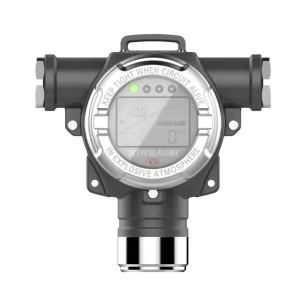
For chemical refiners and industrial oil/gas operations, sensors must be housed in explosion-proof enclosures. Our heavy industrial lines (such as the XP3000 series) are certified to meet Ex d IIC T6 Gb class parameters, safe for Zone 1 and Zone 2 hazard areas.
To integrate gas sensors within Emergency Shutdown (ESD) architectures, systems must prove high reliability. Our software and hardware designs are engineered to support functional safety loops up to SIL 2 level, reducing systemic failure risk by over 30%.
How our dual manufacturing clusters in Chengdu and Deyang optimize raw component sourcing, assembly automation, and cost efficiencies.
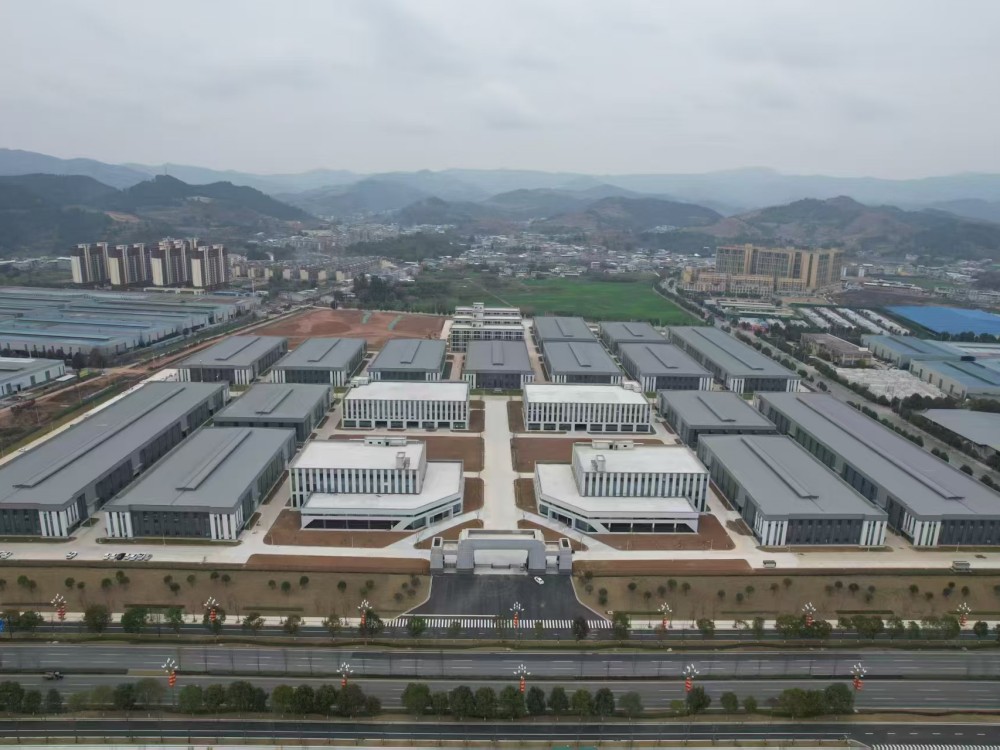
Sourcing from China presents significant cost benefits, but the key to long-term success is choosing a manufacturer that controls quality from the raw material level to the finished system. Our primary engineering and headquarter base in Chengdu works alongside our high-volume automated manufacturing facility in Deyang to establish a resilient vertical integration model.
From the precise chemical formulation of our sensor electrodes to automated SMT (Surface Mount Technology) circuit assembly and environmental test chambers, we reduce third-party supply dependencies. This allows us to scale manufacturing to tens of millions of units annually, delivering short lead times and stable pricing, even during global component supply crises.
Furthermore, as a main drafting organization for China's national solenoid valve standard, Xinhaosi has set the benchmark for gas safety valves. This gives us a deep understanding of valve actuation and gas flow control dynamics, enabling us to provide uniquely integrated safety solutions.
Targeted configurations for municipal tunnels, smart HVAC systems, explosion-risk zones, and high-density residential buildings.
Integrating networked carbon monoxide sensors within heating, ventilation, and air conditioning systems allows commercial parking garages and office towers to run demand-controlled ventilation. This optimizes safety while reducing ventilation fan power consumption by up to 40%.
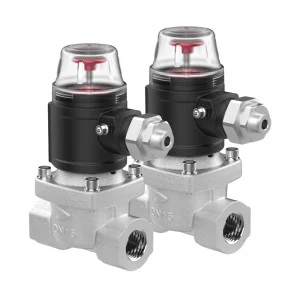
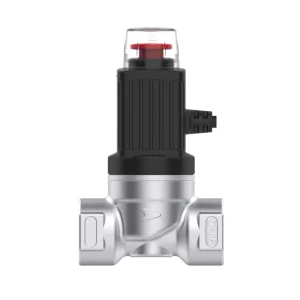
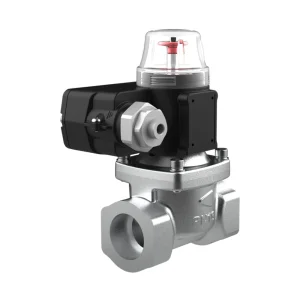
For smart home developers and residential gas utility suppliers, our household carbon monoxide alarms link with smart safety shutoff valves (such as our XF2 Series). If a leak occurs, the system automatically triggers a valve shutdown while sending alerts via Zigbee, LoRaWAN, or Wi-Fi.
In high-risk areas like oil and gas processing facilities or steel mills, carbon monoxide hazards often co-exist with combustible gases. Our ATEX/IECEx explosion-proof detectors (like the GTQ-XP4000) are engineered to operate in Zone 1 environments, interfacing with central DCS monitoring hubs.
Underground municipal utility tunnels and coal mining shafts require durable gas monitoring systems. Our bus-type underground gas monitors (such as the AT0605 Series) provide dust, humidity, and vibration protection, maintaining performance even in harsh subterranean settings.
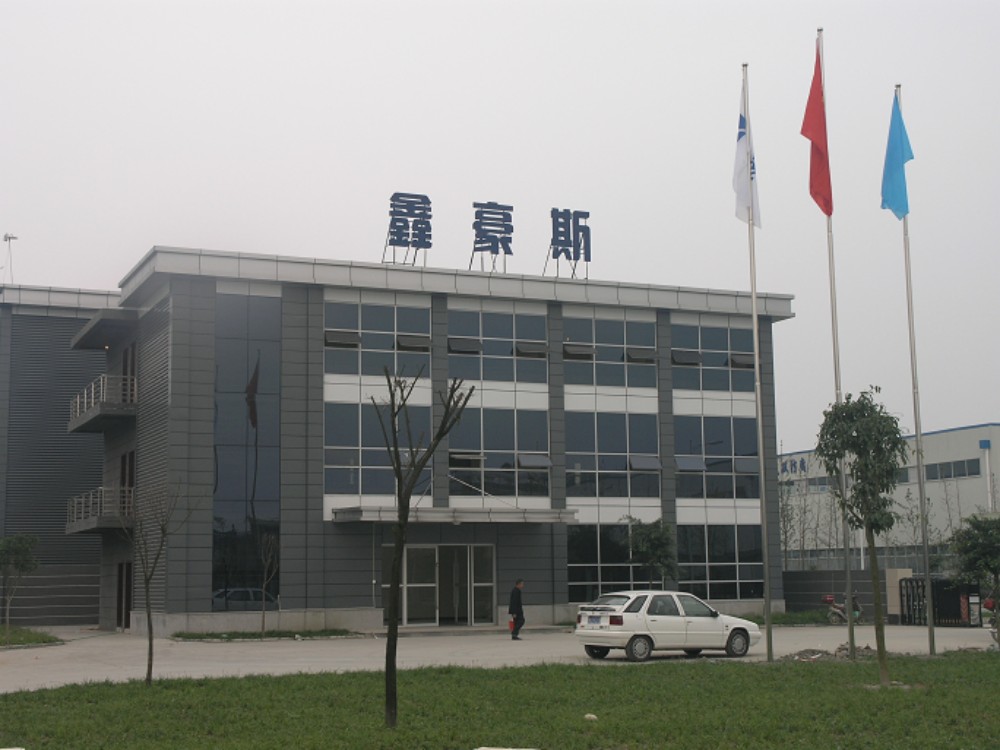
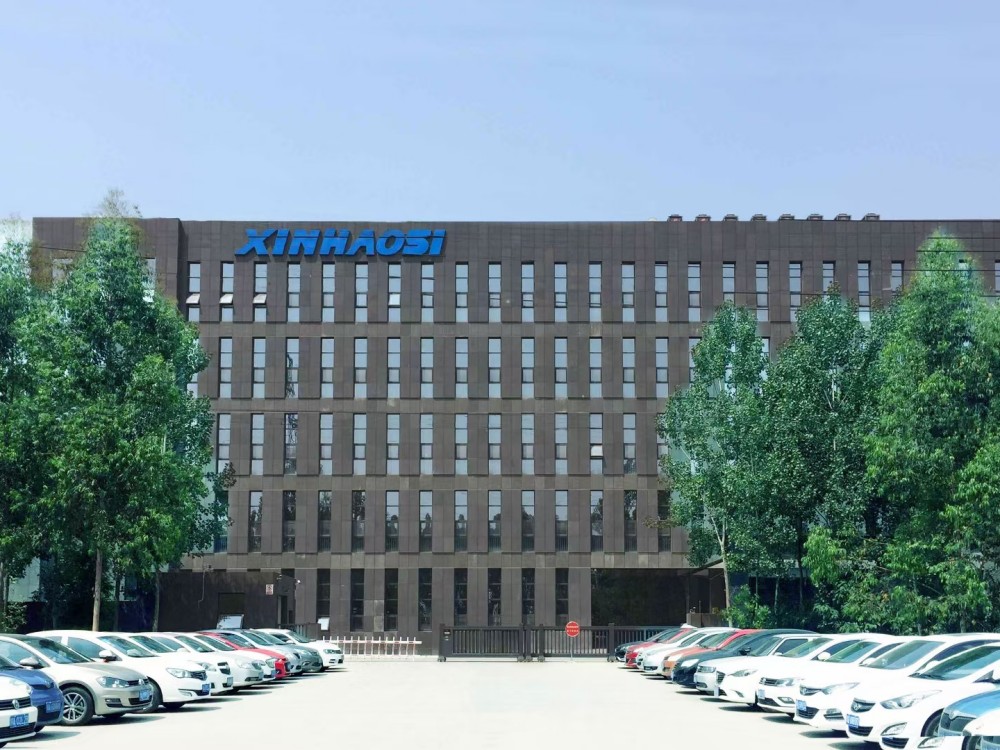
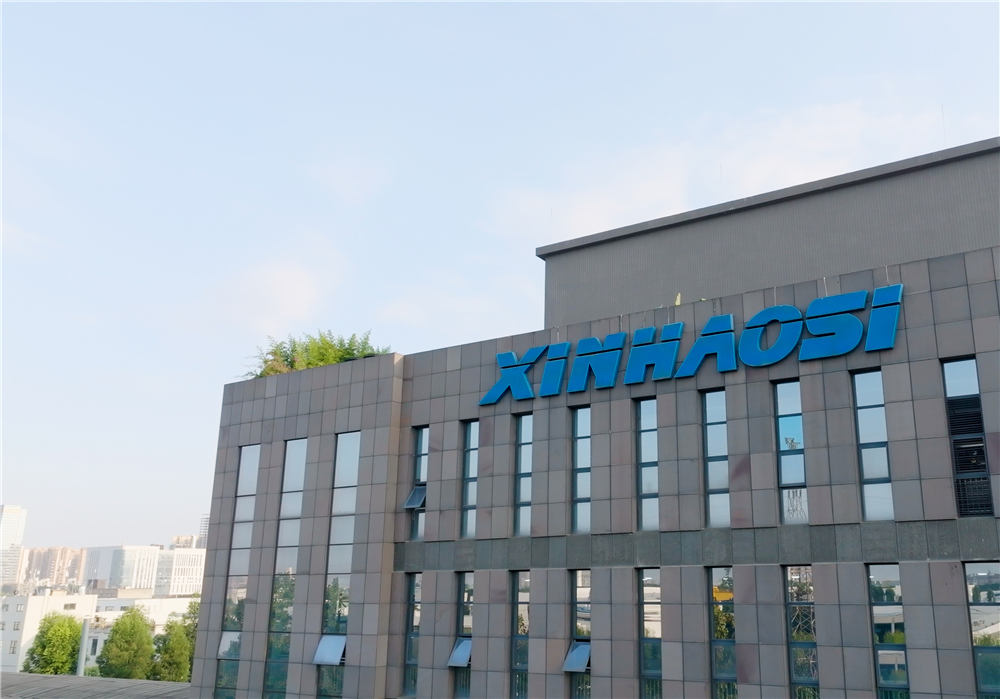
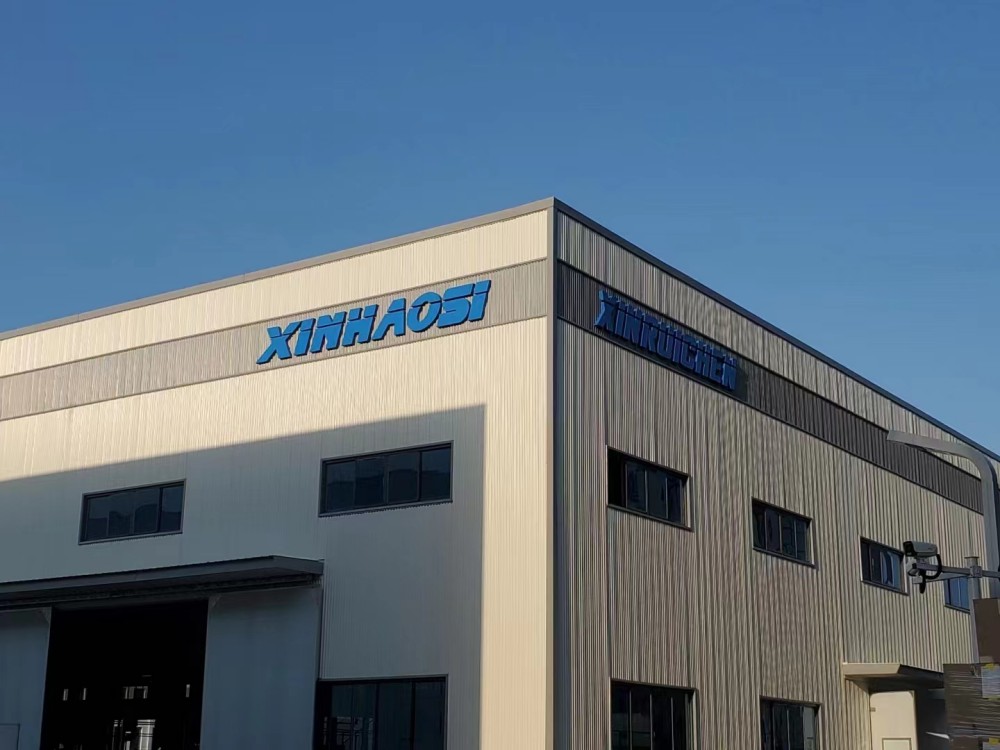
From our founding on April 17, 2003, to our position as an industry pioneer in IoT-based gas safety systems and smart safety valves.

Answers to technical, regulatory, and mechanical questions commonly raised by B2B procurement managers and safety engineers.
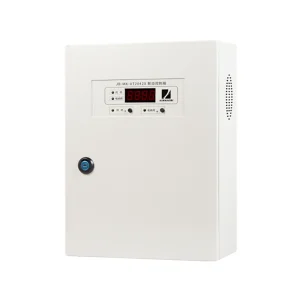
Select from our range of safety interlock controllers, multi-channel gateways, and domestic gas valves to build a complete safety network.