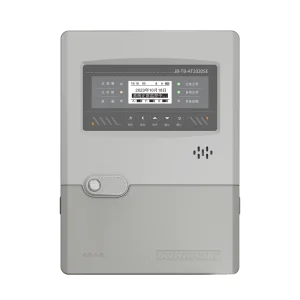
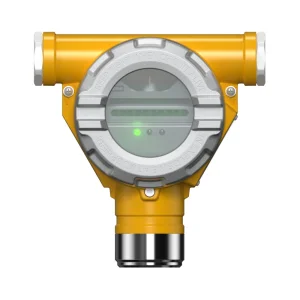
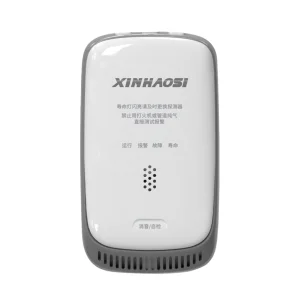
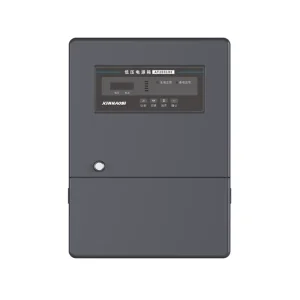
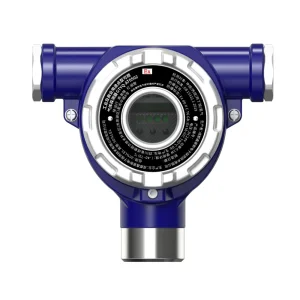
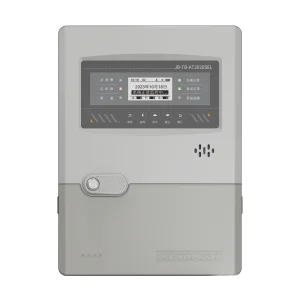
The global commercial and industrial landscape is undergoing a critical transition in environmental safety protocols. Atmospheric monitoring systems are no longer treated as standalone containment alerts. Instead, modern industrial operations—ranging from deep-sea petrochemical platforms and heavy refineries to semiconductor cleanrooms and urban gas grids—demand highly integrated, continuously operating digital ecosystems. Regulatory frameworks such as OSHA, EU-OSHA, and national environmental safety decrees have mandated strict limits on fugitive emissions, volatile organic compounds (VOCs), and combustible gas exposures.
Consequently, global industrial demand is pivoting toward systems that combine optical detection, electrochemical sensing, and catalytic combustion technologies. Organizations look to mitigate operational risk, secure hazardous facilities, and optimize production downtime. The deployment of smart atmospheric monitors and explosion-proof gas controllers acts as the first line of defense in complex process systems, preventing catastrophic property damage, human loss, and environmental contamination.
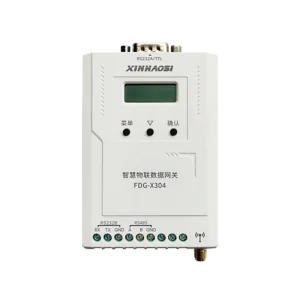
Traditional hardwired gas networks are rapidly giving way to low-power WAN, Zigbee, and cellular IoT architectures. Modern field gateways process data at the edge, offering real-time telemetry straight to cloud-based monitoring panels without extensive cabling costs.
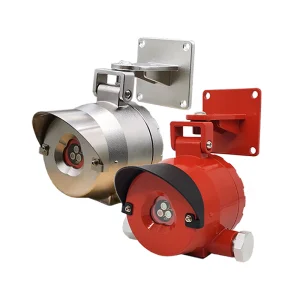
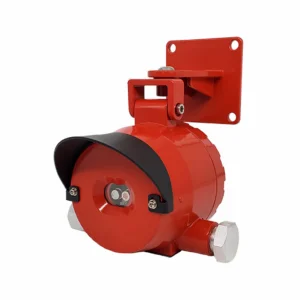
Optical flame detection now utilizes triple infrared (3IR) and ultraviolet-infrared (UV/IR) spectrum analysis. This highly reduces false alarm triggers caused by arc welding, hot processes, or solar radiation while maintaining reaction speeds under 100 milliseconds.
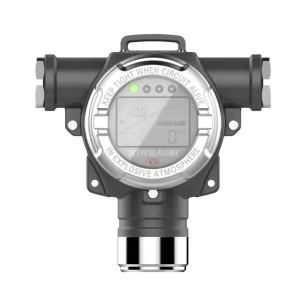
State-of-the-art atmospheric sensors self-monitor drift, sensitivity degradation, and calibration health. Using historical baseline data, processors can predict exact failure rates, alerting maintenance personnel before the system's safety integrity level (SIL) drops.
Founded in 2003, Xinhaosi is one of the most influential and trusted brands in the global gas safety industry. Over the past two decades, we have steadily built a robust and comprehensive production and service system, which integrates cutting-edge R&D, intelligent manufacturing with advanced automation equipment, digital marketing across global channels, professional after-sales support with an experienced technician team, flexible OEM/ODM services, as well as CNAS-Accredited laboratory calibration services that meet international standards.
Our diversified product portfolio covers industrial & residential gas detection & alarm systems, industrial & household gas solenoid valves, and urban gas pipeline network monitoring systems—all engineered to adapt to complex working environments and strict safety requirements. We produce and sell tens of millions of units annually, catering to a wide range of industries that demand reliable gas detection solutions, including oil & gas exploration and production, petrochemicals, urban gas distribution, automotive manufacturing, pharmaceuticals, new energy, steel production, and beverage processing.
Guided by the core mission of “Making Gas Safety Accessible Everywhere,” we consistently deliver high-performance, reliable products and customized solutions tailored to each client’s unique needs. Every item we manufacture undergoes rigorous quality control tests, and every service we provide is backed by our professional technical team, fully embodying our unwavering commitment to safeguarding gas safety across both industrial workplaces and residential environments, and striving to build a safer world with sustainable gas safety technologies.
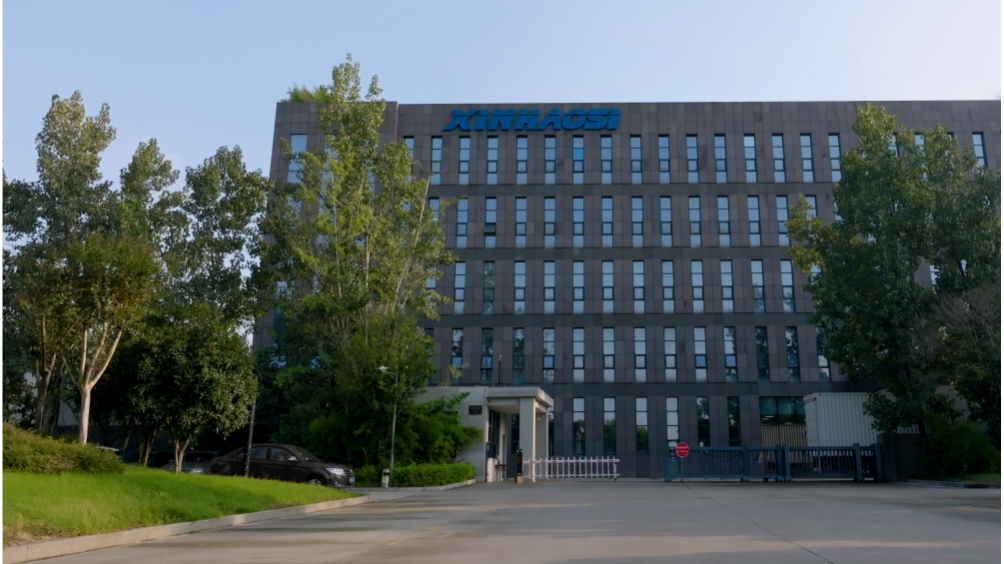
Chengdu Factory & Office

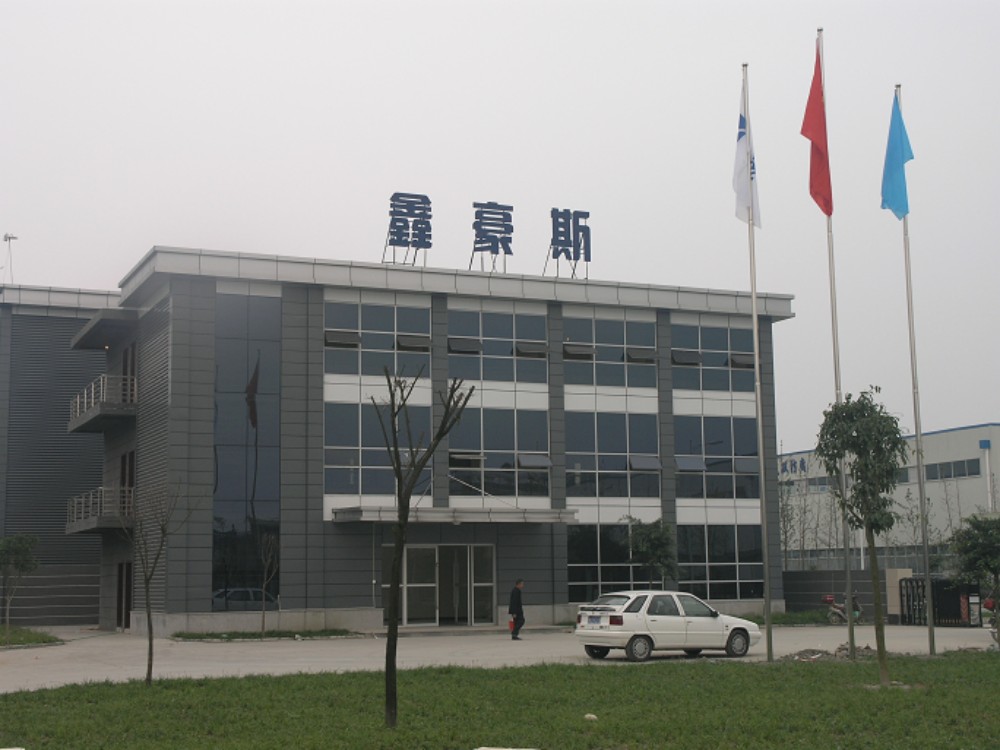
Deyang Factory
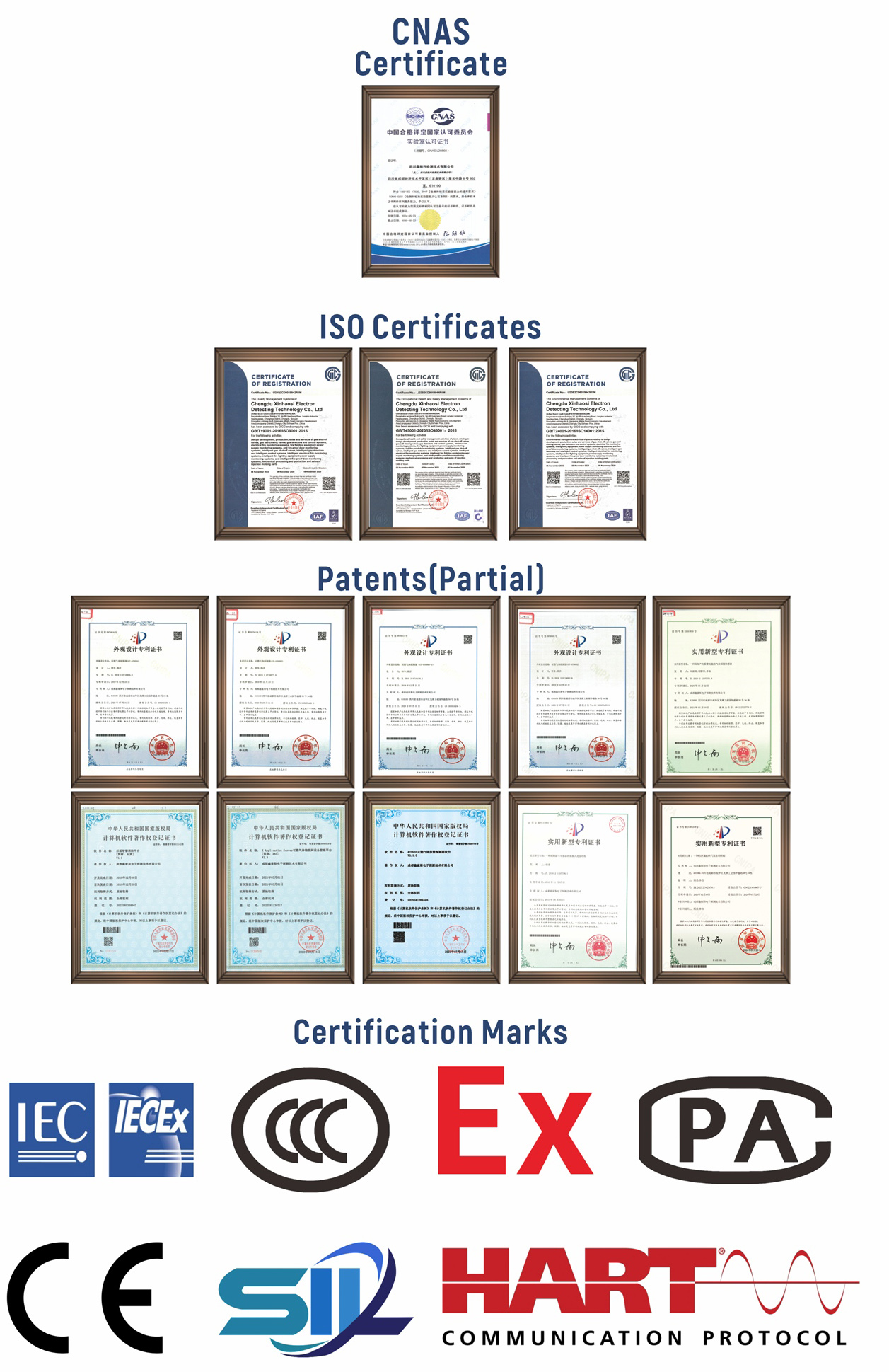
Adhering to ISO9001 quality management system standards, Xinhaosi's core products have obtained a full range of authoritative certifications, including national compulsory Products Certification, explosion-proof certification, fire product certification, CPA measurement instrument type approval certificate, and international approvals such as CE and SIL. Additionally, Xinhaosi holds honors such as "National Quality Integrity Benchmark Enterprise", "National Quality Leading Enterprise in the Gas Alarm Industry," member of the China Fire Protection Association, and the main drafting organization for the national standard of solenoid valves, further confirming its industry influence and reputation.
In the field of intellectual property, Xinhaosi has built a robust innovation system with over 50 patents and software copyrights. These patents cover core technological areas, including a graphical monitoring system for gas detection and alarm, which enables predictive maintenance based on historical data to reduce equipment failure rates by over 30%, and a solenoid valve with flow monitoring functionality that integrates flow detection and alarm capabilities. The company also pioneered China's first networked bus-type gas leakage monitoring system and the only maximum-point gas leakage monitoring system certified by the Ministry of Public Security, demonstrating its leading position in cutting-edge technological research.
Our in-house laboratory is accredited by the China National Accreditation Service for Conformity Assessment (CNAS), recognized both domestically and internationally under the ILAC-MRA framework. It operates in accordance with ISO/IEC 17025, the international standard for testing and calibration laboratories. It provides reliable and traceable testing services for gas detection and alarm products, solenoid valves, and related safety equipment. Test reports issued by the CNAS-accredited laboratory are widely accepted by regulatory authorities, certification bodies, and customers in China and overseas, helping to ensure product quality, safety compliance, and market access.
Modern procurement directors within petrochemical and infrastructure sectors prioritize several high-stakes requirements when sourcing environmental safety technologies. First, equipment must strictly conform to localization standards such as ATEX in Europe, UL in North America, and various explosion-proof classifications in Asian markets. Without verifiable testing certifications, safety infrastructure cannot pass local operational audits.
Second, procurement values modularity and ease of maintenance. Replacing entire sensing units is costly and causes significant process downtime. Thus, systems featuring hot-swappable sensor modules, auto-calibration systems, and universal controller interfaces are heavily favored. Ultimately, purchasing managers focus on total cost of ownership (TCO). A lower initial purchase price often leads to massive operational expenses if sensors drift frequently or require specialized external technicians for basic calibration. Working directly with integrated manufacturer-exporters ensures dedicated technical support, spare parts availability, and scalable customization options.
● Established in Apr. 17th, 2003.
● Launched the 1st generation of gas leak alarm & fire fighting products.
● Started gas safety valve production.
● Expanding on OEM business.
● Moved to the office building in Longtan industrial park.

● 10 millions pcs gas detector sales achieved.
● Moved into Chengdu factory building.
● Completed sales & service network across China.
● Launched the fire power monitoring system products.
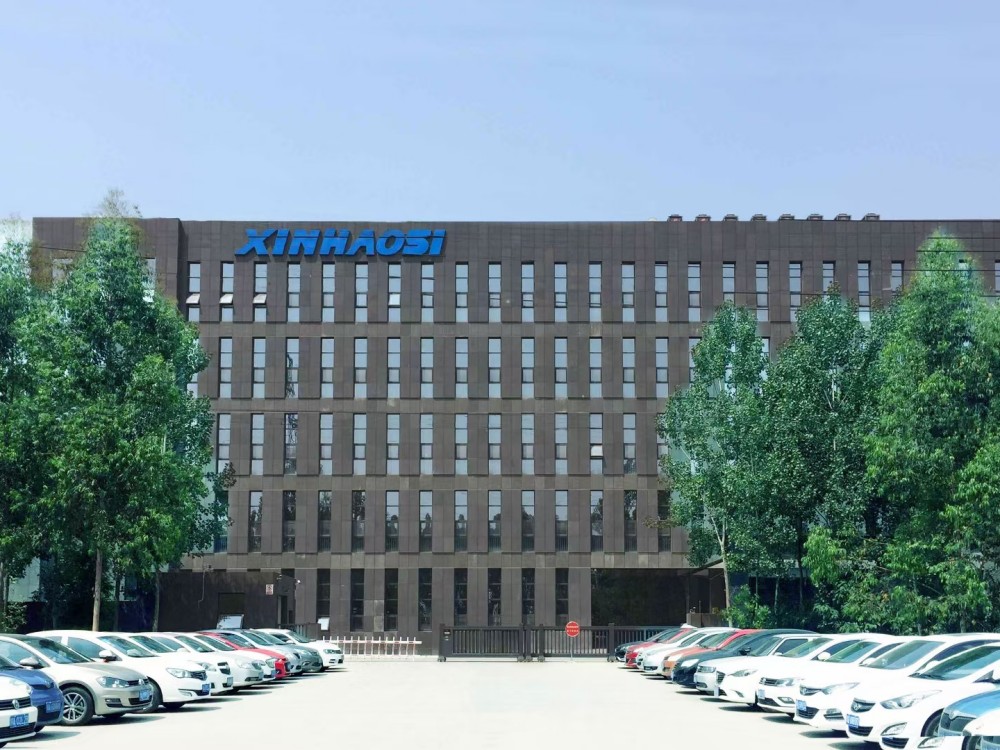
● Self-developed IoT platform launched.
● Launched fire automatic alarm, emergency lighting, and evacuation systems.
● Obtained high-tech enterprise certificate.
● Qualified official supplier of China’s top 5 gas suppliers.
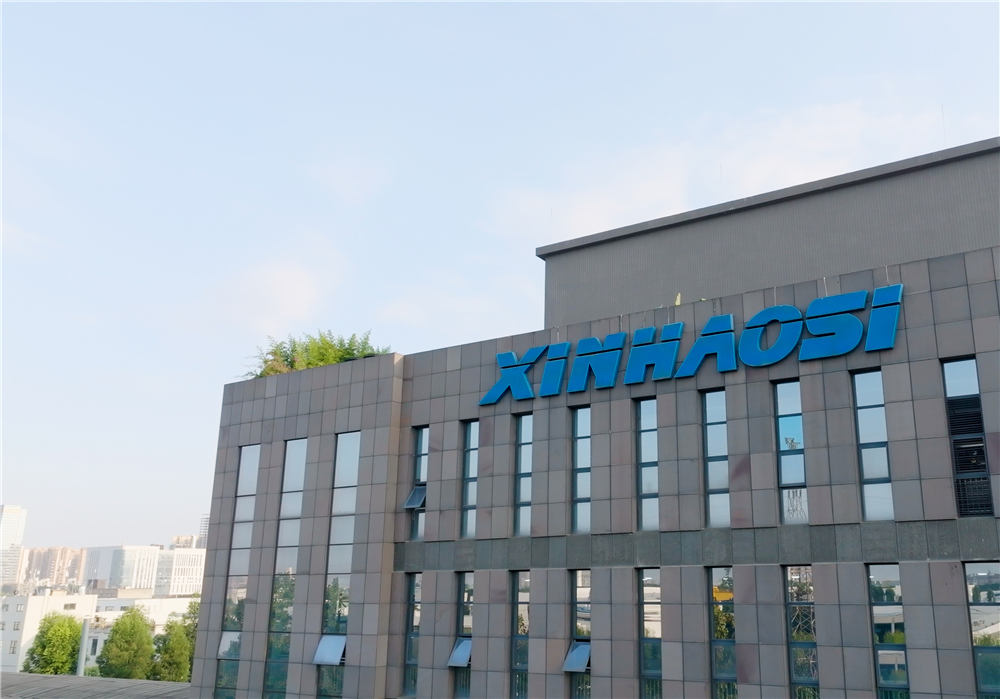
● Started Deyang factory construction.
● Established the Petrochemical & International business Division.
● Awarded the title of Sichuan Provincial Technology Center.
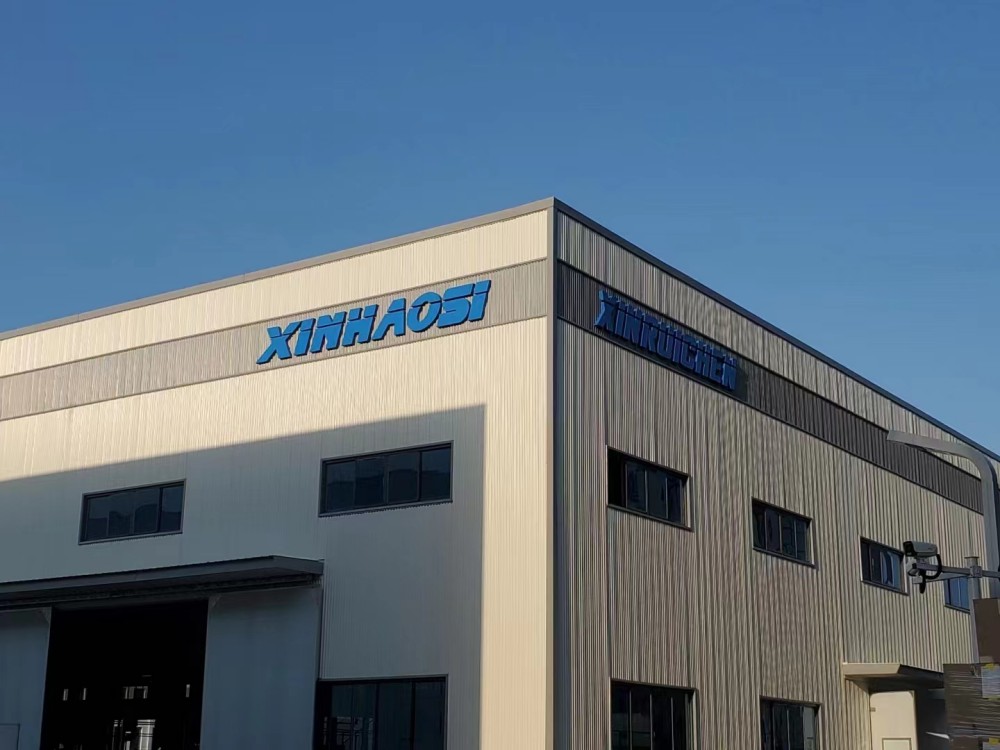
● Deyang factory construction completed and operation started.
● Launched urban gas pipeline network monitoring products.
● Launched wireless detection products.
● Launched AI safety valve products.
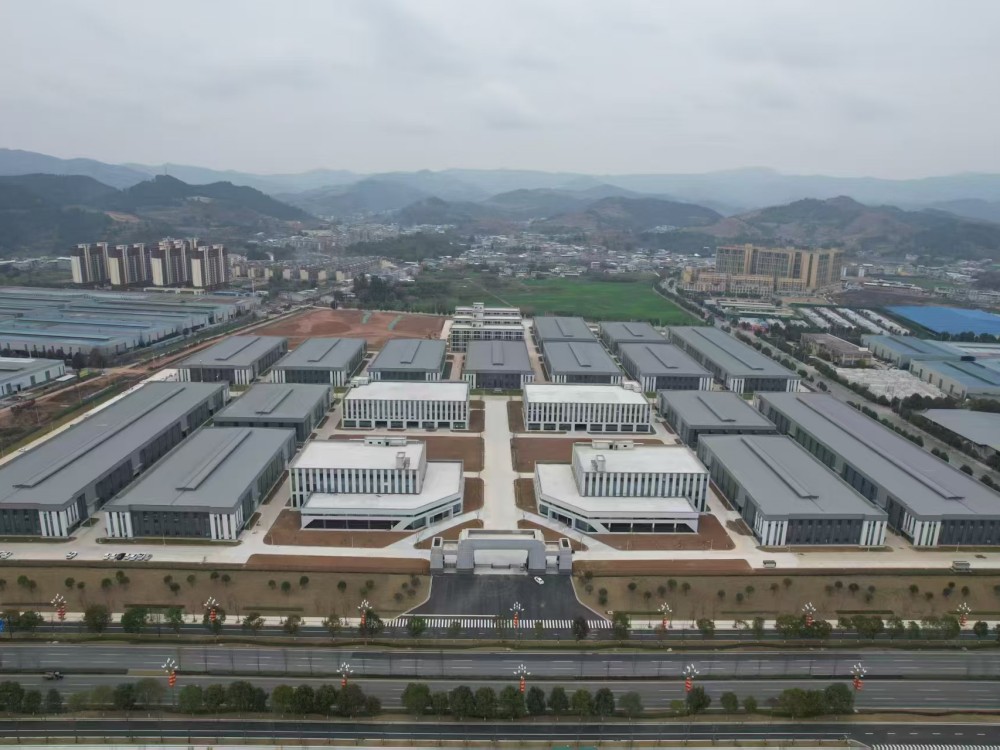
The modernization of Xinhaosi manufacturing plants in Chengdu and Deyang highlights the power of China's Industry 4.0 paradigm. Our facilities are built around integrated cyber-physical networks, combining automated Surface Mount Technology (SMT) lines, robotic testing stations, and digital ERP systems. By using real-time quality control checks at every stage, human assembly error is minimized, ensuring that every safety component behaves predictably under industrial stress.
This deep technological footprint provides key supply chain advantages. Strong vertical integration allows us to keep large reserves of raw materials and control critical calibration, packaging, and sensor staging operations under one roof. Consequently, our operations remain insulated from geopolitical supply shocks and microchip shortages. For global distributors and OEM buyers, this localized ecosystem delivers unbeatable unit economics, flexible hardware configuration, and shorter delivery windows compared to traditional manufacturers.
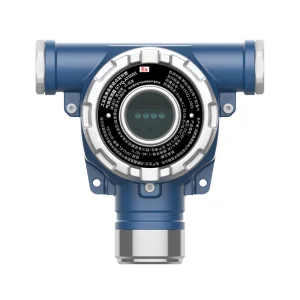
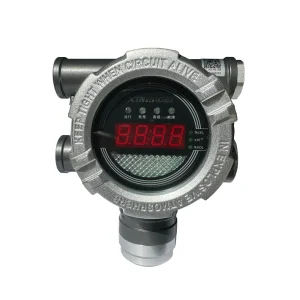
Harsh offshore environments present extreme wind, moisture, and corrosion levels. Our explosion-proof transmitter systems are housed in rugged, corrosion-resistant enclosures, ensuring 24/7 detection of flammable methane, butane, and hydrogen sulfide gases.
Distribution networks span vast underground grids, requiring low-maintenance safety sensors. Our specialized pipeline transmitters provide localized monitoring, battery-efficient operation, and remote alert functions to prevent hazardous build-ups in utility shafts.
Modern properties demand discreet, high-reliability safety measures. Sleek residential and commercial gas alarms run on smart network protocols, triggering emergency shutoff valves (solenoid controls) immediately when a carbon monoxide or natural gas leak is verified.