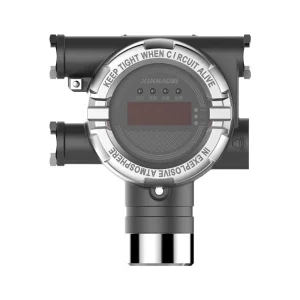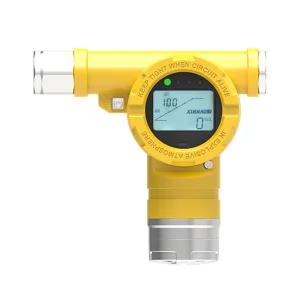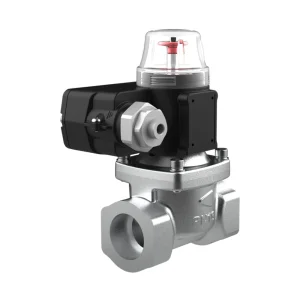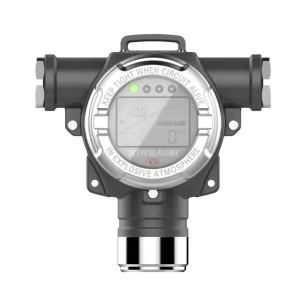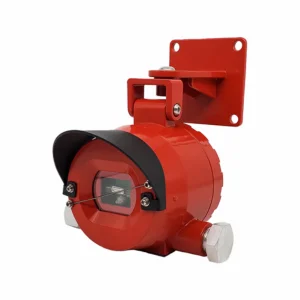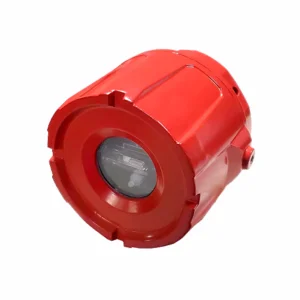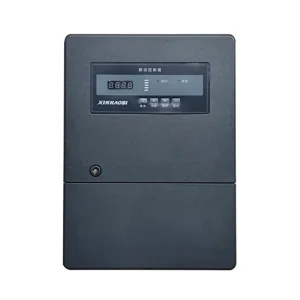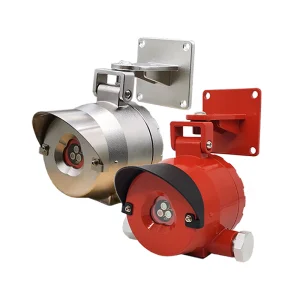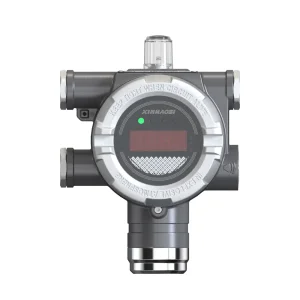


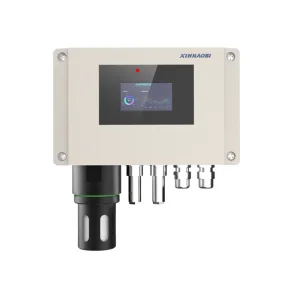
In modern high-capacity gas systems, the 1 Gas Valve (often referring to 1-inch DN25 or Class A/Class 1 certified systems) provides critical safety shut-off control. When linked to smart gas detectors, it cuts off gas flow in milliseconds to prevent catastrophies.
Next-generation Class 1 emergency shutdown valves feature integrated IoT sensors that monitor pressure drops, coil temperatures, and electrical feedback, achieving predictive maintenance and lowering system failure rates by over 30%.
Designed and manufactured under stringent ISO 9001, SIL 2, CE, and national standard certifications. Our valves undergo exhaustive hydrostatic leak testing and helium sealing checks to guarantee zero pipeline emissions.
The industrial application of gas control devices demands a deep understanding of fluid dynamics, material resistance, and explosion-proof constraints. As a premier global supplier of 1" and Class 1 gas solenoid valves, Xinhaosi has spent decades refining the mechanical reliability, response speed, and low power footprint of our actuators. By combining robust hardware with advanced network capabilities, our systems meet the safety criteria demanded by modern gas networks and hazardous environment classifications.
Founded in 2003, Xinhaosi is one of the most influential and trusted brands in the global gas safety industry. Over the past two decades, we have steadily built a robust and comprehensive production and service system, which integrates cutting-edge R&D, intelligent manufacturing with advanced automation equipment, digital marketing across global channels, professional after-sales support with an experienced technician team, flexible OEM/ODM services, as well as CNAS-Accredited laboratory calibration services that meet international standards.
Our diversified product portfolio covers industrial & residential gas detection & alarm systems, industrial & household gas solenoid valves, and urban gas pipeline network monitoring systems—all engineered to adapt to complex working environments and strict safety requirements. We produce and sell tens of millions of units annually, catering to a wide range of industries that demand reliable gas detection solutions, including oil & gas exploration and production, petrochemicals, urban gas distribution, automotive manufacturing, pharmaceuticals, new energy, steel production, and beverage processing.
Guided by the core mission of “Making Gas Safety Accessible Everywhere,” we consistently deliver high-performance, reliable products and customized solutions tailored to each client’s unique needs. Every item we manufacture undergoes rigorous quality control tests, and every service we provide is backed by our professional technical team, fully embodying our unwavering commitment to safeguarding gas safety across both industrial workplaces and residential environments, and striving to build a safer world with sustainable gas safety technologies.

Chengdu Factory & Office

Deyang Factory
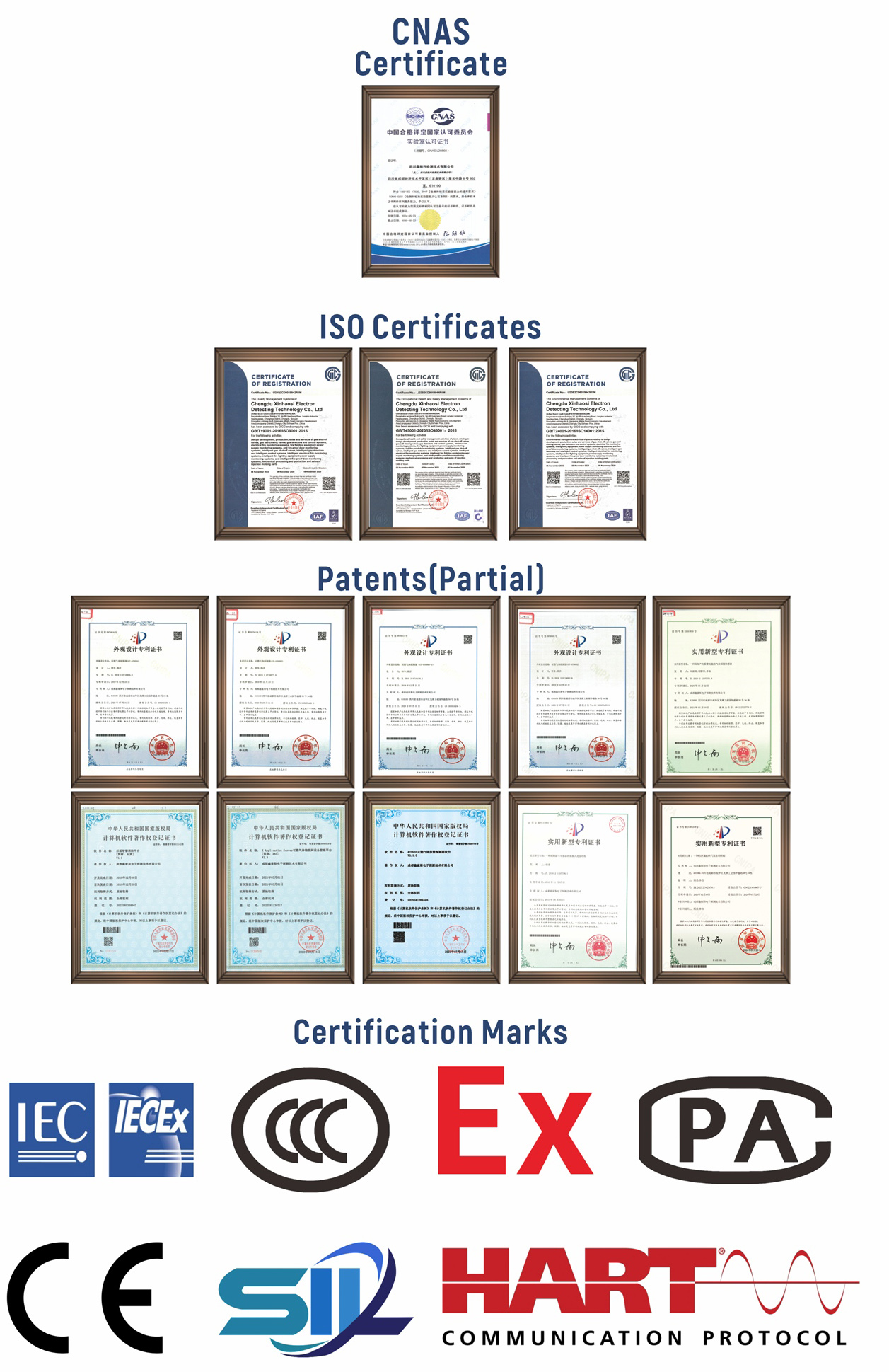
Adhering to ISO9001 quality management system standards, Xinhaosi's core products have obtained a full range of authoritative certifications, including national compulsory Products Certification, explosion-proof certification, fire product certification, CPA measurement instrument type approval certificate, and international approvals such as CE and SIL. Additionally, Xinhaosi holds honors such as "National Quality Integrity Benchmark Enterprise", "National Quality Leading Enterprise in the Gas Alarm Industry," member of the China Fire Protection Association, and the main drafting organization for the national standard of solenoid valves, further confirming its industry influence and reputation.
In the field of intellectual property, Xinhaosi has built a robust innovation system with over 50 patents and software copyrights. These patents cover core technological areas, including a graphical monitoring system for gas detection and alarm, which enables predictive maintenance based on historical data to reduce equipment failure rates by over 30%, and a solenoid valve with flow monitoring functionality that integrates flow detection and alarm capabilities. The company also pioneered China's first networked bus-type gas leakage monitoring system and the only maximum-point gas leakage monitoring system certified by the Ministry of Public Security, demonstrating its leading position in cutting-edge technological research.
Our in-house laboratory is accredited by the China National Accreditation Service for Conformity Assessment (CNAS), recognized both domestically and internationally under the ILAC-MRA framework. It operates in accordance with ISO/IEC 17025, the international standard for testing and calibration laboratories. It provides reliable and traceable testing services for gas detection and alarm products, solenoid valves, and related safety equipment. Test reports issued by the CNAS-accredited laboratory are widely accepted by regulatory authorities, certification bodies, and customers in China and overseas, helping to ensure product quality, safety compliance, and market access.
The global demand for reliable, fast-closing 1-inch (DN25) gas valves has experienced a major shift due to the convergence of smart grid structures and stricter environmental and safety frameworks (like the EU's EN 161 and the USA's ANSI Z21.21). Gas valves are no longer just basic mechanical shutoffs; they are now active components in automated process safety loops.
In industrial furnace processes, steel production, and glass manufacturing, Class 1 automatic solenoid valves manage high-pressure natural gas feeds. Their rapid response (under 1 second) prevents uncombusted gas accumulation inside heating chambers, mitigating combustion hazards.
Urban commercial spaces rely on 1-inch low-pressure drop gas safety valves. Connected to gas detectors, they provide automated shut-offs for hotel kitchens, school cafeterias, and multi-tenant residential complexes when gas levels rise.
In hazardous gas processing plants, solenoid valves require explosion-proof ratings (such as Ex d IIC T6). Our specialized brass and stainless steel bodies stand up to chemical exposure and abrasive environment conditions.
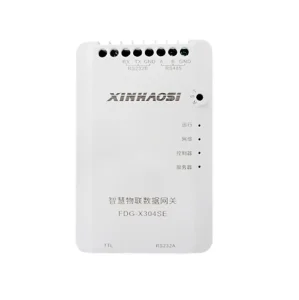
To deliver a complete safety net, Xinhaosi manufactures the entire loop. Modern gas infrastructure benefits from an integrated three-layer defense framework:
As industries target carbon neutrality, the gas safety industry is adapting to clean fuel alternatives, specifically hydrogen-blended natural gas and pure green hydrogen networks. Hydrogen's low ignition energy and small molecular profile make standard safety equipment obsolete.
Future Class 1 gas safety valves are engineered using specialized hydrogen embrittlement-resistant metals. Seal designs are upgraded with fluorocarbon (FKM) and nitrile rubber composites (HNBR) to guarantee zero hydrogen leakage under higher operating dynamics.
The integration of micro-controllers directly onto the valve coil housing allows real-time diagnostics. This allows operators to run partial stroke tests (PST) to verify performance without stopping gas processes, ensuring safety and compliance.