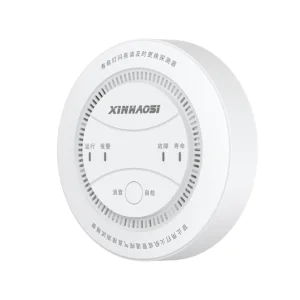
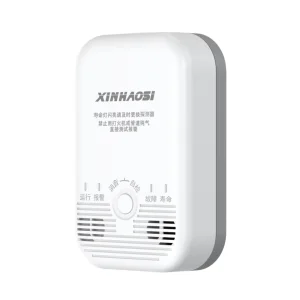
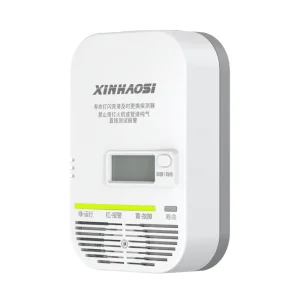
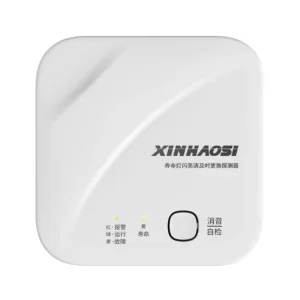
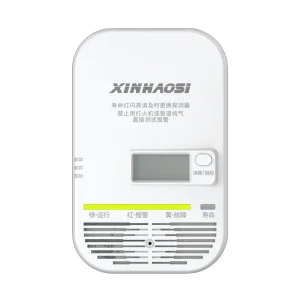
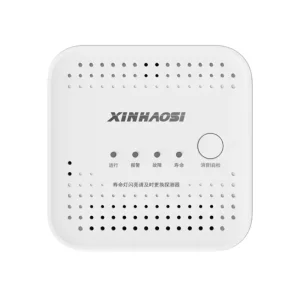
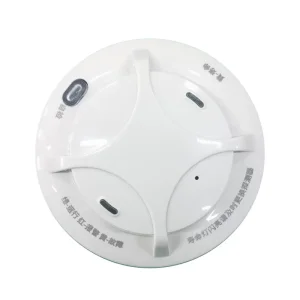
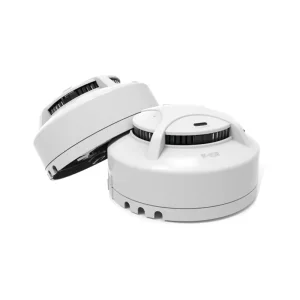
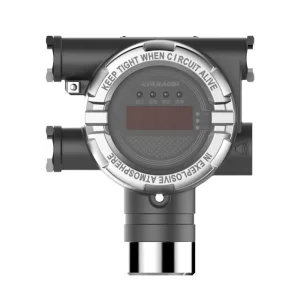
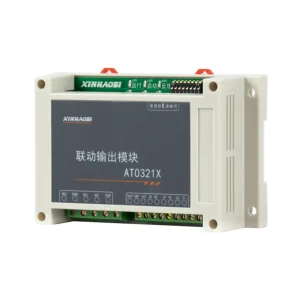
Highly sensitive, micro-processor controlled domestic gas alarms engineered for Italy’s methane (metano) and LPG (GPL) residential gas distributions.
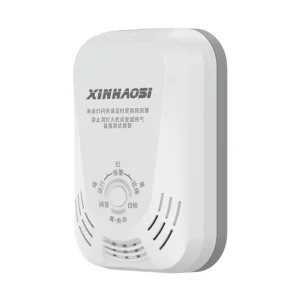
Italy has one of the highest densities of residential natural gas (Methane) and LPG (GPL) networks in Europe. Given the prevalence of gas boilers for heating (caldaie autonome) and gas hobs for cooking (piani cottura a gas) across historic stone masonry buildings and modern condominiums alike, gas safety is a paramount public concern governed by strict national and European standards.
In Italy, the installation of gas detection and automated shutting systems in residential buildings is guided by standards such as UNI 7129 (design and installation rules for domestic gas appliances) and UNI EN 50194-1. These directives stipulate that any residential safety device must operate with absolute reliability, triggering audible and visual alarms long before gas concentrations reach the Lower Explosive Limit (LEL), which is 5% Vol for Methane and 2.1% Vol for LPG.
Additionally, modern Italian fire prevention codes and building renovations under the "Superbonus" schemes have significantly emphasized the integration of smart gas detectors paired with manual reset solenoid safety valves (elettrovalvole a riarmo manuale). When a leak is registered, our detectors immediately send a electrical pulse (typically 9V-12V) to close the external gas line, mitigating risk before a spark can ignite the mixture.
Our domestic detectors undergo strict internal calibration protocols aligning with European standards, ensuring they trigger alarms at ≤10% LEL, maximizing evacuation and response time.
Direct relay terminals integrate seamlessly with European solenoid valves (G1/2", G3/4", G1" NPT/BSP threadings) for immediate structural fuel cutoff.
Industrial-grade precision downscaled for everyday household protection in modern Italian architecture.
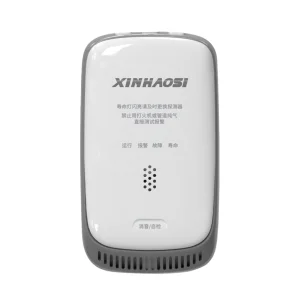
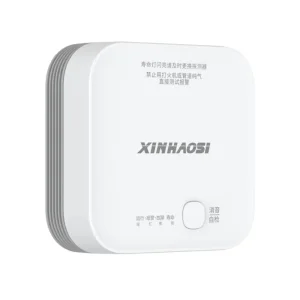
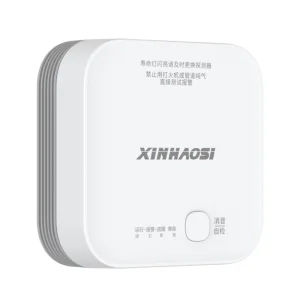
Founded in 2003, Xinhaosi is one of the most influential and trusted brands in the global gas safety industry. Over the past two decades, we have steadily built a robust and comprehensive production and service system, which integrates cutting-edge R&D, intelligent manufacturing with advanced automation equipment, digital marketing across global channels, professional after-sales support with an experienced technician team, flexible OEM/ODM services, as well as CNAS-Accredited laboratory calibration services that meet international standards.
Our diversified product portfolio covers industrial & residential gas detection & alarm systems, industrial & household gas solenoid valves, and urban gas pipeline network monitoring systems—all engineered to adapt to complex working environments and strict safety requirements. We produce and sell tens of millions of units annually, catering to a wide range of industries that demand reliable gas detection solutions, including oil & gas exploration and production, petrochemicals, urban gas distribution, automotive manufacturing, pharmaceuticals, new energy, steel production, and beverage processing.
Guided by the core mission of "Making Gas Safety Accessible Everywhere," we consistently deliver high-performance, reliable products and customized solutions tailored to each client's unique needs. Every item we manufacture undergoes rigorous quality control tests, and every service we provide is backed by our professional technical team, fully embodying our unwavering commitment to safeguarding gas safety across both industrial workplaces and residential environments, and striving to build a safer world with sustainable gas safety technologies.

Chengdu R&D Headquarters

Deyang Intelligent Factory
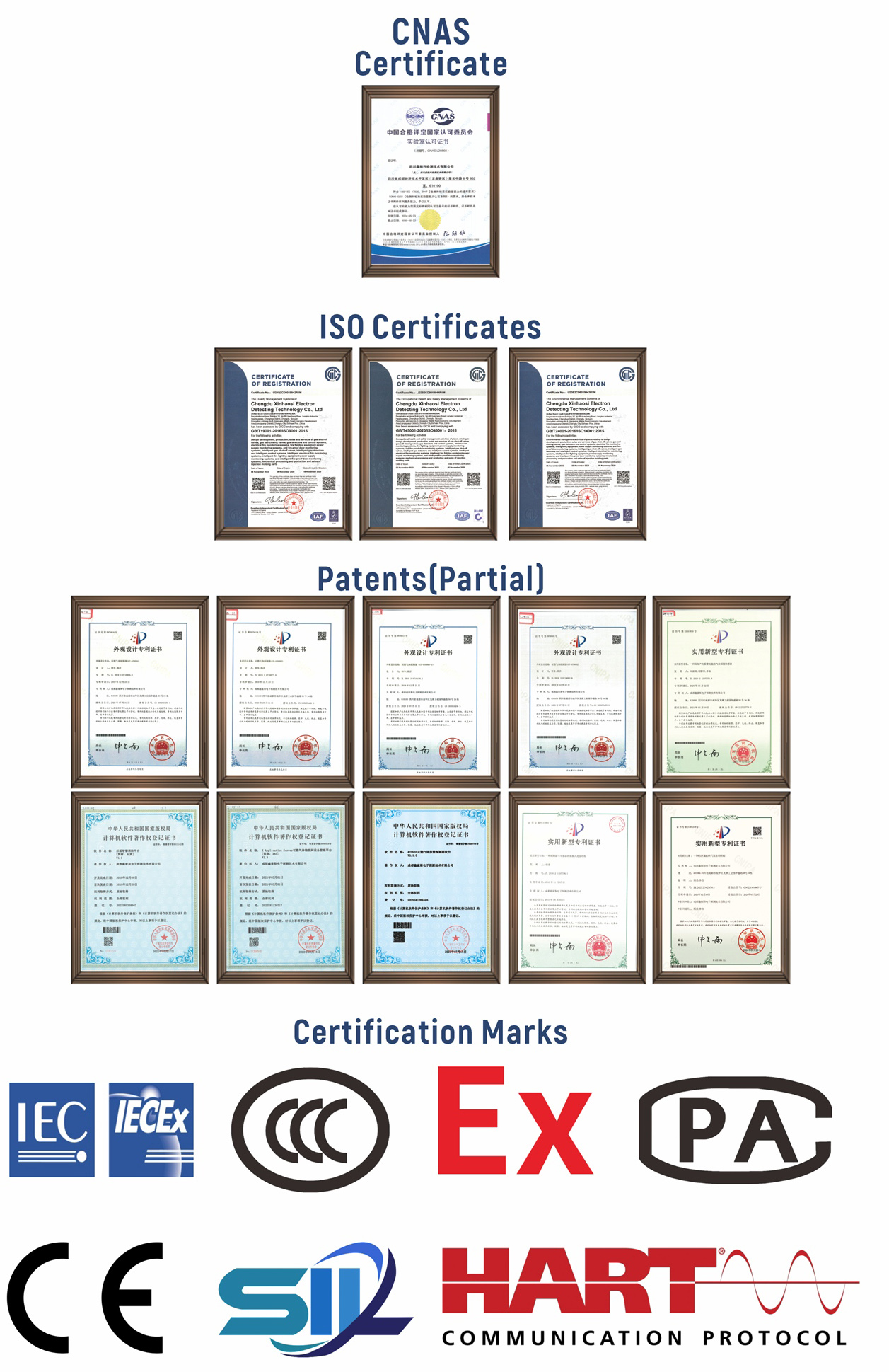
Adhering to ISO9001 quality management system standards, Xinhaosi's core products have obtained a full range of authoritative certifications, including national compulsory Products Certification, explosion-proof certification, fire product certification, CPA measurement instrument type approval certificate, and international approvals such as CE and SIL (Safety Integrity Level). Additionally, Xinhaosi holds honors such as "National Quality Integrity Benchmark Enterprise", "National Quality Leading Enterprise in the Gas Alarm Industry," membership in the China Fire Protection Association, and is the main drafting organization for the national standard of solenoid valves, further confirming its industry influence and reputation.
In the field of intellectual property, Xinhaosi has built a robust innovation system with over 50 patents and software copyrights. These patents cover core technological areas, including a graphical monitoring system for gas detection and alarm, which enables predictive maintenance based on historical data to reduce equipment failure rates by over 30%, and a solenoid valve with flow monitoring functionality that integrates flow detection and alarm capabilities. The company also pioneered networked bus-type gas leakage monitoring systems and maximum-point gas leakage monitoring systems, demonstrating its leading position in cutting-edge technological research.
Our in-house laboratory is accredited by the China National Accreditation Service for Conformity Assessment (CNAS), recognized both domestically and internationally under the ILAC-MRA framework. It operates in accordance with ISO/IEC 17025, the international standard for testing and calibration laboratories. It provides reliable and traceable testing services for gas detection and alarm products, solenoid valves, and related safety equipment. Test reports issued by the CNAS-accredited laboratory are widely accepted by regulatory authorities, certification bodies, and customers in Europe (including Italy) and overseas, helping to ensure product quality, safety compliance, and rapid market access.
How our gas safety systems integrate into modern smart homes, commercial buildings, and municipal networks across Italy.
Integration with modern smart home gateways (Zigbee, Z-Wave, Wi-Fi) common in Northern Italy. Our alarms interact with smart assistants to push instant alert notifications to smartphones, closing the gas lines automatically via electro-valves.
For multi-family residential blocks in urban zones like Rome and Milan, our RS485 Bus-type system monitors up to 256 individual zones. If a leak occurs in one apartment, the centralized monitor warns the building manager and pinpoints the hazard location.
Monitoring levels of Carbon Monoxide (CO) in public and private commercial car parks is mandated by Italian legislation. Our dedicated CO sensors manage ventilation systems dynamically to prevent hazardous accumulation.
| Technology | Target Gases | Average Lifespan | Advantages | Recommended Italian Applications |
|---|---|---|---|---|
| Catalytic Bead (Combustion) | Methane (Metano), GPL | 5 - 8 Years | Excellent linearity, high reliability, resistant to humidity changes | Standard kitchen walls (Methane) and low-level walls (GPL) |
| Metal Oxide Semiconductor (MOS) | LPG, CO, Combustibles | 7 - 10 Years | Highly cost-effective, high sensitivity to low ppm leaks | Low-budget residential units, standalone plug-in alarms |
| Electrochemical Cell | Carbon Monoxide (CO) | 3 - 5 Years | Extremely precise, zero cross-sensitivity to domestic fumes | Near fireplaces, pellet boilers, and basement boiler rooms |
| Non-Dispersive Infrared (NDIR) | Carbon Dioxide, Methane | 10+ Years | Failsafe design, does not poison in high concentrations | Smart-homes, luxury developments, maintenance-free zones |
Two decades of dedicated development, scaling production from localized fire products to international IoT safety solutions.
As Italy actively pursues decarbonization and transitions toward hydrogen-blended natural gas grids (up to 10% - 20% hydrogen mix targeted in regional pipelines), standard gas detectors must undergo structural adaptation. Conventional catalytic bead sensors can experience signal drift or cross-sensitivity in hydrogen environments.
Xinhaosi's R&D division is actively testing and calibrating our next-generation semiconductor and electrochemical sensor modules to be fully H2-ready. This ensures that when gas distributors introduce hydrogen into residential gas lines, our detectors can differentiate methane from hydrogen while maintaining exact lower explosive limit alarms for both.
Furthermore, we are expanding our low-power WAN (LPWAN) capacities. Future iterations will support direct NB-IoT and LoRaWAN modulations natively inside the home detector housing. This configuration is ideal for Italian historical city centers where thick stone walls obstruct conventional Wi-Fi signals, allowing independent cellular transmission of fault/leak logs directly to local emergency units.
Engineered sensor matrices capable of detecting Methane + H2 mixed gases safely without sensor fatigue or false triggers.
Extending wireless range up to 2km in dense urban settings like Rome, allowing block-level warning integration.
Built-in chip diagnostic cycles that alert residents via LED/sound indicators when the sensor reaches the end of its useful operational life.
Explore our full catalog of residential alarms, commercial gas detection systems, and output controllers available for OEM/ODM distribution in Italy.
Key technical inquiries answered for European safety distributors, heating installers, and OEM buyers.