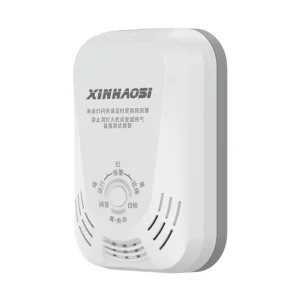
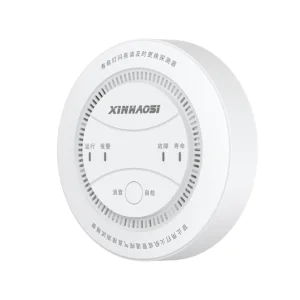
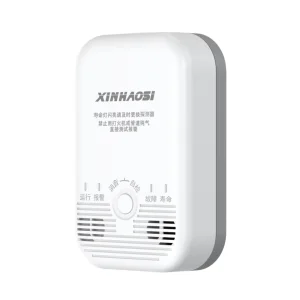
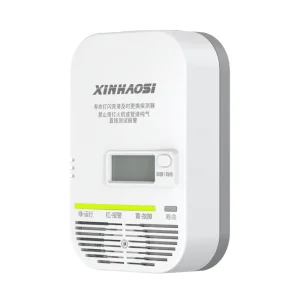
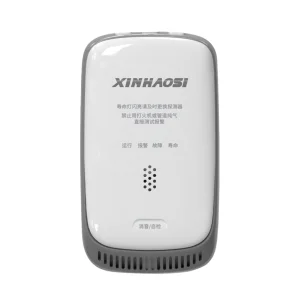
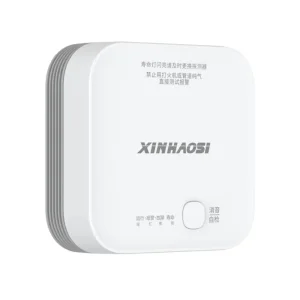
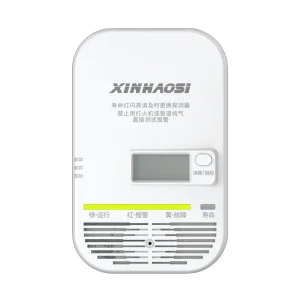
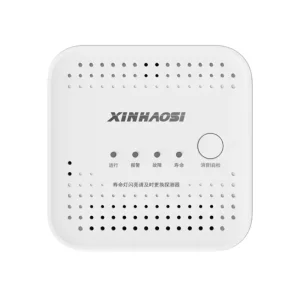
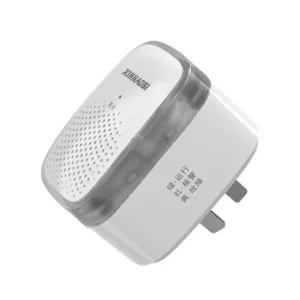
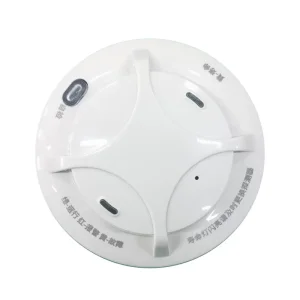
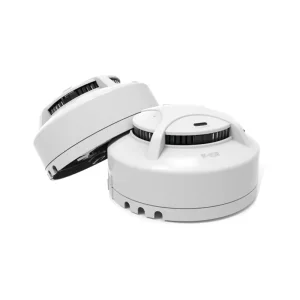
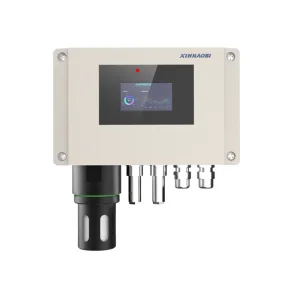
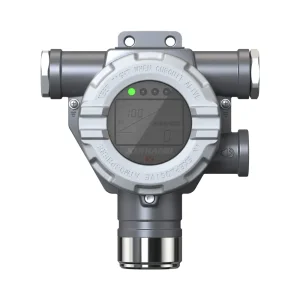
Premium OEM/ODM hardware solutions designed for gas networks and municipal distribution infrastructures in Greece.
Greece is undergoing a profound energy transition. Facilitated by the Public Gas Corporation (DEPA), the Hellenic Gas Distribution Network (DEDA), and Thessaloniki-Thessaly Gas Distribution Company (EDA THESS), natural gas pipeline infrastructures are aggressively expanding to residential sectors across Attica, Central Greece, and Macedonia. Historically reliant on heavy heating oils or liquefied petroleum gas (LPG) cylinders, modern Greek households are transitioning to centralized and residential natural gas (methane) pipelines. This energy shift mandates strict adherence to the European safety standards for domestic properties.
Furthermore, Greece lies in one of the most seismically active zones in Europe. Pipeline safety goes beyond simple detector installations. The Greek market demands a comprehensive safety chain: a high-sensitivity household gas detector integrated with an automatic shut-off solenoid safety valve. In the event of a seismic shock leading to minor structural pipe cracks or domestic gas leaks, the detector must identify concentrations as low as 10% LEL (Lower Explosive Limit) and trigger a physical solenoid pulse to shut down the gas intake instantly.
Under EU and Greek national fire codes, combustible gas alarms must comply with EN 50194-1, while carbon monoxide (CO) detectors must comply with EN 50291-1. Importers and municipal contractors in Greece require certified documentation, traceable testing, and CE marking to ensure liability mitigation.
High ambient humidity in coastal Greek regions (such as Crete, Peloponnese, and the Aegean Islands) paired with high summer temperatures requires advanced sensor calibration. Standard gas detectors trigger false alarms under high humidity or kitchen vapors; Xinhaosi detectors feature smart MCU compensation algorithms to prevent this.

Founded in 2003, Xinhaosi is one of the most influential and trusted brands in the global gas safety industry. Over the past two decades, we have steadily built a robust and comprehensive production and service system, which integrates cutting-edge R&D, intelligent manufacturing with advanced automation equipment, and CNAS-Accredited laboratory calibration services meeting global compliance criteria.
Our diversified product portfolio covers industrial & residential gas detection & alarm systems, industrial & household gas solenoid valves, and urban gas pipeline network monitoring systems—all engineered to adapt to complex working environments and strict safety requirements. We produce and sell tens of millions of units annually, catering to safety-critical sectors including residential housing estates, petrochemical complexes, and municipal gas distributors.
Adhering to ISO9001 quality management system standards, Xinhaosi's core products have obtained a full range of authoritative certifications, including national compulsory Product Certification, explosion-proof certification, fire product certification, CPA measurement instrument type approval, and international approvals such as CE and SIL. Additionally, Xinhaosi holds honors such as "National Quality Integrity Benchmark Enterprise" and acts as the main drafting organization for national standards of solenoid valves.
In the field of intellectual property, Xinhaosi has built a robust innovation system with over 50 patents and software copyrights. Our in-house laboratory is accredited by the China National Accreditation Service for Conformity Assessment (CNAS), recognized both domestically and internationally under the ILAC-MRA framework. This ensures that the gas detectors delivered to our partners in Greece are fully traceable, calibrated under ISO/IEC 17025 standards, and prepared to meet European customs regulations.

For modern multi-story residential developments in Athens and commercial kitchens in Thessaloniki, basic battery-powered gas alarms are no longer sufficient. Real safety demands a coordinated system. Xinhaosi provides a macro-safety solution that links gas leak detection, acoustic-optic alarm warnings, intelligent valve closure, and wireless cloud alerts into a single ecosystem.
Our residential gas alarms employ high-stability catalytic combustion gas sensors. When natural gas (Methane) or LPG leaks into the room, the sensor measures the thermal change caused by gas oxidation on the catalyst bead. Our microprocessors (MCU) instantly evaluate the signal:
In Greece, where historic preservation buildings exist alongside modern seismic-prone apartment blocks, physical shut-off security is critical. Xinhaosi manufactures both the gas alarms and the corresponding solenoid safety valves. This single-source engineering ensures electrical parameters match perfectly—preventing coil burnout or valve failure during critical emergency states.
Natural gas is lighter than air. It rises and accumulates near the ceiling. For homes in Athens using municipal pipeline gas, detectors must be installed 30cm to 100cm below the ceiling, and within 1.5 to 4 meters from the gas appliance.
LPG is heavier than air and sinks to the floor. In remote villas or islands where LPG cylinders are used, the gas detector must be installed 30cm above the floor to quickly sense pooled gases.
A history of pioneering China's first networked bus-type leakage systems and scaling globally.


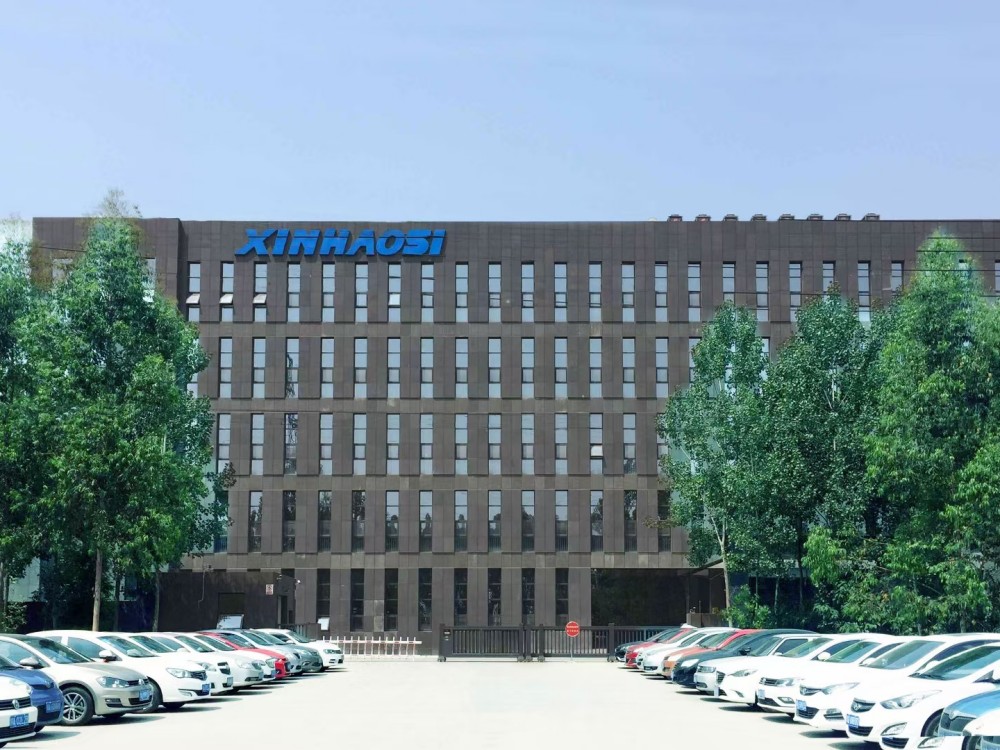

A full selection of household, industrial, and parking garage gas safety monitoring systems.
B2B procurement professionals sourcing safety hardware for EU markets face high entry barriers. When importing gas detectors to Greece, the following core items are mandatory to clear customs and pass fire inspection audits:
Without CE marking and RoHS compliance certificates, customs clearance at the Port of Piraeus or Athens International Airport is impossible. All Xinhaosi gas alarms are rigorously tested under international EMC, LVD, and RoHS directives, ensuring smooth entry into the European Union.
Under municipal tender requirements in Greece, safety devices must come with traceable calibration reports. Xinhaosi’s in-house laboratory is accredited by the CNAS (ISO/IEC 17025), which is globally recognized under the ILAC-MRA framework. This means our calibration certificates are legally valid and recognized by Greek public and private safety auditors.
For Greek wholesale brands, we offer end-to-end OEM and ODM customization. This includes custom plastic injection mold colors (matching contemporary interior designs), private logo pad-printing, Greek language user manuals, and customized packaging boxes.
Key technical and compliance answers for Greek safety distributors and importers.