
Advanced gas monitoring panels calibrated specifically for demanding municipal and industrial environments in the Lisbon region.
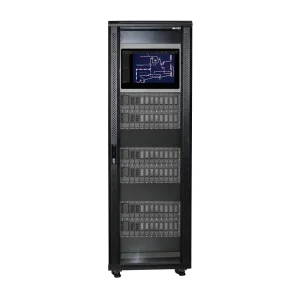
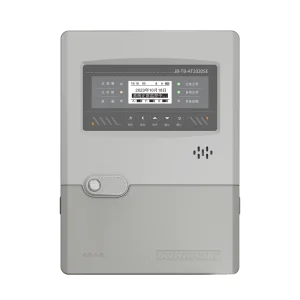
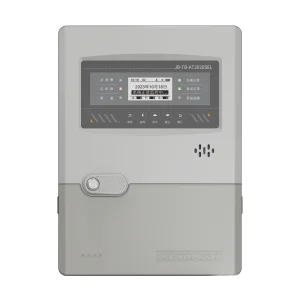
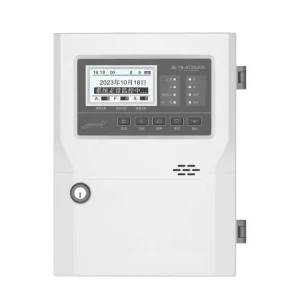
The Lisbon Metropolitan Area, encompassing key industrial hubs from Oeiras to the Port of Lisbon and extending to the chemical complexes in Barreiro and Seixal, demands strict safety standards. These sectors rely heavily on real-time gas monitoring to prevent volatile leaks, protect workers, and ensure compliance with EU directives.
With the Port of Lisbon acting as a crucial maritime gateway for energy products, chemical storage facilities and logistics networks require explosion-proof control infrastructure. Furthermore, as Lisbon pushes toward municipal decarbonization, the integration of green hydrogen (H2) into existing natural gas grids poses new challenges. Gas detection controllers must now process dual-sensor signals, distinguishing between methane (CH4) and hydrogen leaks safely.
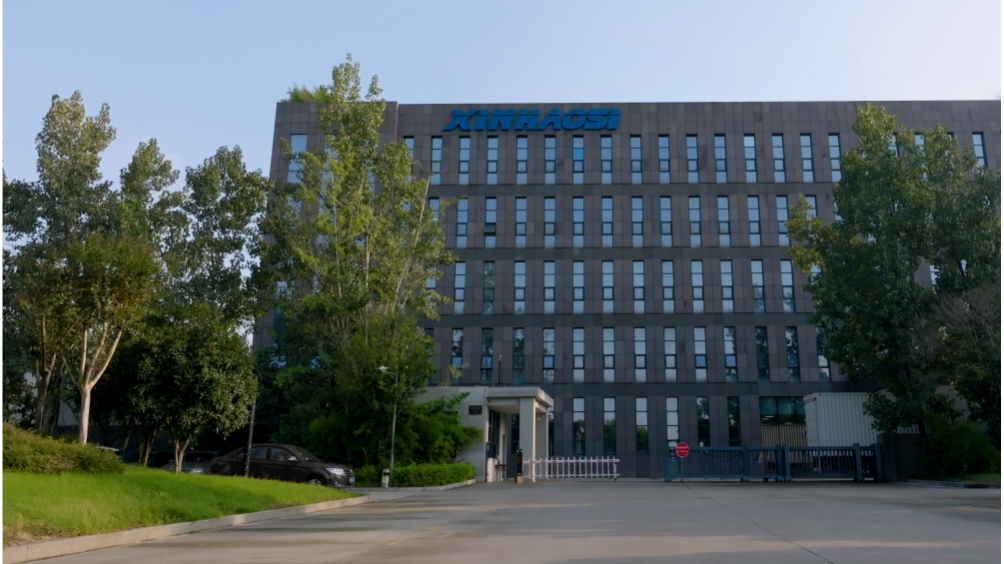
Chengdu Headquarters: R&D Hub for Intelligent Gas Safety
Global procurement directors and engineering, procurement, and construction (EPC) contractors require high reliability and supply-chain transparency. Xinhaosi addresses these needs by combining high-capacity manufacturing with certified performance engineering.
Whether managing chemical processing plants in Portugal or coordinating large-scale HVAC upgrades across EU commercial properties, our gas detector controllers serve as the centralized processing unit. These systems aggregate signals via RS485 Modbus or industrial Ethernet protocols to trigger emergency shutoff valves instantly, isolating hazardous areas in milliseconds.

Deyang Smart Manufacturing Facility
Founded in 2003, Xinhaosi is one of the most influential and trusted brands in the global gas safety industry. Over the past two decades, we have steadily built a robust and comprehensive production and service system, which integrates cutting-edge R&D, intelligent manufacturing with advanced automation equipment, digital marketing across global channels, professional after-sales support with an experienced technician team, flexible OEM/ODM services, as well as CNAS-Accredited laboratory calibration services that meet international standards.
Our diversified product portfolio covers industrial & residential gas detection & alarm systems, industrial & household gas solenoid valves, and urban gas pipeline network monitoring systems—all engineered to adapt to complex working environments and strict safety requirements. We produce and sell tens of millions of units annually, catering to a wide range of industries that demand reliable gas detection solutions, including oil & gas exploration and production, petrochemicals, urban gas distribution, automotive manufacturing, pharmaceuticals, new energy, steel production, and beverage processing.
Guided by the core mission of "Making Gas Safety Accessible Everywhere," we consistently deliver high-performance, reliable products and customized solutions tailored to each client's unique needs. Every item we manufacture undergoes rigorous quality control tests, and every service we provide is backed by our professional technical team, fully embodying our unwavering commitment to safeguarding gas safety across both industrial workplaces and residential environments, and striving to build a safer world with sustainable gas safety technologies.
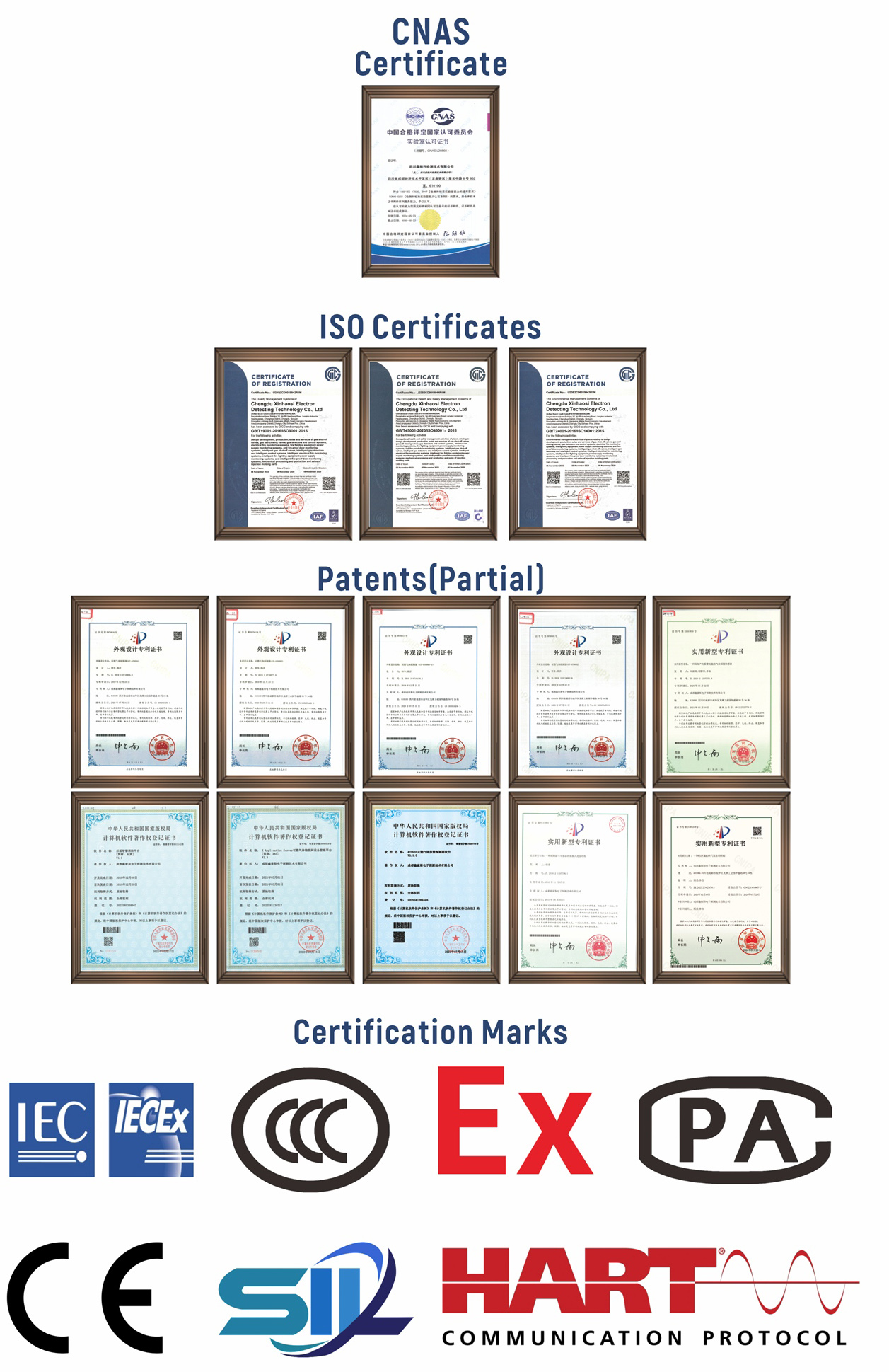
Adhering to ISO9001 quality management system standards, Xinhaosi's core products have obtained a full range of authoritative certifications, including national compulsory Products Certification, explosion-proof certification, fire product certification, CPA measurement instrument type approval certificate, and international approvals as CE, SIL. Additionally, Xinhaosi holds honors such as "National Quality Integrity Benchmark Enterprise" , "National Quality Leading Enterprise in the Gas Alarm Industry," member of the China Fire Protection Association, and the main drafting organization for the national standard of solenoid valves, further confirming its industry influence and reputation.
In the field of intellectual property, Xinhaosi has built a robust innovation system with over 50 patents and software copyrights. These patents cover core technological areas, including a graphical monitoring system for gas detection and alarm, which enables predictive maintenance based on historical data to reduce equipment failure rates by over 30%, and a solenoid valve with flow monitoring functionality that integrates flow detection and alarm capabilities. The company also pioneered China's first networked bus-type gas leakage monitoring system and the only maximum-point gas leakage monitoring system certified by the Ministry of Public Security, demonstrating its leading position in cutting-edge technological research.
Our in-house laboratory is accredited by the China National Accreditation Service for Conformity Assessment (CNAS), recognized both domestically and internationally under the ILAC-MRA framework. It operates in accordance with ISO/IEC 17025, the international standard for testing and calibration laboratories. It provides reliable and traceable testing services for gas detection and alarm products, solenoid valves, and related safety equipment. Test reports issued by the CNAS-accredited laboratory are widely accepted by regulatory authorities, certification bodies, and customers in China and overseas, helping to ensure product quality, safety compliance, and market access.
Our commitment to continuous innovation guides the next generation of gas safety systems.
Safety infrastructure requires continuous adaptation to keep pace with changing operational environments. Xinhaosi's development roadmap focuses on integrating advanced industrial IoT (IIoT) protocols, cloud diagnostics, and edge computing directly into our gas detector controllers.
By using machine learning algorithms on historic sensor logs, our next-generation controllers can identify sensor drift and warn technicians before a critical failure occurs. This proactive maintenance model reduces calibration downtime and lowers the total cost of ownership (TCO) for complex plant configurations.
LoRaWAN & NB-IoT Integration: Wirelessly link distributed sensors across municipal facilities and remote docks to a single controller panel.
Smart Shutdown Protocols: Advanced automated control loops that isolate specific pipes using AI-driven solenoid safety valves.
More than two decades of growth, technological expansion, and global operations.
Start Up: Established in April 17th, 2003. Launched our first generation of gas leak alarm and fire fighting products.
Initial Scale Achievement: Commenced production of gas safety valves. Expanded OEM capabilities and relocated to the Longtan Industrial Park office facility.
Rapid Growth: Reached 10 million units in cumulative gas detector sales. Moved to our dedicated Chengdu manufacturing site and launched fire power monitoring systems.
Leading Up: Developed and launched our proprietary IoT safety platform. Qualified as an official supplier to China's top five gas suppliers and earned High-Tech Enterprise status.
Steady Development: Built the Deyang factory facility. Formed the dedicated Petrochemical & International Business Division and achieved the Sichuan Provincial Technology Center designation.
Embrace the Future: Completed and commissioned the Deyang factory. Introduced urban pipeline networks monitoring systems, wireless detectors, and AI-enabled safety valves.
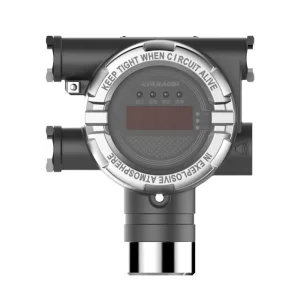
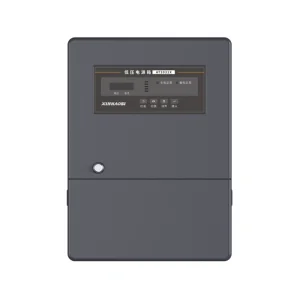
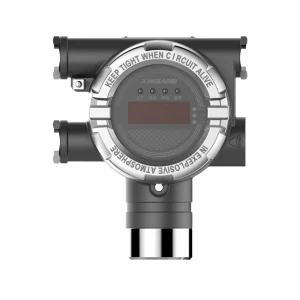
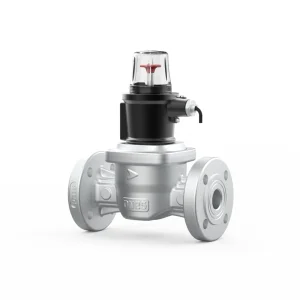
A comprehensive range of industrial controllers, detectors, solenoid shutoff valves, and power management units.
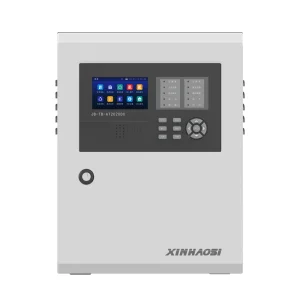
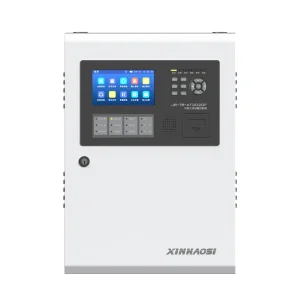
Technical guidance on regulatory compliance, installation practices, and system integration for Lisbon engineering and operations teams.
Industrial sites in Portugal must comply with European Union regulations. Gas safety components require CE marking, ATEX Directive (2014/34/EU) compliance for hazardous areas, and EN 60079 series standards for gas detection. For functional safety, systems should carry SIL2 or SIL3 certifications under IEC 61508.
Our controllers are built on open architecture standards. They feature industrial RS485 Modbus RTU/TCP interfaces, 4-20mA analog inputs, and programmable dry contact relays. This allows seamless integration into distributed control systems (DCS), SCADA environments, and emergency shutdown systems (ESD).
Salty coastal atmospheres, like those around the Port of Lisbon, accelerate sensor corrosion. We recommend calibrating toxic and combustible gas sensors every six months. Standard controller self-diagnostics continuously check line resistance and loop integrity to help identify sensor failure between scheduled calibrations.
Yes. Our controllers are compatible with electrochemical and catalytic bead sensors designed specifically for hydrogen (H2). This compatibility makes them suitable for green hydrogen production, logistics, and blending infrastructure projects across Iberia.