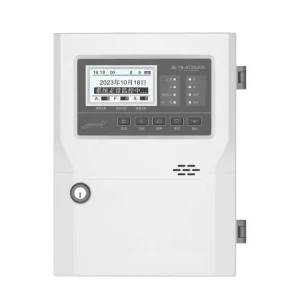
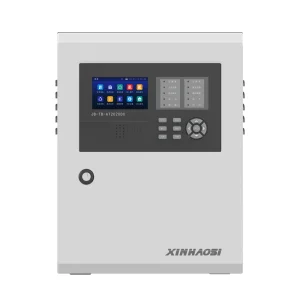
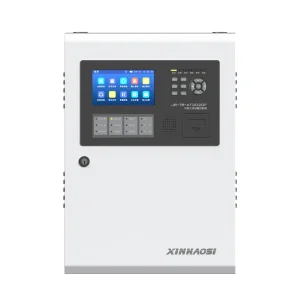
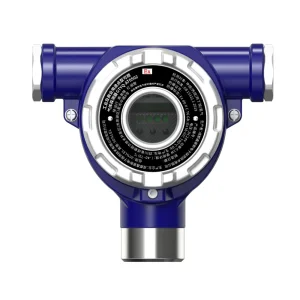
Highly resilient gas detection panels designed to integrate seamlessly with transmitters in Nigeria's extreme environmental conditions.
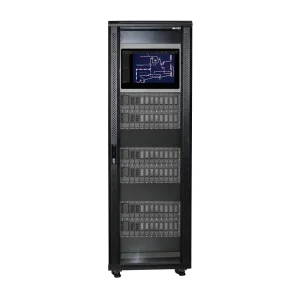
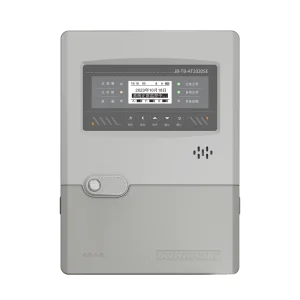
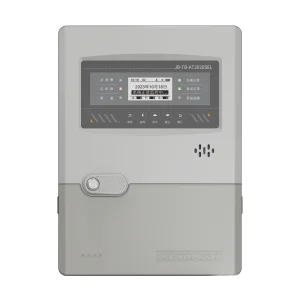
As Africa's economic powerhouse, Nigeria is undergoing rapid industrial expansion. From the massive oil refineries in Port Harcourt and Warri to the extensive LPG distribution terminals in Lagos, safety regulations are tightening. Industrial operations require advanced safety instruments to prevent catastrophic incidents. Under guidelines enforced by the DPR (now NUPRC / NMDPRA) and the Standards Organisation of Nigeria (SON), companies must implement fail-safe detection infrastructure.
Coastal and tropical conditions in regions like the Niger Delta feature high humidity, intense salinity, and ambient temperatures exceeding 40°C. General-purpose safety equipment often fails due to corrosion and thermal degradation. To counter these challenges, industrial enterprises require ruggedized, explosion-proof gas detector controllers. These units must feature anti-corrosion chassis, reliable heat dissipation, and lightning surge protection to withstand unstable grid conditions.
Operating gas pipelines, LNG filling plants, and chemical storage facilities demands high reliability. Standard alarms are insufficient; systems must trigger automated responses.
The safety sector is shifting from isolated monitoring to intelligent, connected, and fail-safe safety ecosystems.
Modern industrial safety relies on functional safety standards like IEC 61508 and SIL (Safety Integrity Level) certification. A gas detector controller serves as the central processing unit within a safety instrumented system (SIS). Worldwide, industries are moving away from local alarms toward digital integration. Using protocols such as Modbus RTU, RS485, and HART, controllers consolidate data from dispersed sensor nodes to provide site-wide visibility.
Additionally, the adoption of IoT allows plant operators to monitor hazardous conditions remotely. Real-time data streams to cloud dashboards enable predictive maintenance. Systems analyze slight shifts in sensor baseline readings to identify wear before a sensor fails. This predictive model reduces equipment downtime by up to 30%, lowering maintenance costs while maintaining safety coverage.
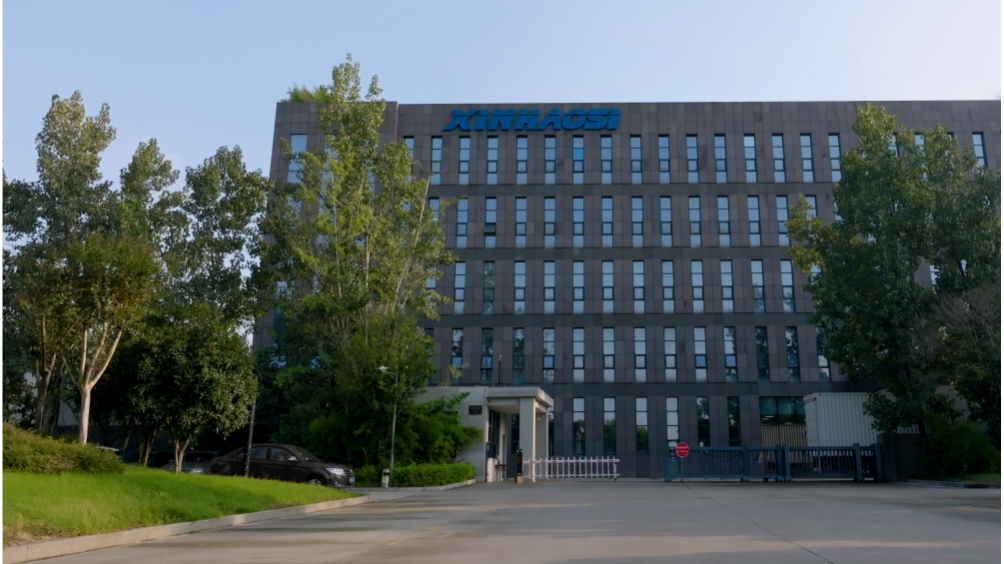
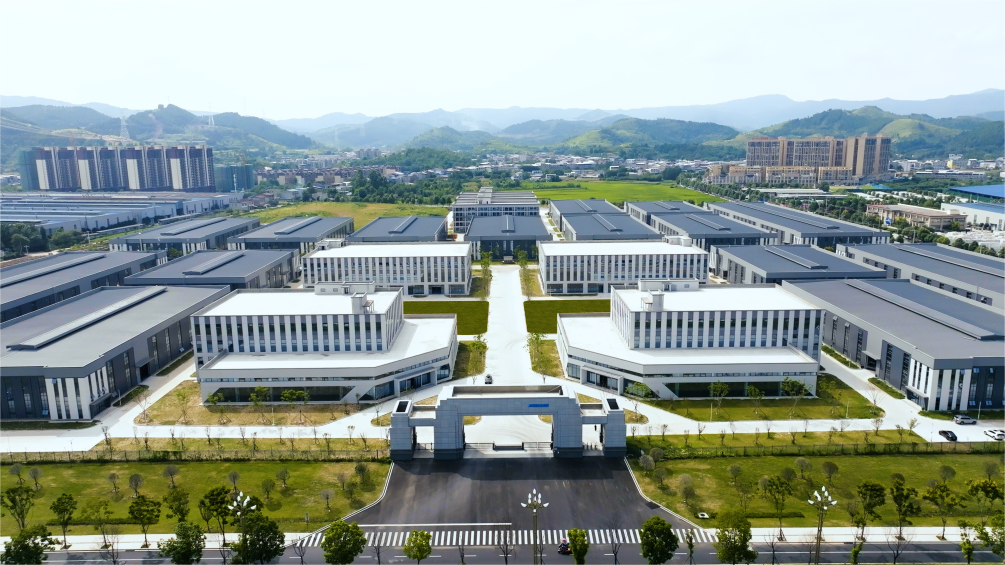
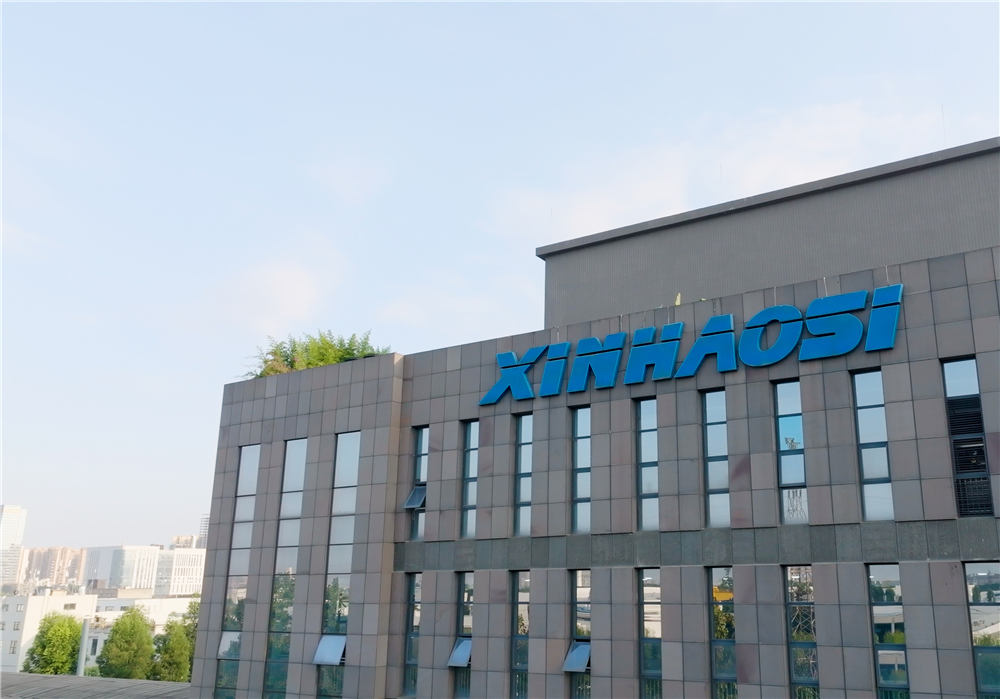
Founded in 2003, Xinhaosi is a trusted brand in the global gas safety sector. Over twenty years, we have built a comprehensive production and service infrastructure. This system integrates advanced R&D, automated manufacturing, global digital marketing, professional technical support, flexible OEM/ODM options, and CNAS-Accredited laboratory calibration services.
Our product catalog includes industrial and residential gas detection systems, safety shut-off solenoid valves, and urban pipeline monitoring platforms. Each system is built to withstand hazardous environments. We produce millions of units annually for oil & gas exploration, petrochemical refining, metal processing, pharmaceutical labs, and power generation facilities worldwide.
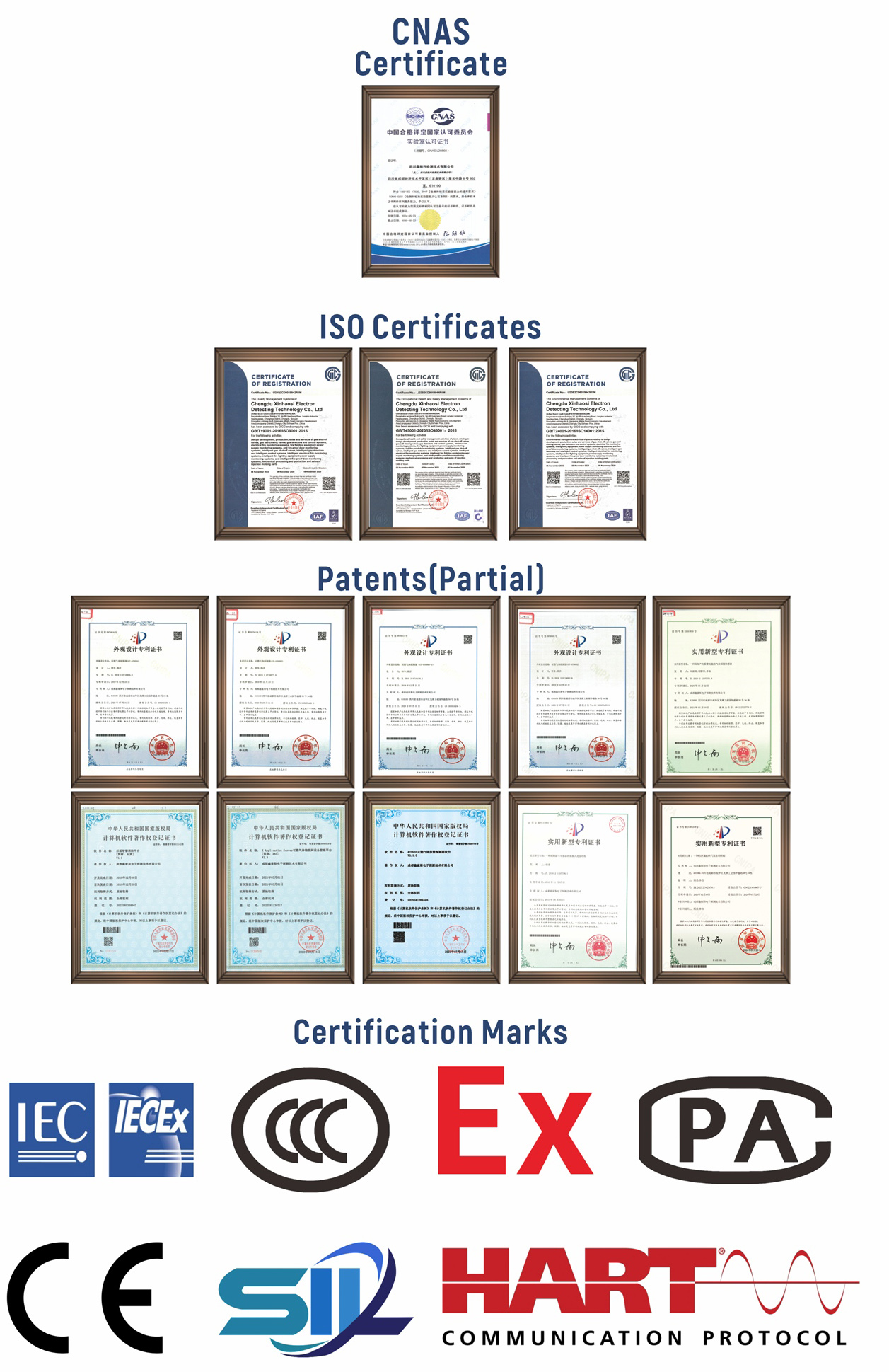
Quality and precision are central to our manufacturing process. Operating under ISO9001 quality management standards, our products carry national and international certifications, including Chinese compulsory product certification, explosion-proof accreditation, fire-product approvals, CPA type approval, and CE and SIL certifications.
Our in-house calibration and testing laboratory is accredited by the China National Accreditation Service (CNAS). This facility aligns with ISO/IEC 17025 standards, and its test reports are recognized under the international ILAC-MRA framework. This ensures that every gas detector controller and solenoid valve sent to Nigeria is fully traceable, calibrated, and compliant with international safety requirements.
Tailored gas safety solutions designed for Nigeria's infrastructure and climate challenges.
LPG filling centers in Lagos and regional capitals require continuous monitoring to prevent leaks during transfer. High-output flameproof gas detectors connected to centralized controllers can trigger automatic gas shut-off valves and activate sound alarms if a leak is detected.
Offshore operations in the Niger Delta face salt corrosion and high humidity. Using controllers with anti-corrosion housings and IP66 ratings ensures reliable monitoring of combustible gases (methane, butane) and toxic gases (hydrogen sulfide) in coastal environments.
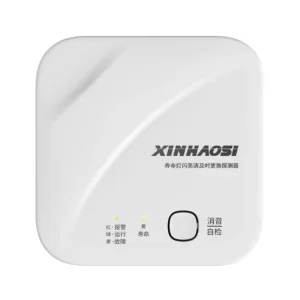
As cities like Abuja implement piped natural gas, domestic safety is increasingly important. Our wall-mounted residential gas detectors communicate with network controllers to automatically shut off solenoid valves, preventing gas accumulation inside buildings.
Over two decades of building safety technologies and expanding global capability.
Established Chengdu operations and launched first-generation gas alarm panels and fire control products.
Began manufacturing gas safety solenoid shut-off valves. Expanded OEM manufacturing services for international clients.
Moved into our dedicated Chengdu factory. Reached ten million units in cumulative sales and launched power monitoring systems.
Launched our proprietary IoT safety platform. Qualified as an official supplier for national gas utility companies.
Began construction of our modern manufacturing facility in Deyang. Established a dedicated Petrochemical and International Business Division.
Began operations at the Deyang factory. Introduced wireless gas detection systems and AI-enabled shut-off valves for global markets, including Africa.
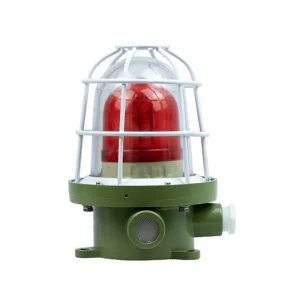
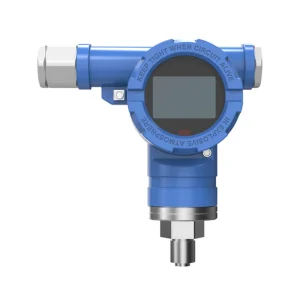
A gas controller serves as the central hub of a complete safety loop. The system interfaces with gas transmitters, flame detectors, solenoid valves, and sound alarms. When a sensor detects gas levels exceeding safety thresholds, the controller processes the signal in milliseconds.
Instead of relying solely on audible alarms, the controller initiates automated shut-offs. It isolates gas lines by closing the solenoid valve and activates alarms across the facility. It also transmits data to central control rooms via Modbus or IoT connections. This fast response helps contain gas leaks and prevent combustion events in hazardous industrial settings.
Common technical questions regarding gas detector controllers in Nigerian industrial applications.
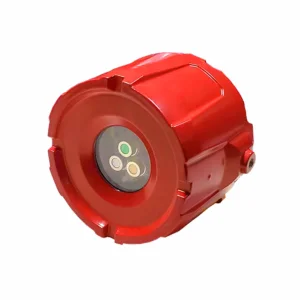
A comprehensive selection of controllers, gas transmitters, flame detectors, and emergency valves.
Discuss your project parameters with our safety engineers. We provide technical consultation, system design, and OEM/ODM configuration services tailored to Nigeria's industrial requirements.
Send Inquiry Now