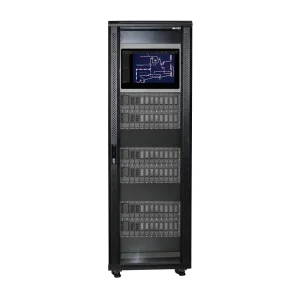
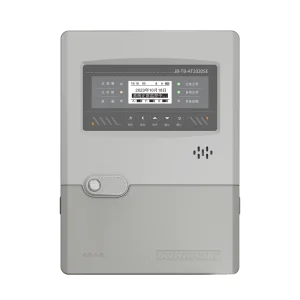
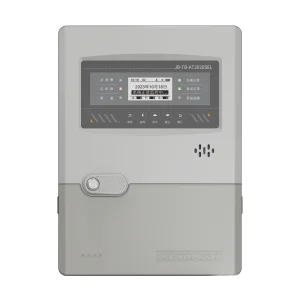
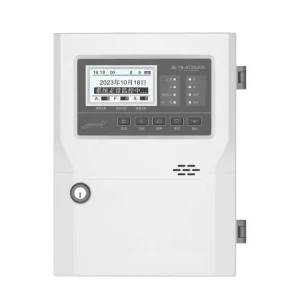
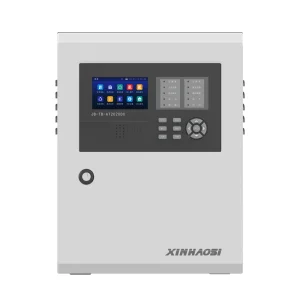
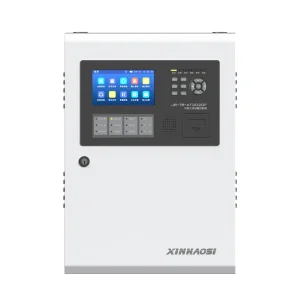
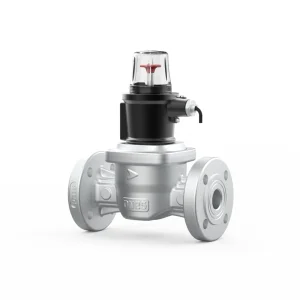
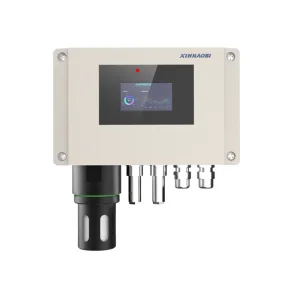
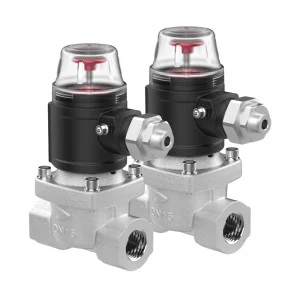
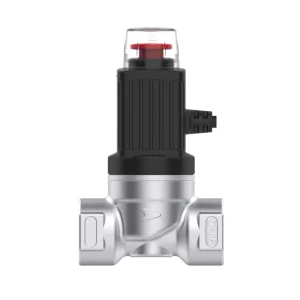
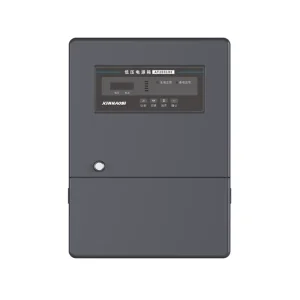
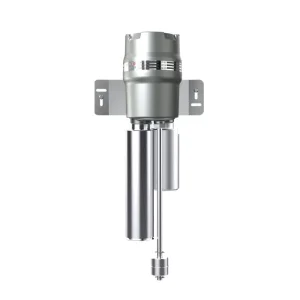
Engineered for seamless integration with ATEX-certified field detectors, providing robust multi-channel monitoring and automatic emergency shut-off controls.
As Germany's largest seaport and a leading hub for chemical, logistics, and heavy industry, Hamburg demands the highest standards of occupational safety and environmental protection. From the massive container terminals of the Port of Hamburg (Hafen Hamburg) to the chemical parks in nearby Stade and Brunsbüttel, the risks associated with hazardous gas leaks are a constant concern.
With the German energy transition (Energiewende) in full swing, Hamburg is rapidly transforming into a major European Green Hydrogen Hub. Projects such as the Moorburg Hydrogen Project and import facilities for ammonia require specialized fixed-type gas detection networks. Standard detection solutions are insufficient for handling hydrogen's rapid dispersion rates, wide flammability range, and low ignition energy. High-performance controllers coupled with explosion-proof optical and catalytic sensors are essential to prevent catastrophic hazards.
To ensure plant reliability, Hamburg-based procurement managers, engineering firms (EPCs), and safety officers require systems that strictly align with European ATEX directives (1999/92/EC and 2014/34/EU), CE standards, and Safety Integrity Level 2 (SIL2) certifications. High-quality fixed gas detector controllers act as the central nervous system of these setups, processing real-time telemetry from explosive zones (Zone 1 and Zone 2) and triggering rapid shut-off valves in milliseconds to isolate potential leaks.
Discover our range of advanced controllers and industrial gas safety components designed to withstand harsh maritime and coastal environments.
Aligning international manufacturing capabilities with Europe's most stringent regulatory frameworks to deliver scalable, reliable safety systems.
Multi-national procurement teams require reliable components. We offer Modbus RTU/TCP & HART communications, plug-and-play modular sensor swap programs, and worldwide explosion-proof documentation, making integration with Honeywell, Siemens, or Yokogawa distributed control systems (DCS) seamless.
For Hamburg's active shipbuilding and dry dock facilities, gas detectors must withstand corrosive salty air, vibration, and low-temperature operations. Our systems utilize 316 stainless steel casings, IP66/67 ingress protection, and marine certifications to monitor cargo holds, bilge spaces, and fuel bunkering stations.
As Hamburg expands its green energy corridors, specialized sensing technologies are required. We supply dedicated electrochemical sensors for toxic ammonia leaks, alongside catalytic bead and infrared sensors designed to detect hydrogen gas leaks early, before they reach dangerous lower explosive limits (LEL).
The gas detection industry is transitioning from reactive alert platforms to predictive safety management networks. Historically, detectors merely reacted when gas reached a dangerous concentration threshold. Today, integrated systems process real-time telemetry from multiple points, detecting low-level gas micro-leaks before they trigger alarms.
Xinhaosi is at the forefront of this evolution. Our proprietary graphical monitoring software uses predictive calibration drift analysis to evaluate sensor degradation in real-time, allowing plants to schedule preventive maintenance only when necessary. This technology reduces sensor down-time by up to 30%, which is particularly valuable for large-scale logistics operations and chemical processing terminals in the Hamburg metropolitan region.
Looking ahead, we are expanding our wireless LoRaWAN and NB-IoT detector series. These battery-powered, long-range devices provide reliable coverage for remote storage yards and municipal pipe corridors where physical cabling is impractical. When integrated with our fast-acting, explosion-proof solenoid valves, they form a robust safety loop.
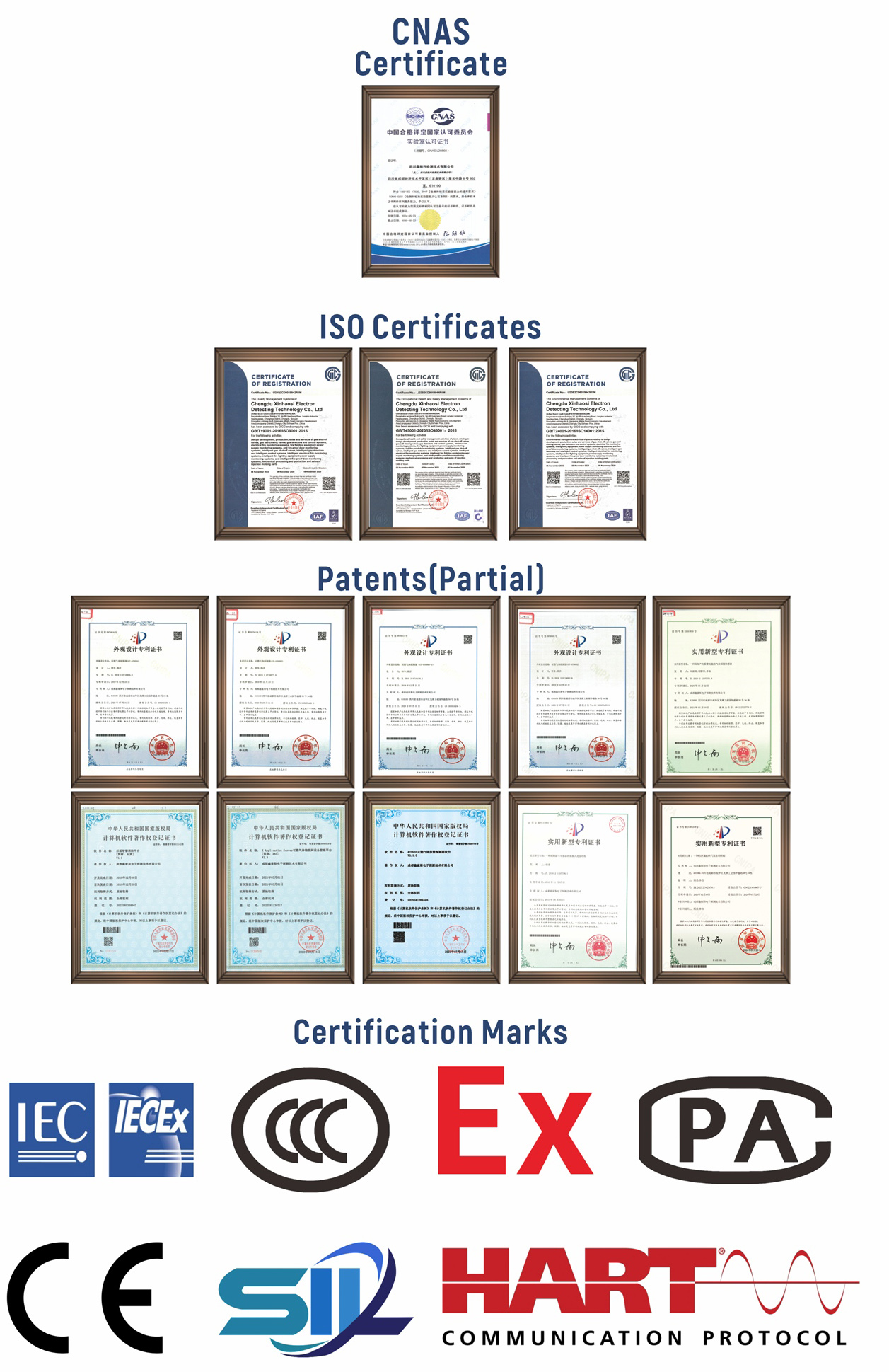
Our CNAS-Accredited Laboratory complies with ISO/IEC 17025 to ensure testing accuracy.
Delivering high-performance gas alarms, smart solenoid valves, and industrial monitoring systems since 2003.
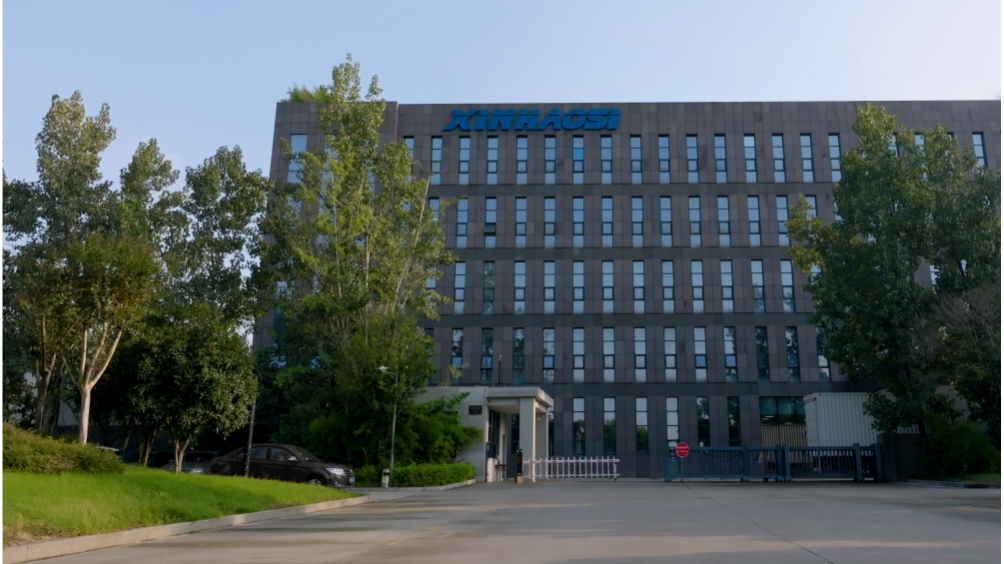
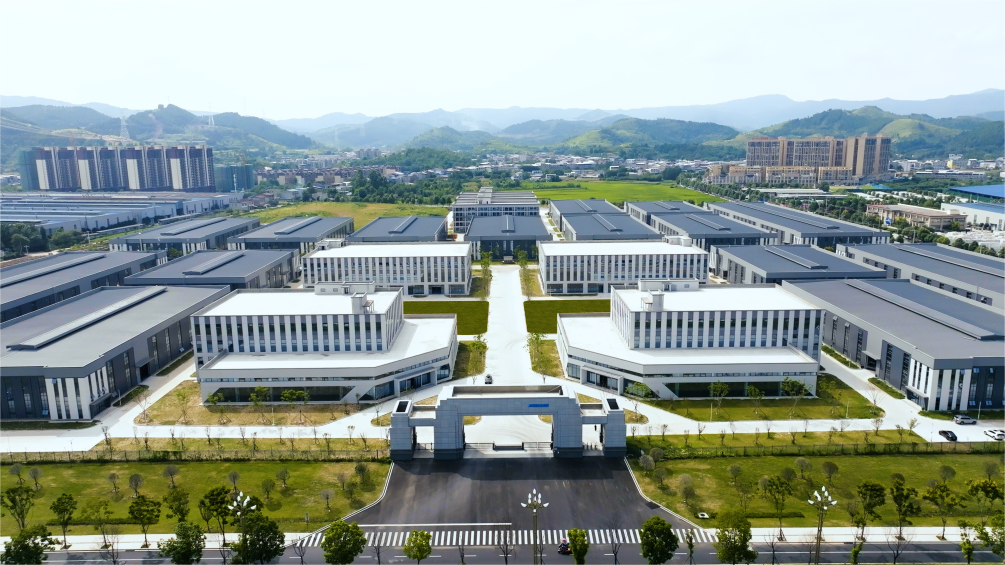
Founded in 2003, Xinhaosi is an established and trusted brand in the global gas safety industry. Over the past two decades, we have built a comprehensive production and service system that integrates R&D, automated manufacturing, global digital distribution, after-sales technical support, and CNAS-accredited calibration services.
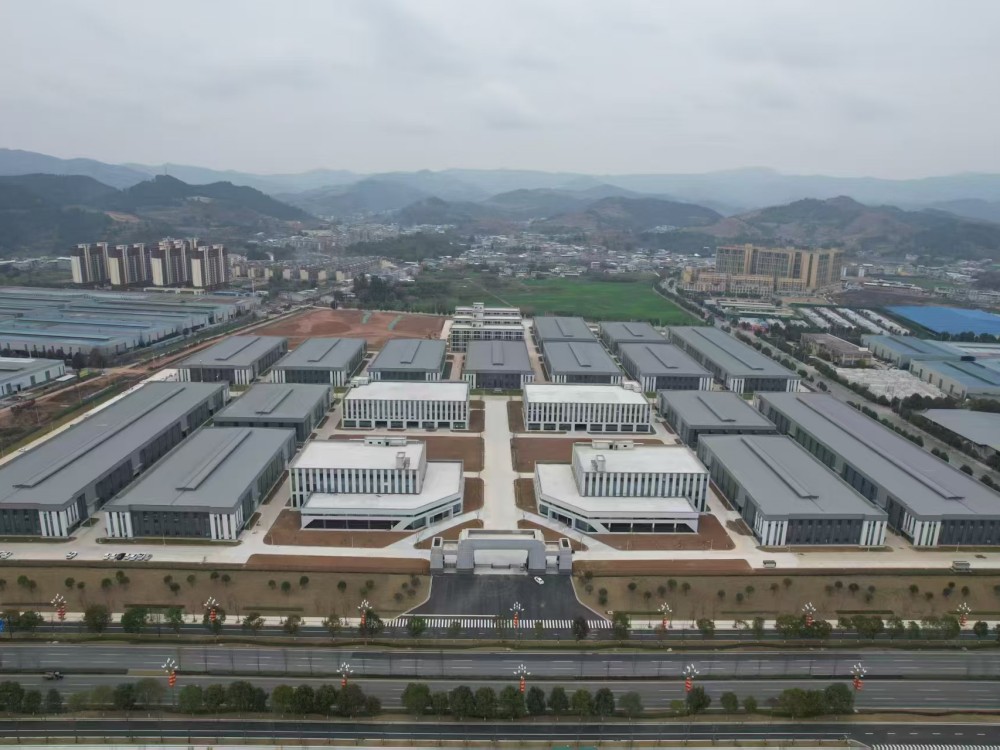
Our manufacturing operations are split across our Chengdu headquarters and our new, state-of-the-art Deyang factory. These facilities feature advanced automated SMT assembly lines, robotic testing stations, and environmental chamber testing, ensuring our production capacity meets global demands while maintaining strict quality control.
Guided by our core mission, “Making Gas Safety Accessible Everywhere,” we provide tailored solutions for complex industrial environments. We hold over 50 patents and software copyrights, including a graphical gas alarm monitoring system and integrated flow-monitoring solenoid valves. Xinhaosi is also a primary drafting organization for national industrial gas valve standards.
Our safety portfolio is divided into three business fields: Industrial Gas Leak Detection, Smart Urban Gas Infrastructure, and Commercial Safety Control Systems. We supply safety systems for steel production, chemical refining, wastewater utilities, commercial kitchens, and energy transport terminals around the world.
A history of safety engineering, technological development, and global expansion.
Established on April 17th, 2003. Launched our first-generation residential gas leak alarms and fire protection controllers, securing a foothold in regional safety markets.
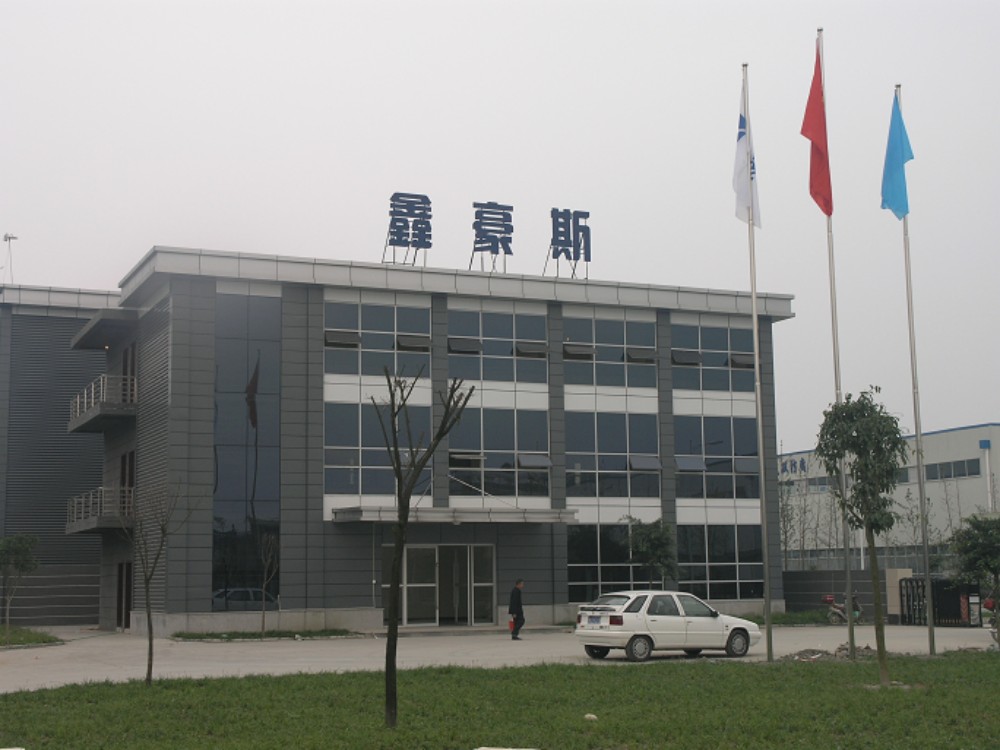
Began manufacturing specialized gas solenoid safety valves and expanded our OEM/ODM partnership network. Relocated our corporate office to Longtan Industrial Park to support team growth.

Reached 10 million units in cumulative sales for gas safety devices. Moved into our modern Chengdu production facility and completed a nationwide technical support network, while launching our fire power monitoring series.
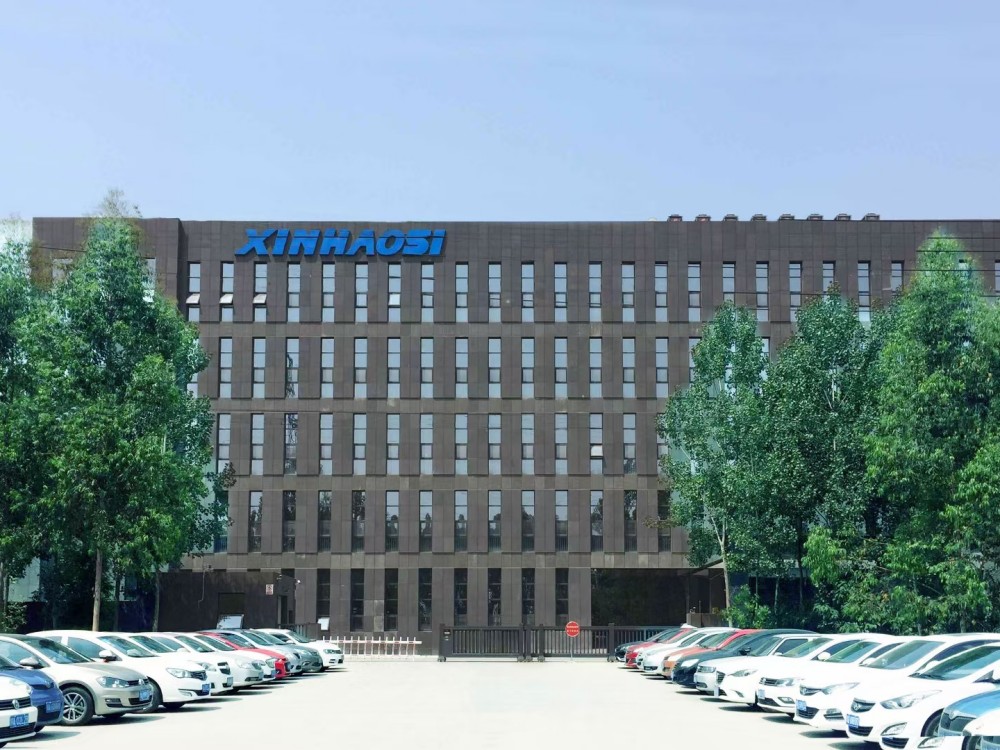
Developed and launched our proprietary cloud-based IoT gas monitoring platform. Recognized as an official National High-Tech Enterprise and qualified as a tier-1 supplier for China's largest gas companies.
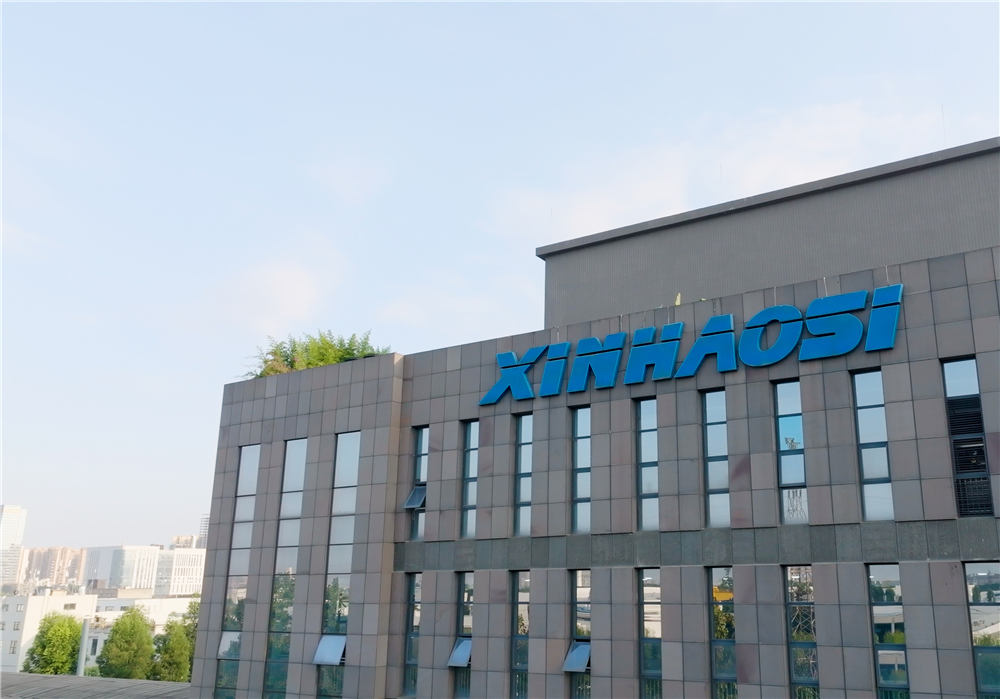
Began construction of the Deyang manufacturing plant. Established our Petrochemical & International Business Division to better serve overseas industrial markets, and recognized as a Provincial Technology Center.
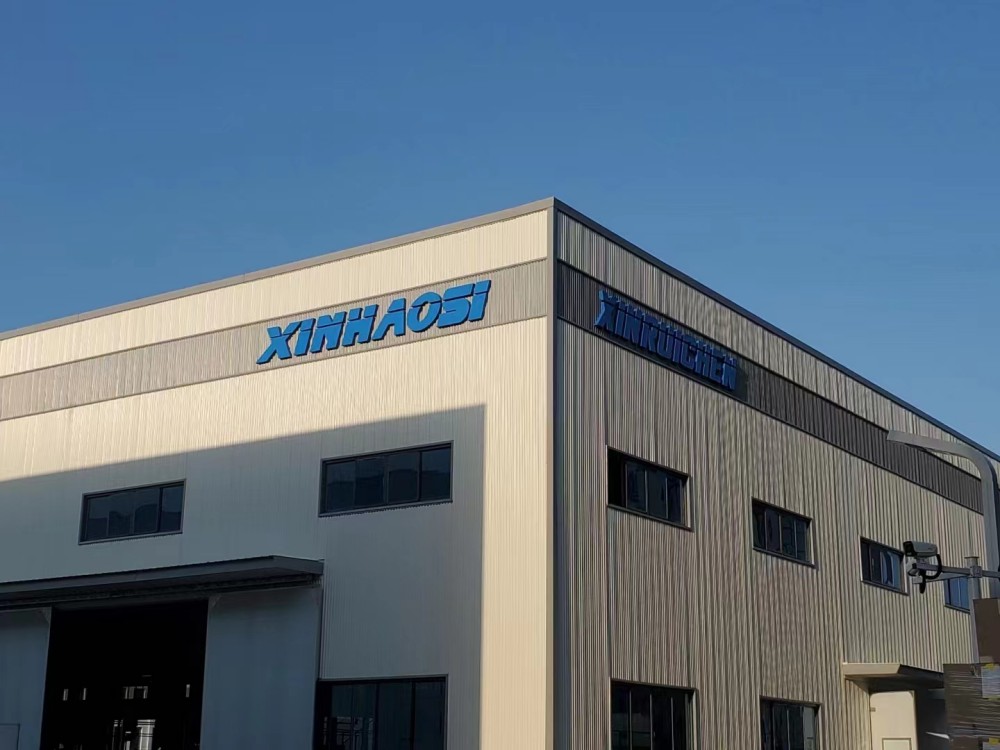
Completed and opened our Deyang manufacturing facility. Launched our new wireless monitoring lines, smart AI gas valves, and expanded our industrial pipeline safety portfolio for international markets.
Complete your facility's safety layout with our durable field instruments and automated safety shut-off systems.
Technical guidance and installation recommendations from our engineering team.
For hydrogen (H2) detection, catalytic bead (pellistor) or electrochemical sensors are generally recommended. For high-vibration maritime environments, specialized electrochemical sensors or MEMS-based semiconductor sensors provide excellent stability, resistance to poisoning, and rapid response times (T90 < 15s).
Bus-type controllers (using RS485 Modbus) simplify wiring for large installations by daisy-chaining field detectors along a single cable. This reduces installation costs by up to 40% and allows the controller to retrieve detailed diagnostics, such as sensor calibration status and temperature drift data.
Under European and German regulations (such as DGUV Regel 113-001), fixed gas detection systems should be inspected and calibrated every 6 to 12 months, depending on the target gas and operating conditions. Toxic gas sensors and electrochemical elements may require more frequent checks than infrared or catalytic sensors.
A fast-acting solenoid valve acts as an actuator in a safety loop. When a detector sends a gas concentration alert to the controller, the controller cuts power to the normally open valve, closing it in milliseconds. This isolates the main gas supply line before the leak reaches its lower explosive limit (LEL).
We provide full technical documentation, including CE declarations, SIL2 evaluation data, and calibration certificates traceable to our CNAS-accredited laboratory. Our team also offers assistance with system drawings and electrical configurations to help projects satisfy local safety inspector inspections.
Yes. Our controllers are equipped with standard Modbus RTU (RS485) communication ports and programmable relay contacts. This enables integration with distributed control systems (DCS), building management systems (BMS), and local PLC setups, allowing central command rooms to monitor real-time gas levels.
Have a custom project requirement or need assistance with system layout?
Consult Our Engineers Now