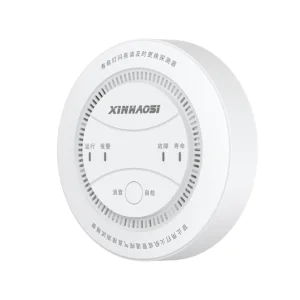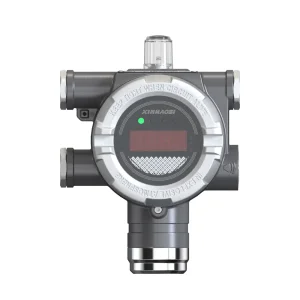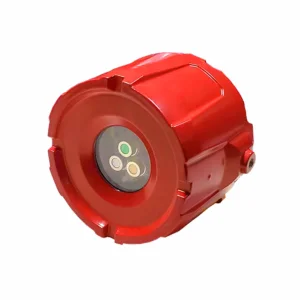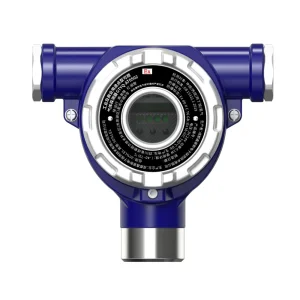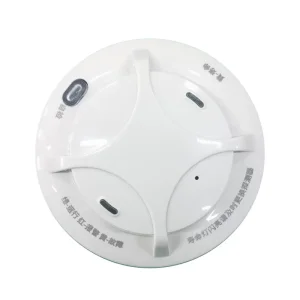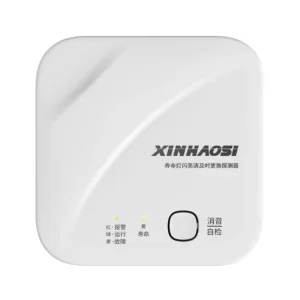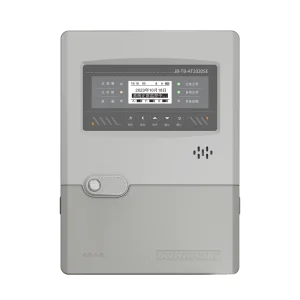
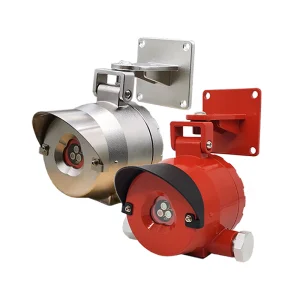
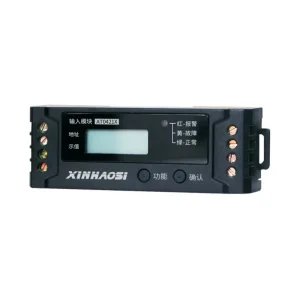
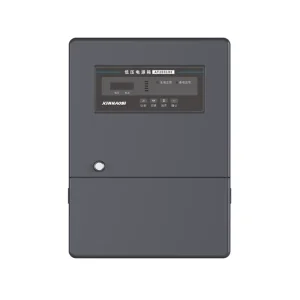

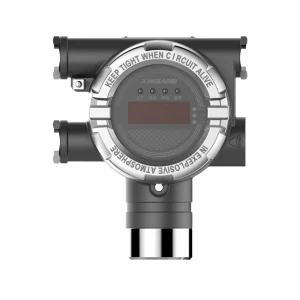
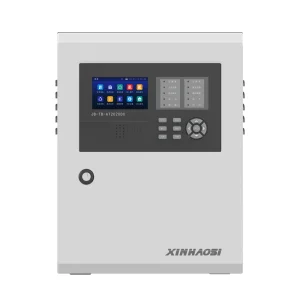
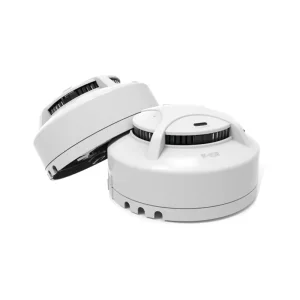
Propane (liquified petroleum gas / LPG) is a critical energy source powering manufacturing, agricultural processing, logistics, and HVAC systems worldwide. However, its chemical properties make it highly volatile. With a Lower Explosive Limit (LEL) of 2.1% by volume in air, even minor leaks can result in catastrophic industrial incidents. As global safety regulations become stricter, the demand for high-reliability, certified propane gas detection systems has shifted from a compliance check box to a core operational risk mitigation strategy.
Information Gain Insight: The stability of a propane sensor is largely determined by its resistance to "silicone poisoning." In commercial kitchens and manufacturing plants, airborne silicone molecules can quickly degrade catalytic sensors. Partnering with a factory that implements advanced catalytic bead technology and infrared (NDIR) detection principles is key to securing long-term field stability and reducing system maintenance expenses.
Founded in 2003, Xinhaosi is one of the most influential and trusted brands in the global gas safety industry. Over the past two decades, we have steadily built a robust and comprehensive production and service system, which integrates cutting-edge R&D, intelligent manufacturing with advanced automation equipment, digital marketing across global channels, professional after-sales support with an experienced technician team, flexible OEM/ODM services, as well as CNAS-Accredited laboratory calibration services that meet international standards.
Our diversified product portfolio covers industrial & residential gas detection & alarm systems, industrial & household gas solenoid valves, and urban gas pipeline network monitoring systems—all engineered to adapt to complex working environments and strict safety requirements. We produce and sell tens of millions of units annually, catering to a wide range of industries that demand reliable gas detection solutions, including oil & gas exploration and production, petrochemicals, urban gas distribution, automotive manufacturing, pharmaceuticals, new energy, steel production, and beverage processing.
Guided by the core mission of “Making Gas Safety Accessible Everywhere,” we consistently deliver high-performance, reliable products and customized solutions tailored to each client’s unique needs. Every item we manufacture undergoes rigorous quality control tests, and every service we provide is backed by our professional technical team, fully embodying our unwavering commitment to safeguarding gas safety across both industrial workplaces and residential environments, and striving to build a safer world with sustainable gas safety technologies.

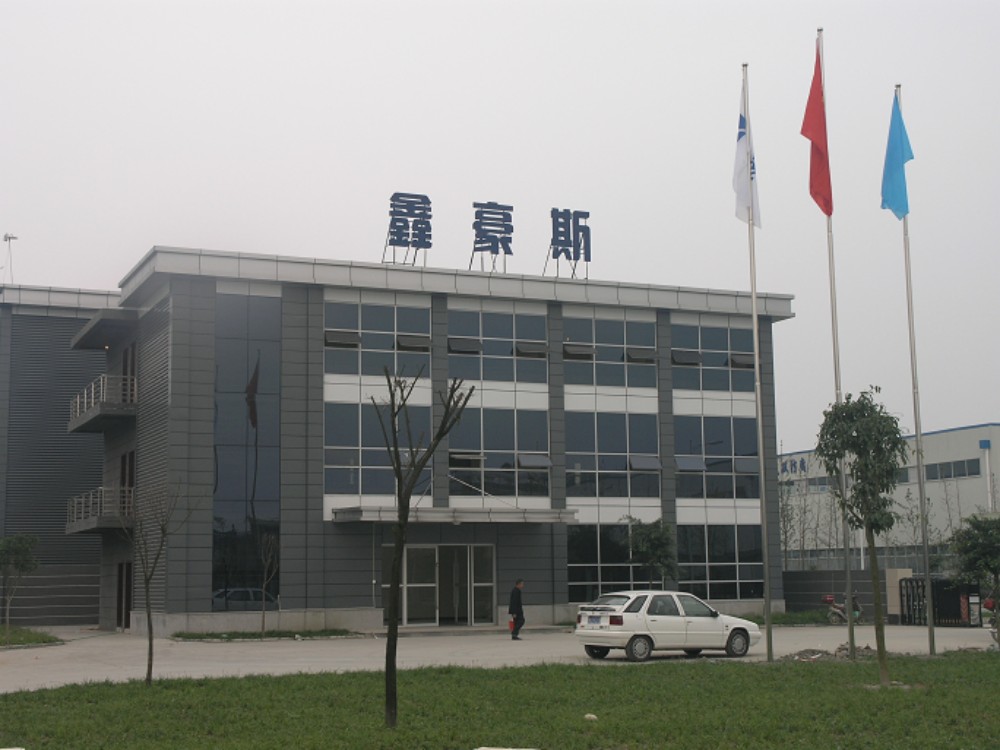
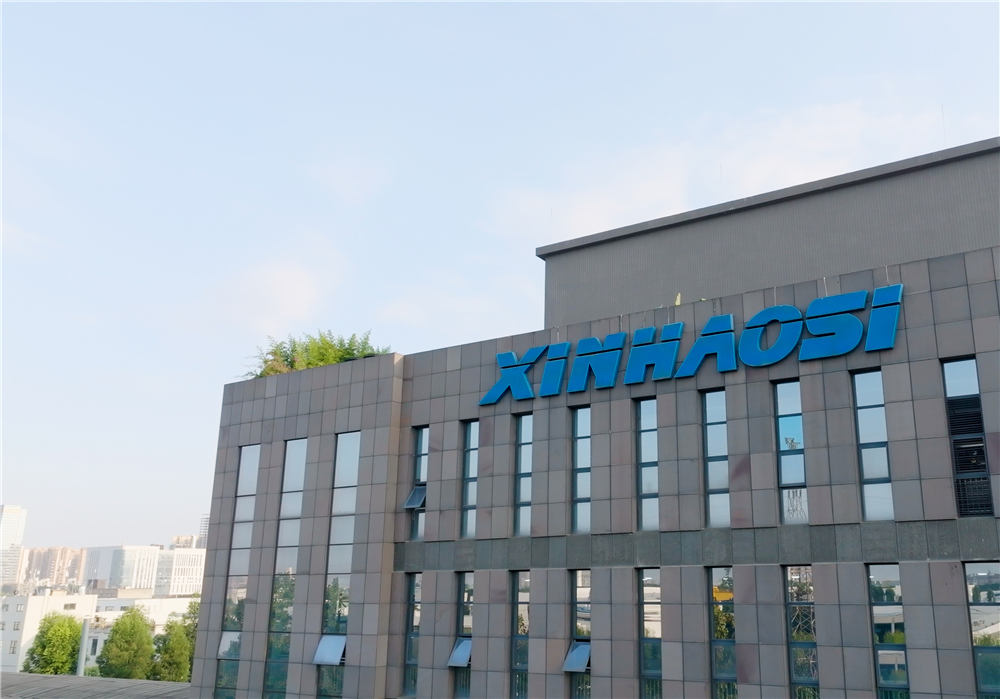
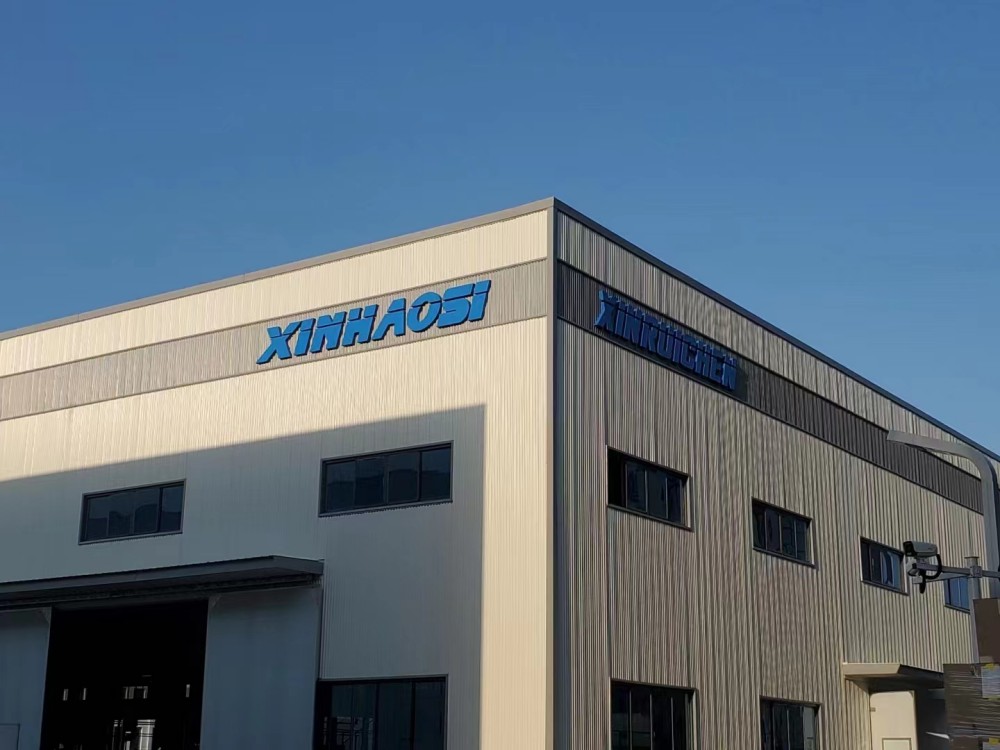
Chengdu Factory & Office

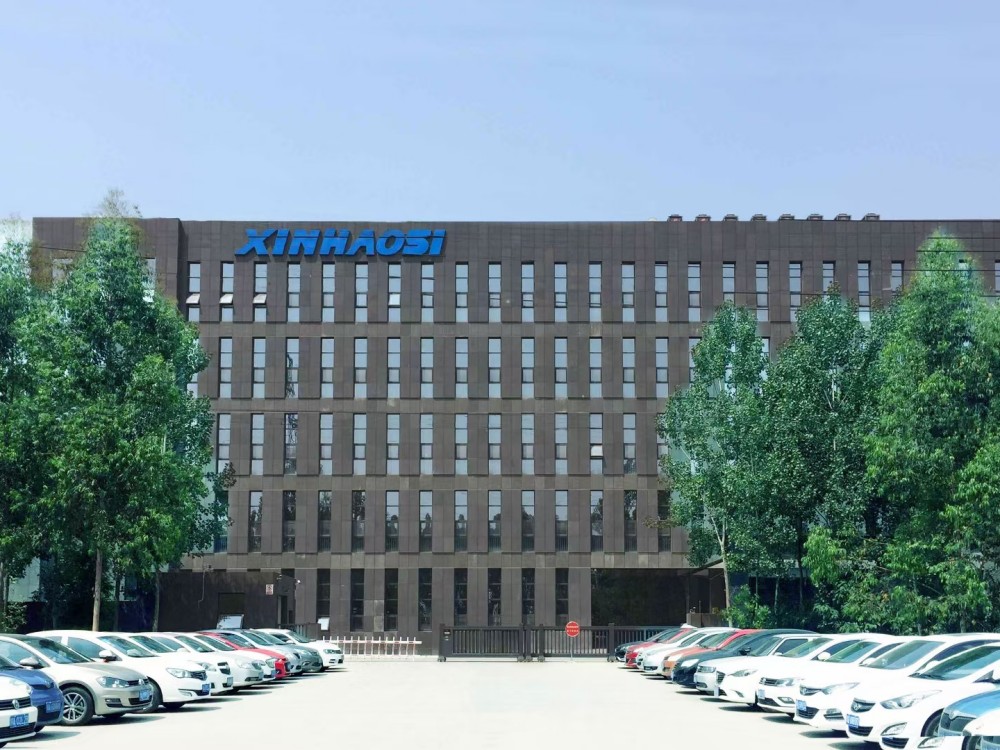
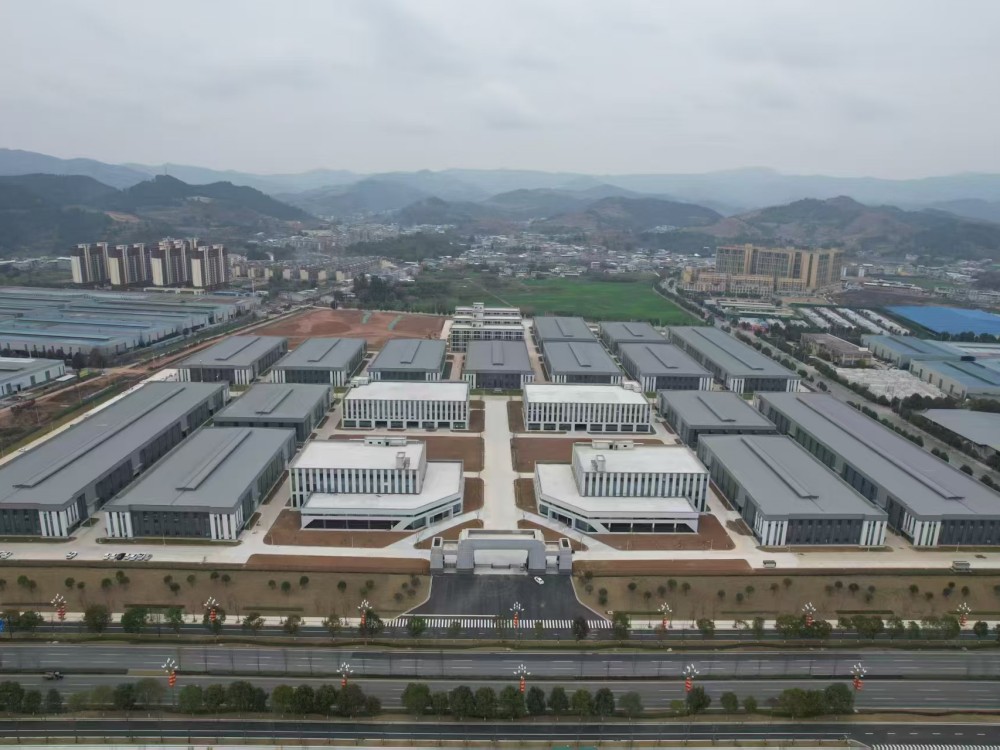
Deyang Factory
Modern gas detection device manufacturing relies heavily on industrial cluster efficiencies, specialized components supply chains, and highly integrated, high-volume automated assembly processes.
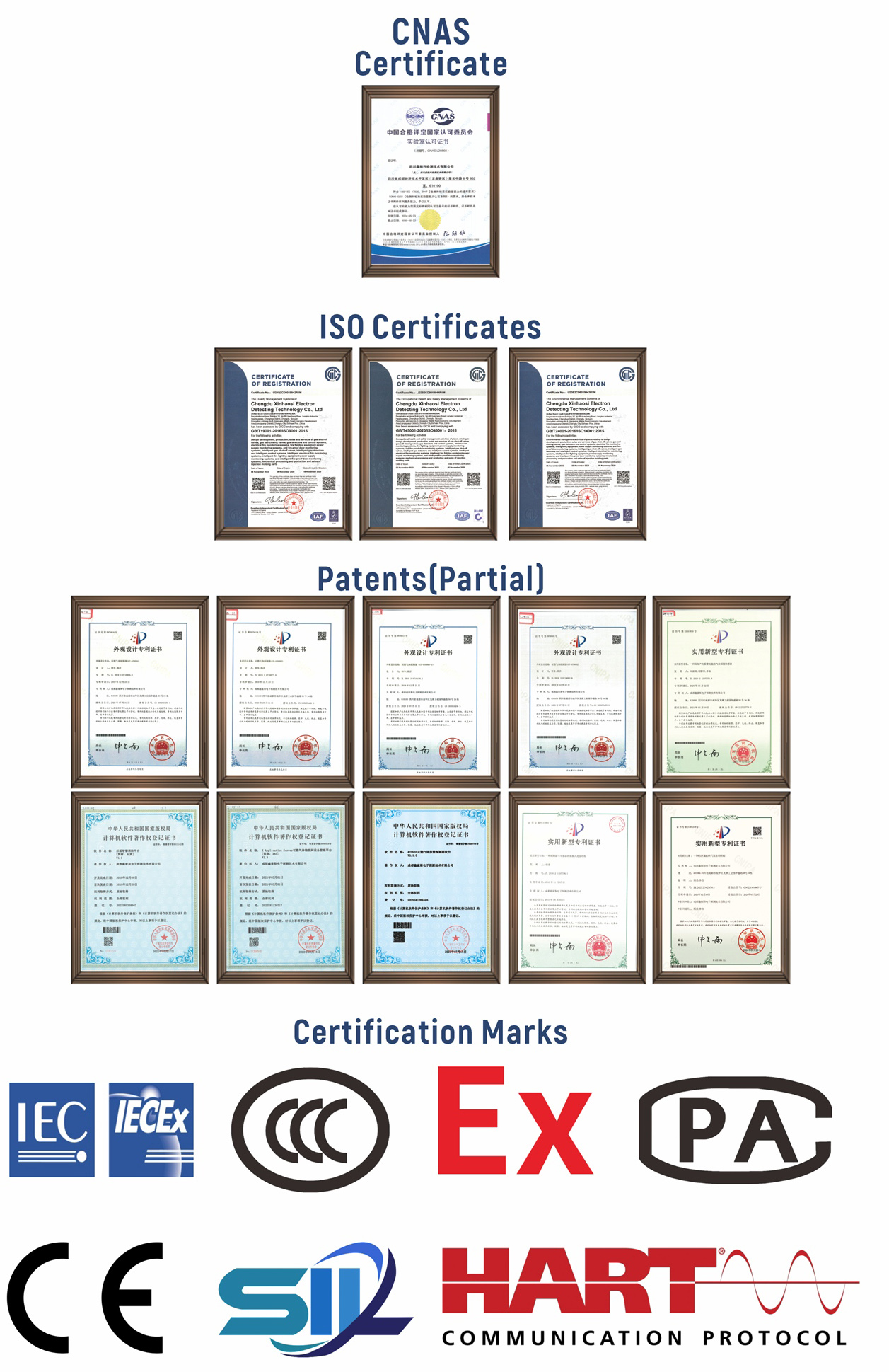
Adhering to ISO9001 quality management system standards, Xinhaosi's core products have obtained a full range of authoritative certifications, including national compulsory Products Certification, explosion-proof certification, fire product certification, CPA measurement instrument type approval certificate, and international approvals as CE, SIL. Additionally, Xinhaosi holds honors such as "National Quality Integrity Benchmark Enterprise" , "National Quality Leading Enterprise in the Gas Alarm Industry," member of the China Fire Protection Association, and the main drafting organization for the national standard of solenoid valves, further confirming its industry influence and reputation.
In the field of intellectual property, Xinhaosi has built a robust innovation system with over 50 patents and software copyrights . These patents cover core technological areas, including a graphical monitoring system for gas detection and alarm, which enables predictive maintenance based on historical data to reduce equipment failure rates by over 30%, and a solenoid valve with flow monitoring functionality that integrates flow detection and alarm capabilities . The company also pioneered China's first networked bus-type gas leakage monitoring system and the only maximum-point gas leakage monitoring system certified by the Ministry of Public Security, demonstrating its leading position in cutting-edge technological research.
Our in-house laboratory is accredited by the China National Accreditation Service for Conformity Assessment (CNAS), recognized both domestically and internationally under the ILAC-MRA framework. It operates in accordance with ISO/IEC 17025, the international standard for testing and calibration laboratories. It provides reliable and traceable testing services for gas detection and alarm products, solenoid valves, and related safety equipment. Test reports issued by the CNAS-accredited laboratory are widely accepted by regulatory authorities, certification bodies, and customers in China and overseas, helping to ensure product quality, safety compliance, and market access.
Propane behaves differently than methane (Natural Gas). Because propane gas has a higher molecular weight than air, it settles downward in low points and floor crevices. Consequently, propane detectors must be installed approximately 30cm (12 inches) off the floor to capture early gas accumulations. Key application areas include:
Our journey is defined by constant technological breakthroughs, infrastructure expansion, and a dedication to global market demands.

As safety standards evolve, the design architectures of global propane detectors are undergoing major shifts. Industrial buyers and commercial OEM partners should align with the following emerging industry trends:
Core Procurement Tip for Global Enterprise Buyers: Always check if your manufacturer operates an internal calibration laboratory conforming to ISO/IEC 17025. This ensures that every shipped device comes with a traceable calibration record, mitigating liability concerns and simplifying localized regulatory approvals.
Below, our senior engineers answer the most frequently asked questions regarding propane monitoring systems, factory calibrations, and international regulatory compliances.