Engineered for extreme reliability, functional safety, and real-time mitigation system triggers.
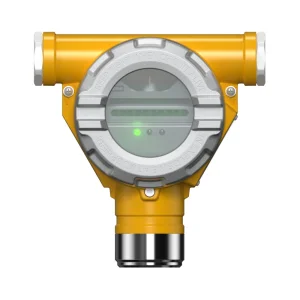
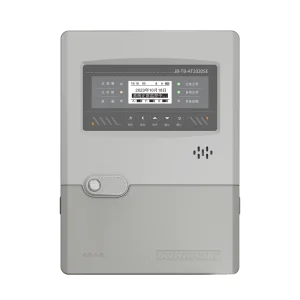
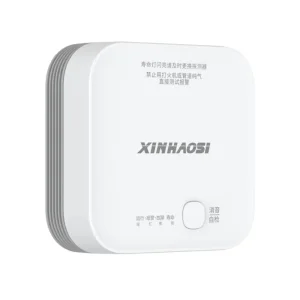
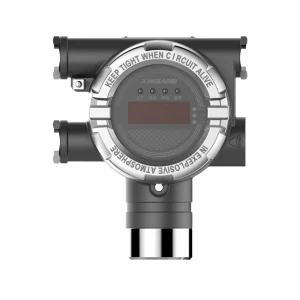
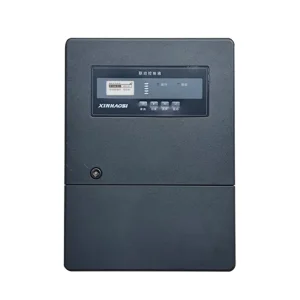
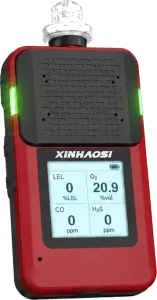
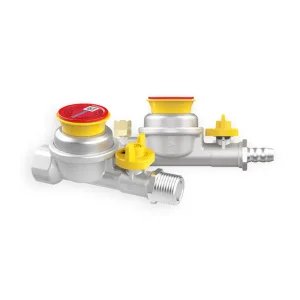
Propane (Liquefied Petroleum Gas, or LPG) is a foundational energy source across residential, commercial, and heavy industrial applications. However, its high energy density and flammability profile mean that even minor leakages can rapidly escalate into catastrophic explosions. Since propane is heavier than air, it settles in low-lying areas, making traditional high-level safety mechanisms ineffective without strategic positioning and rapid-acting low-level sensors.
In modern industrial safety, the demand has shifted from simple localized sound alarms to fully integrated, networked safety systems. The market requires high-precision sensor arrays, immediate automated mitigation (such as emergency solenoid gas shut-off valves), and remote telemetry linkups to IoT cloud networks. Safety standards like EN 50194, UL 1484, and UL 2075 demand that detectors remain operational in extreme environments (high humidity, extreme temperatures, and presence of chemical poisons) without false-positive triggers. OEM partners must now design hardware with enhanced diagnostic longevity, advanced sensor calibration protocols, and systemic fail-safes.
Analyzing the primary indicators B2B buyers look for when choosing an OEM manufacturer partner.
Buyers no longer purchase standalone detectors. Industrial procurement mandates that detectors interface seamlessly with fire control panels, building management systems (BMS), and emergency automatic shut-off systems via RS485 Modbus, 4-20mA, or industrial Ethernet protocols.
Compliance is non-negotiable. B2B buyers require SIL2/SIL3 functional safety levels, ATEX/IECEx certifications for explosive zones, CE conformity, and CNAS calibration capabilities to comply with local governmental regulations and secure insurance compliance.
Global operators face highly variable facility environments. They require custom mechanical designs, specialized housing (such as heavy-duty IP66 aluminum or stainless steel cases), customized threshold alerts, and tailored software configuration.


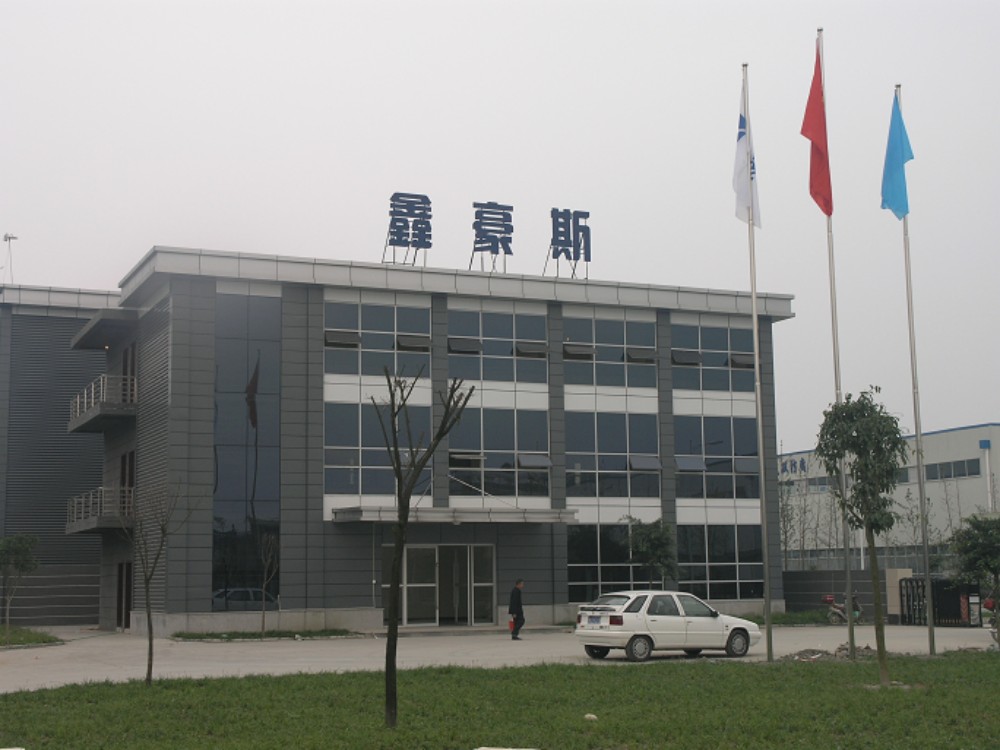
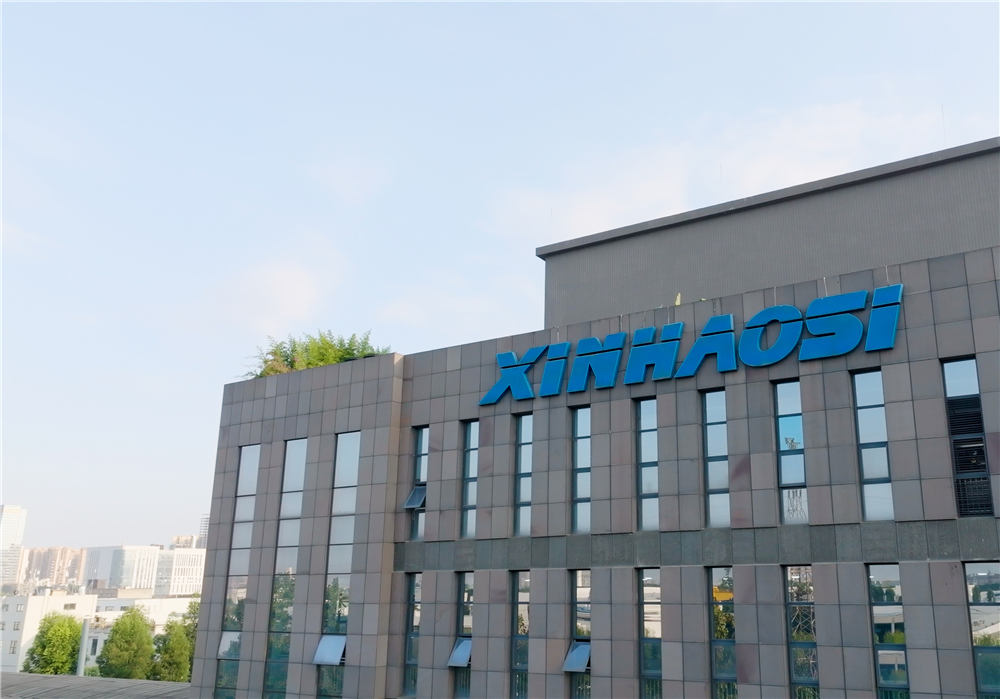
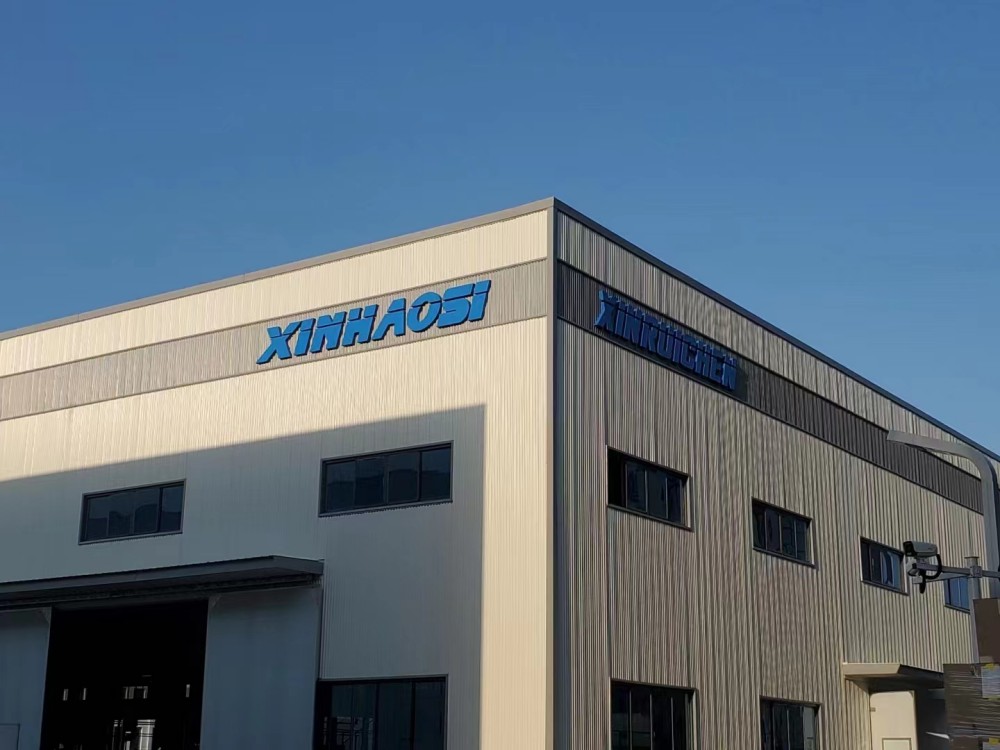
Founded in 2003, Xinhaosi is one of the most influential and trusted brands in the global gas safety industry. Over the past two decades, we have steadily built a robust and comprehensive production and service system, which integrates cutting-edge R&D, intelligent manufacturing with advanced automation equipment, digital marketing across global channels, professional after-sales support with an experienced technician team, flexible OEM/ODM services, as well as CNAS-Accredited laboratory calibration services that meet international standards.
Our diversified product portfolio covers industrial & residential gas detection & alarm systems, industrial & household gas solenoid valves, and urban gas pipeline network monitoring systems—all engineered to adapt to complex working environments and strict safety requirements. We produce and sell tens of millions of units annually, catering to a wide range of industries that demand reliable gas detection solutions, including oil & gas exploration and production, petrochemicals, urban gas distribution, automotive manufacturing, pharmaceuticals, new energy, steel production, and beverage processing.
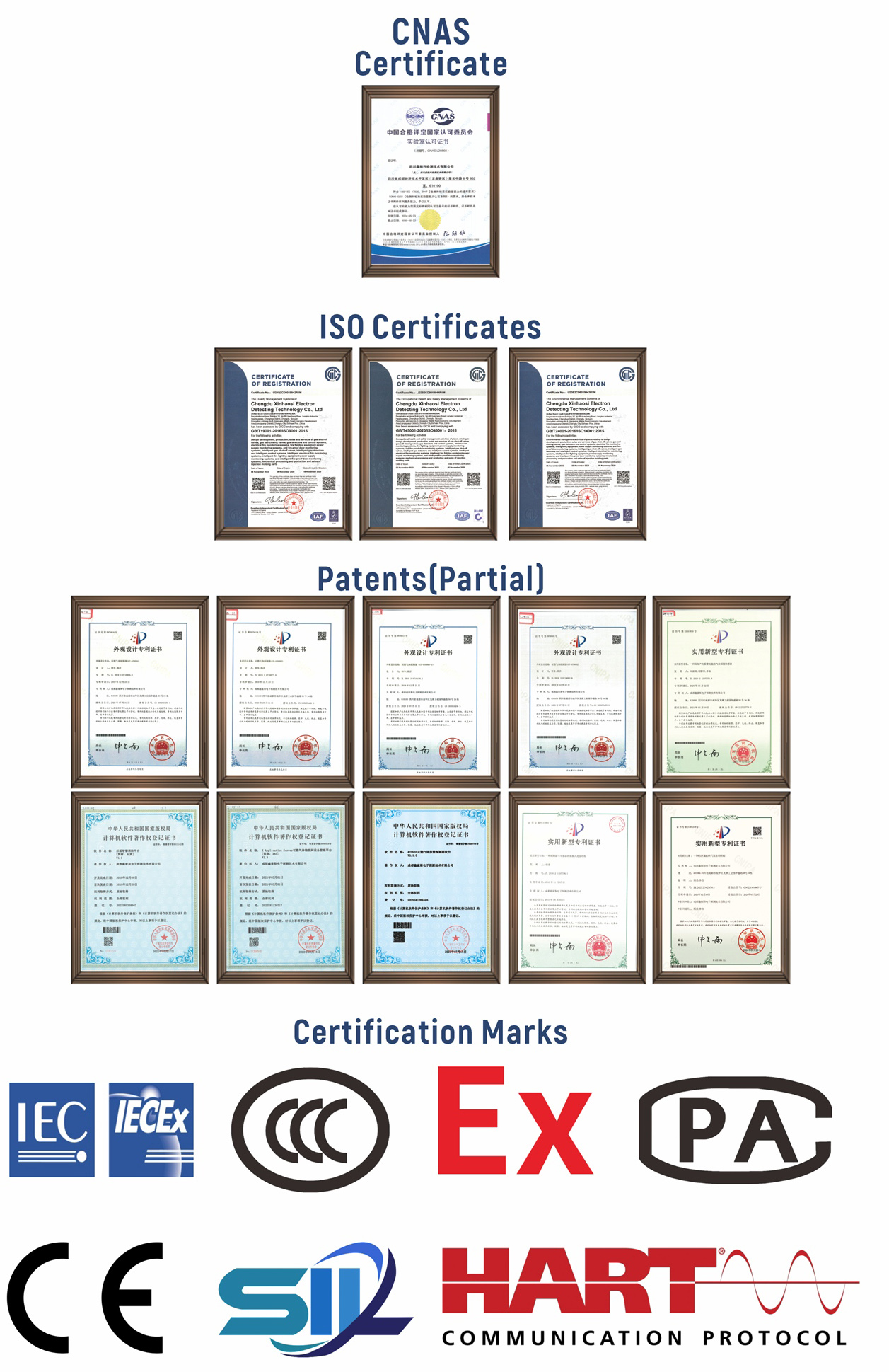
Adhering to ISO9001 quality management system standards, Xinhaosi's core products have obtained a full range of authoritative certifications, including national compulsory Products Certification, explosion-proof certification, fire product certification, CPA measurement instrument type approval certificate, and international approvals such as CE and SIL. Additionally, Xinhaosi holds honors such as "National Quality Integrity Benchmark Enterprise", "National Quality Leading Enterprise in the Gas Alarm Industry," member of the China Fire Protection Association, and the main drafting organization for the national standard of solenoid valves, further confirming its industry influence and reputation.
In the field of intellectual property, Xinhaosi has built a robust innovation system with over 50 patents and software copyrights. These patents cover core technological areas, including a graphical monitoring system for gas detection and alarm, which enables predictive maintenance based on historical data to reduce equipment failure rates by over 30%, and a solenoid valve with flow monitoring functionality that integrates flow detection and alarm capabilities. The company also pioneered China's first networked bus-type gas leakage monitoring system and the only maximum-point gas leakage monitoring system certified by the Ministry of Public Security, demonstrating its leading position in cutting-edge technological research.
Our in-house laboratory is accredited by the China National Accreditation Service for Conformity Assessment (CNAS), recognized both domestically and internationally under the ILAC-MRA framework. It operates in accordance with ISO/IEC 17025, the international standard for testing and calibration laboratories. It provides reliable and traceable testing services for gas detection and alarm products, solenoid valves, and related safety equipment. Test reports issued by the CNAS-accredited laboratory are widely accepted by regulatory authorities, certification bodies, and customers in China and overseas, helping to ensure product quality, safety compliance, and market access.
Deploying robust, end-to-end safety topologies across diverse industrial landscapes.
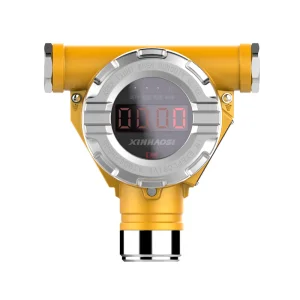
Utilizing GTYQ-AT0505 industrial-grade, explosion-proof detectors equipped with catalytic bead or NDIR sensors. These units continuously sample the air in critical proximity zones where propane gas accumulation is highly probable.
Detectors feed 4-20mA or RS485 Modbus telemetry into the JB-TB-AT2020SE controller. The controller serves as the system brain, displaying gas concentration profiles and validating alarm conditions against predefined limits.
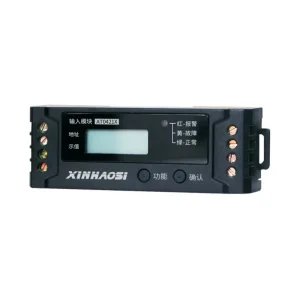
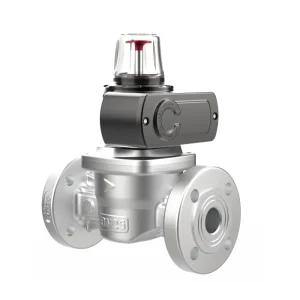
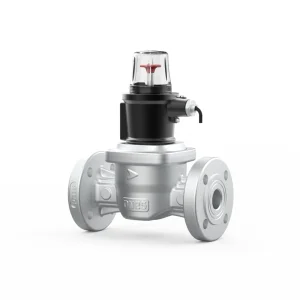
Upon reaching danger thresholds, the controller immediately commands the JB-MK-AT2041X interlock box. This instantly triggers the KT-XF5 industrial solenoid shut-off valve, cutting off fuel supplies before ignition can occur.
Decades of technical adaptation, production expansion, and market leadership.



Navigating next-generation smart detection technology and proactive risk management.
By leveraging deep machine learning models embedded directly within detector microchips, next-generation alarms analyze the kinetic profile of gas diffusion. This filter system distinguishes real propane hazards from non-hazardous common household gases (like ethanol or aerosol vapors), minimizing false-positive triggers and expensive downtime.
Integrating LoRaWAN, NB-IoT, and Zigbee allows propane detectors to operate for years on small internal battery cells. This development bypasses expensive wired power installations in remote LPG depots, tank fields, and expansive municipal pipelines, simplifying large-scale sensor deployments.
Future systems feature continuous self-calibration of electrochemical and catalytic sensor elements. Advanced predictive maintenance models evaluate changes in sensor impedance, signaling the centralized monitoring console when a specific sensor node is reaching end-of-life before any functional failure occurs.
Critical technical, regulatory, and mechanical questions answered by our gas safety engineering team.
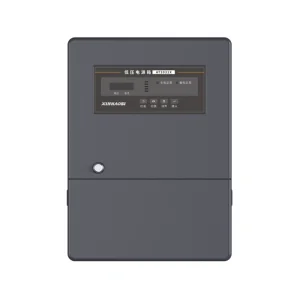
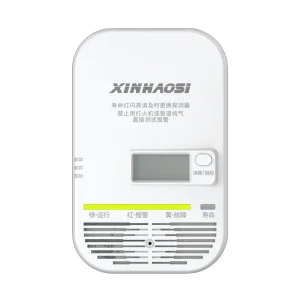
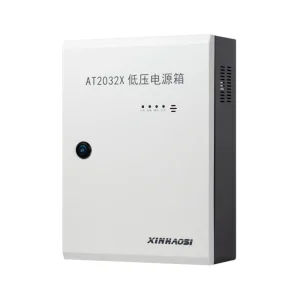
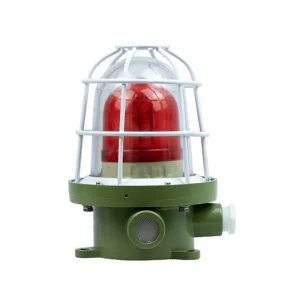
Supporting safety infrastructures with reliable low-voltage power units, input devices, and alarms.