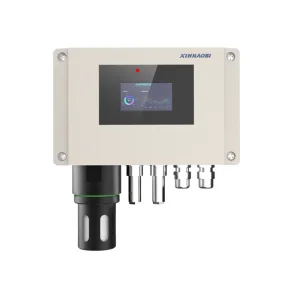
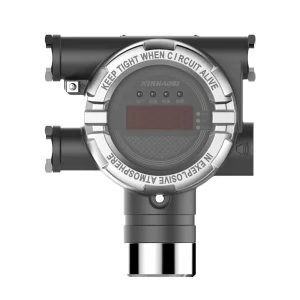
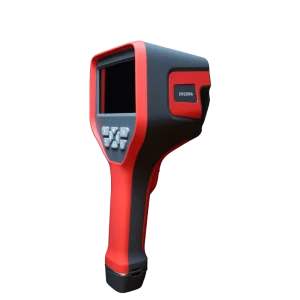
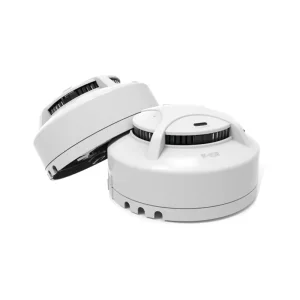
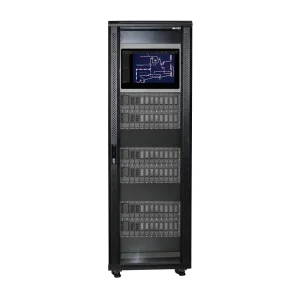
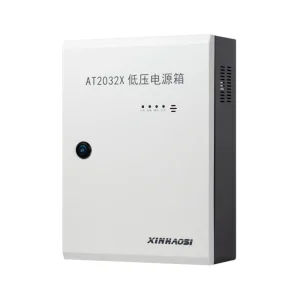
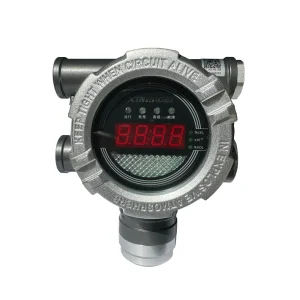
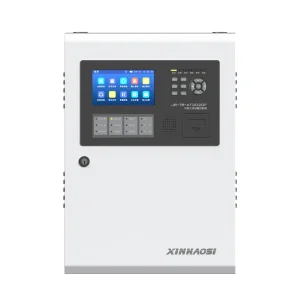
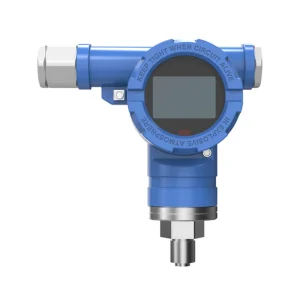
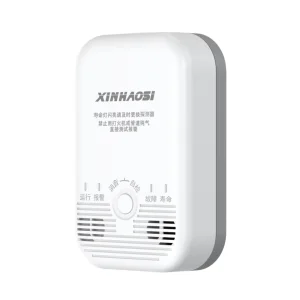
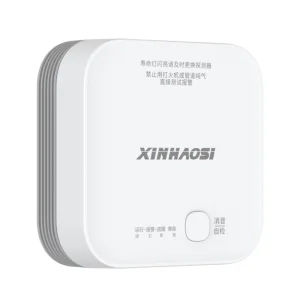
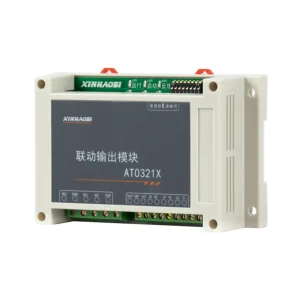
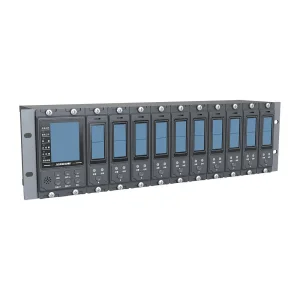
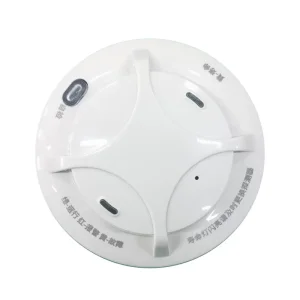
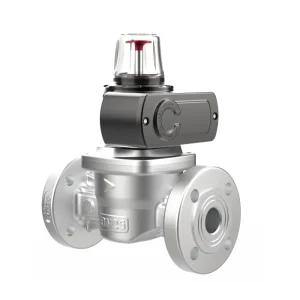
Founded in 2003, Xinhaosi is one of the most influential and trusted brands in the global gas safety industry. Over the past two decades, we have steadily built a robust and comprehensive production and service system, which integrates cutting-edge R&D, intelligent manufacturing with advanced automation equipment, digital marketing across global channels, professional after-sales support with an experienced technician team, flexible OEM/ODM services, as well as CNAS-Accredited laboratory calibration services that meet international standards.
Our diversified product portfolio covers industrial & residential gas detection & alarm systems, industrial & household gas solenoid valves, and urban gas pipeline network monitoring systems—all engineered to adapt to complex working environments and strict safety requirements. We produce and sell tens of millions of units annually, catering to a wide range of industries that demand reliable gas detection solutions, including oil & gas exploration and production, petrochemicals, urban gas distribution, automotive manufacturing, pharmaceuticals, new energy, steel production, and beverage processing.
Guided by the core mission of “Making Gas Safety Accessible Everywhere,” we consistently deliver high-performance, reliable products and customized solutions tailored to each client’s unique needs. Every item we manufacture undergoes rigorous quality control tests, and every service we provide is backed by our professional technical team, fully embodying our unwavering commitment to safeguarding gas safety across both industrial workplaces and residential environments, and striving to build a safer world with sustainable gas safety technologies.

Chengdu Factory & Office Center

State-of-the-Art Deyang Production Base
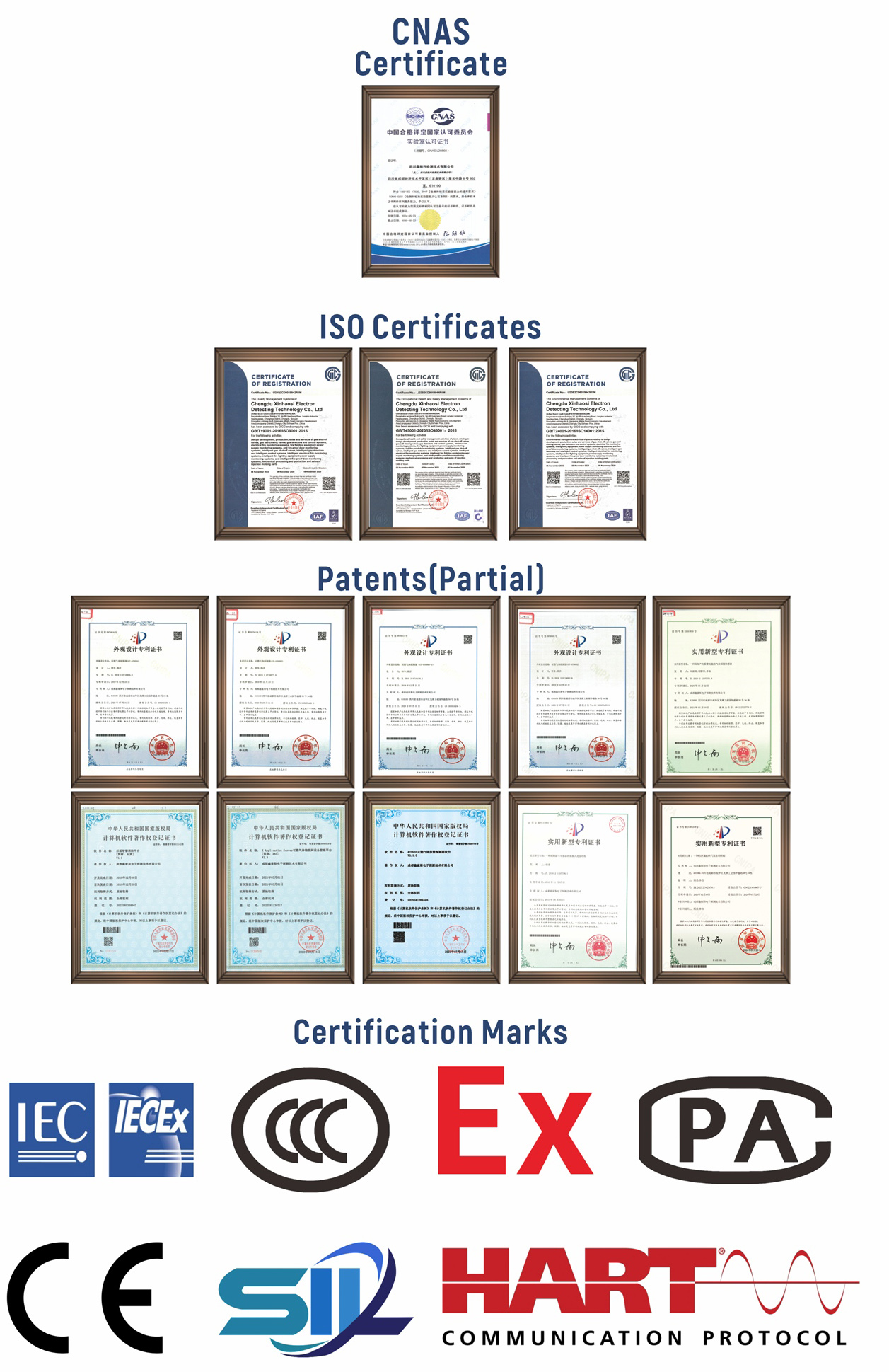
Adhering to ISO9001 quality management system standards, Xinhaosi's core products have obtained a full range of authoritative certifications, including national compulsory Products Certification, explosion-proof certification, fire product certification, CPA measurement instrument type approval certificate, and international approvals such as CE and SIL. Additionally, Xinhaosi holds honors such as "National Quality Integrity Benchmark Enterprise", "National Quality Leading Enterprise in the Gas Alarm Industry," member of the China Fire Protection Association, and the main drafting organization for the national standard of solenoid valves, further confirming its industry influence and reputation.
In the field of intellectual property, Xinhaosi has built a robust innovation system with over 50 patents and software copyrights. These patents cover core technological areas, including a graphical monitoring system for gas detection and alarm, which enables predictive maintenance based on historical data to reduce equipment failure rates by over 30%, and a solenoid valve with flow monitoring functionality that integrates flow detection and alarm capabilities. The company also pioneered China's first networked bus-type gas leakage monitoring system and the only maximum-point gas leakage monitoring system certified by the Ministry of Public Security, demonstrating its leading position in cutting-edge technological research.
Our in-house laboratory is accredited by the China National Accreditation Service for Conformity Assessment (CNAS), recognized both domestically and internationally under the ILAC-MRA framework. It operates in accordance with ISO/IEC 17025, the international standard for testing and calibration laboratories. It provides reliable and traceable testing services for gas detection and alarm products, solenoid valves, and related safety equipment. Test reports issued by the CNAS-accredited laboratory are widely accepted by regulatory authorities, certification bodies, and customers in China and overseas, helping to ensure product quality, safety compliance, and market access.
In the modern industrial landscape, procurement officers and environment, health, and safety (EHS) managers face unprecedented compliance and technical challenges. Gas hazards are highly volatile, variable, and hazardous to life and infrastructure. Selecting the right portable gas detector OEM is not just a commercial sourcing transaction; it is a critical step in a facility's proactive life-safety risk assessment. Today’s global enterprises seek manufacturers who offer scalable customization, uncompromised metrological traceability, and reliable long-term support.
Sourcing directly from an established OEM like Xinhaosi minimizes supply chain layers. Volume manufacturing capacity and local material sourcing mean competitive pricing without sacrificing sensor calibration, structural integrity, or certification pedigree.
Every industrial sector has unique requirements. Whether you require specific communication protocols (LBT, wireless, Modbus), proprietary enclosure aesthetics, customized warning thresholds, or ruggedized outer structures, our design team adapts hardware and firmware to your standards.
With an in-house, ISO/IEC 17025 compliant CNAS laboratory, Xinhaosi guarantees that every portable gas detector is tested against verified calibration gas standards. We supply full documentation to ease the pain of local EHS audits and occupational health compliance checks.
Portable gas detection is rarely a standalone product strategy. In complex facilities, portable systems operate in tandem with fixed detectors, automatic emergency shut-off valves, and centralized telemetry consoles. Xinhaosi develops holistic safety matrices that connect field technicians with control room command systems.
From crude processing units to offshore extraction platforms, personnel require ruggedized, ATEX/IECEx certified explosion-proof multi-gas monitors (e.g., detecting LEL combustible gases, H2S, CO, and O2). Our portable designs withstand high impact, salty air, and severe temperature fluctuations.
Urban distribution demands rapid leak detection and spatial mapping of underground gas conduits. Our handheld uncooled infrared (NDIR) detectors allow pipeline inspectors to localize minor methane emissions quickly without direct contact, preventing catastrophic explosions.
Sump tanks, sewer lines, and enclosed parking garages gather heavy or toxic gases (CO, NO2, H2S). Sourcing our specialized detectors helps facility managers meet OSHA permit-required confined space entry rules with real-time telemetry and reliable visual/auditory alarms.
The rise of lithium battery storage facilities and hydrogen fuel technology introduces threats of thermal runaway gases. Our R&D team designs customized gas detection sets to sense trace emissions of H2, CO, and organic hydrocarbons before physical fire occurs.
As the industrial internet of things (IIoT) evolves, gas safety products are transitioning from passive alert systems to active, predictive analytics networks. Xinhaosi is at the forefront of this industrial shift, committing extensive research budget into wireless low-power protocols, micro-sensor integration, and cloud-based risk visualization dashboards.
Established on April 17th, 2003. Pioneered and launched the 1st generation of gas leak alarm and fire fighting hardware solutions for domestic applications.
Began dedicated safety valve production. Expanded manufacturing pipelines to accommodate large-scale OEM partnerships. Transitioned headquarters to Longtan Industrial Park.
Achieved the milestone of 10 million gas detector units sold. Constructed and moved into the Chengdu factory. Extended domestic distribution and introduced fire power monitoring systems.
Developed and launched our proprietary IoT safety platform. Achieved National High-Tech Enterprise certification. Awarded Tier-1 supplier status by China's top five major energy corporations.
Commenced construction of the Deyang smart manufacturing center. Formed the dedicated Petrochemical & International Business divisions. Certified as a Sichuan Provincial Technology Center.
Deyang factory fully operational. Commercialized next-gen wireless portable sensors, intelligent urban pipeline leak diagnostics, and AI-enabled safety shut-off valves.
Every sovereign jurisdiction enforces unique regulatory parameters concerning workplace atmosphere monitoring. In the United States, OSHA (Occupational Safety and Health Administration) regulates permissible exposure limits (PEL), while in Europe, the ATEX directives govern device safety in potentially explosive atmospheres. Similar strictures exist under Canada's CSA, Australia's TestSafe, and China's GB standards.
To address this fragmented landscape, Xinhaosi operates as a global OEM partner that manufactures devices capable of crossing national borders easily. Through our CNAS-accredited calibration laboratory, we provide metrologically traceable documentation proving sensor responsiveness, cross-sensitivity profiles, and drift metrics. This compliance package speeds up importing, shortens local certification processing times, and ensures your staff remains legally compliant and biologically protected wherever they operate.
We design systems up to SIL2 standards, confirming high functional reliability. Our hardware reduces systematic engineering risks in complex, high-pressure gas distribution scenarios.
Fully compliant CE marking, EMC filtering, and intrinsically safe circuitry designs. Safe for long-term deployments in Zone 0, Zone 1, and Zone 2 hazardous areas.
Direct alignment with ILAC-MRA ensures test protocols verified in our CNAS laboratory are accepted across international regulatory frameworks without additional testing costs.
Explore expert insights on sourcing parameters, device lifecycle maintenance, sensor engineering, and EHS deployment strategies.