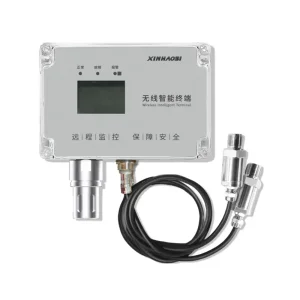
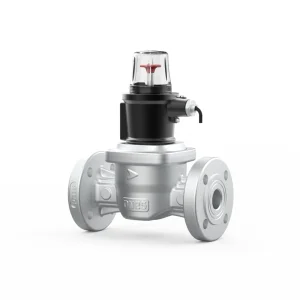
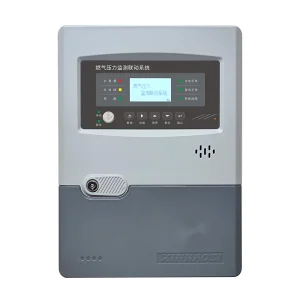
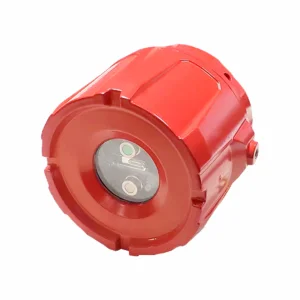
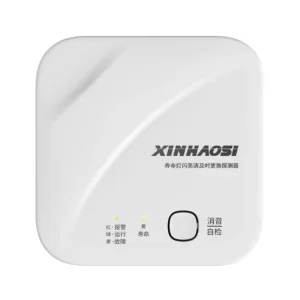
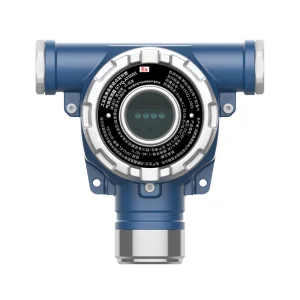
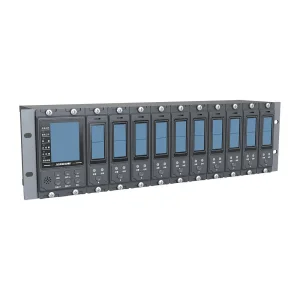
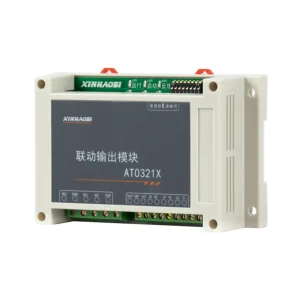
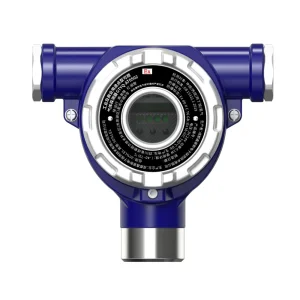
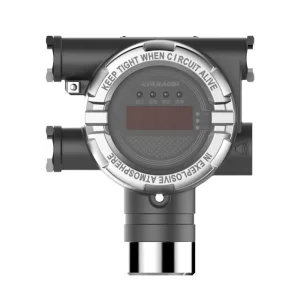
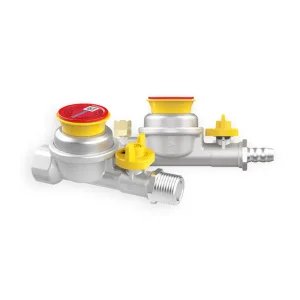
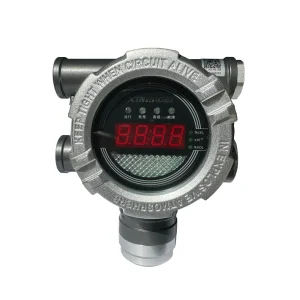
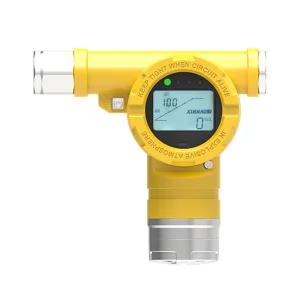
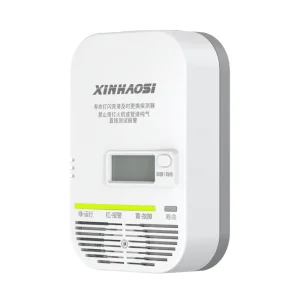
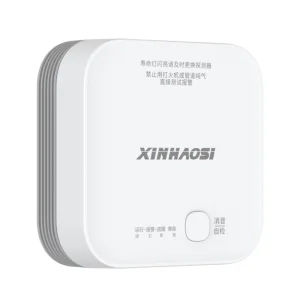
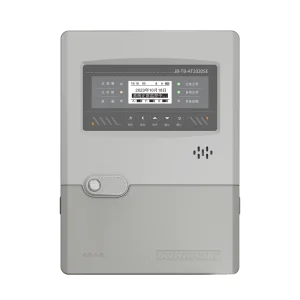
Explore our premium product line, engineered at our modern manufacturing plant for hazardous, industrial, and civil gas safety environments.
Ozone ($O_3$) is widely utilized across the globe as a powerful oxidizing and sanitizing agent in municipal wastewater treatment, water purification, pharmaceuticals, semiconductor fabrication, and commercial agriculture. However, because of its volatile nature and toxic effects on human respiratory systems at low concentration levels (e.g., above 0.1 ppm), precise monitoring is critical.
Advanced sensor integrations—such as electrochemical and ultraviolet (UV) absorption photometry—must function with absolute stability and minimum drift. The demand for reliable OEM Ozone Monitors has spiked dramatically as environmental agencies (like the EPA and OSHA) enforce stricter workplace safety limits. Enterprise procurement agencies now prioritize long-term sensor reliability, lower cost of ownership, and simplified calibration capabilities.
"According to global safety compliance standards, constant ozone monitoring at sub-ppm resolution is not merely a safety precaution; it is a vital parameter for regulatory validation."

Deeply rooted in the gas safety sector, Xinhaosi develops and manufactures high-precision detection instruments and automatic safety valves for industrial enterprises worldwide.

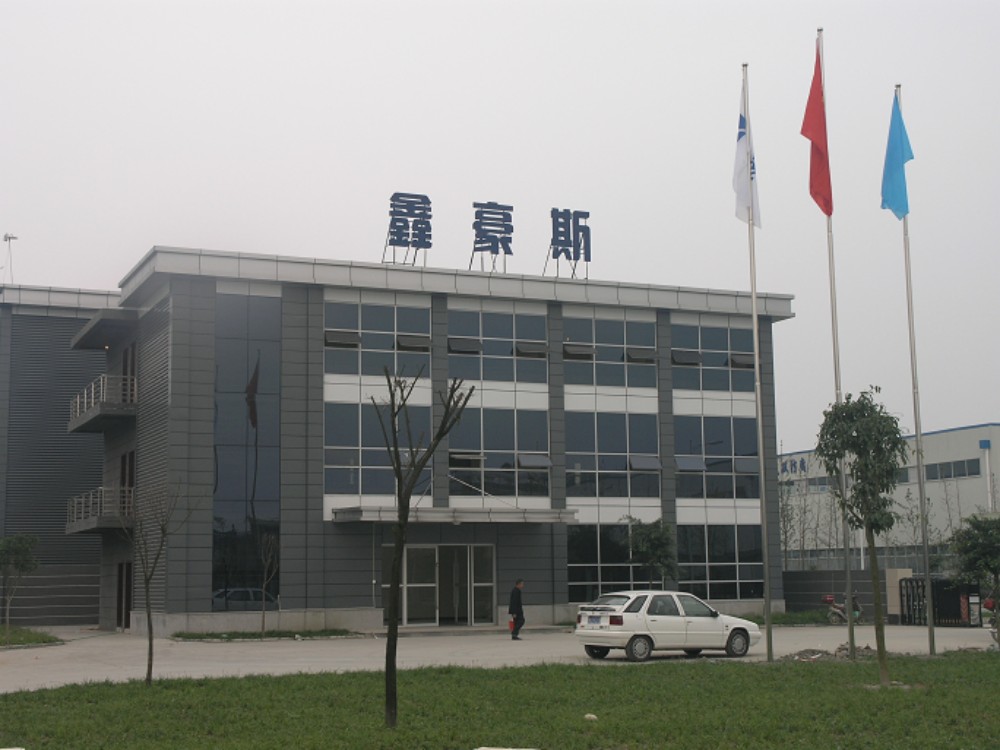
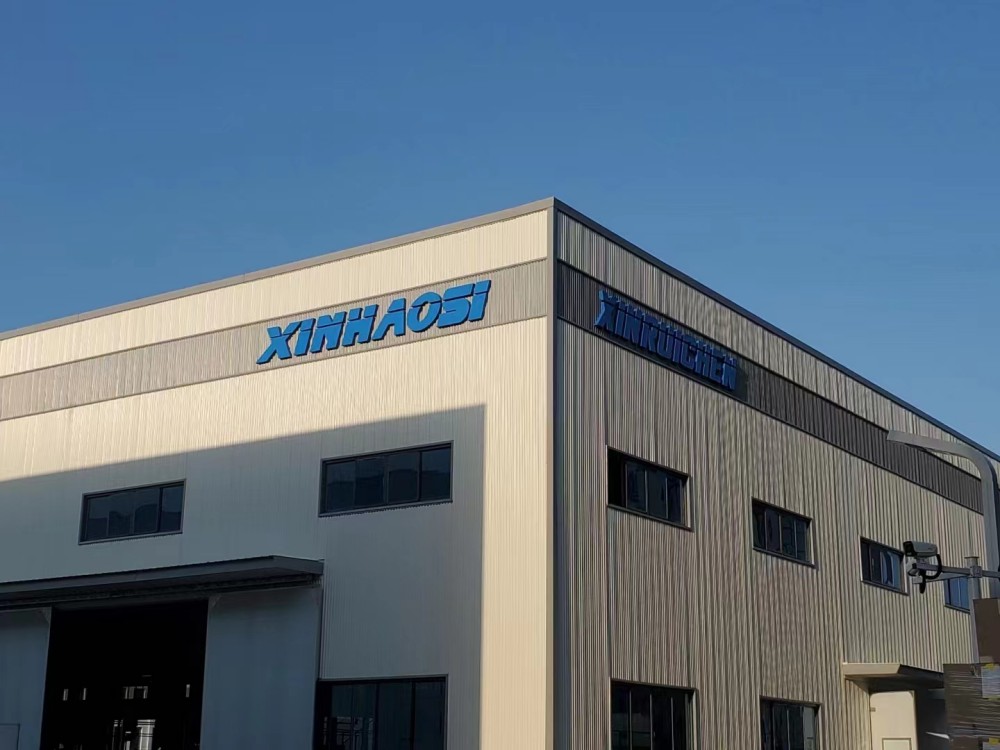
Chengdu R&D Center & Head Office
Founded in 2003, Xinhaosi is one of the most influential and trusted brands in the global gas safety industry. Over the past two decades, we have steadily built a robust and comprehensive production and service system, which integrates cutting-edge R&D, intelligent manufacturing with advanced automation equipment, digital marketing across global channels, professional after-sales support with an experienced technician team, flexible OEM/ODM services, as well as CNAS-Accredited laboratory calibration services that meet international standards.
Our diversified product portfolio covers industrial & residential gas detection & alarm systems, industrial & household gas solenoid valves, and urban gas pipeline network monitoring systems—all engineered to adapt to complex working environments and strict safety requirements. We produce and sell tens of millions of units annually, catering to a wide range of industries that demand reliable gas detection solutions, including oil & gas exploration and production, petrochemicals, urban gas distribution, automotive manufacturing, pharmaceuticals, new energy, steel production, and beverage processing.
Guided by the core mission of “Making Gas Safety Accessible Everywhere,” we consistently deliver high-performance, reliable products and customized solutions tailored to each client’s unique needs. Every item we manufacture undergoes rigorous quality control tests, and every service we provide is backed by our professional technical team, fully embodying our unwavering commitment to safeguarding gas safety across both industrial workplaces and residential environments, and striving to build a safer world with sustainable gas safety technologies.
Adhering to ISO9001 quality management system standards, Xinhaosi's core products have obtained a full range of authoritative certifications, including national compulsory Products Certification, explosion-proof certification, fire product certification, CPA measurement instrument type approval certificate, and international approvals such as CE and SIL. Additionally, Xinhaosi holds honors such as "National Quality Integrity Benchmark Enterprise" , "National Quality Leading Enterprise in the Gas Alarm Industry," member of the China Fire Protection Association, and the main drafting organization for the national standard of solenoid valves, further confirming its industry influence and reputation.
In the field of intellectual property, Xinhaosi has built a robust innovation system with over 50 patents and software copyrights. These patents cover core technological areas, including a graphical monitoring system for gas detection and alarm, which enables predictive maintenance based on historical data to reduce equipment failure rates by over 30%, and a solenoid valve with flow monitoring functionality that integrates flow detection and alarm capabilities. The company also pioneered China's first networked bus-type gas leakage monitoring system and the only maximum-point gas leakage monitoring system certified by the Ministry of Public Security, demonstrating its leading position in cutting-edge technological research.
Our in-house laboratory is accredited by the China National Accreditation Service for Conformity Assessment (CNAS), recognized both domestically and internationally under the ILAC-MRA framework. It operates in accordance with ISO/IEC 17025, the international standard for testing and calibration laboratories. It provides reliable and traceable testing services for gas detection and alarm products, solenoid valves, and related safety equipment. Test reports issued by the CNAS-accredited laboratory are widely accepted by regulatory authorities, certification bodies, and customers in China and overseas, helping to ensure product quality, safety compliance, and market access.
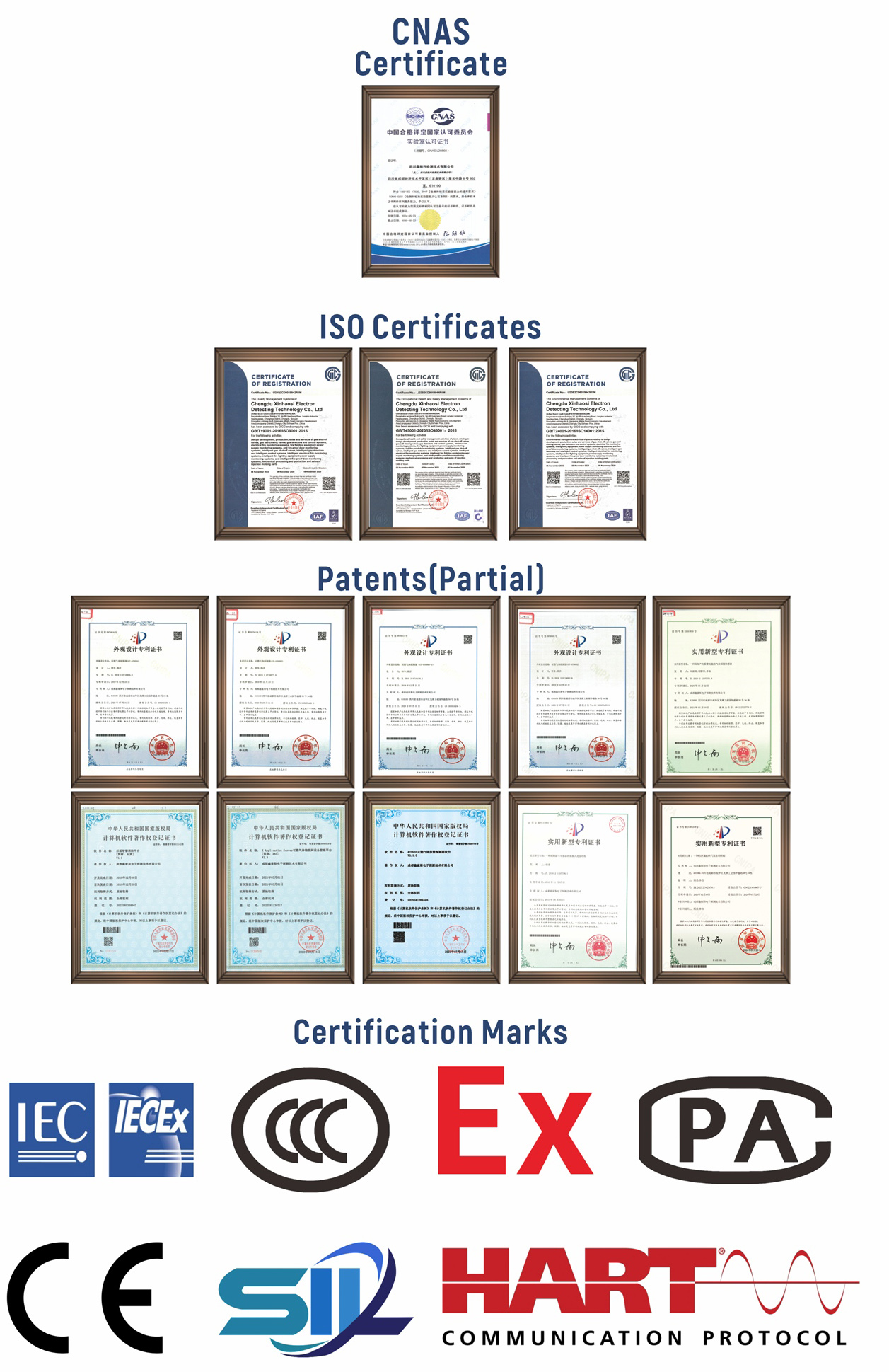
Leveraging high production efficiency, vertically integrated component supply chains, and advanced calibration systems to deliver world-class ozone and gas monitors.
By operating inside China's primary industrial hubs (such as Chengdu and Deyang), we source high-purity electrical elements, mechanical housing, and advanced microchips locally. This significantly lowers lead times and transportation overheads.
Equipped with modern high-speed SMT assembly lines, robotic calibration booths, and automated chamber testing systems, we guarantee high repeatability and eliminate human assembly errors from every single device.
We provide full structural customization—ranging from distinct enclosure styles and custom software outputs to branding adjustments, protocol adaptations (Modbus RTU, BACnet, 4-20mA), and multi-channel safety interfaces.
Understanding diverse user scenarios ensures our monitors deliver maximum reliability in challenging operating environments.
Ozone is widely injected into municipal water, industrial wastewater, and commercial aquaculture. In these settings, ozone monitors track off-gas levels to prevent system overload and keep operators safe from gas escaping from treatment tanks.
Low concentration levels of ozone prevent mold and bacteria buildup on fresh produce, extending shelf life. Our OEM wall-mounted sensors detect low-ppm amounts to ensure continuous food safety without exposing logistics staff to toxic levels.
High-purity ozone acts as a clean oxidant during atomic layer deposition (ALD) and wafer cleaning. Specialized inline and ambient ozone monitoring systems verify process execution while monitoring production areas for leakages.

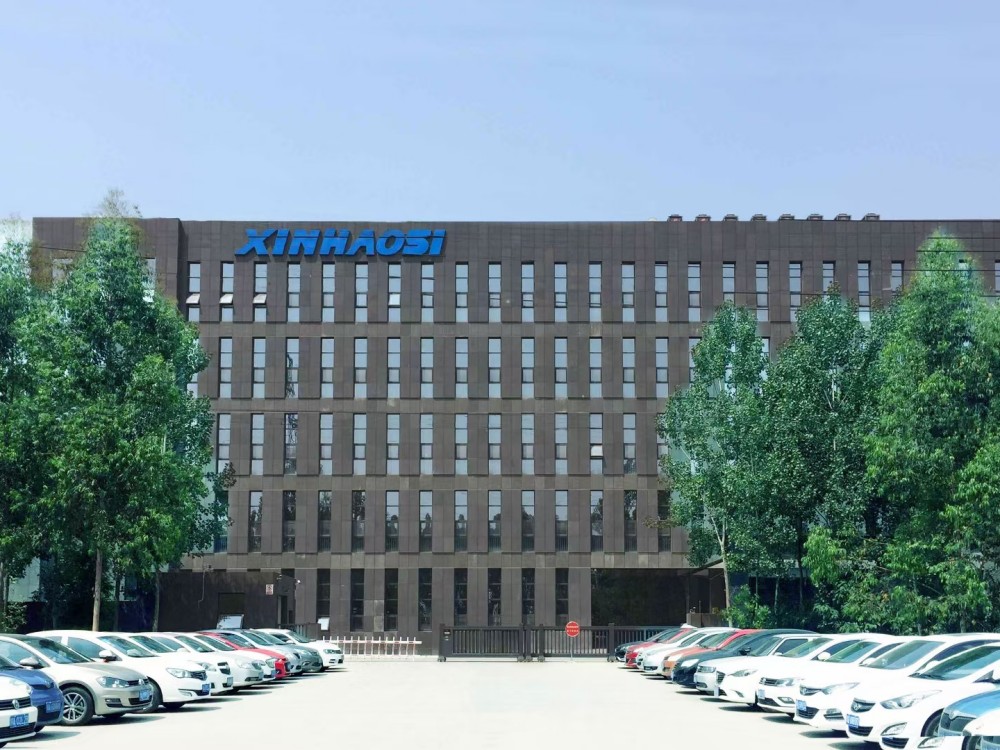
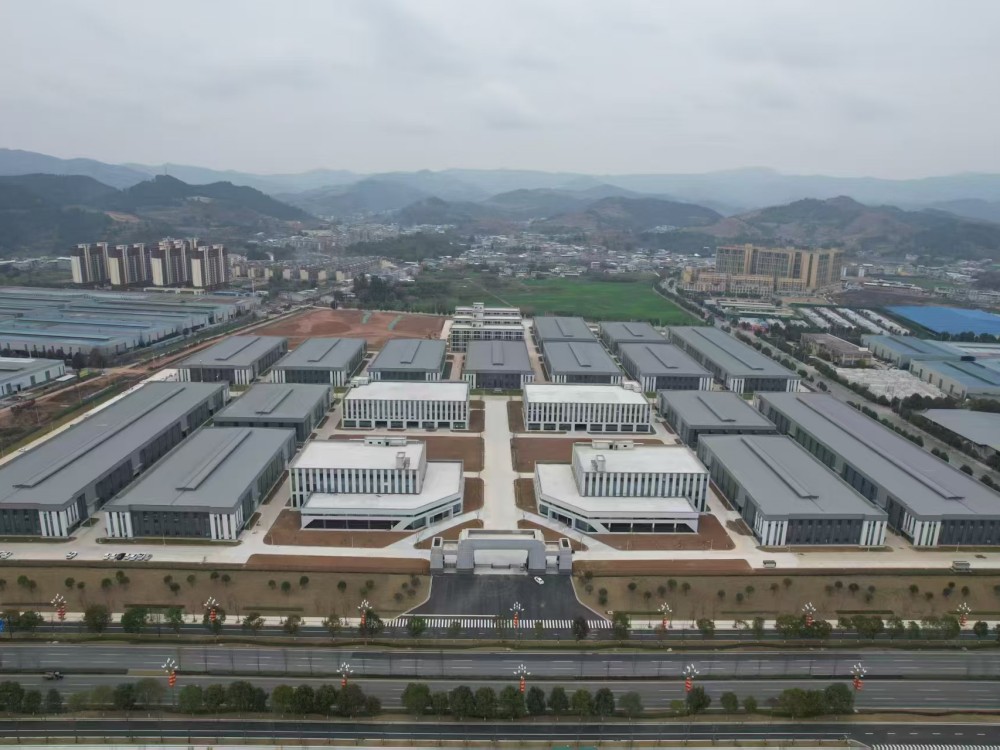
Deyang Intelligent Manufacturing Complex
For international procurement teams and plant managers, selecting an OEM supplier goes beyond unit pricing. Reliability is defined by engineering standards, certified testing labs, and strict quality control protocols.
Key parameters for commercial procurement include:
Our Deyang and Chengdu factories are designed to handle these exact specifications. We ensure complete transparency from the raw material inspection stage to final product calibration and packaging.
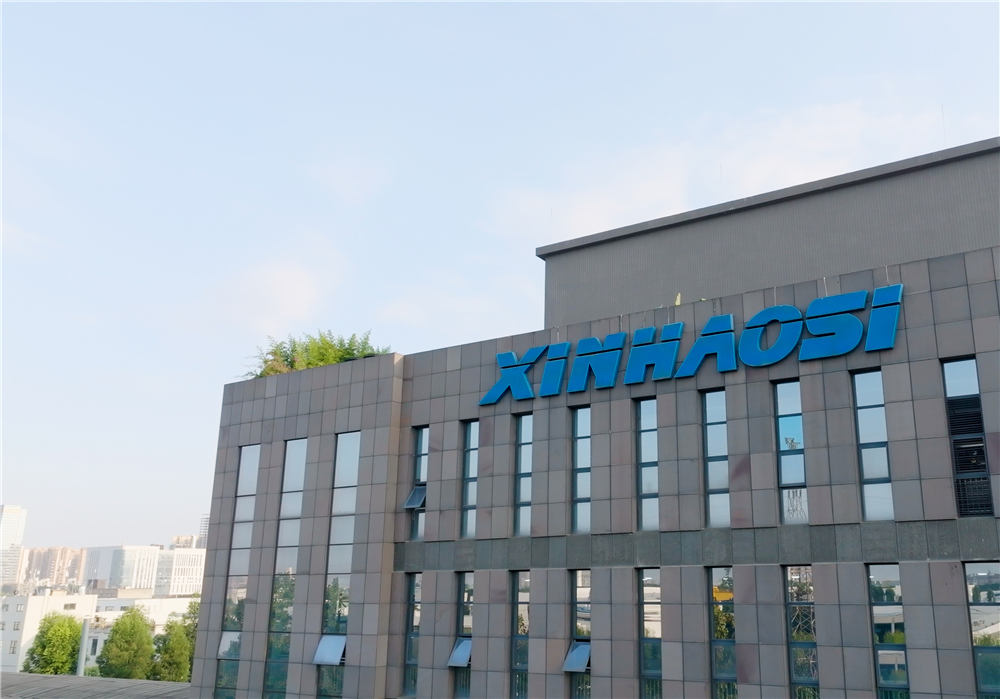
More than two decades of commitment, shifting from localized production to state-of-the-art global supply chains.
The safety and detection market is transforming rapidly, driven by automation, artificial intelligence, and smart sensor diagnostics. Legacy systems are giving way to digital, networked solutions that communicate directly with process control frameworks.
The Integration of IoT and Edge Computing in Sensor Technology
Modern sensors now run predictive calibration algorithms directly on the device. By processing data locally, these sensors detect signs of element degradation early, reducing maintenance overheads. This approach cuts emergency shutdowns by over 30%.
Additionally, wireless monitoring terminals utilize low-power wide-area networks (like LoRaWAN or NB-IoT) to deliver plant-wide gas safety coverage without the installation costs of extensive wiring. These devices easily integrate into centralized building management systems (BMS) or cloud-hosted analytics suites, providing real-time air quality dashboards to plant operators.
Get answers to common technical queries about ozone monitors, calibration standards, and OEM customization options.
Explore our broader safety range, including solenoid shutoff valves, wireless smart terminals, and multi-channel gas control hubs.