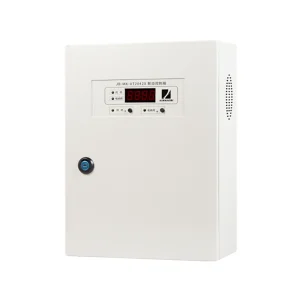
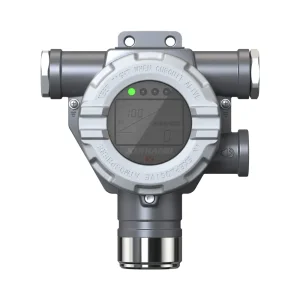
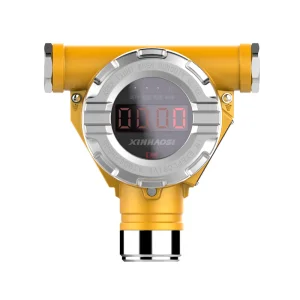
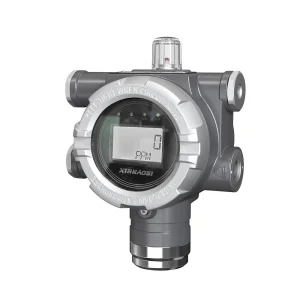
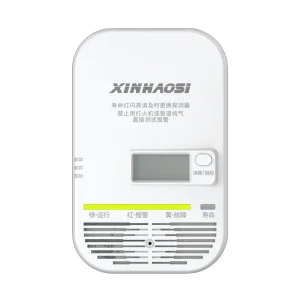
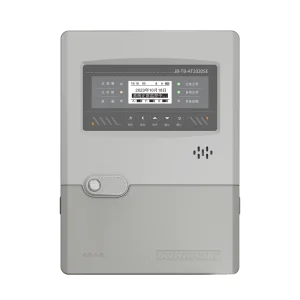
Reliable gas detectors, control boxes, and industrial automation safety modules for hazardous configurations.
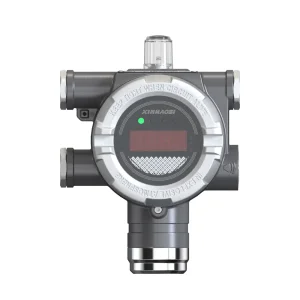
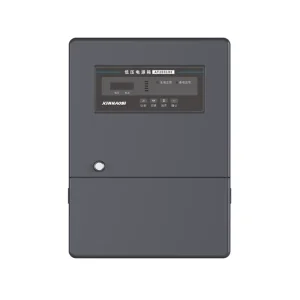
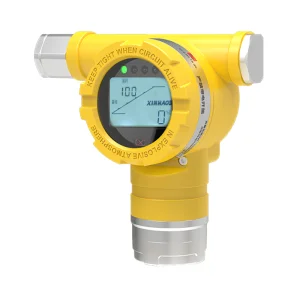
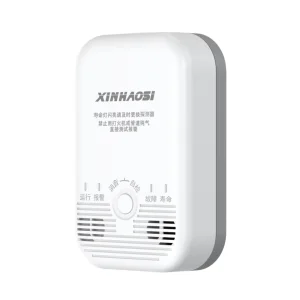
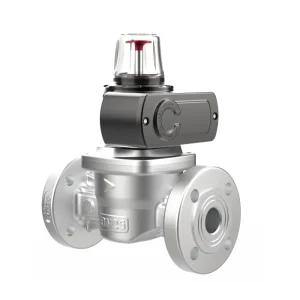
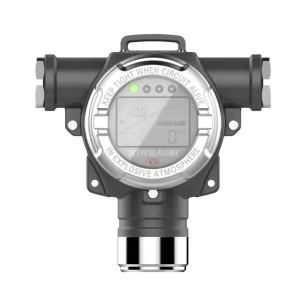
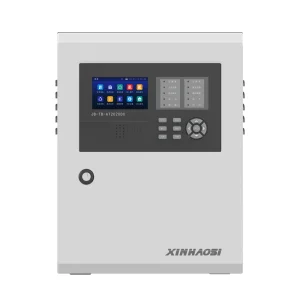
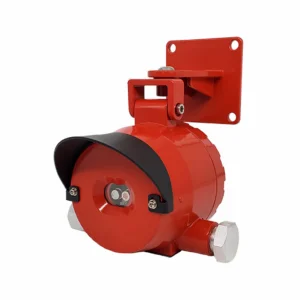
Oxygen (O2) represents both the lifeline of biological operations and a highly reactive element capable of fueling catastrophic incidents when present in incorrect proportions. In industrial safety management, maintaining exact oxygen levels is a non-negotiable protocol. Sourcing high-integrity OEM O2 gas monitors is therefore critical for global heavy industries, processing plants, and marine logistics operations.
Oxygen deficiency (typically under 19.5% Vol) causes cognitive impairment and immediate asphyxiation hazards in confined spaces. Conversely, oxygen enrichment (exceeding 23.5% Vol) drastically accelerates combustion processes, turning simple static discharge into lethal fires. Modern industrial systems demand highly specialized sensing instruments configured to identify deviations with millisecond precision, ensuring safety systems activate automatically.
The manufacturing sector for O2 gas monitors is undergoing a massive transformation, driven by developments in materials science, IoT telemetry, and digital integration. Below are the key engineering advancements steering the next generation of oxygen detection devices:
Moving beyond standard electrochemical cells which degrade over time, advanced zirconia sensors leverage high-temperature solid electrolytes to offer extended lifespans (exceeding 5-7 years) and exceptional stability in complex combustion or high-pressure gas streams.
Modern O2 gas detectors incorporate low-power wide-area networking protocols (LoRaWAN, NB-IoT) alongside Industrial Bluetooth. This configuration transmits live gas concentration data directly to cloud-based monitoring panels, facilitating predictive maintenance.
Smart oxygen monitors now integrate diagnostic microprocessors that perform background drift adjustments. By analyzing baseline ambient air values, they minimize physical technician visits and substantially lower operational overheads.

Global procurement directors and EH&S (Environment, Health, and Safety) managers prioritize long-term asset lifecycle values over low initial costs. When evaluating OEM O2 gas monitor manufacturers, key purchasing matrices include:
How Xinhaosi leverages integrated automation, raw materials control, and advanced logistics to deliver globally competitive security equipment.
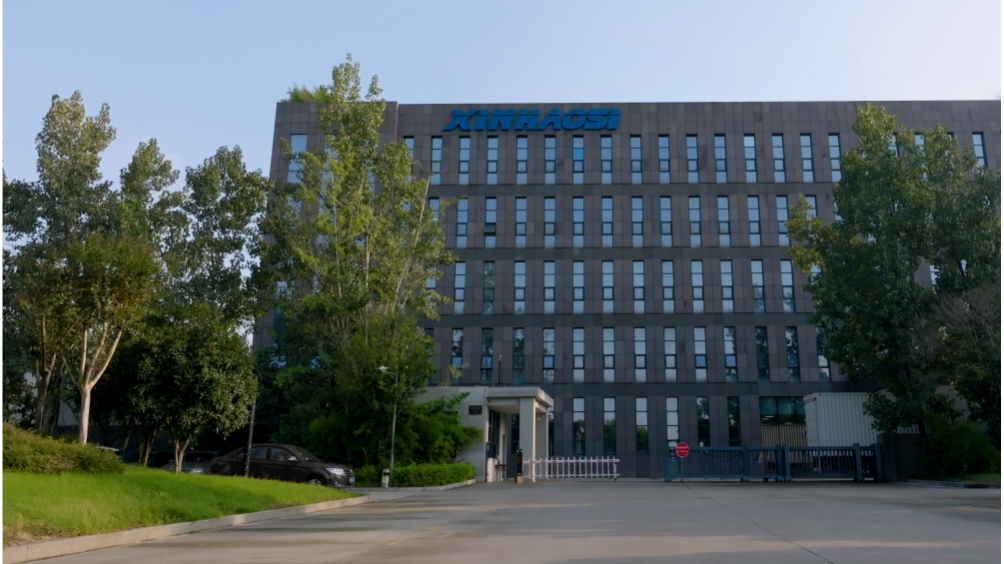
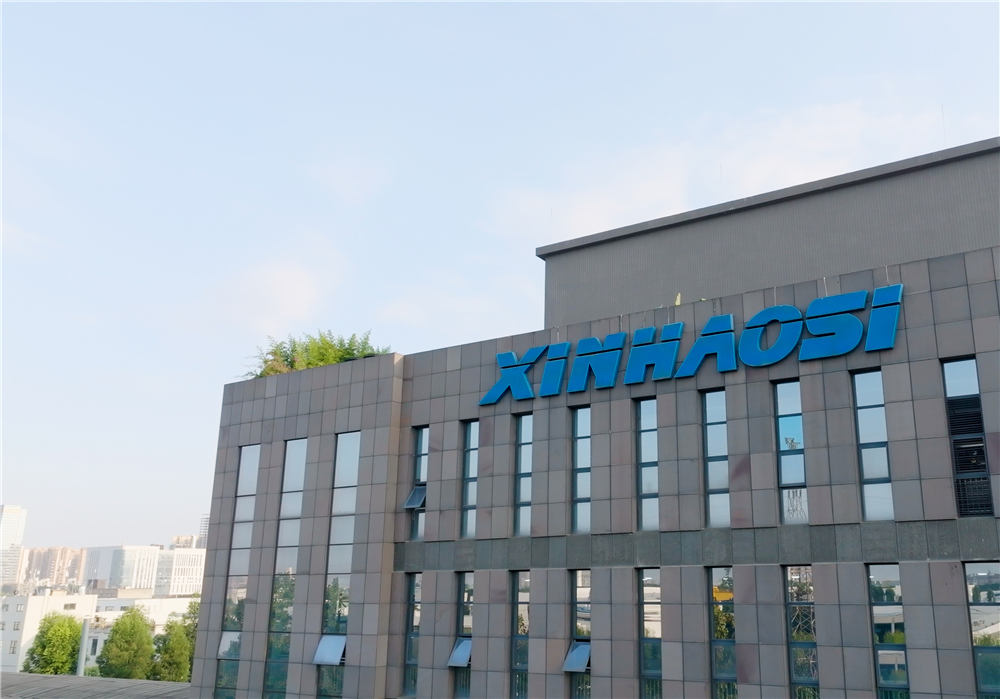
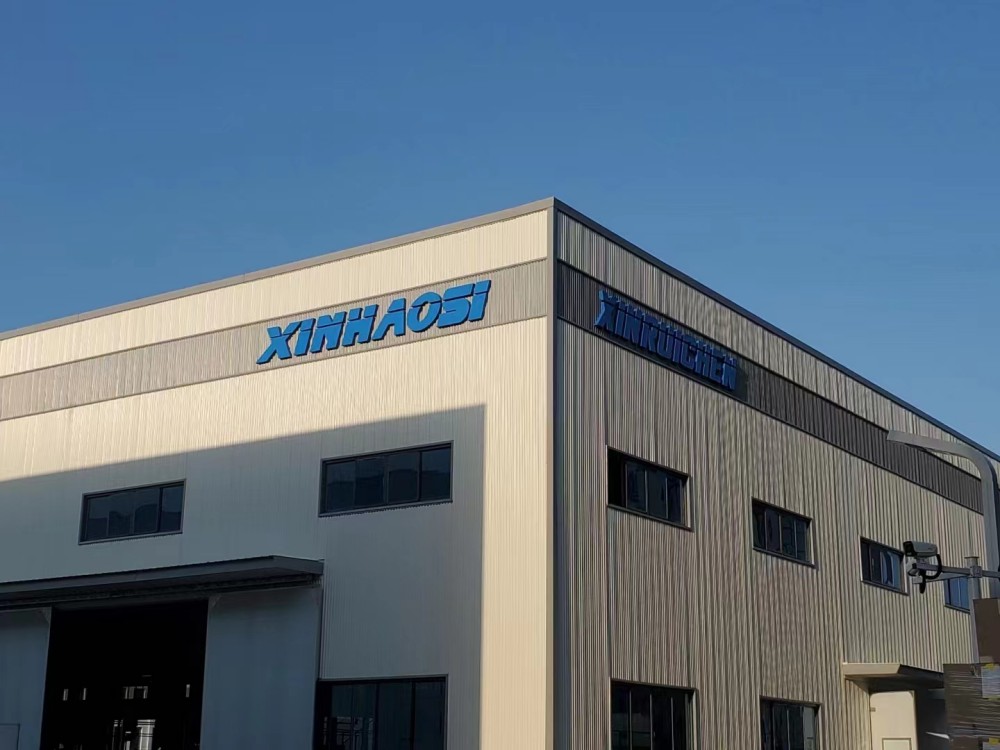
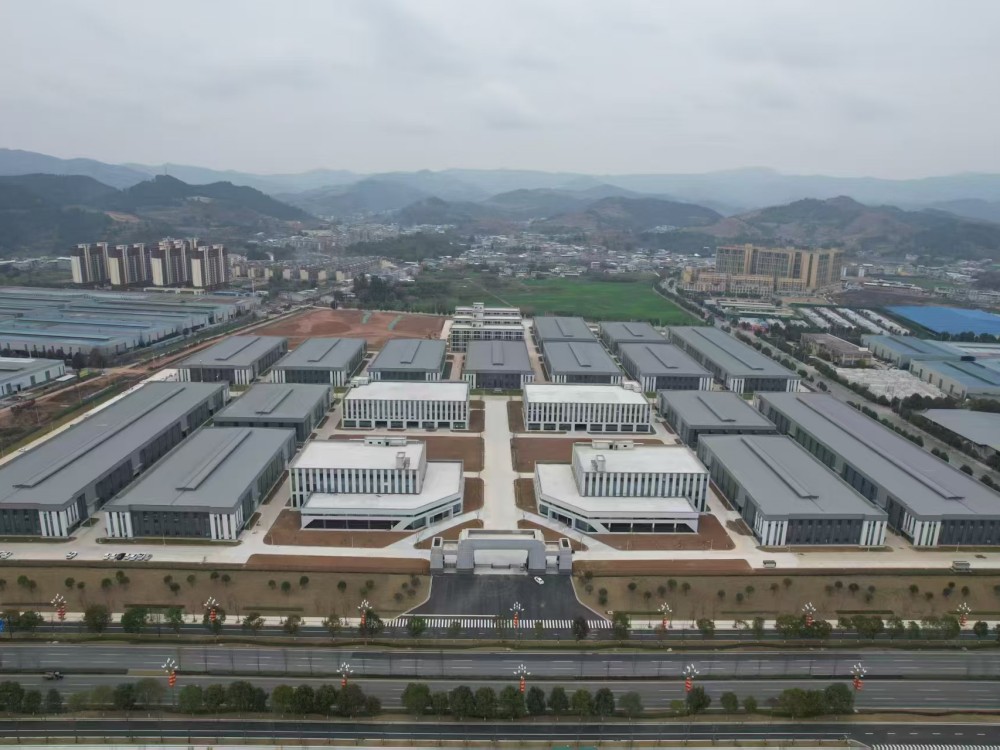
By transitioning production environments to Intelligent Factory 4.0 paradigms, Chinese manufacturing hubs have moved beyond basic assembly plants. Today, facilities like Xinhaosi's Deyang and Chengdu operations utilize automated Surface Mount Technology (SMT) lines and robotic calibration stations. This setup minimizes human error and guarantees consistent product quality across large production runs.
Furthermore, local supply chain integration in southwest China's technology corridors allows us to secure components, sensors, and structural materials efficiently. This vertical integration buffers the global supply chain against volatility and reduces lead times for complex OEM/ODM projects.
Predictive Maintenance Integration: Incorporating digital twins and automated testing rigs, Xinhaosi's products feature built-in failure prediction metrics. By utilizing historical operational data, our networks reduce overall field failure rates by up to 30%, lowering total cost of ownership for municipal and industrial utilities.
This design methodology ensures that whether a system is installed in a municipal gas network or a chemical processing plant, it operates reliably with extended intervals between maintenance cycles.
Deploying specialized gas monitoring and safety systems across diverse industrial environments.
Confined storage tanks, pipeline valves, and cracking units present risk of explosive gas leakages and oxygen depletion. Explosion-proof ATEX-certified detectors are essential to prevent industrial accidents.
Battery production lines and Energy Storage Systems (ESS) require continuous air quality monitoring. Tracking gas releases and oxygen ratios prevents thermal runaway risks.
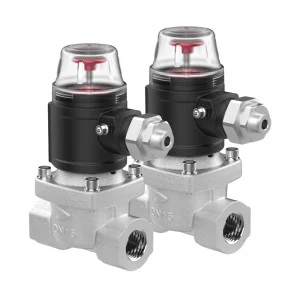
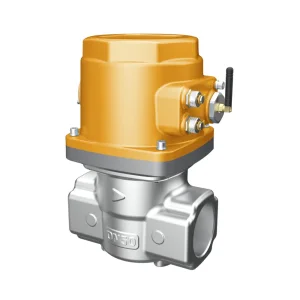
Ensuring indoor air quality and monitoring boiler rooms for leaks requires integration with automated safety valves. These systems shut down gas flow instantly when anomalies are detected.
Founded in 2003, Xinhaosi is one of the most influential and trusted brands in the global gas safety industry. Over the past two decades, we have steadily built a robust and comprehensive production and service system, which integrates cutting-edge R&D, intelligent manufacturing with advanced automation equipment, digital marketing across global channels, professional after-sales support with an experienced technician team, flexible OEM/ODM services, as well as CNAS-Accredited laboratory calibration services that meet international standards.
Our diversified product portfolio covers industrial & residential gas detection & alarm systems, industrial & household gas solenoid valves, and urban gas pipeline network monitoring systems—all engineered to adapt to complex working environments and strict safety requirements. We produce and sell tens of millions of units annually, catering to a wide range of industries that demand reliable gas detection solutions, including oil & gas exploration and production, petrochemicals, urban gas distribution, automotive manufacturing, pharmaceuticals, new energy, steel production, and beverage processing.
Guided by the core mission of “Making Gas Safety Accessible Everywhere,” we consistently deliver high-performance, reliable products and customized solutions tailored to each client’s unique needs. Every item we manufacture undergoes rigorous quality control tests, and every service we provide is backed by our professional technical team, fully embodying our unwavering commitment to safeguarding gas safety across both industrial workplaces and residential environments, and striving to build a safer world with sustainable gas safety technologies.
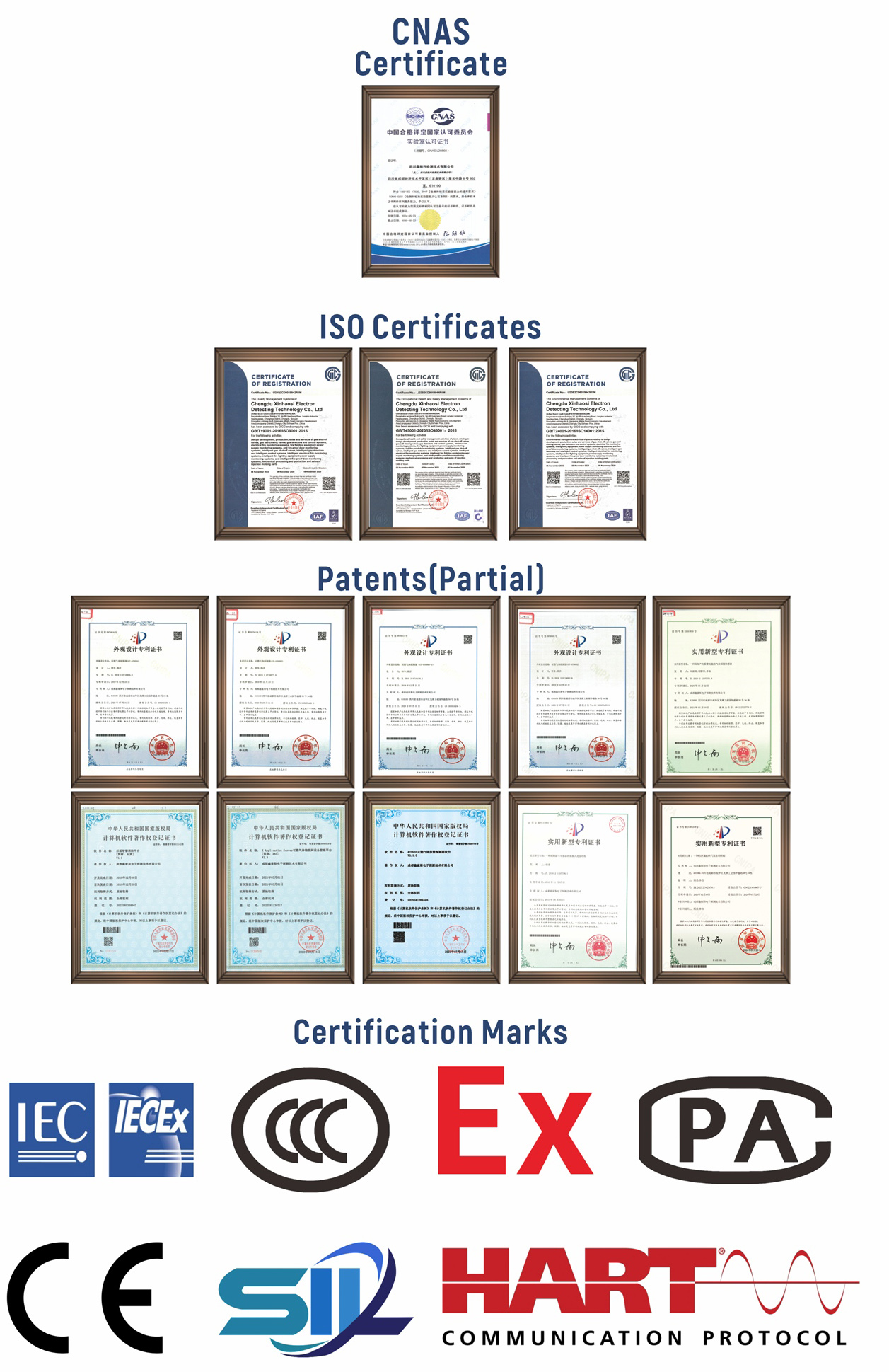
Adhering to ISO9001 quality management system standards, Xinhaosi's core products have obtained a full range of authoritative certifications, including national compulsory Products Certification, explosion-proof certification, fire product certification, CPA measurement instrument type approval certificate, and international approvals as CE, SIL. Additionally, Xinhaosi holds honors such as "National Quality Integrity Benchmark Enterprise", "National Quality Leading Enterprise in the Gas Alarm Industry," member of the China Fire Protection Association, and the main drafting organization for the national standard of solenoid valves, further confirming its industry influence and reputation.
In the field of intellectual property, Xinhaosi has built a robust innovation system with over 50 patents and software copyrights. These patents cover core technological areas, including a graphical monitoring system for gas detection and alarm, which enables predictive maintenance based on historical data to reduce equipment failure rates by over 30%, and a solenoid valve with flow monitoring functionality that integrates flow detection and alarm capabilities. The company also pioneered China's first networked bus-type gas leakage monitoring system and the only maximum-point gas leakage monitoring system certified by the Ministry of Public Security, demonstrating its leading position in cutting-edge technological research.
Our in-house laboratory is accredited by the China National Accreditation Service for Conformity Assessment (CNAS), recognized both domestically and internationally under the ILAC-MRA framework. It operates in accordance with ISO/IEC 17025, the international standard for testing and calibration laboratories. It provides reliable and traceable testing services for gas detection and alarm products, solenoid valves, and related safety equipment. Test reports issued by the CNAS-accredited laboratory are widely accepted by regulatory authorities, certification bodies, and customers in China and overseas, helping to ensure product quality, safety compliance, and market access.
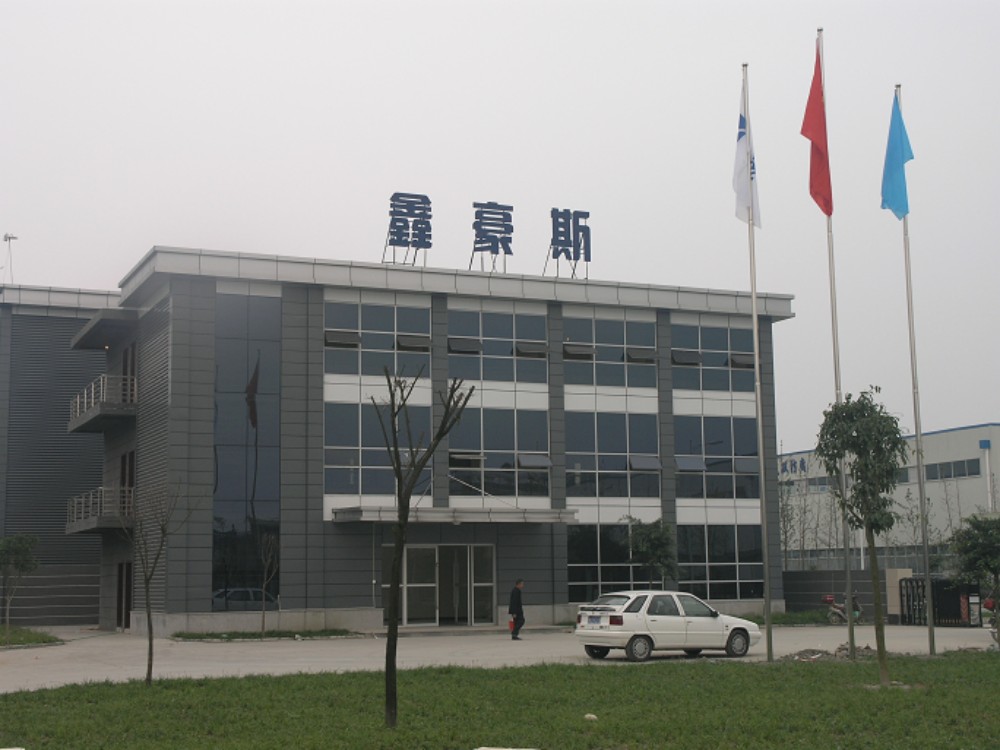
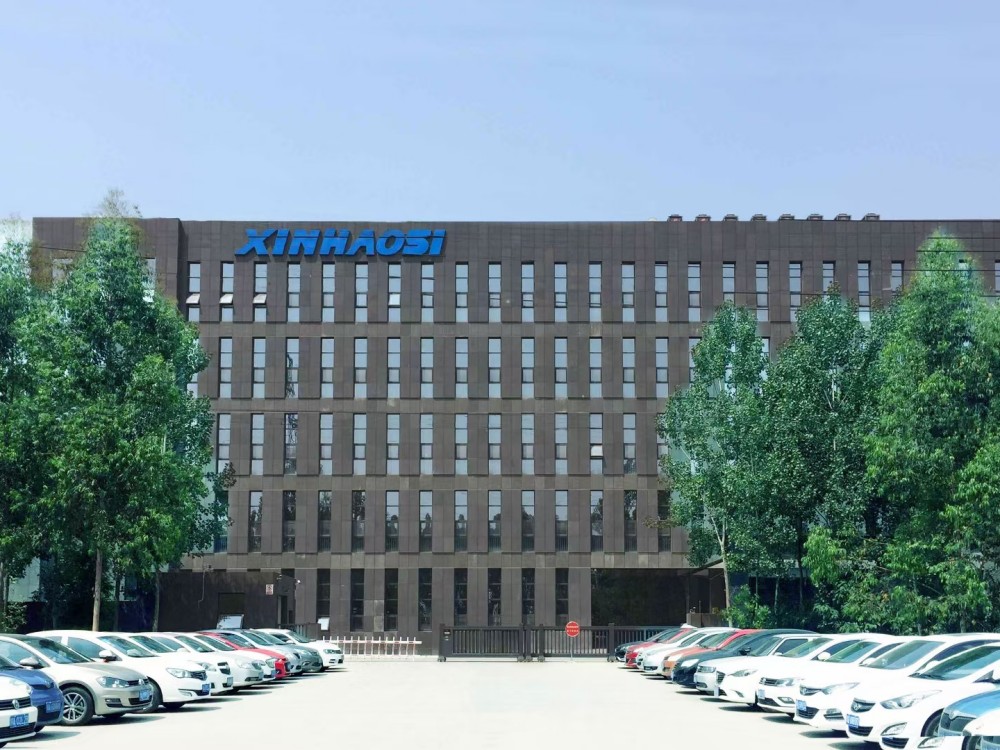
A timeline of continuous innovation, facility growth, and technology development.

Expert insights on gas detection technologies, calibration cycles, and OEM partnerships.
Electrochemical oxygen sensors generally have a useful lifespan of 2 to 3 years. This varies depending on exposure to background gases, extreme temperatures, and moisture. For applications demanding longer service lives, Xinhaosi offers zirconia-based oxygen sensors which operate stably for 5 to 7 years in clean processes.
According to standard industrial safety protocols, gas detectors should undergo bump testing monthly and a full calibration every 3 to 6 months. Using a CNAS-accredited calibration facility ensures measurement accuracy is traceable to national standards, helping operators satisfy local compliance audits.
Deficiency monitoring focuses on protecting personnel from asphyxiation in confined spaces (alarm points set around 19.5% Vol). Enrichment monitoring aims to prevent explosive conditions in oxygen-rich zones (alarm points set around 23.5% Vol). Modern O2 safety detectors handle dual-threshold alarms to cover both scenarios simultaneously.
Yes, we provide customizable OEM solutions. Our products are engineered and tested to meet international standards such as Ex d (flameproof) and Ex ia (intrinsically safe) requirements, enabling integration into Class I, Div 1 & 2 zones, or ATEX Zone 1 & 2 environments.
Valves, controllers, and multi-gas detection equipment for complex process installations.