Explore our leading industrial-grade gas detectors, safety valves, and system controllers engineered for global distribution networks.
Why mechanical specifications, thread tolerances, and high-precision gas path controls dictate commercial industrial safety.
In modern commercial gas systems, the integrity of pipe connections represents the first line of defense against catastrophic failures. NPT (National Pipe Taper), conforming to the ANSI/ASME B1.20.1 standard, is the premier mechanical specification utilized across North America and select international markets. Engineered with a 1-in-16 taper angle (3/4 inch per foot), NPT connections rely on the interference fit between male and female threads to form a pressure-tight, hermetic seal. When applied to gas infrastructure, where molecules of methane, propane, or volatile organic compounds (VOCs) easily bypass low-tolerance barriers, NPT threads require absolute manufacturing precision.
For international sourcing directors and process engineering professionals, selecting qualified OEM NPT gas suppliers and factories is not merely a cost-saving measure—it is an exercise in risk mitigation. Low-quality thread machining leads to localized stress concentrations, thread stripping, and microscopic bypass leaks. A reliable NPT gas factory must enforce rigorous tooling tolerances, checking thread crests, roots, and pitch diameters utilizing specialized calibration systems. Only by doing so can the completed valves, regulators, and distribution manifolds withstand operational vibration and thermal cycles in high-pressure downstream environments.
The 60-degree thread angle and 1:16 taper ratio provide metal-to-metal wedging action that blocks microscopic gas paths under dynamic pressures.
Precisely cut threads distribute structural stress uniformly across the engagement length, avoiding joint failure caused by pipeline vibration.
ANSI/ASME compliance guarantees seamless drop-in field installation without requiring custom-machined adapters or transition joints.
Founded in 2003, Xinhaosi is one of the most influential and trusted brands in the global gas safety industry. Over the past two decades, we have steadily built a robust and comprehensive production and service system, which integrates cutting-edge R&D, intelligent manufacturing with advanced automation equipment, digital marketing across global channels, professional after-sales support with an experienced technician team, flexible OEM/ODM services, as well as CNAS-Accredited laboratory calibration services that meet international standards.
Our diversified product portfolio covers industrial & residential gas detection & alarm systems, industrial & household gas solenoid valves, and urban gas pipeline network monitoring systems—all engineered to adapt to complex working environments and strict safety requirements. We produce and sell tens of millions of units annually, catering to a wide range of industries that demand reliable gas detection solutions, including oil & gas exploration and production, petrochemicals, urban gas distribution, automotive manufacturing, pharmaceuticals, new energy, steel production, and beverage processing.
Guided by the core mission of “Making Gas Safety Accessible Everywhere,” we consistently deliver high-performance, reliable products and customized solutions tailored to each client’s unique needs. Every item we manufacture undergoes rigorous quality control tests, and every service we provide is backed by our professional technical team, fully embodying our unwavering commitment to safeguarding gas safety across both industrial workplaces and residential environments, and striving to build a safer world with sustainable gas safety technologies.


How downstream raw material clusters, supply chain consolidation, and high-tech automation optimize global unit costs.
The global demand for high-integrity NPT gas fittings, valves, and gas controllers has shifted sourcing paradigms toward advanced Chinese manufacturing clusters. The primary reason for this dominance is the integration of complete industrial supply chains. In regions like Sichuan, where our Chengdu and Deyang factories reside, raw materials such as specialized copper alloys, carbon steels, and synthetic sealing materials (such as Viton or PTFE) are sourced directly from localized refining zones. This proximity minimizes logistical delays, reduces transportation footprints, and insulates production schedules from volatile global material shocks.
Beyond raw material availability, the real advantage lies in manufacturing depth and precision engineering. Modern China gas factories have transitioned from manual workshop assemblies to highly automated, smart manufacturing facilities. Employing multi-axis CNC machining centers, automated thread rolling mills, and laser-guided inspection systems, Chinese factories ensure that every NPT thread matches standard specifications. Additionally, scalable testing operations—including mass hydrostatic pressure tests, helium mass spectrometer leak detection, and computerized calibration benches—allow factories to deliver millions of units annually while keeping defect rates below 50 PPM (Parts Per Million).
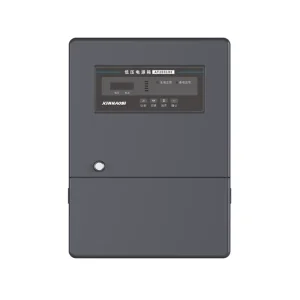
For international procurers, sourcing from a specialized China factory offers unprecedented flexibility in custom branding, tailored product development (OEM/ODM), and local regulatory compliance adjustments. Whether your applications require bespoke low-voltage power boxes, specialized explosion-proof ratings (Ex d IIC T6), or custom-configured multi-channel gas detector controllers, Chinese manufacturers possess the engineering agility to design, prototype, certify, and mass-produce devices in a fraction of the time required by Western counterparts.
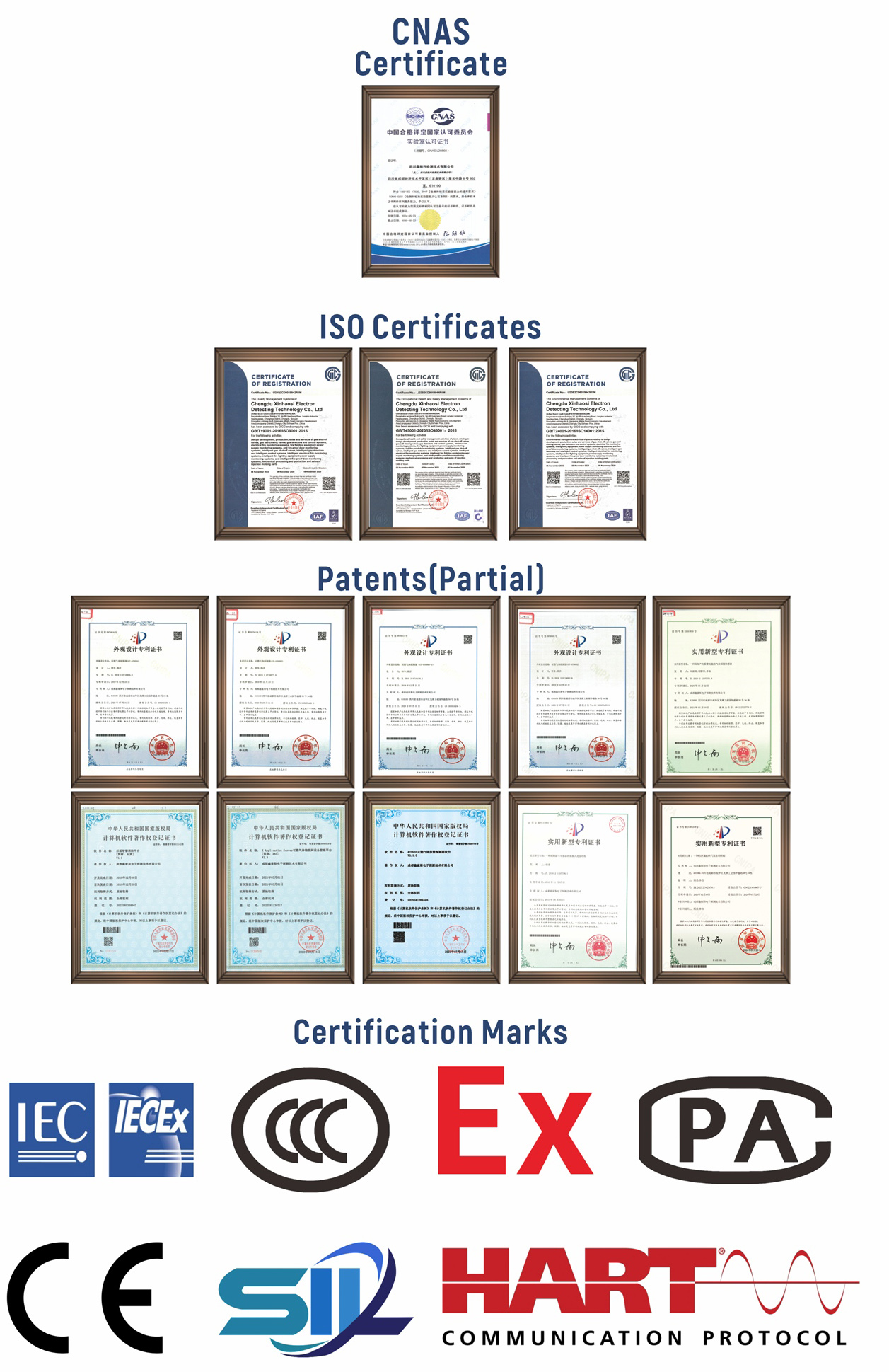
Adhering to ISO9001 quality management system standards, Xinhaosi's core products have obtained a full range of authoritative certifications, including national compulsory Products Certification, explosion-proof certification, fire product certification, CPA measurement instrument type approval certificate, and international approvals as CE and SIL. Additionally, Xinhaosi holds honors such as "National Quality Integrity Benchmark Enterprise", "National Quality Leading Enterprise in the Gas Alarm Industry," member of the China Fire Protection Association, and the main drafting organization for the national standard of solenoid valves, further confirming its industry influence and reputation.
In the field of intellectual property, Xinhaosi has built a robust innovation system with over 50 patents and software copyrights. These patents cover core technological areas, including a graphical monitoring system for gas detection and alarm, which enables predictive maintenance based on historical data to reduce equipment failure rates by over 30%, and a solenoid valve with flow monitoring functionality that integrates flow detection and alarm capabilities. The company also pioneered China's first networked bus-type gas leakage monitoring system and the only maximum-point gas leakage monitoring system certified by the Ministry of Public Security, demonstrating its leading position in cutting-edge technological research.
Our in-house laboratory is accredited by the China National Accreditation Service for Conformity Assessment (CNAS), recognized both domestically and internationally under the ILAC-MRA framework. It operates in accordance with ISO/IEC 17025, the international standard for testing and calibration laboratories. It provides reliable and traceable testing services for gas detection and alarm products, solenoid valves, and related safety equipment. Test reports issued by the CNAS-accredited laboratory are widely accepted by regulatory authorities, certification bodies, and customers in China and overseas, helping to ensure product quality, safety compliance, and market access.
The transformation of traditional mechanical hardware into smart, cloud-native, and self-diagnostic safety networks.
The industrial gas safety sector is experiencing a major technological shift. Traditional passive safety equipment—such as standard mechanical valves and localized analog buzzers—is rapidly giving way to AI-driven and IoT-connected infrastructure. Modern safety demands are centered on predictive prevention. By integrating smart microprocessors directly into gas solenoid valves and sensor heads, systems can now run self-diagnostic checks, measure internal pressure deviations, monitor gas concentrations in real-time, and identify potential failures before they occur.
Another major trend is the adoption of wireless bus systems and IoT networks (using protocols like NB-IoT, LoRaWAN, and 5G). Traditional wired setups are often difficult to deploy in complex facilities like oil refineries or municipal networks. Wireless, low-power gas detectors can be rapidly installed across vast industrial zones, sending telemetry data directly to central control stations. When integrated with cloud-based safety management platforms, operators can monitor multi-site status from any device, run automatic emergency drill scenarios, and coordinate shut-off valves in real-time if a leak is detected.
Finally, energy sustainability and carbon neutrality goals are reshaping material standards. Factories must minimize fugitive emissions at every point. This has put a spotlight on NPT connections, where precision thread cutting and advanced sealing materials (such as fluoroelastomers and metal-to-metal seating) are essential to prevent trace gas leakage. Choosing high-performance valves and regulators is now both a safety requirement and an environmental necessity.
Real-time telemetry and wireless mesh networking enable seamless, low-latency system communication across large industrial sites.
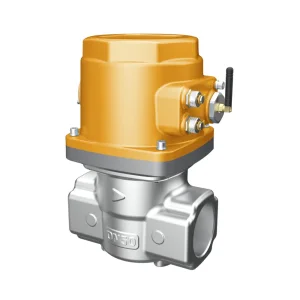
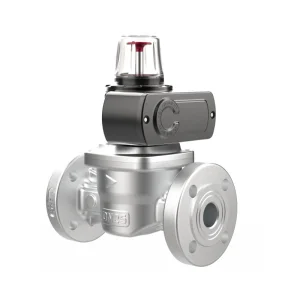
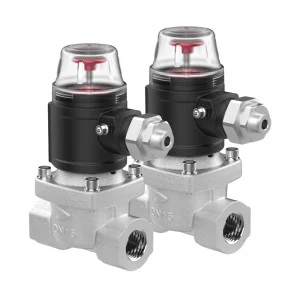
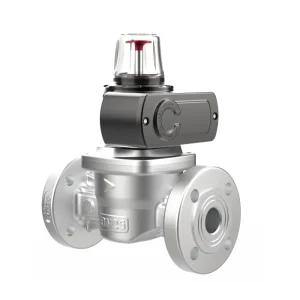
Smart safety valves use predictive algorithms to analyze flow rates, detect micro-leaks, and run automated shut-off sequences.
Precision-machined NPT thread profiles prevent trace gas escape, helping facilities meet ESG mandates and safety regulations.
How Xinhaosi hardware and software systems deliver reliable protection in complex, high-risk environments.
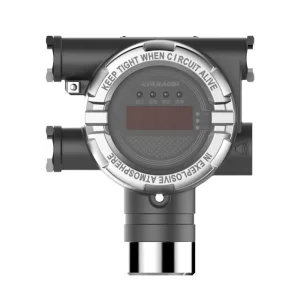
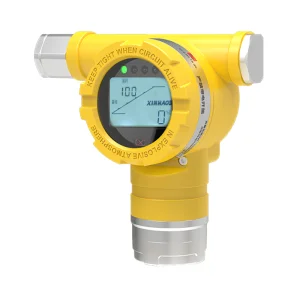
Gas safety demands vary significantly across different sectors. In the petrochemical, oil, and gas industries, equipment faces highly corrosive atmospheres, extreme temperatures, and volatile environments. Safety components in these settings require explosion-proof enclosures (such as Ex d IIC T6 ratings), SIL-2 functional safety certifications, and robust construction. The installation of certified explosion-proof gas detectors near potential leak sites, paired with high-performance solenoid shut-off valves, creates a dependable safety system that protects personnel and assets in hazardous areas.
In contrast, urban commercial gas distribution and municipal pipelines focus on wide area monitoring and centralized control. Monitoring expansive underground pipeline networks, regulator stations, and commercial boiler rooms requires a unified management approach. Xinhaosi’s networked bus-type gas leakage monitoring systems and IoT-enabled safety valves provide operators with continuous visibility. In the event of a line rupture or pressure drop, the system automatically triggers localized safety valves, isolating the affected pipeline segment within milliseconds to prevent widespread incidents.
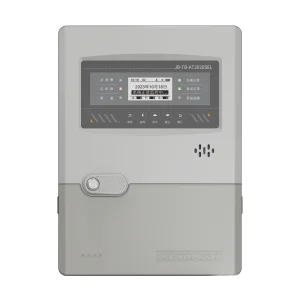
Additionally, modern commercial environments like underground parking garages, smart buildings, and manufacturing facilities require specialized gas detection solutions. For instance, enclosed parking garages must monitor carbon monoxide (CO) levels to control ventilation fans efficiently, optimizing energy use while keeping air quality safe. By deploying our AT2004BIV-CO detectors throughout a facility, building management systems can automate air exchange based on precise gas readings, cutting energy consumption while ensuring full compliance with local building codes.
A look at the milestones, technical breakthroughs, and capacity expansions that have shaped Xinhaosi.
Established on April 17th, 2003. We launched our first generation of gas leak alarms and fire fighting products, laying the foundation for our technical expertise.
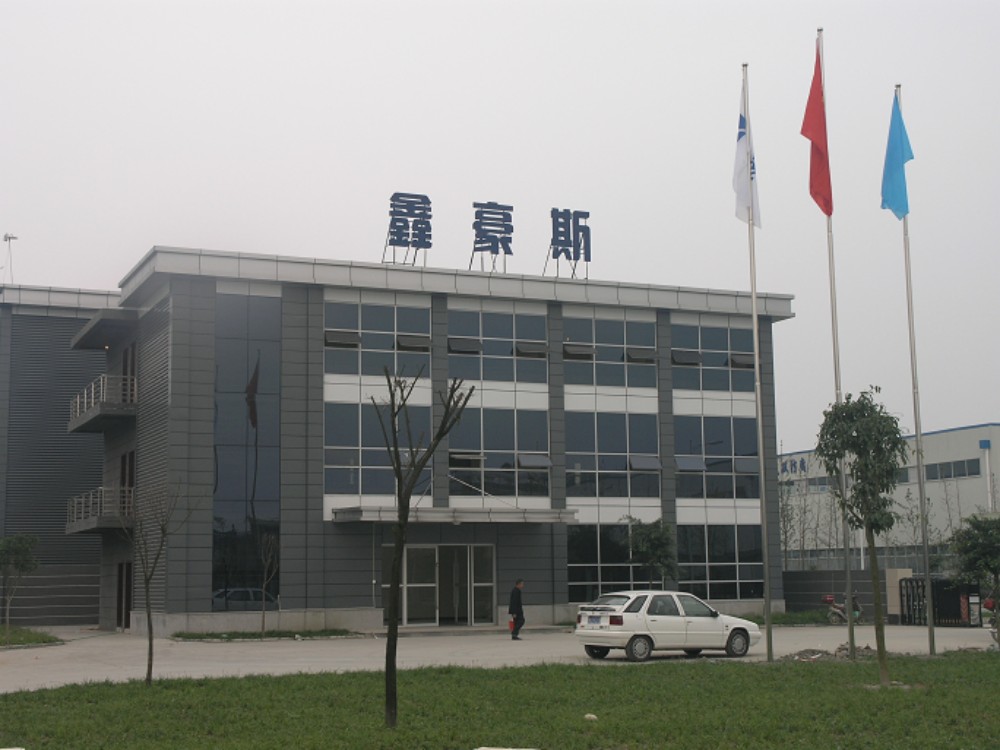
Began production of gas safety valves and expanded our OEM business. Operations moved to our office facility in Longtan Industrial Park to support growing demand.

Reached the milestone of 10 million gas detectors sold. Established our Chengdu manufacturing facility and launched fire power monitoring systems.

Launched our proprietary IoT platform and integrated emergency lighting and evacuation systems. Certified as a high-tech enterprise and qualified as an official supplier for China's top gas companies.

Began construction of the Deyang manufacturing plant. Established our Petrochemical & International Business Division, and recognized as a Sichuan Provincial Technology Center.
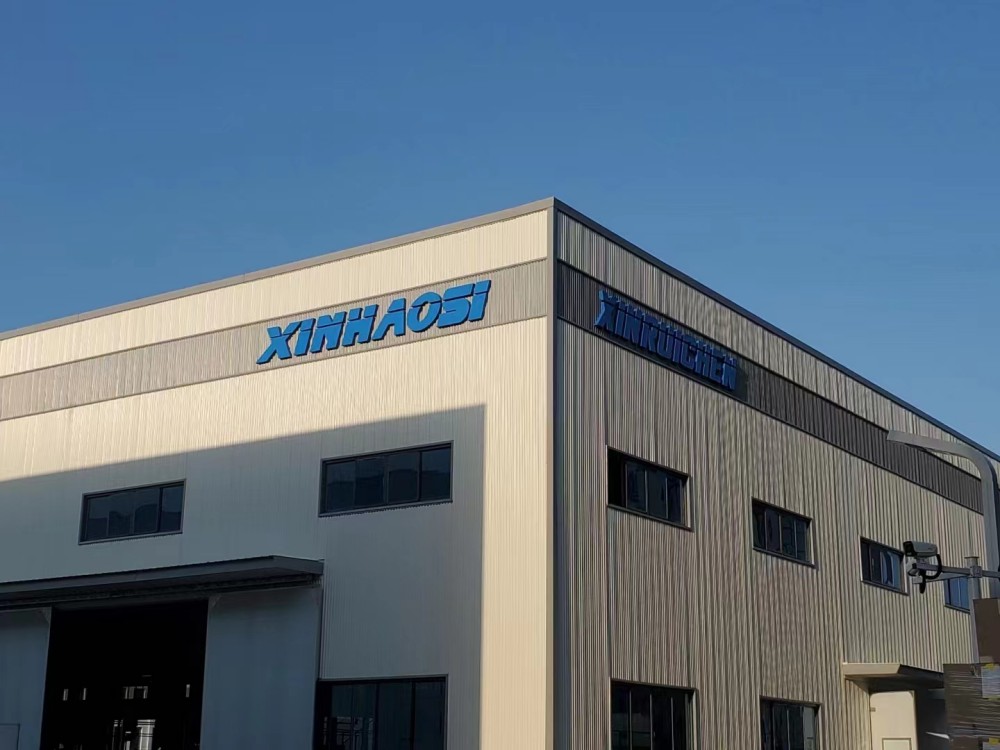
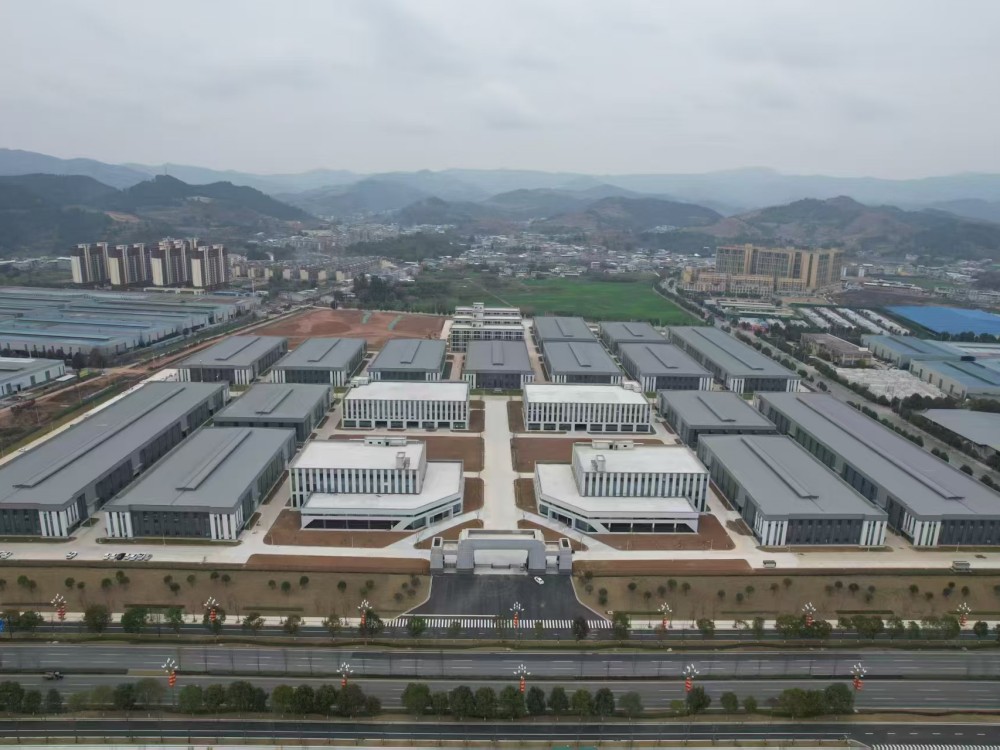
Completed and commissioned the Deyang factory. Launched wireless gas detection products, urban pipeline monitoring systems, and smart AI safety valves.
Expert answers on thread specifications, industry regulations, and custom OEM manufacturing.
The main differences lie in thread angle, pitch, and profile. NPT (National Pipe Taper) threads, governed by ANSI/ASME B1.20.1, feature a 60° thread angle and flattened peaks and valleys (crests and roots). BSPT (British Standard Pipe Taper), under ISO 7, utilizes a 55° thread angle with rounded crests and roots. Since the thread pitches differ for many pipe sizes, they are not compatible. Attempting to force an NPT male fitting into a BSPT female connection compromises the thread structure and creates paths for gas leaks.
CNAS (China National Accreditation Service) accreditation indicates that a factory's in-house laboratory meets ISO/IEC 17025 testing standards. Under the ILAC-MRA framework, test reports issued by a CNAS-accredited lab are recognized internationally by bodies like ANSI, IAS, and European accreditation agencies. This mutual recognition simplifies local compliance checks, reduces testing costs, and ensures that delivered gas detectors and valves perform reliably to specifications.
Safety Integrity Level (SIL) certifications, based on IEC 61508, measure a system's safety function reliability. A SIL-2 certification indicates that a solenoid safety valve has a Probability of Failure on Demand (PFD) of between 0.01 and 0.001. In industrial settings, using SIL-2 certified shut-off valves ensures that when a gas detector triggers an emergency command, the valve will successfully actuate and close the line, minimizing the risk of failure during critical events.
Yes. Xinhaosi provides complete OEM and ODM services. This includes custom plastic injection molding, customized metal enclosures, and tailored firmware and software development. We can customize communication protocols (such as Modbus RTU, BACnet, or LoraWAN), adapt system voltage boxes, and provide private labeling. Our R&D department and CNAS laboratory support the process from design through to safety certification compliance.
Explore our additional line of domestic and industrial safety equipment, manufactured in our certified facilities.