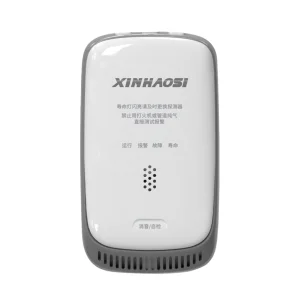
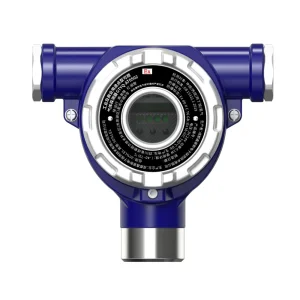
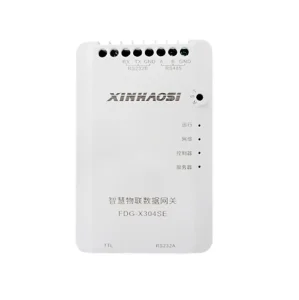
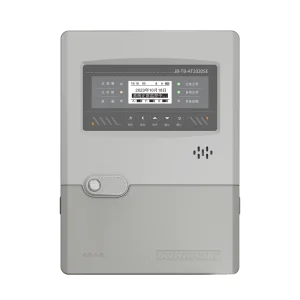
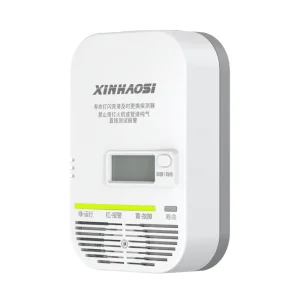
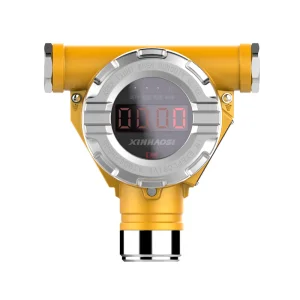
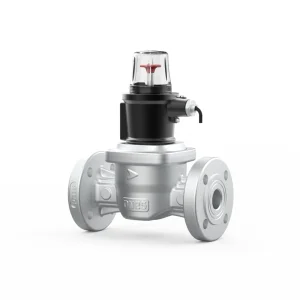
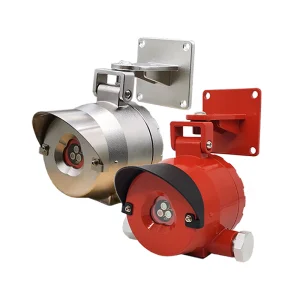
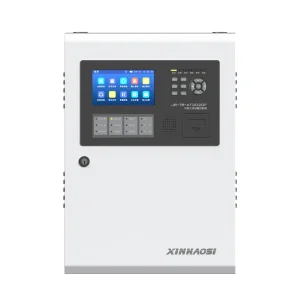
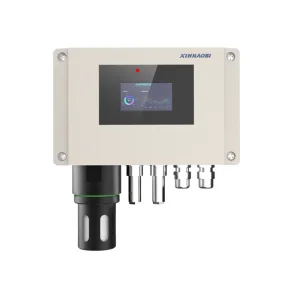
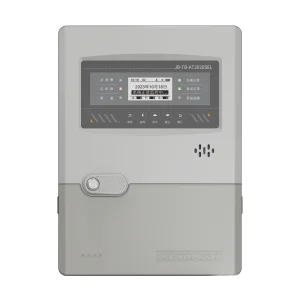
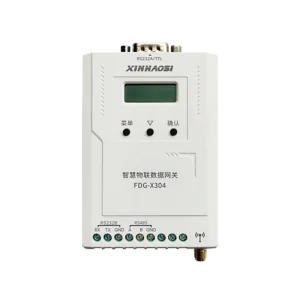
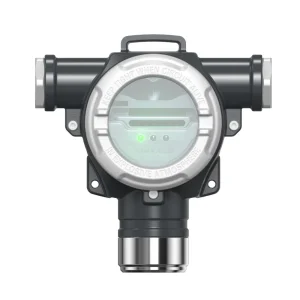
Explore our premium range of industrial, residential, and control units designed to meet demanding safety standards.
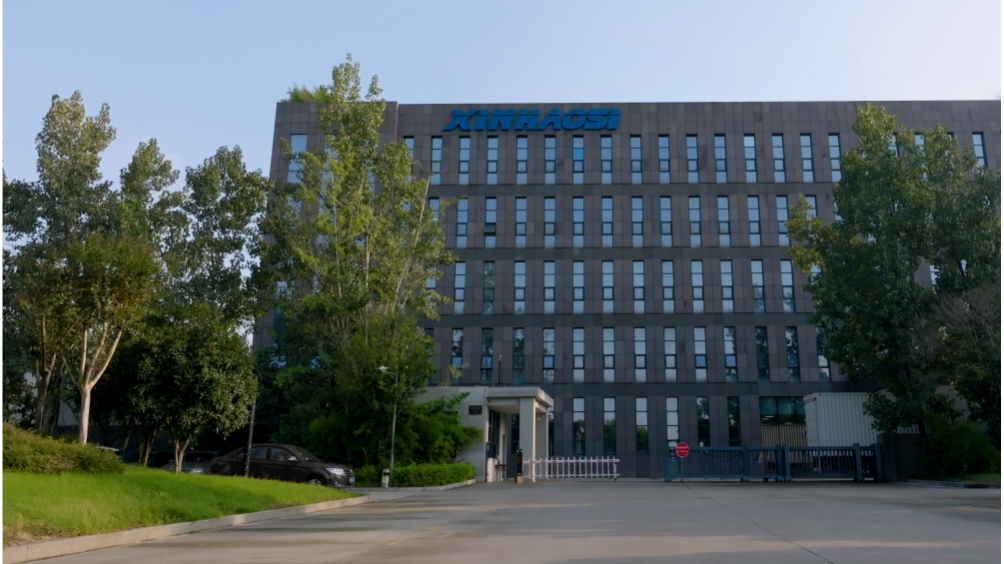

Founded in 2003, Xinhaosi is one of the most influential and trusted brands in the global gas safety industry. Over the past two decades, we have steadily built a robust and comprehensive production and service system. This integrates cutting-edge R&D, intelligent manufacturing utilizing advanced automation equipment, digital marketing across global channels, and professional after-sales support managed by an experienced technician team.
Our operation is strengthened by flexible OEM/ODM capabilities, and CNAS-Accredited laboratory calibration services that fully align with stringent international quality standards.
Our diversified product portfolio covers industrial & residential gas detection & alarm systems, industrial & household gas solenoid valves, and urban gas pipeline network monitoring systems. Each component is engineered to adapt seamlessly to complex working environments and strict safety requirements. Today, we produce and distribute tens of millions of units annually, serving sectors that demand top-tier gas detection solutions, including oil & gas exploration, petrochemicals, urban gas distribution, automotive manufacturing, pharmaceuticals, new energy, steel production, and beverage processing.
Guided by our core mission, "Making Gas Safety Accessible Everywhere," we consistently deliver high-performance, reliable products and customized solutions. Every item undergoes rigorous quality tests to verify that it meets the safety demands of both industrial workplaces and residential environments.
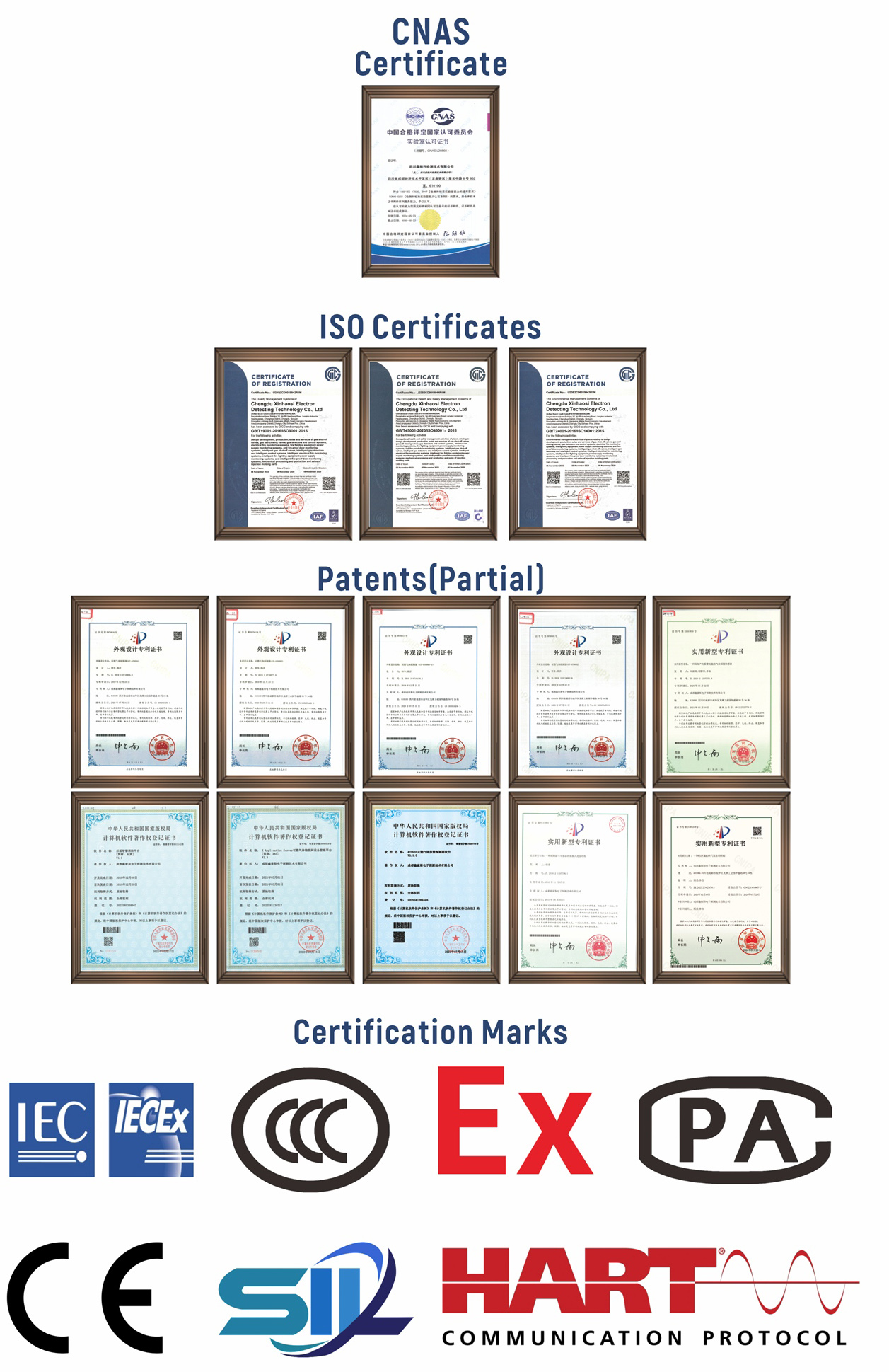
Adhering strictly to ISO9001 quality management system standards, Xinhaosi's core products have obtained a comprehensive range of authoritative certifications. These include national compulsory Product Certification (CCC), explosion-proof certification, fire product certification, CPA measurement instrument type approval certificate, and international approvals such as CE and SIL (Safety Integrity Level).
Xinhaosi has also been recognized as a "National Quality Integrity Benchmark Enterprise" and "National Quality Leading Enterprise in the Gas Alarm Industry." We are an active member of the China Fire Protection Association and served as a main drafting organization for the national standard of solenoid valves, cementing our role as an industry authority.
In the field of intellectual property, Xinhaosi has established a robust innovation framework containing over 50 patents and software copyrights. Key innovations include:
Our in-house laboratory is accredited by the China National Accreditation Service for Conformity Assessment (CNAS), recognized internationally under the ILAC-MRA framework. Operating in compliance with ISO/IEC 17025, our laboratory delivers traceable testing and calibration services. Our testing reports are accepted by regulatory bodies and certification agencies globally, simplifying market entry and compliance processes for our OEM/ODM partners.
Lower Explosive Limit (LEL) monitors are critical safety systems used across diverse environments to prevent catastrophic explosions. Here is how Xinhaosi systems adapt to specific local applications.
In oil and gas exploration, volatile hydrocarbons like methane, propane, and butane present constant hazards. Xinhaosi explosion-proof LEL detectors (such as the GTYQ-AT0502 and GTYQ-AT0505/d) are deployed in gas compressor stations, storage tank farms, and refining units. Engineered with IP66/IP67 ingress protection and explosion-proof cast aluminum/stainless steel housings, they withstand corrosive, salty atmospheres while providing continuous LEL tracking over Modbus RTU or 4-20mA analog interfaces.
Modern smart cities rely on underground utility tunnels containing gas, water, and power distribution systems. Methane leaks in these confined spaces can be catastrophic. Our wireless smart pressure monitors and low-power IoT gateways (like the FDG-X304 and FDG-X304SE) enable remote LEL gas monitoring. They deliver long-distance wireless transmissions (NB-IoT or LoRaWAN) to municipal command centers, facilitating early action prior to gas accumulation reaching hazardous explosive thresholds.
For commercial kitchens, hotels, and boiler rooms utilizing natural gas or LPG, the combination of a combustible gas detector and a quick-closing solenoid valve is vital. The JT-AT2007 and JT-AT2013A series connect directly to our XF3 series solenoid valves. Upon sensing a low gas concentration (typically 10% LEL), the system sounds an alarm and triggers the solenoid valve to isolate the gas supply, mitigating risk before flammable mixtures can form.
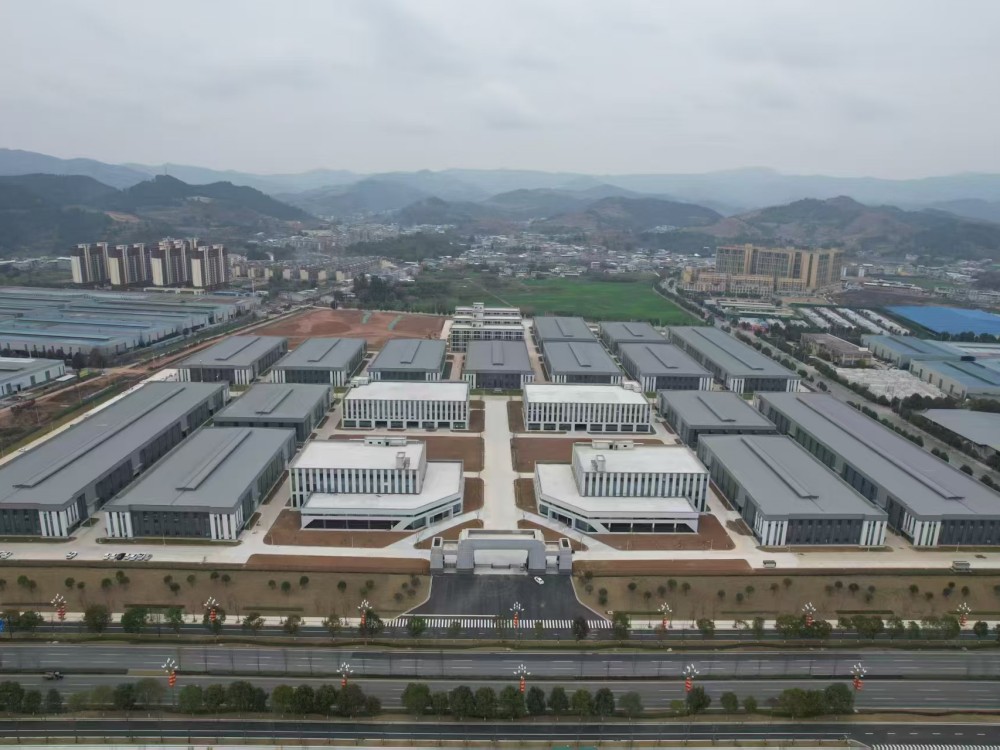
As a leading Chinese OEM/ODM manufacturer, Xinhaosi operates two advanced manufacturing centers in Chengdu and Deyang, Sichuan Province. This industrial footprint provides major advantages for international buyers seeking reliable LEL gas monitoring solutions:
Vertical Integration: We control the entire production cycle, from internal PCB assembly (SMT) and plastic injection molding to mechanical sensor packaging, calibration, and rigorous environmental stress screening (ESS). This integrated approach lowers material waste and optimizes production costs.
Automated Production Lines: Our factories deploy advanced automated SMT pick-and-place lines, robot-assisted soldering systems, and automated testing rigs. This automation ensures high throughput and repeatable quality across large orders.
Raw Material Resilience: Benefiting from China’s robust industrial ecosystem, we maintain strategic partnerships with primary chip, sensor element, and raw alloy suppliers. This keeps our production schedules stable and insulates our clients from semiconductor shortages or raw material bottlenecks.
Rapid Prototyping: Our engineering team can translate OEM specifications into functional prototypes within weeks, accelerating time-to-market for tailored regional safety solutions.
Leveraging regional logistical hubs and automated manufacturing lines to deliver consistent, cost-effective gas safety hardware globally.
In-House Calibration: Every detector is calibrated in our CNAS-certified laboratory using reference gas mixtures traceable to international standards, ensuring out-of-the-box accuracy.
Testing Under Extreme Conditions: Units are temperature-cycled from -40°C to +70°C and undergo 100% functional testing, minimizing field failures.
Global Logistics Partners: Located in Chengdu, we leverage direct rail links to Europe and air corridors to North America and Southeast Asia, guaranteeing dependable shipping schedules.
The global gas safety industry is transitioning from reactive detection to predictive, connected safety networks. Xinhaosi is at the forefront of this shift, aligning our R&D with modern industrial needs.
Eliminating cable runs reduces installation costs in industrial settings. Our roadmap features battery-powered LEL detectors utilizing low-power catalytic and NDIR sensors. Incorporating protocols like LoRaWAN, WirelessHART, and Bluetooth 5.0, these devices provide reliable communication on a single battery charge for up to 2-3 years.
Sensor drift and poisoning (caused by silicones, hydrogen sulfide, or halogenated compounds) can lead to unsafe conditions. Next-generation Xinhaosi LEL gas monitors will utilize edge computing algorithms to continuously analyze sensor response curves. These onboard diagnostics predict when a sensor element is nearing the end of its service life or requires calibration, reducing unscheduled maintenance downtime.
We are expanding our proprietary IoT platform to aggregate gas concentration data in real-time. By building cloud-based software dashboards, facility managers can visualize spatial LEL gas maps, track historical sensor deviations, and receive automated mobile alerts, supporting active safety management across regional facilities.
A look at two decades of technical innovation and scaling, showing our evolution from a regional developer into an international manufacturer.
Established on April 17th, 2003. Launched our first-generation gas leak alarm systems and fire fighting products, laying the groundwork for our core safety lines.
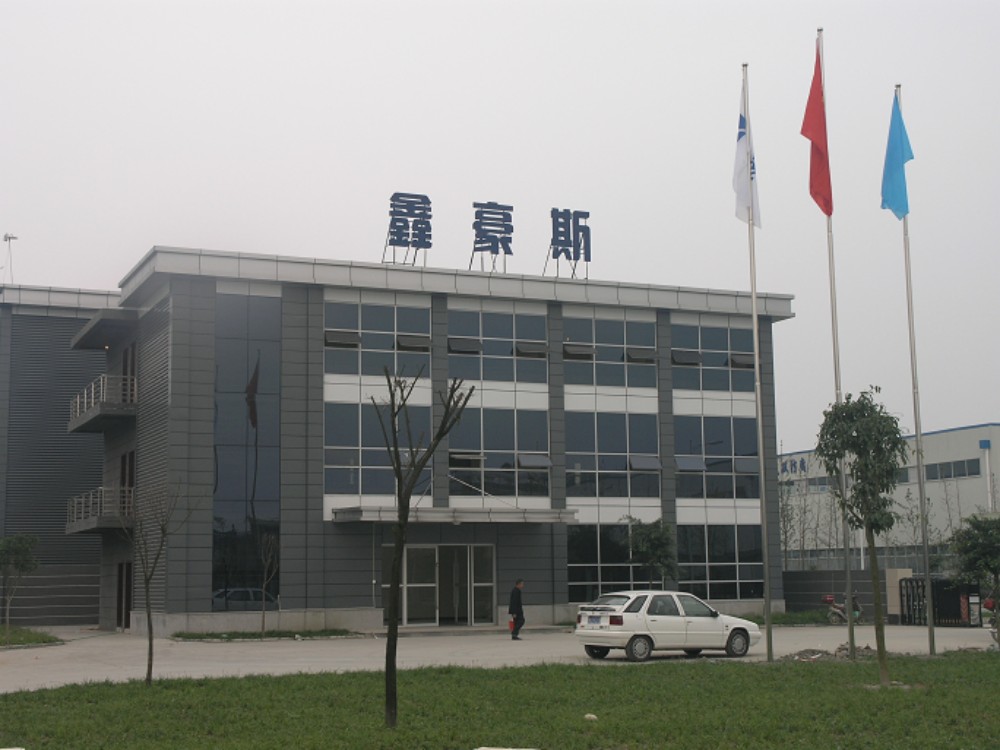
Initiated domestic production of gas safety valves. Scaled up our OEM business division to address growing domestic demand. Relocated our corporate offices to Longtan Industrial Park to support expanding operations.

Achieved a milestone of 10 million cumulative gas detector units sold. Moved into our own custom-built Chengdu factory. Established a comprehensive sales and service network across China and introduced specialized fire power monitoring systems.
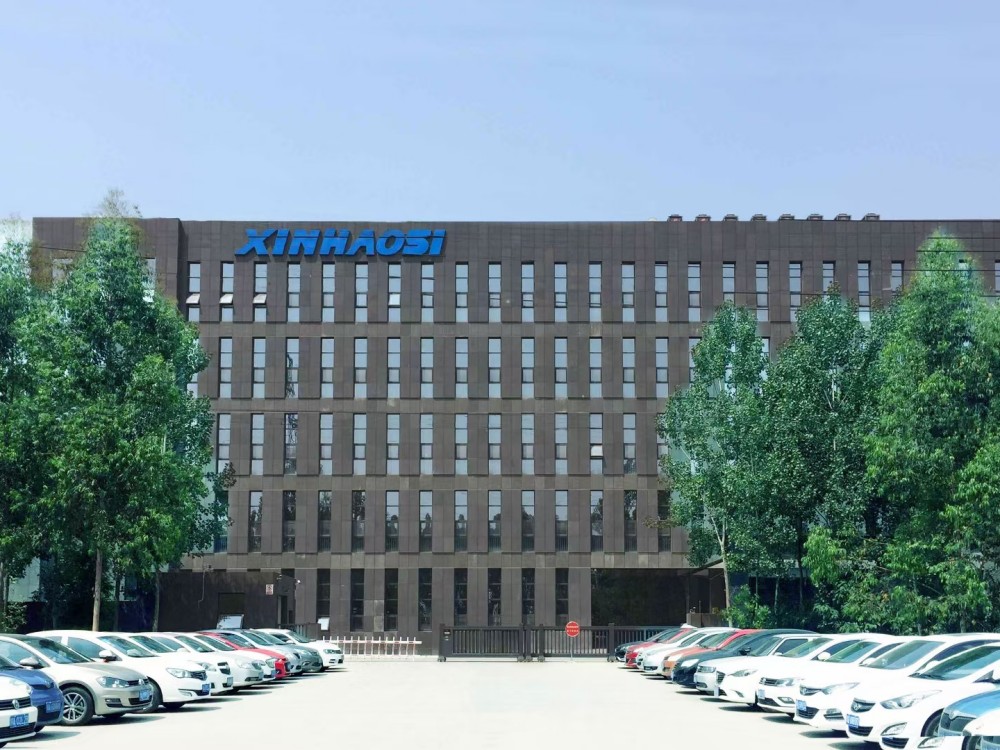
Launched our in-house developed IoT cloud platform. Introduced fire automatic alarm, emergency lighting, and evacuation systems. Certified as a High-Tech Enterprise and qualified as an official supplier to China’s top 5 major gas utility providers.
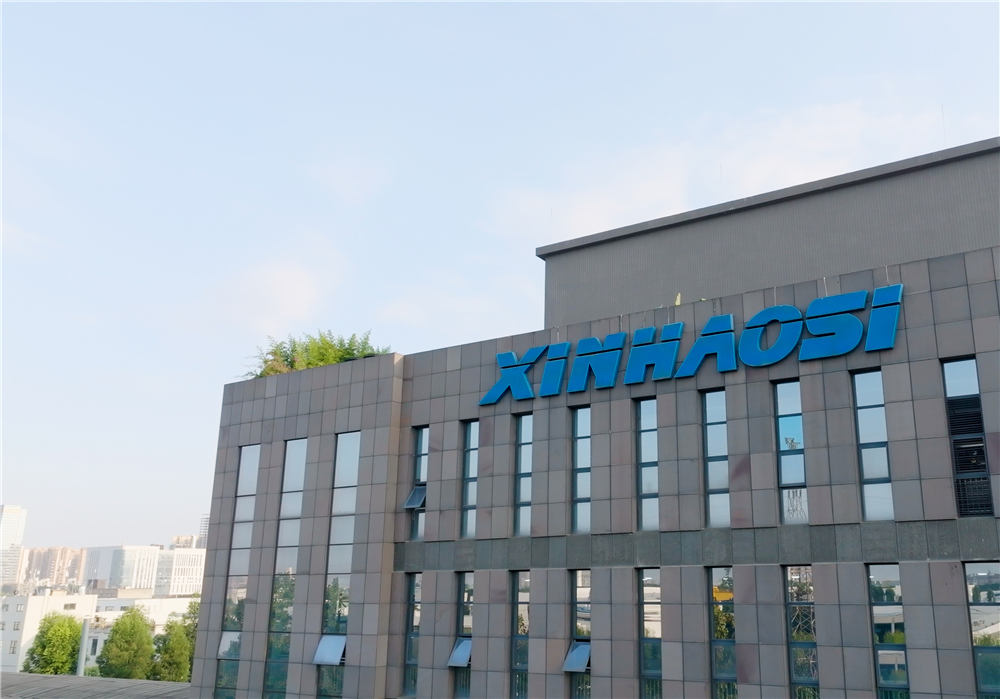
Began construction of the Deyang manufacturing facility. Established our Petrochemical & International Business Division to better serve overseas clients. Awarded the title of Sichuan Provincial Technology Center, reflecting our technical contributions.
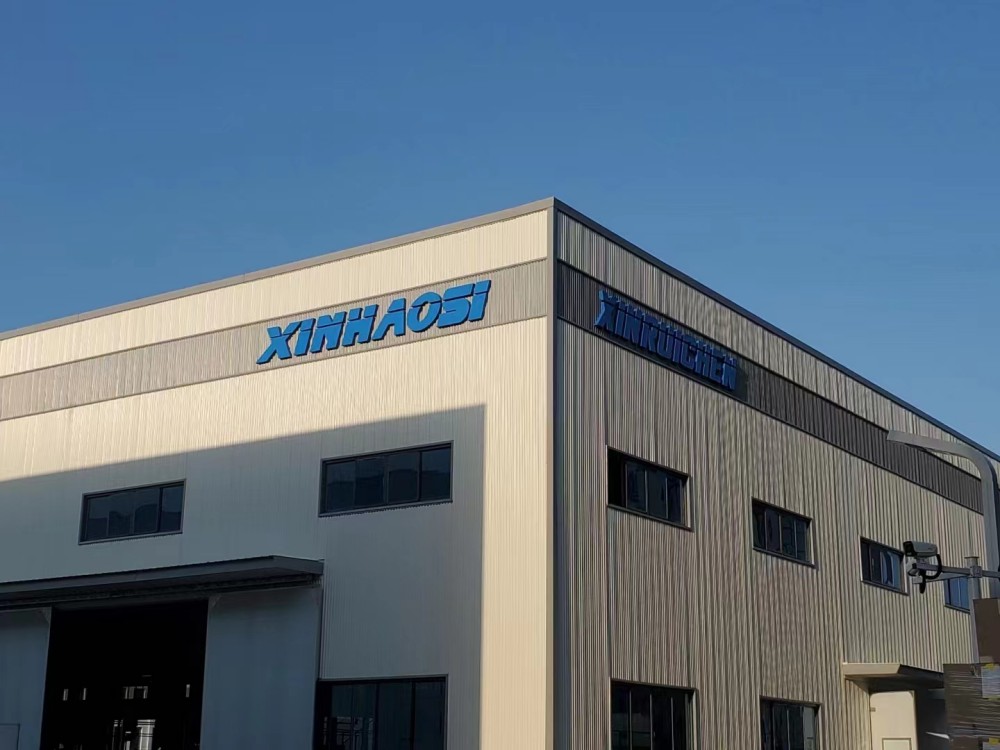
Completed and commissioned the Deyang Factory. Launched our new wireless urban pipeline network monitoring devices, low-power gas detectors, and AI-enabled smart solenoid safety valves, expanding our product lines for global markets.
Expert answers to common technical queries regarding LEL gas monitoring, explosion-proof standards, and sensor technology.
Complete your gas safety infrastructure with our collection of industrial solenoid valves, flame detectors, and intelligent controller units.