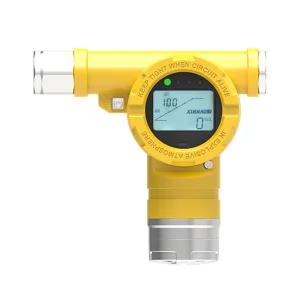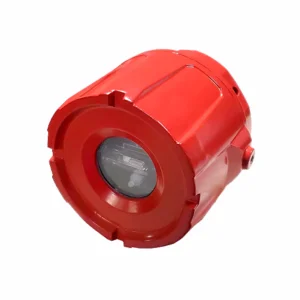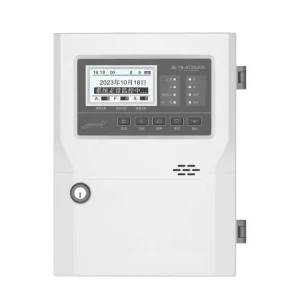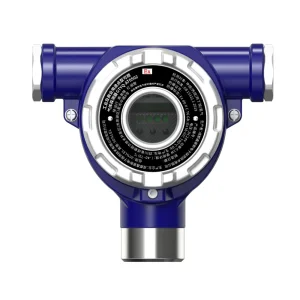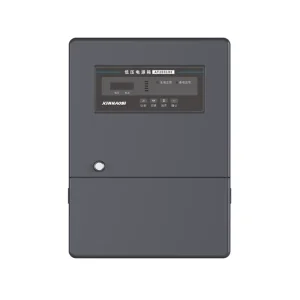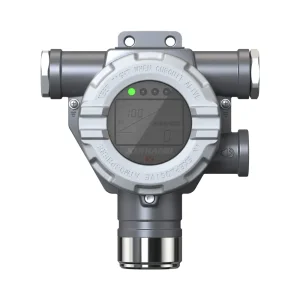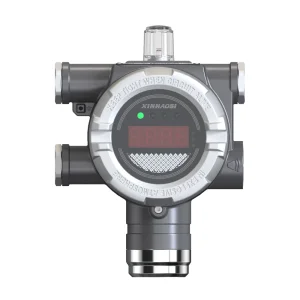
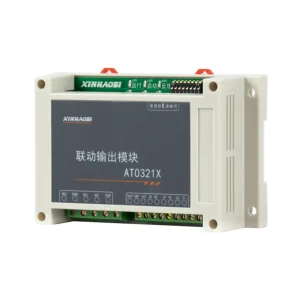
Targeted mitigation of deadly emissions in high-risk areas using smart commercial carbon monoxide detectors combined with output controllers.
Rigorous verification metrics conforming to ILAC-MRA and ISO/IEC 17025 standards, assuring global safety compliance for large projects.
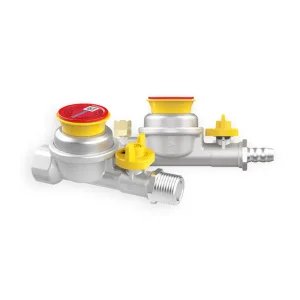
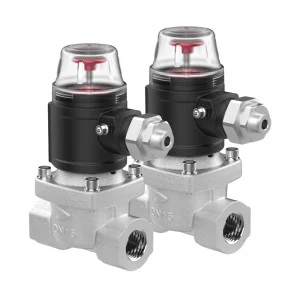
Revolutionary integration of smart flow monitoring and gas shut-off valves acting instantaneously upon receiving detection signals.
Carbon Monoxide (CO), often classified as the "silent killer," is a colorless, odorless, and tasteless toxic gas that poses a critical challenge to residential, commercial, and industrial facilities globally. As global urbanization surges and building construction codes become increasingly stringent, the demand for high-reliability home carbon monoxide alarms and integrated industrial detection systems has reached unprecedented heights. In developed regions such as North America and the European Union, structural mandates like UL 2034 and EN 50291 outline precise performance parameters for carbon monoxide detection. For global B2B procurement partners, securing a qualified OEM/ODM partner with deep engineering pedigree is the definitive strategy to access reliable, compliant, and cost-efficient safety hardware.
Modern carbon monoxide protection systems must go beyond simple stand-alone buzzers. The industry has shifted toward smart interconnected topologies, where detectors interface directly with low-voltage power boxes, central gas detector controllers, and automatic shut-off solenoid valves. By engineering a closed-loop mitigation system, an enterprise does not just warn occupants of threat; it actively isolates the danger by shutting off fuel pipelines and activating mechanical ventilation, mitigating tragedy before toxic thresholds are crossed.
A resilient safety architecture relies on the seamless communication between gas sensors, control systems, and mechanical actuators. Xinhaosi's integrated product lineup delivers exactly this, offering complete system packages from AT2004BIV-CO detectors to XF3III solenoid shut-off valves.
Founded in 2003, Xinhaosi is one of the most influential and trusted brands in the global gas safety industry. Over the past two decades, we have steadily built a robust and comprehensive production and service system, which integrates cutting-edge R&D, intelligent manufacturing with advanced automation equipment, digital marketing across global channels, professional after-sales support with an experienced technician team, flexible OEM/ODM services, as well as CNAS-Accredited laboratory calibration services that meet international standards.
Our diversified product portfolio covers industrial & residential gas detection & alarm systems, industrial & household gas solenoid valves, and urban gas pipeline network monitoring systems—all engineered to adapt to complex working environments and strict safety requirements. We produce and sell tens of millions of units annually, catering to a wide range of industries that demand reliable gas detection solutions, including oil & gas exploration and production, petrochemicals, urban gas distribution, automotive manufacturing, pharmaceuticals, new energy, steel production, and beverage processing.
Guided by the core mission of “Making Gas Safety Accessible Everywhere,” we consistently deliver high-performance, reliable products and customized solutions tailored to each client’s unique needs. Every item we manufacture undergoes rigorous quality control tests, and every service we provide is backed by our professional technical team, fully embodying our unwavering commitment to safeguarding gas safety across both industrial workplaces and residential environments, and striving to build a safer world with sustainable gas safety technologies.
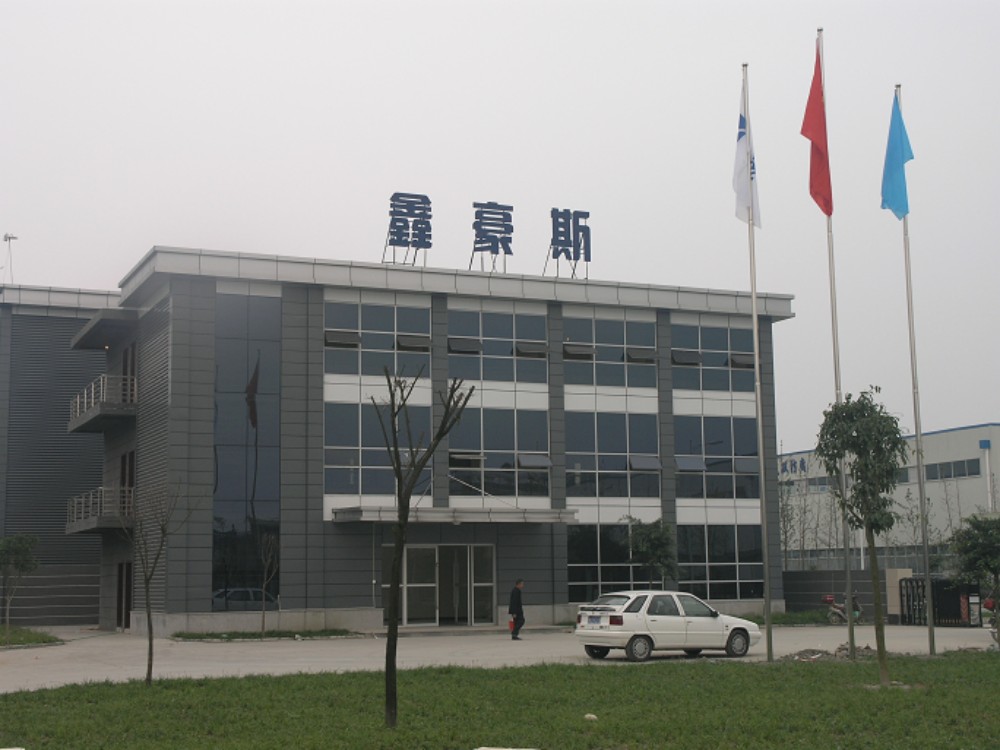
 Chengdu Headquarters, R&D Hub & Office
 Advanced Deyang Intelligent Production Base
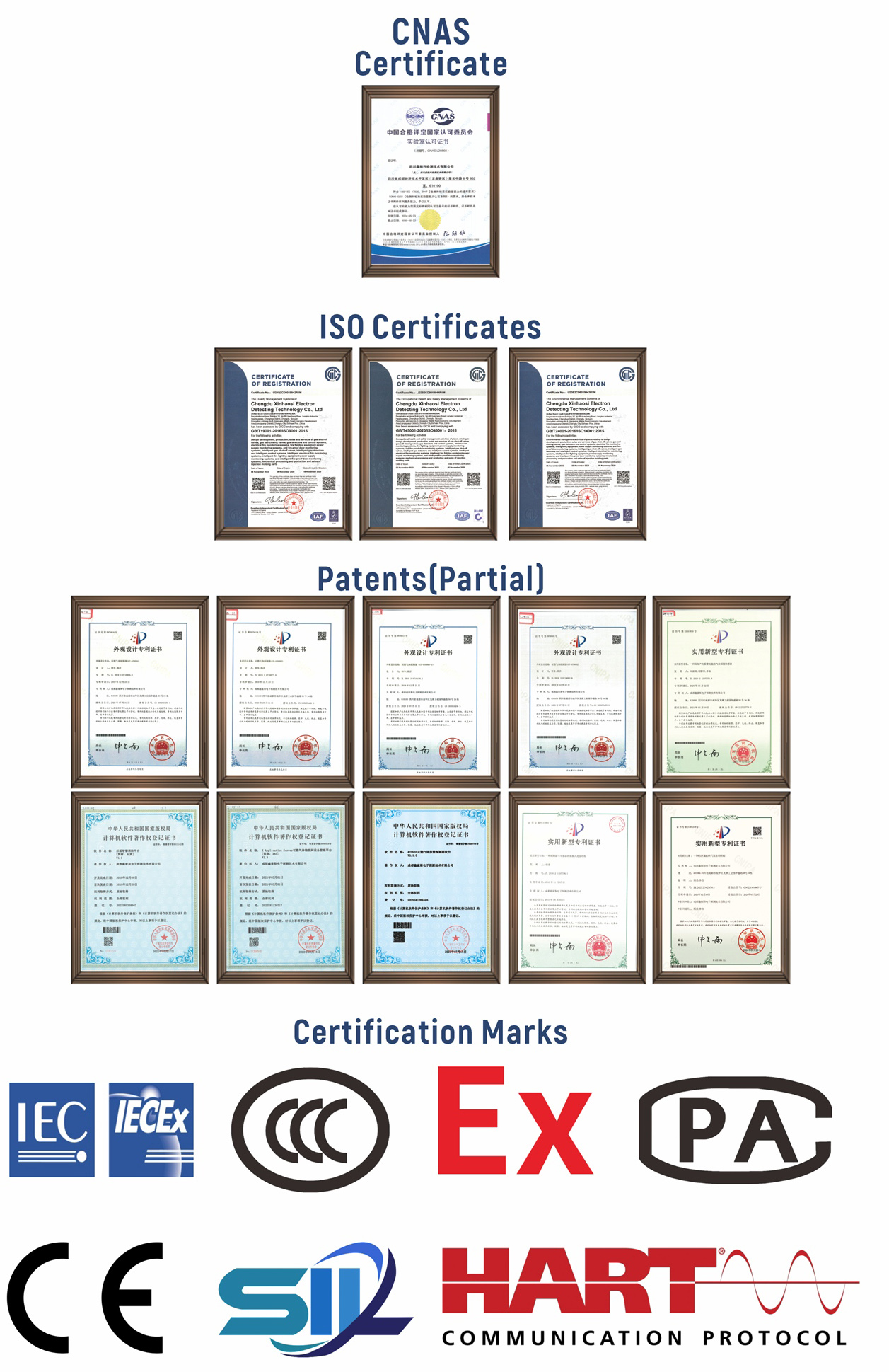
Adhering to ISO9001 quality management system standards, Xinhaosi's core products have obtained a full range of authoritative certifications, including national compulsory Products Certification, explosion-proof certification, fire product certification, CPA measurement instrument type approval certificate, and international approvals such as CE and SIL. Additionally, Xinhaosi holds honors such as "National Quality Integrity Benchmark Enterprise", "National Quality Leading Enterprise in the Gas Alarm Industry," member of the China Fire Protection Association, and the main drafting organization for the national standard of solenoid valves, further confirming its industry influence and reputation.
In the field of intellectual property, Xinhaosi has built a robust innovation system with over 50 patents and software copyrights. These patents cover core technological areas, including a graphical monitoring system for gas detection and alarm, which enables predictive maintenance based on historical data to reduce equipment failure rates by over 30%, and a solenoid valve with flow monitoring functionality that integrates flow detection and alarm capabilities. The company also pioneered China's first networked bus-type gas leakage monitoring system and the only maximum-point gas leakage monitoring system certified by the Ministry of Public Security, demonstrating its leading position in cutting-edge technological research.
Our in-house laboratory is accredited by the China National Accreditation Service for Conformity Assessment (CNAS), recognized both domestically and internationally under the ILAC-MRA framework. It operates in accordance with ISO/IEC 17025, the international standard for testing and calibration laboratories. It provides reliable and traceable testing services for gas detection and alarm products, solenoid valves, and related safety equipment. Test reports issued by the CNAS-accredited laboratory are widely accepted by regulatory authorities, certification bodies, and customers in China and overseas, helping to ensure product quality, safety compliance, and market access.
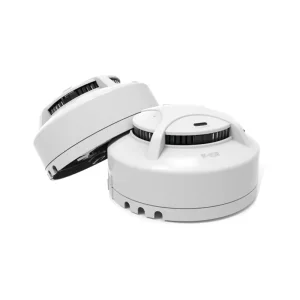
Understanding the exact context of safety threats dictates how OEM products are specified and manufactured. Carbon monoxide behaves dynamically inside structural spaces depending on temperature, humidity, and airflow patterns. Unlike heavier hydrocarbon gases, CO has a specific gravity of 0.967, which makes it slightly lighter than air. Consequently, in residential settings, CO alarms must be positioned appropriately to detect the gas as it mixes with convective air currents from heating appliances.
Underground and enclosed parking structures present a massive hazard due to vehicular combustion engine emissions. In these facilities, carbon monoxide concentrations can spike rapidly during rush hours. Under modern building standards (such as ASHRAE 62.1), HVAC ventilation systems must run dynamically based on real-time CO monitoring to minimize electrical consumption while maintaining worker and occupant safety. The AT2004BIV-CO Car Parks Carbon Monoxide Gas Detector serves as a crucial OEM solution in these scenarios, sending continuous, linear signals to centralized system panels which can automatically cycle exhaust fans.
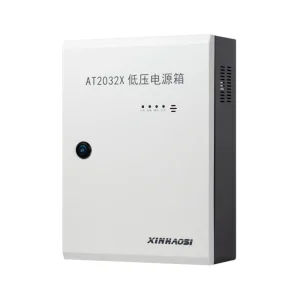
In modern homes, gas furnaces, water heaters, and wood stoves are localized potential sources of CO leaks. OEM residential alarms are transitioning from isolated plug-in units to interconnected IoT devices. If a detector in the basement triggers, it communicates with the entire home network. By coupling detectors with high-quality low-voltage power units (like the AT2031XE or AT2032X) and automatic shut-off safety valves, the power box maintains clean emergency battery backups while the safety valve mechanically stops gas flow to the boiler the instant a hazard is identified.
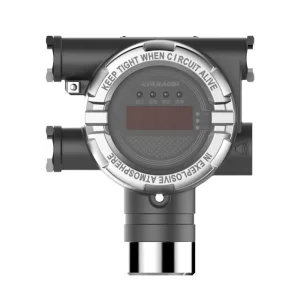
In heavy industries such as steel mills (blast furnace operations) and chemical processing plants, carbon monoxide is often a primary or secondary process gas. These environments require explosion-proof hardware (rated under ATEX/IECEx or local GB standards). The GTYQ-AT0601 and XP3000 series explosion-proof gas detectors represent the pinnacle of industrial safety engineering. Constructed with rugged, corrosion-resistant housings and incorporating high-performance electrochemical or infrared sensors, these detectors ensure safety in the most demanding conditions.
By consolidating manufacturing operations in China's industrial zones (such as Chengdu and Deyang), Xinhaosi achieves deep supply chain integration. From in-house SMT circuit board assembly to automated sensor calibration and high-pressure valve casting, we provide B2B clients with unparalleled production speed, strict compliance control, and significant cost savings.
Established on April 17th, 2003. Pioneered and launched the first-generation gas leakage alarms and fire protection products, laying down the foundation for national residential safety deployment.

Initiated dedicated production lines for gas safety valves. Substantially expanded global OEM/ODM capabilities and relocated corporate operations to the Longtan Industrial Park facility.
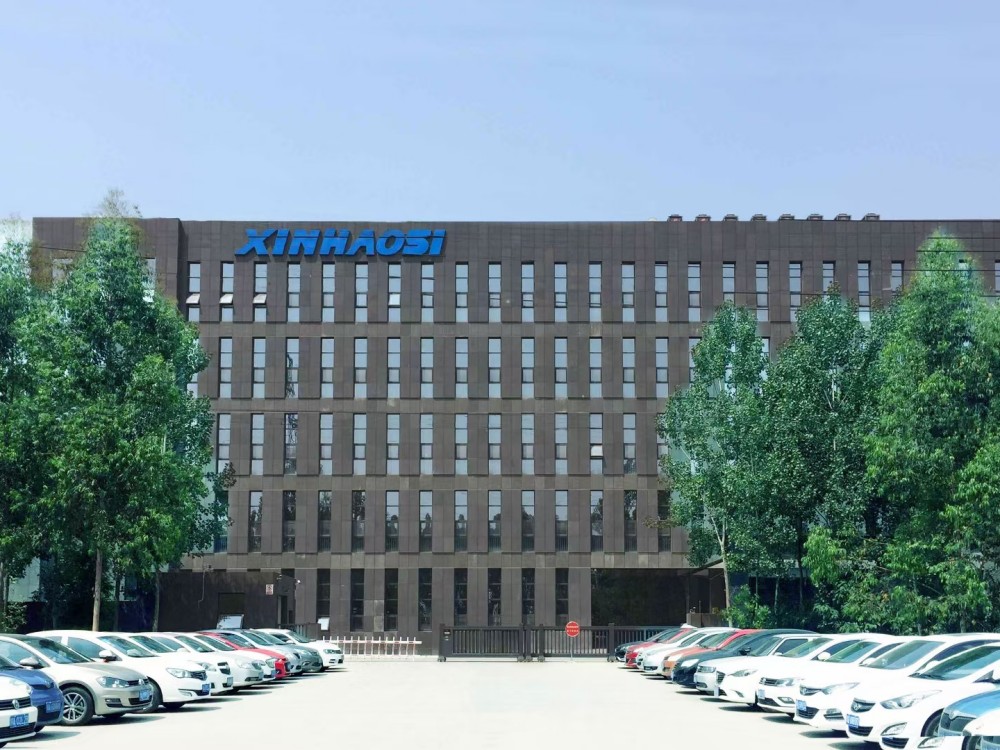
Achieved a landmark sales figure of 10 million units of gas detectors. Moved into the modern Chengdu factory complex, launched fire power monitoring systems, and finalized a national service grid.
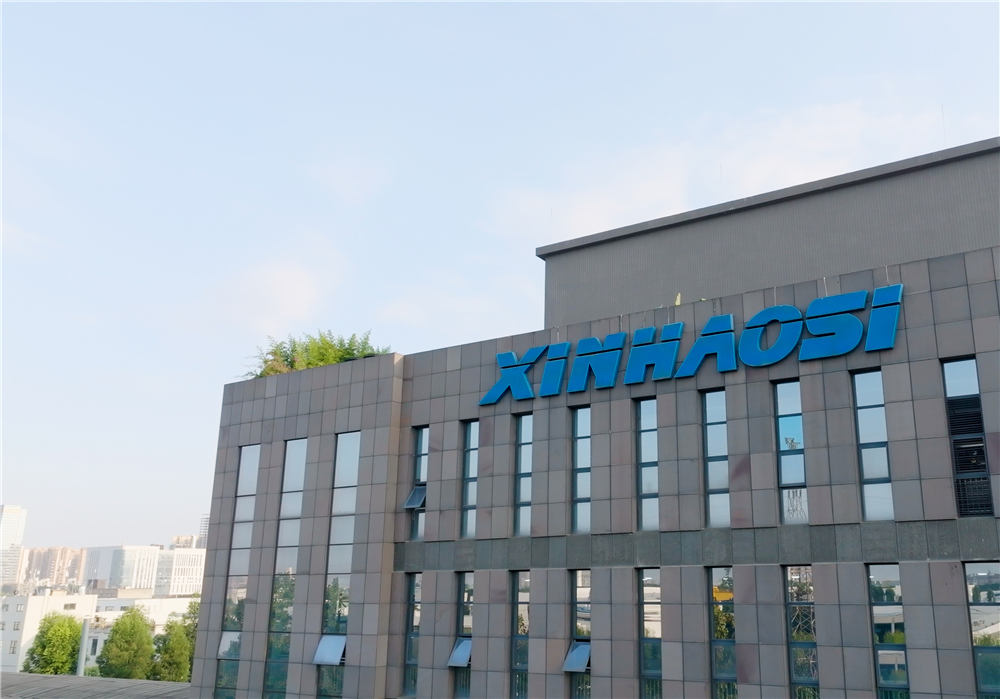
Launched our in-house developed IoT cloud platform. Introduced smart fire emergency lighting and alarm networks. Certified as a High-Tech Enterprise and qualified as a direct vendor for China's top five gas conglomerates.
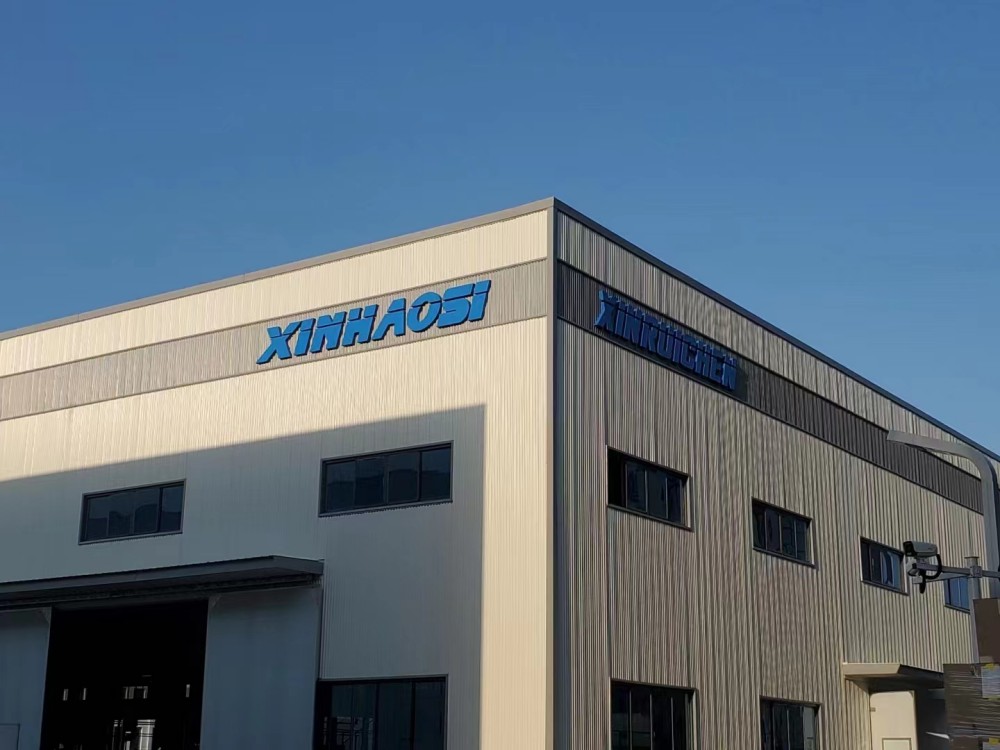
Broke ground on the Deyang smart manufacturing base. Set up a dedicated Petrochemical and International Business Division. Honored as a Sichuan Provincial Technology Center.
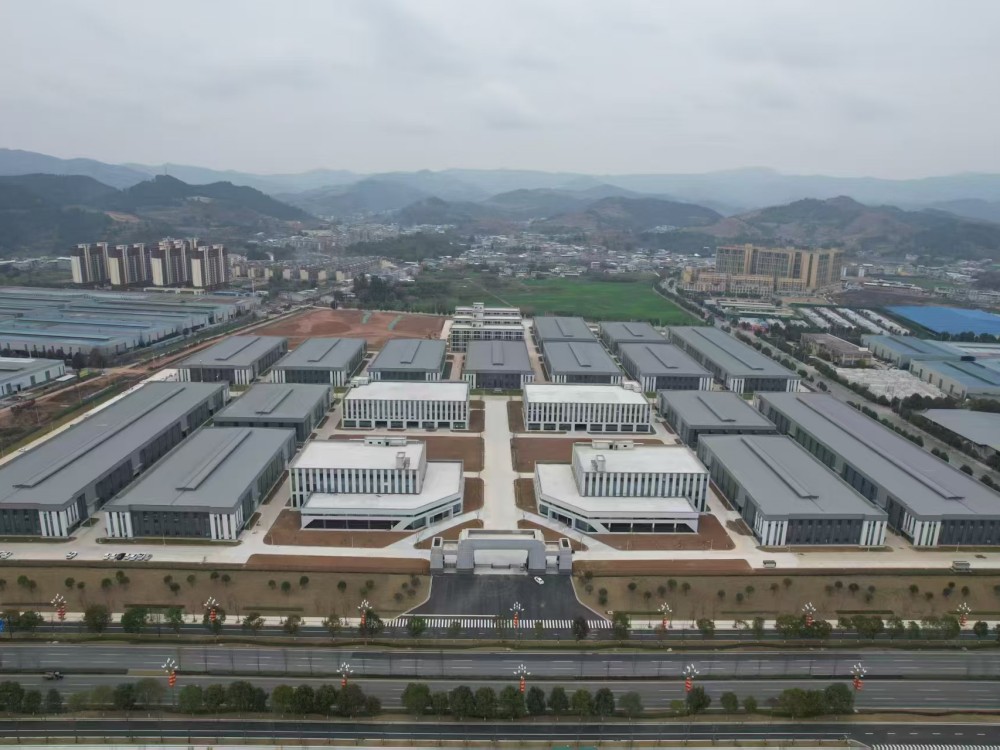
Deyang factory fully operational. Rolled out wireless IoT gas monitors, urban pipeline structural network sensors, and innovative AI-based safety valves with built-in analytical logic.
Generally, electrochemical CO sensors have a functional lifespan of 5 to 10 years, depending on environmental exposure (humidity, temperature cycles, presence of interfering gases). Modern designs incorporate an end-of-life signal to alert maintenance personnel when sensor output falls below safe calibration parameters.
Gas solenoid valves (like the XF3III series) act as the final protective measure. When a gas leak or high CO concentration is detected, the alarm controller outputs a momentary electrical pulse (usually 9V-24V DC). This pulse triggers the solenoid's electromagnetic latch, rapidly dropping the valve mechanism to seal off the main gas pipe. The valve must then be manually reset to ensure safety is confirmed before gas flows again.
In European markets, carbon monoxide detectors must conform to EN 50291 standards, and carry CE/RoHS marks. For North America, compliance with UL 2034 (residential) or UL 2075 (gas detectors connected to panels) is necessary. Industrial areas require ATEX or IECEx explosion-proof ratings. Xinhaosi's testing laboratory is CNAS accredited (under ILAC-MRA framework) which makes our test reports widely accepted for international approvals.
By continuously gathering sensor output data and analyzing drift trends over time, our patented system applies predictive maintenance algorithms. Instead of waiting for a sensor to fail completely, the system predicts deterioration points and prompts technicians to clean or recalibrate the device beforehand, preventing false alarms and critical system downtime.