B2B Whitepaper: Deep Sensing Technologies, Industrial-Grade Safety Compliance, and Custom Manufacturing Solutions
Top-tier components engineered to integrate seamlessly into your enterprise security framework
Empowering Industrial Workforce Safety with Handheld Sensing Systems
Modern industrial operations require rigorous risk management, and the handheld gas leak detector stands at the frontline of personnel safety. Used extensively across oil refineries, chemical plants, wastewater treatment facilities, and public utility networks, these portable units must deliver real-time accuracy under extreme environmental constraints. In the era of Smart Safety and IoT integration, the requirements have evolved from basic warning buzzers to complex, interconnected analytical nodes that record spatial, temporal, and concentration data.
By leveraging advanced gas sensing technologies such as catalytic bead, electrochemical, non-dispersive infrared (NDIR), and photoionization detection (PID), modern portable gas alarms enable predictive hazard management rather than simple reactive response. Global safety standards, including ATEX, IECEx, and SIL2 levels, necessitate that manufacturers maintain stringent calibration matrices and highly standardized production workflows.
For B2B procurement professionals, partnering with an established OEM/ODM factory guarantees not only high mechanical precision and sensory calibration but also critical supply-chain stability and hardware-software customization capacity.

Chengdu Factory & Corporate R&D Center
A Globally Trusted Name in Gas Safety and Industrial Control Systems
Founded in 2003, Xinhaosi is one of the most influential and trusted brands in the global gas safety industry. Over the past two decades, we have steadily built a robust and comprehensive production and service system, which integrates cutting-edge R&D, intelligent manufacturing with advanced automation equipment, digital marketing across global channels, professional after-sales support with an experienced technician team, flexible OEM/ODM services, as well as CNAS-Accredited laboratory calibration services that meet international standards.
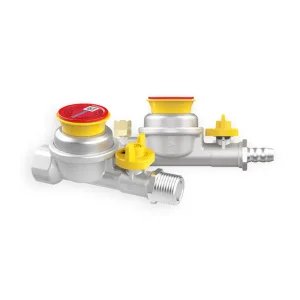
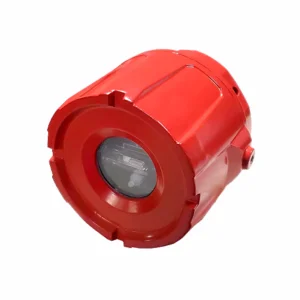
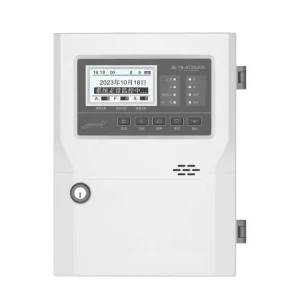
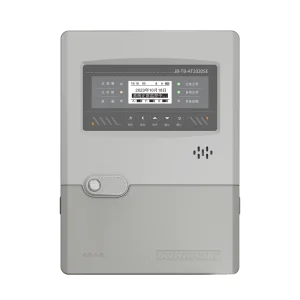
Our diversified product portfolio covers industrial & residential gas detection & alarm systems, industrial & household gas solenoid valves, and urban gas pipeline network monitoring systems—all engineered to adapt to complex working environments and strict safety requirements. We produce and sell tens of millions of units annually, catering to a wide range of industries that demand reliable gas detection solutions, including oil & gas exploration and production, petrochemicals, urban gas distribution, automotive manufacturing, pharmaceuticals, new energy, steel production, and beverage processing.
Guided by the core mission of "Making Gas Safety Accessible Everywhere," we consistently deliver high-performance, reliable products and customized solutions tailored to each client's unique needs. Every item we manufacture undergoes rigorous quality control tests, and every service we provide is backed by our professional technical team, fully embodying our unwavering commitment to safeguarding gas safety across both industrial workplaces and residential environments, and striving to build a safer world with sustainable gas safety technologies.

Deyang High-Capacity Smart Manufacturing Hub
Years of R&D Expertise
Patents & IP Assets
Accredited Lab Services
Units Manufactured Annually
Strict Engineering Standards and Regulatory Compliance
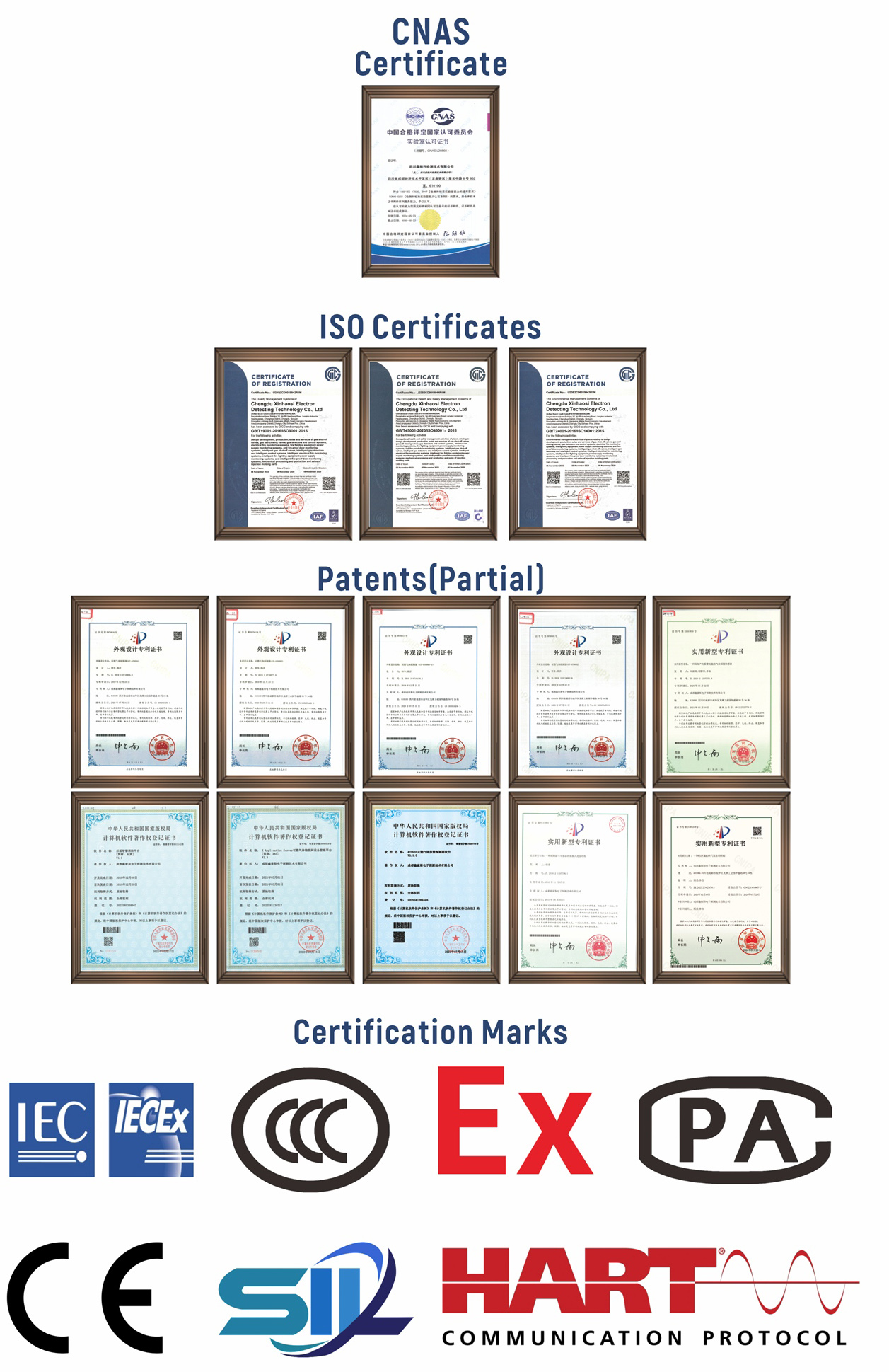
Adhering to ISO9001 quality management system standards, Xinhaosi's core products have obtained a full range of authoritative certifications, including national compulsory Products Certification, explosion-proof certification, fire product certification, CPA measurement instrument type approval certificate, and international approvals as CE, SIL. Additionally, Xinhaosi holds honors such as "National Quality Integrity Benchmark Enterprise" , "National Quality Leading Enterprise in the Gas Alarm Industry," member of the China Fire Protection Association, and the main drafting organization for the national standard of solenoid valves, further confirming its industry influence and reputation.
In the field of intellectual property, Xinhaosi has built a robust innovation system with over 50 patents and software copyrights . These patents cover core technological areas, including a graphical monitoring system for gas detection and alarm, which enables predictive maintenance based on historical data to reduce equipment failure rates by over 30%, and a solenoid valve with flow monitoring functionality that integrates flow detection and alarm capabilities . The company also pioneered China's first networked bus-type gas leakage monitoring system and the only maximum-point gas leakage monitoring system certified by the Ministry of Public Security, demonstrating its leading position in cutting-edge technological research.
Our in-house laboratory is accredited by the China National Accreditation Service for Conformity Assessment (CNAS), recognized both domestically and internationally under the ILAC-MRA framework. It operates in accordance with ISO/IEC 17025, the international standard for testing and calibration laboratories. It provides reliable and traceable testing services for gas detection and alarm products, solenoid valves, and related safety equipment. Test reports issued by the CNAS-accredited laboratory are widely accepted by regulatory authorities, certification bodies, and customers in China and overseas, helping to ensure product quality, safety compliance, and market access.
CNAS-Accredited ISO/IEC 17025 Calibrating Testing Lab
The Technological Shifts Reshaping Safety in High-Hazard Fields
Single-gas monitors are rapidly giving way to integrated multi-gas handheld platforms. Utilizing advanced micro-optoelectronic systems and high-density sensor arrays, a single handheld detector can now monitor Combustible Gases (LEL), Oxygen (O₂), Carbon Monoxide (CO), Hydrogen Sulfide (H₂S), and Volatile Organic Compounds (VOCs) simultaneously. Sensor fusion algorithms align sensor response profiles, compensating for humidity, pressure, and temperature swings in real-time, thereby reducing false positive alarms by up to 45%.
Modern field inspections require real-time mapping of gas dispersion patterns. Advanced handheld detectors integrate low-energy Bluetooth (BLE), Wi-Fi, and Narrowband IoT (NB-IoT) connectivity. This allows data to flow directly to cloud platforms or central command centers. With onboard GPS/UWB positioning, emergency dispatch teams can locate an incapacitated operator immediately upon a critical gas concentration event or "man-down" sensor activation.
Maintenance and calibration cost represents a major chunk of the total cost of ownership (TCO) for gas safety hardware. The industry is pivoting towards "smart-calibration" systems where handheld detectors dynamically evaluate sensor degradation. Through integrated micro-fluidic testing chambers and firmware-based diagnostics, detectors notify safety coordinators exactly when a sensor needs renewal, minimizing down-time and standardizing calibration record-keeping.
Key Evaluative Benchmarks for Industrial Gas Safety Buyers
Industrial environments demand strict adherence to safety certifications. OEM suppliers must satisfy regional frameworks, providing explosion-proof markings (Ex d / Ex ia/ib), IECEx and ATEX approvals for Zone 0, Zone 1, or Zone 2 hazardous areas, SIL (Safety Integrity Level) ratings, and country-specific measurement certifications. Any gap in certificate alignment can cause legal delays, import bans, or exposure to operational liability.
Enterprise distributors and global brands require custom aesthetic and firmware adjustments to match their proprietary ecosystems. This includes physical aspects (impact-resistant housing materials, specialized testing probes, localized buttons, custom logo plates) as well as software components (multi-language display, customized alarm levels, secure API integration for cloud systems, and specialized communications protocols like Modbus or HART).
Industrial clients value long-term sensor reliability. Sourcing managers evaluate the longevity of internal components, especially the oxygen and electrochemical modules, which traditionally degrade within 2-3 years. Strong factory support involves long warranties, field-tested MTBF (Mean Time Between Failures) metrics, simplified hot-swapping procedures, and affordable bulk pricing for replacement sensor cartridges.
Deploying Modern Sensing Systems to Address High-Hazard Industrial Challenges
Refineries are prone to complex, volatile organic compound (VOC) emissions alongside toxic gases like H₂S. Handheld detectors used here must combine Photoionization Detectors (PID) with standard electrochemical elements. Operating under demanding temperature conditions and corrosive atmospheres, these devices must have robust IP67/IP68 ingress ratings to protect internal circuitry from moisture and airborne dust.
Monitoring cross-city gas distribution demands highly sensitive combustible gas detectors capable of catching parts-per-million (ppm) scale leaks. Handheld detectors paired with smart wireless transmitters (such as the GT-AT0637) allow field technicians to survey vast underground pipelines, log exact geographic leak locations, and coordinate shutoff operations via automatic solenoid systems.
As the global market transitions toward clean energy, hydrogen (H₂) storage and transport present fresh safety challenges. Because of hydrogen’s low molecular weight and broad explosibility range (4% to 75% in air), handheld detectors must deploy specialized catalytic or thermal conductivity sensors configured for immediate micro-leakage warning without interference from cross-gases.
More than Two Decades of Technological Innovation and Safety Engineering
Simplifying Integration, Delivery, and Site Calibrations
For large-scale international projects, procuring gas detection hardware is only the initial phase. True enterprise reliability relies heavily on ongoing localized technical support, access to spare parts, and compliant calibration regimes. Recognizing this operational need, our international business division provides tailored post-sales structures:
Our in-house CNAS laboratory provides calibration services that comply with ISO/IEC 17025. Standard test reports under the ILAC-MRA framework ensure that all handheld detectors arrive calibrated and ready for active service, satisfying global insurance and environmental safety audits.
We configure OEM handheld devices with customized communication protocols, allowing smooth data logging and telemetry connection with pre-existing SCADA, DCS, or third-party industrial cloud platforms.
The Roadmap to Safe, Connected, and Intelligent Gas Monitoring
Complete rollout of advanced wireless and LoRaWAN-enabled handheld sensors. Launch of compact multi-gas units featuring integrated optical path sensors. Deployment of localized cloud dashboards for safety managers to track device location and gas concentrations remotely.
Integration of solid-state MEMS gas sensors to reduce power consumption and housing volume. Development of AI-driven sensor compensation firmware that automatically adjusts for cross-sensitivities and extreme relative humidity shifts.
Introduction of autonomous, robotic-assisted portable gas sensing units. Integration of decentralized mesh networking systems, allowing handheld field devices to communicate with fixed site sensors for zero-dead-zone hazard tracking.
Essential Sourcing, Technical, and Maintenance Inquiries for B2B Sourcing Managers
Explore our complete ecosystem of advanced gas monitoring and automated safety shutoff valves