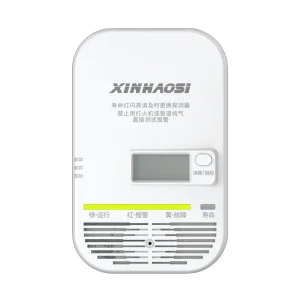
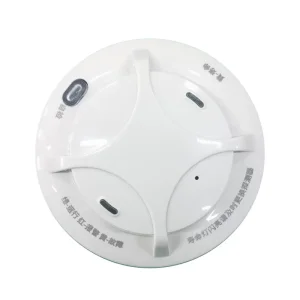
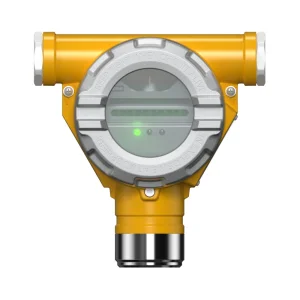
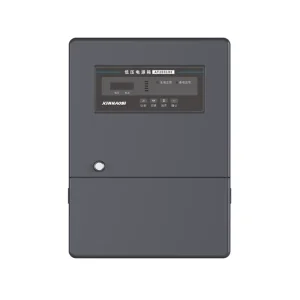
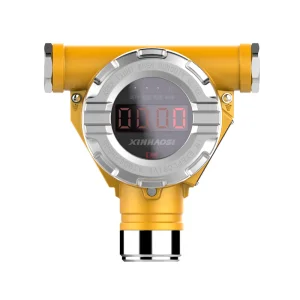
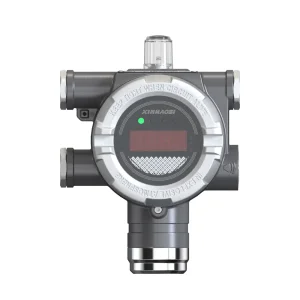
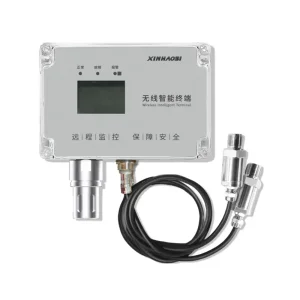
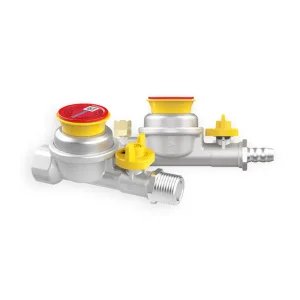
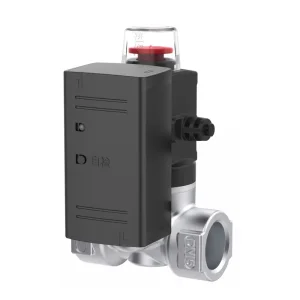
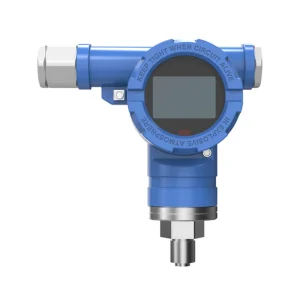
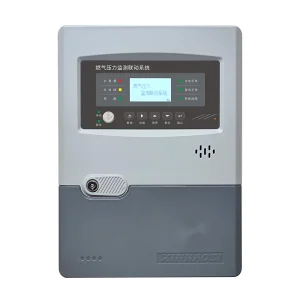
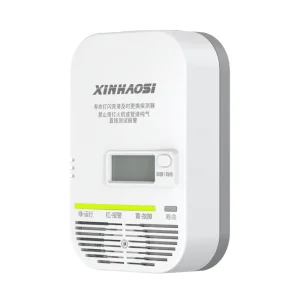
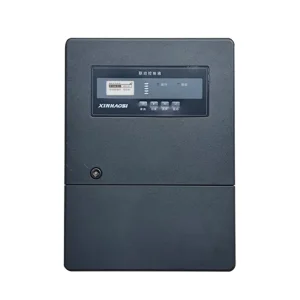
Explore our high-performance product pipeline featuring advanced sensor architectures, automatic shut-off electronics, and explosion-proof telemetry.
Founded in 2003, Xinhaosi is one of the most influential and trusted brands in the global gas safety industry. Over the past two decades, we have steadily built a robust and comprehensive production and service system, which integrates cutting-edge R&D, intelligent manufacturing with advanced automation equipment, digital marketing across global channels, professional after-sales support with an experienced technician team, flexible OEM/ODM services, as well as CNAS-Accredited laboratory calibration services that meet international standards.
Our diversified product portfolio covers industrial & residential gas detection & alarm systems, industrial & household gas solenoid valves, and urban gas pipeline network monitoring systems—all engineered to adapt to complex working environments and strict safety requirements. We produce and sell tens of millions of units annually, catering to a wide range of industries that demand reliable gas detection solutions, including oil & gas exploration and production, petrochemicals, urban gas distribution, automotive manufacturing, pharmaceuticals, new energy, steel production, and beverage processing.
Guided by the core mission of “Making Gas Safety Accessible Everywhere,” we consistently deliver high-performance, reliable products and customized solutions tailored to each client’s unique needs. Every item we manufacture undergoes rigorous quality control tests, and every service we provide is backed by our professional technical team, fully embodying our unwavering commitment to safeguarding gas safety across both industrial workplaces and residential environments, and striving to build a safer world with sustainable gas safety technologies.

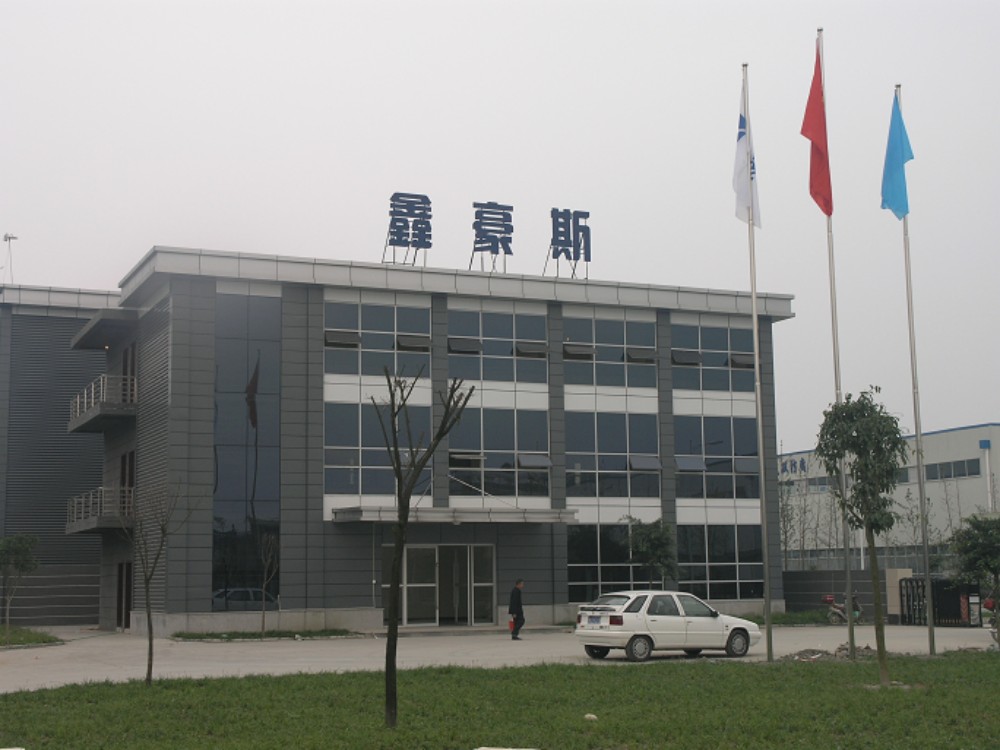
Chengdu Factory & Office

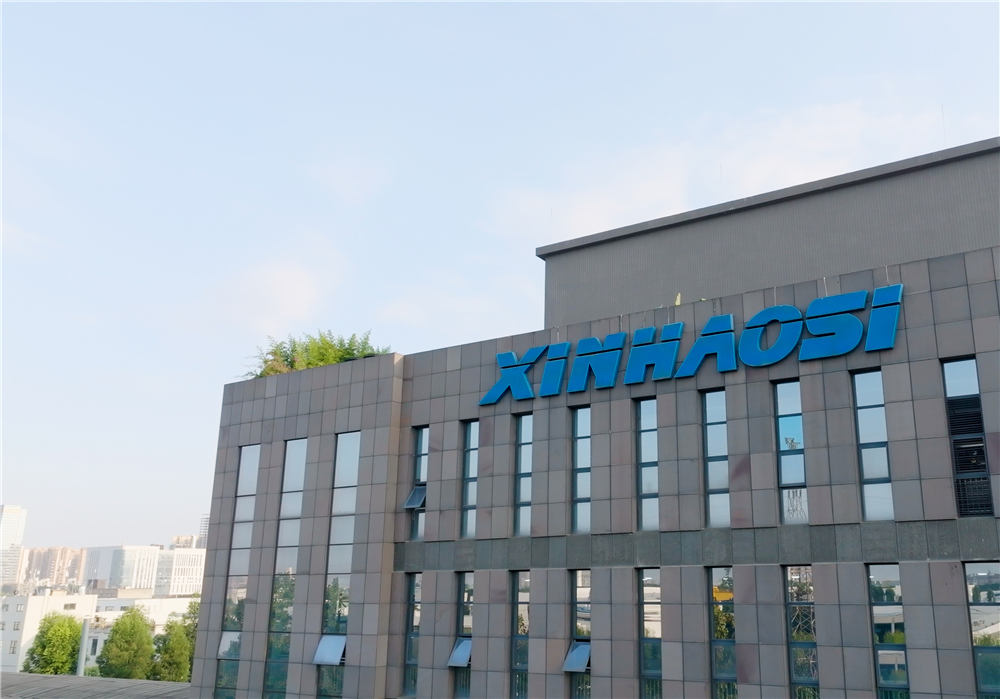
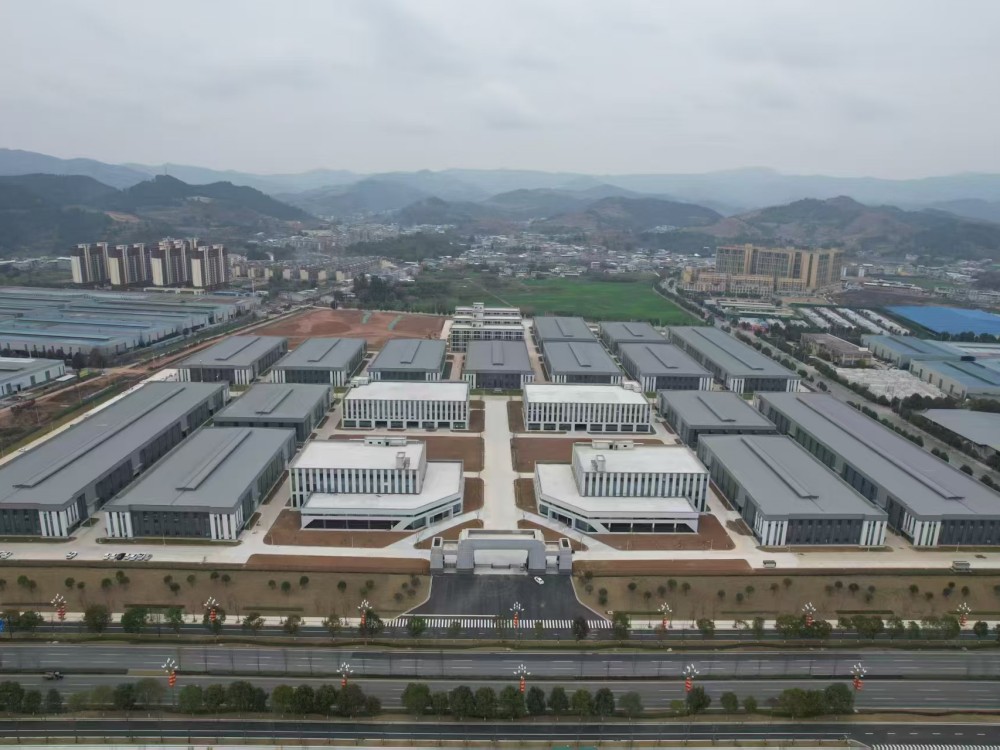
Deyang Factory
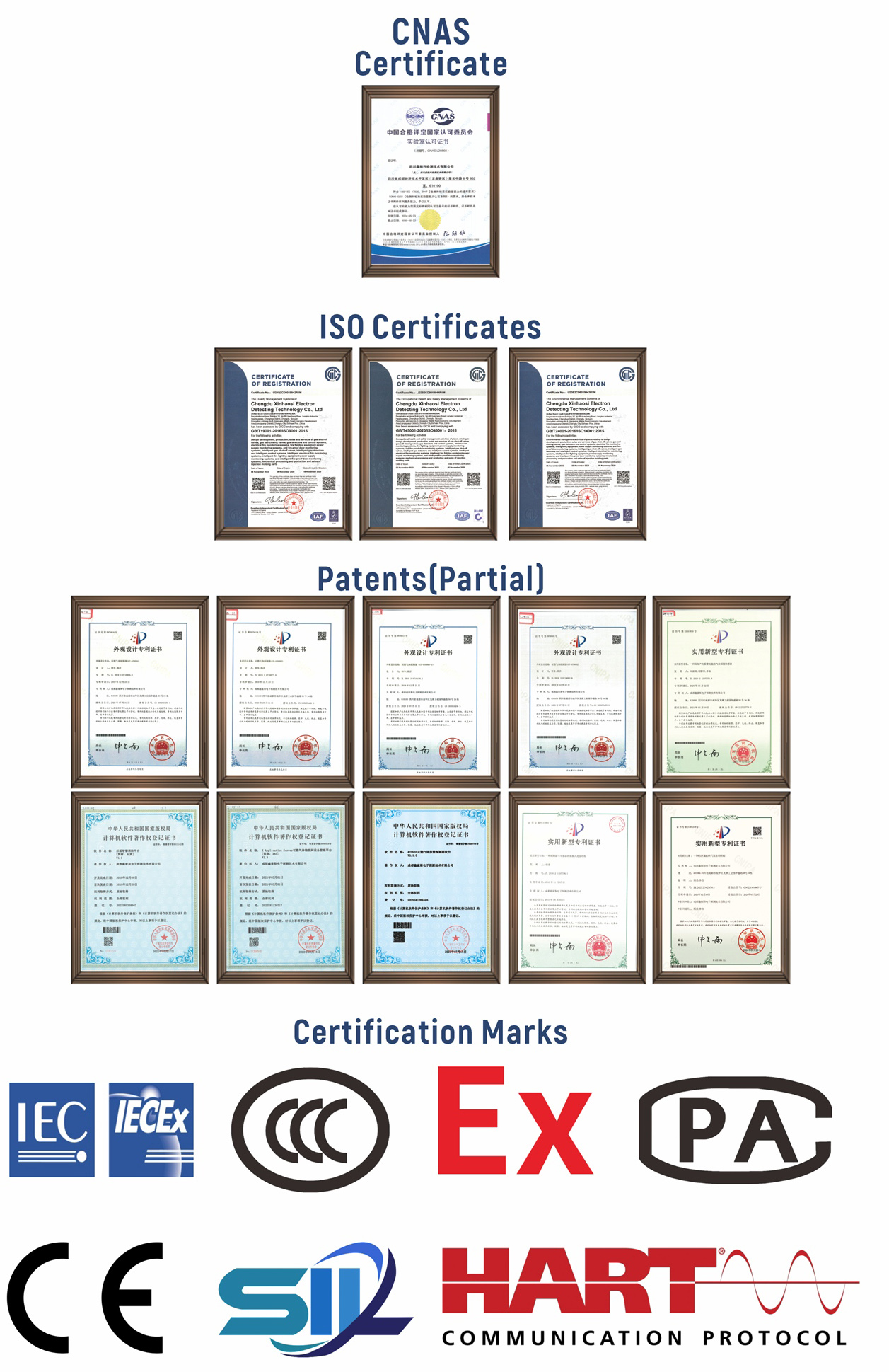
Adhering to ISO9001 quality management system standards, Xinhaosi's core products have obtained a full range of authoritative certifications, including national compulsory Products Certification, explosion-proof certification, fire product certification, CPA measurement instrument type approval certificate, and international approvals such as CE and SIL. Additionally, Xinhaosi holds honors such as "National Quality Integrity Benchmark Enterprise" , "National Quality Leading Enterprise in the Gas Alarm Industry," member of the China Fire Protection Association, and the main drafting organization for the national standard of solenoid valves, further confirming its industry influence and reputation.
In the field of intellectual property, Xinhaosi has built a robust innovation system with over 50 patents and software copyrights. These patents cover core technological areas, including a graphical monitoring system for gas detection and alarm, which enables predictive maintenance based on historical data to reduce equipment failure rates by over 30%, and a solenoid valve with flow monitoring functionality that integrates flow detection and alarm capabilities. The company also pioneered China's first networked bus-type gas leakage monitoring system and the only maximum-point gas leakage monitoring system certified by the Ministry of Public Security, demonstrating its leading position in cutting-edge technological research.
Our in-house laboratory is accredited by the China National Accreditation Service for Conformity Assessment (CNAS), recognized both domestically and internationally under the ILAC-MRA framework. It operates in accordance with ISO/IEC 17025, the international standard for testing and calibration laboratories. It provides reliable and traceable testing services for gas detection and alarm products, solenoid valves, and related safety equipment. Test reports issued by the CNAS-accredited laboratory are widely accepted by regulatory authorities, certification bodies, and customers in China and overseas, helping to ensure product quality, safety compliance, and market access.
The global market for gas solenoid shut-off valves is undergoing a rapid technological evolution, driven by tightening safety regulations, energy transition mandates, and the widespread adoption of automation in industrial and residential infrastructure. As critical components in safety instrumented systems (SIS), solenoid shut-off valves act as the final defensive block to prevent catastrophic incidents such as gas explosions, toxic emissions, and systemic pipeline pressure failures.
In mature markets like North America and Europe, the demand is heavily oriented toward high-reliability, SIL 2/3 certified, and explosion-proof solenoid valves (ATEX/IECEx). Aging distribution systems are progressively upgraded with intelligent shut-off valves capable of communicating over digital Fieldbus or wireless IoT systems, enabling centralized municipal emergency shut-down (ESD) controls.
The Asia-Pacific region, spearheaded by China, India, and Southeast Asia, represents the fastest-growing market for OEM solenoid valves. Rapid urbanization, heavy investment in petrochemical facilities, and national directives for pipeline network gasification have created massive demands for robust, low-latency, and cost-effective electromagnetic shut-off solutions.
As the energy sector pivots toward hydrogen blending and biogas distribution, OEM manufacturers face new engineering hurdles. Hydrogen's unique properties—including high permeation rates, potential for hydrogen embrittlement in standard steel alloys, and wide flammability range—require specialized valve body chemistries (such as high-grade 316L Stainless Steel) and custom elastomer sealing components capable of maintaining zero-leakage profiles under severe pressures.
Modern electromagnetic shut-off valves are transitioning from passive safety actuators to active, data-generating edge devices. Xinhaosi is at the forefront of this industrial transformation. Below is our R&D roadmap detailing key milestones in materials science, intelligence, and safety protocols.
Traditional solenoid valves consume substantial energy to maintain an open state. Our newer designs utilize impulse latching mechanism architectures where power is only required during state transitions (opening/closing), minimizing operational thermal footprint and power usage.
Moving beyond simple flow obstruction, Xinhaosi's next-gen smart valves embed miniature dynamic pressure and flow transducers directly into the valve body. This provides instantaneous pipeline telemetry without installing secondary monitoring nodes.
Leveraging continuous monitoring of electromagnetic coil resistance, response latency, and mechanical displacement profiles, our systems calculate real-time wear-and-tear degradation curves, alerting control rooms of valve maintenance schedules before a failure occurs.
Development of proprietary fluorocarbon and nitrile rubber seals that resist degradation when exposed to pure hydrogen stream blends, sour gas containing H2S, and cryogenic LNG process environments.
Industrial safety is not solved by components alone, but by fully integrated process systems. Gas safety engineering requires gas detectors, intelligent control logic units, and active shut-off valves to communicate flawlessly within milliseconds.
In metropolitan gas pipelines, localized pressure surges or seismic shifts can cause catastrophic gas mains ruptures. Our system links underground pipeline monitoring terminals with wireless-controlled, dry-battery-powered solenoid shut-off valves. Upon detecting seismic activity or localized pressure loss, the upstream master valve initiates an emergency shut-down within 0.3 seconds, isolating neighborhoods and protecting city assets.
Petrochemical processing features highly corrosive and explosive atmospheres. For these extreme conditions, Xinhaosi delivers comprehensive ex-proof (ATEX/IECEx/CNAS) networks. Interlocked control boxes coordinate output signals from explosion-proof detectors to command heavy-duty steel solenoid valves. The system is rated for SIL 2 levels, ensuring safe operations in refineries and heavy chemical applications.
Commercial kitchens, multi-family residential complexes, and hotels require intelligent, localized gas protection. By pairing bus-type gas detectors with compact gas shut-off valves, we create localized safety loops. If a cooking range leaks methane, the system isolates the specific gas line without interrupting gas services to other parts of the building, maximizing safety and operational efficiency.
Over two decades of building manufacturing excellence, transitioning from a localized startup to a global pioneer in gas safety technology.
● Established in Apr. 17th, 2003.
● Launched the 1st generation of gas leak alarm & fire fighting products.
● Started gas safety valve production.
● Expanding on OEM business.
● Moved to the office building in Longtan industrial park.

● 10 millions pcs gas detector sales achieved.
● Moved into Chengdu factory building.
● Completed sales & service network across China.
● Launched the fire power monitoring system products.

● Self-developed IoT platform launched.
• Launched fire automatic alarm, emergency lighting, and evacuation systems.
● Obtained high-tech enterprise certificate.
● Qualified official supplier of China’s top 5 gas suppliers.
● Started Deyang factory construction.
● Established the Petrochemical & International business Division.
● Awarded the title of Sichuan Provincial Technology Center.
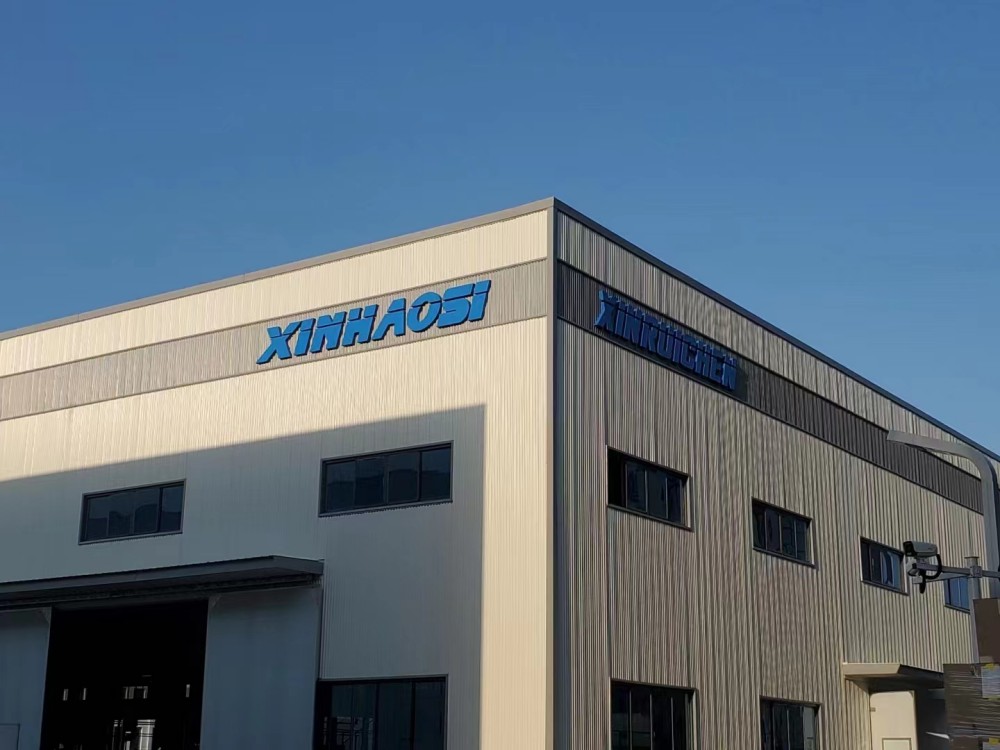
● Deyang factory construction completed and operation started.
● Launched urban gas pipeline network monitoring products.
● Launched wireless detection products.
● Launched AI safety valve products.
Detailed technical analysis answering common engineering questions regarding the selection, deployment, and optimization of gas solenoid valves.
Explore the full scope of our factory production, including pressure transmitters, domestic shut-off systems, and interlock control systems.