Engineered for immediate cut-off accuracy, explosion protection, and high-fidelity signal transmission.
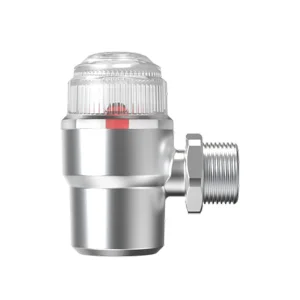

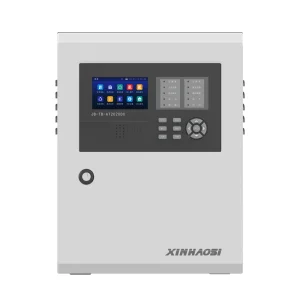
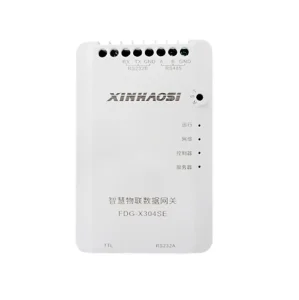
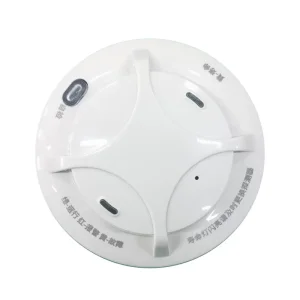
In the highly regulated world of gas distribution and consumption, safety is not merely a technical parameter—it is an absolute operational mandate. As leading OEM Gas Safety Valve Factories, we deliver the mechanical foundation that safeguards critical residential, commercial, and heavy industrial infrastructures from explosive hazards, toxic leakage, and environmental threats.
Solenoid gas safety valves represent the primary barrier of automated protection in smart safety networks. These devices combine advanced metallurgy, precision solenoid coil engineering, and microsecond closure dynamics. By aligning custom manufacturing processes with global performance benchmarks like the EN161 standard and Safety Integrity Level (SIL) ratings, we ensure that every valve is prepared to act immediately in emergency shut-off scenarios.
Through decades of engineering and testing, our products have evolved from simple manual reset mechanisms to smart, IoT-enabled, high-pressure industrial control systems. They perform reliably in harsh outdoor elements, corrosive marine chemical environments, and high-frequency residential operations.

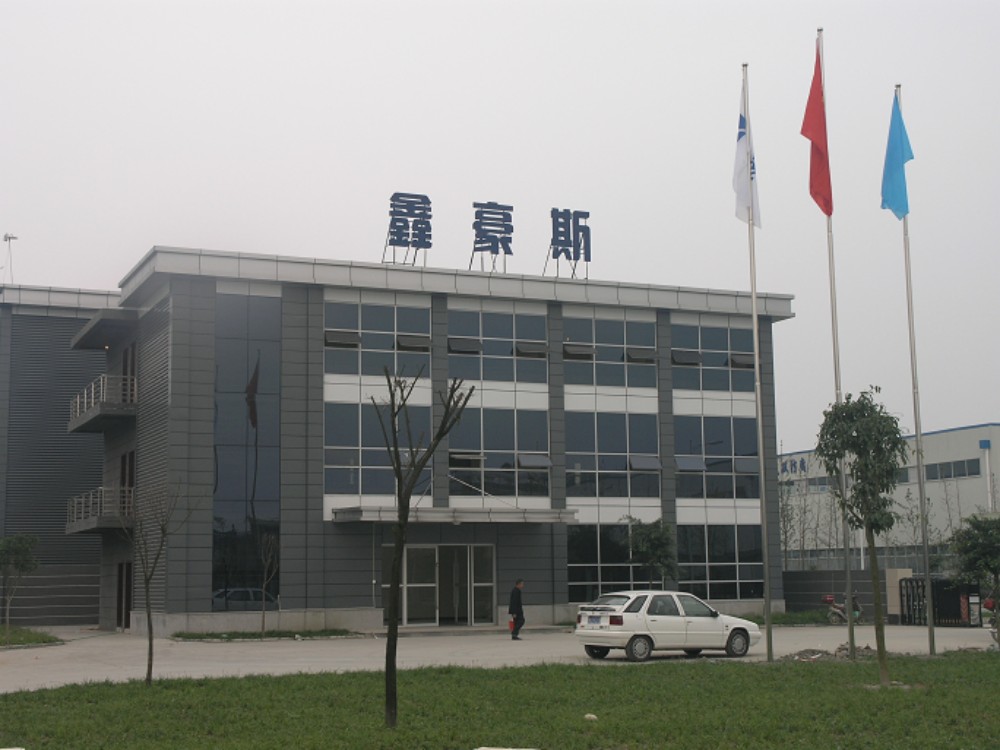
Chengdu Corporate Office & Primary R&D Hub
Understanding our production ecosystem, vertical supply chain integration, and structural safety scale.

Deyang High-Capacity Smart Manufacturing Base
Founded in 2003, Xinhaosi has established itself as an influential and trusted brand in the global gas safety sector. Over twenty years, we have built a comprehensive production and service system. This infrastructure integrates advanced research and development, smart manufacturing with automated machinery, digital marketing across international channels, experienced field technicians for post-sales support, custom OEM/ODM development, and CNAS-accredited calibration services.
Our manufacturing footprint is divided between our Chengdu and Deyang facilities. These production hubs feature automated assembly lines, high-precision CNC machining centers, dust-free electronic assembly workshops, and automated test bays for leakage and pressure resistance. By managing the entire production process from raw forging to final performance testing, we maintain tight control over quality, tolerances, and mechanical reliability.
We manufacture tens of millions of units annually. Our systems support high-hazard operations worldwide, including oil and gas refining, chemical manufacturing, steel works, automotive production, clean energy, pharmaceuticals, and beverage processing.
Our products comply with the ISO9001 quality management framework and hold international certificates including national compulsory Products Certification, explosion-proof certification, fire safety certification, CPA measurement approvals, CE, and SIL ratings. Xinhaosi is also a member of the China Fire Protection Association and a major contributor to national standards for solenoid safety valves.
We hold over 50 patents and copyrights. A key innovation is our graphical gas safety monitoring software, which supports predictive maintenance by analyzing system trends. This technology reduces field failure rates by up to 30%. We also engineered a specialized flow-monitoring solenoid valve that combines shut-off functionality with real-time flow measurement.
Our testing laboratory is certified by the China National Accreditation Service (CNAS), which operates under the international ILAC-MRA framework. Running in line with ISO/IEC 17025, our facility performs rigorous testing for temperature limits, humidity exposure, physical shock, salt spray corrosion, and lifecycle durability. Test reports from our CNAS lab are accepted by major regulatory authorities globally, supporting international safety compliance.
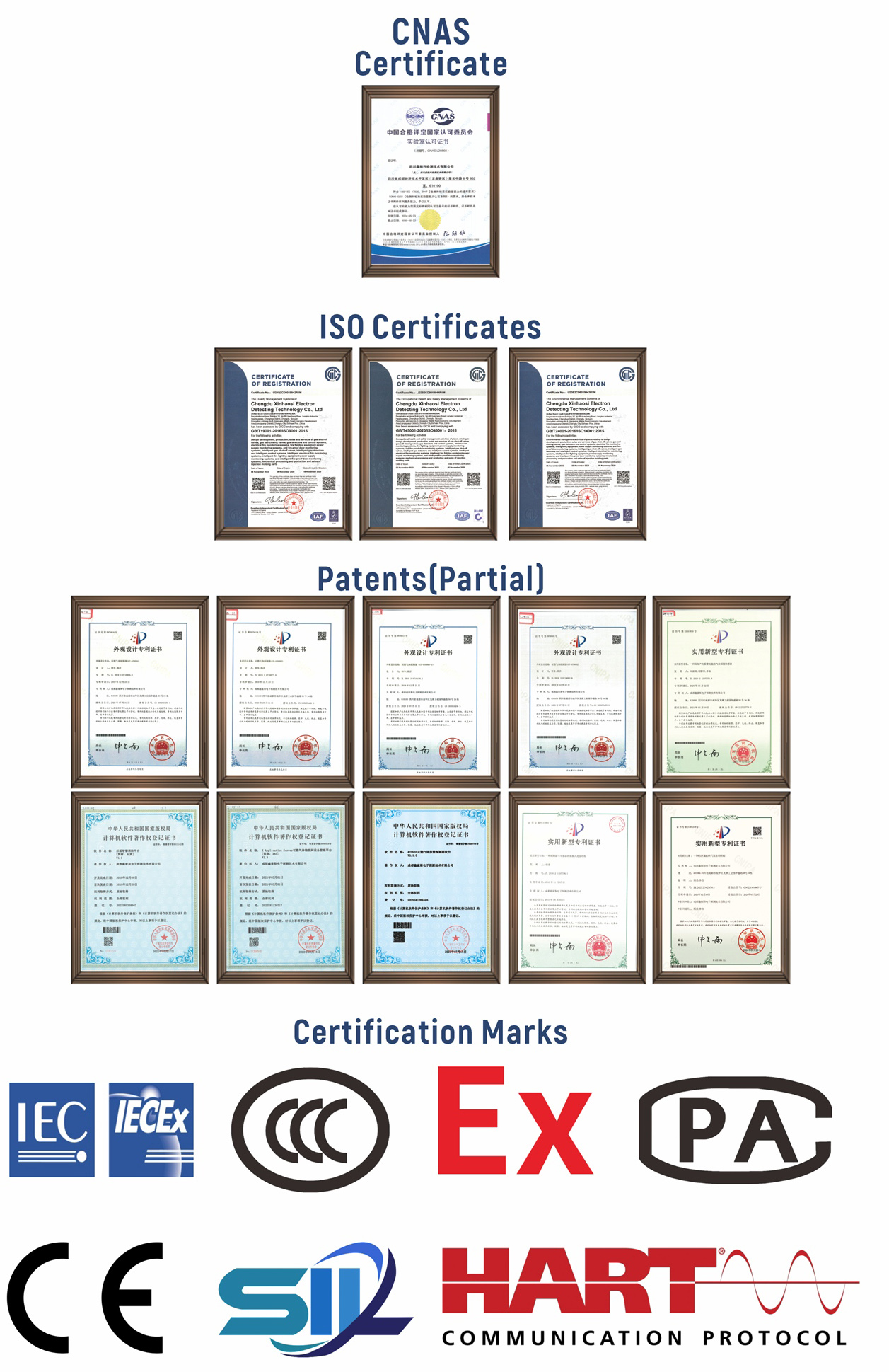
ISO/IEC 17025 CNAS Accredited Calibration Laboratory
Technical analysis of modern gas solenoid valves, safety architectures, and material selection criteria.
Modern solenoid valves utilize electromagnetic force to overcome mechanical spring tension. Direct-acting valves offer fast response times (typically under 30-50 milliseconds) for smaller line sizes. Pilot-assisted designs use system line pressure to actuate larger valves, reducing total electrical power demand in industrial pipelines.
In environments containing flammable gases (Zone 1 and Zone 2), the valve's electrical components must prevent ignition. Our Ex d IIC T6 Gb class valves feature heavy, flameproof enclosures. These housings contain any internal spark or thermal buildup, preventing ignition of the surrounding atmosphere.
Chemical compatibility determines the operating life of safety valves. We utilize forged brass, high-grade cast iron, and anodized aluminum alloy housings. For internal seals, FKM (Viton) and NBR are selected to resist degradation from corrosive elements, trace sulfur, and moisture in gas streams.
As global energy networks shift toward decarbonization, gas infrastructure is incorporating higher concentrations of hydrogen. Hydrogen blends pose unique challenges, including metal embrittlement and higher leakage risks due to the small size of hydrogen molecules. Our R&D team is developing valves designed for hydrogen-natural gas mixtures. These valves feature specialized polymer seals and surface-treated metal alloys to minimize gas permeation and maintain mechanical integrity.
Additionally, our new line of AI-enabled safety valves integrates pressure, temperature, and micro-flow sensors. By transmitting data to local controllers, these devices support real-time monitoring and anomaly detection. In industrial settings, this allows operators to identify pressure variations or minor leaks early, helping to prevent unscheduled shutdowns.
Tailoring valve designs to distinct commercial, residential, and municipal environments.
In chemical plants, oil refineries, and steel mills, gas valves must operate under high pressures and in corrosive environments. Our industrial solenoid valves interface with distributed control systems (DCS) to shut off gas flow during power disruptions, system overpressures, or seismic events.
Commercial kitchens, hotels, and schools require reliable emergency shut-off systems. Our medium-pressure valves connect to local wall-mounted gas detectors. If combustible gas is detected, the valve shuts off the main line, requiring a manual reset to restore gas service after safety is verified.
Residential installations demand compact, cost-effective safety devices. Our low-voltage, low-pressure domestic shut-off valves connect directly to home gas detectors. Designed for low power consumption, they close quickly if a leak is detected to protect families and property.
Operating within China's industrial manufacturing hubs provides significant logistical and resource advantages. Our proximity to key raw material suppliers—including high-purity copper, aluminum, and brass refineries—helps stabilize material costs and reduce procurement delays.
Furthermore, our vertical integration enables us to provide flexible OEM/ODM services. Clients can specify requirements for port sizing, electrical connectors, coil voltages, pressure ranges, and custom brand markings. Our engineering team can develop customized prototypes, perform in-house safety testing, and transition to full-scale production within short development windows.
By utilizing automated component sorting, robotic winding, and computerized testing bays, we maintain manufacturing consistency. This combination of local supply chain coordination and automated assembly helps us deliver reliable products with consistent lead times.
Over two decades of dedication to gas safety, showing our path from a local startup to an international manufacturer.
Established on April 17, 2003. Launched our first-generation gas leakage alarm and fire-fighting safety products, establishing our brand in the domestic safety industry.

Initiated specialized gas safety valve manufacturing. Expanded our OEM operations and relocated our corporate offices to the Longtan Industrial Park to support growth.
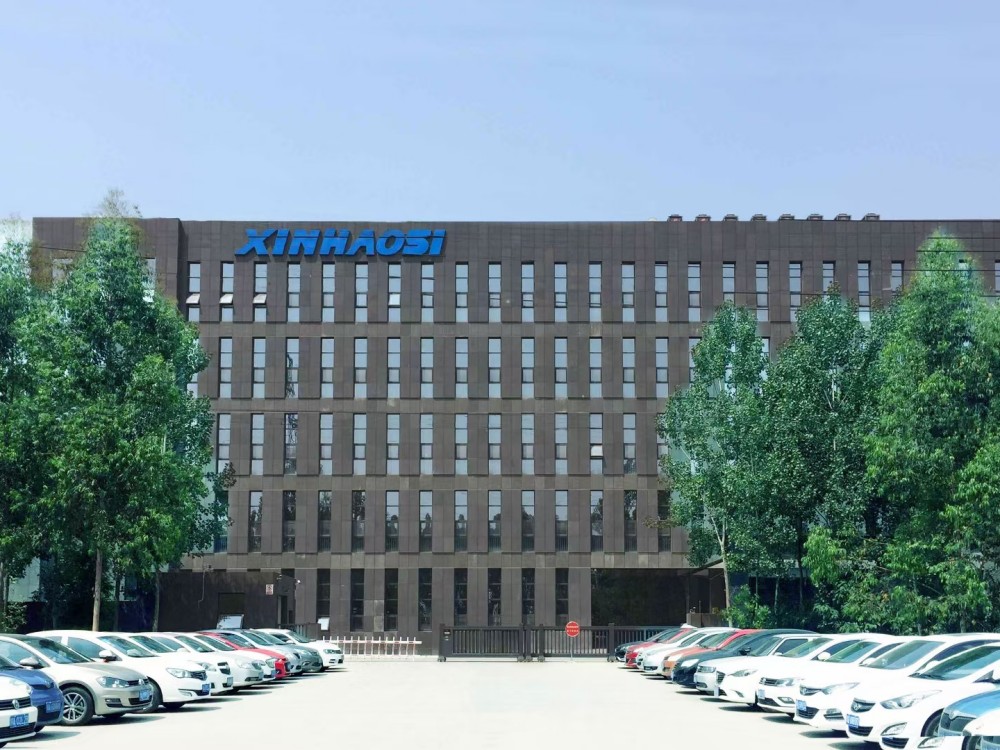
Reached 10 million cumulative gas detector sales. Moved to our Chengdu factory facility and expanded our sales and service network across China.
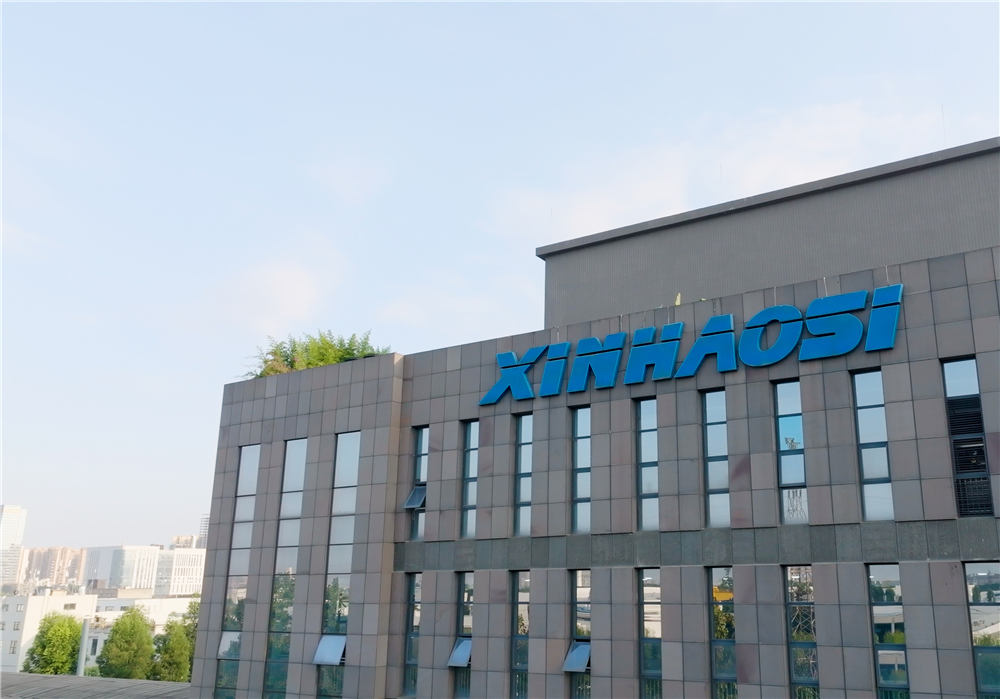
Launched our self-developed IoT safety platform. Developed fire alarm and emergency evacuation systems. Certified as a High-Tech Enterprise and approved as an official supplier to China's leading gas networks.
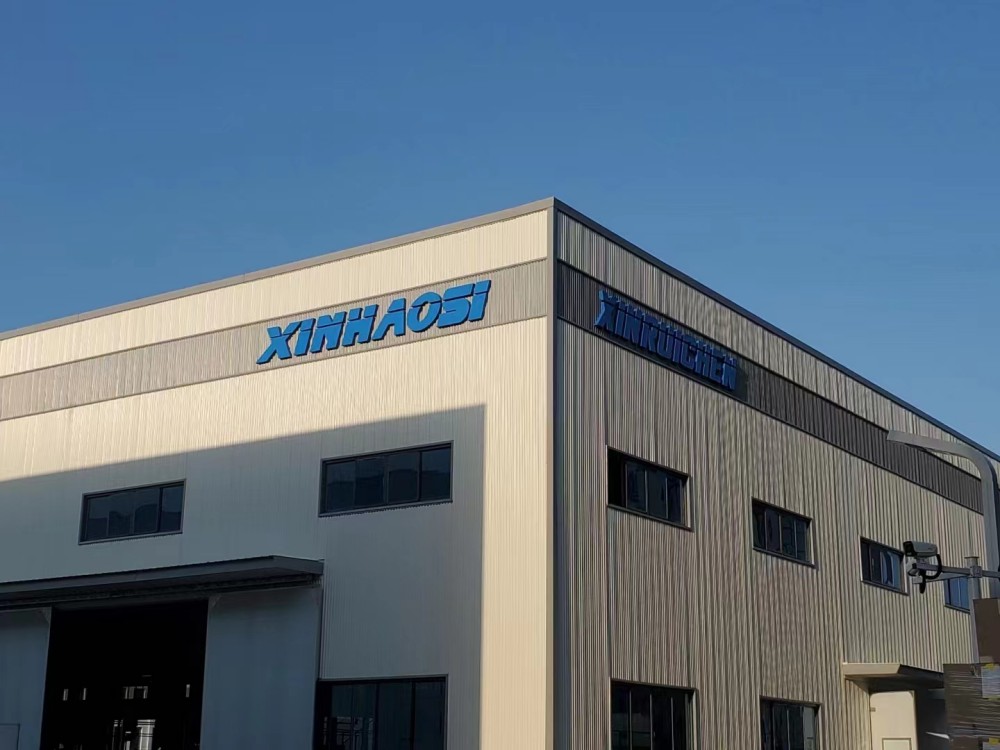
Began construction of our Deyang manufacturing facility. Established our Petrochemical & International Business Division to better serve overseas clients.
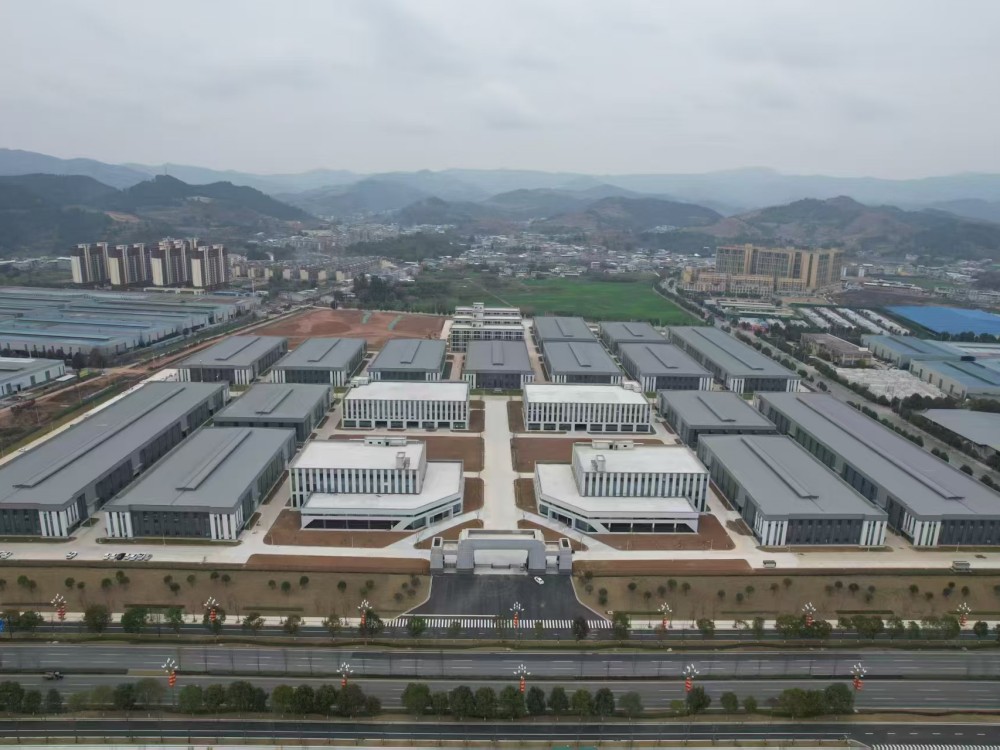
Opened our new Deyang manufacturing base. Released urban gas pipeline monitoring products, wireless safety devices, and integrated AI-enabled safety valves.
Providing engineering details and answers to common industrial gas control questions.
Manual reset valves require an operator to manually pull the reset lever to restore gas flow after an automatic shutdown. This design ensures that gas flow cannot resume until technicians inspect the system and address the underlying cause of the leak or pressure drop. Automatic reset valves, in contrast, open when electrical power is restored, which is suitable for automated remote operations where manual verification is managed by other systems.
EN161 defines safety and efficiency requirements for automatic shut-off valves used with gas burners and gas appliances. It specifies tight limits on closure time (typically under 1 second), leak-tightness performance, and mechanical durability (tested up to 250,000 operational cycles). Our valves are designed and tested to meet or exceed these specifications, ensuring reliable performance in demanding applications.
Hydrogen gas is highly permeating and can cause hydrogen embrittlement in standard carbon steels. For hydrogen-rich networks, we utilize high-density forged brass, 316L stainless steel, or anodized aluminum alloy valve bodies. Additionally, we replace standard NBR seals with specialized FKM or HNBR compounds to maintain seal integrity and prevent gas leakage.
The "Ex d" rating indicates that the valve's electrical housing is designed to contain an internal explosion without allowing flames or sparks to escape into the surrounding atmosphere. "IIC" designates compatibility with highly volatile gases, including hydrogen and acetylene, while the "T6" temperature class limits the maximum surface temperature to 85°C. This prevents the valve housing from becoming an ignition source in hazardous environments.
Yes. Our solenoid valves and intelligent data gateways are designed to output signals (such as 4-20mA, RS485 Modbus, or dry contact relay outputs) that connect to building management systems, fire alarm control panels, and PLC-based industrial systems. This enables centralized monitoring and automatic shutdown capabilities.
Safety Integrity Level (SIL) ratings define the target level of risk reduction provided by a safety function. SIL 3 represents a higher safety standard than SIL 2, requiring lower probability of failure on demand (PFD) and higher hardware fault tolerance. We offer valves engineered and certified to SIL 2 and SIL 3 levels to meet stringent industrial safety requirements.
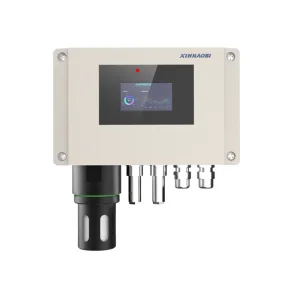
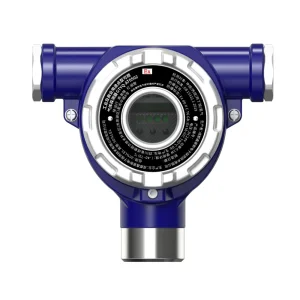
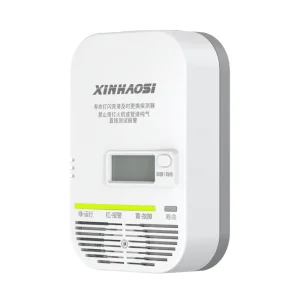
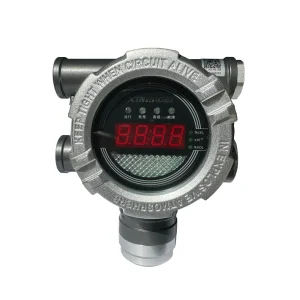
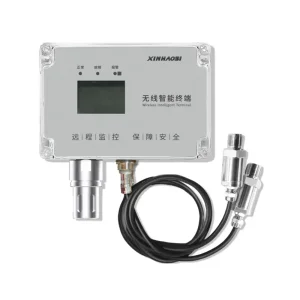
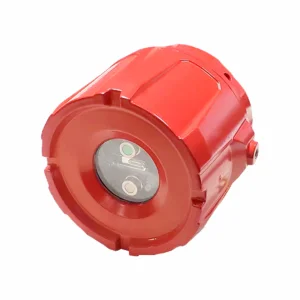
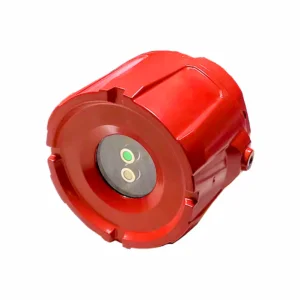
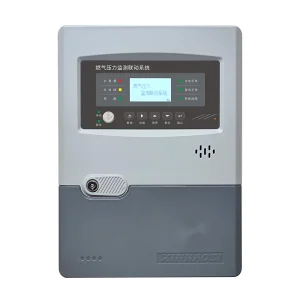
High-fidelity transmitters, wireless smart monitors, and explosion-proof detection systems.