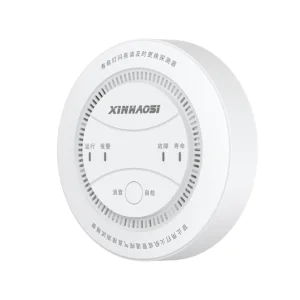
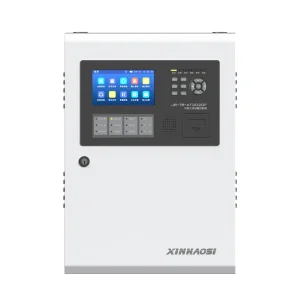
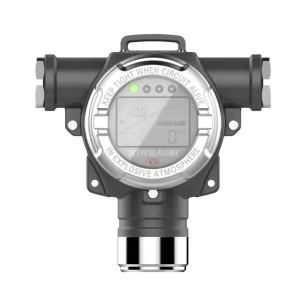
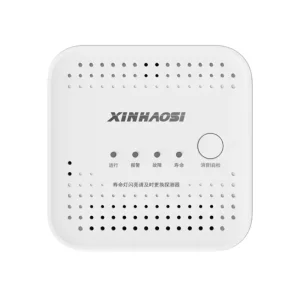
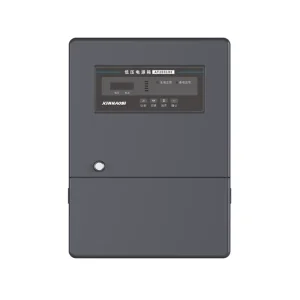
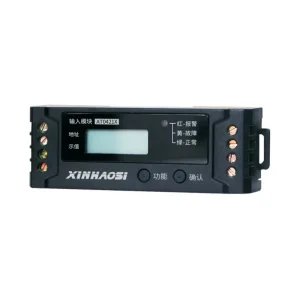
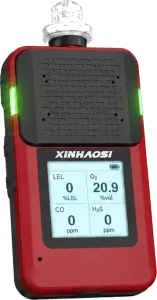
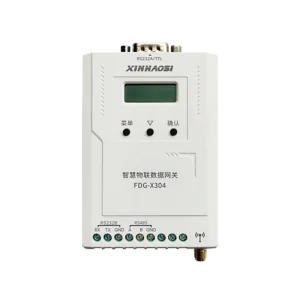
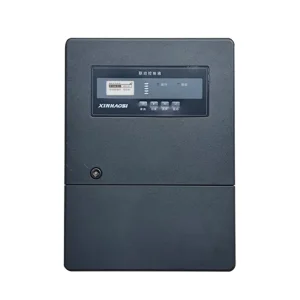
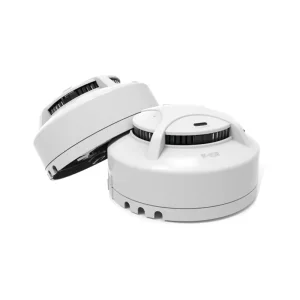
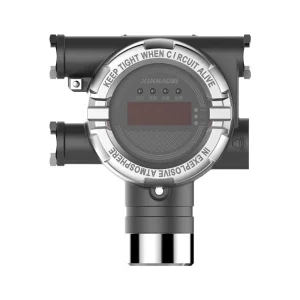
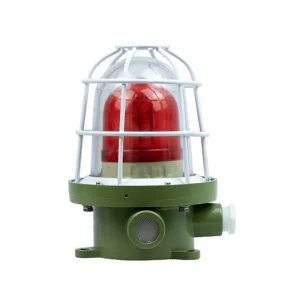
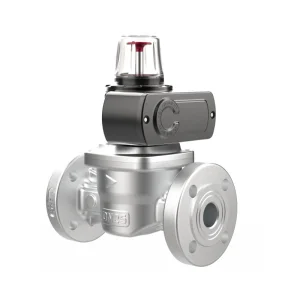
Explore our industrial-grade components designed to connect, analyze, control, and secure critical facility safety pipelines.
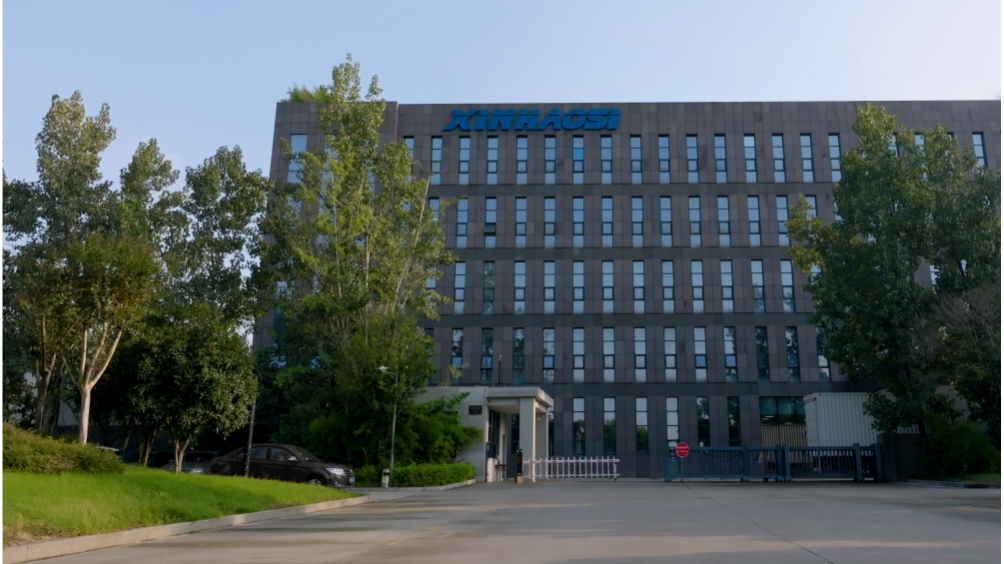
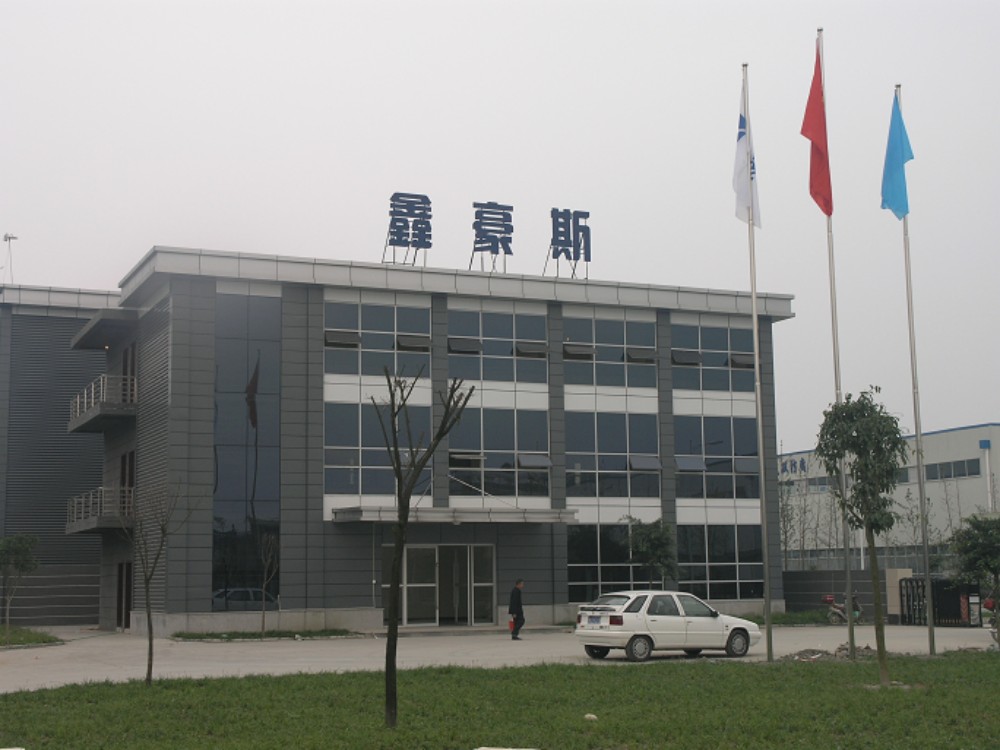
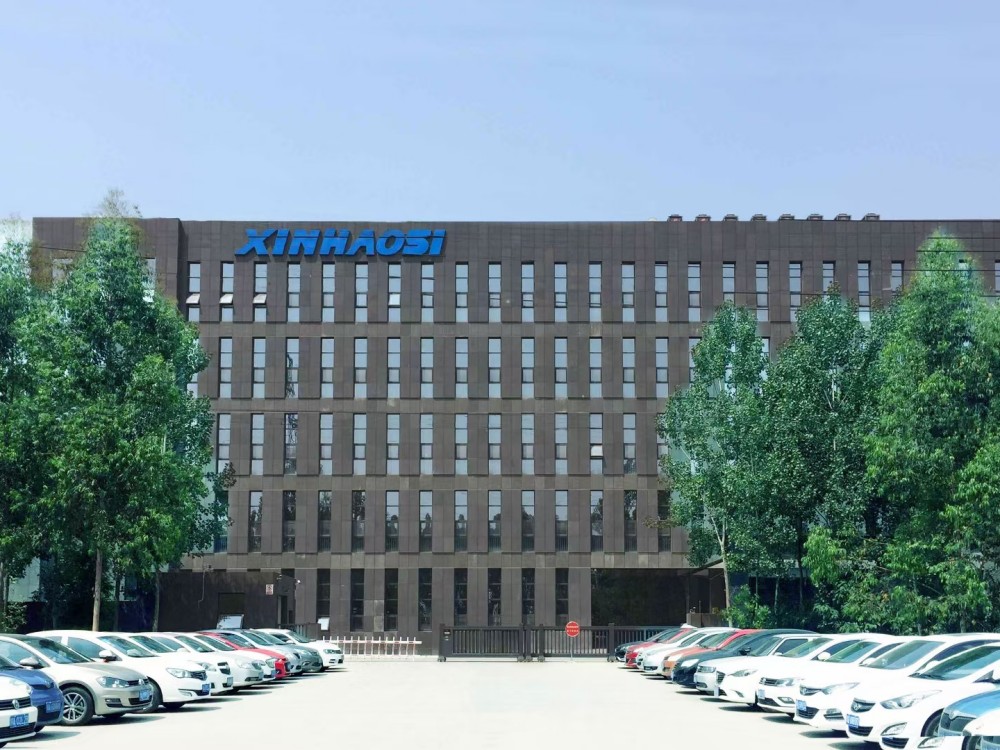
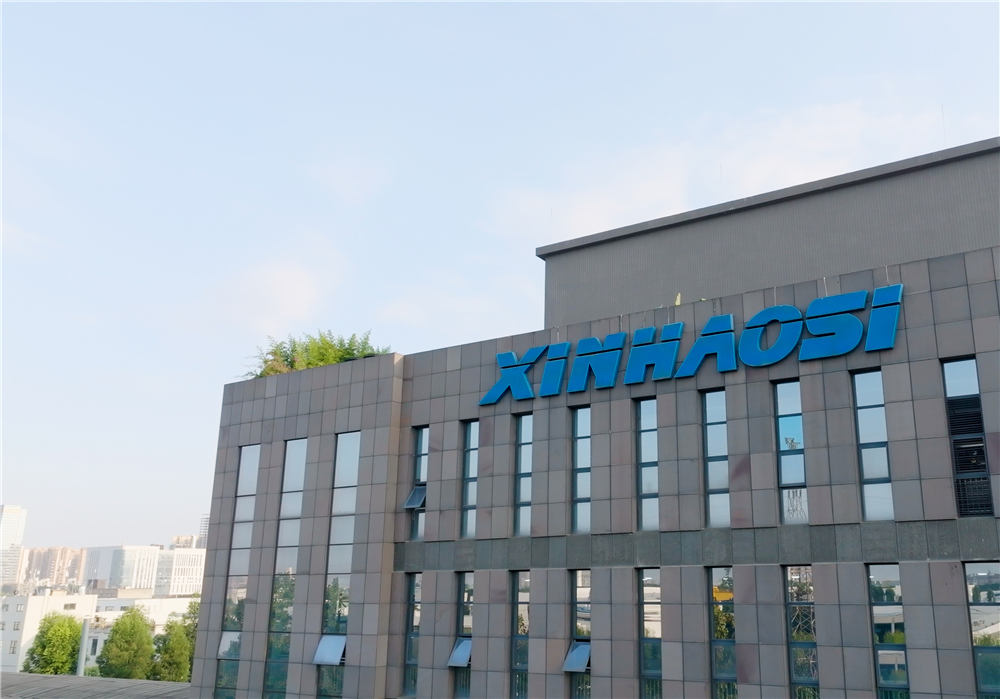
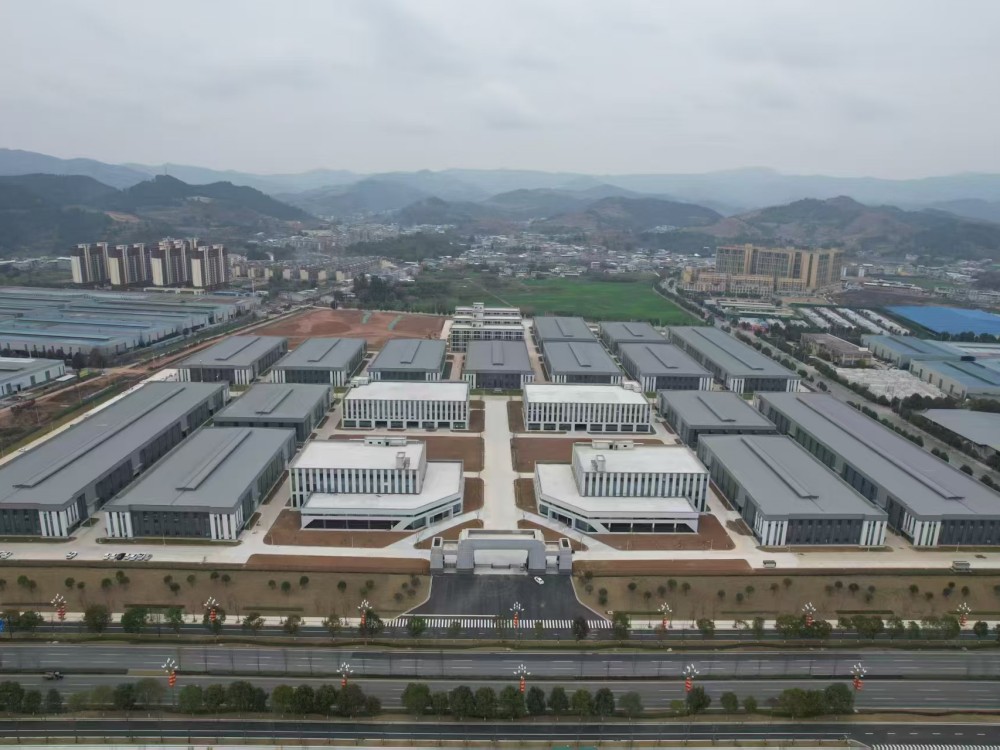
Chengdu Factory & Office

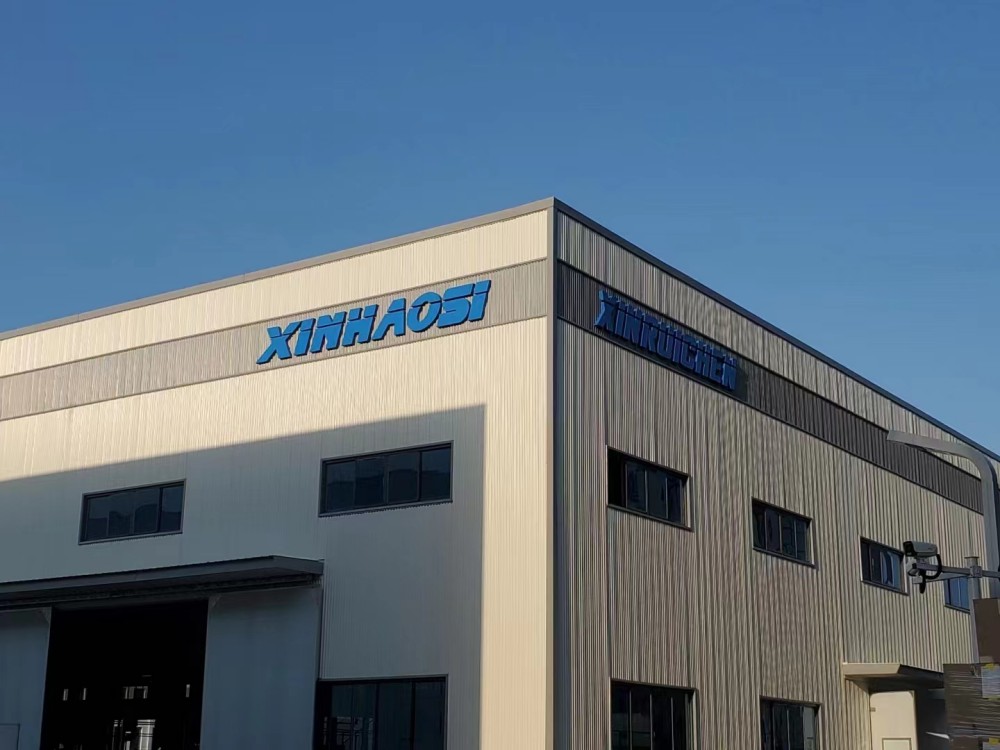
Deyang Factory
Founded in 2003, Xinhaosi has spent over two decades establishing itself as a key pioneer and trusted OEM manufacturer in the global gas safety and environmental monitoring sector. We design, calibrate, and build comprehensive gas monitoring hardware networks that support safety management across residential, commercial, and massive industrial complexes.
By blending R&D with advanced automation and global logistics channels, we deliver tens of millions of detection devices and safety control units annually. Our systems support high-stakes facilities including oil refineries, pharmaceutical cleanrooms, metallurgical plants, global logistics nodes, and complex municipal pipeline configurations.
Driven by our core purpose, "Making Gas Safety Accessible Everywhere," our Chengdu and Deyang facilities process end-to-end production cycles with strict adherence to global compliance standards, assuring reliability down to the individual sensor, relay, and digital interface.
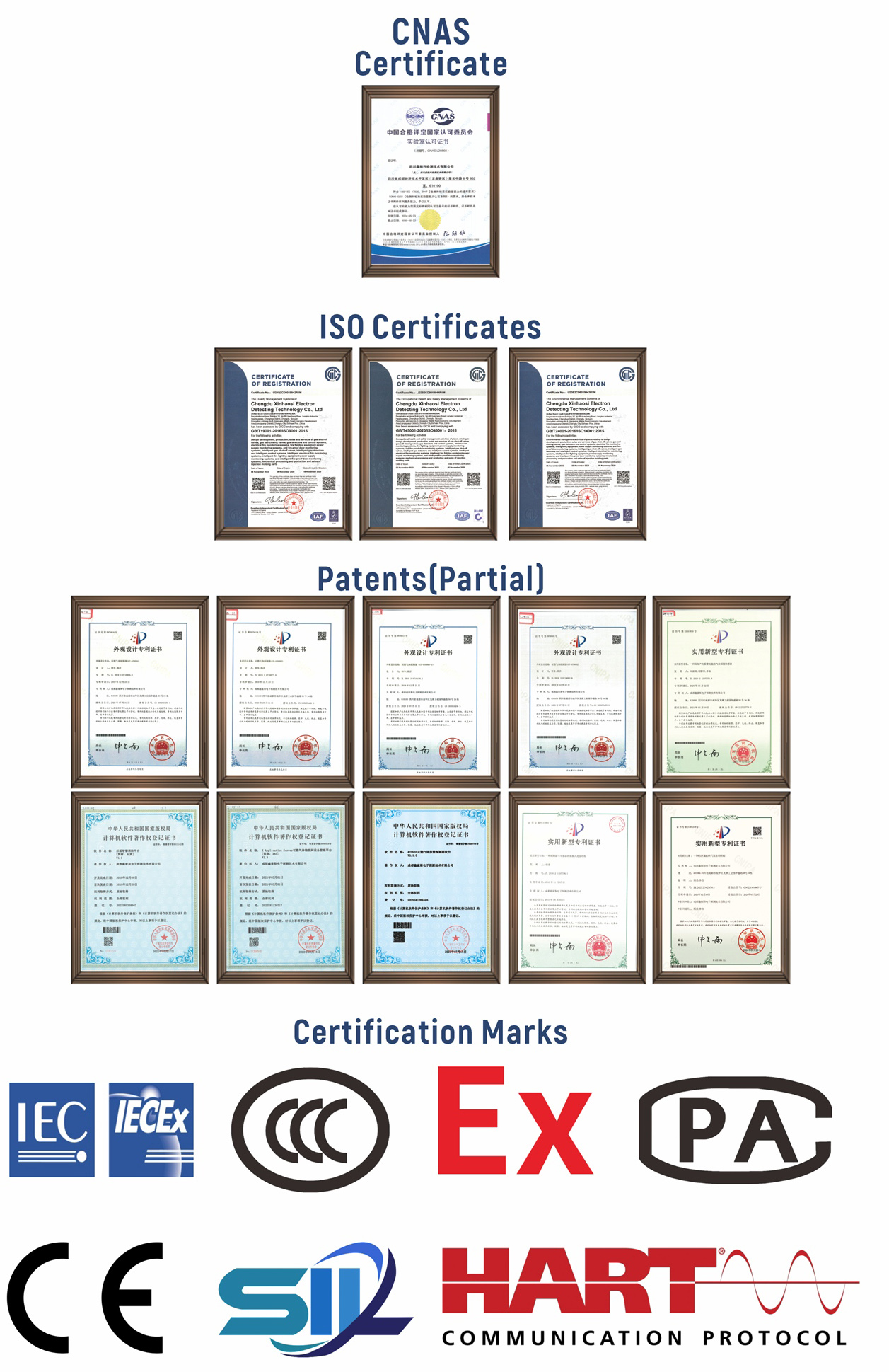
Xinhaosi operates on a platform of strict adherence to international safety systems. We hold national compulsory certificates (CCC), national explosion-proof certifications, and key international marks including CE and SIL (Safety Integrity Level) 2/3. As a primary author of China's national industrial solenoid valve standards, our engineering guidelines dictate quality tolerances across the entire domestic supply market.
Our in-house CNAS (China National Accreditation Service) testing facility operates under the global ILAC-MRA framework, guaranteeing that instrument calibration data is traceable and recognized in key Western and Asian regulatory zones. By applying rigorous simulated stress testing, we achieve consistent stability across all gas sensors, low-voltage power units, and automated valves.
Leveraging proprietary technology, our graphical interface systems support predictive maintenance structures that reduce device downtime by up to 30%. This system architecture enables industrial facilities to schedule sensor calibration and replacement before active failures interrupt critical production streams.
An executive guide to understanding modern industrial compliance, supply chain logistics, and IoT infrastructure integration.
Global procurement offices face a fragmented regulatory landscape. Acquiring sensing technology is no longer just a transaction of electrical hardware; it requires navigating diverse legal demands. A gas monitoring setup deployed in a chemical facility must simultaneously align with ATEX directives in Europe, FM approvals in North America, and local safety protocols. Finding an OEM supplier capable of adjusting hardware components to meet specific localization criteria is critical for avoiding regulatory delays and ensuring smooth integration into existing systems.
Industrial gas detection relies on consistent electronic response times. Sensor drift, environmental interference, and solenoid valve failures represent major risks to system integrity. As a dedicated manufacturer, Xinhaosi resolves these issues by pairing high-durability sensor arrays with advanced mechanical valves. Utilizing dual-channel flow monitoring and robust flameproof housings, our hardware maintains functional stability in high-temperature, high-vibration, and corrosive chemical environments.
By operating unified raw material sourcing and automated manufacturing pipelines in Sichuan, Xinhaosi mitigates international cost volatility. This integration secures predictable lead times for high-volume orders. In contrast to simple assembly plants, our factory executes tooling, injection molding, surface-mount technology (SMT), assembly, and CNAS calibration under a single management system. This streamlined approach minimizes delivery delays and maintains strict quality control at every stage of production.
| Functional Parameter | Xinhaosi Factory Standards | Common Market Standards | Strategic Impact on Facilities |
|---|---|---|---|
| Calibration Integrity | ISO/IEC 17025 CNAS & ILAC-MRA Trackable | Internal uncertified QA tracking only | Guarantees cross-border regulatory compliance |
| Valving System Integration | Certified Bus-type Interlocking & Flow Alerts | Basic manual/electrical on-off control | Enables automated safety responses and prevents leaks |
| Sensor Health Analytics | Predictive Drift Algorithms (-30% Failures) | Reactive alert response on failure | Reduces unscheduled plant shutdowns |
| Hardware Customization | Full OEM/ODM Schematic modifications | Fixed catalogue configurations only | Ensures seamless integration into existing control setups |
Where safety, reliability, and automated precision are required to protect critical operations and human lives.
Continuous monitoring of explosive hydrocarbons using explosion-proof detectors integrated with automated interlock control boxes. In the event of a line rupture, the system triggers shut-off valves within milliseconds to isolate volatile zones.
Continuous monitoring of Carbon Monoxide (CO) and combustible fumes in enclosed underground parking structures. Integrated control nodes adjust ventilation fans based on real-time sensor data, optimizing energy use while keeping air quality within safe limits.
Smart pressure monitors and wireless IoT gateways track performance across long-distance distribution lines. The system sends early warnings for pressure drops, allowing repair crews to locate and address gas leaks quickly.
The operational evolution of Xinhaosi from a localized production house to a global OEM/ODM manufacturing facility.

Where technology is heading: Key trends shaping the future of industrial gas safety equipment.
Next-generation systems process sensor data locally at the edge. Rather than routing raw data to a central cloud, gateways like the X304 handle calculations on-site, ensuring quick automatic shut-offs even if network connection is lost.
Standard wiring installations can be cost-prohibitive in remote locations. Modern systems utilize NB-IoT and LoRaWAN wireless sensors, providing long battery life and reliable performance in hard-to-reach industrial areas.
AI algorithms track sensor degradation and calibration drift in real time. This shift from reactive to proactive maintenance helps operators schedule servicing before a critical sensor failure occurs.
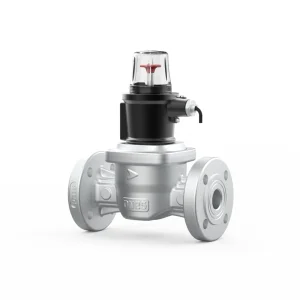
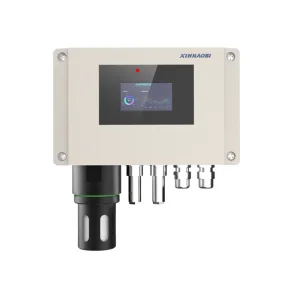
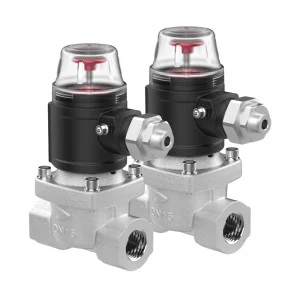
Complete your safety architecture with our performance-tested components designed for seamless field integration.
Find technical answers regarding system integration, calibration standards, and OEM customization options.