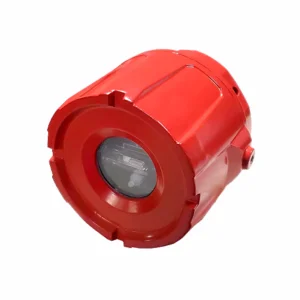
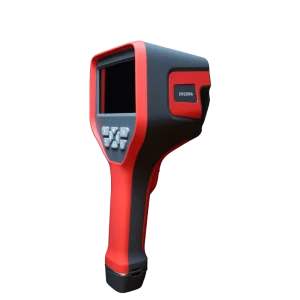
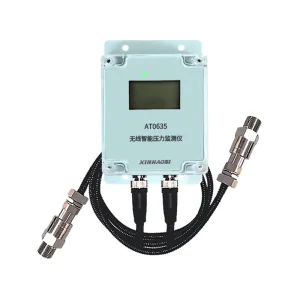
Engineered to deliver high accuracy, extreme environmental adaptability, and seamless safety systems integration.
As modern industry marches toward hyper-automation, the demand for integrated gas safety protocols has grown exponentially. According to recent market analysis, the global gas detection market is undergoing a structural transition fueled by safety guidelines such as OSHA standards, ATEX Directives in Europe, and China's GB Standards. No longer are sensors viewed as standalone hardware; instead, they function as critical nodes within distributed safety systems. The integration of combustible detectors, explosion-proof sounders, and automatic gas shutoff valves forms the bedrock of modern asset protection.
Strict implementation of ATEX and SIL 2/3 metrics demands specialized housing designs, high corrosion resistance, and fast-response sensor pairings for toxic and hydrocarbon gases.
Mitigating pipe leakage and underground methane buildup requires high-sensitivity wireless detection capable of operating for years with low energy budgets.
With standard gas regulations broadening worldwide, home installations rely on micro-size electrochemical and catalytic sensors integrated directly with main valve safety switches.
The manufacturing ecosystem has adapted by requiring specialized OEM Gas Detection Alarms Manufacturers & Factories to deliver more than just injection-molded plastic shells. Complete custom engineering demands hardware robust enough to operate continuously for decades under extreme temperatures (-40°C to +70°C), corrosive salt fog environments, and humid conditions commonly found in marine terminals, chemical factories, and municipal utility corridors.
Modern product development in the industrial safety sphere focuses heavily on sensor longevity, false-alarm reduction, and IoT network integration. Manufacturers are incorporating several technological advancements directly into current-generation OEM gas monitors:
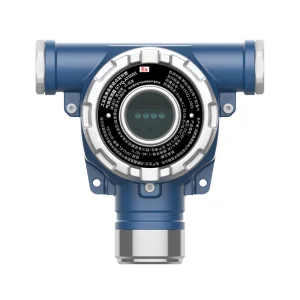
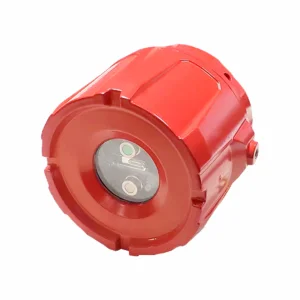
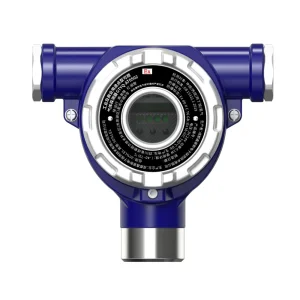
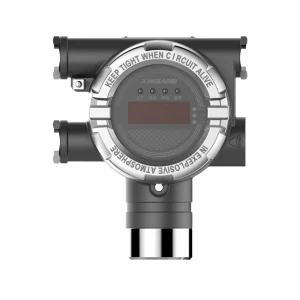
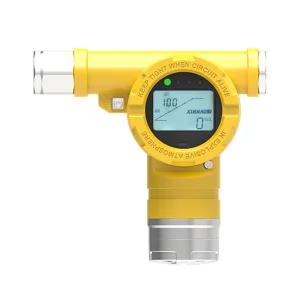
In refining plants, gas leaks present immediate flash-fire risks. Heavy installations utilize fixed explosion-proof gas detectors (such as the GTYQ-AT0501 or GTYQ-AT0502) paired directly with flame-proof alarm sirens (like the BJX-24E) and mechanical emergency shutoff solenoid valves. When combustible concentration triggers the first threshold, alarms sound; at the second threshold, interlock systems immediately close supply valves, isolating danger zones.
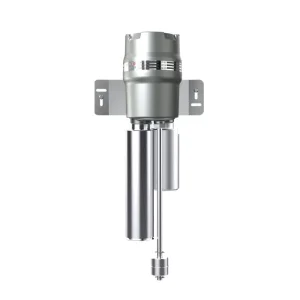
Confined spaces like city sewer systems, utility ducts, and underground telecom chambers suffer from toxic gas accumulation (H2S, CO) and oxygen depletion. Special battery-operated underground gas monitoring units (like the AT0605 series) with intrinsically safe structures provide reliable monitoring without creating ignition sources.
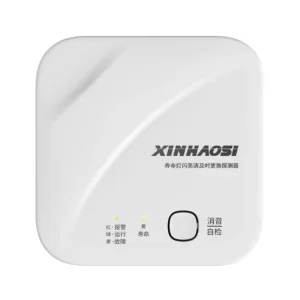
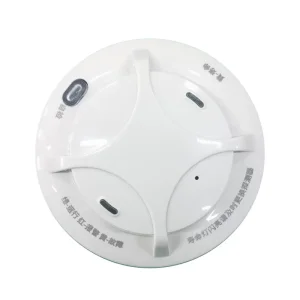
Modern homes integrate heating gas detectors directly into smart-home networks. Low-voltage home detectors (such as the JT-AT2009 series) communicate over centralized bus structures. If a leak occurs, the device shuts off domestic gas flow via solenoid valves while communicating the incident directly to management software, keeping residents safe.
Founded in 2003, Xinhaosi is one of the most influential and trusted brands in the global gas safety industry. Over the past two decades, we have steadily built a robust and comprehensive production and service system, which integrates cutting-edge R&D, intelligent manufacturing with advanced automation equipment, digital marketing across global channels, professional after-sales support with an experienced technician team, flexible OEM/ODM services, as well as CNAS-Accredited laboratory calibration services that meet international standards.
Our diversified product portfolio covers industrial & residential gas detection & alarm systems, industrial & household gas solenoid valves, and urban gas pipeline network monitoring systems—all engineered to adapt to complex working environments and strict safety requirements. We produce and sell tens of millions of units annually, catering to a wide range of industries that demand reliable gas detection solutions, including oil & gas exploration and production, petrochemicals, urban gas distribution, automotive manufacturing, pharmaceuticals, new energy, steel production, and beverage processing.
Guided by the core mission of “Making Gas Safety Accessible Everywhere,” we consistently deliver high-performance, reliable products and customized solutions tailored to each client’s unique needs. Every item we manufacture undergoes rigorous quality control tests, and every service we provide is backed by our professional technical team, fully embodying our unwavering commitment to safeguarding gas safety across both industrial workplaces and residential environments, and striving to build a safer world with sustainable gas safety technologies.


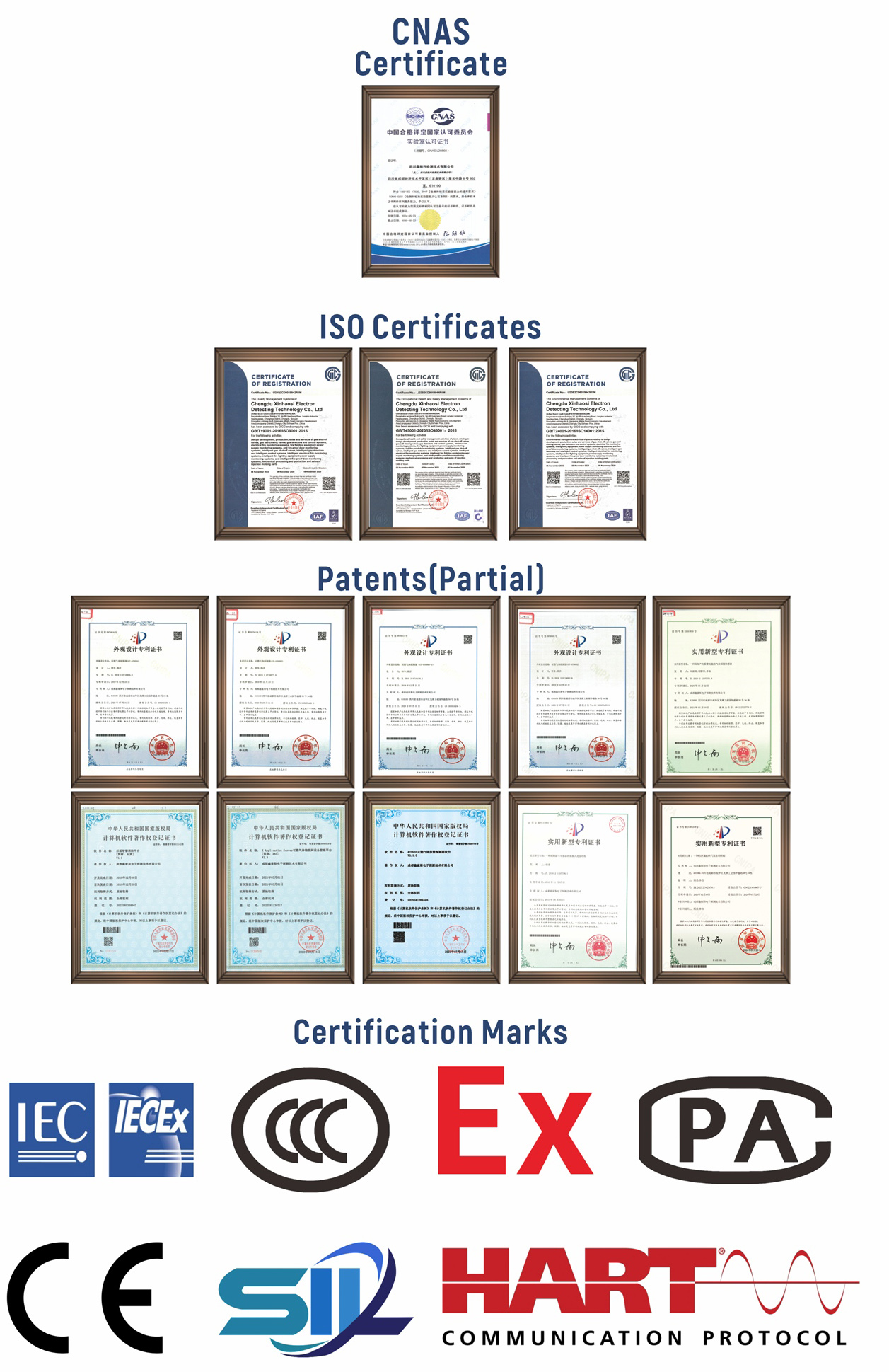
Adhering to ISO9001 quality management system standards, Xinhaosi's core products have obtained a full range of authoritative certifications, including national compulsory Products Certification, explosion-proof certification, fire product certification, CPA measurement instrument type approval certificate, and international approvals as CE, SIL. Additionally, Xinhaosi holds honors such as "National Quality Integrity Benchmark Enterprise", "National Quality Leading Enterprise in the Gas Alarm Industry," member of the China Fire Protection Association, and the main drafting organization for the national standard of solenoid valves, further confirming its industry influence and reputation.
In the field of intellectual property, Xinhaosi has built a robust innovation system with over 50 patents and software copyrights. These patents cover core technological areas, including a graphical monitoring system for gas detection and alarm, which enables predictive maintenance based on historical data to reduce equipment failure rates by over 30%, and a solenoid valve with flow monitoring functionality that integrates flow detection and alarm capabilities. The company also pioneered China's first networked bus-type gas leakage monitoring system and the only maximum-point gas leakage monitoring system certified by the Ministry of Public Security, demonstrating its leading position in cutting-edge technological research.
Our in-house laboratory is accredited by the China National Accreditation Service for Conformity Assessment (CNAS), recognized both domestically and internationally under the ILAC-MRA framework. It operates in accordance with ISO/IEC 17025, the international standard for testing and calibration laboratories. It provides reliable and traceable testing services for gas detection and alarm products, solenoid valves, and related safety equipment. Test reports issued by the CNAS-accredited laboratory are widely accepted by regulatory authorities, certification bodies, and customers in China and overseas, helping to ensure product quality, safety compliance, and market access.
Over two decades of continuous innovation, growing from a regional pioneer to a trusted global supplier.
Start Up
● Established on April 17th, 2003.
● Launched the 1st generation of gas leak alarm & fire fighting products.
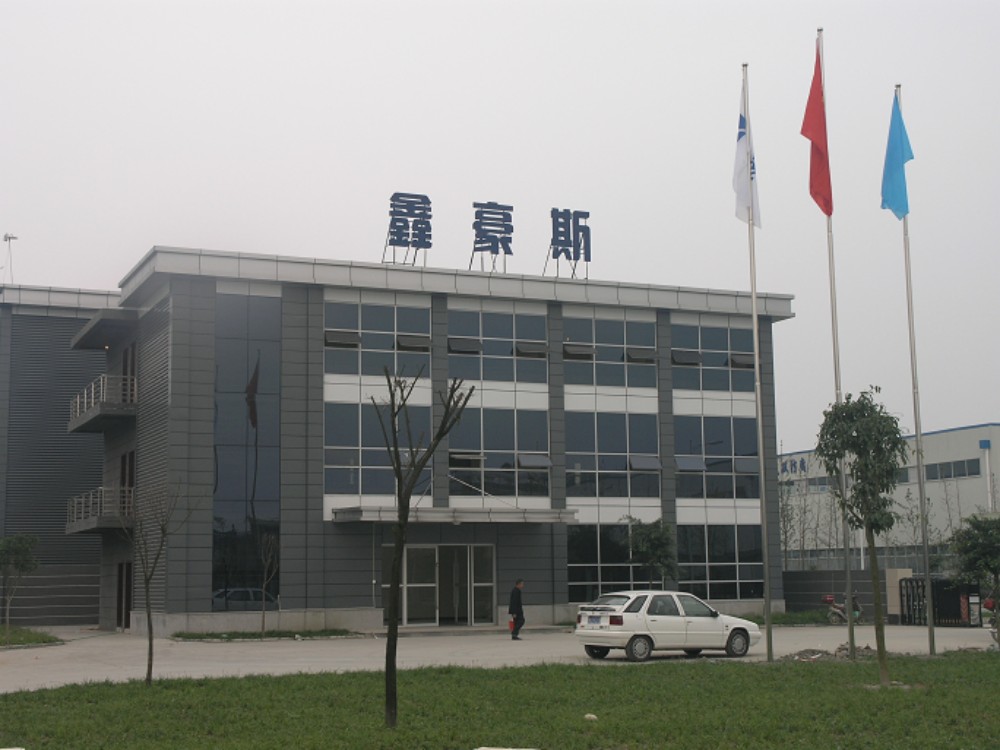
Initial Scale Achievement
● Started gas safety valve production.
● Expanding on OEM business.
● Moved to the office building in Longtan industrial park.

Rapid Growth
● 10 million pcs gas detector sales achieved.
● Moved into Chengdu factory building.
● Completed sales & service network across China.
● Launched the fire power monitoring system products.
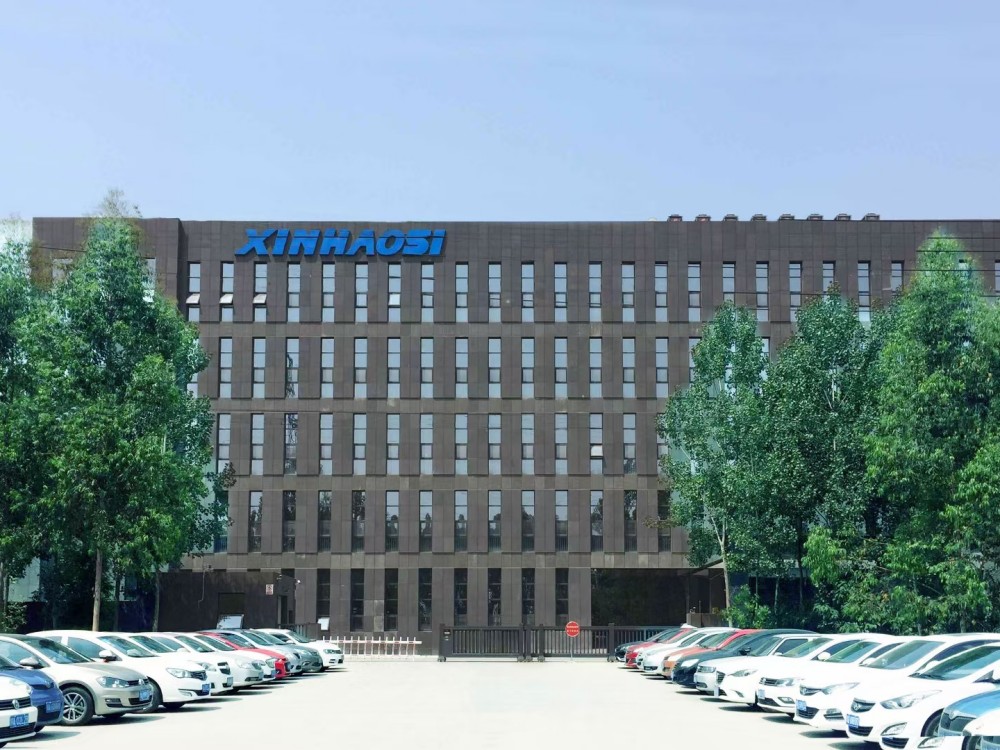
Leading Up
● Self-developed IoT platform launched.
● Launched fire automatic alarm, emergency lighting, and evacuation systems.
● Obtained high-tech enterprise certificate.
● Qualified official supplier of China’s top 5 gas suppliers.
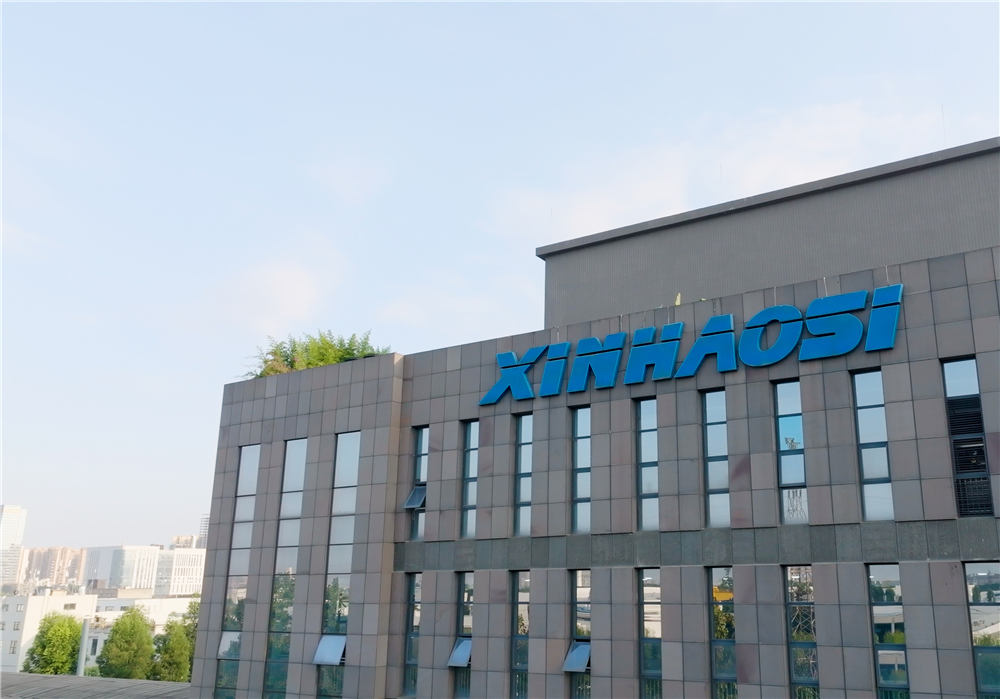
Steady Development
● Started Deyang factory construction.
● Established the Petrochemical & International business Division.
● Awarded the title of Sichuan Provincial Technology Center.
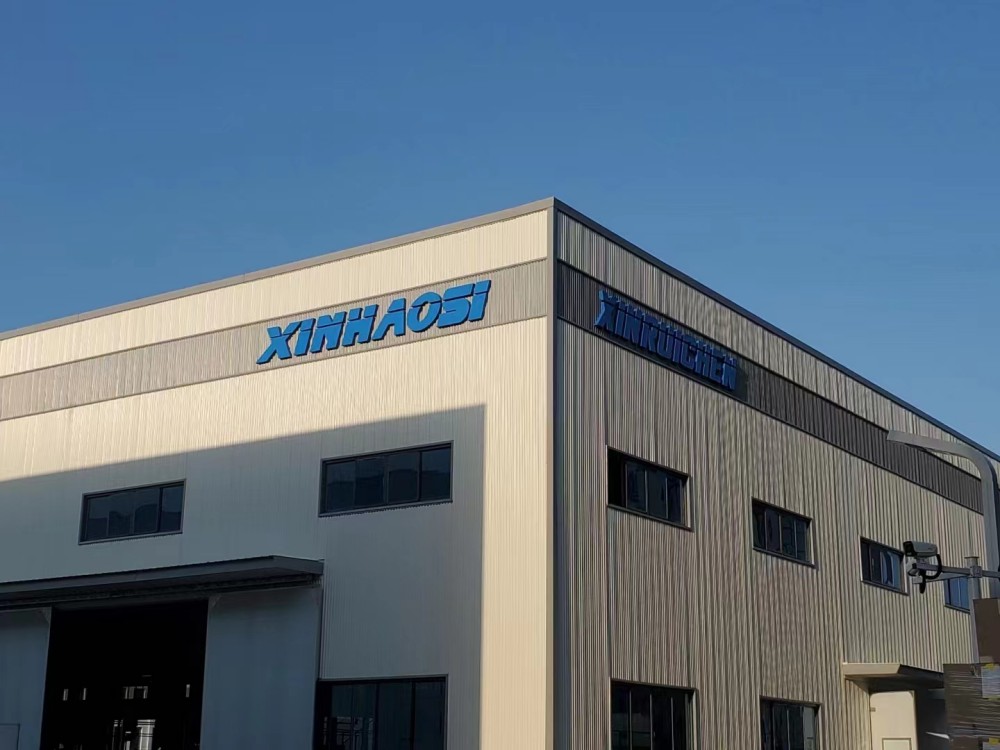
Embrace the Future
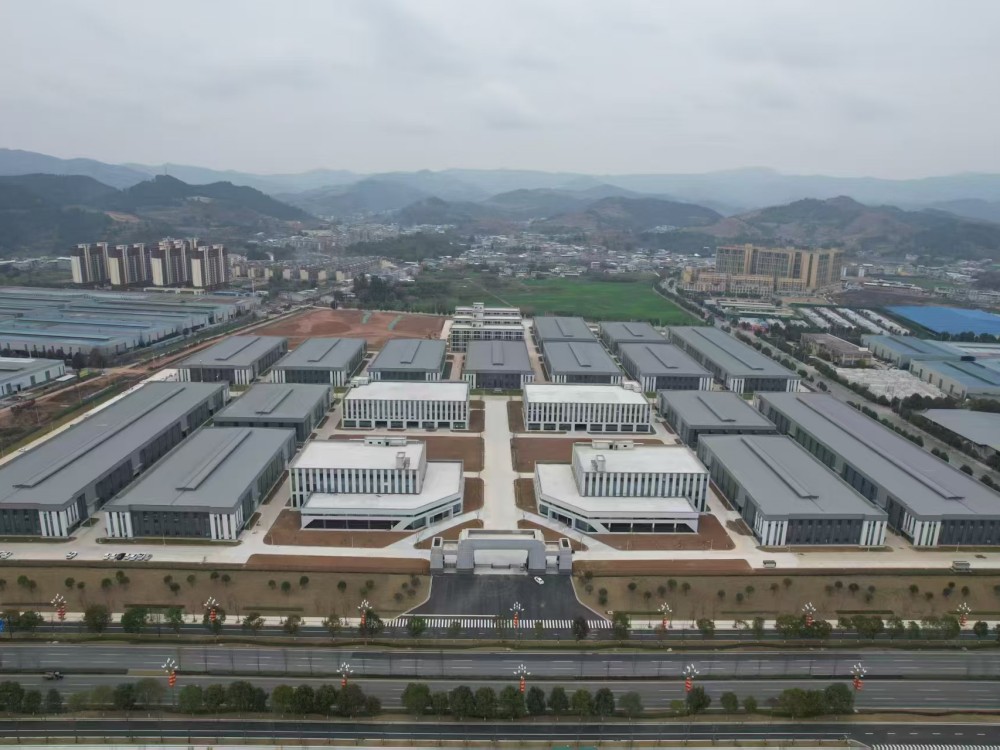
● Deyang factory construction completed and operation started.
● Launched urban gas pipeline network monitoring products.
● Launched wireless detection products.
● Launched AI safety valve products.
As safety frameworks transition from passive detection to active isolation, system design must integrate sensors, controllers, and physical valves. A typical petrochemical or industrial plant installation integrates several safety nodes into one coherent structure:
Strategically placed toxic and combustible gas detectors (using electrochemical, infrared, or catalytic bead sensors) continuously monitor target areas, sending analog 4-20mA or digital Modbus signals back to central units.
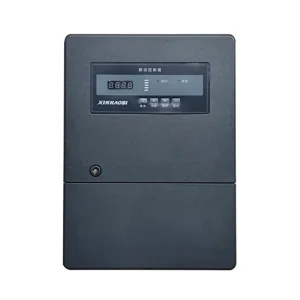
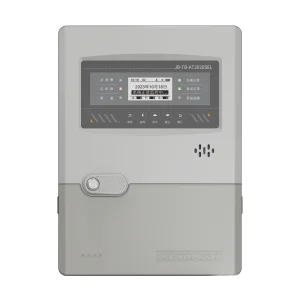
The JB-MK-AT2041/4G Interlock Control Box processes detector data. Upon alarm threshold breach, it initiates sounder beacons (like BJX-22E) and sends emergency closing commands to shutoff valves.
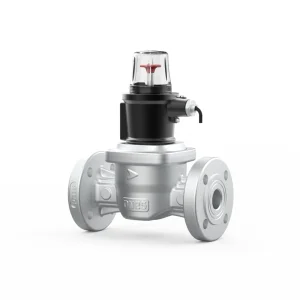
XF3 Series Gas Solenoid Valves shut down gas lines within milliseconds of receiving a trigger pulse, preventing gas propagation and keeping the area secure until manually reset.
This interlocking approach ensures that even if main facility power fails, the system automatically triggers protection protocols. By incorporating backup battery systems, modern facilities can operate continuously through power disruptions without compromising safety standards.
Technical clarifications on standards, operations, calibration, and industry best practices.
Explore our full line of explosion-proof monitoring and smart control accessories.