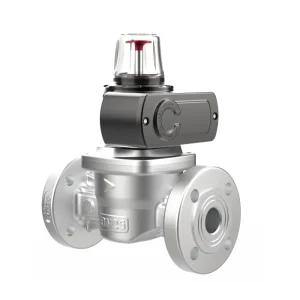
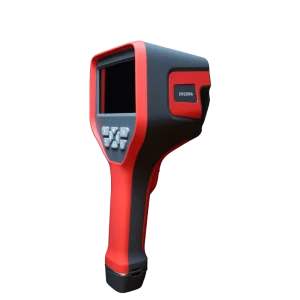
High-performance industrial controllers, safety valves, and residential sensor systems engineered for harsh global operating conditions.
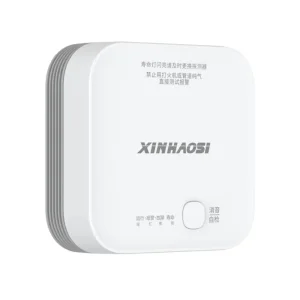
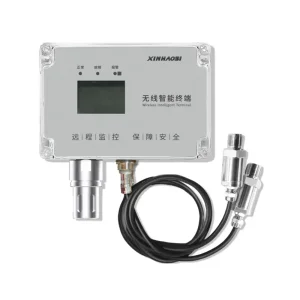
An authoritative look at why high-precision explosive gas leak detection has become a primary risk-management factor worldwide.
Global regulatory bodies, including OSHA, ATEX directives, and CE standards, mandate strict monitoring of volatile organic compounds (VOCs), methane, LPG, and hydrogen. Compliance with SIL (Safety Integrity Level) ratings is no longer optional for operations handling heavy combustible assets.
As the energy transition pivots toward hydrogen storage, transport, and fuel cells, conventional sensors are inadequate. Modern facilities require specialized electrochemical and catalytic gas detectors designed to sense the small atomic footprint of leaking hydrogen gas at LEL limits.
Modern industrial sites are transitioning from standalone alarms to interconnected ecosystems. Integrating IoT, wireless terminal protocols (like LoRaWAN, NB-IoT, and 4G), and AI-driven control systems ensures zero-latency alert propagation and automatic shutoff actions to mitigate gas risks.
Operating across advanced production bases in Chengdu and Deyang to deliver world-class gas safety systems.
Founded in 2003, Xinhaosi has established itself as one of the most trusted names in gas detection and alarm technology. Our operations are anchored by two state-of-the-art facilities equipped with advanced SMT (Surface Mount Technology) lines, automated gas calibration systems, and environmental chambers that simulate extreme climates.
By integrating R&D, automated manufacturing, and a dedicated laboratory conforming to CNAS standards, we guarantee stable performance across every batch. Our facilities output millions of residential and industrial units annually, catering to critical sectors like petrochemical, pharmaceutical, metallurgy, and municipal pipeline systems.
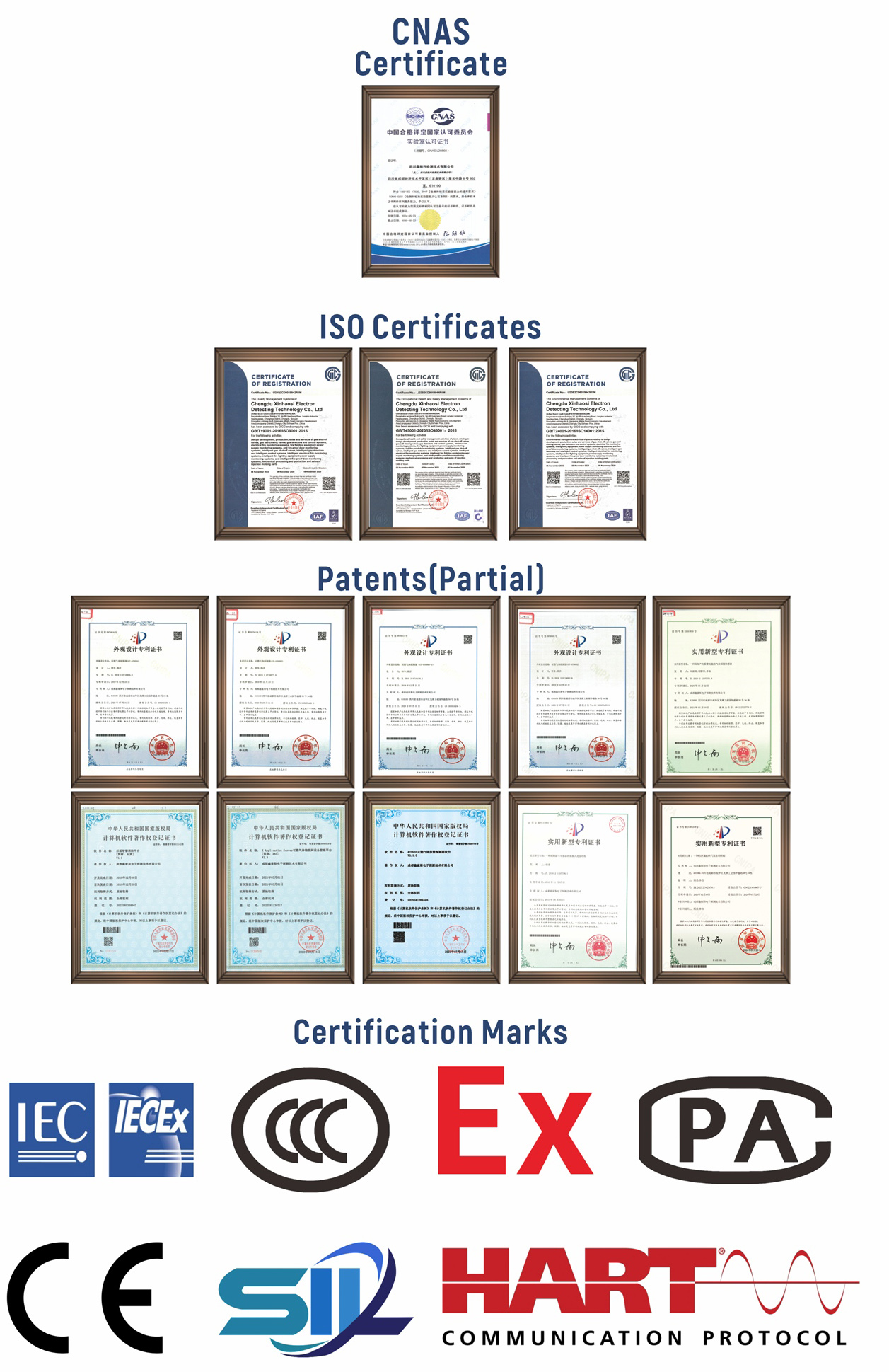
Safety is a matter of life and death, which is why Xinhaosi places strict compliance and technological innovation at the center of its operations. We hold over 50 registered patents and software copyrights, including a state-of-the-art graphical monitoring system for real-time gas alarm visualization. This system processes historical detection data to enable predictive maintenance, effectively decreasing onsite sensor failure rates by more than 30%.
Additionally, we developed one of the industry's first networked bus-type leakage systems and flow-monitoring safety solenoid valves. Our internal testing and calibration facilities are fully accredited by the China National Accreditation Service for Conformity Assessment (CNAS), operating under the international ISO/IEC 17025 framework. This ensures that the test results of our OEM/ODM gas detection equipment are globally traceable and recognized, facilitating rapid regulatory approvals in target regional markets.
Evaluating the strategic supply chain benefits, technological agility, and cost efficiencies of Chinese electronic manufacturing hubs.
From core sensor modules (catalytic bead, electrochemical, NDIR) to high-precision SMT circuit boards and explosion-proof housings, China’s industrial ecosystem provides complete vertical integration. This minimizes material transportation times and maximizes quality control.
Whether you require customized firmware protocols (Modbus, BACnet, HART), custom casing molds, private label printing, or unique enclosure ratings (IP66/IP67), our engineers rapidly translate technical requirement sheets into functional prototypes within weeks.
Automated manufacturing systems and massive raw material purchasing contracts mean we can supply devices at significantly lower unit costs compared to local Western manufacturers—without compromising on reliability or certification standards.
Tracing over two decades of steady technological achievements, manufacturing expansions, and global integration.
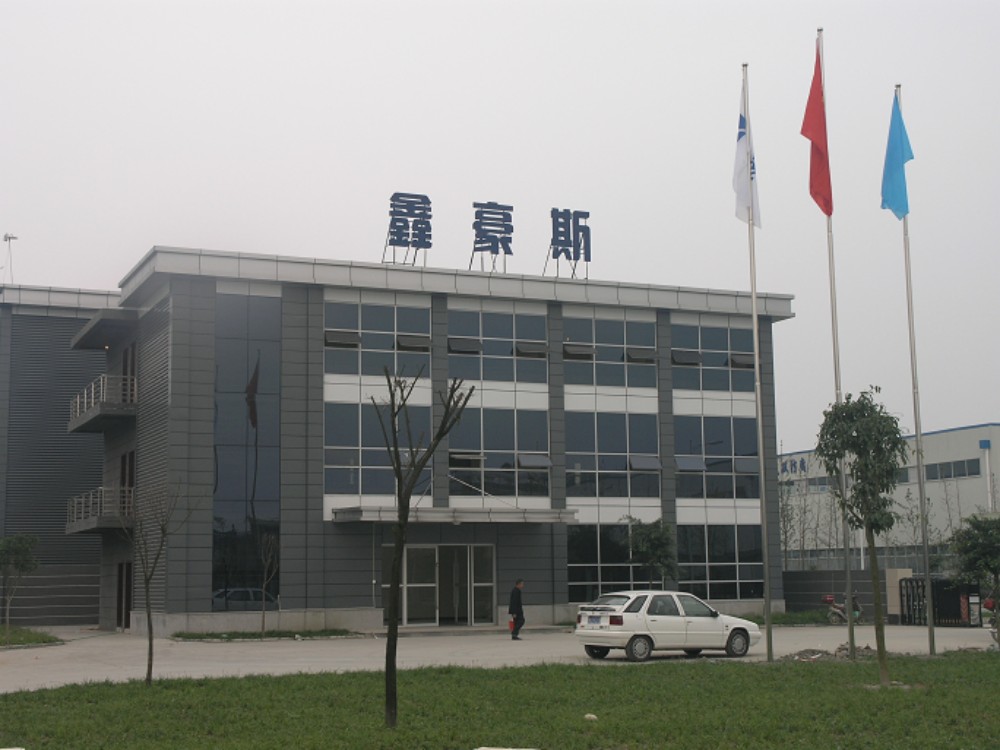
Established on April 17th, 2003. Successfully designed and launched our first-generation residential gas leak alarms and basic fire fighting products.

Initiated dedicated gas safety valve production lines. Formally expanded the OEM business division and relocated to the Longtan Industrial Park office building.
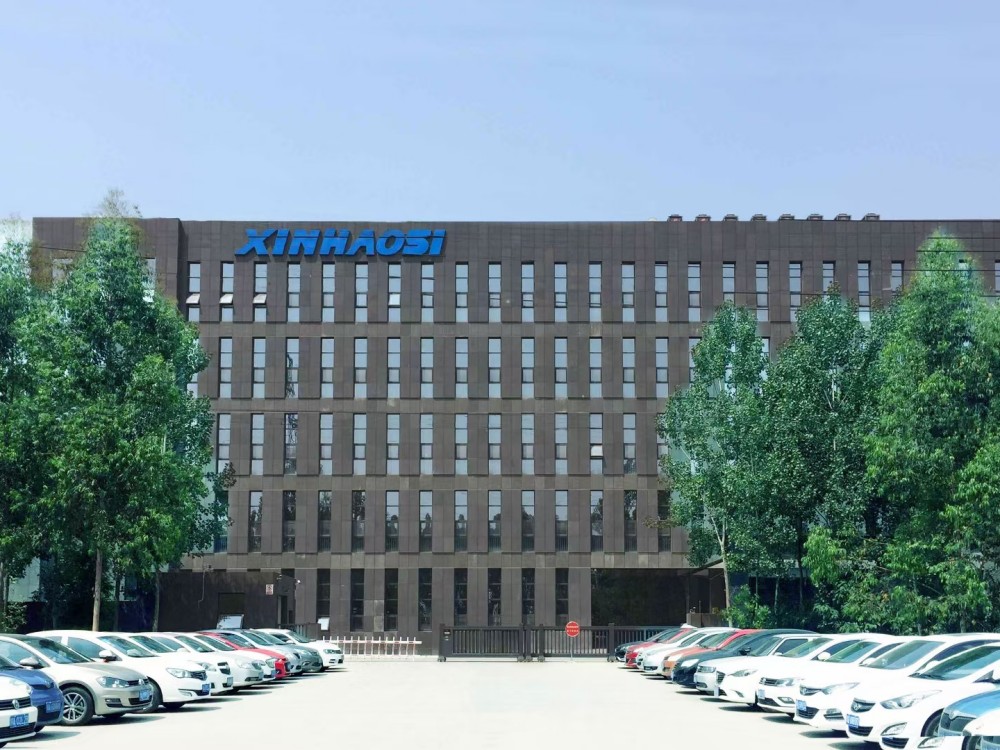
Achieved a milestone of 10 million cumulative gas detector units sold. Moved into our large Chengdu factory facility and expanded our distribution network.
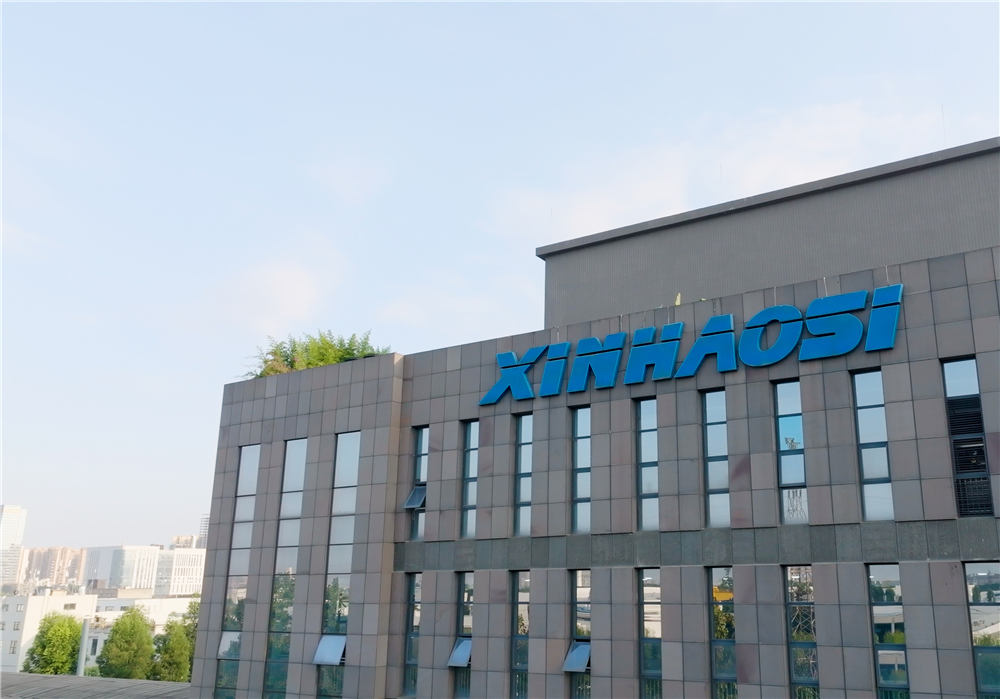
Launched self-developed proprietary IoT monitoring platform. Obtained the High-Tech Enterprise Certificate and became an official qualified supplier for China's top five major gas providers.
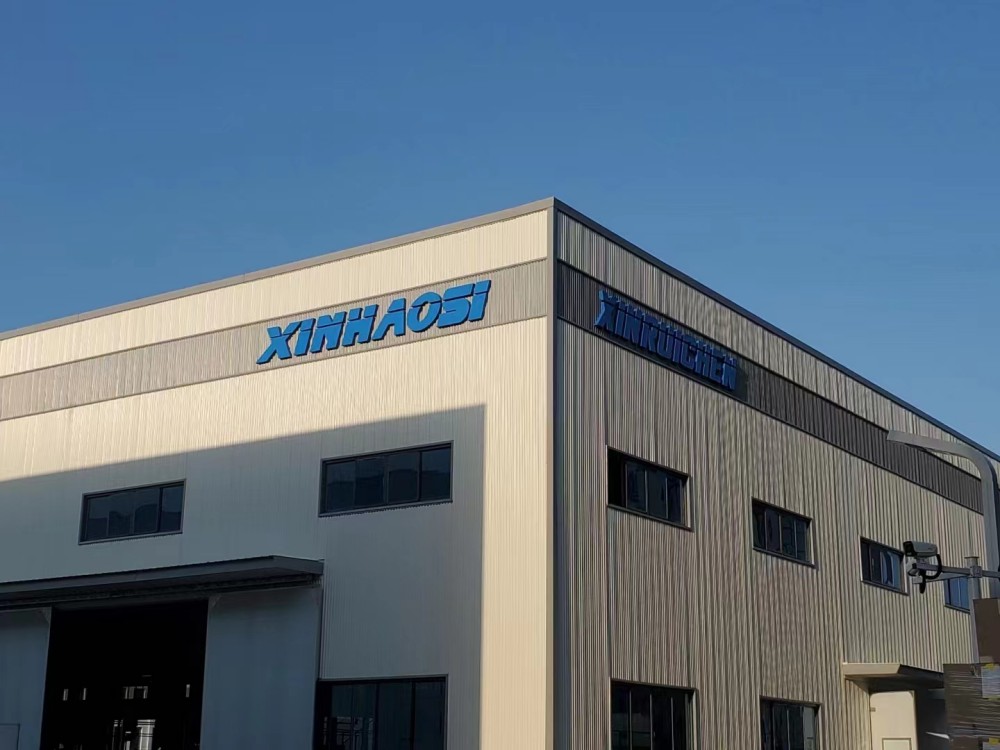
Started construction of the massive Deyang smart manufacturing facility. Established the specialized Petrochemical and International Business Division to better serve global B2B clients.
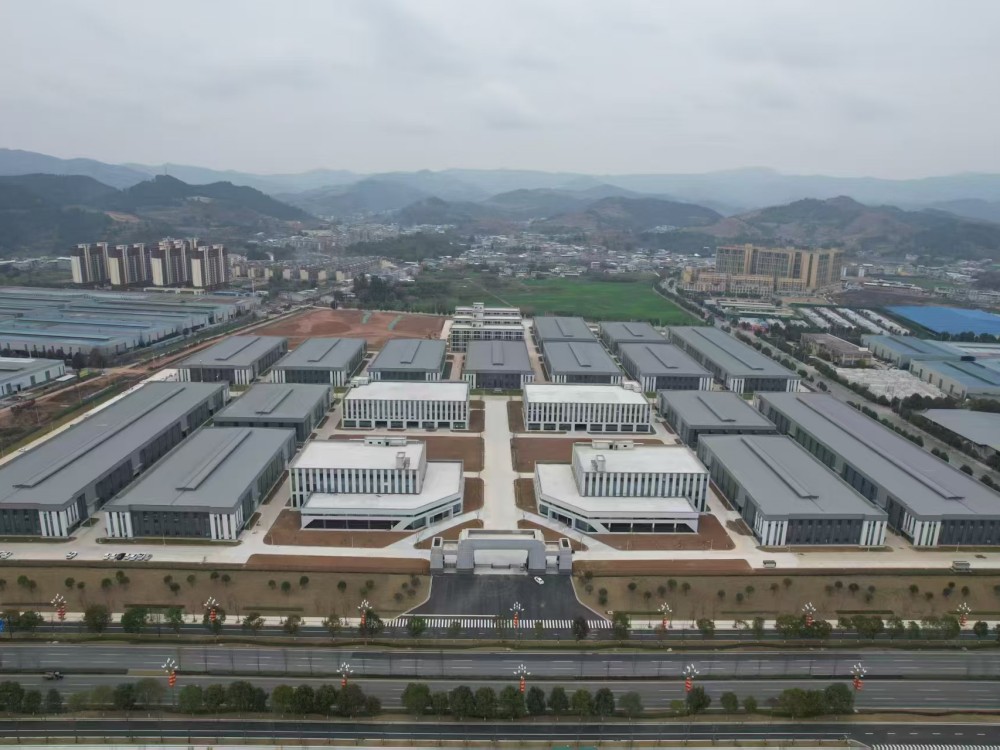
Deyang production center fully operational. Rollout of advanced urban gas pipeline monitoring products, state-of-the-art wireless safety arrays, and AI-enabled valves.
How our comprehensive gas safety product portfolio secures diverse environments across the world.
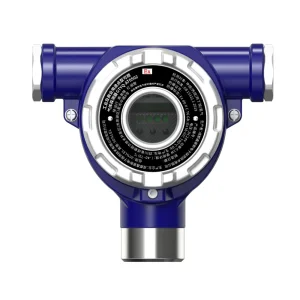
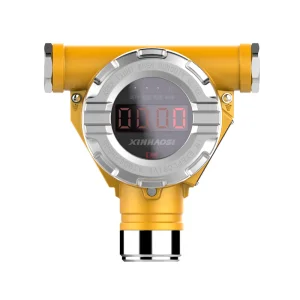
In facilities with volatile atmospheres containing methane, butane, and raw hydrocarbons, our explosion-proof fixed gas detectors (such as the GTYQ-AT0505/d and GTYQ-AT0502) provide continuous monitoring in Zone 1 and Zone 2 hazardous areas, triggering immediate visual alarms and automated shutoff valves to prevent catastrophic events.
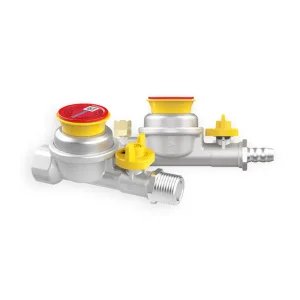
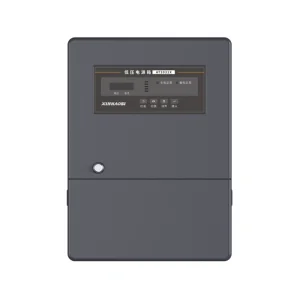
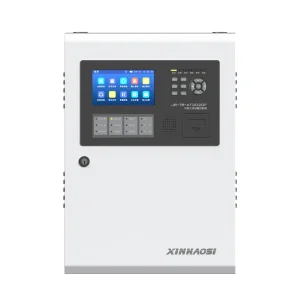
To secure urban utility networks, we supply pipeline gas shut-off valves and intelligent bus controllers (like the JB-TB-AT2020F). These systems detect pressure changes and micro-leakages across extensive pipeline networks, signaling central control rooms before dangerous accumulations occur.
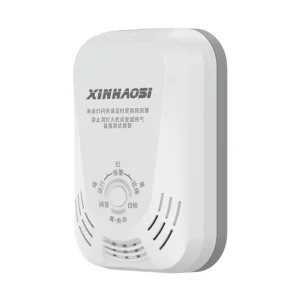
For high-rise residential properties and commercial kitchens, we deliver sleek, highly sensitive gas detectors (JT-AT2018/JT-2028 series) that integrate with building management systems. They provide rapid audible warnings and actuate automatic solenoid valves to stop domestic gas lines immediately.
Essential technical milestones and standards procurement managers must verify before partnering with a manufacturer.
Always verify that the factory holds valid explosion-proof certifications (IECEx, ATEX, Ex) and functional safety credentials (SIL2 or SIL3). For residential applications, standard EN 50291 (European Standard for electrical apparatus for the detection of carbon monoxide and combustible gases in domestic premises) is vital.
Ensure your supplier owns an ISO/IEC 17025 accredited laboratory (such as the CNAS laboratory at Xinhaosi). This ensures that sensor calibration gas profiles, thermal chamber response profiles, and aging test reports are accurate and fully traceable.
An experienced OEM partner must provide extensive software and hardware adaptability. This includes custom Modbus map registries, digital addressing protocols, dual-sensor configurations (e.g. LEL and CO in a single enclosure), and tailored mounting hardware designs.
Verify the manufacturer's capacity to supply critical spare parts and replacement sensor heads for at least 5–10 years post-production. This ensures long-term system maintenance stability for end users.
Answering critical queries regarding gas safety engineering, certification processes, and custom OEM manufacturing.
We deploy three main sensor categories depending on the target environment:
Our CNAS accreditation conforms directly to the ISO/IEC 17025 standard. This certification guarantees that our test procedures, machinery calibration, and technician competencies are monitored under international agreements (including the ILAC-MRA framework). As a result, test certificates and qualification files issued by Xinhaosi are recognized globally. This speeds up local testing procedures and lowers cost barriers for import clearances in Europe, the Americas, and APAC.
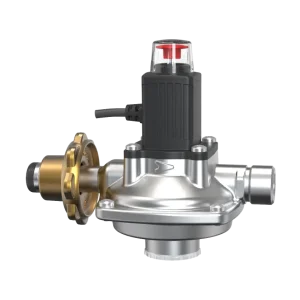
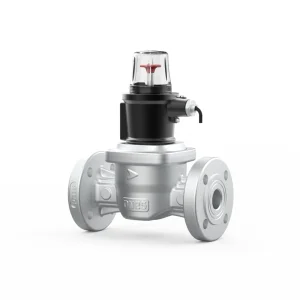
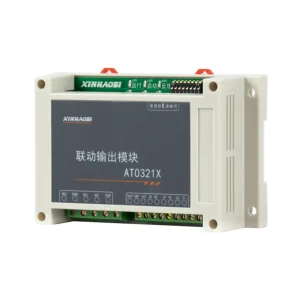
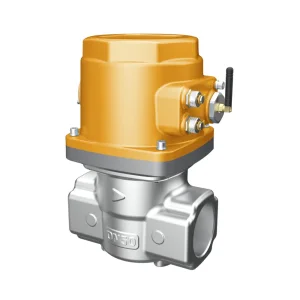
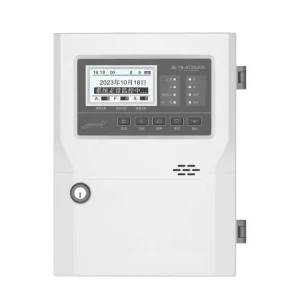
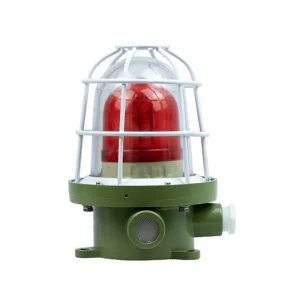
When a gas detector (such as the GTYQ-AT0505/d) registers a concentration exceeding the pre-set safety thresholds (typically 10% LEL for low alarm and 25% LEL for high alarm), it sends an electrical relay output or Modbus RTU signal to the Central Gas Detector Controller. The controller immediately sounds the alarm horn (such as the BBJ-24X) and cuts power to the Normally Opened Gas Solenoid Valve (such as the KT-XF5 or XF3 series), shutting off the main gas line instantly at the source. This loop prevents build-ups from finding ignition sources, protecting the facility from potential explosions.
For standard OEM requests (custom branding, logos, packaging, and preset alarms), lead times range between 3 to 5 weeks. For deep ODM customizations (requiring new PCB designs, custom enclosures, and firmware adjustments), the design-to-prototype cycle takes approximately 8 to 12 weeks. Quality is controlled through our rigorous multi-stage system: 100% automated optical inspection (AOI) of PCBs, climate chamber testing, and final dual-point gas calibration verifying accuracy before shipment.
Traditional hardwired gas safety networks require hundreds of meters of flame-retardant cabling, which is expensive and vulnerable to physical damage. Our wireless terminals support IoT communication protocols including LoRa, NB-IoT, and 4G. These systems automatically build decentralized networks that send sensor readings to the cloud or local monitoring stations. If one node is interrupted, other units continue to relay safety data, ensuring continuous facility protection with minimal installation costs.
Precision safety shutdown systems and high-accuracy handheld gas monitoring solutions for industrial operations.