Engineered for high reliability, real-time sensing, and integration with modern SCADA/IoT systems.
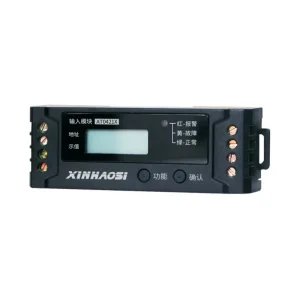
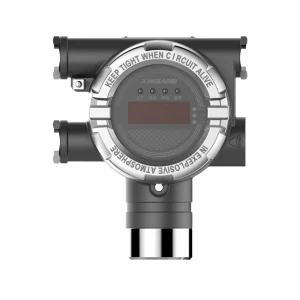
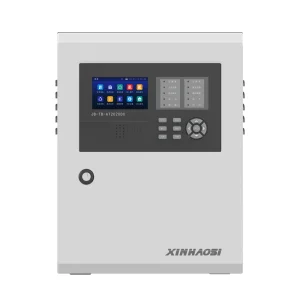
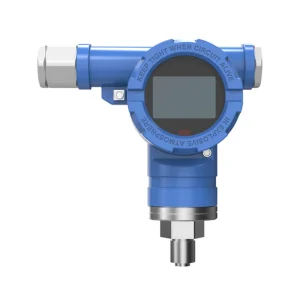
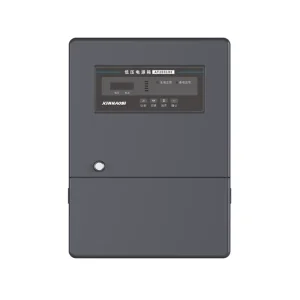
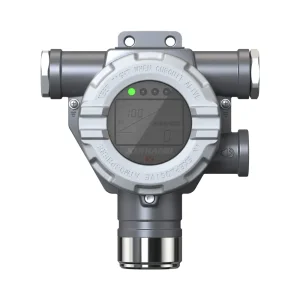
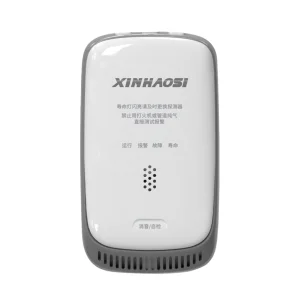
Chlorine ($Cl_2$) is a foundational chemical agent used globally across critical sectors, including municipal water treatment, pulp and paper processing, plastics manufacturing, and pharmaceutical synthesis. However, its exceptional utility comes with severe safety risks. Chlorine gas is highly toxic even at low concentrations (parts per million or ppm levels), heavily corrosive to metal conduits and electronics, and poses dynamic challenges for monitoring due to its high density relative to air.
Choosing an OEM Cl2 Gas Detector Manufacturer requires an evaluation of engineering competence, precision manufacturing infrastructure, and regulatory compliance. System integrators, procurement managers, and health and safety directors need solutions that balance sensor responsiveness, cross-sensitivity management, and long-term stability in harsh chemical environments.
To implement a reliable safety strategy, safety engineers must select the correct sensor architecture based on the specific industrial environment. Here we detail the primary technological routes employed in our OEM chlorine detection designs:
The standard for toxic gas monitoring. It works by reacting with chlorine gas on a working electrode, generating an electrical current directly proportional to the gas concentration. This technology offers high sensitivity down to 0.1 ppm and low power consumption, making it suitable for both stationary and portable battery-powered detectors.
Utilized primarily in harsh environments where high temperatures or extreme humidity fluctuations would degrade standard liquid electrolytes. Metal Oxide Semiconductor (MOS) technology relies on changes in the electrical resistance of a thin metal oxide film upon contact with chlorine. These sensors feature extended service life and high physical durability.
Designed for trace-level detection (parts per billion). These sensors utilize a dry paper tape or substrate impregnated with a color-changing reagent. When exposed to chlorine, the color change rate is scanned photometrically, offering high specificity and immunity to cross-sensitivities from other gases.
For most industrial applications, Electrochemical Cells are the preferred choice due to their fast response time ($T_{90} < 30$ seconds) and accurate performance. Our OEM division addresses electrochemical cell drift using software algorithms, incorporating temperature and humidity compensation maps to maintain calibration accuracy over the sensor's operating life.
Chlorine detection is not a one-size-fits-all solution; the installation location, mounting height, and housing materials depend on the specific application environment. Below are four key scenarios where custom OEM configurations are required:
In water chlorination systems, detectors must withstand high humidity and ambient moisture. Because chlorine gas is approximately 2.5 times heavier than air, detectors are positioned near floor level (approx. 30 cm above the floor) where gas is likely to accumulate first. OEM designs for these plants require IP66-rated enclosures and hydrophobic membranes to protect the sensor from condensation.
Chlorine is utilized in dry etching and chamber cleaning processes within microelectronics manufacturing. In cleanroom environments, maintaining product purity is critical. Detectors must feature low-outgassing materials, support integration into EtherCAT or Modbus RTU protocols, and offer rapid detection of trace ppm leaks to protect personnel and prevent production interruptions.
Bleaching processes create highly corrosive environments containing chlorine dioxide, sulfur dioxide, and acid mist. OEM designs for these applications rely on chemical-resistant materials (such as SS316 stainless steel or glass-reinforced polyester enclosures) alongside custom sensor filters to minimize cross-interference from other sulfur-based gases.
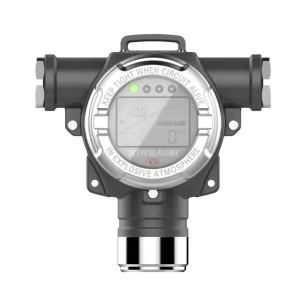
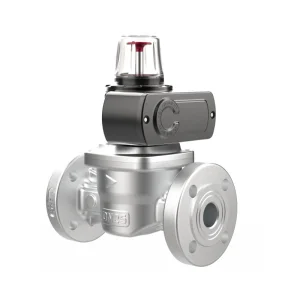
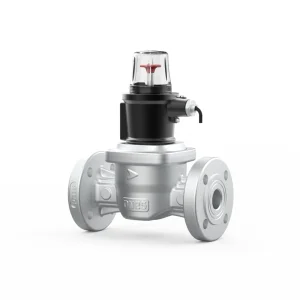
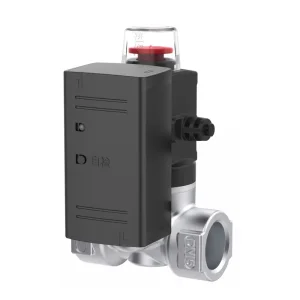
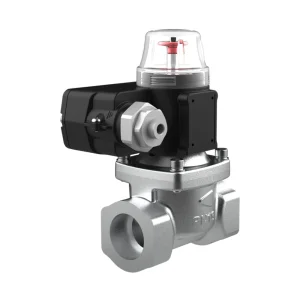
Large-scale chemical facilities require integrated gas safety systems. In these environments, $Cl_2$ detectors must carry hazardous area certifications (such as ATEX/IECEx Zone 1 or Zone 2) and integrate with automatic shut-off systems, including fast-acting industrial gas solenoid valves, to prevent gas propagation.
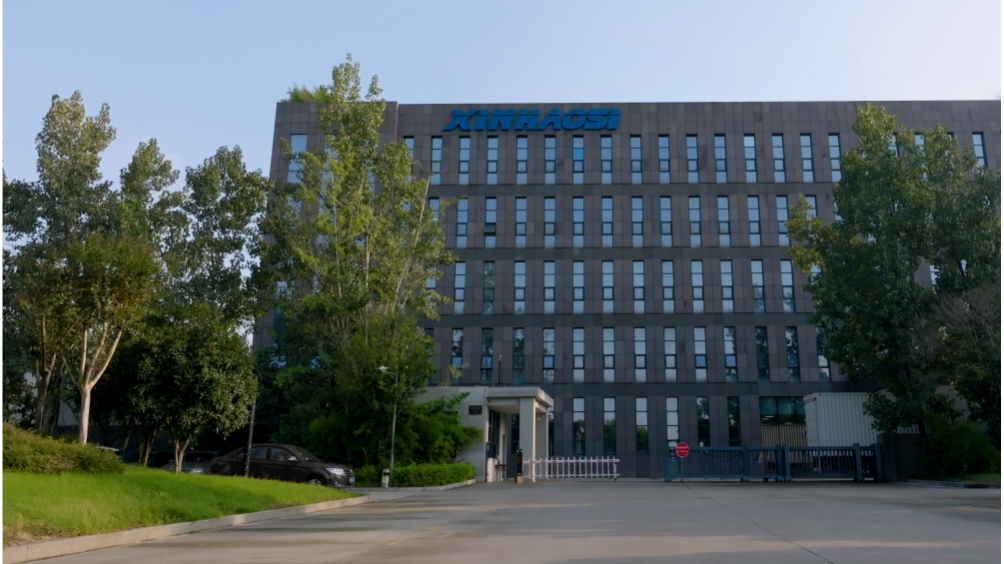
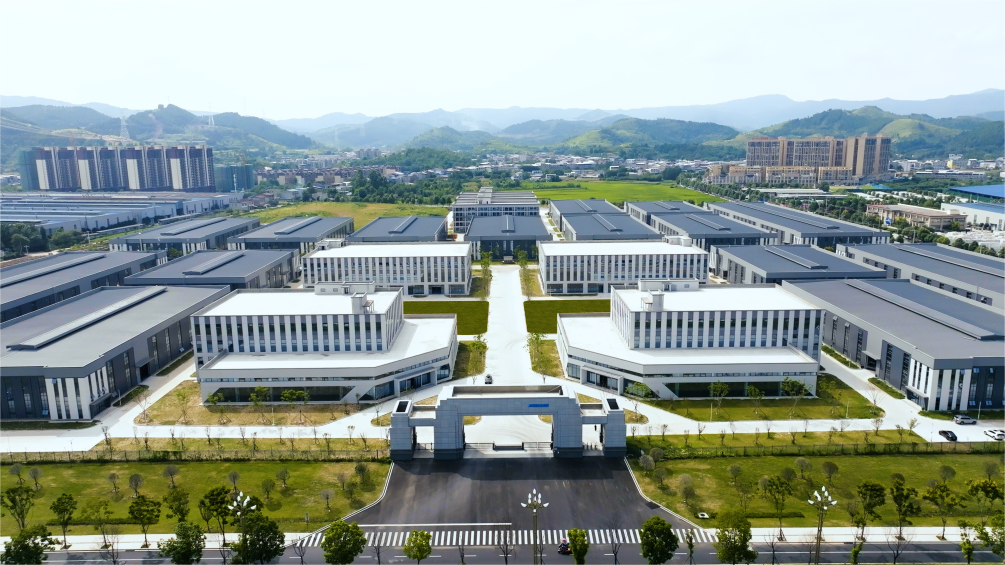
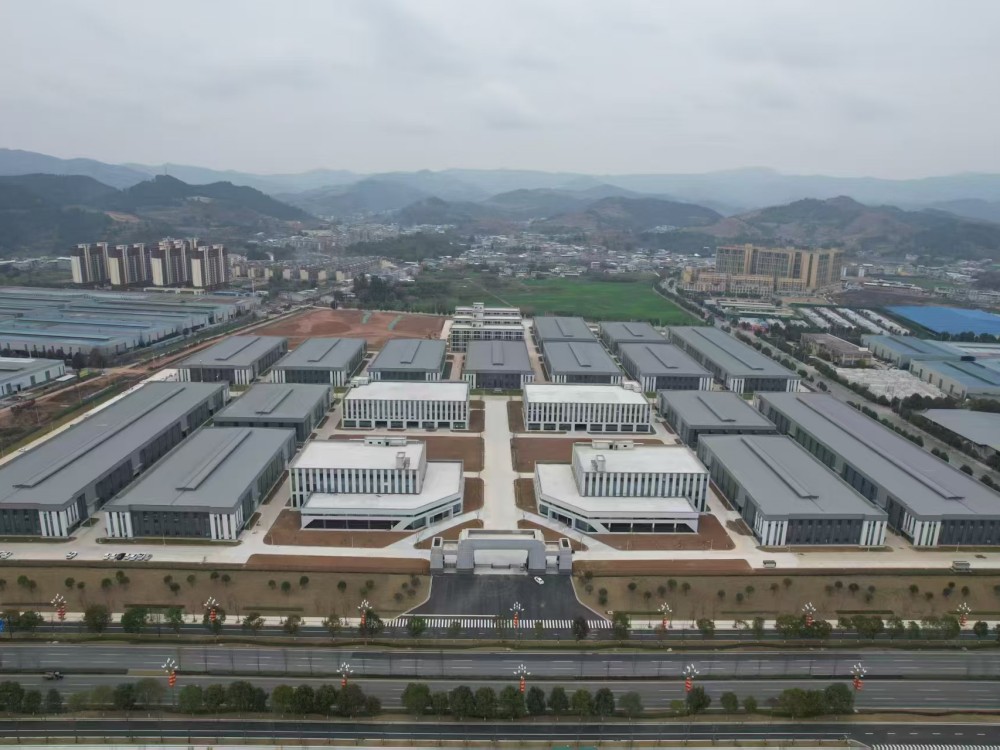
Located in the industrial hubs of Chengdu and Deyang, Xinhaosi operates advanced manufacturing facilities optimized for gas safety equipment production. Our vertical integration strategy covers the entire product lifecycle—from raw sensor formulation and high-speed SMT assembly to automated functional testing and CNAS-certified calibration.
By sourcing raw materials and high-precision electronic components within a robust regional ecosystem, we mitigate supply chain disruptions and maintain production stability. Our Deyang facility features automated production and testing lines that support large-scale OEM/ODM orders while keeping lead times short and pricing competitive.
Our Quality Management System operates in accordance with ISO9001 and ISO/IEC 17025 standards. Every chlorine gas detector undergoes structured stress testing—including temperature cycling, vibration analysis, and positive pressure gas calibration—ensuring that every unit shipped meets standard field performance requirements.
Modern gas safety monitoring is shifting from isolated, reactive alarm units toward predictive, network-integrated security systems. Our technology roadmap focuses on three primary areas:
Electrochemical sensors drift naturally over time due to electrolyte depletion and environmental exposure. We are developing firmware algorithms that utilize historical trend analysis to identify and compensate for sensor drift, extending calibration intervals and reducing maintenance requirements.
To reduce false alarms in complex environments, future OEM transmitters will integrate multiple sensor types (such as combining electrochemical and MOS sensors on a single chip). The onboard processor analyzes signals from both sensors to verify the presence of $Cl_2$ and filter out interfering gases.
Wiring accounts for a significant portion of gas detection installation costs. We are expanding our line of wireless transmitters utilizing LoRaWAN and NB-IoT protocols, designed to integrate with our IoT cloud platforms for remote monitoring and real-time alerts.
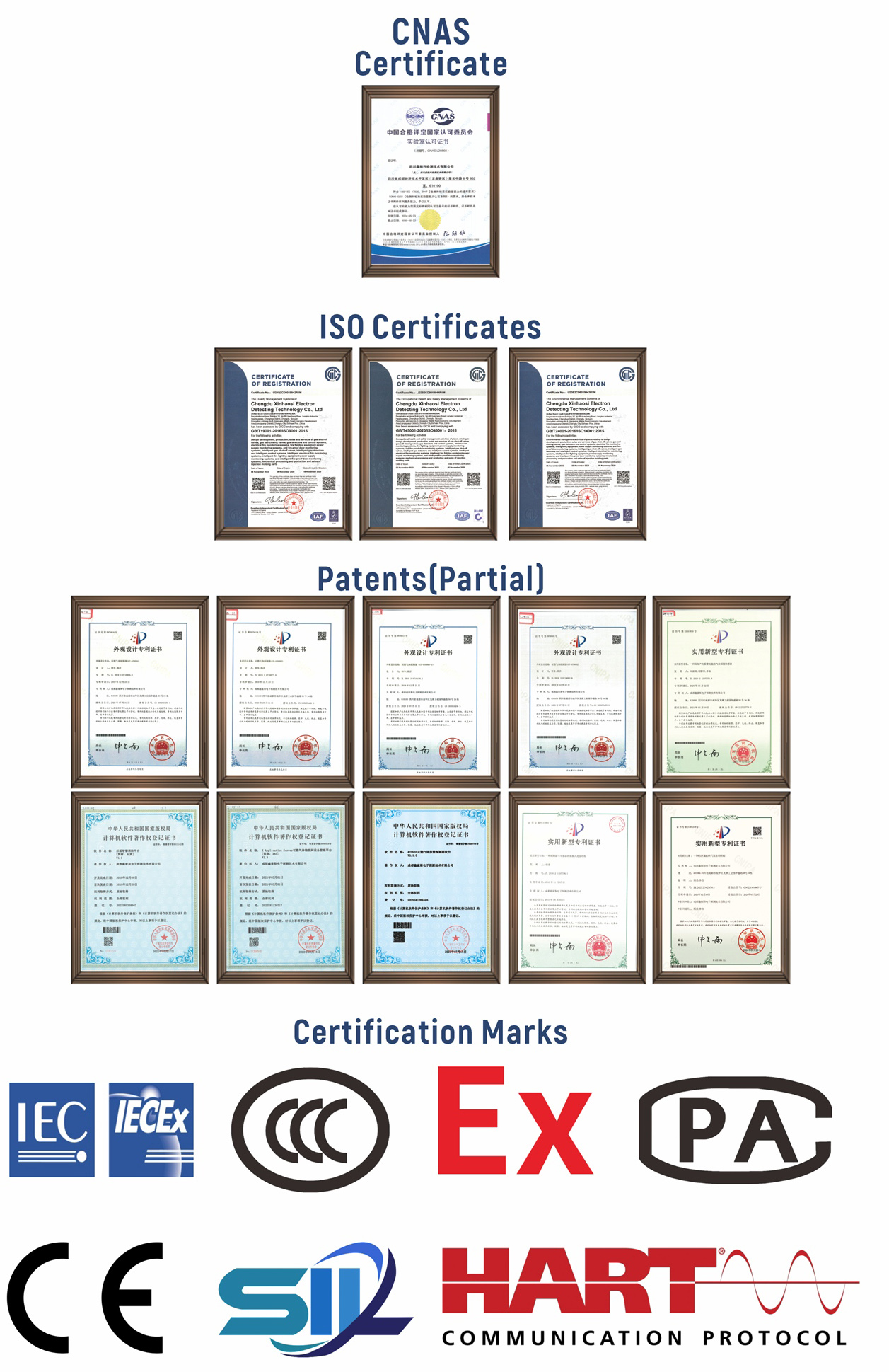
Industrial gas safety equipment must meet strict local regulations and international standards. Our in-house testing laboratory is accredited by the China National Accreditation Service for Conformity Assessment (CNAS) and operates in compliance with ISO/IEC 17025 standards. Under the ILAC-MRA framework, our test reports are recognized globally, ensuring that OEM products meet international market access requirements.
Our core product portfolio carries a range of certifications, including:
These certifications demonstrate our commitment to manufacturing reliable safety equipment that complies with strict global regulatory frameworks.
Since 2003, Xinhaosi has focused on gas detection technology, expanding from a regional safety supplier into a global OEM/ODM manufacturer.
Established on April 17, 2003. We introduced our first generation of gas leak alarms and fire protection products, establishing a footprint in the domestic safety market.
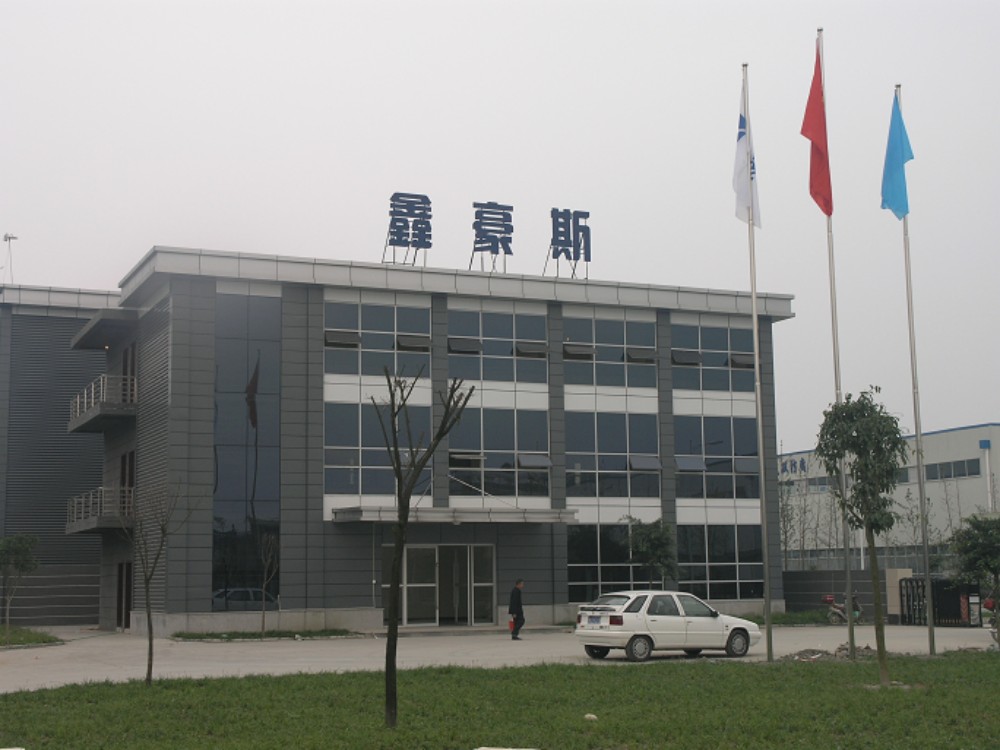
Initiated production of gas safety shut-off valves and expanded our OEM/ODM service division. Relocated to the Longtan Industrial Park to scale up manufacturing capacity.

Achieved a milestone of 10 million gas detectors sold. Established Chengdu manufacturing facilities and expanded our nationwide sales and technical support network.
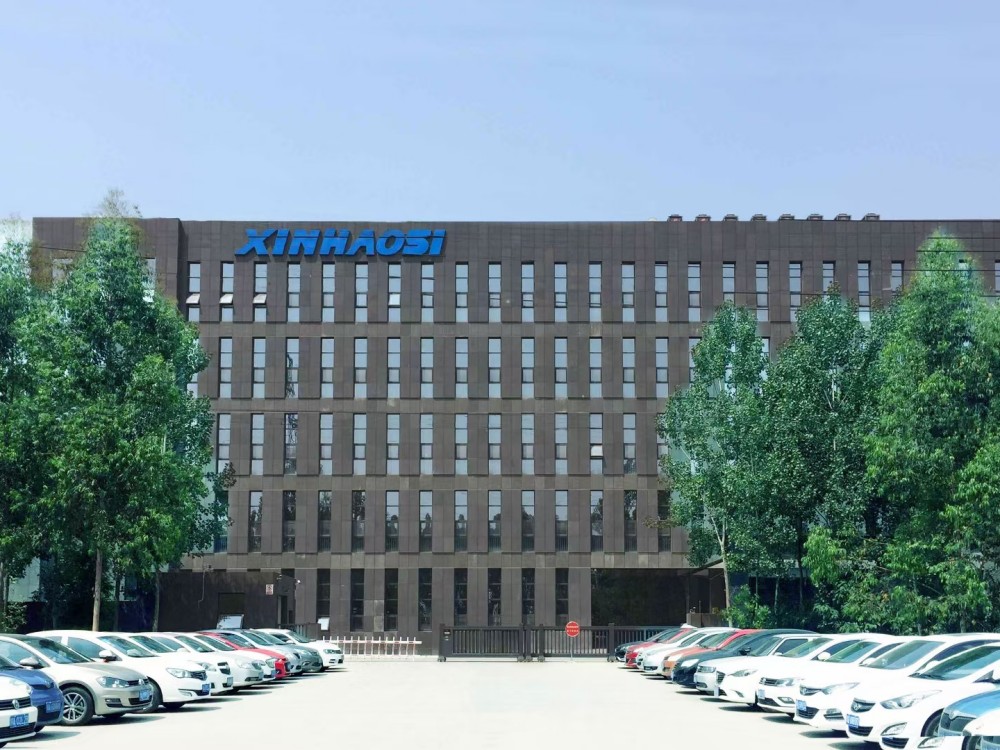
Launched our in-house developed IoT cloud platform. Awarded national high-tech enterprise status and became a qualified supplier to major domestic gas distribution networks.
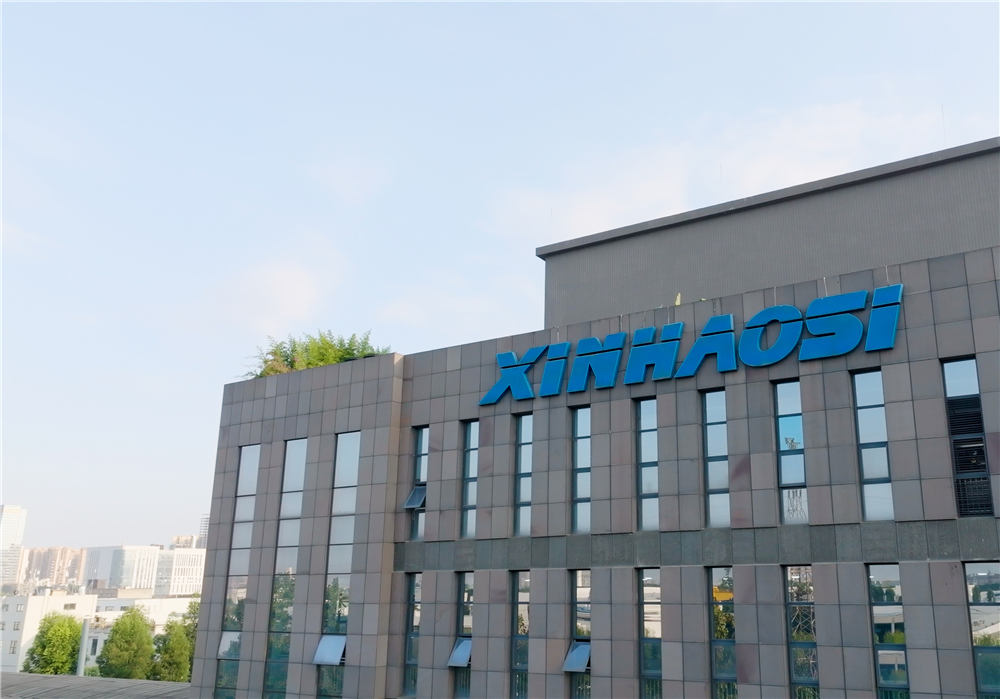
Began construction of the Deyang manufacturing facility. Established our specialized Petrochemical & International Business Division, and designated as a Provincial Technology Center.
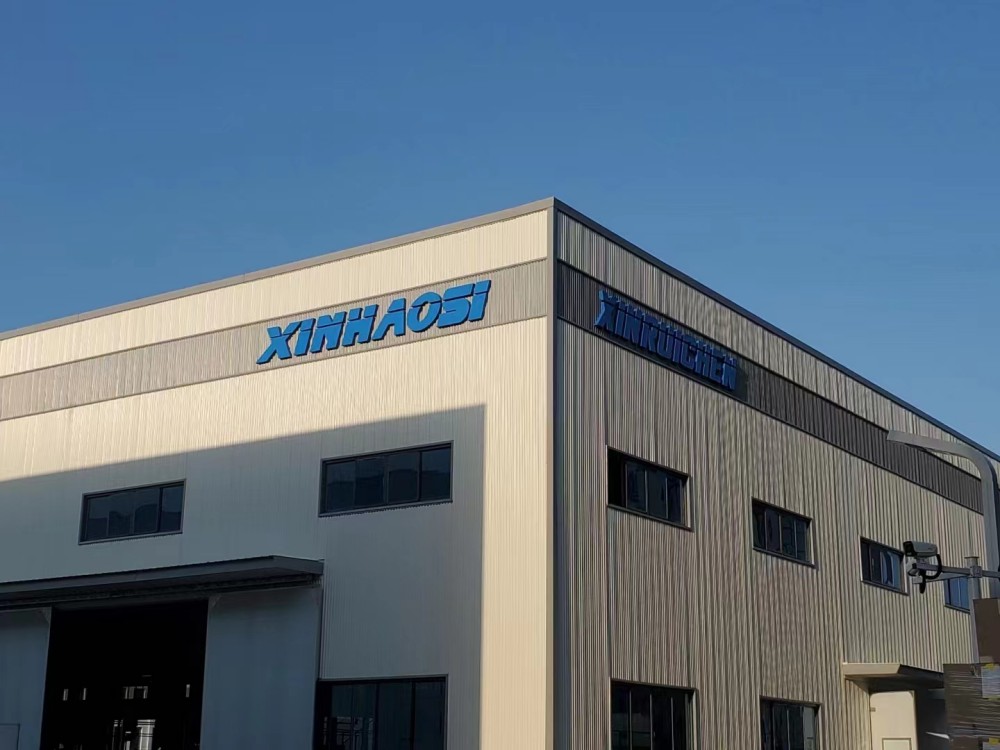
Commenced full operations at our Deyang factory. Introduced next-generation urban pipeline monitoring systems, wireless gas detectors, and AI-enabled smart solenoid valves.
Below are technical answers to common questions regarding chlorine gas detection and safety system design.
Because chlorine gas ($Cl_2$) has a density of approximately $3.2\text{ g/L}$ at standard conditions, it is roughly 2.5 times heavier than air. It tends to settle in low-lying areas. Therefore, detectors should be mounted close to the floor, typically between 30 cm and 45 cm (1 to 1.5 feet) above the finished floor, in close proximity to potential leak sources like gas cylinders, control valves, or piping connections.
For standard safety compliance, we recommend performing bump testing monthly and a full calibration every 3 to 6 months depending on environment severity. In clean, climate-controlled environments like cleanrooms, 6-month intervals are typical. In harsh locations like wastewater treatment plants or pulp mills, 3-month calibration intervals are recommended to compensate for sensor degradation and potential exposure to cross-reactive gases.
Electrochemical chlorine sensors are sensitive to other strong oxidizing agents, including fluorine ($F_2$), bromine ($Br_2$), ozone ($O_3$), and chlorine dioxide ($ClO_2$). Additionally, high concentrations of nitrogen dioxide ($NO_2$) can cause positive interference readings. Our custom OEM designs utilize selective filters and software-based cross-compensation to minimize false readings in areas where multiple gases may be present.
SIL (Safety Integrity Level) certifications quantify the reliability of a safety function under IEC 61508. Since chlorine gas is highly toxic, a failure in the detection system poses severe safety risks. A SIL2-certified gas detector guarantees that the device meets safety performance and probability of failure on demand (PFD) thresholds, making it suitable for integration into safety-instrumented systems (SIS).
Chlorine is highly corrosive, particularly in the presence of moisture. Standard aluminum enclosures may degrade over time in wet chlorine environments. We recommend using 316 stainless steel, glass-reinforced polyester (GRP), or high-durability polycarbonate housings with specialized PTFE (Teflon) coated components to ensure long-term physical durability.
Complementary equipment designed to integrate with our gas detection networks for comprehensive plant safety.