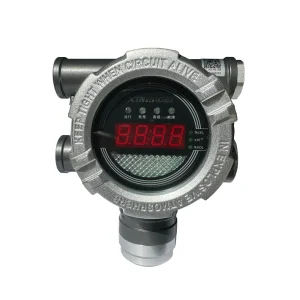
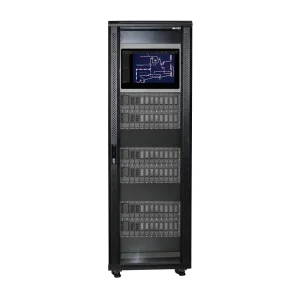
Ammonia ($NH_3$) serves as an essential chemical cornerstone in modern agriculture, manufacturing, and food storage. Known for its high efficiency and zero ozone-depleting potential, anhydrous ammonia is the primary refrigerant used in large-scale logistics cold chains worldwide. However, its high toxicity and relative flammability present major hazards. At concentrations as low as 25-50 ppm, ammonia causes severe sensory irritation, and sudden spikes above 300 ppm pose immediate dangers to life and health (IDLH).
Consequently, regulatory bodies such as OSHA (Occupational Safety and Health Administration), EU-OSHA, and equivalent regional authorities mandate rigorous, continuous monitoring in facilities utilizing or processing $NH_3$. The demand for high-precision ammonia gas detectors is surging globally, driven by stringent workplace safety protocols, environmental regulations, and the rising adoption of IoT-enabled safety infrastructure.

Chengdu Factory & Office

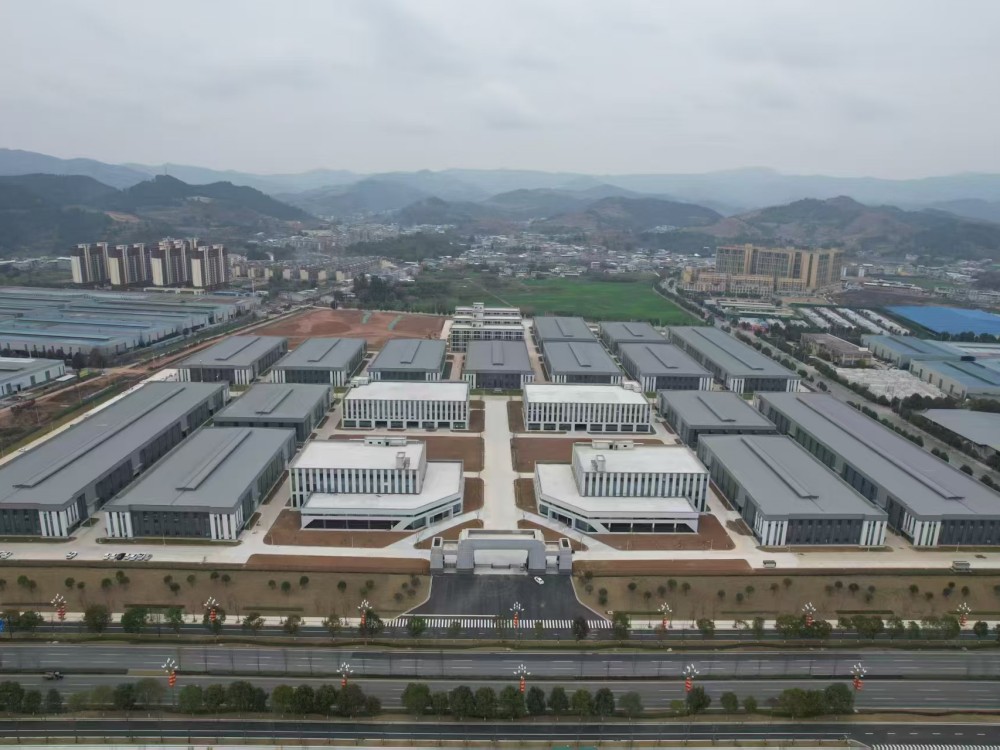
Deyang Factory
Founded in 2003, Xinhaosi is one of the most influential and trusted brands in the global gas safety industry. Over the past two decades, we have steadily built a robust and comprehensive production and service system, which integrates cutting-edge R&D, intelligent manufacturing with advanced automation equipment, digital marketing across global channels, professional after-sales support with an experienced technician team, flexible OEM/ODM services, as well as CNAS-Accredited laboratory calibration services that meet international standards.
Our diversified product portfolio covers industrial & residential gas detection & alarm systems, industrial & household gas solenoid valves, and urban gas pipeline network monitoring systems—all engineered to adapt to complex working environments and strict safety requirements. We produce and sell tens of millions of units annually, catering to a wide range of industries that demand reliable gas detection solutions, including oil & gas exploration and production, petrochemicals, urban gas distribution, automotive manufacturing, pharmaceuticals, new energy, steel production, and beverage processing.
Guided by the core mission of “Making Gas Safety Accessible Everywhere,” we consistently deliver high-performance, reliable products and customized solutions tailored to each client’s unique needs. Every item we manufacture undergoes rigorous quality control tests, and every service we provide is backed by our professional technical team, fully embodying our unwavering commitment to safeguarding gas safety across both industrial workplaces and residential environments, and striving to build a safer world with sustainable gas safety technologies.
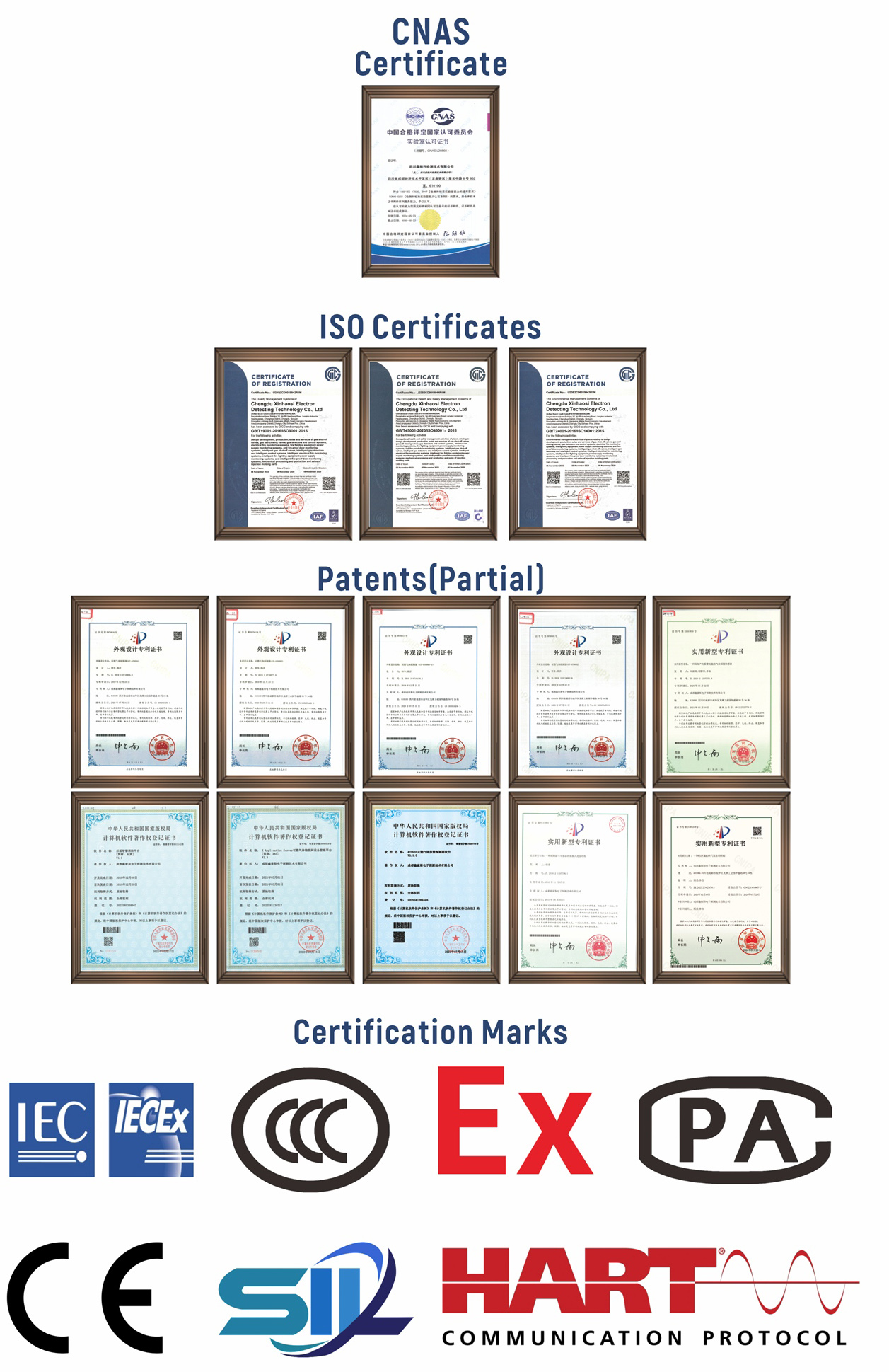
Adhering to ISO9001 quality management system standards, Xinhaosi's core products have obtained a full range of authoritative certifications, including national compulsory Products Certification, explosion-proof certification, fire product certification, CPA measurement instrument type approval certificate, and international approvals such as CE and SIL. Additionally, Xinhaosi holds honors such as "National Quality Integrity Benchmark Enterprise" and "National Quality Leading Enterprise in the Gas Alarm Industry," is a member of the China Fire Protection Association, and acts as the main drafting organization for the national standard of solenoid valves, further confirming its industry influence and reputation.
In the field of intellectual property, Xinhaosi has built a robust innovation system with over 50 patents and software copyrights. These patents cover core technological areas, including a graphical monitoring system for gas detection and alarm, which enables predictive maintenance based on historical data to reduce equipment failure rates by over 30%, and a solenoid valve with flow monitoring functionality that integrates flow detection and alarm capabilities. The company also pioneered China's first networked bus-type gas leakage monitoring system and the only maximum-point gas leakage monitoring system certified by the Ministry of Public Security, demonstrating its leading position in cutting-edge technological research.
Our in-house laboratory is accredited by the China National Accreditation Service for Conformity Assessment (CNAS), recognized both domestically and internationally under the ILAC-MRA framework. It operates in accordance with ISO/IEC 17025, the international standard for testing and calibration laboratories. It provides reliable and traceable testing services for gas detection and alarm products, solenoid valves, and related safety equipment. Test reports issued by the CNAS-accredited laboratory are widely accepted by regulatory authorities, certification bodies, and customers in China and overseas, helping to ensure product quality, safety compliance, and market access.
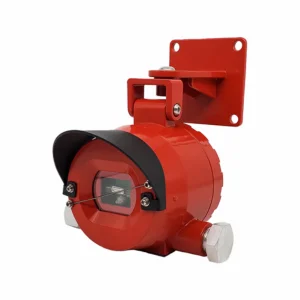
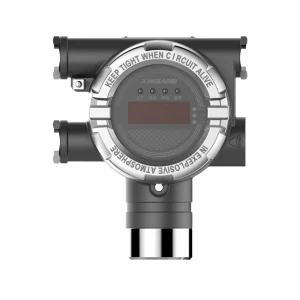
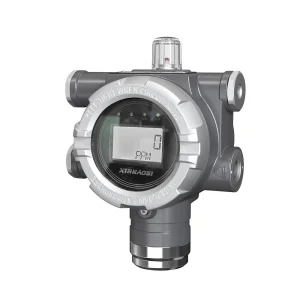
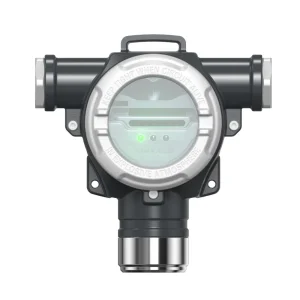
Equipped with advanced electrochemical sensors optimized for $NH_3$ selectivity, eliminating cross-sensitivity to standard hydrocarbons and VOCs.
Ex d IIC T6 Gb flameproof rating and dust ignition protection (Ex tD A21 IP66), ideal for Class I, Division 1 and 2 hazardous areas.
Rigorous fail-safe designs verified through Safety Integrity Level 2 evaluations, guaranteeing stable operation during critical alarm triggers.
Established on April 17, 2003. Launched our first-generation gas leakage alarm and fire suppression control systems, laying the groundwork for digital industrial safety.
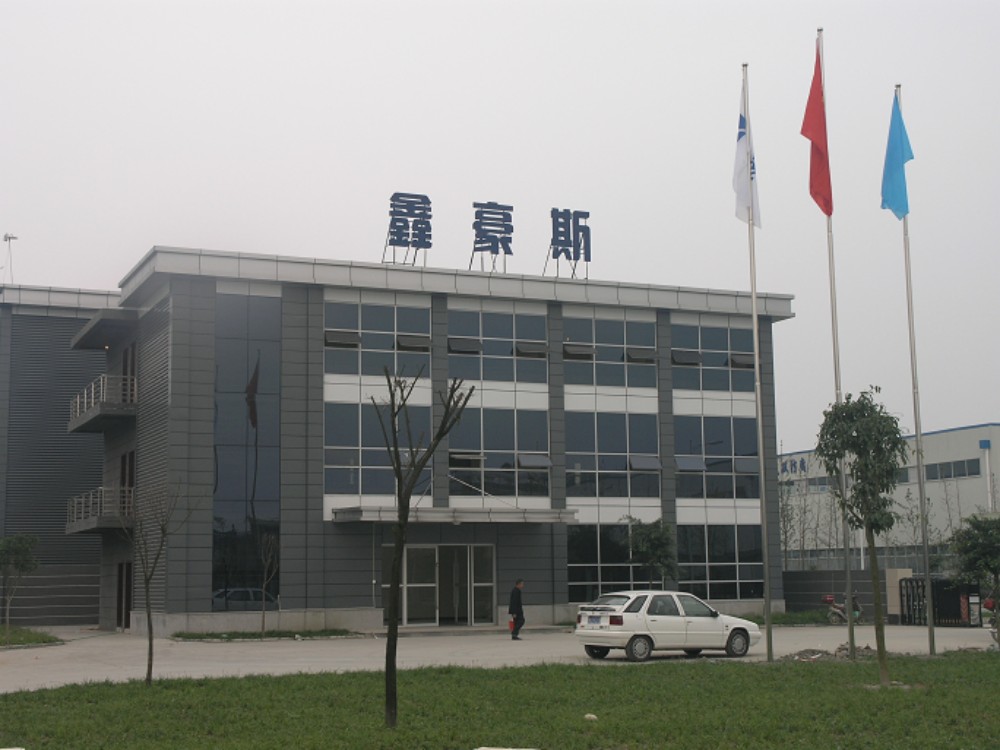
Initiated our safety solenoid valve line. Built dedicated OEM business channels and established new operations in Chengdu's Longtan Industrial Park.

Reached a milestone of 10 million cumulative detector units sold. Expanded nationwide service networks across China and launched modern power-monitoring lines.
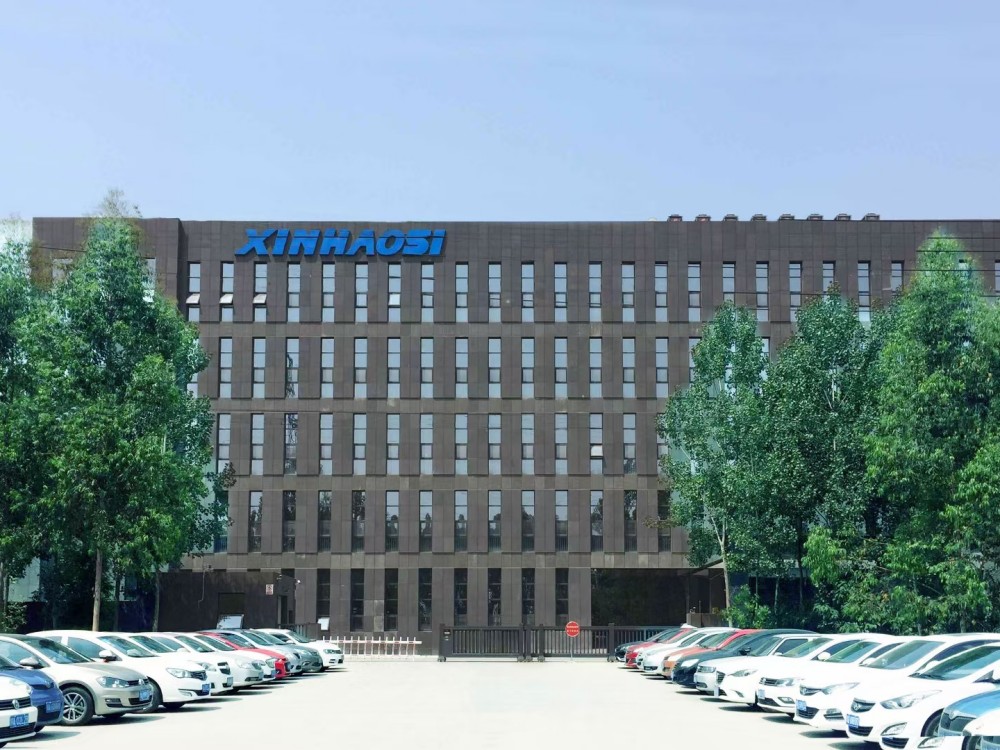
Deployed the proprietary Xinhaosi IoT platform. Successfully passed high-tech enterprise certification, becoming a qualified tier-one supplier to China's five largest gas conglomerates.
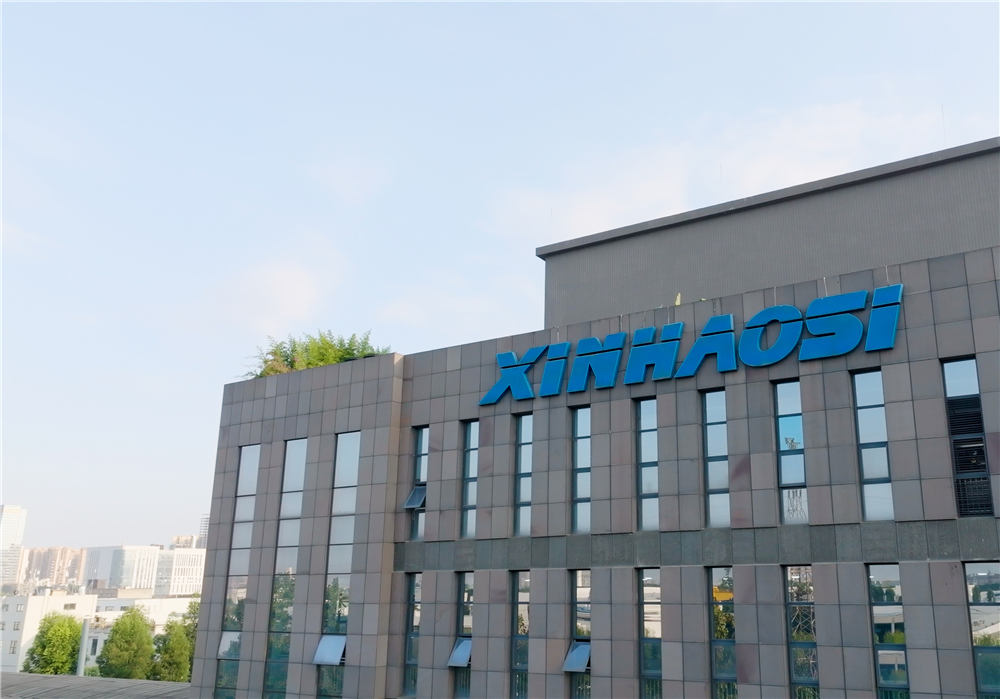
Constructed the Deyang industrial site. Established specialized divisions for international trade and petrochemicals, securing a Sichuan Provincial Technology Center designation.
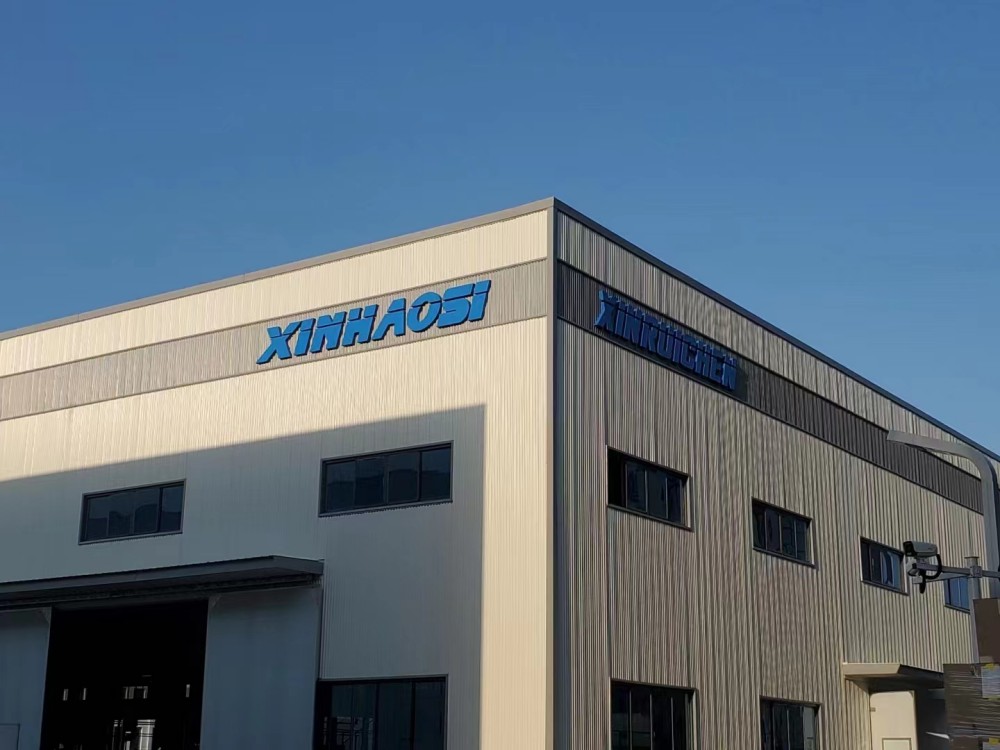
Deyang smart factory went fully operational. Launched wireless smart sensors, AI-driven safety valves, and specialized municipal pipeline monitoring systems for global markets.
Sourcing your ammonia gas detectors from certified Chinese factories like Xinhaosi provides a distinct advantage in both product development cycles and cost-efficiency. Our manufacturing ecosystem in Sichuan leverages vertical supply-chain integration, advanced automated surface mount technology (SMT), and computerized testing jigs. This setup allows us to execute customized OEM and ODM projects rapidly without compromising quality.
| Feature | Standard OEM Supplier | Xinhaosi Factory Integrated Model |
|---|---|---|
| CNAS Lab Calibration | Outsourced (adds 2-3 weeks delay) | In-house testing & calibration under ISO/IEC 17025 |
| Product Fail-Safe Design | Basic relabeled generic housings | Customized enclosure layouts with interlock valve integrations |
| Failure Mitigation | Reactive warranty replacements | 30% reduction in failure rates via historical data modeling |
| Standard Compliance | Varies by region | SIL2, CE, CPA, and ISO9001 certified out-of-the-box |
Ammonia detectors must be tailored to their specific operational environments. Our OEM division designs bespoke sensor housings, mounting brackets, and communication protocols optimized for these critical applications:
The industry is transitioning from standalone analog alarms to fully networked, intelligent safety systems. Key drivers include:
A: Electrochemical sensors are preferred for industrial ppm-level monitoring due to their high specificity, low power consumption, and accuracy at lower threshold limits (0-100 ppm). For highly concentrated environments or combustion detection, catalytic bead or specialized infrared sensors may be utilized.
A: Because ammonia ($NH_3$) is lighter than air (vapor density of 0.59 compared to air at 1.0), it rises. Detectors should be mounted high, typically on the ceiling or high walls, above potential leak points (such as valves, compressors, or pumps). Make sure sensors are positioned away from drafty areas or ventilation intake vents to prevent false dilution readings.
A: For explosive atmospheres, the equipment must carry explosion-proof approvals such as ATEX/IECEx (internationally), CNEx (China), or UL/FM (North America). Safety Integrity Level 2 (SIL2) certification is also required for systems integrated into critical emergency shutdown protocols.
A: Most international guidelines suggest bump-testing sensors every 1 to 3 months, with full field calibrations every 6 to 12 months using certified span gas. Utilizing a CNAS-accredited laboratory for factory calibration ensures traceability back to national standards.
A: Yes. Our factory provides full OEM and ODM services. This includes customized brand labels, modified enclosure molds, custom communication protocols (e.g., Modbus RTU, BACnet, LoRaWAN), and custom alarm threshold programming to match your region's safety regulations.
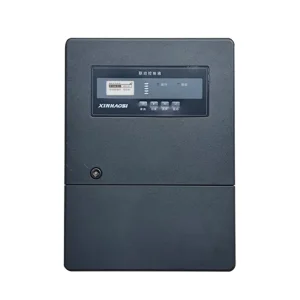
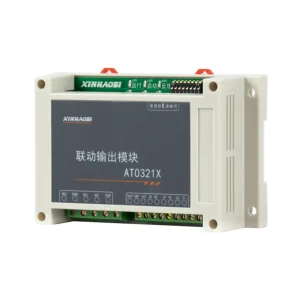
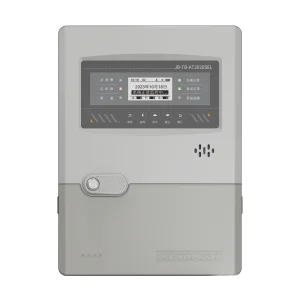
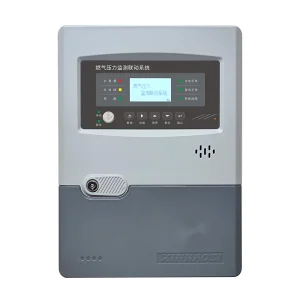
A: The gas detector sends a signal (typically a 4-20mA current, RS485 digital output, or relay contact) to the interlocking control box (such as our JB-MK-AT2041X series). The control box instantly triggers external sirens, activates exhaust fans, and shuts off the solenoid valves to isolate the gas leak at the source.
A: Under normal working conditions, electrochemical $NH_3$ sensors typically last 2 to 3 years. Constant exposure to low background levels of ammonia, high humidity, or extreme temperatures can shorten this lifespan, which is why regular testing is vital.