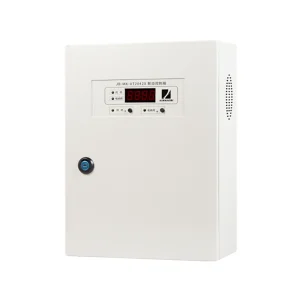
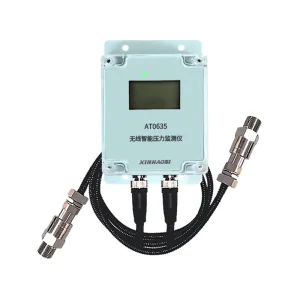
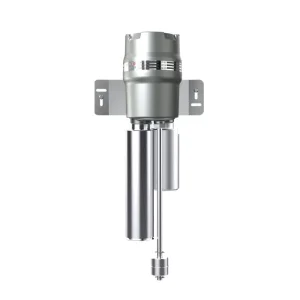
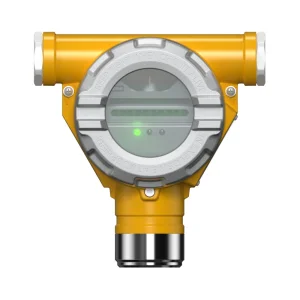
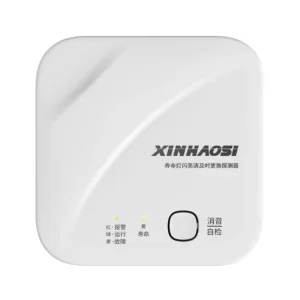
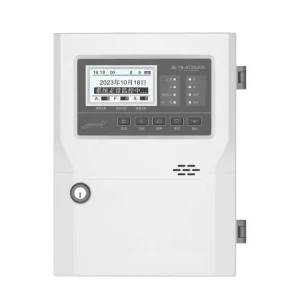
Explore our industrial grade controllers, explosion-proof monitoring systems, and smart wireless field indicators developed under CNAS accredited labs.
A Comprehensive Industry Guide for EHS Officers, Procurement Executives, and Engineering Integrators.
Volatile Organic Compounds (VOCs), including toxic chemicals such as benzene, toluene, xylene, and formaldehyde, evaporate rapidly at typical ambient pressures. In chemical production lines, pharmaceutical labs, paint booths, and automotive manufacturing plants, these gases present dual risks: short-term occupational toxicity and chronic long-term damage, alongside high flammability. Standard catalytic bead sensors cannot measure the trace concentrations that present dangerous health hazards to personnel.
For instance, while benzene behaves as an explosive hazard at concentrations above 1.2% by volume (12,000 ppm), the occupational safety limit for human exposure is typically under 1 ppm. Purchasing officers must seek high-precision VOC detectors featuring highly stable PID or non-dispersive infrared (NDIR) technology. This selection ensures early alerts are triggered long before explosive concentrations develop, preventing safety accidents and avoiding severe regulatory non-compliance penalties.
Industrial sourcing of gas monitoring technology is shifting from localized transactional purchases to globally integrated partnerships. When evaluating a Volatile Organic Compounds Detector Supplier, modern EHS managers prioritize a manufacturer's capacity to offer:

Founded in 2003, Xinhaosi is one of the most influential and trusted brands in the global gas safety industry. Over the past two decades, we have steadily built a robust and comprehensive production and service system, which integrates cutting-edge R&D, intelligent manufacturing with advanced automation equipment, digital marketing across global channels, professional after-sales support with an experienced technician team, flexible OEM/ODM services, as well as CNAS-Accredited laboratory calibration services that meet international standards.
Our diversified product portfolio covers industrial & residential gas detection & alarm systems, industrial & household gas solenoid valves, and urban gas pipeline network monitoring systems—all engineered to adapt to complex working environments and strict safety requirements. We produce and sell tens of millions of units annually, catering to a wide range of industries that demand reliable gas detection solutions, including oil & gas exploration and production, petrochemicals, urban gas distribution, automotive manufacturing, pharmaceuticals, new energy, steel production, and beverage processing.

Guided by our core mission of "Making Gas Safety Accessible Everywhere," we consistently deliver high-performance, reliable products and customized solutions tailored to each client's unique needs. Every item we manufacture undergoes rigorous quality control tests, and every service we provide is backed by our professional technical team. This dedication ensures safety in industrial workplaces and residential environments alike.
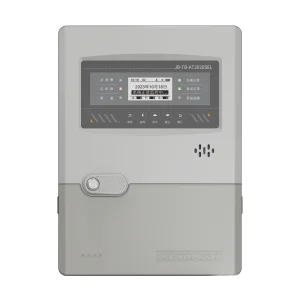
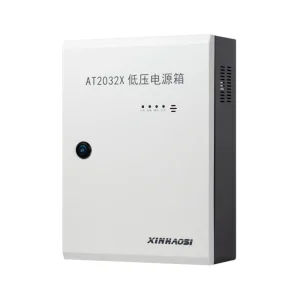
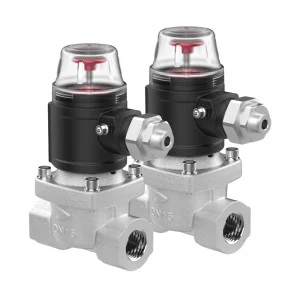
With dual production footprints in Chengdu and Deyang, Xinhaosi operates advanced surface mount technology (SMT) assembly lines, environmental test chambers, and precision gas mixing/calibration stations. This manufacturing foundation allows us to scale production while maintaining tight tolerances required for safety critical components like the JB-TB-AT2020SEL controllers and the XF3III solenoid valves.
Deploying standalone detectors is rarely sufficient in safety engineering. Enterprise-grade projects call for fully integrated macro systems. Key application environments require tailored gas monitoring setups:
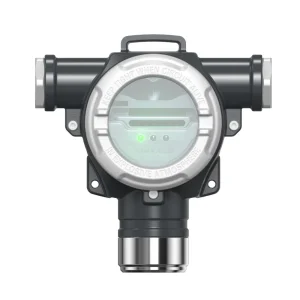
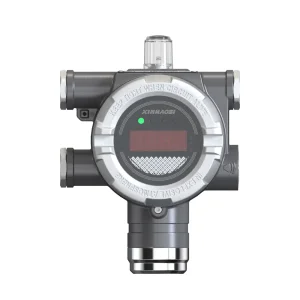
Refineries operate under intense pressures and thermal stresses. A localized VOC leak can escalate rapidly. In these environments, fixed explosion-proof detectors (e.g., GTYQ-AT0503 and GTYQ-AT0602A series) are positioned near valves, flanges, pumps, and storage tanks. These detectors send data directly to central controllers (like the JB-TB-AT2020S), which coordinate safety interlocks, sirens, and automatic shut-off valves.
Confined spaces beneath the earth trap heavy organic compounds and combustible gases. Devices like the GT-AT0617 Series and the AT0605 Series Underground Shaft Combustible Gas Monitors are engineered for these conditions, featuring durable enclosures that resist moisture, impact, and dust ingress.
Carbon monoxide and volatile emissions from internal combustion vehicles present health risks in enclosed garages. Dedicated monitors, such as the AT2004BIV-CO Carbon Monoxide Gas Detector, integrate directly into ventilation systems (HVAC) via smart relay interfaces. This connection triggers intake fans only when necessary, saving energy while maintaining air safety.
The future of gas safety rests on the convergence of advanced sensor chemistry, IoT telemetry, and predictive algorithms. The technical roadmap developed by the Xinhaosi R&D team highlights these advancements:
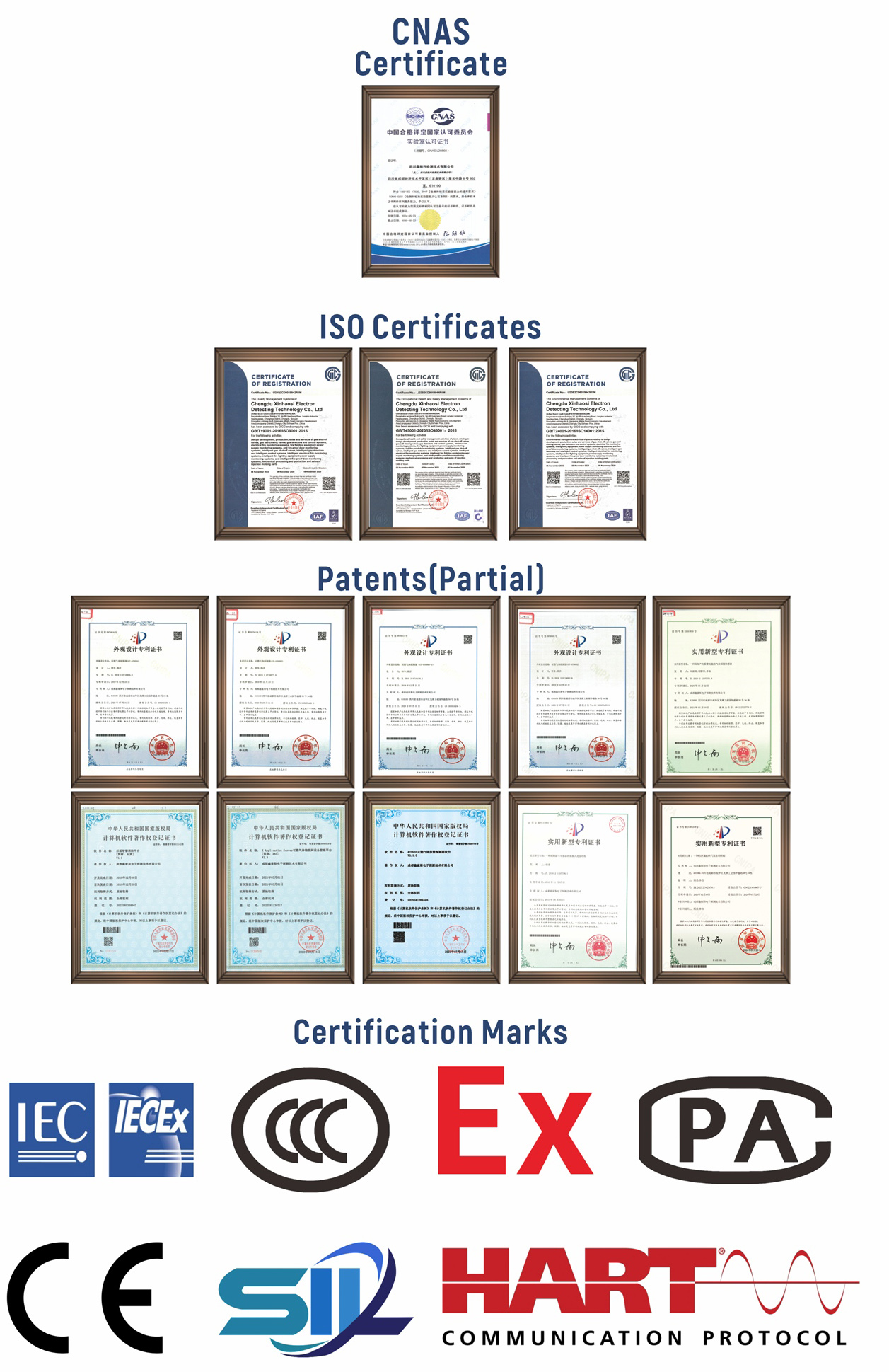
Adhering to ISO9001 quality management system standards, Xinhaosi's core products have obtained a full range of authoritative certifications, including national compulsory Products Certification, explosion-proof certification, fire product certification, CPA measurement instrument type approval certificate, and international approvals such as CE and SIL. Additionally, Xinhaosi holds honors such as "National Quality Integrity Benchmark Enterprise", "National Quality Leading Enterprise in the Gas Alarm Industry," member of the China Fire Protection Association, and the main drafting organization for the national standard of solenoid valves, further confirming its industry influence and reputation.
In the field of intellectual property, Xinhaosi has built a robust innovation system with over 50 patents and software copyrights. These patents cover core technological areas, including a graphical monitoring system for gas detection and alarm, which enables predictive maintenance based on historical data to reduce equipment failure rates by over 30%, and a solenoid valve with flow monitoring functionality that integrates flow detection and alarm capabilities. The company also pioneered China's first networked bus-type gas leakage monitoring system and the only maximum-point gas leakage monitoring system certified by the Ministry of Public Security, demonstrating its leading position in cutting-edge technological research.
Our in-house laboratory is accredited by the China National Accreditation Service for Conformity Assessment (CNAS), recognized both domestically and internationally under the ILAC-MRA framework. It operates in accordance with ISO/IEC 17025, the international standard for testing and calibration laboratories. It provides reliable and traceable testing services for gas detection and alarm products, solenoid valves, and related safety equipment. Test reports issued by the CNAS-accredited laboratory are widely accepted by regulatory authorities, certification bodies, and customers in China and overseas, helping to ensure product quality, safety compliance, and market access.
A history showing our progression from a local manufacturer to a globally trusted developer of gas detection systems and safety valves.
● Established on April 17th, 2003.
● Launched the 1st generation of gas leak alarms and fire fighting products.
● Started gas safety valve production.
● Expanded the global OEM business.
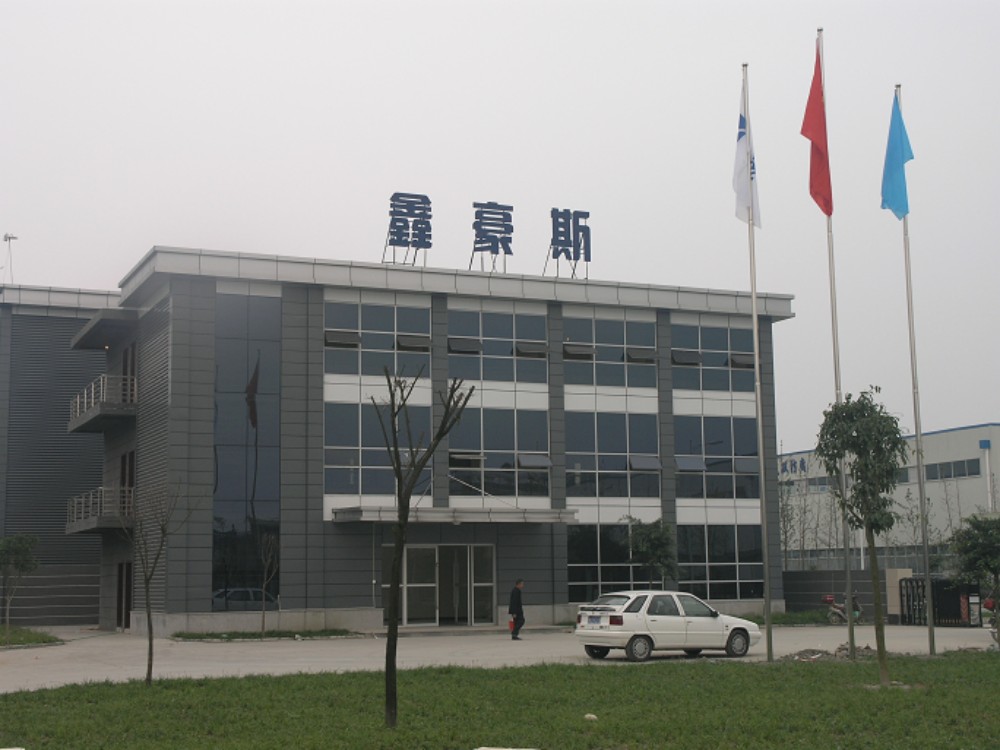
● Moved to the new office building in Longtan Industrial Park.

● Achieved milestone of 10 million pieces of gas detector sales.
● Relocated into the Chengdu factory building.
● Completed the national sales & service network.
● Launched fire power monitoring systems.
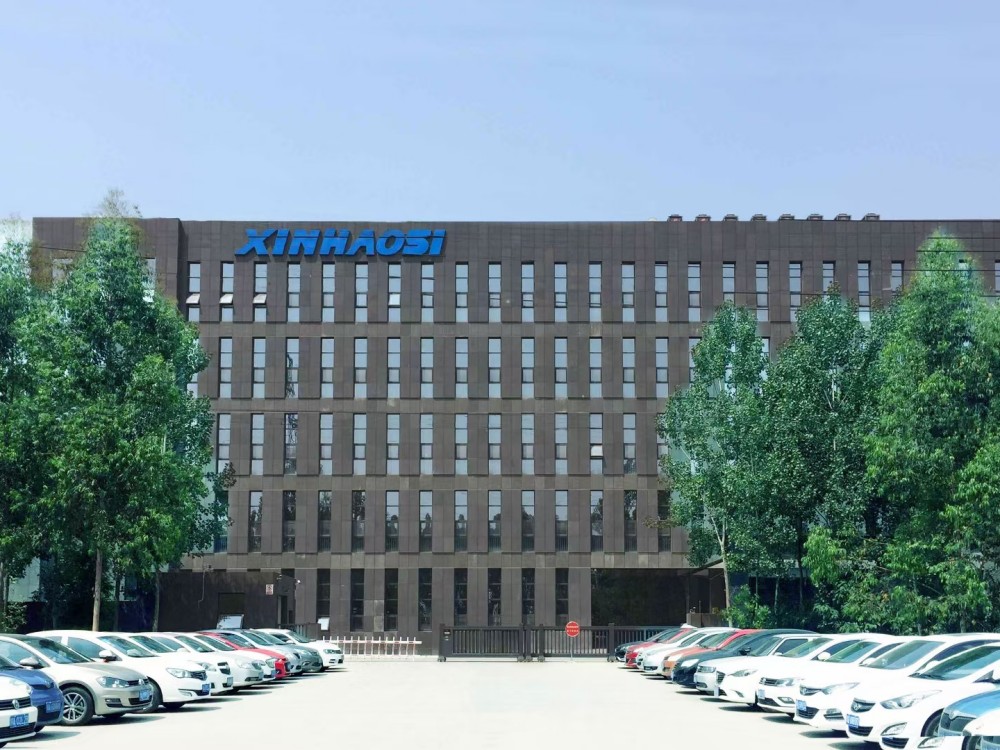
● Self-developed IoT platform launched.
● Launched automatic fire alarms, emergency lighting, and evacuation systems.
● Obtained the High-Tech Enterprise Certificate.
● Qualified as an official supplier to China's top 5 gas suppliers.
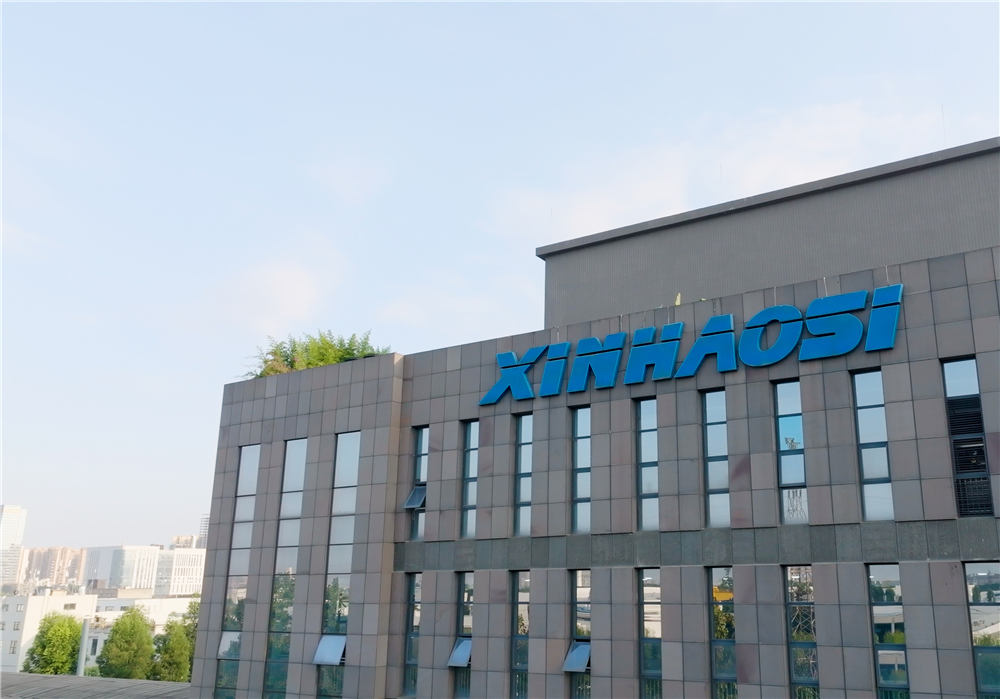
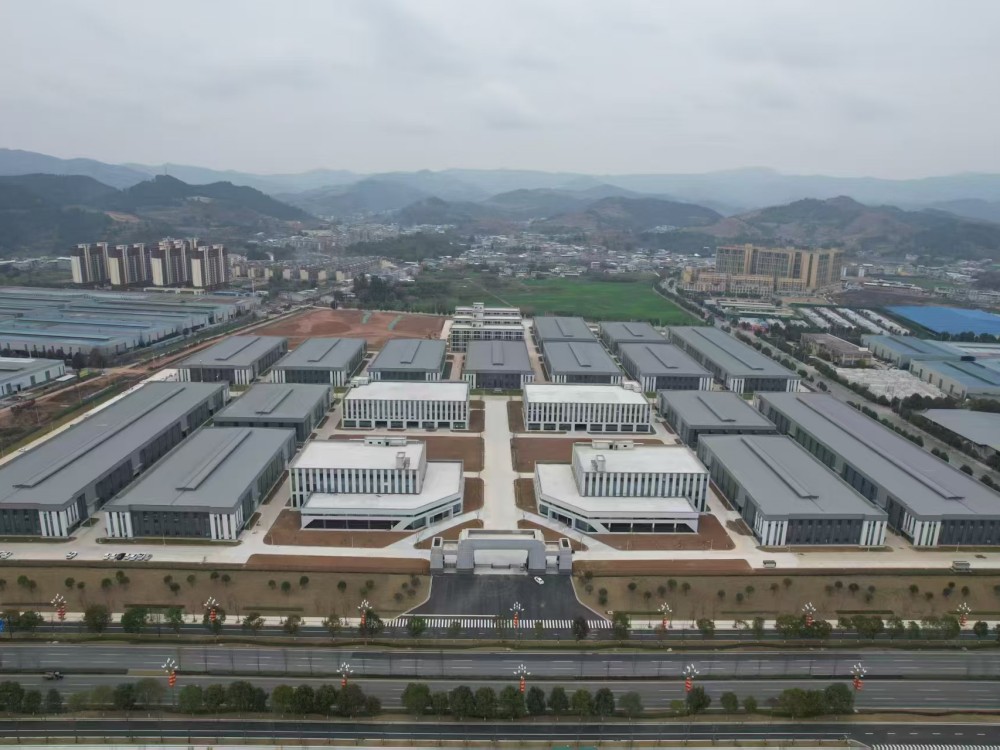
● Started construction of the Deyang manufacturing factory.
● Established the specialized Petrochemical & International Business Division.
● Awarded the title of Sichuan Provincial Technology Center.
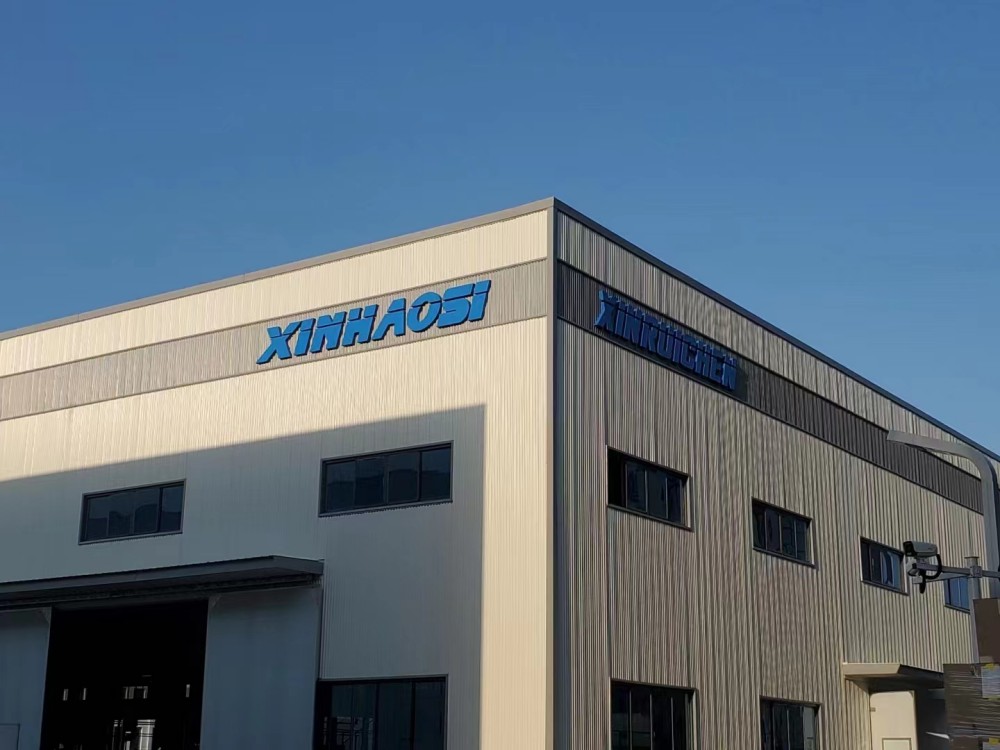
● Deyang factory construction completed and operations started.
● Launched urban gas pipeline network monitoring systems.
● Launched wireless detection products.
● Introduced AI-integrated safety valve lines.
Insights from our senior engineering team to help you navigate technical requirements and specifications.
Photoionization Detectors (PID) utilize ultraviolet light to ionize gas molecules, making them ideal for broad-spectrum VOC detection (such as benzene, toluene, and chlorinated hydrocarbons) at ppm or ppb levels. Electrochemical sensors are highly selective and target specific gases (like CO or H2S) through chemical reactions, but they do not detect broad VOC groups.
Moisture can absorb UV light or cause current leakage in PID sensors, resulting in false readings. Xinhaosi's premium detectors incorporate hydrophobic membranes and heated sensor housings to reduce condensation, maintaining stable performance in environments with up to 95% relative humidity.
Safety Integrity Level 2 (SIL-2) guarantees that a system's probability of failure on demand is extremely low. For industrial facilities, using SIL-2 certified devices like our controllers ensures compliance with functional safety standards (IEC 61508) and reduces risk profiles.
Our calibration facility is CNAS-accredited and participates in the ILAC-MRA framework, making our calibration certificates valid in most countries. We also provide test kits and gas cylinders so your local technicians can perform routine calibrations on-site.
Integrate emergency shut-off systems, smart pressure interfaces, and local controllers for complete plant coverage.