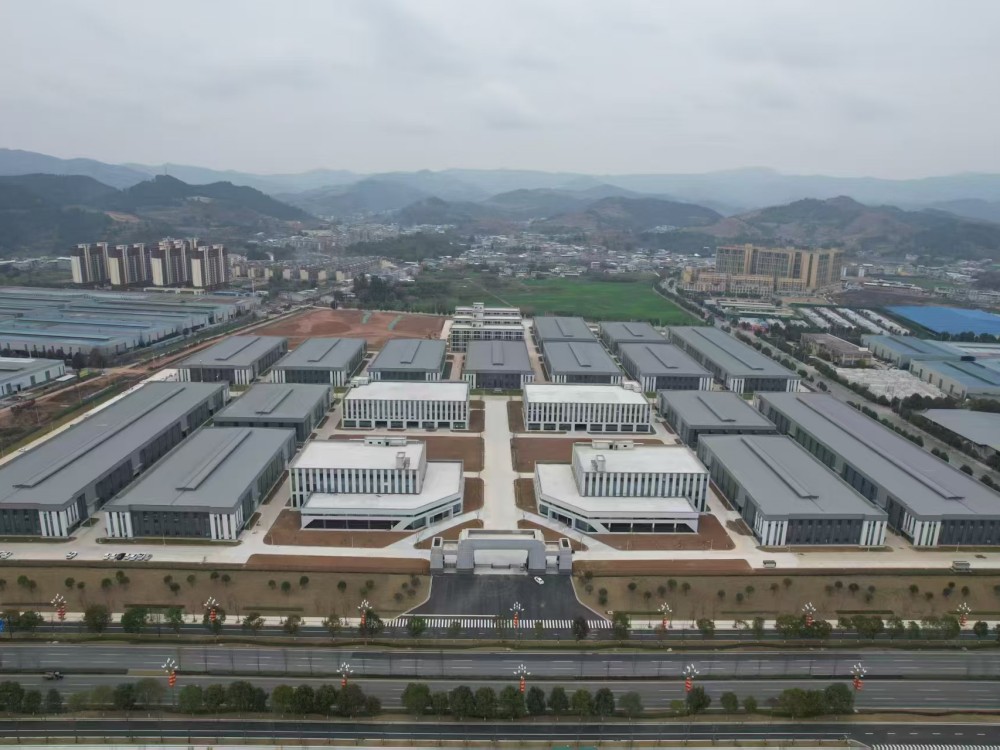
Direct from our state-of-the-art manufacturing facilities: Certified industrial and residential systems designed for absolute precision.
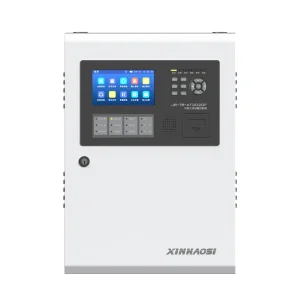
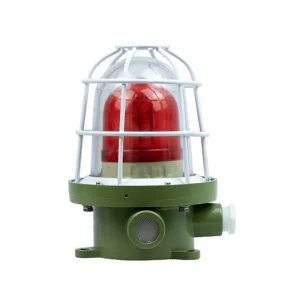
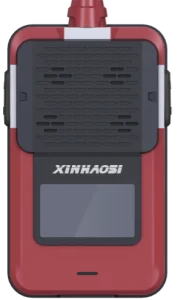
Carbon Monoxide (CO) represents one of the most persistent, silent occupational and domestic hazards in the modern built environment.
Unlike combustible gases which carry distinct aromas or immediate ignition characteristics, Carbon Monoxide is completely colorless, odorless, and tasteless. It acts as a cellular asphyxiant, binding to hemoglobin with an affinity 200 times greater than oxygen, forming carboxyhemoglobin (COHb). This chemical mechanism makes the rapid detection of sub-clinical CO concentrations a matter of critical life safety in both residential housing and heavy chemical production plants.
As globally recommended Carbon Monoxide detector manufacturers, our role extends beyond assembly; it encompasses the fundamental physics of gas diffusion and sensor longevity. Modern electrochemical CO sensors operate via catalytic oxidation, generating an electrical current directly proportional to the volumetric parts-per-million (PPM) concentration. Ensuring the stability, repeatability, and cross-sensitivity mitigation of these sensors requires advanced calibration methodologies and micro-environmental compensation algorithms, which form the core of our technical research.
Why procurement leaders choose China-based precision manufacturing for life-safety detection devices.
The manufacturing landscape for Carbon Monoxide detection devices requires a precise balance of micro-electronics, chemical engineering, and structural robustness. Chinese factories—particularly in industrial hubs such as Sichuan—have evolved from simple assembly houses into integrated hubs of vertical component control. This consolidation of the supply chain offers specific structural advantages for global buyers:
Our production facilities utilize automated surface-mount technology (SMT) lines to populate PCB boards with zero human error. Sensor integration and automated calibration arrays ensure that every electrochemical cell is exposed to standardized calibration gases under strict temperature controls, eliminating batch-to-batch sensitivity variance.
Precision calibration chambers simulate real-world environmental shifts (humidity spikes, rapid temperature changes, chemical background noise) to check for sensor drift. Our CNAS-accredited calibration ensures compliant operation according to EN 50291 and UL 2034 protocols before products leave the factory floor.
By sourcing raw materials, plastics, wiring harnesses, and custom microcontrollers from localized supply structures, we bypass geographic supply bottlenecks. This enables rapid lead times for high-volume orders without exposing overseas buyers to localized logistics disruption.
Technological trends guiding global procurement and regulatory safety architectures.
The international carbon monoxide safety segment is experiencing a critical evolution driven by the rise of smart grids and decentralized safety automation.
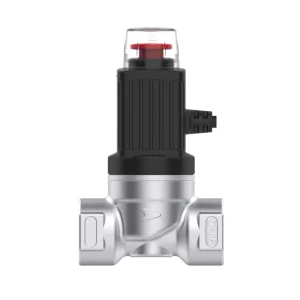
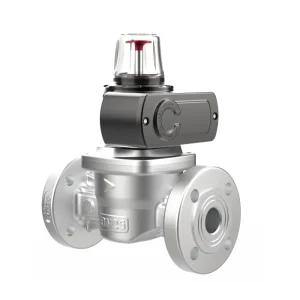
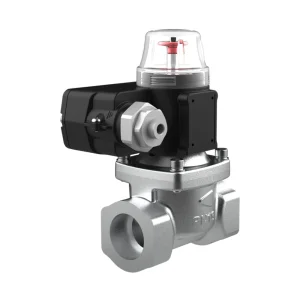
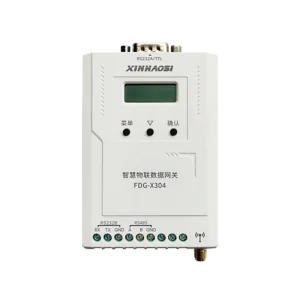
Traditionally, a CO alarm operated as an isolated, audible alert system. However, modern building designs and industrial workspaces necessitate integrated telemetry networks. The trend is moving rapidly toward wireless smart networks, where multi-sensor configurations (detecting CO, methane, and hydrogen simultaneously) communicate via protocols like Modbus, LoRaWAN, and Zigbee. Furthermore, integration with automated emergency shutdown mechanisms—such as our proprietary gas solenoid safety valves—allows systems to take active, physical mitigation steps instantly upon hazard detection.
Additionally, the global push toward the hydrogen economy introduces new challenges. Electrochemical CO sensors must be engineered to resist hydrogen cross-sensitivity to prevent false positive alarms in settings utilizing mixed fuels. Our R&D division is dedicated to refining sensor membranes and catalytic configurations to isolate target carbon monoxide molecules even in complex, hydrogen-rich chemical environments.

Tailored configurations designed to mitigate hazards across various operational settings.
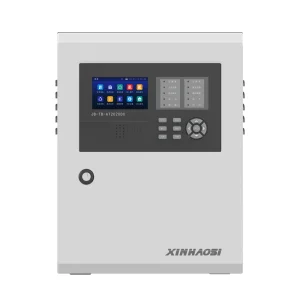
Incomplete combustion in large commercial heating operations is the primary cause of sudden CO accumulation. We deploy high-durability fixed gas monitoring systems paired with automatic solenoid safety valves to guarantee automatic system shutdowns during critical alerts.
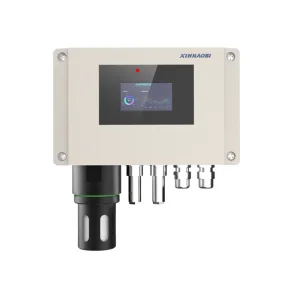
Vehicle exhaust generation makes underground parking structures vulnerable to toxic carbon monoxide levels. Our solution includes networked bus-type carbon monoxide transmitters that dynamically control ventilation fans to optimize energy usage while ensuring clean air quality.
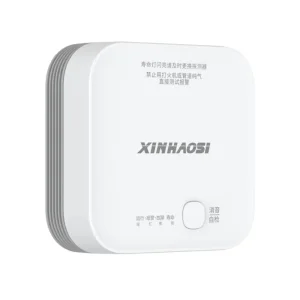
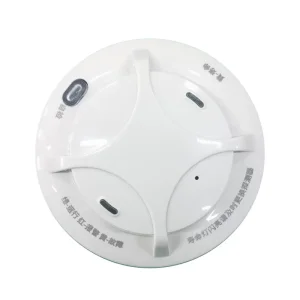
Modern commercial infrastructure demands low-profile, aesthetic residential-grade carbon monoxide alarms with long-life batteries (up to 10 years). These systems link directly with building management software (BMS) for centralized facility monitoring.
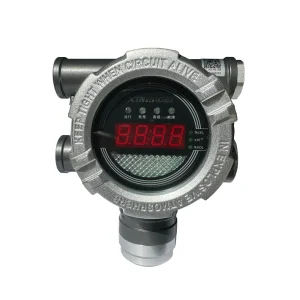
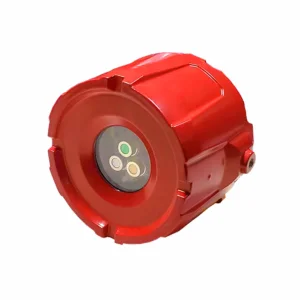
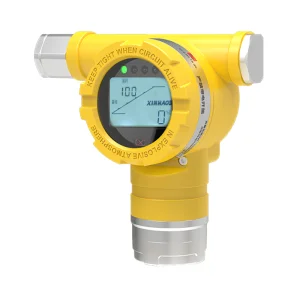
For chemical manufacturing and blast furnace environments, explosion-proof housings (such as Ex d IIC T6 Gb ratings) are required. Our line of portable and fixed explosion-proof gas detectors is built to perform in hazardous, high-vibration settings.
A trusted brand built on innovation, regulatory compliance, and life-safety integrity.
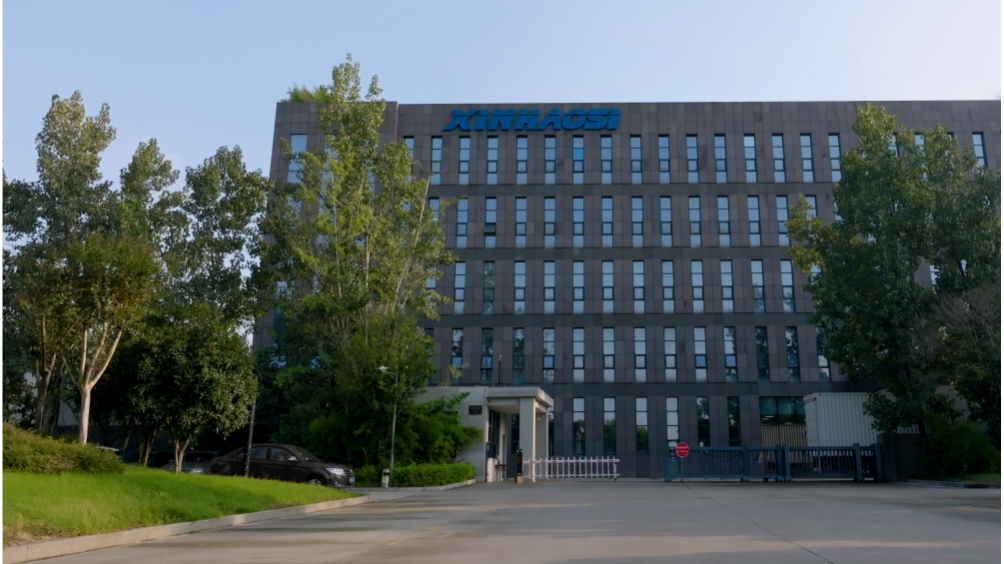
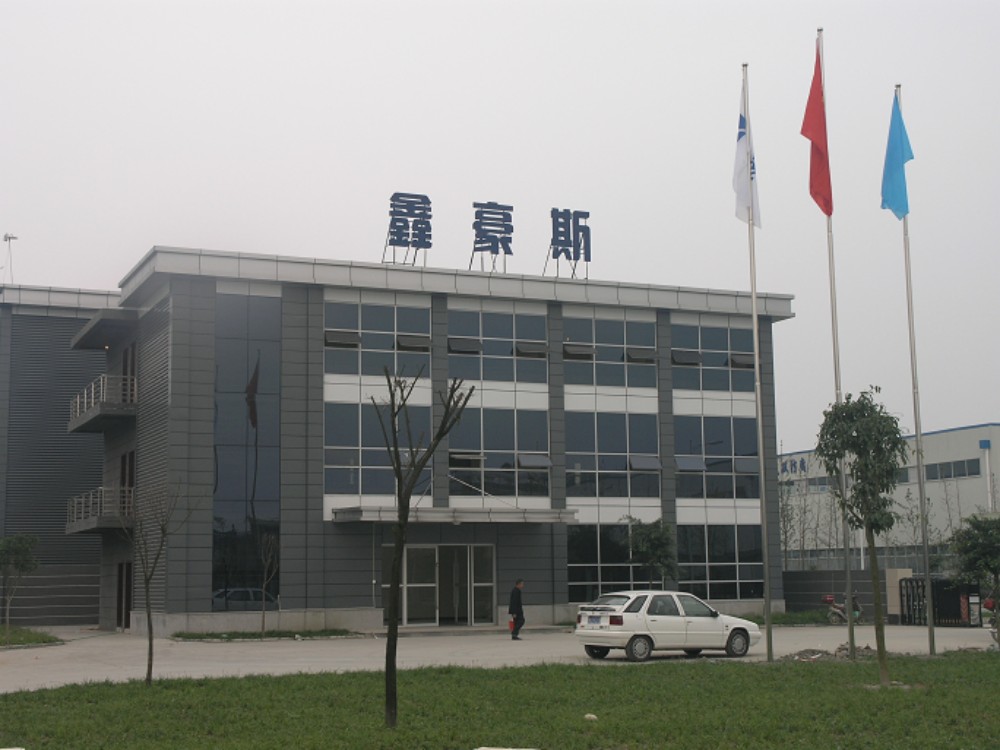
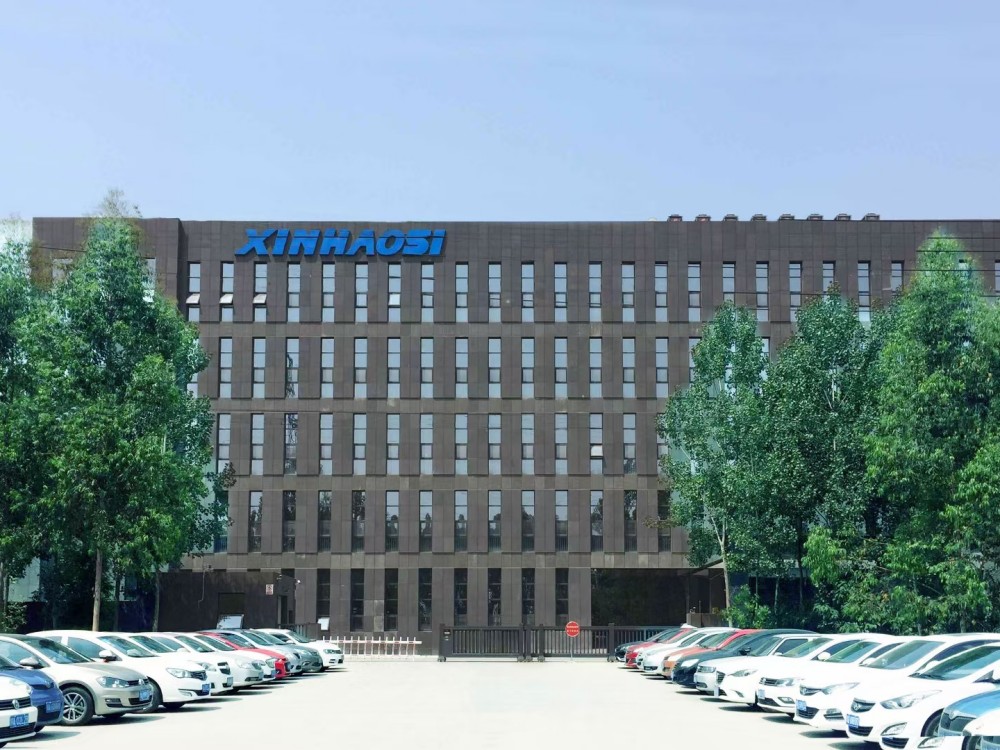
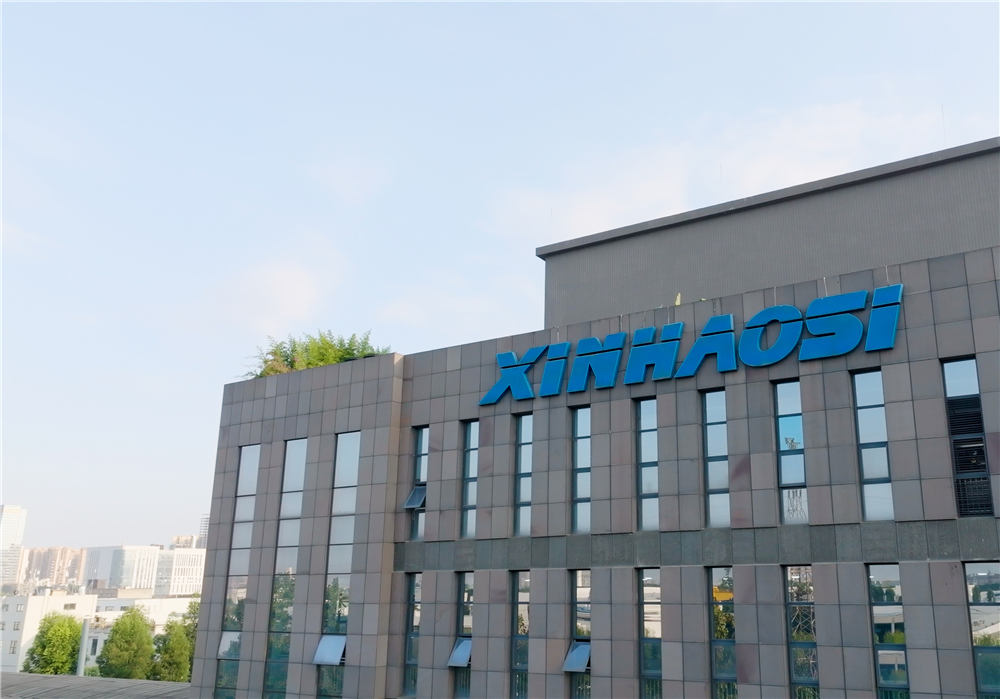
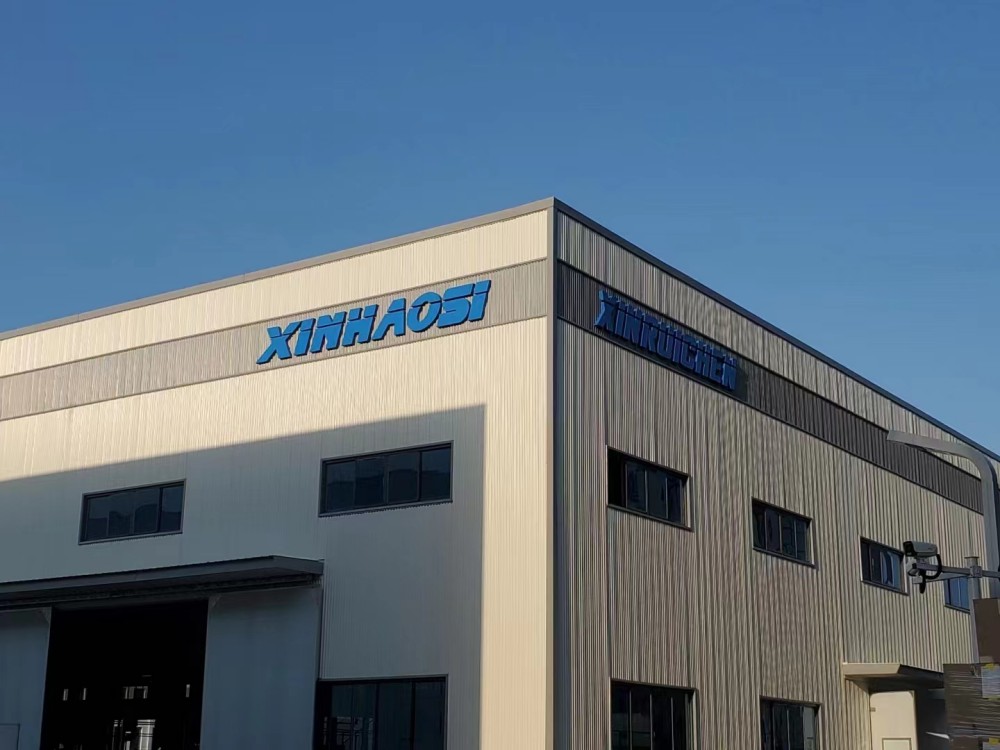
Founded in 2003, Xinhaosi is one of the most influential and trusted brands in the global gas safety industry. Over the past two decades, we have steadily built a robust and comprehensive production and service system, which integrates cutting-edge R&D, intelligent manufacturing with advanced automation equipment, digital marketing across global channels, professional after-sales support with an experienced technician team, flexible OEM/ODM services, as well as CNAS-Accredited laboratory calibration services that meet international standards.
Our diversified product portfolio covers industrial & residential gas detection & alarm systems, industrial & household gas solenoid valves, and urban gas pipeline network monitoring systems—all engineered to adapt to complex working environments and strict safety requirements. We produce and sell tens of millions of units annually, catering to a wide range of industries that demand reliable gas detection solutions, including oil & gas exploration and production, petrochemicals, urban gas distribution, automotive manufacturing, pharmaceuticals, new energy, steel production, and beverage processing.
Guided by the core mission of “Making Gas Safety Accessible Everywhere,” we consistently deliver high-performance, reliable products and customized solutions tailored to each client’s unique needs. Every item we manufacture undergoes rigorous quality control tests, and every service we provide is backed by our professional technical team, fully embodying our unwavering commitment to safeguarding gas safety across both industrial workplaces and residential environments, and striving to build a safer world with sustainable gas safety technologies.
Adhering to ISO9001 quality management system standards, Xinhaosi's core products have obtained a full range of authoritative certifications, including national compulsory Products Certification, explosion-proof certification, fire product certification, CPA measurement instrument type approval certificate, and international approvals as CE, SIL. Additionally, Xinhaosi holds honors such as "National Quality Integrity Benchmark Enterprise" , "National Quality Leading Enterprise in the Gas Alarm Industry," member of the China Fire Protection Association, and the main drafting organization for the national standard of solenoid valves, further confirming its industry influence and reputation.
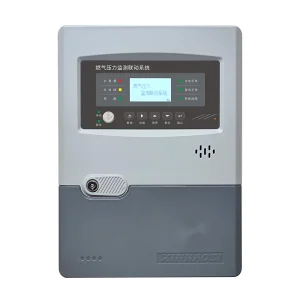
In the field of intellectual property, Xinhaosi has built a robust innovation system with over 50 patents and software copyrights . These patents cover core technological areas, including a graphical monitoring system for gas detection and alarm, which enables predictive maintenance based on historical data to reduce equipment failure rates by over 30%, and a solenoid valve with flow monitoring functionality that integrates flow detection and alarm capabilities . The company also pioneered China's first networked bus-type gas leakage monitoring system and the only maximum-point gas leakage monitoring system certified by the Ministry of Public Security, demonstrating its leading position in cutting-edge technological research.
Our in-house laboratory is accredited by the China National Accreditation Service for Conformity Assessment (CNAS), recognized both domestically and internationally under the ILAC-MRA framework. It operates in accordance with ISO/IEC 17025, the international standard for testing and calibration laboratories. It provides reliable and traceable testing services for gas detection and alarm products, solenoid valves, and related safety equipment. Test reports issued by the CNAS-accredited laboratory are widely accepted by regulatory authorities, certification bodies, and customers in China and overseas, helping to ensure product quality, safety compliance, and market access.
Trace our history of engineering reliable gas safety solutions.

Aligning manufacturing capabilities with the rigorous safety standards of international buyers.
Global B2B procurement professionals require more than standard specifications; they require structural compliance, liability mitigation, and transparent engineering processes.
When sourcing carbon monoxide and combustible gas safety hardware, international distributors, system integrators, and OEM buyers must prioritize specific operational protocols:
Products must meet region-specific codes: EN 50291 (Europe), UL 2034 (North America), CE marking, and SIL-2 ratings for safety-critical loops in industrial processing plants.
Custom enclosures, proprietary Modbus registers, specific alarm thresholds, and white-label aesthetic changes must be accommodated at scale, with low tooling costs and clear timelines.
Procurement teams need documented calibration logs for every unit. Our CNAS lab processes provide traceable QA records linked to each product serial number, simplifying field audits.
Expert insights on regulatory frameworks, sensor life, and calibration standards.
Electrochemical carbon monoxide sensors typically offer an operational life of 5 to 10 years, depending on the environment. Exposure to high temperatures, low humidity, and silicon-based chemical compounds can accelerate sensor wear. Our designs include integrated self-diagnostics that monitor sensor health and signal when a replacement is required.
While both standards define the parameters for residential CO alarms, they differ in response times. UL 2034 (North America) mandates that alarms do not sound at low levels (such as 30 ppm) for up to 30 days to reduce nuisance alarms, whereas EN 50291 (Europe) permits detection thresholds at lower levels and includes requirements for recreational vehicles (RVs) and marine vessels.
CNAS (China National Accreditation Service) accreditation operates under the ILAC-MRA framework, making test results recognized internationally. For global procurement, this ensures that the testing data, calibration parameters, and safety margins verified in our factories align with standards required by European and American certification bodies.
Our solenoid valves (normally open configuration) connect to the detector’s relay output. When the CO concentration exceeds safe limits, the detector sends a millisecond electrical pulse to the valve, triggering closure and shutting down gas lines immediately to halt fuel combustion at the source.
Explore additional solutions for industrial safety and pipeline management.