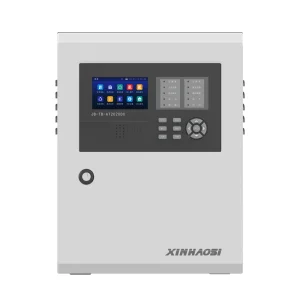
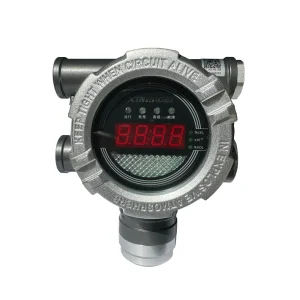
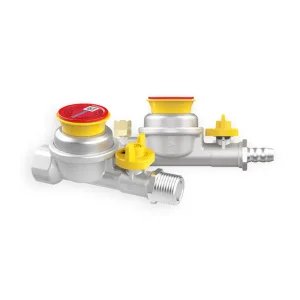
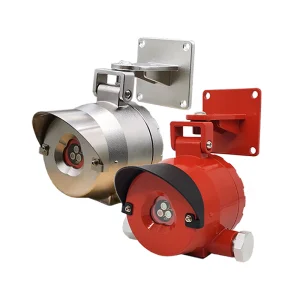
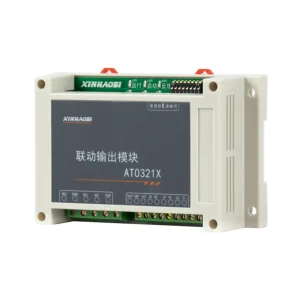
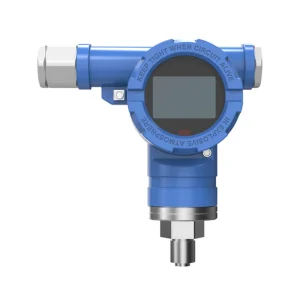
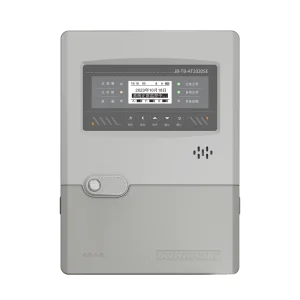
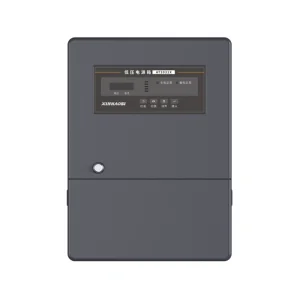
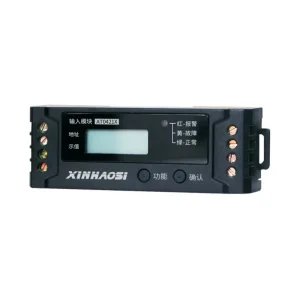
Explore our premium-engineered selection of gas safety controllers, explosion-proof transmitters, shut-off valves, and specialized components. Engineered to provide complete compliance, rapid responses, and uncompromised site safety under severe conditions.
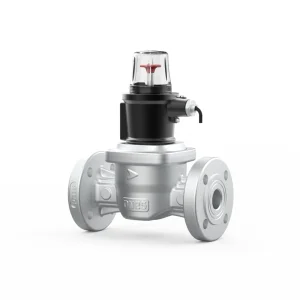
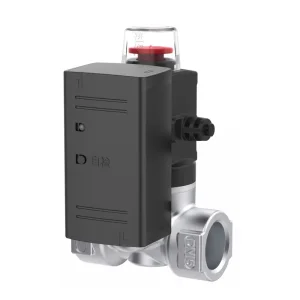
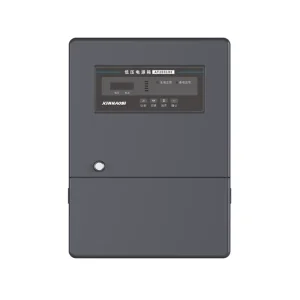
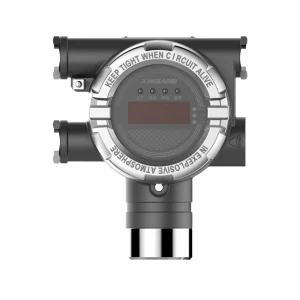
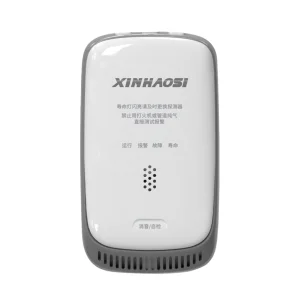
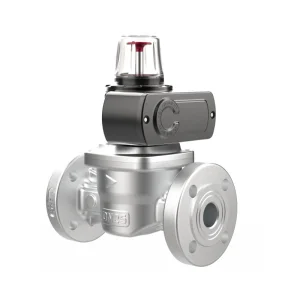
Ammonia (NH3) is widely recognized as a highly efficient refrigerant, chemical precursor, and nitrogen resource globally. However, its volatile nature poses critical challenges. Ammonia gas is highly toxic to humans even at low concentrations and is flammable at concentrations between 15% to 28% by volume in the air. Accurate real-time NH3 gas detection is not just a regulatory compliance matter, but a life-safety requirement for modern industrial facilities.
As a leading brand in gas safety technologies, Xinhaosi delivers advanced detection architectures optimized for severe industrial environments. Equipped with high-performance electrochemical and semiconductor sensors, our systems provide continuous PPM-level monitoring, rapid response times, and deep system reliability. This white paper highlights our manufacturing capability, localized application protocols, and our vision for intelligent ammonia gas monitoring systems.
OSHA (Occupational Safety and Health Administration) sets an exposure limit of 25 ppm (parts per million) for NH3 over an 8-hour workday. Effective safety architectures require sub-ppm accuracy and fast responses to trigger ventilation and solenoid shut-offs automatically.
NH3 gas behaves differently based on temperature, humidity, and the environment. We engineer custom detection systems tailored to several major applications.
In modern commercial cold storage, ammonia is the primary refrigerant. Leaks in evaporator coils can ruin produce, shut down logistics hubs, and endanger personnel. Xinhaosi detectors feature low-temperature compensation circuitry, ensuring stable monitoring down to -40°C.
Animal waste generates elevated concentrations of NH3 in livestock farming, which impacts animal health and yield. Our detectors utilize specialized filters and hydrophobic membranes to resist dust, high humidity, and corrosive biogas interference.
Ammonia synthesis requires high pressures and temperatures. Our XP4000 series features explosion-proof ratings (Ex d IIC T6 Gb) to withstand aggressive processes. Our devices integrate directly with industrial PLCs and safety shutdown valves.
Two decades of dedicated manufacturing and engineering innovations allow us to deliver unmatched gas safety equipment globally.
Years of Safety Innovation
Patents & Soft Rights
Annual Units Produced
Accredited Lab Services
Founded in 2003, Xinhaosi is one of the most influential and trusted brands in the global gas safety industry. Over the past two decades, we have steadily built a robust and comprehensive production and service system, which integrates cutting-edge R&D, intelligent manufacturing with advanced automation equipment, digital marketing across global channels, professional after-sales support with an experienced technician team, flexible OEM/ODM services, as well as CNAS-Accredited laboratory calibration services that meet international standards.
Our diversified product portfolio covers industrial & residential gas detection & alarm systems, industrial & household gas solenoid valves, and urban gas pipeline network monitoring systems—all engineered to adapt to complex working environments and strict safety requirements. We produce and sell tens of millions of units annually, catering to a wide range of industries that demand reliable gas detection solutions, including oil & gas exploration and production, petrochemicals, urban gas distribution, automotive manufacturing, pharmaceuticals, new energy, steel production, and beverage processing.
Guided by the core mission of “Making Gas Safety Accessible Everywhere,” we consistently deliver high-performance, reliable products and customized solutions tailored to each client’s unique needs. Every item we manufacture undergoes rigorous quality control tests, and every service we provide is backed by our professional technical team, fully embodying our unwavering commitment to safeguarding gas safety across both industrial workplaces and residential environments, and striving to build a safer world with sustainable gas safety technologies.


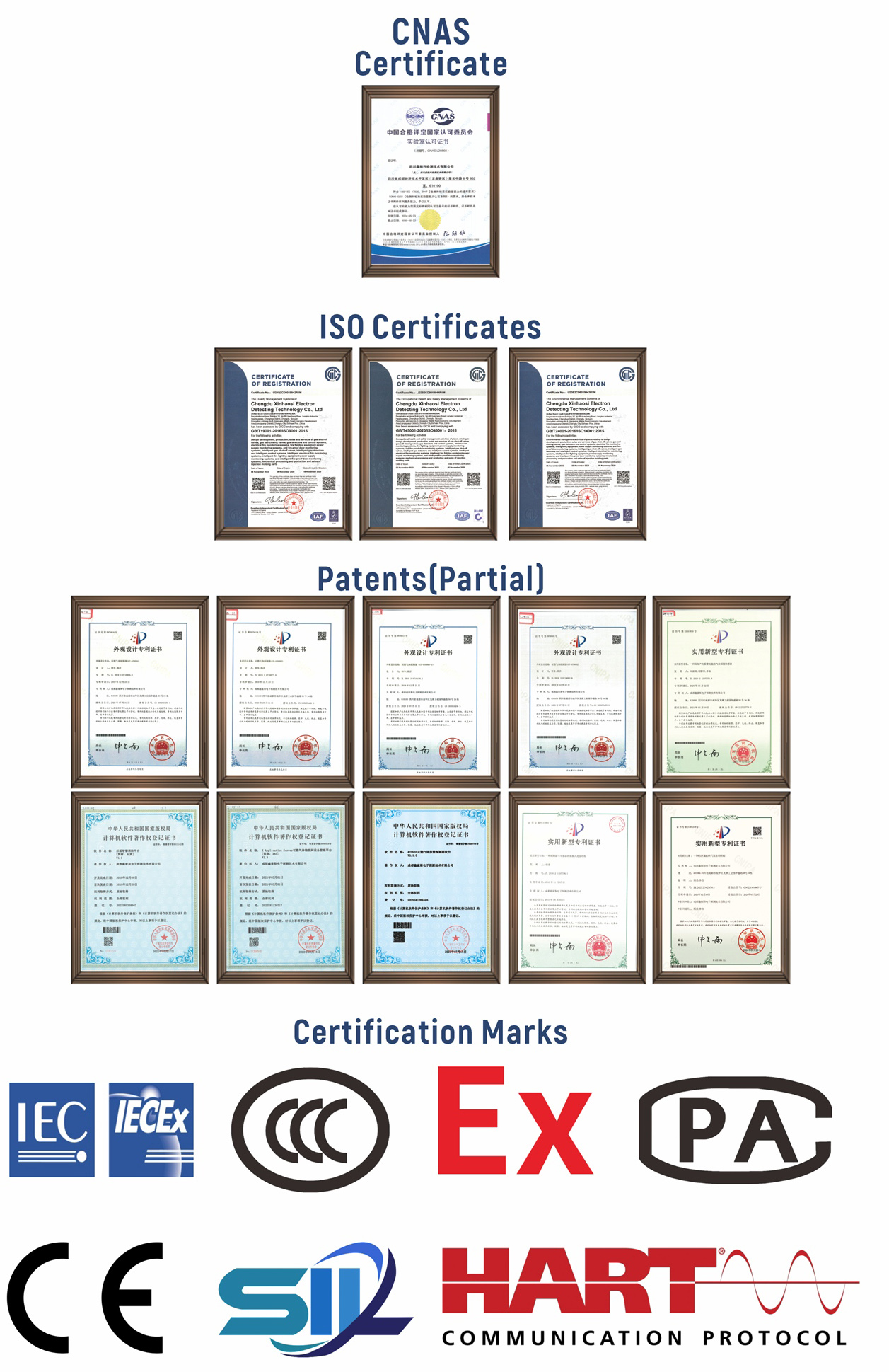
Adhering to ISO9001 quality management system standards, Xinhaosi's core products have obtained a full range of authoritative certifications, including national compulsory Products Certification, explosion-proof certification, fire product certification, CPA measurement instrument type approval certificate, and international approvals such as CE and SIL. Additionally, Xinhaosi holds honors such as "National Quality Integrity Benchmark Enterprise", "National Quality Leading Enterprise in the Gas Alarm Industry," member of the China Fire Protection Association, and the main drafting organization for the national standard of solenoid valves, further confirming its industry influence and reputation.
In the field of intellectual property, Xinhaosi has built a robust innovation system with over 50 patents and software copyrights. These patents cover core technological areas, including a graphical monitoring system for gas detection and alarm, which enables predictive maintenance based on historical data to reduce equipment failure rates by over 30%, and a solenoid valve with flow monitoring functionality that integrates flow detection and alarm capabilities. The company also pioneered China's first networked bus-type gas leakage monitoring system and the only maximum-point gas leakage monitoring system certified by the Ministry of Public Security, demonstrating its leading position in cutting-edge technological research.
Our in-house laboratory is accredited by the China National Accreditation Service for Conformity Assessment (CNAS), recognized both domestically and internationally under the ILAC-MRA framework. It operates in accordance with ISO/IEC 17025, the international standard for testing and calibration laboratories. It provides reliable and traceable testing services for gas detection and alarm products, solenoid valves, and related safety equipment. Test reports issued by the CNAS-accredited laboratory are widely accepted by regulatory authorities, certification bodies, and customers in China and overseas, helping to ensure product quality, safety compliance, and market access.
From a local pioneer to a global provider of smart gas valves and leak protection architectures.
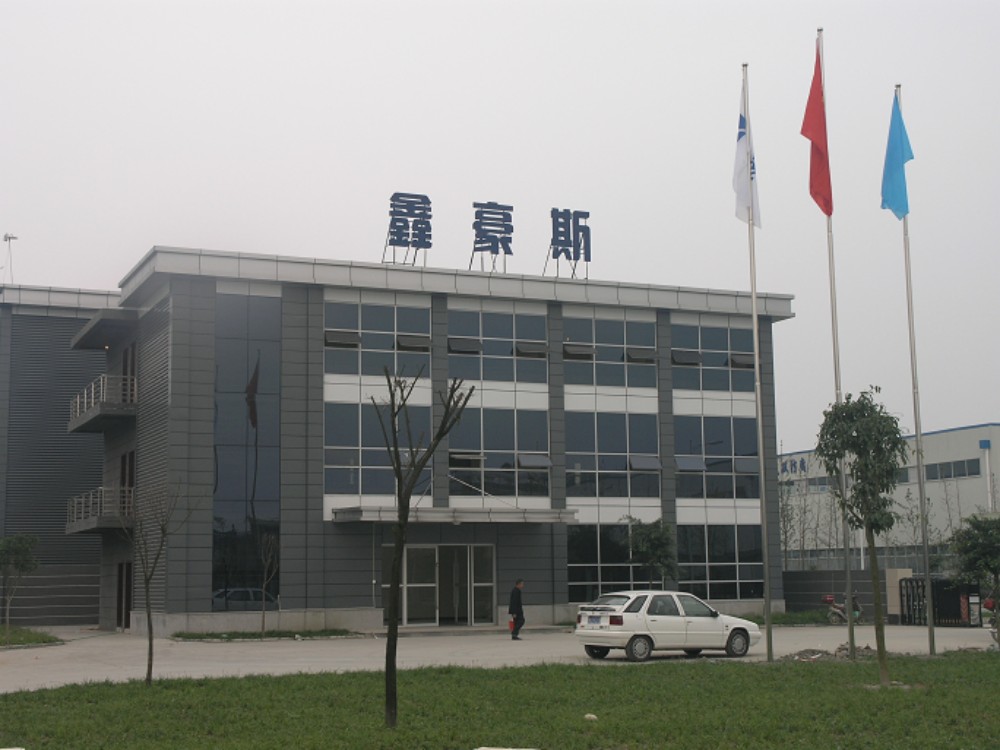

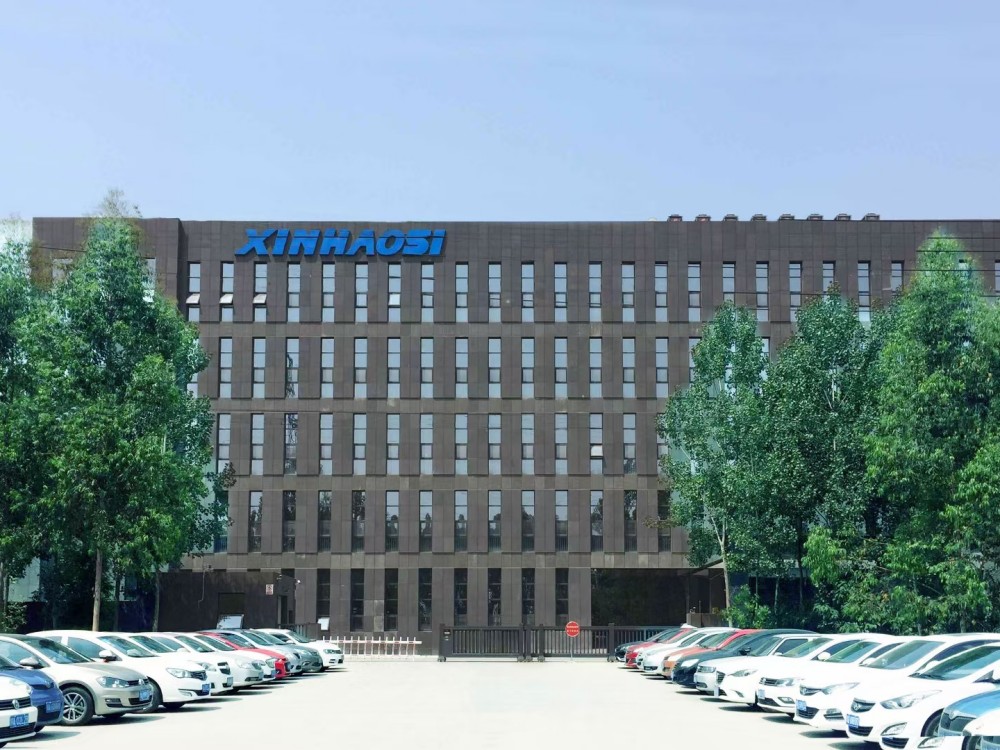
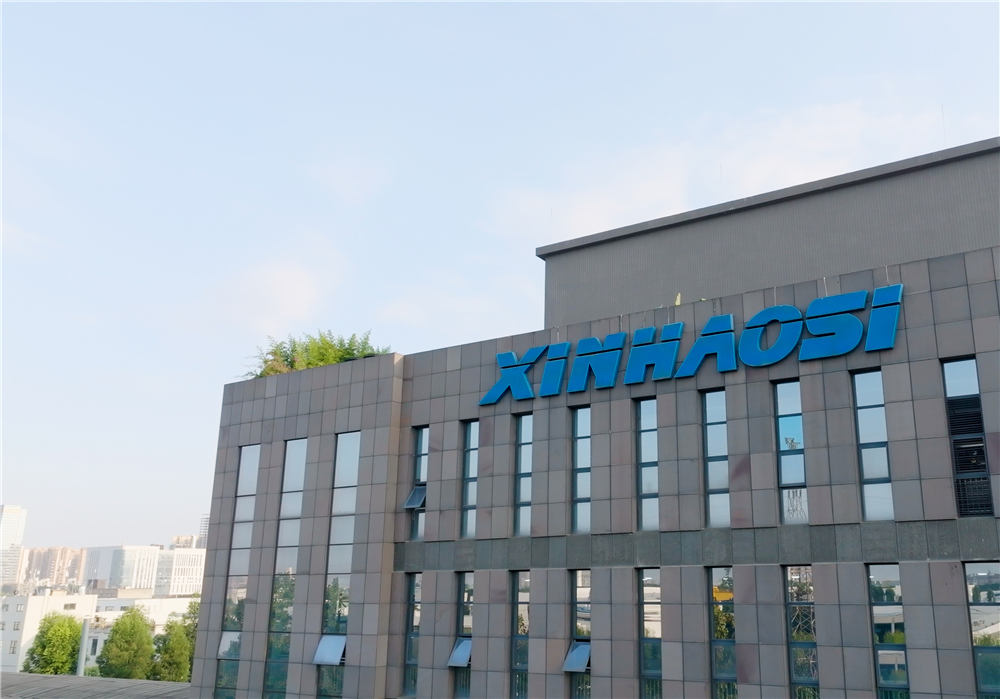
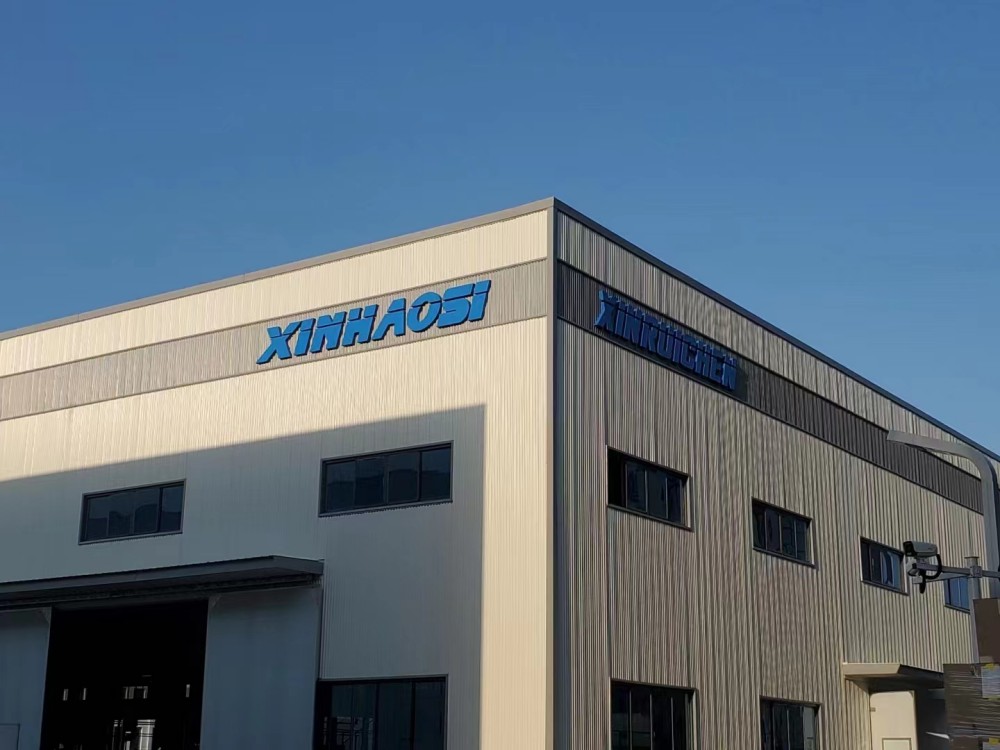
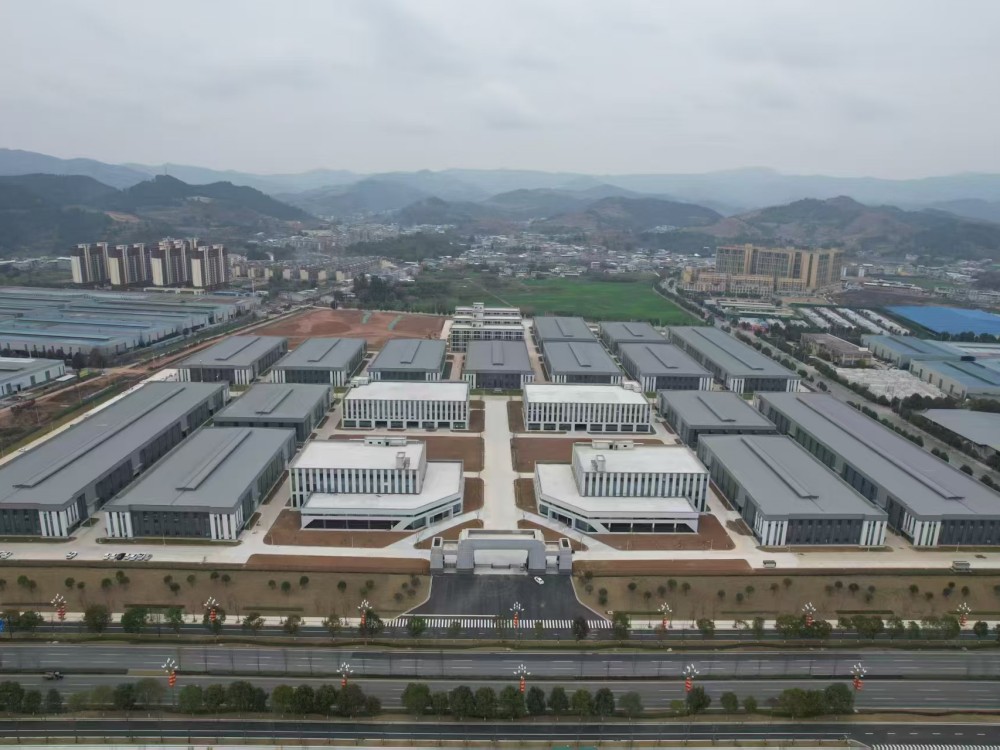
The manufacturing ecosystem of Southwest China, centered around Chengdu and Deyang, provides a unique concentration of talent, raw materials, and high-tech supply chains. Operating two distinct factories allows Xinhaosi to secure vertical manufacturing integration that guarantees resilience and speed for global partners.
By producing both the core gas sensors and peripheral equipment—including industrial solenoid valves and control networks—we eliminate third-party dependencies, reduce delivery bottlenecks, and ensure uniform quality standards.
Our automation-driven lines scale rapidly to meet massive OEM orders without compromising lead times. Standardizing components across our portfolio means we maintain raw inventory to prevent supply disruptions.
Through our CNAS-accredited laboratory, every batch of NH3 gas detectors undergoes traceable environmental chamber testing. Standardized calibration reports simplify custom clearance and system integration.
As industry shifts toward smart monitoring and decarbonization (e.g., green hydrogen storage using ammonia as a carrier), ammonia gas detection demands higher accuracy and lower maintenance. The Xinhaosi roadmap focuses on several technical advances:
Expert insights on common questions regarding industrial NH3 gas detector selection, installation, and operation.
Generally, electrochemical ammonia sensors last 2 to 3 years under typical operating conditions. However, continuous exposure to background levels of NH3 can dry out the electrolyte and reduce sensitivity. Xinhaosi sensors incorporate optimized reservoirs to extend service life.
Chemical reactions inside electrochemical sensors slow down at lower temperatures, leading to false low readings in refrigerated environments. Our detectors utilize microprocessor-based temperature compensation algorithms, which adjust the output signal to ensure accuracy down to -40°C.
Ammonia gas is lighter than air, with a density relative to air of roughly 0.6. As a result, released gas tends to rise toward the ceiling. Detectors should be mounted high up, above the potential leak source or in roof apexes, while remaining accessible for periodic calibration.
Safety Integrity Level (SIL) certification ensures that safety components—such as gas detectors and shut-off valves—operate reliably on demand. Our SIL2-certified instruments reduce common-cause failure rates, making them suitable for hazardous process zones.
Explore the rest of our industrial equipment line. Engineered with advanced component materials, these devices interface seamlessly with modern automation configurations.