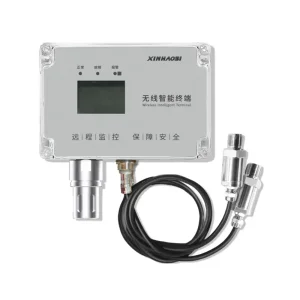
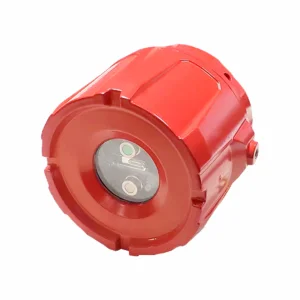
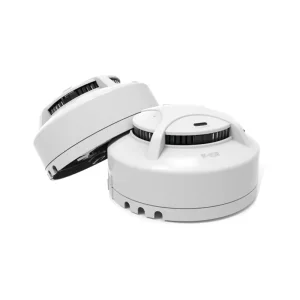
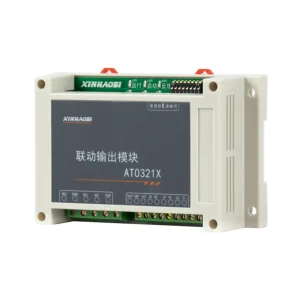
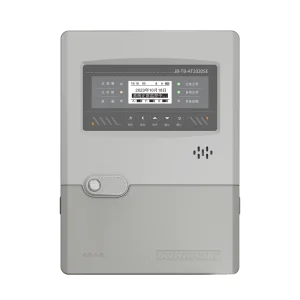
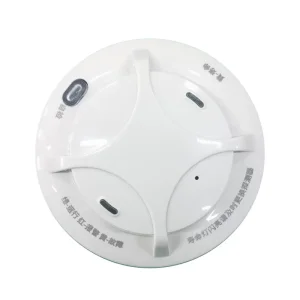
High-precision detection systems engineered for industrial reliability, hazardous zones, and smart networks.
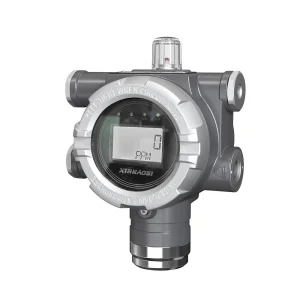
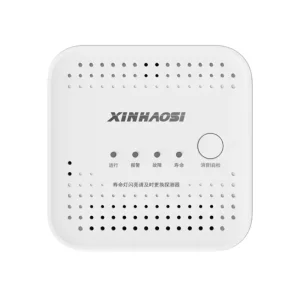

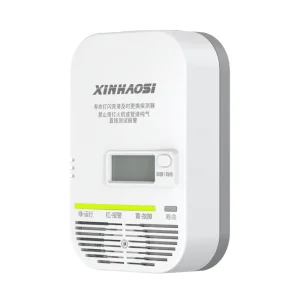
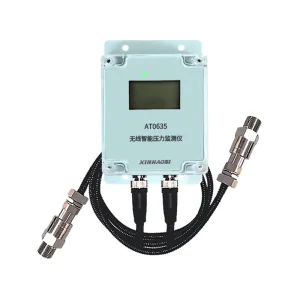
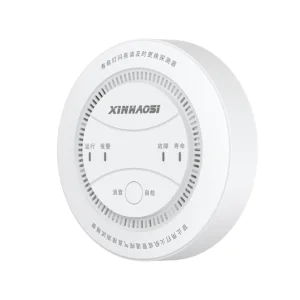
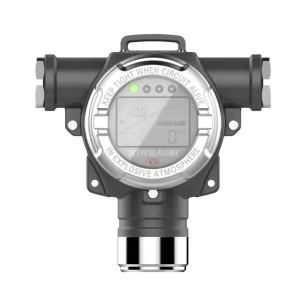
Ammonia ($NH_3$) remains one of the most widely manufactured and cross-industry essential chemicals in modern commerce. Crucial to fertilizers, industrial refrigeration, wastewater management, chemical manufacturing, and emerging clean-energy hydrogen storage, its high toxic profile demands uncompromising vigilance. As global standard frameworks (such as EN 378, OSHA Title 29, and ASHRAE 15) establish stringent safety limits, the demand for exceptionally stable, high-accuracy NH3 Ammonia Sensors has climbed rapidly.
This whitepaper acts as a master procurement manual and technical directory. Written in alignment with professional safety engineering principles, we break down why Xinhaosi's structural core, CNAS calibration facility, and digital smart technologies deliver the safety security international organizations require.
In B2B gas detection networks, choosing the ideal sensing element is critical to performance. We optimize systems across the three most dominant technologies, adapting directly to our clients' precise environmental constraints:
Operating through a reduction-oxidation (redox) process, electrochemical cells measure the electric current generated when target NH3 gas diffuses through a gas-permeable membrane. These sensors feature high sensitivity, excellent linearity, and rapid response times (T90 < 30s). To counter dry-out issues in low-humidity environments, we utilize premium organic electrolyte designs and solid-polymer electrolytes that prevent internal moisture loss, extending sensor service life up to 3 to 5 years.
MOS sensors measure changes in electrical resistance when NH3 molecules interact with a heated tin dioxide ($SnO_2$) film. They are highly valued in commercial structures due to their lower procurement cost and robust lifespan. They exhibit exceptional durability in clean environments but require careful temperature control to minimize cross-sensitivity to methane or VOCs.
For high-precision settings with aggressive background gases, TDLS represents the technological pinnacle. By measuring the specific absorption line of ammonia molecules using a narrow-linewidth laser, TDLS offers near-zero drift, immunity to poisoning, and absolute selectivity. Xinhaosi incorporates these advanced technologies within heavy-duty petrochemical setups.
A primary challenge for NH3 monitoring is sensor degradation under high, constant exposure or under exposure to sulfur oxides ($SO_x$), hydrogen sulfide ($H_2S$), and high humidity. Our advanced NH3 sensors employ a triple filter structure and high-performance catalyst formulations. These block moisture ingress and prevent interference from typical background chemical signatures, ensuring that safety alarms trigger exclusively during actual leakage events.
How our dual production bases in Chengdu and Deyang deliver global competitiveness and reliable gas safety equipment.
For global buyers, sourcing from a reliable Chinese supplier involves balancing cost-efficiency with high-precision manufacturing. China's integrated industrial supply chain provides a clear advantage in raw material procurement, electronic component integration, and automated assembly operations.
Xinhaosi's manufacturing infrastructure stands at the forefront of this industrial landscape. Our production lines combine high-efficiency assembly with meticulous quality control. Every batch undergoes environmental chambers, automated calibration rigs, and specialized sensor burn-in cycles to guarantee that field units perform reliably from day one.


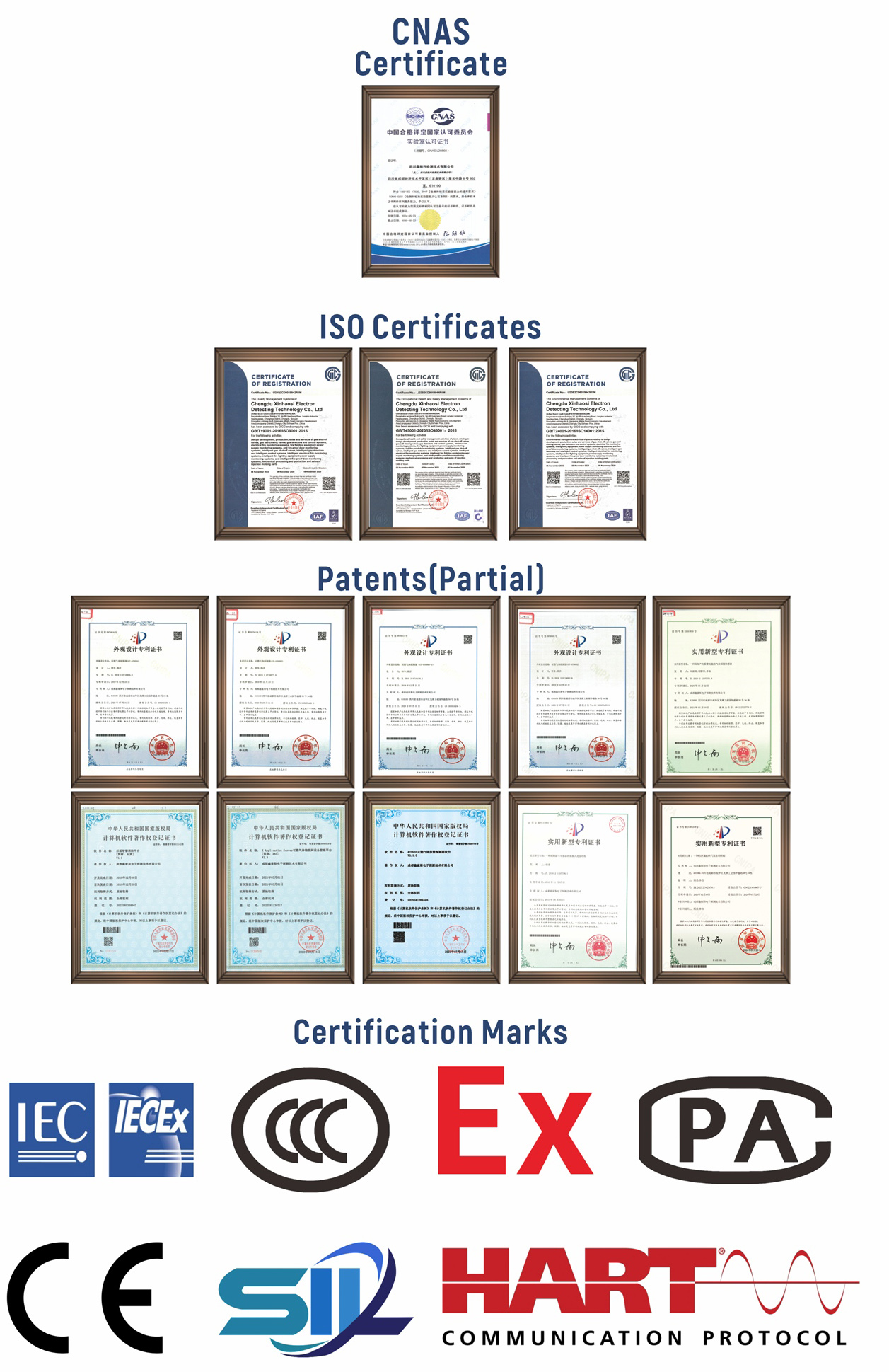
Adhering to strict international standards, Xinhaosi operates an in-house laboratory accredited by the China National Accreditation Service (CNAS). This laboratory meets the requirements of ISO/IEC 17025, ensuring that all calibration, reliability, and precision test data are internationally traceable under the ILAC-MRA framework.
Our research and development program is backed by over 50 patents and software copyrights. This includes an innovative graphical monitoring system for gas detection and alarm. Using historical safety data, the system predicts potential device failures before they occur—reducing equipment downtime by over 30%. Additionally, our specialized flow-monitoring solenoid safety valves integrate direct flow metrics, protecting municipal and industrial pipelines against pressure build-up and leaks.
From a specialized startup to a leading supplier in global industrial gas safety.
Established on April 17th, 2003. Xinhaosi launched its first-generation gas leak alarms and fire-fighting safety systems, establishing a foothold in commercial safety markets.
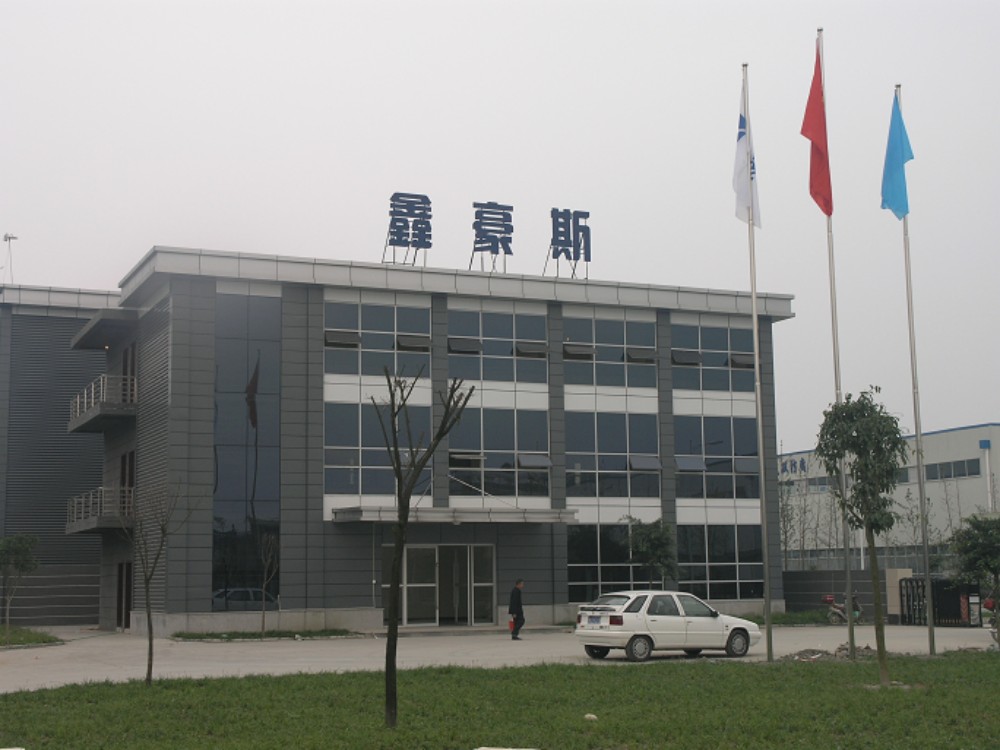
Expanded into gas safety valve development and manufacturing. Began providing dedicated OEM services for domestic and regional distributors, and relocated to Longtan Industrial Park.

Reached a milestone of 10 million cumulative gas detector units sold. Established a nationwide sales and support network across China, and moved into our dedicated Chengdu factory.
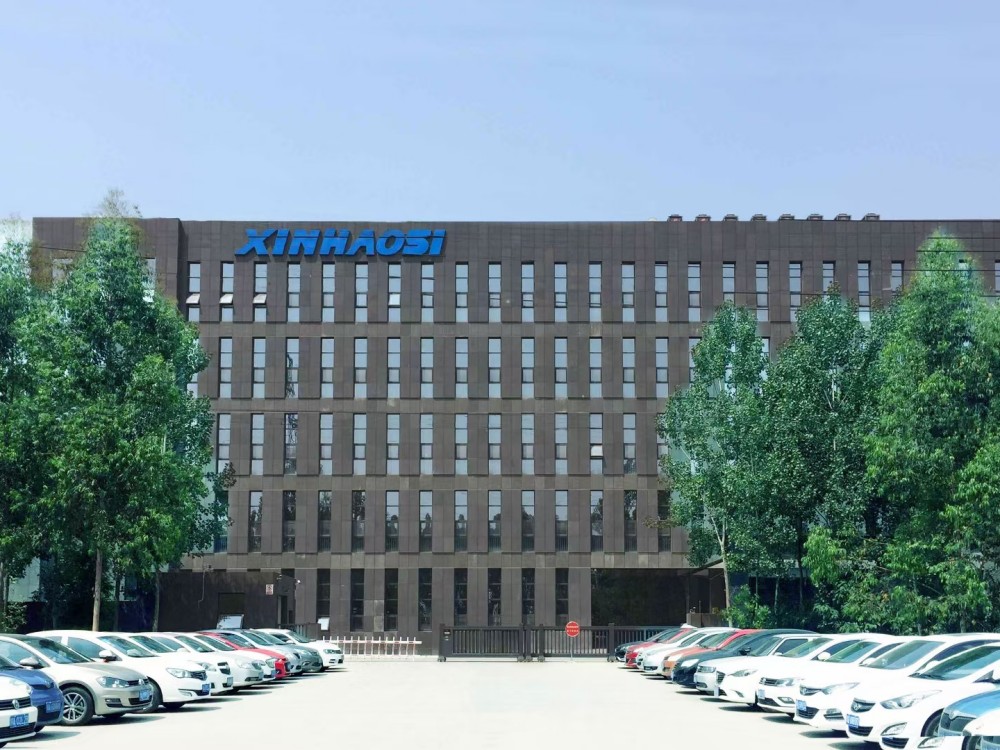
Developed and launched our proprietary industrial IoT safety platform. Qualified as an official supplier to China's top five gas utility networks and earned our National High-Tech Enterprise status.
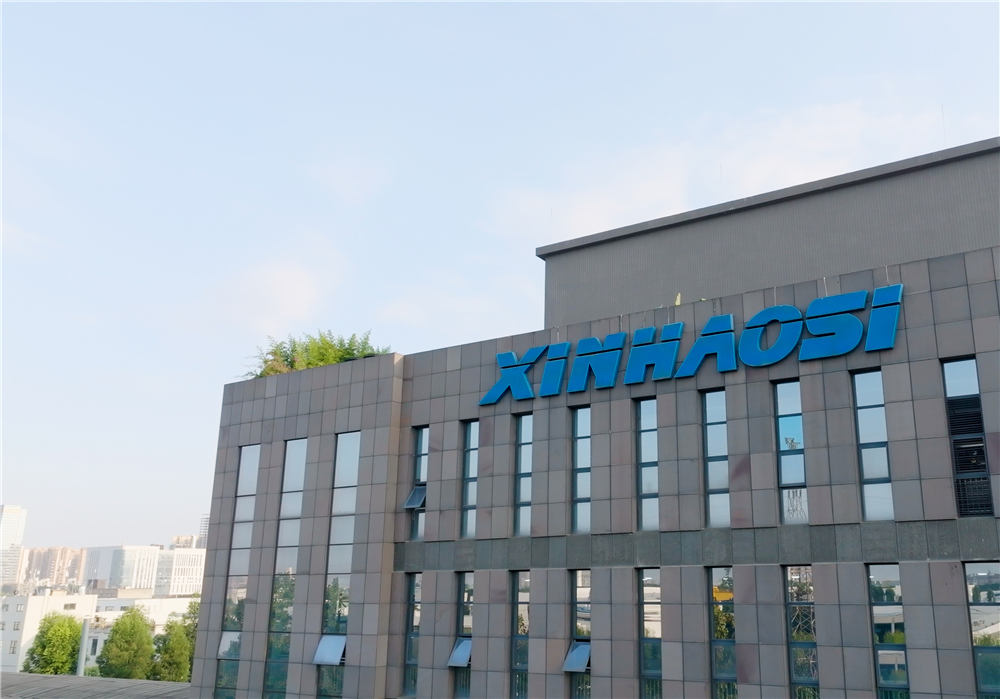
Began construction of the Deyang manufacturing facility. Established our dedicated International Business Division and recognized as the Sichuan Provincial Technology Center.
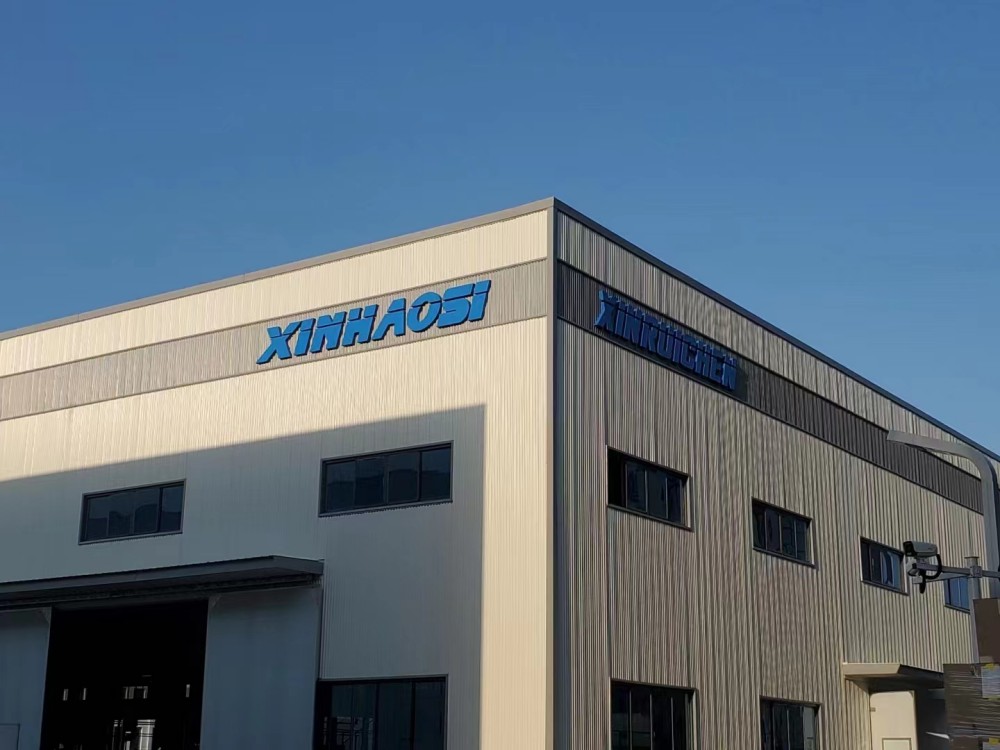
Deyang smart factory begins full-scale operation. Launching next-generation wireless safety sensors, AI-integrated emergency valves, and regional pipeline management software.
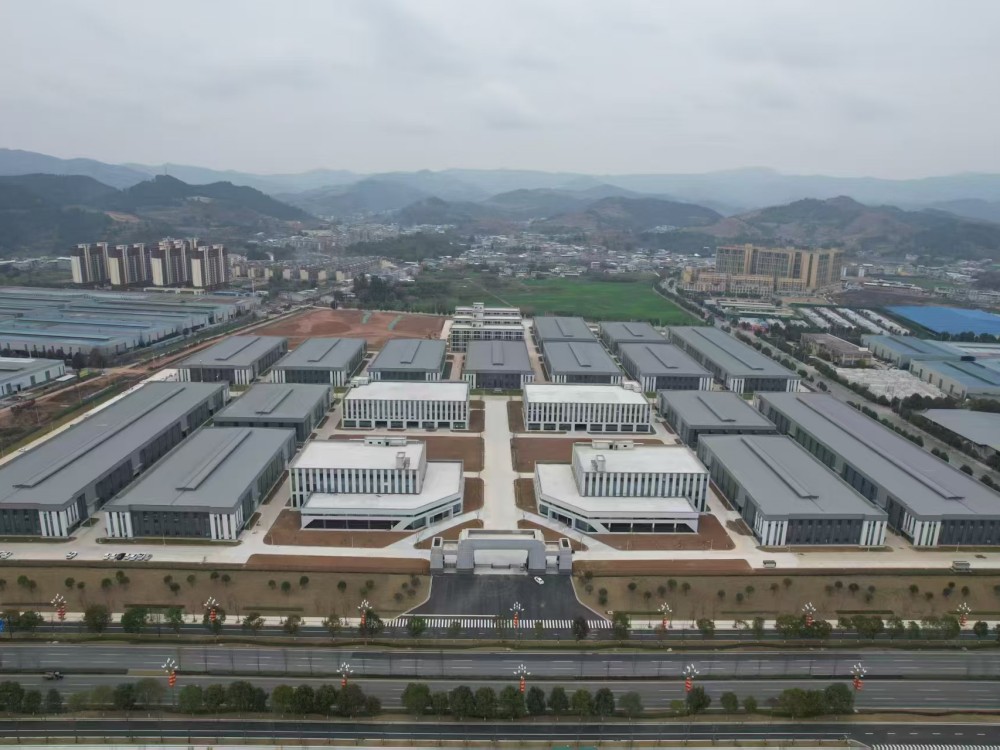
Exploring the transition toward connected IoT grids, low-power hardware, and predictive safety protocols.
1. Wireless Network Deployment: Modern industrial plants are moving away from traditional wiring layouts. By integrating wireless safety modules, facilities can cut deployment costs by up to 60% while expanding coverage in hard-to-reach locations.
2. Low-Power & Smart Diagnostics: Modern sensors monitor their own health, signaling when the electrolyte is depleted, the filter is clogged, or calibration is due, rather than failing silently.
3. Multi-Sensor Data Fusion: Combining NH3 detection with temperature, humidity, and pressure monitoring allows control systems to dynamically adjust alert levels, significantly reducing false alarms in tough industrial environments.
Our technical team designs and delivers complete, end-to-end safety packages for major operations:
Every industry presents unique operational challenges. Our sensors are tailored to perform under specific plant conditions.
Ammonia is a highly efficient refrigerant for large-scale cold storage facilities. However, these environments require sensors that can withstand temperatures as low as -40°C and frequent thermal cycling. Our cold-storage NH3 sensors feature built-in temperature compensation to prevent signal drift and false alarms.
Animal waste generates high, continuous background levels of ammonia. Sensors in poultry and livestock facilities must operate reliably in high humidity and high dust conditions without suffering performance loss. Our agricultural sensors feature robust dirt filters and corrosion-resistant housings.
Ammonia synthesis involves high pressures and temperatures, creating high leak risks. These environments demand certified explosion-proof equipment (such as our Ex d IICT6 Gb detectors) that can operate safely in Class I, Division 1 and 2 hazardous areas.
Key technical parameters and performance criteria for international purchasing managers.
When selecting an industrial NH3 sensor supplier, purchasing departments should evaluate candidates using these five critical criteria:
Electrochemical cells consume internal reagents over time. Ensure your supplier provides clear warranties on sensor elements (typically 2 to 3 years) and offers direct field replacement options.
Verify that the detectors carry recognized international explosion-proof certifications (such as ATEX, IECEx, or regional equivalents like China's Ex standards) for use in hazardous areas.
For highly toxic gases like NH3, rapid response is vital. Premium sensors should achieve a T90 response time of under 30 seconds to allow safety valves and ventilation systems to activate immediately.
Determine if the manufacturer can customize outputs (such as 4-20mA, RS485 Modbus, or wireless protocols like Zigbee/LoRaWAN) to integrate smoothly with your existing control systems.
Ammonia sensors require regular calibration to correct for sensitivity drift. Look for suppliers that offer user-friendly calibration kits or factory calibration services backed by accredited laboratories.
Direct answers to the most common technical and logistics questions regarding industrial ammonia sensors.
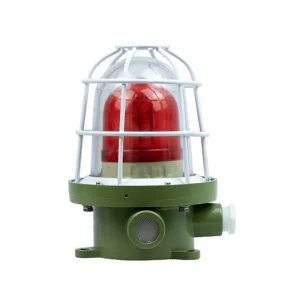
Central monitoring controllers, warning signals, and safety valves to build a complete safety network.