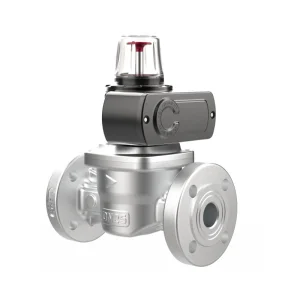
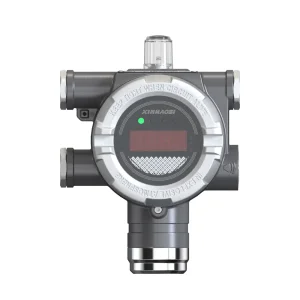
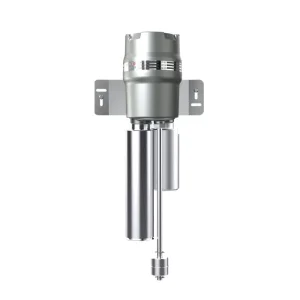
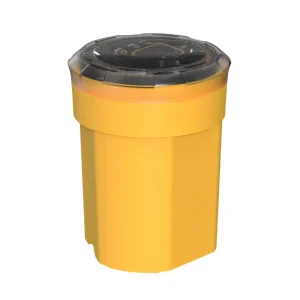
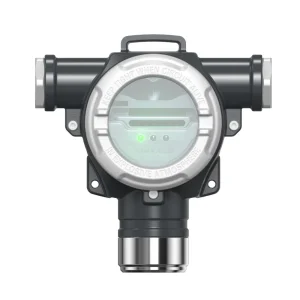
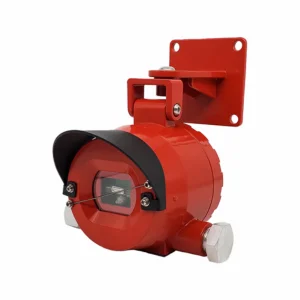
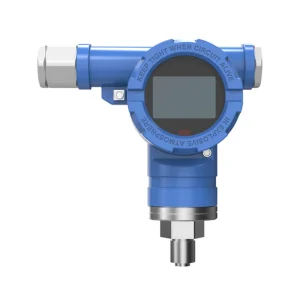
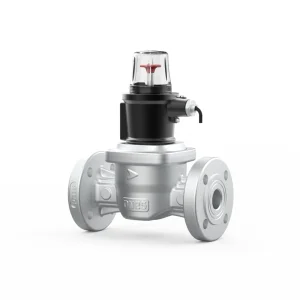
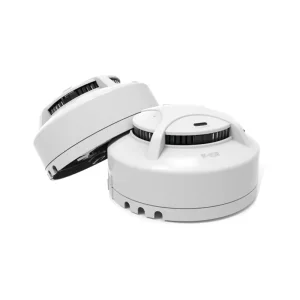
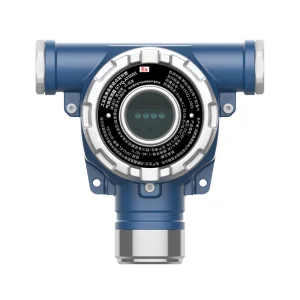
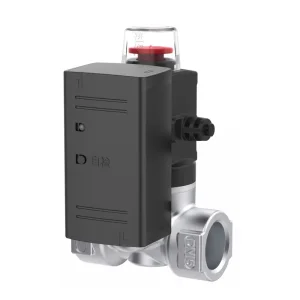
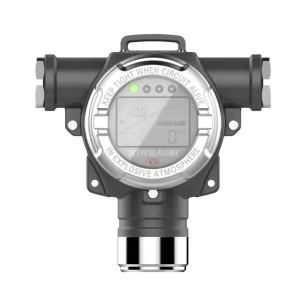
Discover our core line of OEM-certified hydrocarbon sensors, gas safety valves, and monitoring devices manufactured under rigorous international quality benchmarks.

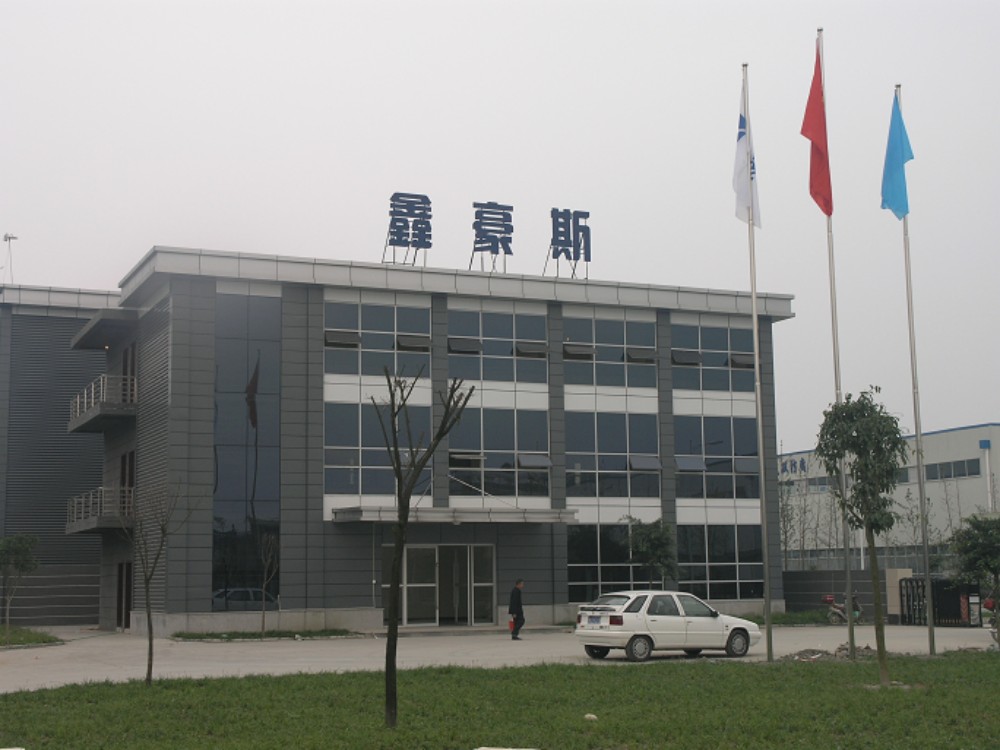
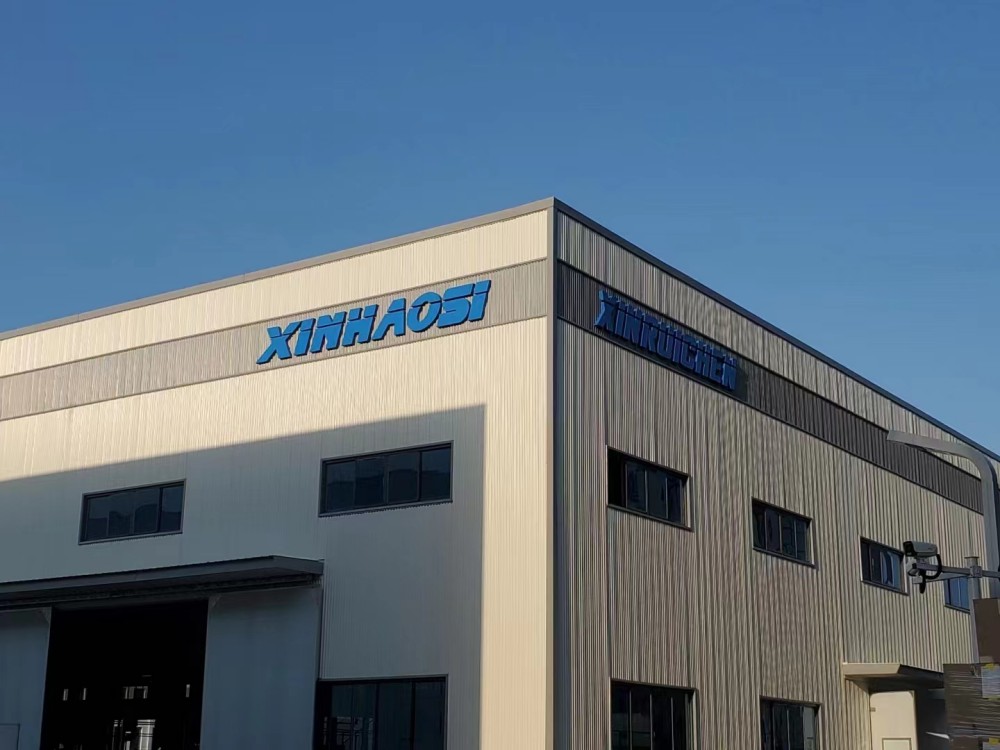
Chengdu Factory & Office Base

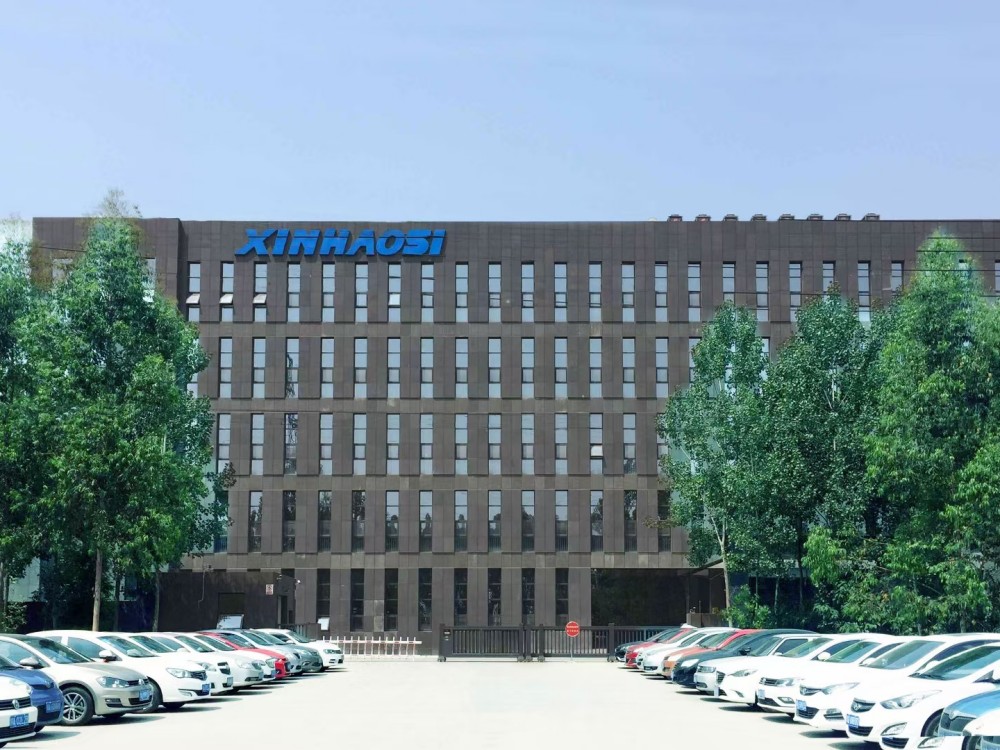
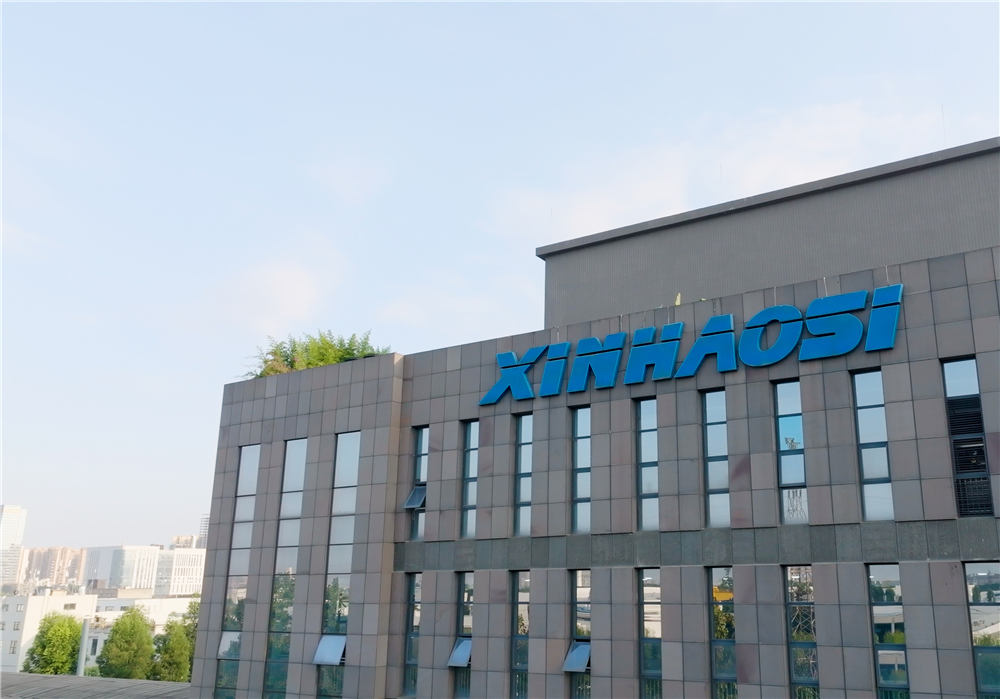
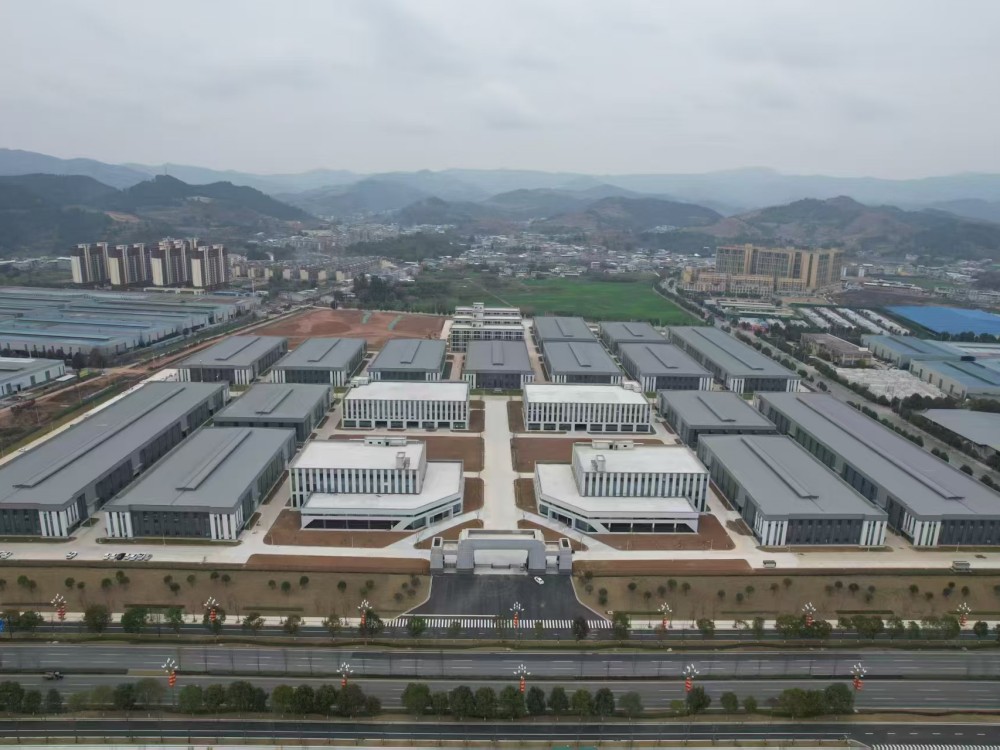
Deyang High-Tech Factory Campus
Founded in 2003, Xinhaosi is recognized as one of the most influential and trusted brands in the global gas safety and environmental monitoring industries. Over the past two decades, we have built a robust, vertically-integrated production and service ecosystem. Our capabilities cover pioneering scientific research and development, smart automated manufacturing, global multi-channel marketing, dedicated engineering field support, and custom OEM/ODM solutions. We also operate a CNAS-accredited calibration laboratory conforming to the highest international safety and metrological standards.
Our comprehensive safety portfolio includes fixed and portable industrial hydrocarbon detectors, smart residential gas alarms, explosion-proof monitoring consoles, heavy-duty gas solenoid shut-off valves, and wide-area urban pipeline network monitoring platforms. Every system is optimized to operate reliably within highly challenging industrial environments, from sub-zero deep underground mining shafts to ultra-high temperature petrochemical refining lines.
Driven by our core mission—"Making Gas Safety Accessible Everywhere"—we supply safety-critical hardware that meets and exceeds international standards, actively protecting life, critical infrastructure, and the environment against combustible gas hazards.
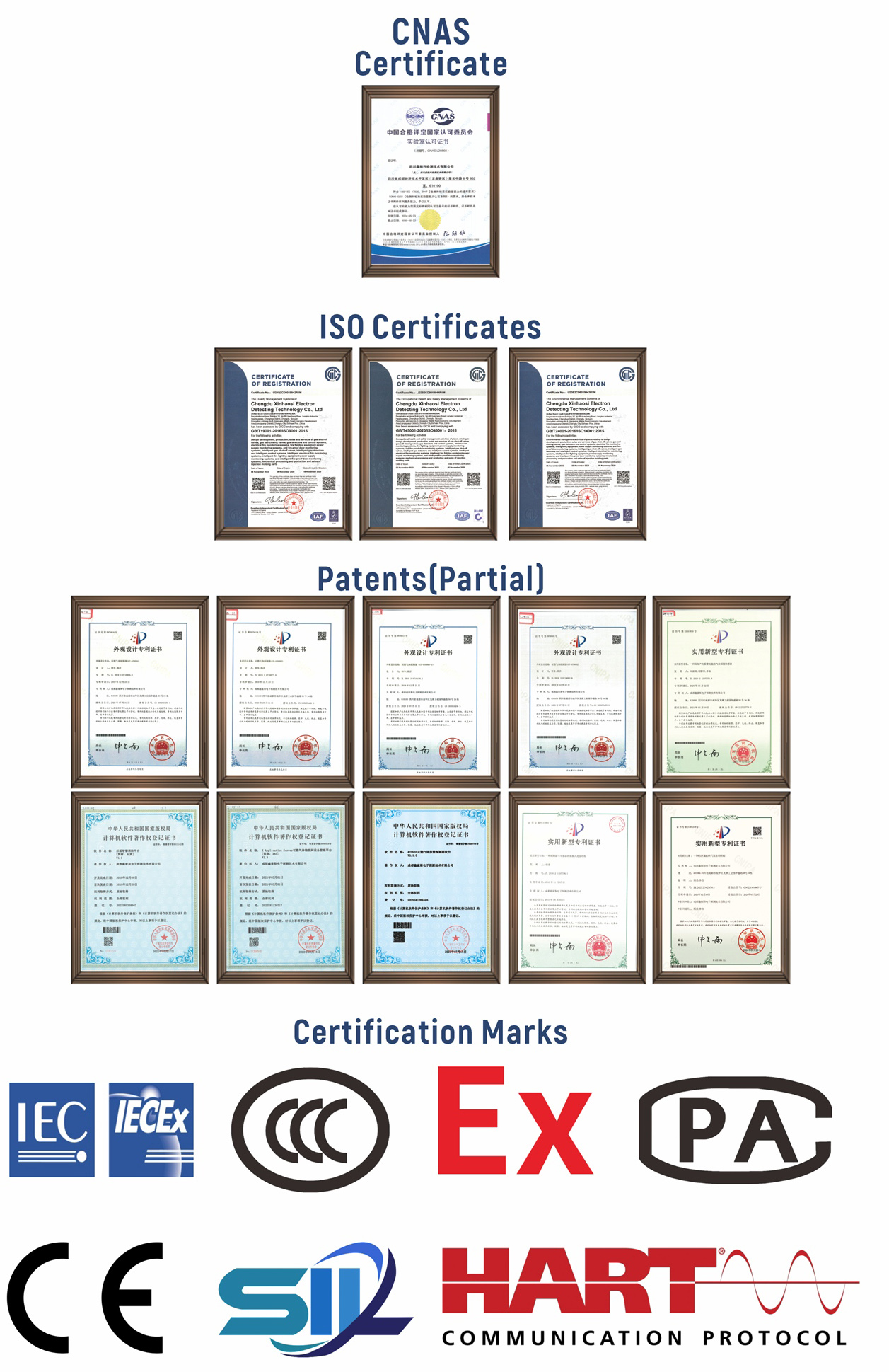
Adhering to strict ISO9001 quality management system standards, Xinhaosi's primary products have obtained a complete range of authoritative safety and quality certifications. These include the China National Compulsory Product Certification (CCC), specialized Explosion-Proof Certifications, Fire Product Type Approvals, and CPA Measurement Instrument Type Approval. Internationally, our products carry major European approvals such as CE and Safety Integrity Level (SIL) ratings.
Furthermore, Xinhaosi has been recognized as a "National Quality Integrity Benchmark Enterprise" and a "National Quality Leading Enterprise in the Gas Alarm Industry." As a member of the China Fire Protection Association and the main drafting organization for China's national standards on industrial solenoid valves, we help shape the regulatory and safety landscape for gas control equipment.
In terms of intellectual property, our robust innovations are backed by more than 50 patents and software copyrights. Key innovations include a graphical monitoring system for gas detection and alarm management, which enables predictive maintenance using historical trend data—reducing site equipment failure rates by over 30%. We have also patented integrated solenoid valves with real-time flow monitoring, combining physical valve isolation with dynamic flow verification. Xinhaosi developed China's first networked bus-type gas leakage monitoring platform and is the only manufacturer of a maximum-point gas leakage monitoring system certified by the Ministry of Public Security.
Our in-house calibration laboratory is accredited by the China National Accreditation Service for Conformity Assessment (CNAS) and is fully recognized internationally under the ILAC-MRA framework. Operating in compliance with ISO/IEC 17025 (General requirements for the competence of testing and calibration laboratories), our facility delivers highly accurate calibration and testing services. Reports issued by our CNAS lab are accepted by global regulatory authorities and major certification bodies, ensuring seamless international market access.
In-house ISO/IEC 17025 CNAS Accredited Calibration Laboratory
An engineering analysis of sensor principles, environmental performance factors, and safety control methodologies for hazardous industrial environments.
NDIR sensors utilize the unique infrared absorption characteristics of hydrocarbon molecules (such as methane, propane, and butane) at specific wavelengths (typically 3.3 to 3.4 μm). Because the optical path does not interact chemically with the gas, NDIR sensors are immune to poison gases (like silicones and hydrogen sulfide), operate reliably in oxygen-depleted atmospheres, and offer a service life exceeding 10 years.
Pellistor sensors detect combustible hydrocarbons via catalytic oxidation on an active bead, measuring the resulting change in resistance within a Wheatstone bridge. These sensors provide a cost-effective, linear response to a wide range of flammable gases below 100% LEL. They require a minimum level of ambient oxygen to operate and are typically deployed in standard industrial applications.
Our heavy-duty gas monitoring equipment is built with flameproof (Ex d) aluminum alloy or stainless steel enclosures, engineered to contain internal ignition events. Designed to meet IEC61508 standards, these detectors achieve SIL2/3 functional safety levels, ensuring predictable failure states and robust safety loops when integrated with emergency shut-off valves.
Hydrocarbon safety monitoring focuses on measuring gas concentrations relative to their Lower Explosive Limit (LEL). LEL represents the minimum concentration of a gas or vapor in air that can propagate a flame in the presence of an ignition source. Because different hydrocarbons possess varying explosive boundaries (e.g., Methane LEL is 5.0% by volume; Propane LEL is 2.1% by volume), selecting and calibrating the appropriate sensor is critical.
Modern facilities rely on dual-source sensing arrays: NDIR for high-risk, anaerobic process streams (such as gas transmission lines or closed storage areas) where oxygen depletion would disable standard catalytic detectors, and catalytic sensors for general area monitoring. Combining these technologies with automated fast-acting solenoid valves ensures that any localized leak is detected and isolated before reaching the lower explosive limit.
How our dual production hubs in Chengdu and Deyang optimize lead times, ensure quality, and deliver global cost-efficiency.
Xinhaosi's manufacturing strategy relies on two primary production hubs: our Chengdu headquarters, which focuses on advanced R&D, high-precision calibration, and regional administration, and our newly expanded Deyang Factory, which is optimized for automated assembly, large-scale solenoid valve machining, and high-volume quality control testing.
This layout ensures exceptional supply chain resilience. By sourcing raw components and specialized sensor elements within China's highly integrated electronics and metallurgical clusters, we maintain consistent access to high-grade raw materials, precision microprocessors, and specialized optical lenses. This level of vertical integration helps buffer against international supply chain disruptions and maintains stable component pricing.
Our digital warehouse management and automated production lines enable rapid turnaround times. Standard OEM gas detectors can be customized, calibrated to target gases, and dispatched within two weeks, ensuring project managers can maintain tight construction and commissioning schedules.
High-speed SMT assembly lines ensure high-precision electronic board production, minimizing soldering defects and extending sensor life.
Automatic environmental simulation chambers calibrate each sensor across a wide range of temperatures (-40°C to +70°C) to eliminate drift.
Our testing database logs every unit against its unique MAC/Serial number, providing complete traceability for audits and compliance certifications.
Custom gas safety systems designed to meet distinct municipal, commercial, and heavy industrial needs.
Underground shafts and mining galleries are prone to pocket methane accumulations. Our GT-AT0616 and GT-AT0617 series monitoring devices feature dual-chamber structures and IP66 water ingress protection. They resist high humidity, fine coal dust, and corrosive water mist, transmitting gas readings to surface safety teams via Modbus or LoRaWAN interfaces.
Enclosed and underground parking garages require continuous monitoring to prevent toxic carbon monoxide (CO) buildup and combustible fuel gas leaks. The AT2004BIV-CO detector integrates directly into building automation systems (BAS), dynamically controlling ventilation fans to reduce facility energy consumption by running them only when gas levels rise.
Refineries and hydrocarbon storage depots require explosion-proof safety equipment. The GTYQ-AT0503 and AT0501 detectors feature cast-aluminum, flameproof housings certified for Class I, Division 1/2 environments. They interface directly with our XF3 and BT-XF5 industrial solenoid valves, providing automatic system shut-off in the event of a leak.
A timeline of innovation, spanning over two decades of engineering gas safety hardware, advanced IoT software, and AI-enabled control systems.

Navigating global regulatory landscapes requires expertise in international safety standards. Gas detection hardware deployed in hazardous environments must comply with local installation laws, explosive protection standards, and metrological certifications.
Our international support teams work directly with EPC contractors, local distributors, and facility managers to ensure smooth project compliance. From initial site assessments to system configuration and commissioning, our engineers provide the technical documentation required for local regulatory approvals.
- Europe: ATEX Directive 2014/34/EU, CE, and SIL2 Safety Loops.
- North America: UL/CSA class-rated hazardous locations.
- Global: IECEx schemes, ISO9001:2015 Manufacturing Quality, and CNAS calibration.
Additionally, we offer customized OEM/ODM packaging, variable volt-amperage solenoid valve configurations, and firmware modifications to support localized Modbus register mapping or analog outputs.
Xinhaosi supports global industrial projects with a structured partnership framework designed to simplify implementation:
Technical answers from our engineering team to assist safety officers and instrumentation specifiers.
Industrial standards generally recommend checking the sensor calibration every 3 to 6 months. For high-risk areas, monthly bump tests are advised to verify response times. Fixed hydrocarbon detectors operating in dusty, high-temperature, or humid environments (such as underground shafts) require more frequent verification to ensure long-term accuracy.
Catalytic bead sensors detect flammable gases via oxidation, which requires a minimum oxygen level. They can be susceptible to silicone poisoning. NDIR sensors use infrared absorption to detect hydrocarbons without chemical interaction, allowing them to operate in oxygen-depleted or inert environments and resist chemical poisoning.
Normally Closed (NC) valves require constant electrical power to stay open, automatically closing to cut off gas flow if power is lost. Normally Open (NO) valves remain open without power and require a momentary electrical pulse (such as from a gas detector) to trigger closure. The choice depends on safety requirements and power availability.
A CNAS test report indicates that the laboratory operates in accordance with ISO/IEC 17025 standards. These calibration and test reports are recognized globally under the ILAC-MRA framework, confirming that the gas detectors have been calibrated using traceable standards.
Yes, our industrial gas detectors support standard communication outputs, including 3-wire/4-wire 4-20mA analog signals and RS485 Modbus RTU digital outputs. They can be integrated into most building management and SCADA architectures.
SIL (Safety Integrity Level) ratings evaluate the probability of a safety system failing on demand. A SIL2-certified gas safety loop provides a high level of risk reduction, ensuring that the sensor, controller, and solenoid valve operate reliably in critical safety applications.
Explore our specialized flame detectors, smart residential gas alarms, and industrial-grade control valves.