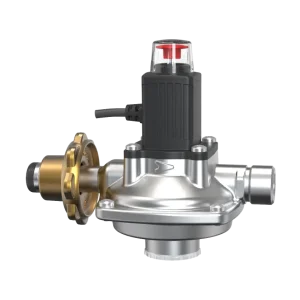
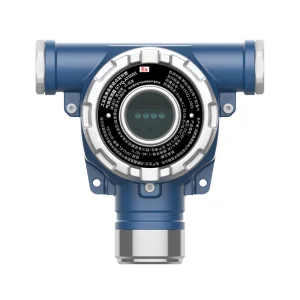
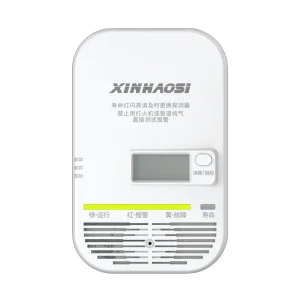
In high-pressure distribution loops, municipal infrastructure projects, and residential supply conduits, the choice of a control component dictates not only system performance but the fundamental safety of human life and fixed assets. The 1/2 inch gas shut off valve serves as the front-line mechanical and electromechanical sentinel. It is engineered to establish immediate isolation of gas flows, preventing catastrophic leaks, combustion incidents, and systemic failures. These valves act as the bridge between low-voltage electronics (like warning panels and smart flow monitors) and high-reliability mechanical actuation.
Modern commercial, industrial, and utility architectures have transitioned beyond simple manual quarter-turn ball valves. Today, standard compliance and regulatory frameworks require automated, solenoid-driven, and IoT-connected shut-off mechanisms. These systems respond dynamically in milliseconds to inputs from remote combustible gas detectors, integrated interlock systems, and ambient environmental sensors. Choosing the right manufacturer is a decision that involves strict engineering criteria, including material metallurgy, explosive environment proofing, electromagnetic coil insulation ratings, and long-term mechanical cycling limits.

Chengdu Factory & Office

Deyang Factory
Founded in 2003, Xinhaosi has established itself as an influential and trusted brand in the global gas safety sector. Over the past two decades, we have built a comprehensive production and service system that integrates advanced R&D, intelligent automated manufacturing, global channel marketing, professional technician support, flexible OEM/ODM capabilities, and CNAS-accredited laboratory calibration services meeting international requirements.
Our product portfolio ranges from industrial and residential gas detection systems to automated gas solenoid valves and municipal pipeline monitoring networks. Annually distributing tens of millions of units, Xinhaosi supports operations in petrochemical processing, heavy industrial metallurgy, automotive assembly, pharmaceutical production, and clean energy storage. Guided by the core mission of "Making Gas Safety Accessible Everywhere," we configure customized safety solutions backed by rigorous quality control and technical expertise, striving to build a safer world with sustainable gas safety technologies.
Adhering to ISO9001 quality management system standards, Xinhaosi's core products hold a full range of certifications, including national compulsory Products Certification, explosion-proof validation, fire product certification, CPA measurement instrument type approval, and international approvals such as CE and SIL. Recognized as a "National Quality Integrity Benchmark Enterprise" and a member of the China Fire Protection Association, we also serve as a main drafting organization for national solenoid valve safety standards, solidifying our industry position.
In intellectual property, our portfolio includes over 50 patents and software copyrights. Key innovations feature graphical monitoring systems that enable predictive maintenance based on historical operating data—reducing equipment failure rates by over 30%—and advanced safety solenoid valves with integrated flow-monitoring alarms. We pioneered the first networked bus-type gas leakage monitoring system in China, as well as a maximum-point gas leakage monitoring system certified by the Ministry of Public Security.
Our in-house calibration laboratory is accredited by the China National Accreditation Service for Conformity Assessment (CNAS) and recognized globally under the ILAC-MRA framework. Operating to ISO/IEC 17025 laboratory testing standards, it provides traceable testing reports that facilitate global compliance and market entry for international installations.
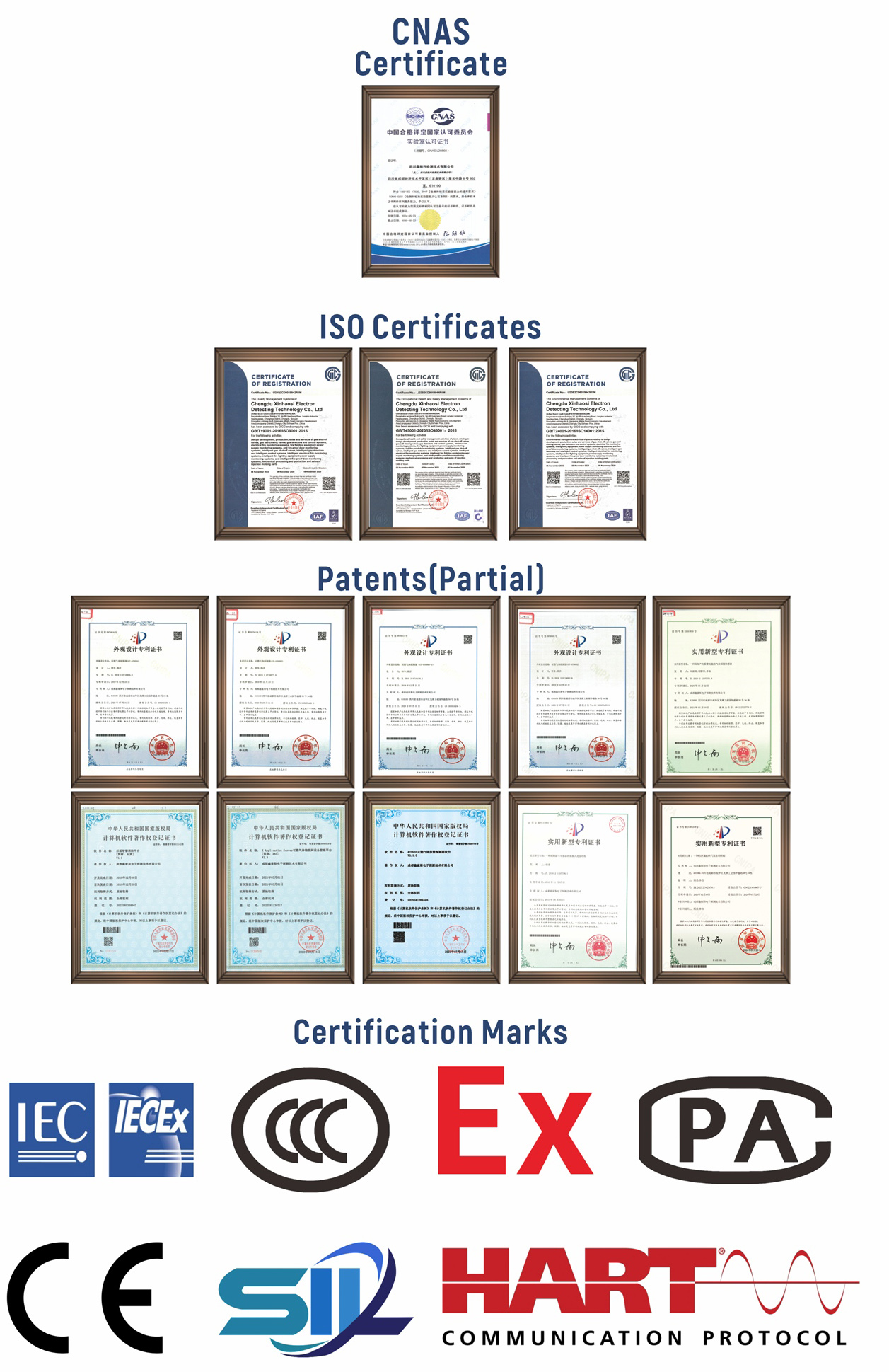
Industrial procurement teams require complete traceability, materials with zero porosity, and compliance certification (such as PED, ATEX, UL, and CE). In international supply chains, 1/2 inch valves must adapt to multiple connection standards, including NPT, BSPT, and flanged interfaces, while maintaining reliable sealing under extreme temperature variations.
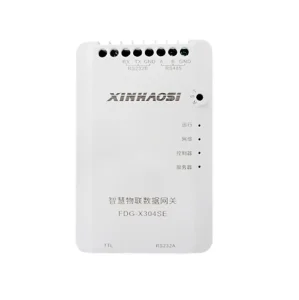
Modern processing facilities require valves that integrate seamlessly into DCS (Distributed Control Systems) and SCADA architectures. Gas shut-off valves must act as both mechanical barriers and telemetry endpoints, providing feedback on coil continuity, ambient temperature, and downstream gas pressure in real-time.
With the shift toward green hydrogen blending, valve manufacturers must address hydrogen embrittlement. Standard 1/2" valves are being re-engineered with specialized NBR/FKM elastomers and low-iron brass or 316L stainless steel bodies to prevent micro-leakage of low-density gases.
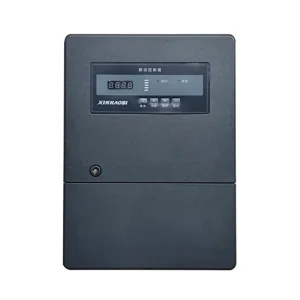
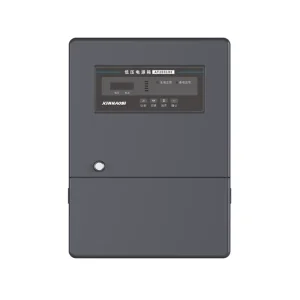
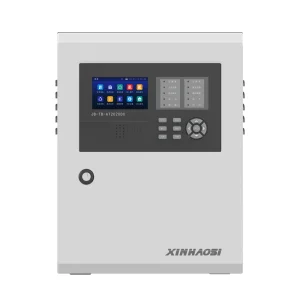
The industry is transitioning toward active, predictive isolation systems. Xinhaosi is at the forefront of this shift, integrating edge AI microprocessors directly into local interlock control boxes (such as our JB-MK-AT2041/4G series). Rather than waiting for a safety limit to be breached, modern smart valves run real-time analyses of pressure differentials, thermal shifts, and acoustic noise profiles to detect micro-leaks before they trigger alarms.
Our engineering roadmap focuses on low-power bistable solenoid designs, wireless instrumentation, and long-life mechanical seals. By optimizing these components, we help plant operators reduce the total cost of ownership (TCO) while maintaining high safety compliance standards.
Established Apr 17, 2003. Launched 1st gen gas leak alarm & fire fighting systems.

Commenced gas safety valve production. Expanded OEM business and moved to Longtan Park.

Achieved 10 million detector sales. Established Chengdu factory site and safety service network.

Launched proprietary IoT platform and emergency systems. Qualified supplier for top gas groups.

Began Deyang factory construction. Created Petrochemical Division. Awarded Tech Center status.

Completed Deyang plant. Rolling out AI safety valves and pipeline monitoring systems.

Emergency shut-off valves (especially 1/2" solenoid configurations) are engineered for rapid isolation, prioritizing bubble-tight shutoff over fine throttling. They are typically spring-loaded, fail-safe mechanisms designed to close in under one second when power is cut or a trigger signal is received. Regular flow control valves prioritize long-duration flow adjustment and do not meet the fast-response, leak-proof safety standards required for emergency isolation.
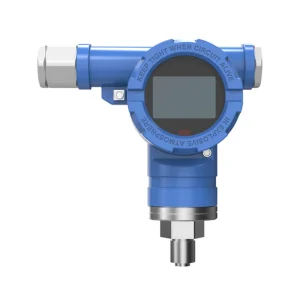
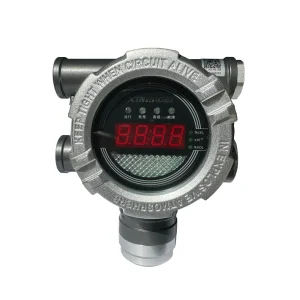
CNAS accreditation is recognized internationally under the ILAC-MRA framework. This alignment ensures that calibration, testing, and safety validation reports for our gas valves and transmitters (such as the XCS-P3051) are accepted by regulatory bodies in Europe, North America, and Asia. This helps project engineers bypass redundant domestic certification testing and streamlines localized system integration.
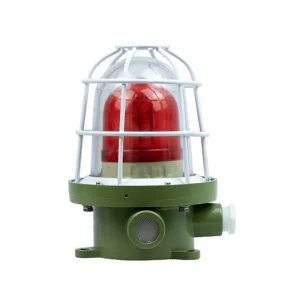
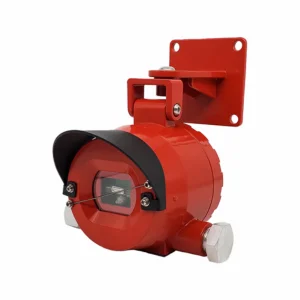
For hazardous locations (Class I, Division 1 & 2 / ATEX Zone 1 & 2), the valve body should consist of heavy forged brass (HPb59-1 / CW617N) or CF8M/316 stainless steel to prevent sparking and handle mechanical stress. The solenoid coil enclosure must be cast with flameproof paths (Ex d II C T6 Gb rating) to contain any internal spark or combustion, preventing it from igniting gas in the surrounding atmosphere.
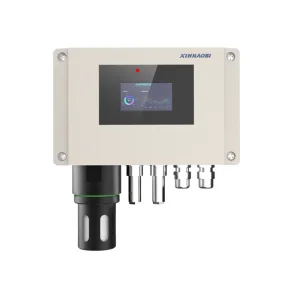
Traditional systems require separate home-run wiring for every sensor and valve, increasing installation cost and complexity. Our networked bus-type configuration enables multiple monitoring units (e.g., GTYQ-AT0501 detectors) to share a common communications backbone. This architecture reduces cable volume by up to 60%, facilitates remote troubleshooting, and supports digital predictive maintenance from a central control room.
An interlock control box (like the JB-MK-AT2041/4G) serves as the primary system link. When a remote sensor detects gas or pressure anomalies, the control box triggers the interlock logic, instantly cutting power to safety shut-off valves. This hardware-based control loop functions independently of software, ensuring rapid and reliable operation under fault conditions.
Yes, provided the valve's pressure rating (PN value) aligns with the pipe design. Standard residential valves operate up to 50 kPa, while industrial solenoid valves can handle up to 0.4 MPa or higher. It is essential to select a model rated for the system's maximum allowable operating pressure (MAOP) to ensure safe, long-term performance.