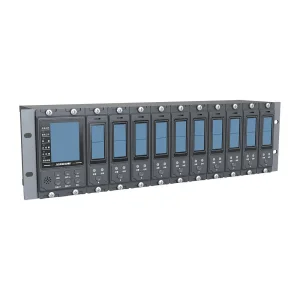
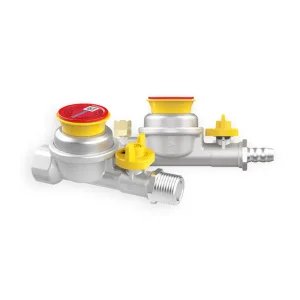
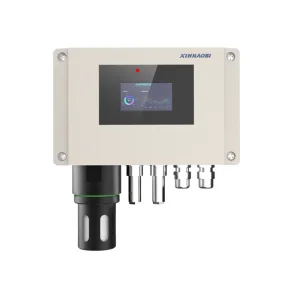
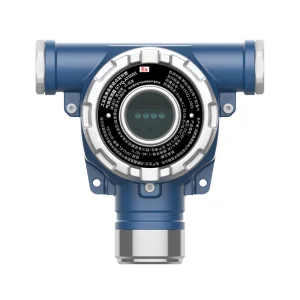
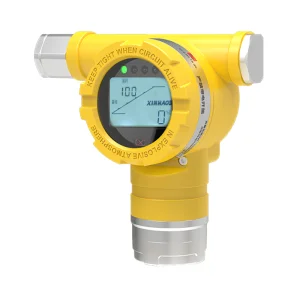
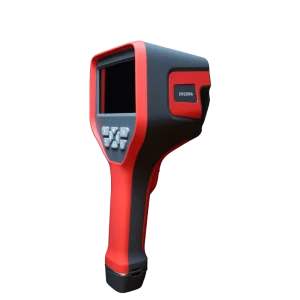
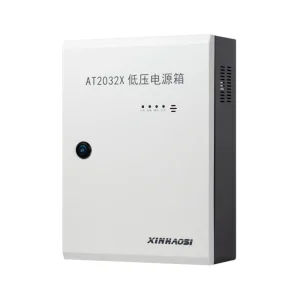
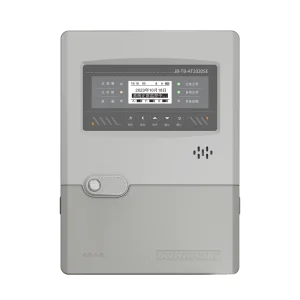
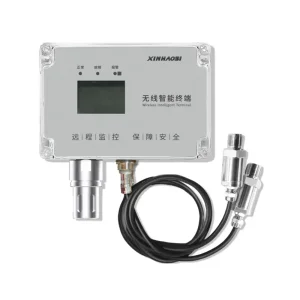
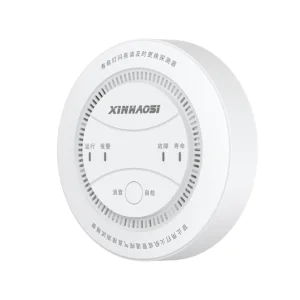
Explore our top-tier, explosion-proof combustible gas detectors, interlocking control units, and industrial data transmission systems.
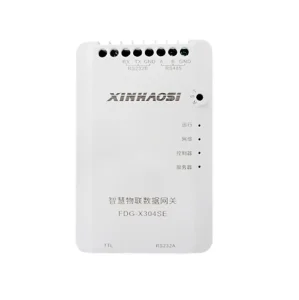
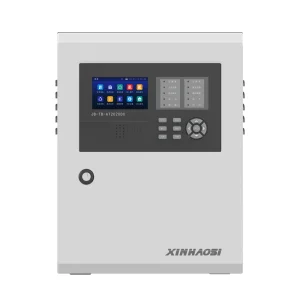
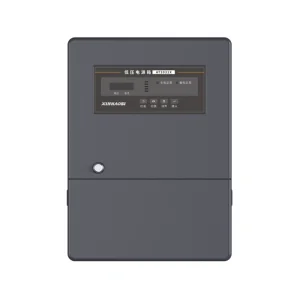
The global gas valve sector is undergoing a profound paradigm shift, driven by decarbonization initiatives, the rapid integration of Industrial Internet of Things (IIoT) platforms, and increasingly strict global environmental safety regulations. Traditional gas control systems are no longer sufficient to meet modern performance benchmarks. Today's commercial, industrial, and residential sectors demand safety valves that can perform real-time monitoring and interact seamlessly with complete automation systems.
Key technological trends include the integration of micro-electro-mechanical systems (MEMS) sensors inside gas valves to continuously monitor flow rate, medium pressure, and temperature. This intelligence converts standard safety valves from passive execution nodes into active monitoring systems. Additionally, the rise of the Hydrogen Economy requires valves built with materials highly resistant to hydrogen embrittlement. Standard gas valves must be re-engineered with specialized alloy materials, high-performance sealing compounds, and precise tolerance fits to handle hydrogen mixtures safely.
Furthermore, explosion-proof design certifications such as ATEX and IECEx, along with SIL (Safety Integrity Level) qualifications, are standard prerequisites. Safety compliance is critical, which has driven manufacturers to invest heavily in advanced manufacturing technology. Systems like automatic shut-off valves must shut down in milliseconds when a leak is detected, reducing risk across both pipeline operations and municipal distributions.

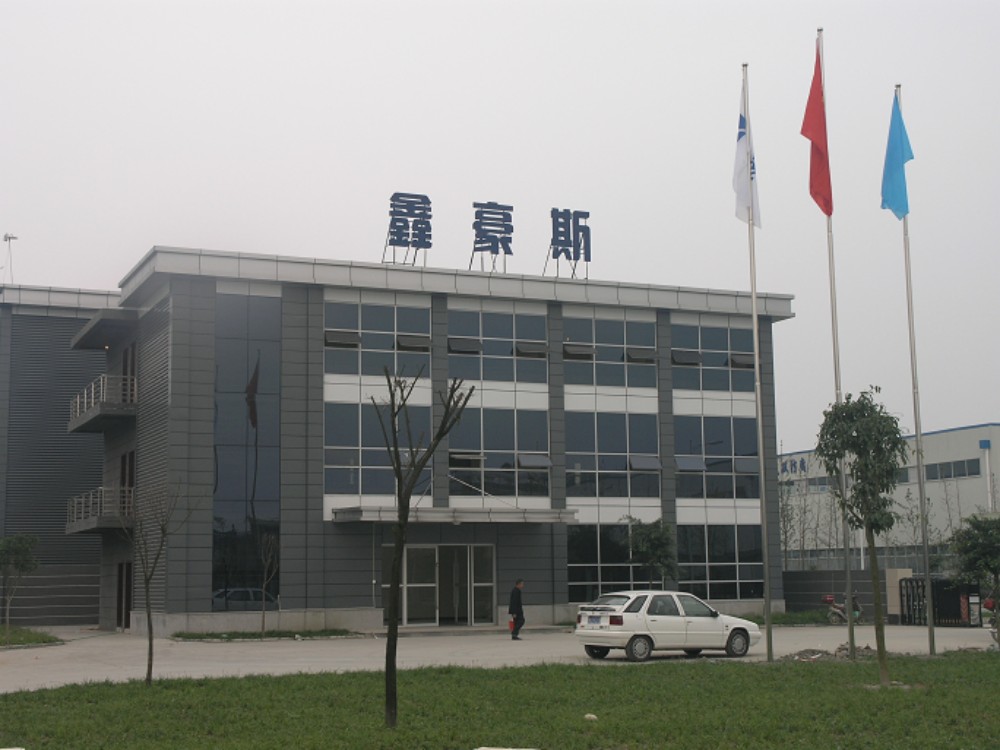
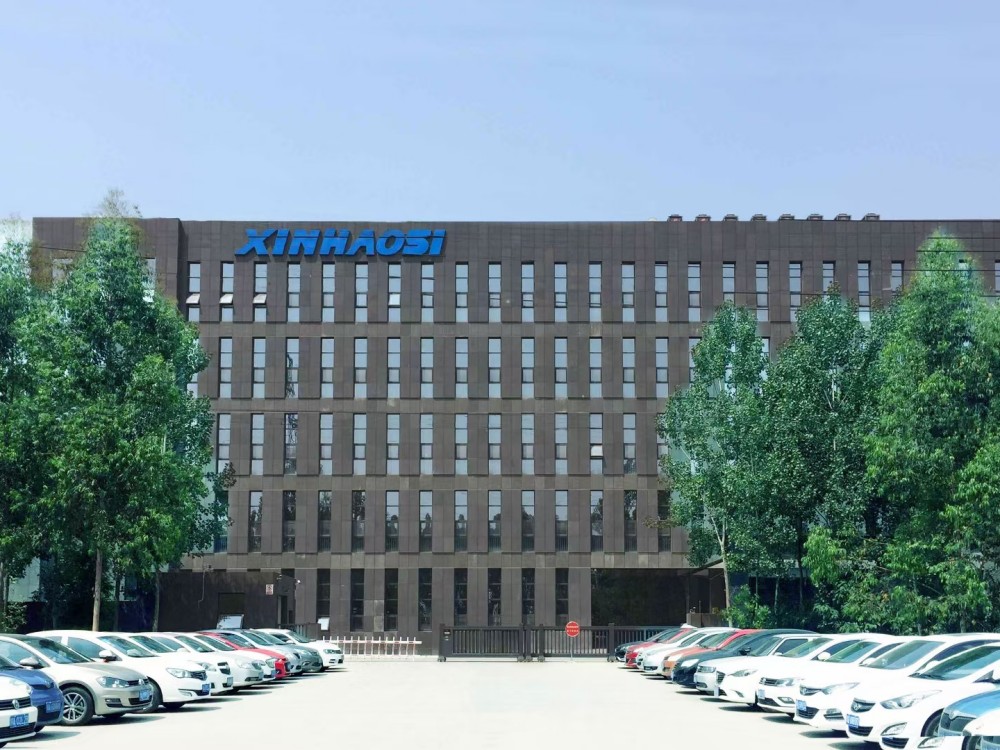
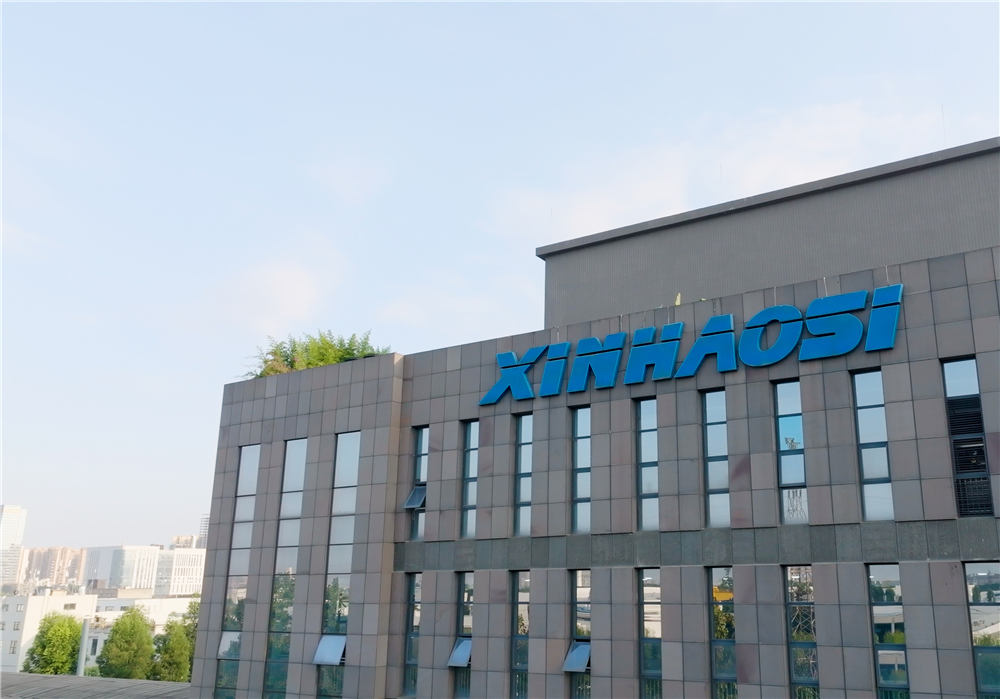
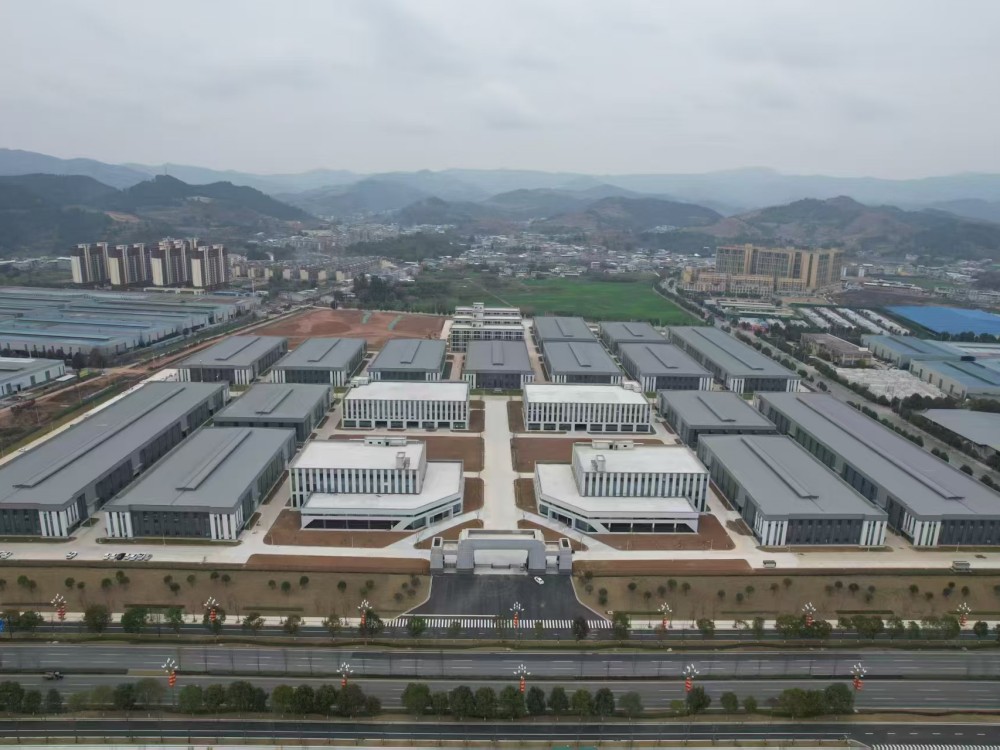
Xinhaosi Headquarters: Chengdu Factory & Office
How leading industrial enterprises evaluate and secure reliable gas valve systems to protect assets and ensure operational safety.
International procurement offices prioritize suppliers with comprehensive certifications, including CE, SIL 2/3, CPA type approvals, and national explosion-proof certifications. Traceability and documented safety performance are non-negotiable for large-scale energy projects.
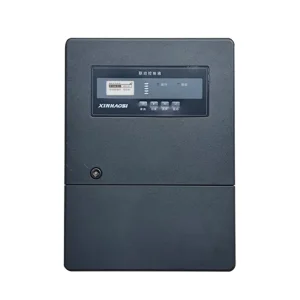
Procuring agents require valves that interface directly with PLC panels, smart data gateways, and combustible gas detectors. Interlocking control systems must automatically trip the valve during emergency situations, limiting reliance on human intervention.
Industrial operations face extreme temperatures, corrosive elements, and high vibrations. Valving elements must offer superior corrosion resistance, high IP ratings (IP65/IP66), and long mechanical cycle lives to minimize maintenance overhead.

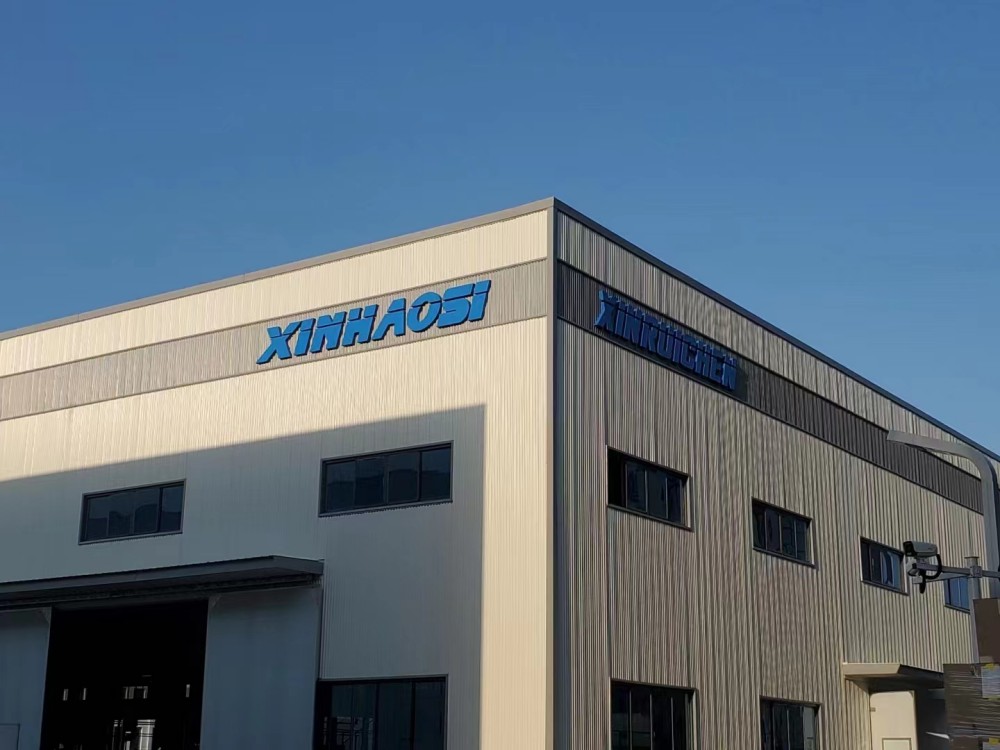
Our State-of-the-Art Deyang Factory Base
Operating from our modern manufacturing centers in Chengdu and Deyang, we have optimized our production processes to align with Industry 4.0 standards. By integrating advanced robotic assembly lines, digital ERP manufacturing planning, and real-time automated quality verification, we deliver high-quality gas safety products at a globally competitive scale.
Our Factory 4.0 approach relies on end-to-end data transparency. Every step, from sourcing raw materials to final pressure and leak tests on safety valves, is cataloged and fully traceable. This rigorous workflow ensures that our systems conform to international standards like ISO9001 and fire prevention mandates. Our optimized layout allows us to shift production resources dynamically, ensuring reliable delivery timelines even when global logistics are disrupted.
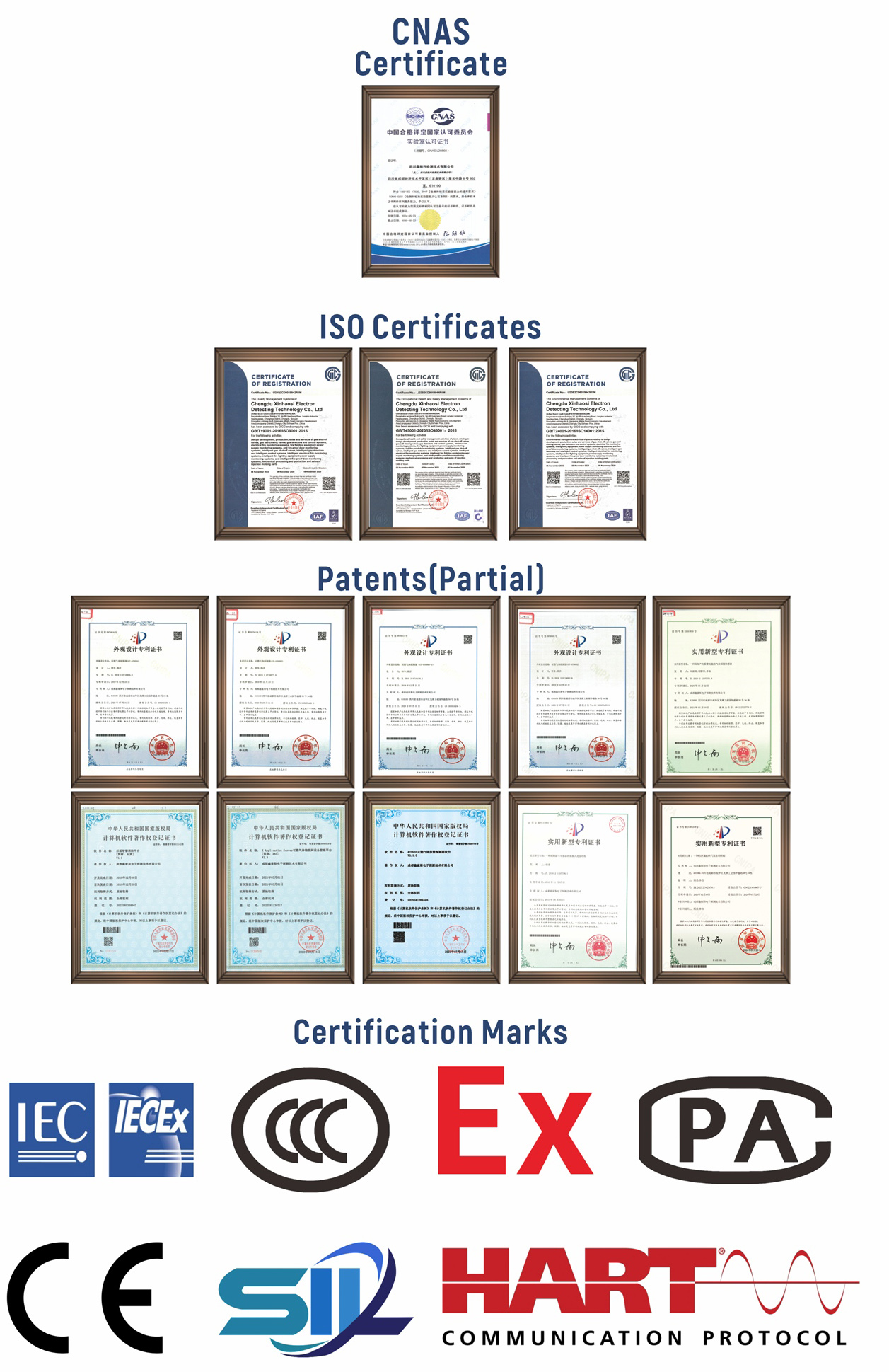
Furthermore, our CNAS-Accredited testing facilities (accredited in accordance with ISO/IEC 17025) perform regular environmental, vibration, and safety calibrations. This in-house capability speeds up R&D cycles and confirms that every solenoid valve and gas leak detector meets global specifications before shipment.
Xinhaosi: Safeguarding lives and assets with cutting-edge gas safety products since 2003.
Founded in 2003, Xinhaosi has established itself as an influential and trusted brand in the global gas safety sector. Over the past twenty years, we have built a complete, integrated operation comprising advanced R&D, automated manufacturing, global marketing channels, professional field technician networks, flexible OEM/ODM capabilities, and CNAS-Accredited laboratory calibration services.
Our products cover industrial and residential gas safety applications. Key solutions include high-performance gas sensors, intelligent controllers, low-voltage power units, wireless safety transmitters, and pipeline gas automatic shut-off valves. We manufacture and deliver tens of millions of units annually to clients in critical industries, including oil & gas, chemical processing, metallurgy, new energy, pharmaceuticals, and urban gas distribution networks.
CNAS-Accredited Laboratory & Research Center
Xinhaosi adheres strictly to the ISO9001 quality management framework. Our core product portfolio has obtained prestigious domestic and international certifications, including national compulsory Products Certification (CCC), explosion-proof certifications, fire safety approvals, CPA measurement approvals, CE, and SIL ratings. As a key drafting organization for the national Chinese standard for gas solenoid valves, Xinhaosi remains an influential authority in the safety and gas control space.
In terms of intellectual property, we maintain more than 50 patents and software copyrights. Key innovations include our graphical monitoring system for gas leak alarms—which utilizes historical data for predictive maintenance to decrease failure rates by up to 30%—and our flow-monitoring safety valves that combine flow sensors with automatic alarms. In addition, Xinhaosi developed China's first networked bus-style gas leak monitoring system, illustrating our dedication to safety engineering.
Two decades of steady innovation, safety leadership, and international expansion.

Our solutions are engineered for safety, compliance, and reliability across multiple localized applications.
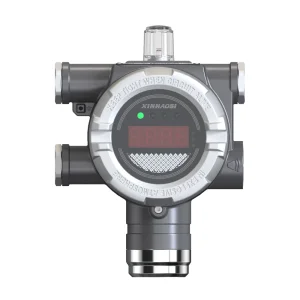
Operating environments in refineries involve volatile organic compounds, extreme heat, and risk of leaks. Our ATEX/IECEx certified explosion-proof gas detectors (such as the GTYQ series) are designed to provide continuous monitoring and early alarms to prevent major safety incidents.
Urban utility systems require localized, reliable valves to handle variable flows and pressure spikes. Our automatic emergency shut-off valves integrate directly with pressure monitors and wireless terminals, allowing municipal operators to isolate sections instantly if pressure drops or leaks are detected.
In residential developments, commercial restaurants, and hotel kitchens, natural gas safety is a priority. Compact, reliable detectors integrated with domestic shut-off valves provide simple, effective protection by immediately isolating gas lines upon detecting trace amounts of methane or LPG.
Technical, regulatory, and engineering questions answered by our safety experts.
Discover our comprehensive range of safety valves, wireless monitoring terminals, and residential detectors.