In modern industrial and urban residential operations, the containment and mitigation of combustible gas hazards represent a foundational component of functional safety architecture. Explosive gases, including methane (CH₄), propane (C₃H₈), butane (C₄H₁₀), hydrogen (H₂), and various volatile organic compounds (VOCs), represent a persistent threat to structural integrity, environmental protection, and human life. As a global leading manufacturer, we understand that gas safety is not just about equipment compliance; it is about building a zero-hazard industrial environment through robust, reliable engineering and advanced sensing technologies.
Under international directives such as ATEX (Directive 2014/34/EU), IECEx, and China's national standards (GB/T), industrial plants are legally mandated to implement certified explosive gas mitigation networks. The primary objective is to maintain monitoring accuracy under extreme conditions, including wide temperature fluctuations, high relative humidity, and exposure to corrosive environments. High-quality combustible gas detectors must react within seconds to rising gas concentrations, using catalytic bead, electrochemical, or non-dispersive infrared (NDIR) technology to trigger automatic alarm systems and emergency pipeline shut-off valves.
China's smart manufacturing infrastructure has evolved from high-volume production into a global epicenter of high-tech precision engineering and supply chain resilience. Procurement officers globally seek out Chinese manufacturers for several critical reasons:
By locating our production hubs in Chengdu and Deyang, Xinhaosi leverages immediate access to advanced electronic components, specialized sensor calibration houses, raw material refinement, and precision machining ecosystems. This cluster eliminates logistics bottlenecks and minimizes component lead times.
Our in-house design engineers can rapidly adapt gas detection motherboards, firmware parameters, housing enclosures, and protocol modules (Modbus, BACnet, LoRaWAN, NB-IoT) to match client-specific infrastructure requirements, saving significant engineering cycles.
We combine advanced automation equipment with digital marketing and automated SMT assembly lines. This ensures highly repetitive quality with minimal tolerance deviations, significantly reducing unit manufacturing costs compared to regional workshops in Western countries.
Founded in 2003, Xinhaosi is one of the most influential and trusted brands in the global gas safety industry. Over the past two decades, we have steadily built a robust and comprehensive production and service system, which integrates cutting-edge R&D, intelligent manufacturing with advanced automation equipment, digital marketing across global channels, professional after-sales support with an experienced technician team, flexible OEM/ODM services, as well as CNAS-Accredited laboratory calibration services that meet international standards.
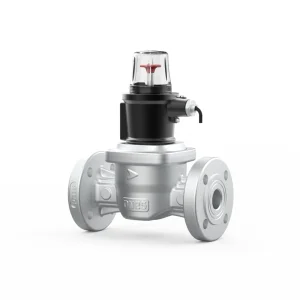
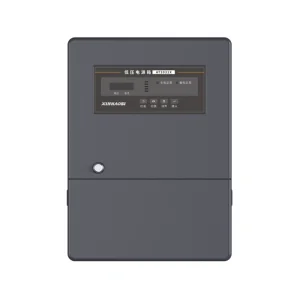
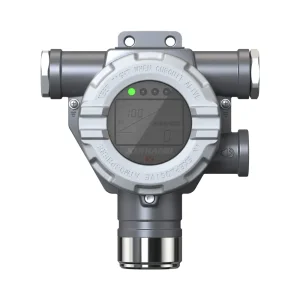
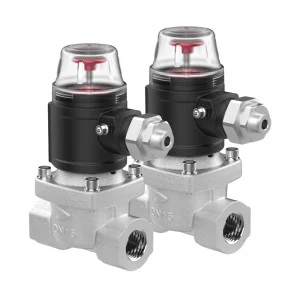
Our diversified product portfolio covers industrial & residential gas detection & alarm systems, industrial & household gas solenoid valves, and urban gas pipeline network monitoring systems—all engineered to adapt to complex working environments and strict safety requirements. We produce and sell tens of millions of units annually, catering to a wide range of industries that demand reliable gas detection solutions, including oil & gas exploration and production, petrochemicals, urban gas distribution, automotive manufacturing, pharmaceuticals, new energy, steel production, and beverage processing.
Guided by the core mission of “Making Gas Safety Accessible Everywhere,” we consistently deliver high-performance, reliable products and customized solutions tailored to each client’s unique needs. Every item we manufacture undergoes rigorous quality control tests, and every service we provide is backed by our professional technical team, fully embodying our unwavering commitment to safeguarding gas safety across both industrial workplaces and residential environments, and striving to build a safer world with sustainable gas safety technologies.

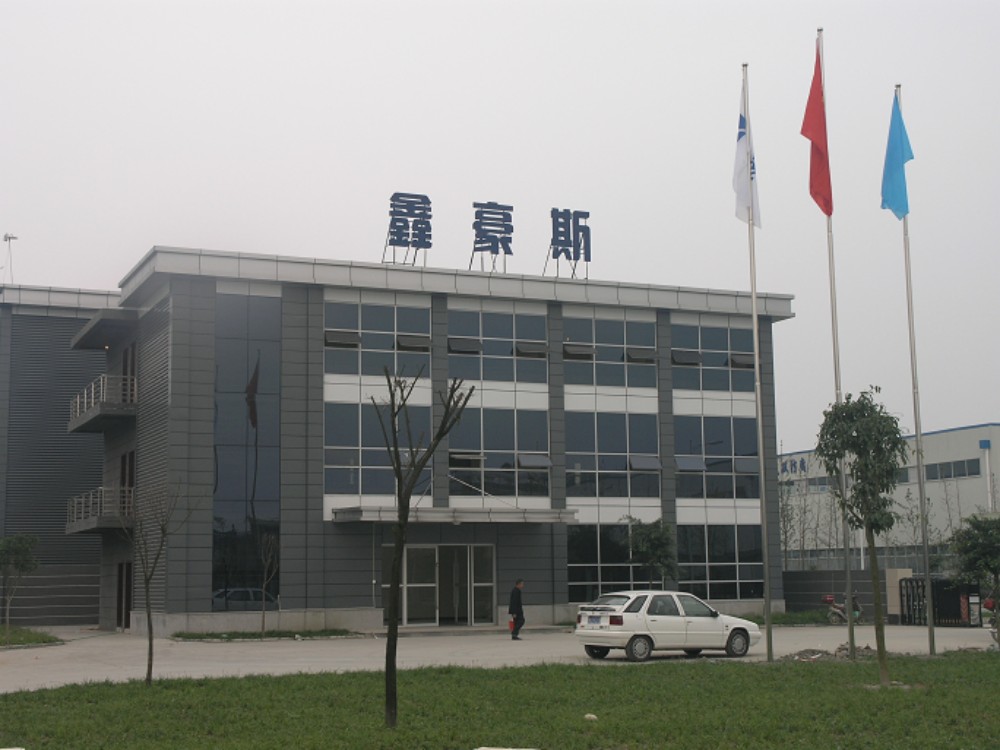
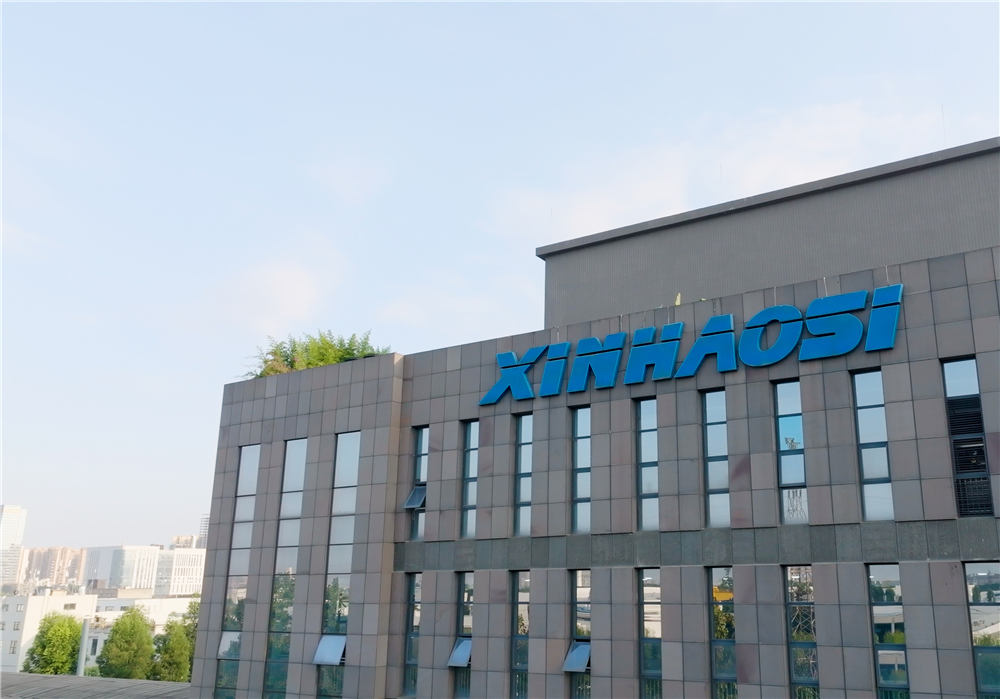
Chengdu Factory & Office

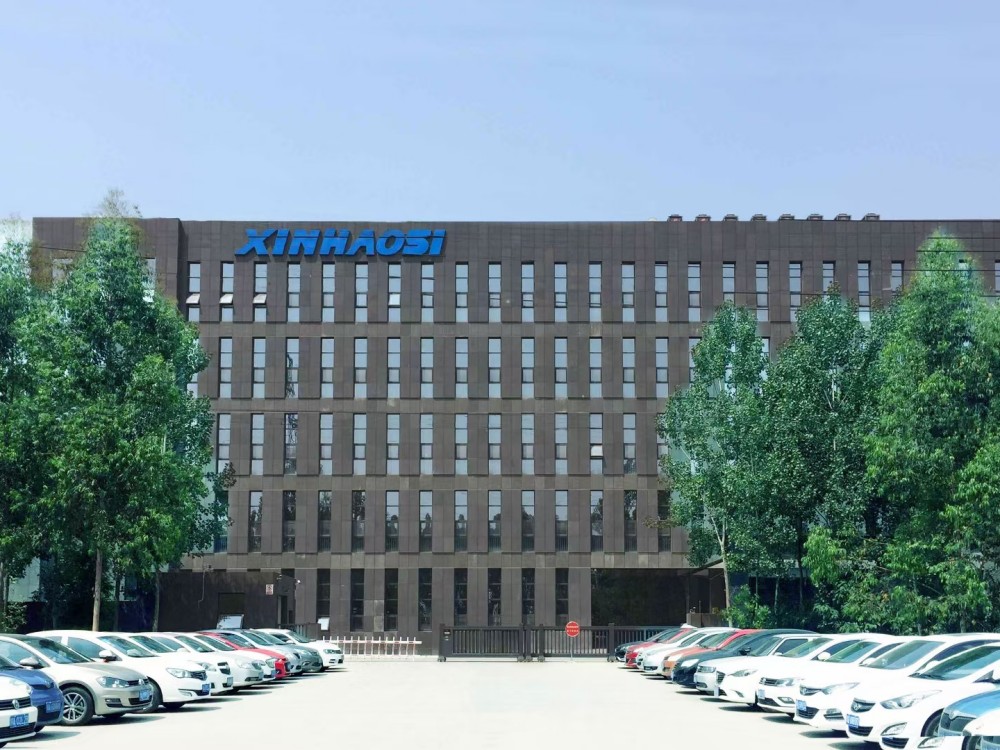
Deyang Factory
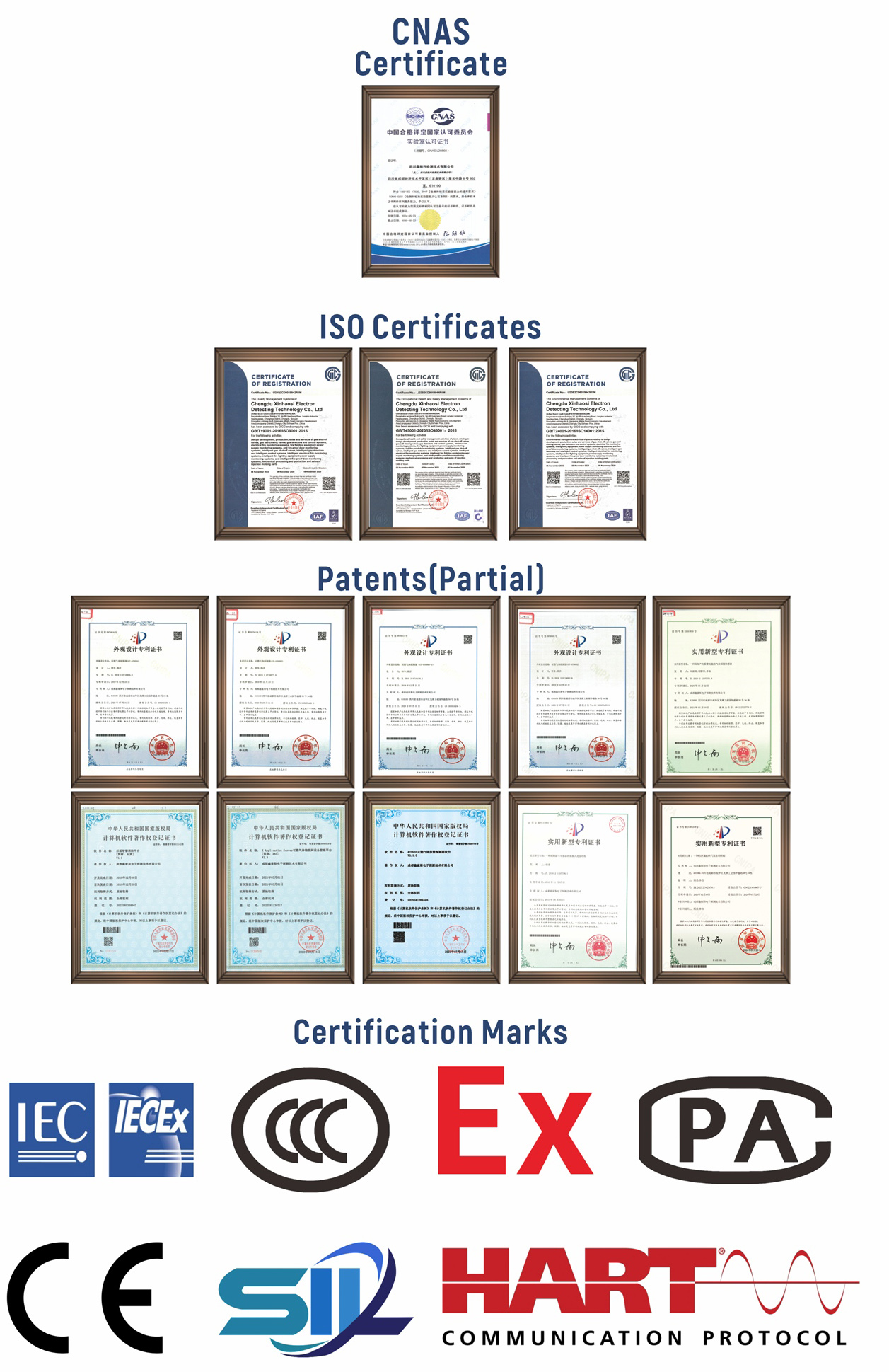
Adhering to ISO9001 quality management system standards, Xinhaosi's core products have obtained a full range of authoritative certifications, including national compulsory Products Certification, explosion-proof certification, fire product certification, CPA measurement instrument type approval certificate, and international approvals as CE, SIL. Additionally, Xinhaosi holds honors such as "National Quality Integrity Benchmark Enterprise" , "National Quality Leading Enterprise in the Gas Alarm Industry," member of the China Fire Protection Association, and the main drafting organization for the national standard of solenoid valves, further confirming its industry influence and reputation.
In the field of intellectual property, Xinhaosi has built a robust innovation system with over 50 patents and software copyrights . These patents cover core technological areas, including a graphical monitoring system for gas detection and alarm, which enables predictive maintenance based on historical data to reduce equipment failure rates by over 30%, and a solenoid valve with flow monitoring functionality that integrates flow detection and alarm capabilities . The company also pioneered China's first networked bus-type gas leakage monitoring system and the only maximum-point gas leakage monitoring system certified by the Ministry of Public Security, demonstrating its leading position in cutting-edge technological research.
Our in-house laboratory is accredited by the China National Accreditation Service for Conformity Assessment (CNAS), recognized both domestically and internationally under the ILAC-MRA framework. It operates in accordance with ISO/IEC 17025, the international standard for testing and calibration laboratories. It provides reliable and traceable testing services for gas detection and alarm products, solenoid valves, and related safety equipment. Test reports issued by the CNAS-accredited laboratory are widely accepted by regulatory authorities, certification bodies, and customers in China and overseas, helping to ensure product quality, safety compliance, and market access.
● Established on April 17th, 2003.
● Launched the 1st generation of gas leak alarm & fire fighting products.

● Started gas safety valve production.
● Expanded OEM business capabilities.
● Relocated to the main office building in Longtan Industrial Park.
● 10 million pieces gas detector sales achieved.
● Moved into Chengdu factory building.
● Completed nationwide sales & service network across China.
● Launched the fire power monitoring system products.
● Self-developed IoT cloud platform launched.
● Launched fire automatic alarm, emergency lighting, and evacuation systems.
● Obtained High-Tech Enterprise Certificate.
● Qualified as an official supplier of China’s top 5 gas suppliers.
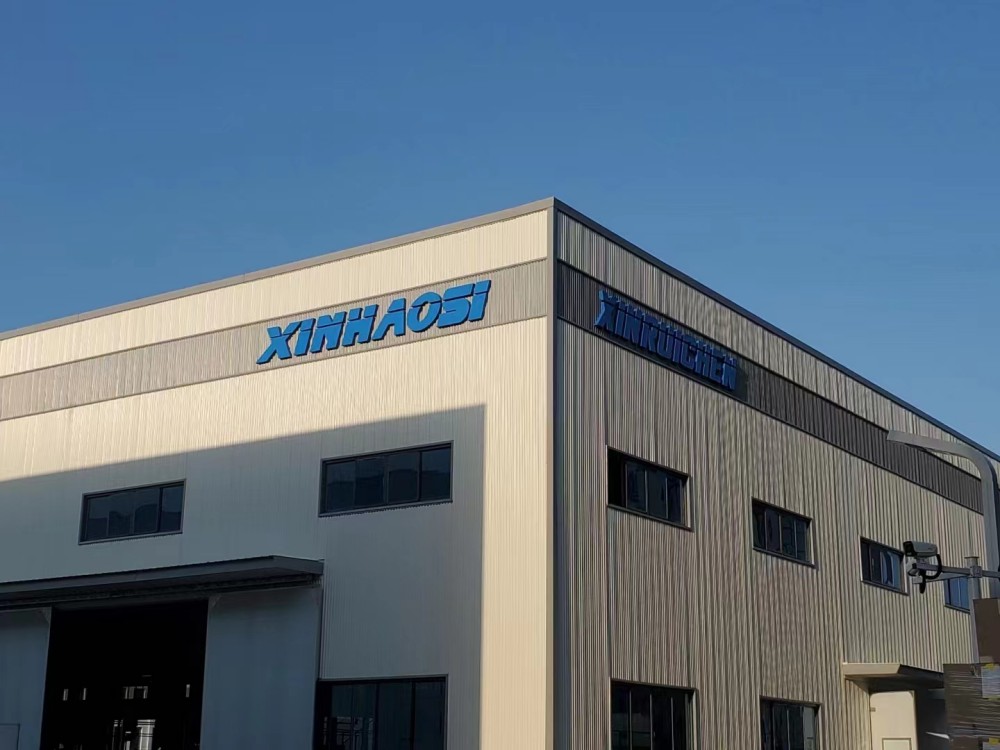
● Started Deyang factory construction.
● Established the Petrochemical & International Business Division.
● Awarded the title of Sichuan Provincial Technology Center.
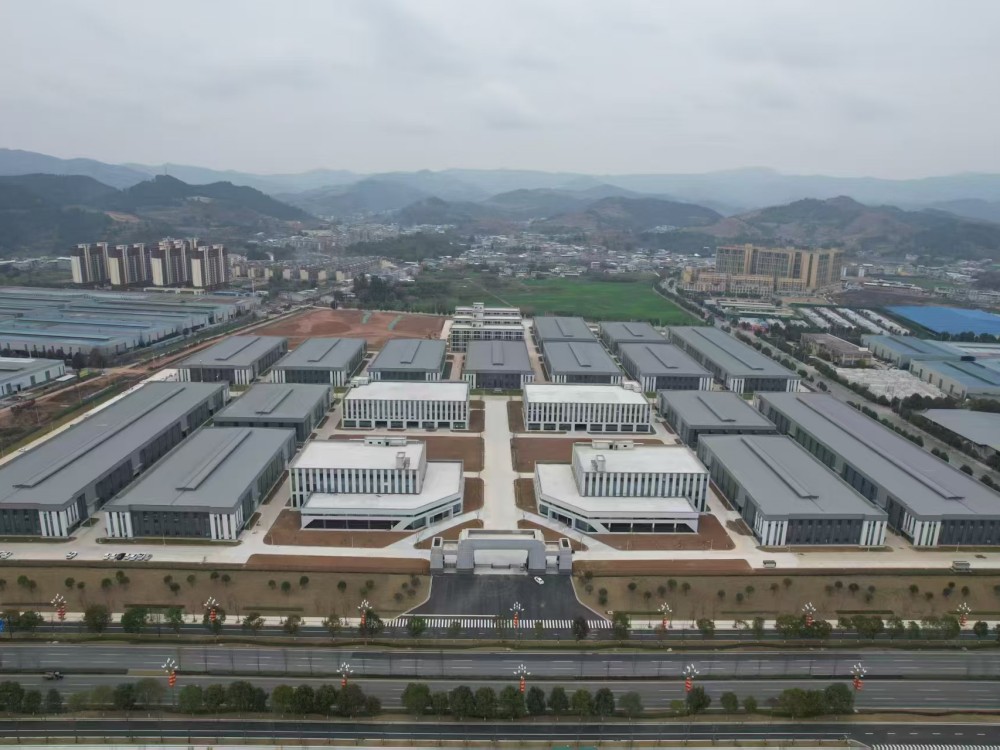
● Deyang factory construction completed and operation started.
● Launched urban gas pipeline network monitoring products.
● Launched wireless detection products and AI safety valve products.
Different industrial fields face diverse gas detection parameters, mechanical stresses, and communication requirements. We offer end-to-end solutions that span from individual point detection to comprehensive, plant-wide safety networks.
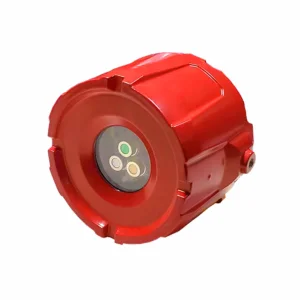
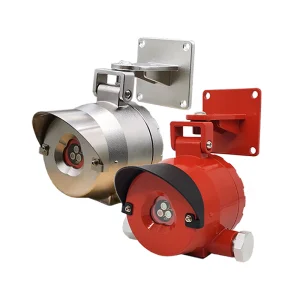
Highly volatile environments require explosion-proof (Ex d IIC T6) detectors with high IP ratings (IP66/IP67) to withstand corrosive acid mist, high temperatures, and salt spray. Our GTYQ-AT0601 series integrates electrochemical and infrared sensors to monitor trace level leaks and high-concentration LEL (Lower Explosive Limit) events continuously.
Pipelines spanning cities require wireless, low-power detection instruments. Our underground shaft gas monitoring devices, such as the GT-AT0617 series, provide continuous cellular monitoring (NB-IoT/LoRa) to send predictive telemetry data back to municipal control rooms, avoiding catastrophic street-level explosions.
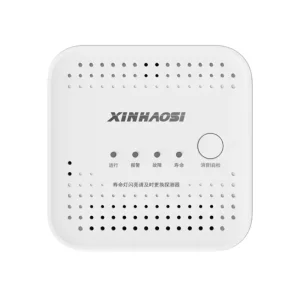
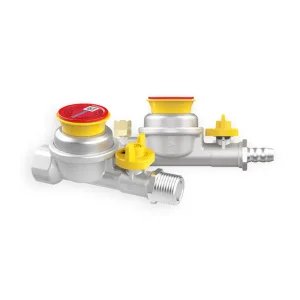
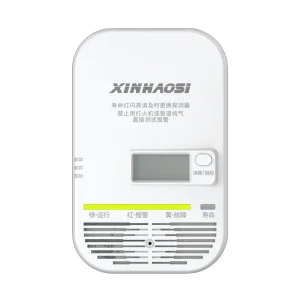
Residential natural gas (Methane) and LPG (Propane) leaks demand quick-response detectors integrated with safety shut-off systems. Our JT-AT3068 and JT-AT2066AK/B detectors are designed to link directly to XF3 series solenoid valves, automatically shutting off the pipeline within 1 second of gas detection to prevent accumulation.
Global procurement teams in the oil, gas, and energy sectors must manage supply chain risks and ensure international safety compliance. When sourcing combustible gas detectors, companies prioritize suppliers that satisfy strict validation protocols, long-term stability metrics, and certified production lines.
As a supplier working with top global gas operators, Xinhaosi ensures its products hold the necessary safety integrity approvals. For instance, our SIL2 (Safety Integrity Level 2) certification verifies that our hardware and software architectures meet strict probability-of-failure-on-demand requirements. This is key for plants aiming to minimize insurance premiums and meet strict workplace safety laws.
Additionally, our supply chain guarantees component traceability. Every gas detector controller and solenoid valve produced carries a unique, serialized QR code linking back to its calibration record in our CNAS laboratory. This allows engineers in North America, Europe, or Southeast Asia to verify the exact manufacturing run, testing conditions, and factory compliance history instantly.
The global gas safety industry is transitioning from reactive alert systems to proactive, AI-driven hazard prevention. Static alarms that alert workers after a gas cloud has formed are no longer the gold standard. Instead, leading facilities require intelligent networks capable of locating micro-leaks and estimating hazard propagation paths in real time.
By monitoring sensor drift and baseline current anomalies over time, our intelligent gas controllers run algorithms to predict sensor depletion. This allows maintenance teams to schedule recalibrations and sensor cartridge replacements before failures occur, reducing downtime by up to 30%.
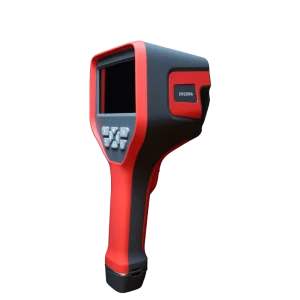
Integrating LoRaWAN, NB-IoT, and Bluetooth Low Energy (BLE) into handheld and static gas monitors allows for swift deployment without the massive expense of trenching conduit and laying communication cables. This is useful for large refineries and temporary mining operations.
The modern safety standard requires detectors to form a closed-loop system with shut-off valves. Future systems will utilize smart solenoid valves that monitor gas pressure, flow velocity, and temperature, communicating with the central safety controller to handle emergencies automatically.
Catalytic combustion sensors rely on gas oxidation to heat up a detect wire, changing its resistance. They are cost-effective, detect a wide range of gases, but can suffer from sensor poisoning (e.g., silicone, sulfur) and require oxygen to operate. Infrared (NDIR) sensors measure light absorption at specific wavelengths. They do not require oxygen, are immune to poisoning, and offer long-term stability, making them suitable for oxygen-depleted zones and high-concentration environments.
Industrial safety regulations typically require gas detectors to undergo calibration check intervals of 3 to 6 months depending on environmental severity. High-dust, high-humidity, or potentially toxic gas exposure environments require more frequent testing. The calibration must use traceable test gas cylinders with concentration readings matching the sensor's target span.
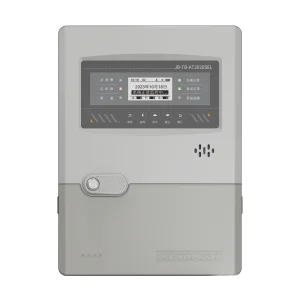
SIL certification (such as SIL2 or SIL3) determines the safety performance level of electronic systems. An independent body analyzes the hardware and software for systematic and random failure rates. Having a SIL2 certified controller, such as our JB-TB-AT2020SEL, guarantees that if a combustible gas leak reaches a critical threshold, the controller is highly likely to trigger the connected emergency valves and alarms without failure.
Yes. Xinhaosi specializes in OEM and ODM safety instrumentation development. We offer modification of casing molds, custom board layouts, adjusted sensor detection ranges (e.g. PPM, LEL, Vol%), customized communication protocols (Modbus, LoRa, Wi-Fi), and co-branding options including customized display designs and user manuals.