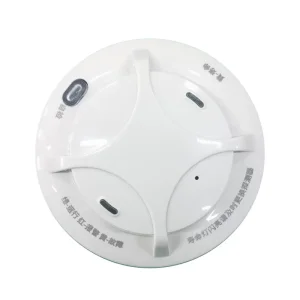
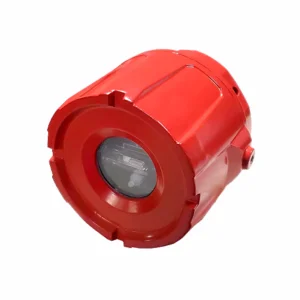
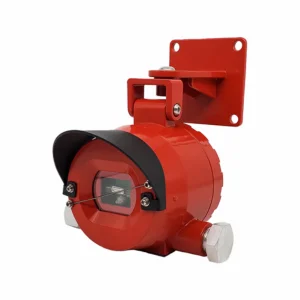
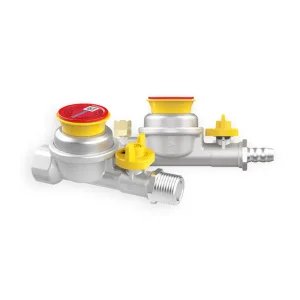
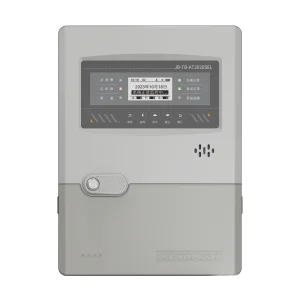
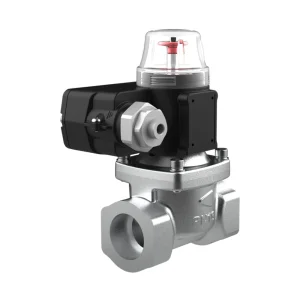
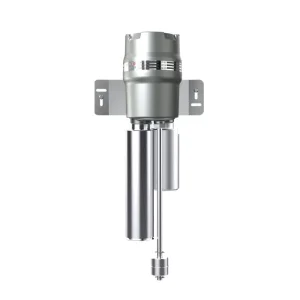
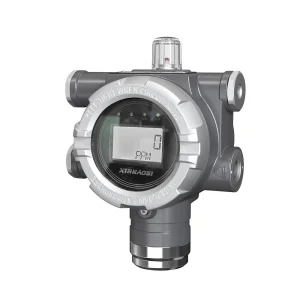
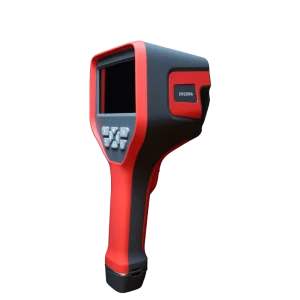
Discover our premium range of gas detectors, controllers, flame monitoring units, and solenoid valves engineered for safety and precise control.
The global thermodynamic and process industry is undergoing a monumental transition. Central to this paradigm shift is the gas control valve boiler system, a crucial module responsible for safety, fuel modulation, and stoichiometric ratio maintenance. Today, industries demands valves that do not simply open and close; they require ultra-precise modulating devices that communicate live metrics with the building management systems (BMS).
From petrochemical refineries and food processing units to district heating networks and residential boilers, gas safety and precise modulation remain primary operational goals. Leading global manufacturers are investing heavily in producing high-performance gas control valves that comply with regional pressures, chemical makeups, and strict decarbonization mandates.

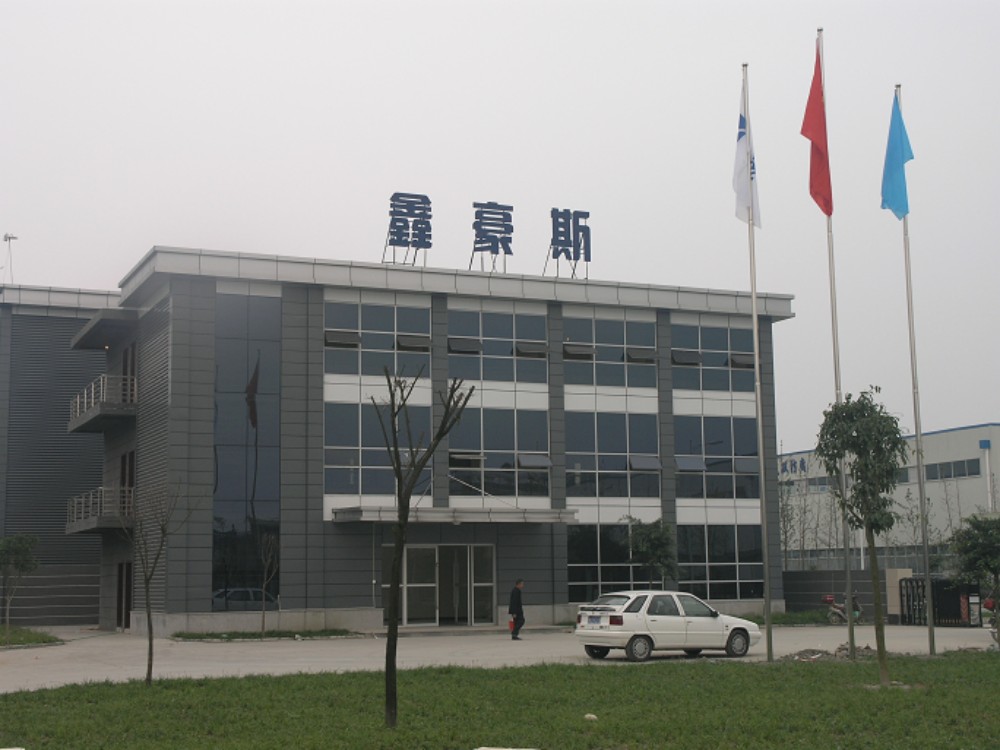
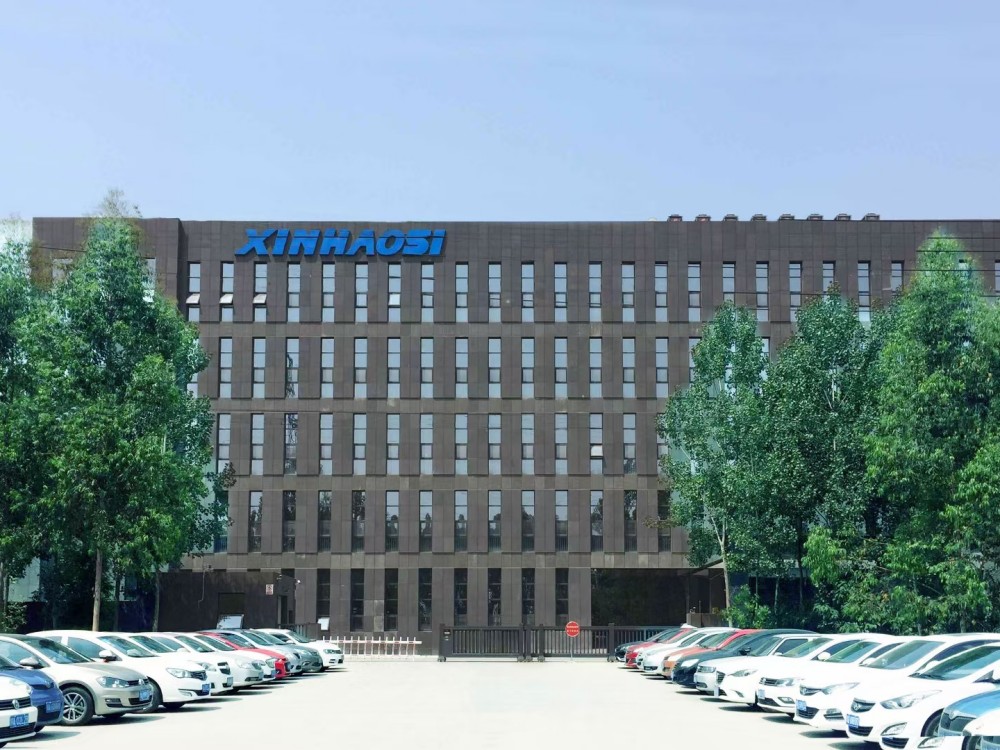
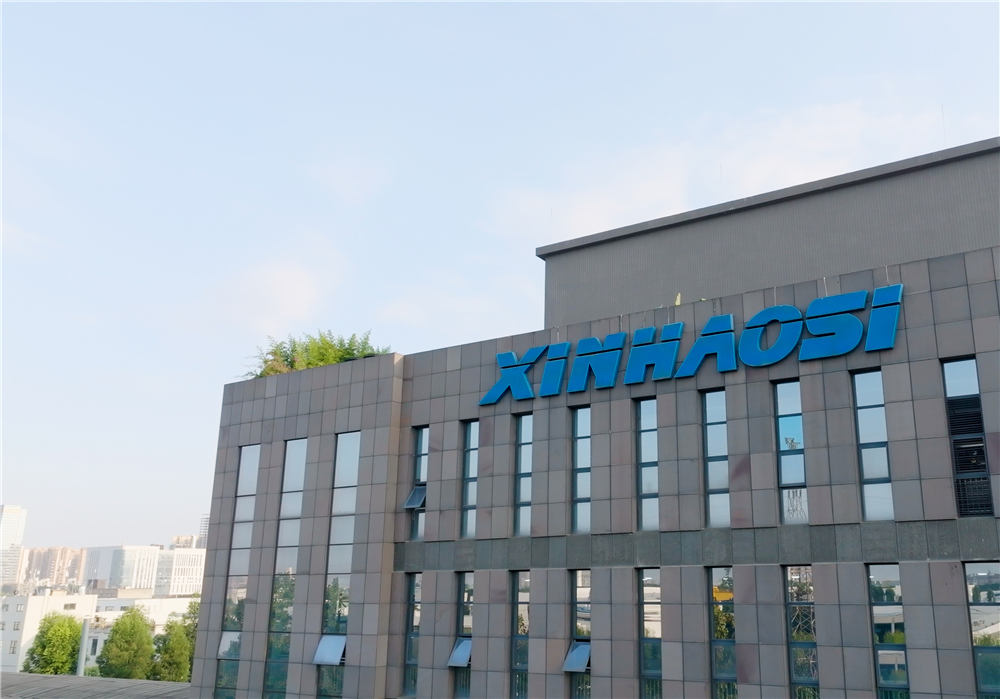
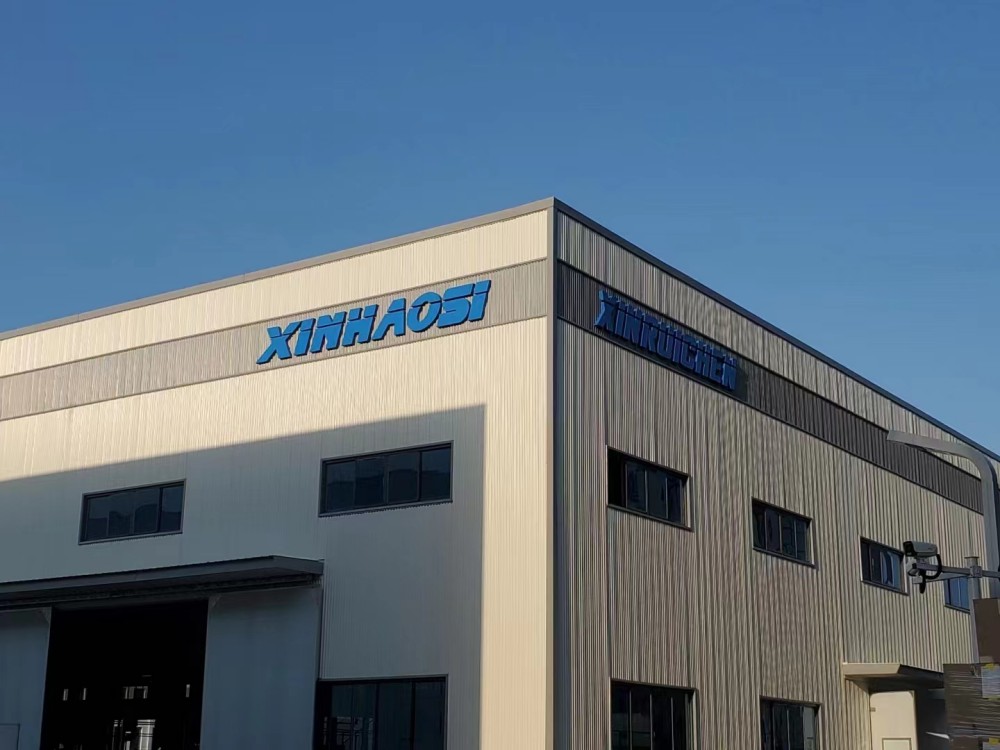
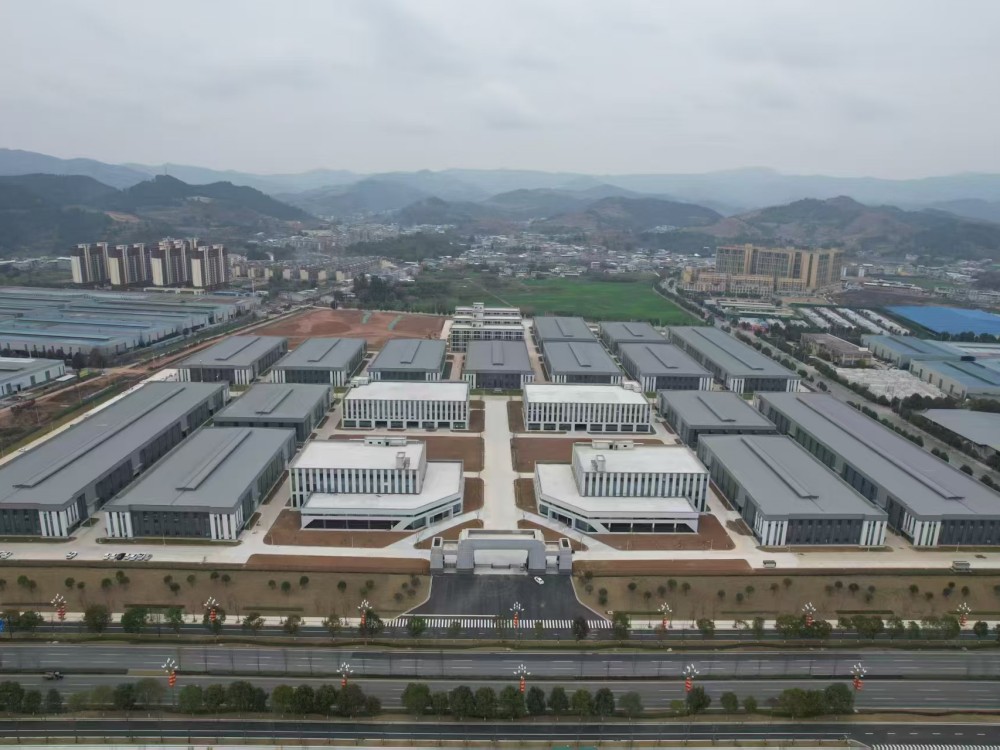
Our Deyang Production and Calibration Facility
Founded in 2003, Xinhaosi has established itself as one of the most influential and trusted brands in the global gas safety and control industry. Over the past two decades, we have built a comprehensive production, calibration, and support framework that meets the demanding needs of global commercial and industrial organizations. Our infrastructure integrates cutting-edge R&D with advanced automation equipment, robust digital supply systems, and flexible OEM/ODM capabilities.
Our core production lines output tens of millions of units annually, satisfying safety regulations across various verticals: oil & gas exploration, petrochemical refinement, steelworks, pharmaceutical processing, new energy facilities, and urban residential gas infrastructure. Guided by our mission, "Making Gas Safety Accessible Everywhere," we guarantee that every solenoid valve, detector, and system controller is subjected to rigorous multi-tiered quality control tests before dispatch.

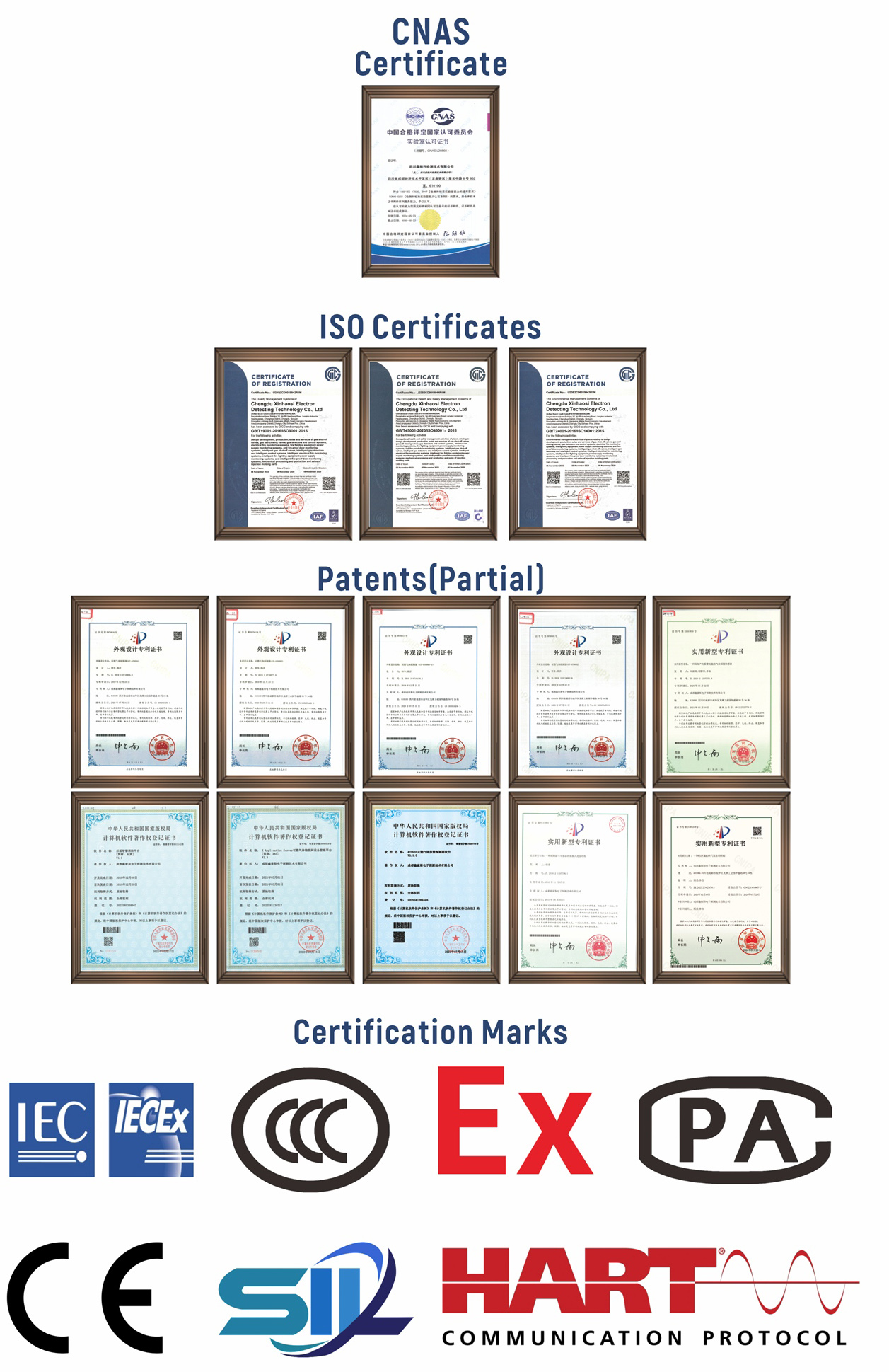
Adhering to strict ISO9001 quality management procedures, Xinhaosi’s product catalog has secured major global safety certifications. These include national compulsory product certifications, explosion-proof approvals, fire protection certifications, and international standard clearances such as CE and SIL (Safety Integrity Level).
Our patent portfolio comprises over 50 registered patents and software copyrights. Notable proprietary systems include our graphical monitoring tool for gas alarm hubs (reducing field equipment downtime by over 30% through predictive analysis) and flow-rate tracking solenoid valves which integrate leakage assessment directly into the mechanical valve housing. As a primary drafting entity for the national standard of solenoid valves, Xinhaosi sets the benchmark for safety engineering.
Decarbonization, smart diagnostic IoT, and hydrogen fuel adaptation are steering the next era of industrial boiler regulation.
As the international community works toward net-zero greenhouse gas goals, blending hydrogen into existing natural gas pipelines has transitioned from a theoretical idea to a practical requirement. Hydrogen molecules are significantly smaller than methane molecules, resulting in higher leak rates through standard seals and joints. Consequently, next-generation gas control valve manufacturers must redesign seal configurations and utilize materials that resist hydrogen embrittlement. Modern valves must regulate gaseous mixtures containing up to 20% hydrogen without showing signs of component fatigue or compromising closure integrity.
The modern boiler room is a connected ecosystem. Control valves are now expected to supply real-time feedback regarding gas pressure, volumetric flow, temperature, and coil status. Built-in microcontrollers, such as those within the FDG-X304SE Intelligent Data Gateway, process edge inputs to predict potential faults. Operational managers can observe actuator performance, detect micro-leakage events, and program preventative maintenance operations, reducing unplanned downtime.
Stringent emissions standards demand highly accurate control of the air-fuel ratio. Mechanical linkages are being replaced by electronic gas-air ratio control (ERC) systems. The control valve works in sync with variable speed blowers and oxygen sensors to maintain clean combustion, even when incoming fuel characteristics or ambient air temperatures shift.
Tailoring control valve solutions to diverse regional challenges, safety standards, and environmental conditions.
In the European market, gas control systems must meet the strict requirements of EN 161 (Automatic shut-off valves for gas burners and gas appliances). Industrial networks are rapidly transitioning to hydrogen-ready status. Additionally, boiler setups must support micro-modulation with low standby energy consumption to comply with the European Union's Ecodesign Directives.
North American installations focus on durability and compliance with ASME boiler and pressure vessel regulations, alongside UL/FM approvals. Valves must operate across a wide range of climates—from extremely cold Canadian winters to hot, humid Gulf Coast petrochemical plants. High flow rates and robust explosion-proof ratings (e.g., Class I, Div 1) are standard requirements.
APAC markets demand high production volume, competitive pricing, and smart city connectivity. Urban gas pipeline systems require remote gas monitoring capabilities (such as the JT-AT2004BII Bus-type system) and automatic shut-off systems linked directly to city-wide emergency dispatch centers to protect dense high-rise areas.
Over two decades of dedication, technical breakthroughs, and global expansion in the gas control industry.

We provide integrated control architectures, connecting the physical valve to the safety controller and cloud platforms.
Our pipeline shut-off systems automatically close the gas supply when a leak is detected. These systems pair direct-acting solenoid valves with gas detectors like the GTYQ-XP3000 to stop gas flow within milliseconds of a fault detection.
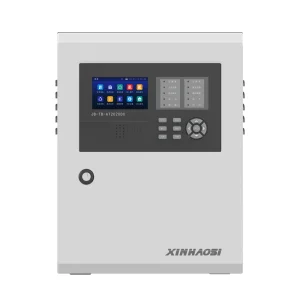
Designed for large commercial facilities, our centralized controllers (e.g., JB-TB-AT2020SEL) manage multiple gas detectors, flame sensors, and solenoid valves simultaneously. The system outputs real-time status diagnostics to facility control panels.
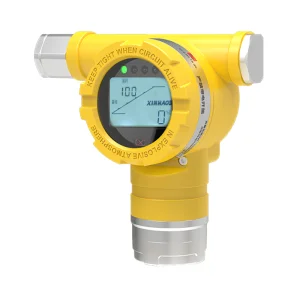
For high-risk industrial environments such as petrochemical plants and refineries, our certified explosion-proof gas detectors (such as the XP4000P) provide continuous monitoring in Class I, Division 1 and 2 hazard areas.
Expert technical answers regarding gas control valves, industrial boiler safety, and compliance standards.
Select from our wide range of high-precision safety devices, network gateways, and flame monitoring systems.