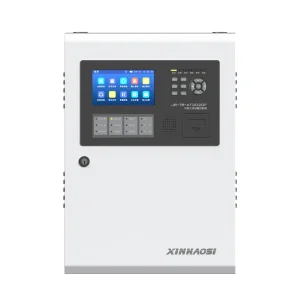
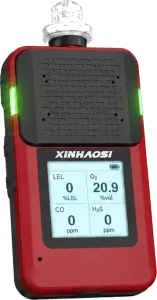
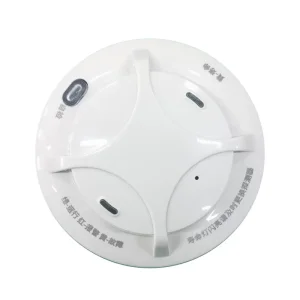
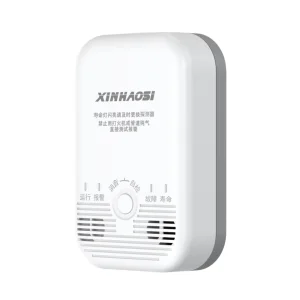
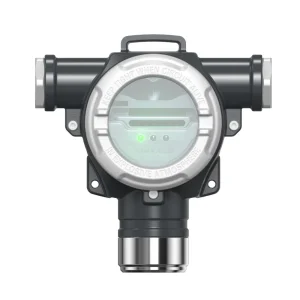
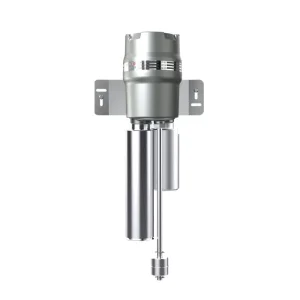
Explore our foundational safety components engineered for heavy-duty process control, real-time hazardous area telemetry, and reliable shutoff safety.
Years Safety Expertise
Patents & IP Designs
Fewer Failure Rates
Units Sold Worldwide
In modern heavy industries—ranging from offshore petrochemical platforms to complex chemical processing facilities, lithium battery testing laboratories, and municipal gas transmission matrices—the procurement of fixed gas safety infrastructure is no longer a simple transactional purchase. Procurement departments and safety engineering consultants evaluate acquisitions through the lens of Total Cost of Ownership (TCO), system reliability metrics, and strict international safety accreditations.
Industrial gas detection systems face brutal environments characterized by broad temperature spikes, extreme humidity, aggressive chemical vapors, and high explosion risks. Purchasing decision-makers must balance initial CAPEX with long-term OPEX indicators, such as sensor calibration drift rates, target sensor lifespans (ranging from electrochemical to catalytic and infrared technologies), ease of field maintenance, and cross-sensitivity resistance.
A high-quality fixed gas detector acts as the first line of defense. It prevents catastrophic events while avoiding costly production shutdowns caused by false alarms. A single unnecessary shutdown on a petrochemical process line can incur financial losses exceeding hundreds of thousands of dollars. Therefore, selecting a manufacturing partner with a robust pedigree, certified design frameworks (such as IECEx, ATEX, SIL2/3, and CE), and a reliable global supply chain is critical.
Fixed gas detection involves three primary sensor technologies, each suited to specific environmental hazards:
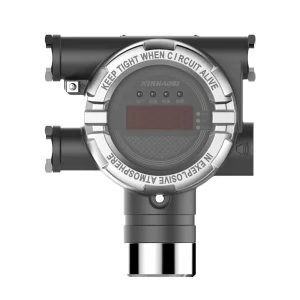
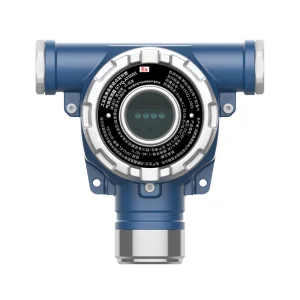
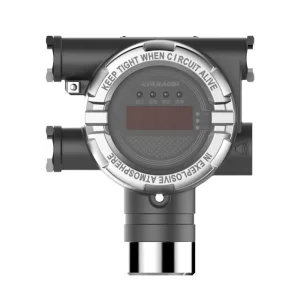
By integrating these diverse sensor technologies into explosion-proof transmitters like the GTQ-XP4000 and GTYQ-AT0501, industrial plants can customize safety architectures to match specific local hazard profiles.
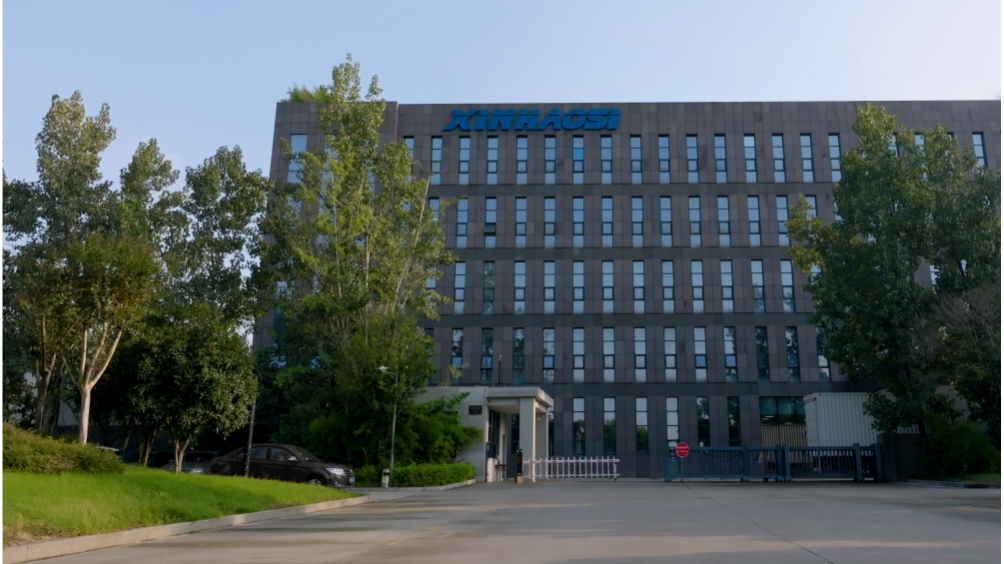
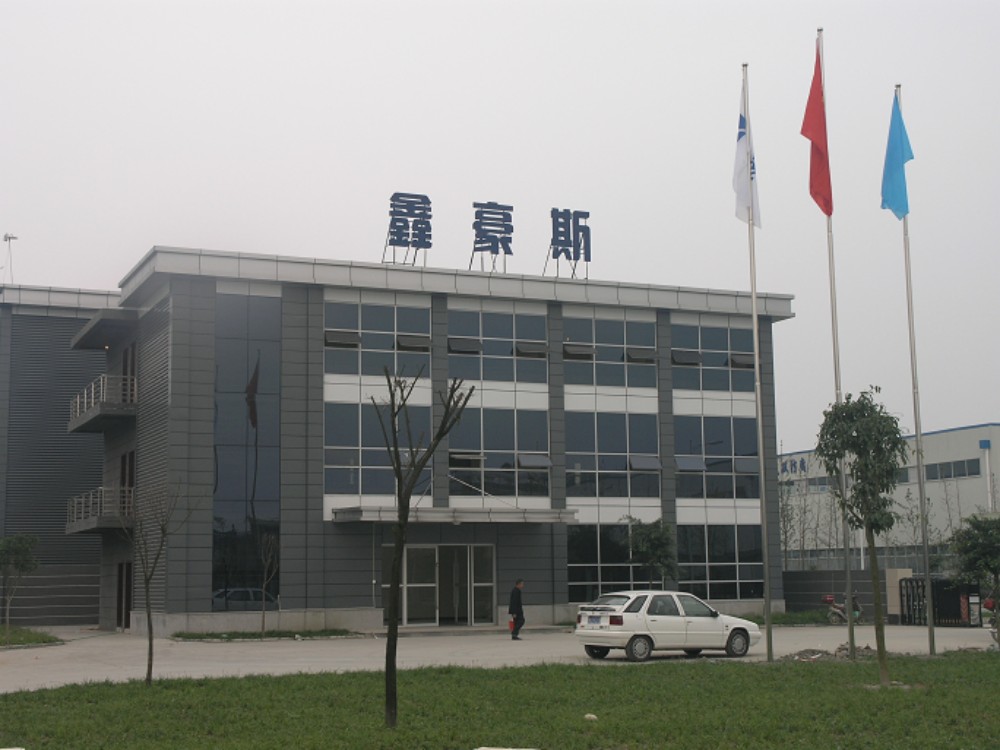
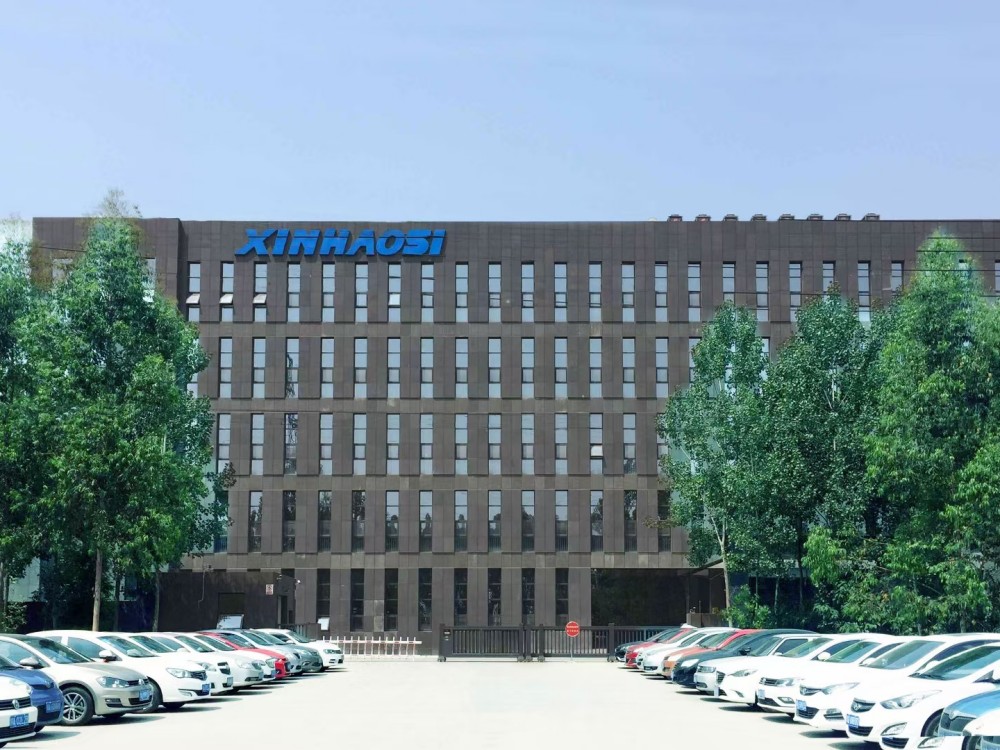
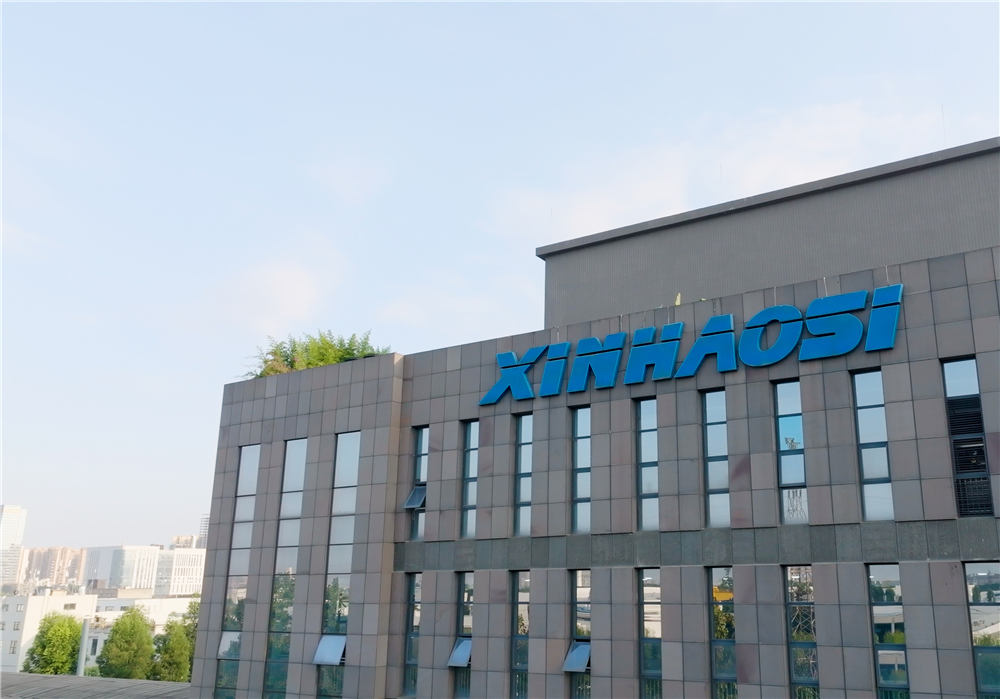
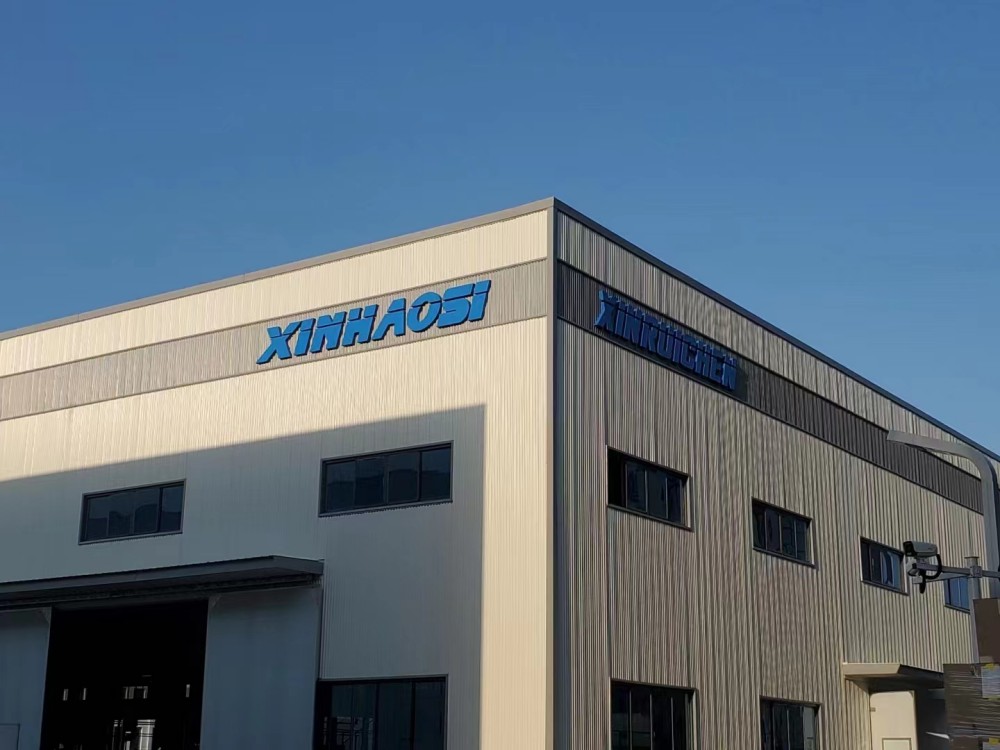
Founded in 2003, Xinhaosi has established itself as one of the most influential and trusted brands in the global gas safety sector. Over two decades of technical evolution, we have constructed a comprehensive production and service system. This ecosystem integrates R&D, automated manufacturing, global marketing channels, professional field-technician support, and flexible OEM/ODM capabilities.
Our manufacturing capacity spans tens of millions of units annually, servicing oil & gas exploration, petrochemical refineries, municipal distribution grids, pharmaceutical complexes, new energy battery projects, metallurgical plants, and beverage processing lines.
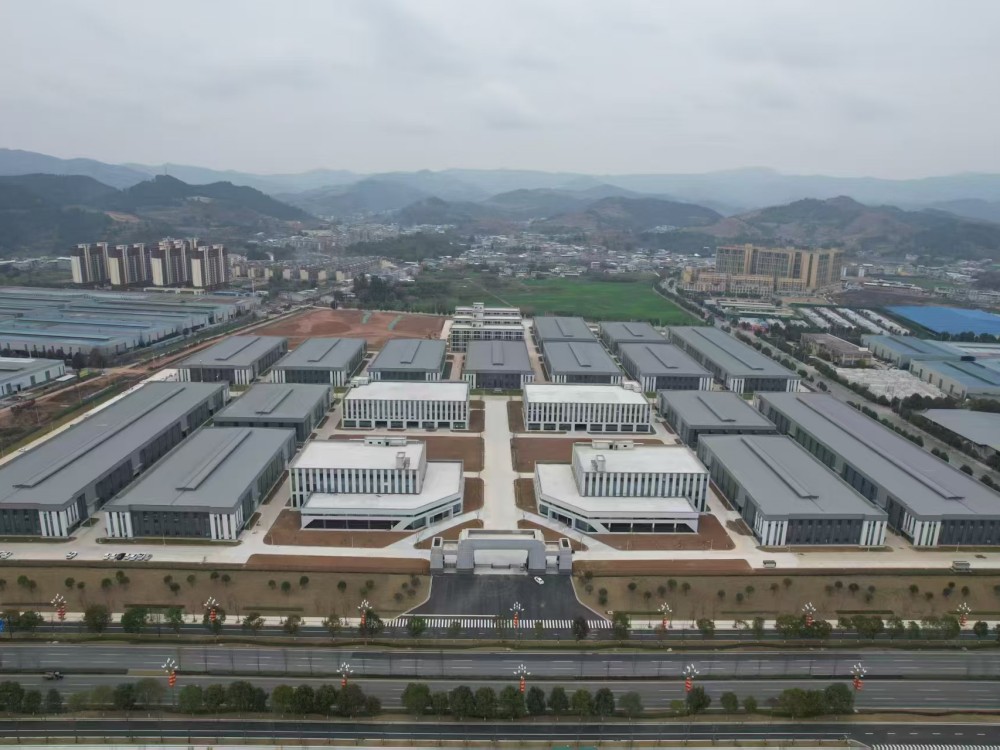
Our production capabilities are divided across two major hubs: the Chengdu corporate headquarters and our smart facility in Deyang. These plants feature automated assembly lines, high-precision calibration equipment, and environmental simulation chambers that replicate extreme sub-zero, tropical, and high-vibration conditions.
Each safety device, gateway, and solenoid valve undergoes rigorous functional testing. This dedication ensures that our systems operate reliably in critical environments, safeguarding lives and maintaining operational uptime.
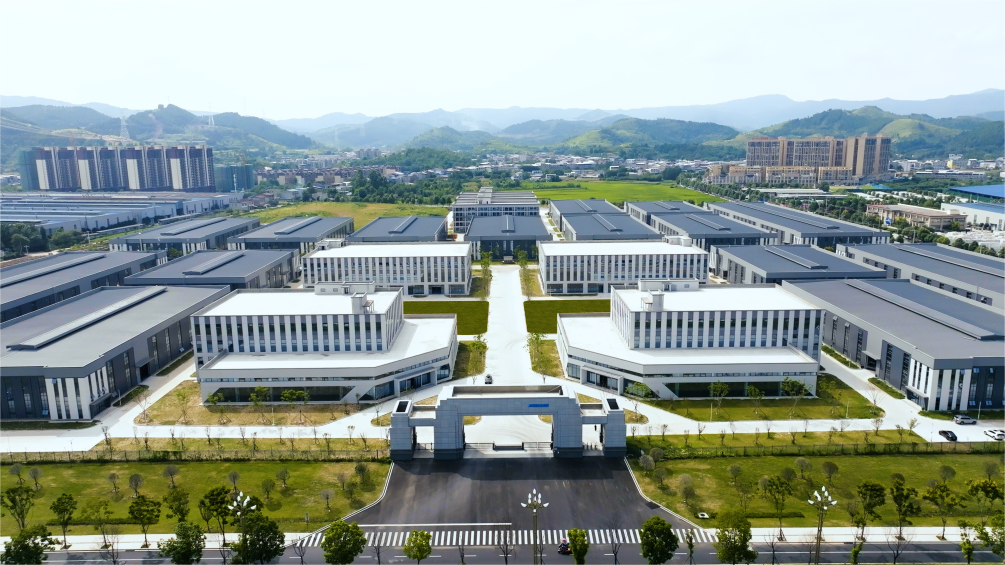
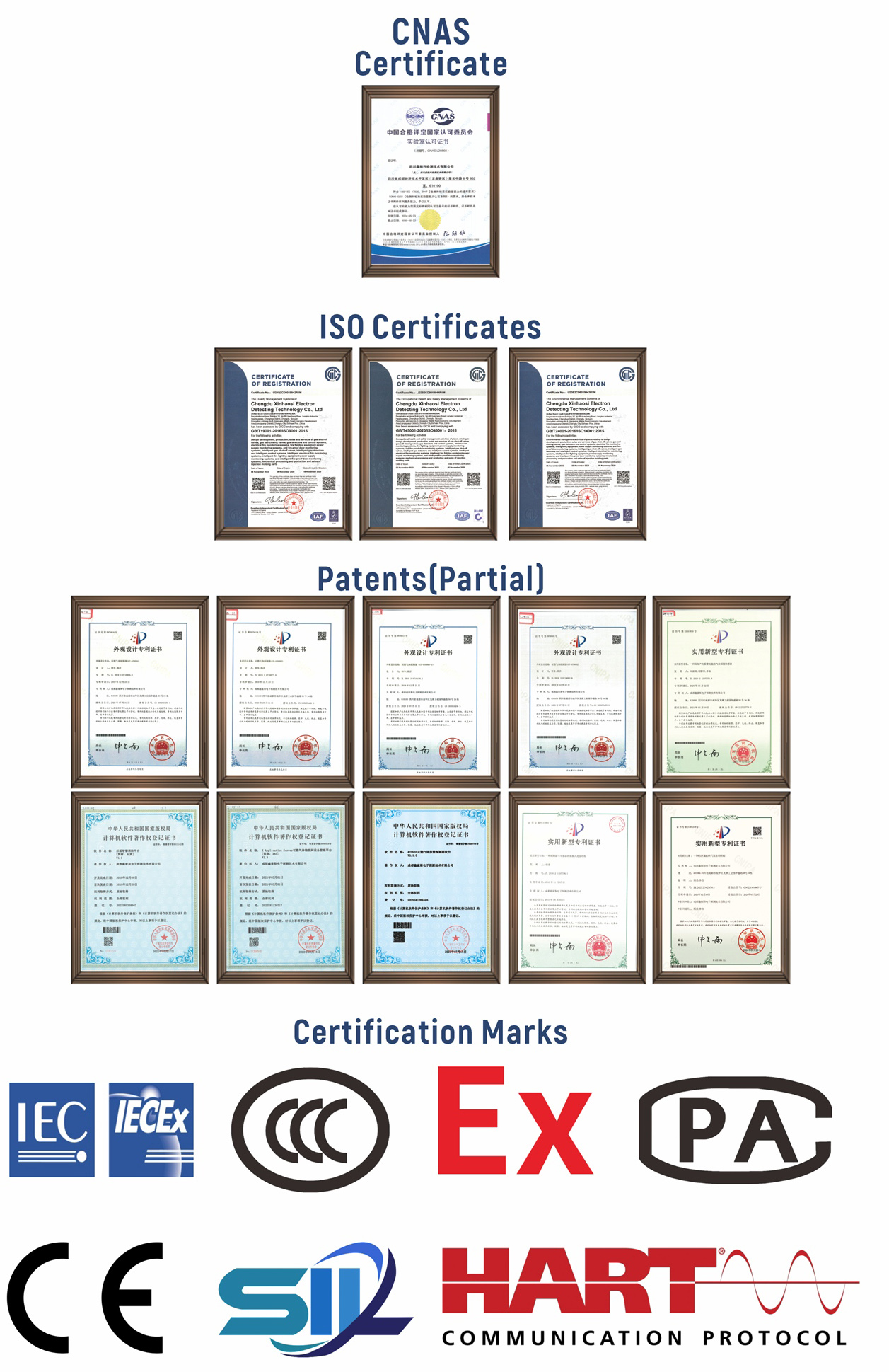
Xinhaosi operates in accordance with the ISO9001 quality management system. Our product range has earned major national and international certifications, including National Compulsory Product Certification (CCC), Explosion-Proof Certification, Fire Product Certification, CPA Measurement Instrument Type Approval, and European CE and SIL (Safety Integrity Level) ratings.
We hold over 50 patents and software copyrights. Key innovations include our proprietary graphical monitoring software—which enables predictive maintenance based on historical data to reduce field failures by 30%—and our flow-monitoring solenoid valves.
Our in-house CNAS laboratory is accredited under the ILAC-MRA framework and ISO/IEC 17025. It provides traceable calibration services that ensure global compliance, meeting both regulatory safety standards and complex market entry requirements.
Tailored protection schemes designed to mitigate specific gas hazards, maintain compliance, and protect personnel in demanding environments.
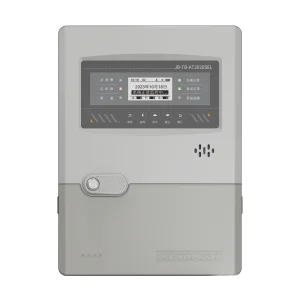
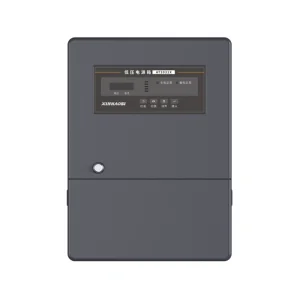
Industrial refining releases flammable hydrocarbons, toxic hydrogen sulfide, and carbon monoxide. Our solutions combine explosion-proof detectors (such as the GTQ-XP4000) with centralized safety controllers (such as the JB-TB-AT2020SEL). This integration enables automated emergency shut-offs and active exhaust ventilation when combustible thresholds are exceeded.
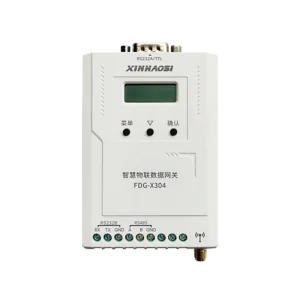
Underground shafts and utility pipelines are vulnerable to methane accumulation. Our low-power, bus-type monitoring devices (such as the GT-AT0617 and AT0605) deliver real-time data over long distances to intelligent data gateways (such as the FDG-X304), preventing localized pocket ignitions.
Lithium-ion battery charging and storage spaces are prone to off-gassing, releasing carbon monoxide, hydrogen, and volatile organic compounds (VOCs) during thermal runaway. Implementing multisensor detectors (such as the AT0602) alongside integrated solenoid valves provides early warning and fast safety isolation.
Our journey of innovation over two decades, transitioning from traditional safety alarms to IoT-enabled gas monitoring systems.

Navigating diverse global regulatory frameworks is a key challenge for safety engineers. Industrial equipment installed in hazardous locations must satisfy specific regional requirements to prevent ignition risks:
Our in-house CNAS-accredited laboratory operates in accordance with ISO/IEC 17025. This facility provides traceable test reports under the ILAC-MRA framework, facilitating global market access and local regulatory compliance.
The gas detection sector is transitioning toward connected, predictive safety ecosystems. Three main developments define our technology roadmap:
IoT-Enabled Monitoring: Traditional localized analog outputs (such as 4-20mA loops) are being updated with digital, cloud-integrated protocols like RS485 Modbus, HART, and wireless options like LoRaWAN and NB-IoT. These networks enable remote system diagnostics and fleet management.
Predictive Diagnostics: By analyzing sensor sensitivity degradation and drift characteristics over time, our software platforms can forecast sensor failures before they occur, allowing operators to plan maintenance proactively and reduce downtime.
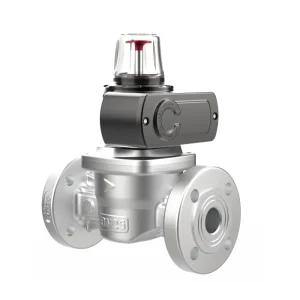
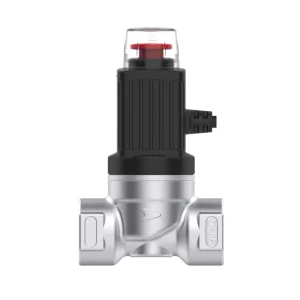
Integrated Actuation: Combining gas detection transmitters with smart shutoff actuators (such as the KT-XF5 solenoid valve series) enables immediate automated isolation of gas lines, preventing leaks from escalating into hazardous incidents.
Detailed answers to key technical questions from safety engineers, procurement managers, and system installers.
Catalytic bead sensors rely on gas oxidation on an active catalyst bead, making them best suited for general combustible gas monitoring up to 100% LEL. However, they can be poisoned by silicones and lead compounds. Non-Dispersive Infrared (NDIR) sensors use optical absorption bands, are immune to chemical poisoning, operate in oxygen-deficient environments, and offer longer lifespans for hydrocarbon monitoring. Electrochemical sensors measure current changes during chemical reactions on electrodes, providing high sensitivity and selectivity for toxic gases (such as H2S and CO) at ppm concentrations.
Industry guidelines (such as IEC 60079-29-2) typically recommend bump-testing systems every 3 to 6 months, with full recalibration performed at least once a year. The precise interval depends on environmental factors, target gas exposure frequency, and sensor type. Using our CNAS-accredited calibration services ensures that calibrations are traceable to national measurement standards under ISO/IEC 17025.
Traditional 4-20mA systems require a dedicated home-run cable from every sensor to the controller, increasing installation costs over long distances. In contrast, networked bus topologies (such as RS485 Modbus) daisy-chain multiple gas transmitters on a single, 4-core cable. This configuration reduces cabling requirements by up to 60%, enables bidirectional transmission of diagnostic data, and simplifies scaling.
Safety Integrity Level (SIL) certification verifies the reliability and Probability of Failure on Demand (PFD) of a safety instrumented system. A SIL2-certified transmitter (such as the GTQ-XP4000) is designed with internal self-testing, redundant circuit paths, and fault monitoring to ensure the system activates its alarm relays when target gases cross safety thresholds.
Integrated solutions including high-performance safety shut-off valves, localized controllers, and home monitoring detectors.